
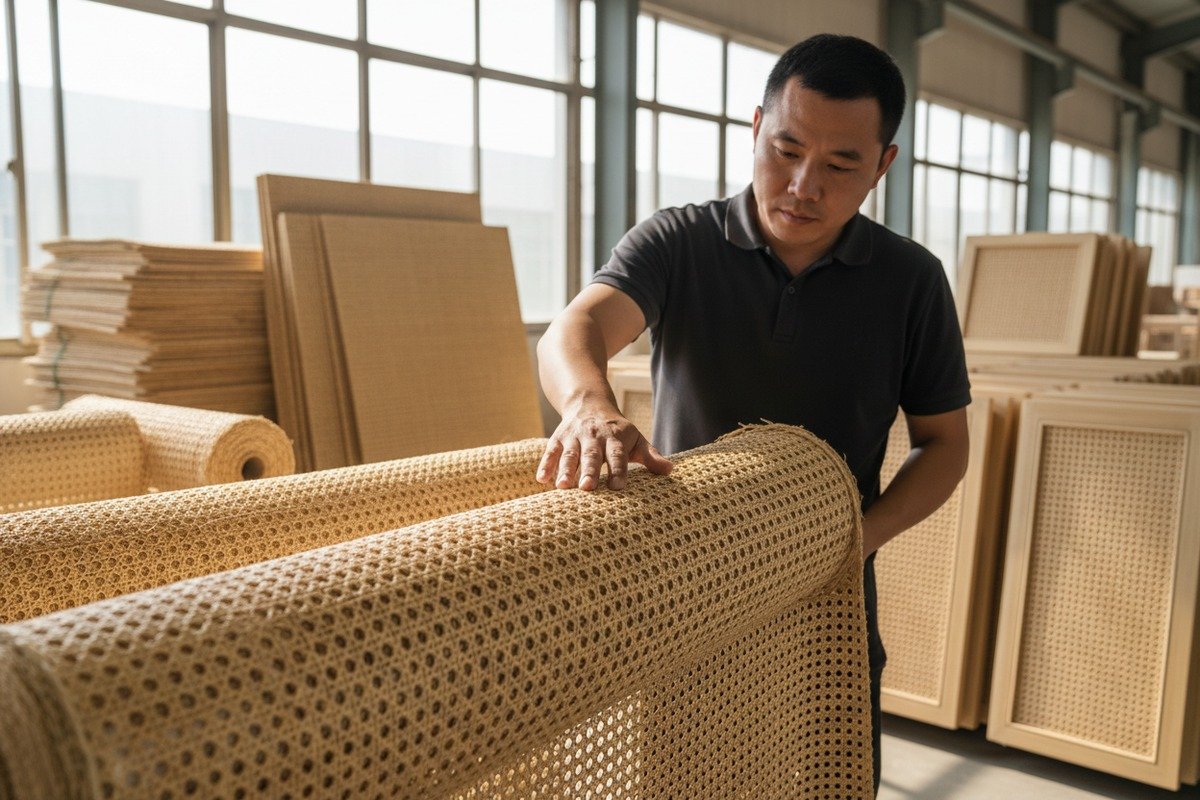
يتجنب العديد من مديري المشتريات الدرجات C و D rattan cane webbing 1 لأنهم يفترضون أن “درجة أقل” تعني “غير قابلة للاستخدام”. نرى هذا التردد كل أسبوع في مستودعاتنا في فوشان عندما يفحص المشترون لفات العينات. الحقيقة هي أن هذه الدرجات الاقتصادية يتم رفضها بشكل غير عادل - والمصانع التي تفهم كيفية استخدامها تكتسب ميزة تنافسية حقيقية في التسعير دون التضحية بالمظهر النهائي الذي يتوقعه عملاؤهم.
يُفضل استخدام قش الروطان من الدرجة C و D في حشوات الأثاث ذات الميزانية المحدودة، والألواح المطلية أو المصبوغة، والشاشات الزخرفية الداخلية، وأغطية أبواب الخزائن، وتطبيقات البناء غير الهيكلية حيث تضيف العيوب الطبيعية الطفيفة طابعًا ريفيًا أو تظل مخفية خلف المعالجات النهائية.
في هذه المقالة، نقوم بتفصيل كيفية استخدام مواد الروطان الاقتصادية هذه عبر إنتاج الأثاث ومشاريع البناء. ستتعلم أي التصاميم تعمل بشكل أفضل، وكيفية الحفاظ على مراقبة الجودة، وأين يتم تطبيق هذه المواد على نطاق واسع. دعنا نبدأ.
كيف يمكنني استخدام حبال الروطان من الدرجة C و D لخفض تكاليف إنتاج الأثاث الخاص بي؟
يواجه كل مصنع أثاث نزوده نفس الضغط: العملاء يريدون جماليات الروطان الطبيعي 2, ، لكن تكاليف المواد الخام تستمر في الارتفاع. على مدار السنوات الثلاث الماضية، تتبعت فرق الإنتاج لدينا كيف يؤثر تبديل مكونات معينة من شبكات الدرجة A إلى الدرجة C أو D على كل من التكلفة وجودة المنتج النهائي. فاجأت النتائج حتى مهندسينا.
يمكن لمشابك الروطان من الدرجة C و D أن تقلل من تكاليف المواد بنسبة 30-50٪ مقارنة بالدرجة A. استخدمها للمكونات التي سيتم طلائها، أو دعمها بالخشب الرقائقي، أو تركيبها في مناطق ذات تآكل منخفض مثل إدخالات الخزائن، والألواح الجانبية، وإطارات ألواح الرأس المزخرفة حيث تكون عيوب السطح مخفية أو مقصودة.
فهم نظام التصنيف
شبكات الروطان مصنوعة من الجلد الخارجي لنخيل الروطان، منسوجة في صفائح جاهزة. تتراوح الدرجات من AAA (الأكثر توحيدًا واتساقًا وخاليًا من العيوب بصريًا) نزولاً إلى A و B و C و D. قد تحتوي صفائح الدرجة C و D على خيوط أرق في بعض الأماكن، أو اختلافات طفيفة في اللون، أو توتر نسج غير متساوٍ، أو علامات سطحية بسيطة. لا تؤثر أي من هذه المشكلات على السلامة الهيكلية الأساسية للمادة للتطبيقات خفيفة الوزن.
حيث تحدث التوفيرات الحقيقية
فرق التكلفة كبير. عندما تنتج دفعة من 500 كرسي طعام، فإن حتى توفيرًا صغيرًا في المواد لكل وحدة يتراكم بسرعة. إليك مقارنة بناءً على أسعار الجملة الأخيرة من 6. ، فإن الفرق بين لفة من الدرجة الأولى ولفة من الدرجة الثالثة يكون مرئيًا من عبر الغرفة. ومع ذلك، فإن العديد من المشترين لا يدركون مدى ترجمة هذا الاختلاف المرئي إلى مبالغ مالية حقيقية في فواتيرهم. 3:
| عامل | شبكات الدرجة A | شبكات الدرجة C | شبكات الدرجة D |
|---|---|---|---|
| التكلفة التقريبية لكل متر خطي | $3.50–$4.80 | $1.80–$2.50 | $1.20–$1.80 |
| توحيد اللون | مرتفع | معتدل | منخفض |
| اتساق سمك الخيط | متناسق جدًا | تباين طفيف | تباين ملحوظ |
| أفضل حالة استخدام | أسطح مكشوفة وعالية الجودة | ألواح مطلية/ملطخة، أثاث متوسط المدى | ألواح مخفية، دعامات، تصاميم ريفية |
| وفورات مقابل الدرجة الأولى | — | ~35–45% | ~50–65% |
استبدال المكونات الاستراتيجي
لا تحتاج إلى استخدام الدرجة C أو D في كل مكان. النهج الذكي هو الاستبدال الانتقائي 4. احتفظ بالدرجة الأولى للأسطح التي يراها عميلك النهائي ويلمسها أكثر - مقدمة مسند كرسي، الجزء العلوي من باب خزانة. ثم استخدم الدرجة C أو D للألواح الجانبية، والأرفف الداخلية، والأقسام السفلية، أو أي سطح يتلقى طبقة تشطيب.
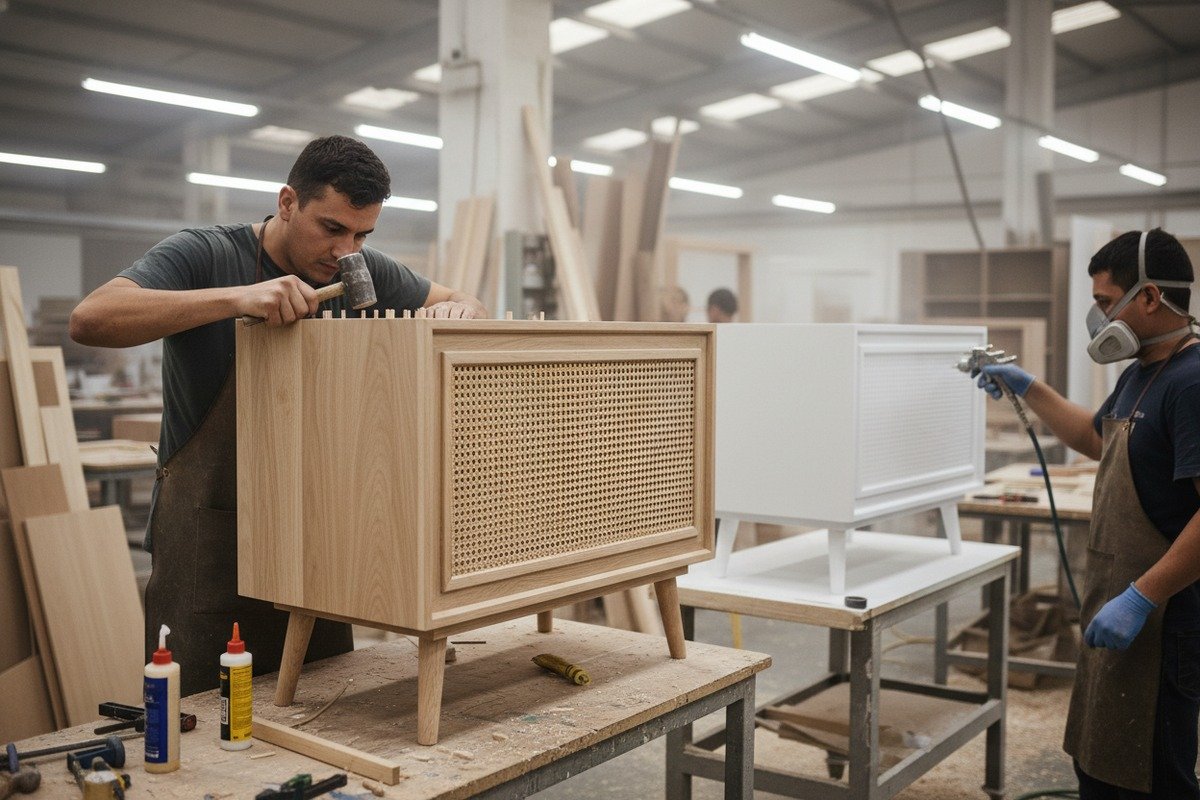
قام مصنع أثاث في تركيا نقوم بتوريده بالتحول إلى هذه الاستراتيجية المختلطة الدرجات لخط من أثاث غرف النوم. استخدموا الدرجة الأولى على مقدمات ألواح الرأس والدرجة D على الألواح الجانبية لطاولات السرير الجانبية التي تم تلطيخها قليلاً. انخفضت تكلفة موادهم بنسبة 38% على خط الإنتاج هذا، ووافق مشتريتهم - بائع تجزئة أوروبي - على كل شحنة دون شكاوى جودة.
الطلاء والتلطيخ: المعادل العظيم
بمجرد تطبيق الطلاء أو الصبغة، تختفي معظم العيوب في شبكات الدرجة C و D. يختفي تباين الألوان الطبيعي الذي يحدد هذه الدرجات الأدنى تحت طبقة من التشطيب الأبيض أو الأسود أو الجوزي. هذا هو السبب في أن المصانع التي تنتج أثاث الروطان المطلي غالبًا ما تستخدم الدرجة C أو D حصريًا. يقوم التشطيب بالعمل الشاق، وتذهب الوفورات مباشرة إلى السطر السفلي.
أي من تصاميم الأثاث الخاصة بي مناسبة بشكل أفضل لراتان الدرجة C أو D الصديق للميزانية؟
لا يحتاج كل تصميم أثاث إلى قصب لا تشوبه شائبة. عندما يعمل مستشارو التصميم لدينا مع عملاء المصانع على خطوط إنتاج جديدة، فإن أول ما نقوم بتقييمه هو الأسطح التي تواجه عين العميل وتلك التي تحتاج ببساطة إلى الملمس الطبيعي للقصب المنسوج. هذا التمييز يحدد أين تتألق مواد الدرجة C و D.
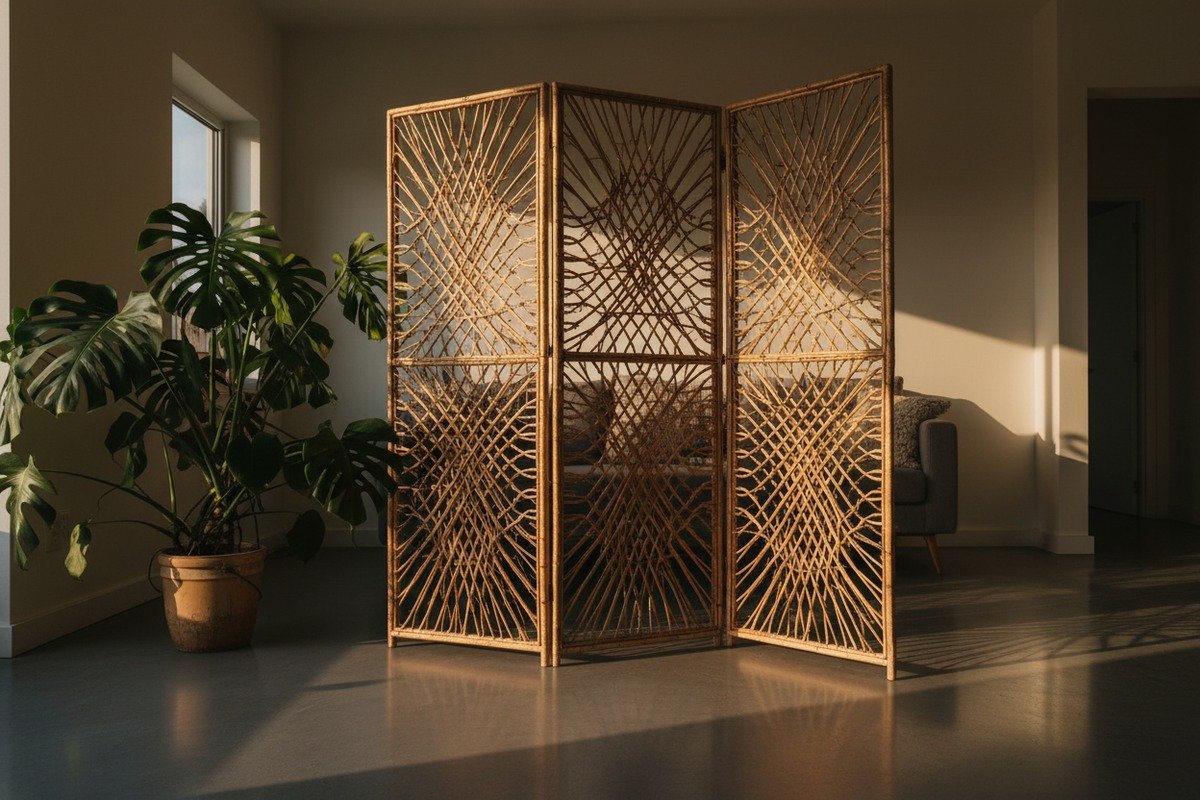
تصاميم الأثاث الأنسب لراتان الدرجة C أو D تشمل حشوات أبواب الخزائن، وواجهات الأدراج، والألواح الجانبية، وشاشات فواصل الغرف، وإطارات مساند الرأس للأسرة، وألواح أبواب خزائن الملابس، وأي قطعة مصممة بلمسة نهائية ريفية أو مهترئة أو مطلية حيث تعزز العيوب الطبيعية الجمالية بدلاً من تقليلها.
أفضل فئات التصميم حسب مستوى المهارة
لقد قمنا بتجميع التطبيقات الأكثر شيوعًا حسب تعقيد الإنتاج. هذا يساعد مديري المصانع والعلامات التجارية التي تصنعها بنفسك على تحديد مكان البدء.
| مستوى التعقيد | التطبيق | لماذا تعمل الدرجة C/D |
|---|---|---|
| مبتدئ | إدخالات أبواب الخزائن | الألواح الصغيرة تخفي العيوب؛ غالبًا ما تكون مطلية |
| مبتدئ | واجهات الأدراج | تعرض محدود؛ مدعوم بخشب صلب |
| متوسط | لوحات رأس السرير | سطح كبير ولكن عادة ما يكون مصبوغًا أو متضررًا |
| متوسط | أبواب الخزائن المنزلقة | مدعوم بالإطار؛ يُنظر إليه من مسافة |
| متقدم | ظهور ومقاعد كراسي الطعام | ألواح متعددة؛ المظهر الريفي يحتضن التنوع |
| متقدم | ألواح أسقف مخصصة | مثبتة في الأعلى؛ العيوب غير مرئية عن بعد |
تصاميم تحتضن التنوع الطبيعي
اتجاه عقد 2020 نحو "الرفاهية الهادئة" و التصميم الحيوي 5 في الواقع، يفضل المظهر العضوي لشرائط الدرجة C و D. هذه المواد لها طابع أكثر. تتفاوت الخيوط في عرضها. يتغير اللون من اللون الأصفر القش إلى درجات أعمق من العسل. بالنسبة لخطوط الأثاث البوهيمي، والحديث متوسط القرن، والاسكندنافي الريفي، فإن هذا التباين هو ميزة، وليس عيبًا.
تطلب علامة تجارية هولندية للأثاث نقوم بالتصدير إليها تحديدًا شرائط من الدرجة C لمجموعة "Coastal Living" الخاصة بهم. يريد عملاؤهم تلك الجودة المصنوعة يدويًا وغير المثالية. تسوق العلامة التجارية لها على أنها "منسوجة يدويًا"، وتباع بسعر تجزئة مميز على الرغم من استخدام مواد من الدرجة الاقتصادية.
التصميمات التي يجب تجنبها مع الدرجة C/D
كن صادقًا بشأن القيود. شرائط الدرجة C و D ليست مثالية للتطبيقات الشفافة وعالية الوضوح على الأثاث المميز. إذا كانت شرائط القصب هي نجمة القطعة - مثل كرسي طعام بأسلوب فيينا مع مقعد وظهر من القصب المكشوف - فإن عميلك يتوقع الكمال البصري. استخدم الدرجة A أو AAA لتلك التصميمات.
وبالمثل، فإن مقاعد الكراسي التي تتحمل وزن الجسم في الاستخدام اليومي تحتاج إلى اتساق مادة ذات درجة أعلى. قد تترهل شرائط الدرجة D ذات الخيوط الأرق بمرور الوقت تحت الضغط المتكرر. القاعدة بسيطة: إذا كانت الشرائط تتحمل الوزن أو تعمل كسطح بصري أساسي على الأثاث الراقي، فاختر درجة مميزة.
اختيار النمط مهم
تأتي شرائط الدرجة C و D بنفس أنماط النسيج مثل الدرجات المميزة - شبكة سداسية مفتوحة 6 (نسيج راديوي)، نسيج سلة مربع، ثماني الأضلاع، وزخارف ماسية. بالنسبة للدرجات الأقل، تميل الأنماط الكثيفة مثل نسيج السلة المربع إلى إخفاء العيوب بشكل أفضل من الأنسجة السداسية المفتوحة، لأن الهيكل الأكثر إحكامًا يضغط على تباينات الخيوط. إذا كنت ترغب في استخدام نسيج مفتوح مع مادة الدرجة C، فخطط لإنهاءها بصبغة لتسوية اختلافات اللون.
كيف أضمن جودة منتجاتي النهائية عند استخدام مواد خيزران منخفضة الجودة؟
تأتي محادثات مراقبة الجودة في كل مكالمة طلب تقريبًا نتلقاها. يقلق مديرو المصانع من أن التحول إلى الدرجة C أو D سيؤدي إلى شكاوى المشترين. من خلال تشغيل منشأة معالجة الروطان الخاصة بنا في إندونيسيا والتنسيق مع أكثر من 30 مصنعًا شريكًا في فوشان، قمنا بتطوير نظام عملي نظام ضمان الجودة 7 يعمل للمواد من الدرجة الاقتصادية.
تأكد من الجودة باستخدام الروطان منخفض الدرجة من خلال تنفيذ فحص ما قبل التركيب للعناصر الهيكلية المعيبة، ونقع الأشرطة قبل التطبيق لزيادة المرونة، واستخدام دعامة من الخشب الرقائقي أو MDF لتحقيق الاستقرار، وتطبيق طبقات مانعة للتسرب أو تشطيبات لتسوية اختلافات الألوان، ووضع معايير واضحة لقبول الدرجات مع المورد الخاص بك.
بروتوكول فحص ما قبل التركيب
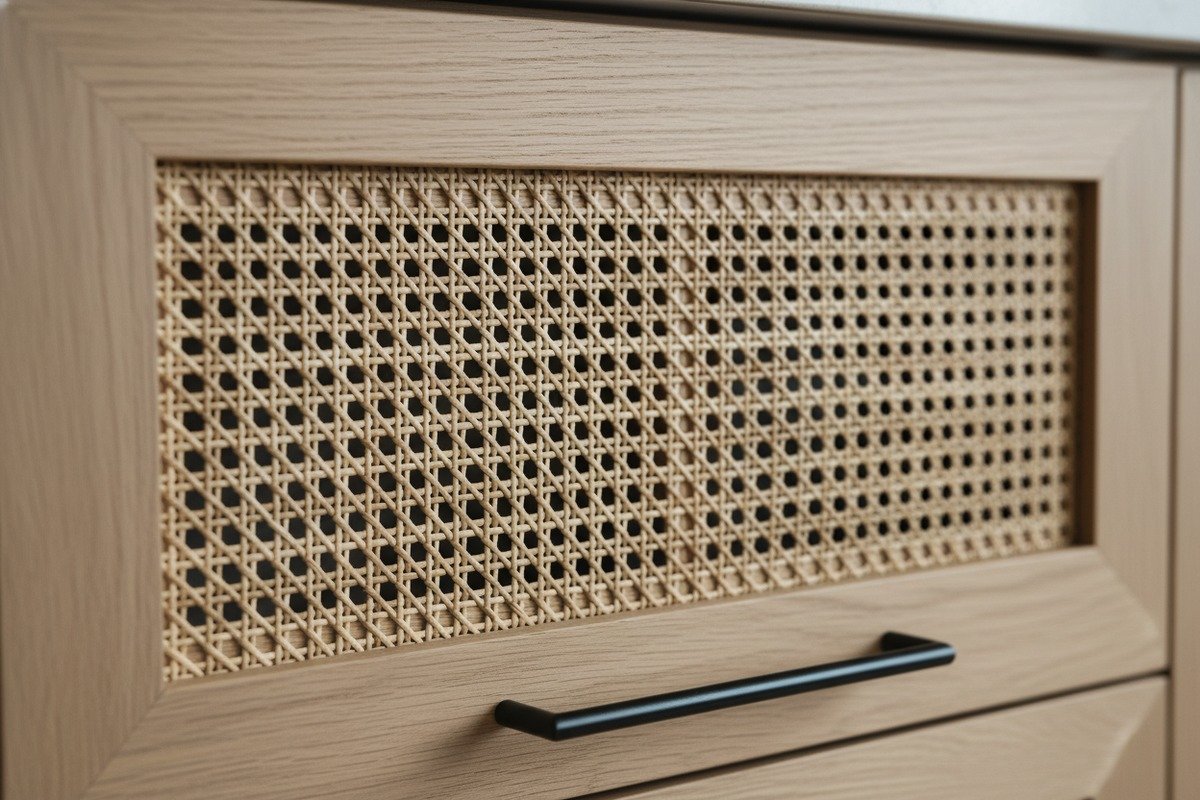
ليست كل الأشرطة من الدرجة C متساوية. ضمن كل درجة، تكون بعض اللفائف أفضل من غيرها. قبل القطع، افحص كل لفة بحثًا عن ثلاثة أشياء: ثقوب أو خيوط مكسورة، بقع لونية شديدة لا يمكن للبقع إصلاحها، ومناطق يكون فيها توتر النسيج فضفاضًا لدرجة أنه سيهبط. ارفض أي قسم به ثقوب. اقبل تباين الألوان. قم بتقييم الأقسام الفضفاضة حالة بحالة - الشد الطفيف يشد عند نقع الشريط ومدّه أثناء التركيب.
طريقة النقع والشد
يصبح قصب الروطان الطبيعي مرنًا عند نقعه في الماء لمدة 15-30 دقيقة. هذه ممارسة قياسية لجميع الدرجات، ولكنها مهمة بشكل خاص للدرجة C و D. النقع يوحد اختلافات التوتر الطفيفة في النسيج ويجعل المادة أسهل في الشد بإحكام عبر الإطار. بعد التركيب، يجف الشريط وينكمش قليلاً، مما يخلق سطحًا مشدودًا واحترافيًا.
إليك بروتوكول النقع الموصى به:
| الخطوة | إجراء | المدة | ملاحظات |
|---|---|---|---|
| 1 | اغمر الشريط في ماء فاتر | 15–30 دقيقة | لا تتجاوز 45 دقيقة؛ الإفراط في النقع يضعف الألياف |
| 2 | أخرج وهز الماء الزائد | 1-2 دقيقة | ضع بشكل مسطح على سطح نظيف |
| 3 | قم بالقطع حسب الحجم مع تداخل 1 بوصة لإدخال الأخدود | فوري | قص وهو رطب للحصول على حواف نظيفة |
| 4 | قم بالتركيب في أخدود الإطار باستخدام شريط أو دباسة | في غضون 10 دقائق | اعمل بسرعة قبل بدء التجفيف |
| 5 | اتركه ليجف في الهواء تمامًا | 12-24 ساعة | لا تستخدم الحرارة؛ التجفيف الطبيعي يضمن توترًا متساويًا |
البطانة والتعزيز
بالنسبة للألواح التي ستتعرض لأي ضغط - ألواح الأبواب التي تفتح وتغلق، واجهات الخزائن التي يتم دفعها - أضف طبقة بطانة. قطعة رقيقة من الخشب الرقائقي أو MDF خلف الشريط تمنع الهبوط وتضيف سنوات من العمر. ألواح خشب رقائقي أو MDF 8 يوفر النسيج المنسوج الملمس البصري. يوفر الدعم المتانة. يتيح لك هذا المزيج استخدام نسيج من الدرجة D بثقة في التطبيقات التي قد تكون فيها الدرجة D وحدها محفوفة بالمخاطر.
التشطيب من أجل التوحيد
ضع طبقة واقية شفافة، أو صبغة فاتحة، أو طلاء على اللوحة النهائية. تقوم هذه الخطوة بثلاثة أشياء في وقت واحد. إنها تحمي الخيزران من التلف الناتج عن الرطوبة (الخيزران الطبيعي حساس للرطوبة). إنها توحد تباينات الألوان التي تحدد المواد من الدرجة C و D. وتخلق تشطيبًا احترافيًا للسطح يلبي معايير الجودة بالتجزئة.
توصيتنا هي استخدام مادة مانعة للتسرب من البولي يوريثين المائي للحصول على تشطيبات طبيعية، أو برايمر أكريلي متبوعًا بطلاء للتشطيبات الملونة. كلا الخيارين ميسور التكلفة وسهل التطبيق ويحسن بشكل كبير الجودة المتصورة للمنتج النهائي.
التواصل مع المورد
اعمل مع مورد الخيزران الخاص بك لوضع توقعات واضحة. في منشأتنا، نسمح للمشترين بتحديد الحد الأقصى لعرض الخيوط المقبول، ونطاق الألوان، وكثافة العيوب لكل لفة. هذا يمنع المفاجآت. كما نقدم عينات تجارية قبل الطلبات بالجملة، حتى تتمكن فرق الجودة في المصنع من اختبار المواد في عملية الإنتاج الخاصة بهم قبل الالتزام بشراء كبير.
أين يمكنني تطبيق قصب الروطان من الدرجة C والدرجة D في مشاريع البناء أو الإنشاءات واسعة النطاق الخاصة بي؟
بالإضافة إلى الأثاث، شهدنا طلبًا متزايدًا من موردي مواد البناء والإنشاءات الذين يبحثون عن ألواح ذات ملمس طبيعي على نطاق واسع. استخدم عملاؤنا في المملكة العربية السعودية وأستراليا وهولندا نسيج الخيزران من الدرجة C و D في مشاريع التصميم الداخلي التجاري. التطبيقات أوسع مما يتوقع معظم الناس.
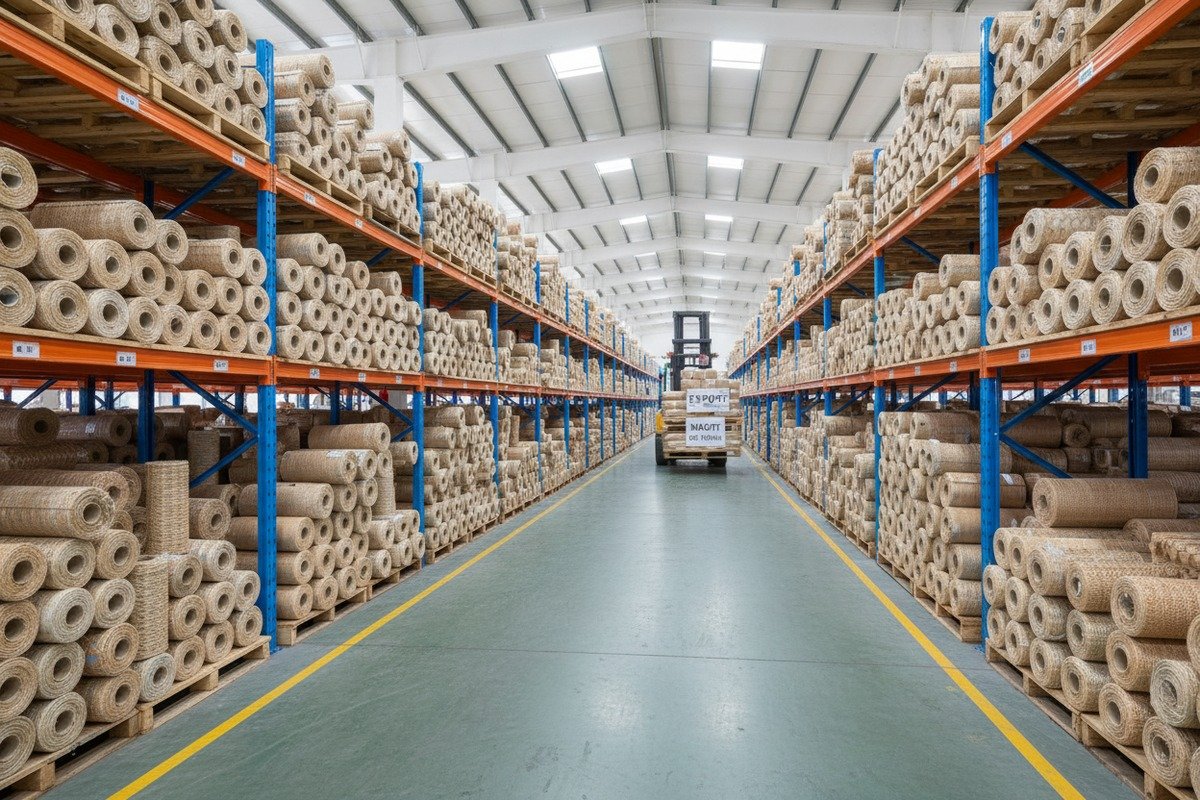
يعمل قش الروطان من الدرجة C و D بشكل جيد في البناء واسع النطاق لتكسية الجدران الداخلية، وألواح الأسقف المعلقة، وشاشات الخصوصية في المساحات الفندقية، وجدران التقسيم في المكاتب التجارية، وتراكيب الواجهات الزخرفية في المناطق المغطاة، ودعامات الألواح الصوتية حيث يضيف النسيج الطبيعي ملمسًا مع تقليل الصدى.
كسوة الجدران الداخلية وألواح الأسقف
تستخدم الفنادق والمطاعم ومساحات العمل المشتركة نسيج الخيزران كسوة للجدران لإنشاء تصميمات داخلية دافئة وطبيعية. كسوة الجدران الداخلية 9 في هذه التطبيقات، يتم تركيب النسيج فوق ركيزة صلبة - خشب رقائقي، أو جدران جافة، أو لوح صوتي. يعمل كطبقة زخرفية. المواد من الدرجة C و D مثالية هنا لأن النسيج يُرى من عدة أقدام بعيدًا، حيث تصبح اختلافات الخيوط الطفيفة غير مرئية. يجعل حجم هذه المشاريع أيضًا توفير التكاليف أمرًا بالغ الأهمية. سيتمكن ردهة فندق بمساحة 200 متر مربع من كسوة الجدران بالخيزران من توفير آلاف الدولارات عن طريق تحديد الدرجة C بدلاً من الدرجة A.
شاشات الخصوصية وجدران التقسيم
تستخدم المكاتب ذات المخطط المفتوح ومناطق تناول الطعام في المطاعم شاشات الخيزران للفصل البصري دون سد تدفق الهواء. عادة ما تكون هذه الشاشات مؤطرة بالخشب أو المعدن مع شبكة خيزران مشدودة عبر المنتصف. تخلق شبكة الدرجة C بنمط سداسي أو ثماني تأثيرات جميلة لتصفية الضوء. تؤدي عدم الانتظام الطفيف في المواد ذات الدرجة الأدنى إلى تعزيز المظهر العضوي المصنوع يدويًا الذي يريده المهندسون المعماريون ومصممو الديكور الداخلي لهذه التركيبات.
دعم الألواح الصوتية
هذا تطبيق ناشئ. تستخدم الألواح الصوتية مواد مسامية لامتصاص الصوت. تعمل شبكة الخيزران، المثبتة فوق الرغوة الصوتية أو الصوف المعدني، كواجهة زخرفية تسمح للصوت بالمرور مع إخفاء المادة الوظيفية خلفها. شبكة الدرجة D مثالية لهذا الاستخدام لأن الأداء الصوتي يعتمد على الرغوة، وليس جودة الشبكة. يحتاج الخيزران ببساطة إلى أن يكون مقبولًا بصريًا من مسافة وأن يكون سليمًا هيكليًا.
اعتبارات رئيسية لتطبيقات البناء
هناك قواعد مهمة لاستخدام الخيزران في المباني:
- داخلي فقط. يتحلل الخيزران الطبيعي في ضوء الشمس المباشر والمطر. يجب أن تكون جميع تطبيقات البناء في الداخل أو في مساحات خارجية مغطاة بالكامل.
- معالجة الحريق. تتطلب بعض قوانين البناء معالجة مقاومة للحريق للمواد الطبيعية المستخدمة في الديكورات الداخلية التجارية. تحقق من اللوائح المحلية وقم بتطبيق المعالجات المناسبة قبل التركيب.
- التحكم في الرطوبة. أبقِ تركيبات الخيزران بعيدًا عن المطابخ والحمامات والمناطق الأخرى ذات الرطوبة العالية ما لم يتم ختم المادة بلمسة نهائية مقاومة للماء.
- تثبيت الركيزة. استخدم مسدسات الدبابيس أو المواد اللاصقة أو طرق الشق والأخدود لتثبيت الشبكة على الركائز. بالنسبة للألواح الكبيرة، اعمل على أقسام للحفاظ على شد متساوٍ.
الاستدامة كنقطة بيع
الخيزران هو نخيل متجدد بسرعة ينمو في الغابات الاستوائية دون الحاجة إلى إعادة زراعته بعد الحصاد. ي دعم تحديد الخيزران الطبيعي في مشاريع البناء المصادر المستدامة ويمنح المهندسين المعماريين قصة مقنعة لـ شهادات المباني الخضراء 10. تحمل مواد الدرجة C و D نفس الفوائد البيئية مثل الدرجات الممتازة — فهي تأتي من نفس النباتات، وتتم معالجتها في نفس المرافق. التعيين "درجة أقل" هو مجرد تجميلي.
يتبع مرفق المعالجة الإندونيسي لدينا ممارسات حصاد مسؤولة، ونحن نقدم وثائق المصادر للعملاء الذين يحتاجونها لتقديمات شهادات LEED أو BREEAM.
خاتمة
يوفر نسيج قصب الروطان من الدرجة C و D قيمة حقيقية عند مطابقته للتطبيقات الصحيحة. اختر بحكمة، وقم بالتشطيب بشكل صحيح، وستخدم هذه المواد الصديقة للميزانية مشاريع الأثاث والبناء الخاصة بك بشكل جيد.
ملاحظات سفلية
1. يحدد نسيج قصب الروطان وخصائصه كمادة. ↩︎
2. يناقش الجمالية الخالدة والجاذبية البصرية لنسيج قصب الروطان. ↩︎
3. يذكر إندونيسيا كمنطقة رئيسية لحصاد ومعالجة أشجار الروطان. ↩︎
4. تحدد هذه الموارد الاستبدال على أنه استبدال عملية أو مادة كيميائية بخصائص أقل خطورة، وتذكر استبدال المواد لأسباب بيئية أو تتعلق بالسلامة، بما يتماشى مع مفهوم اختيار المواد بشكل استراتيجي. ↩︎
5. يوفر تعريفًا شاملاً وفوائد التصميم الحيوي في البيئة المبنية. ↩︎
6. يصف عنوان URL المقدم مباشرة ويقدم ‘نسيج سداسي مفتوح’ مصنوع من مادة الروطان الطبيعي، والذي يتطابق مع نص الربط وسياق المقال. ↩︎
7. يحدد ضمان الجودة على أنه جهود منهجية لضمان تلبية المنتجات للتوقعات المتفق عليها. ↩︎
8. يوضح هذا الفيديو استبدال قاع كرسي الروطان بالخشب الرقائقي للحشو، ويتناول مباشرة مفهوم استخدام الخشب الرقائقي كدعم للروطان. ↩︎
9. يوفر نظرة عامة على مواد كسوة الجدران الداخلية للمشاريع التجارية والسكنية. ↩︎
10. يسرد ويشرح شهادات المباني الخضراء المختلفة مثل LEED و BREEAM. ↩︎
 English
  Español de México
  العربية
  Deutsch
  Français
  Русский