

كل أسبوع، يطرح فريق المبيعات لدينا في فوشان نفس السؤال من المشترين في جميع أنحاء العالم: “كيف أحصل على أفضل شبكة قصب الروطان دون دفع مبالغ زائدة أو التضحية بالجودة؟” إنها نقطة ألم حقيقية. تجد موردًا بأسعار رائعة، لكن الشبكة تتشقق بعد ثلاثة أشهر قصب مفتوح سداسي 1. أو تقوم بتأمين مادة ممتازة، فقط لتشاهد هوامشك تتلاشى. بعد ما يقرب من ثلاثة عقود من شحن الروطان من مصانعنا الخاصة في إندونيسيا والصين، تعلمنا أن التوازن بين الجودة والتكلفة لا يتعلق باختيار أحدهما على الآخر - بل يتعلق بمعرفة المكان المناسب للبحث وما يجب طرحه.
لموازنة الجودة والتكلفة عند شراء شبكة الروطان الطبيعي، يجب على المشترين التحقق من درجات المواد من خلال العينات، والتفاوض على أسعار الكميات الكبيرة مباشرة مع المصانع، وتدقيق اتساق الموردين، وتوحيد المشتريات من خلال تجار الجملة الشاملين لتقليل تكاليف الخدمات اللوجستية والتكاليف لكل وحدة.
يقدم هذا الدليل الخطوات الدقيقة التي يمكنك اتخاذها - من تصنيف الروطان إلى التفاوض على الأسعار إلى التحقق من اتساق الطلبات الكبيرة عقود طويلة الأجل 2. دعنا نتعمق.
كيف يمكنني التمييز بين قصب الروطان عالي الجودة (الدرجة الأولى) وأنواع الروطان الأقل جودة لضمان حصولي على ما أدفع مقابله؟
عندما نقوم بمعالجة الروطان في منشأتنا الإندونيسية، يتم التصنيف مباشرة في مرحلة المواد الخام إجراءات مراقبة الجودة 3. معظم المشترين لا يرون هذه الخطوة أبدًا، وهذا هو المكان الذي تبدأ فيه الأخطاء المكلفة. تتلقى عينة تبدو جيدة، توافق عليها، ثم تصل الشحنة المجمعة بخيوط أرق وألوان غير متساوية. المشكلة؟ لم تعرف ما الذي يجب التحقق منه.
نسيج الروطان الطبيعي من الدرجة الأولى يستخدم القشرة ذات الطبقة الأولى بسماكة موحدة، ولون متناسق، وخالٍ من البقع الداكنة، وشد نسج محكم. الدرجات الأدنى تستخدم الروطان الداخلي أو المتبقي، مما يظهر تباينًا في اللون، وهشاشة، ووصلات فضفاضة. اطلب دائمًا عينات مصنفة قبل الطلب.
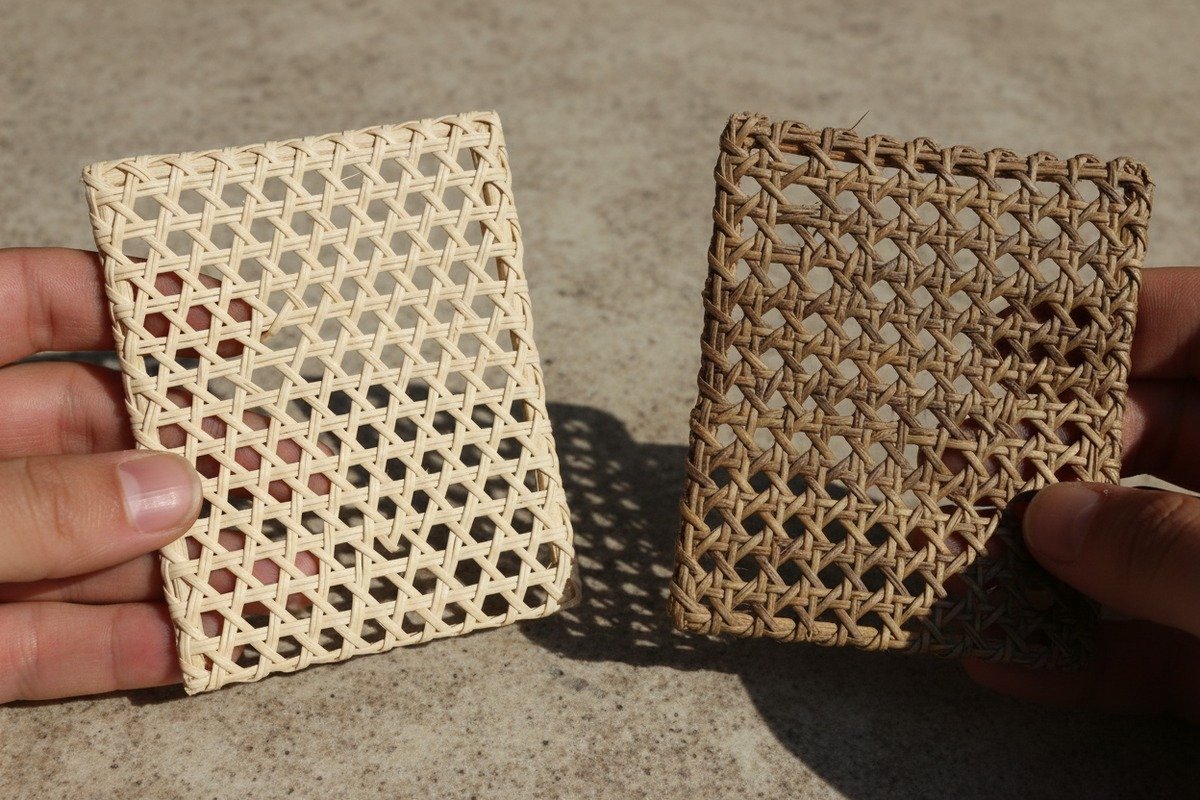
ما الذي يجعل الروطان "درجة أولى"؟
Grade A rattan 4 تبدأ شبكة الروطان بالقصب الخام نفسه. الطبقة الأولى من قشر الروطان - الجلد الخارجي - هي الجزء الأقوى والأكثر مرونة والأكثر اتساقًا بصريًا. لها لمعان طبيعي وتقاوم التشقق. غالبًا ما تستخدم الشبكة ذات الجودة الأقل القشر من الطبقة الثانية أو الثالثة، أو حتى الشرائط المتبقية من عمليات الإنتاج الأخرى. هذه القطع أرق وأكثر هشاشة وتتلاشى بشكل غير متساوٍ بمرور الوقت.
إليك المؤشرات البصرية والفيزيائية الرئيسية التي يجب التحقق منها:
- توحيد اللون: الدرجة الأولى لها لون بيج فاتح أو أصفر قش متناسق عبر اللفة بأكملها. الدرجات الأقل تظهر بقع داكنة أو بقع خضراء أو خطوط.
- سمك الخيط: قشر الطبقة الأولى أسمك وأكثر استدارة. الدرجات الأقل تبدو مسطحة ورقية.
- المرونة: اثنِ خيطًا بلطف. الدرجة الأولى تنثني دون تشقق. الدرجات الأقل تنكسر أو تتشظى.
- شد النسيج: في شبكة الدرجة الأولى، يكون النسيج محكمًا ومتساويًا. الفجوات أو الوصلات السائبة أو التباعد غير المتساوي تشير إلى جودة أقل.
- تشطيب السطح: الدرجة الأولى لها سطح أملس ولامع قليلاً. الجودة الأقل تبدو خشنة أو زغبية.
جدول مقارنة الدرجات
| الميزة | Grade A | الدرجة ب | الدرجة ج / الميزانية |
|---|---|---|---|
| طبقة الروطان | القشرة من الطبقة الأولى | القشرة من الطبقة الثانية | اللب الداخلي أو الشرائط المتبقية |
| Color | بيج موحد/قش | تباين طفيف | بقع داكنة واضحة، خطوط |
| المرونة | عالٍ — ينحني دون تشقق | متوسط — صلابة طفيفة | منخفض — عرضة للكسر |
| شد النسيج | فجوات ضيقة ومتساوية | متساوية في الغالب، ارتخاء طفيف | فجوات غير متساوية ومرئية |
| Durability | 5-10 سنوات استخدام داخلي | 3-5 سنوات استخدام داخلي | 1-3 سنوات استخدام داخلي |
| الاستخدام النموذجي | أثاث راقٍ، تجارة تجزئة | أثاث متوسط المدى | مشاريع الميزانية التي تصنعها بنفسك، مشاريع يمكن التخلص منها |
| نطاق السعر | Premium | متوسط المدى | منخفض |
كيفية الاختبار قبل الشراء
من خبرتنا في التصدير إلى أسواق الولايات المتحدة وأوروبا والشرق الأوسط، نوصي دائمًا المشترين باتباع عملية تحقق من ثلاث خطوات:
- اطلب عينات مجانية مصنفة. سيرسل لك أي مورد حسن السمعة عينات مجانًا. اطلب تحديدًا الدرجة الأولى والدرجة الثانية حتى تتمكن من المقارنة جنبًا إلى جنب.
- قم بإجراء اختبار الانحناء. خذ خيطًا واحدًا من العينة وقم بثنيه بزاوية 90 درجة. ستنحني الدرجة الأولى بسلاسة. ستتشقق الدرجات الأقل أو تظهر عليها علامات إجهاد.
- افحص حواف اللفة. قم بفك قسم وافحص الحواف. لفات الدرجة الأولى لها حواف نظيفة ومشذبة. غالبًا ما تكون الدرجات الأقل ذات حدود مهترئة أو غير متساوية.
أحد الأشياء التي يغفلها المشترون غالبًا هو تأثير المناخ وموسم الحصاد على جودة الروطان. يميل الروطان الذي يتم حصاده خلال موسم الجفاف إلى أن يكون أكثر كثافة وتوحيدًا. يمتص الروطان الذي يتم حصاده في موسم الأمطار المزيد من الرطوبة وقد ينكمش أو يتشوه بعد المعالجة. نحن نتحكم في ذلك في مزرعتنا الإندونيسية عن طريق جدولة دورات الحصاد والتجفيف بعناية - ولكن ليس كل مورد يفعل ذلك.
طبيعي مقابل اصطناعي: اعرف ما تقارنه
في بعض الأحيان لا يكون "السعر المنخفض" درجة أقل من الروطان الطبيعي - بل هو في الواقع اصطناعي. روطان بلاستيك البولي إيثيلين 5 وروطان الورق شائعان في السوق. يبدوان متشابهين في الصور ولكنهما يتصرفان بشكل مختلف جدًا. الروطان الطبيعي يتنفس، ويطور طبقة خارجية، ومناسب للأثاث الداخلي. الروطان الاصطناعي مقاوم للماء وثابت اللون، وهو أفضل للاستخدام الخارجي. لا يوجد منهما أفضل بطبيعته - ولكنك تحتاج إلى معرفة أي منهما تشتريه.
ما هي أفضل الاستراتيجيات بالنسبة لي للتفاوض على أسعار أفضل عند الشراء مباشرة من مصنع الروطان؟
يتعامل فريق التسعير لدينا مع مئات عروض الأسعار كل شهر، ونرى نفس الأنماط. المشترون الذين يتفاوضون جيدًا لا يطلبون سعرًا أقل فحسب، بل ينظمون طلباتهم لفتح وفورات طبيعية في التكاليف. المشترون الذين يواجهون صعوبة يميلون إلى التركيز فقط على سعر الوحدة دون فهم ما يدفع تكاليف المصنع.
أفضل الاستراتيجيات للتفاوض على أسعار شبكات قصب الروطان تشمل الطلب بكميات كبيرة لتقليل التكاليف لكل وحدة، والالتزام بعقود طويلة الأجل للحصول على خصومات على الحجم، وتوحيد فئات المنتجات مع مورد واحد، واختيار الأحجام والأنماط القياسية، وتوقيت الطلبات خلال مواسم الإنتاج غير الذروة.
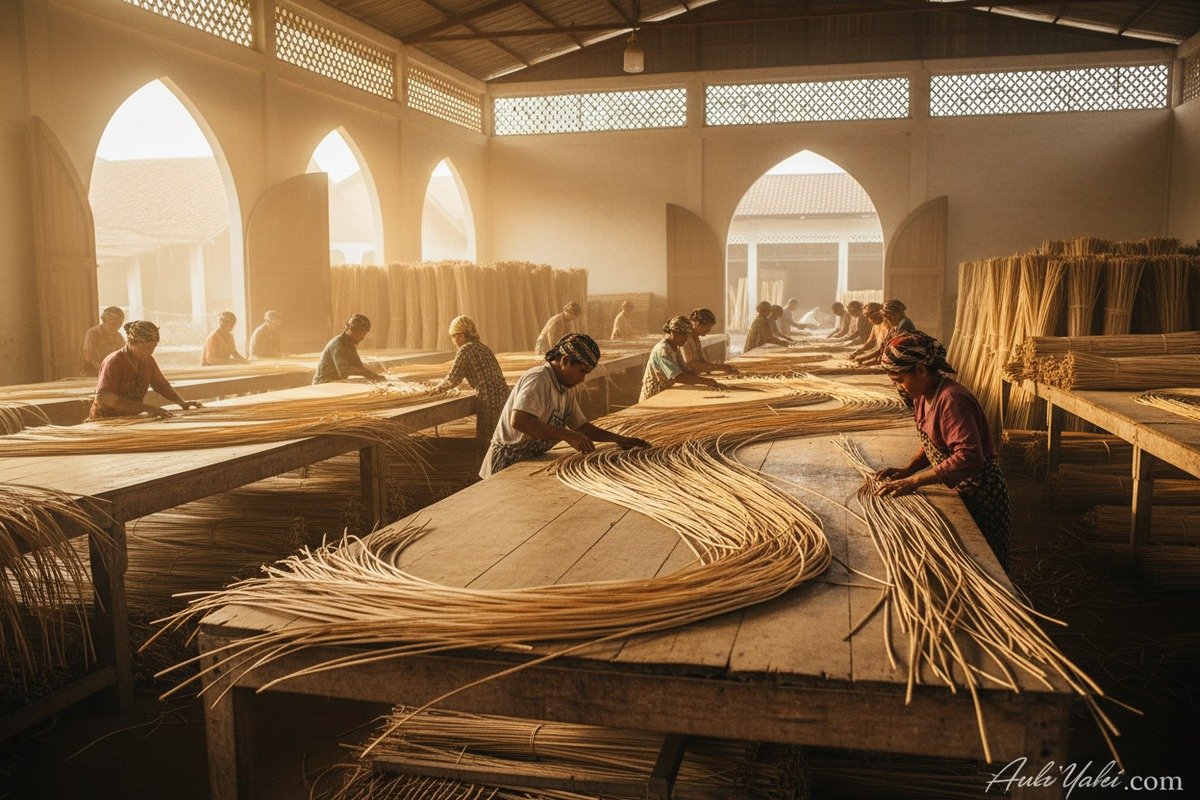
فهم ما يدفع تسعير المصنع
قبل التفاوض، تحتاج إلى فهم هيكل التكلفة وراء إنتاج شبكات الروطان. في منشآتنا، المحركات الرئيسية للتكلفة هي:
- درجة المواد الخام: تكلف القشرة من الطبقة الأولى أكثر من اللب الداخلي.
- تعقيد نمط النسيج: شبكة مربعة مفتوحة بسيطة تستغرق وقتًا أقل من نمط متعرج أو سداسي ضيق.
- أبعاد اللفة: العروض القياسية (60 سم / 24 بوصة) أرخص في الإنتاج من العروض المخصصة.
- حجم الطلب: الطلبات الكبيرة توزع التكاليف الثابتة (إعداد الآلات، فحص الجودة، التعبئة والتغليف) على وحدات أكثر.
- التخصيص: التبييض أو الصباغة أو تصميم النمط المخصص يضيف خطوات معالجة.
تكتيكات التفاوض التي تعمل بالفعل
إليك الأساليب التي رأيناها تعمل بشكل أفضل عبر آلاف المعاملات:
1. ابدأ بالتزامات الحجم. حتى لو كان طلبك الأول صغيرًا، شارك توقعاتك السنوية. عندما نعرف أن المشتري يخطط لطلب 5000 متر مربع على مدار 12 شهرًا، يمكننا تقديم أسعار تعكس هذا الحجم - حتى على الطلب الأولي.
2. قم بتوحيد مواصفاتك. يتطلب كل بُعد أو نمط مخصص أدوات جديدة أو تعديلًا يدويًا. الالتزام بأحجام اللفائف القياسية (مثل 60 سم × 15 مترًا أو 60 سم × 30 مترًا) وأنماط النسيج الشائعة مثل نسيج الراديو 8 أو قصب سداسي مفتوح يقلل التكاليف.
3. قم بتجميع فئات المنتجات. إذا كنت بحاجة إلى شبكة قصب الروطان بالإضافة إلى أعمدة الروطان، أو شرائط قشر الروطان، أو الألواح المنسوجة، فإن طلب كل شيء من مورد واحد يلغي تكاليف الشحن المكررة وغالبًا ما يؤدي إلى خصومات على الفئات.
4. قم بتوقيت طلباتك بشكل استراتيجي. تبلغ ذروة الطلب على الإنتاج قبل المعارض التجارية والمواسم الاحتفالية. يمكن أن يؤدي تقديم الطلبات خلال الأشهر الأبطأ (عادةً الربع الأول وأوائل الربع الثالث) إلى تسليم أسرع وأسعار أفضل.
5. تفاوض على شروط الدفع، وليس فقط السعر. في بعض الأحيان لا يمكن للمصنع خفض سعر الوحدة بشكل أكبر، ولكن يمكنه تقديم شروط دفع أفضل - مثل إيداع 30٪ مقابل 70٪ مقابل بوليصة الشحن - مما يحسن تدفقك النقدي.
جدول مقارنة عوامل التسعير
| عامل التسعير | التأثير على التكلفة | كيفية التحسين |
|---|---|---|
| درجة المواد الخام | مرتفع | اختر الدرجة الأولى للمنتجات الرئيسية؛ الدرجة الثانية لخطوط الميزانية |
| نمط النسيج | متوسط إلى مرتفع | التزم بالأنماط القياسية (دائري، سداسي، مربع) |
| أبعاد اللفة | متوسط | استخدم العروض والأطوال القياسية |
| حجم الطلب | مرتفع | دمج الطلبات؛ الالتزام بالتنبؤات السنوية |
| التخصيص | متوسط | حدد التبييض/التلوين للمنتجات الأساسية فقط |
| طريقة الشحن | متوسط | املأ الحاويات بالكامل (20'GP أو 40'HC) لتقليل تكلفة الشحن لكل وحدة |
| شروط الدفع | منخفض-متوسط | التفاوض على شروط مواتية لتعويض تكلفة الوحدة |
التكلفة الخفية: لا تنس الخدمات اللوجستية
يركز العديد من المشترين بالكامل على سعر المصنع ويتناسون أن الشحن والرسوم الجمركية والتعبئة والتغليف يمكن أن تضيف 15-25٪ إلى تكلفة وصولهم. عندما نشحن من موانئ قوانغتشو أو شنتشن، تستغرق حاوية 20'GP كاملة عادةً 10-20 يومًا إلى معظم الوجهات الآسيوية و 25-35 يومًا إلى أوروبا أو الولايات المتحدة. يمكن أن يؤدي ملء حاوية كاملة بدلاً من الشحن LCL (حمولة أقل من حاوية) إلى خفض تكلفة الشحن لكل متر مربع بنسبة 30-40٪.
كيف يمكنني التحقق من أن موردي يمكنه الحفاظ على جودة متسقة في الطلبات الكبيرة من شرائط الروطان الخاصة بي؟
لقد رأينا ذلك يحدث مرات عديدة - يوافق المشتري على عينة جميلة، ويقدم طلبًا بمساحة 5000 متر مربع، ويبدو المنتج الذي تم تسليمه مختلفًا بشكل ملحوظ. يتغير اللون. النسيج أوسع. بعض اللفات بها خيوط أرق. هذه واحدة من أكبر الإحباطات في تجارة الخيزران، وهي تنبع من شيء واحد: أنظمة اتساق الجودة.
للتحقق من اتساق جودة الطلبات المجمعة، اطلب عينات ما قبل الإنتاج المطابقة لمعيارك المعتمد، واطلب صورًا للفحص أثناء العملية في المراحل الرئيسية، وقم بإجراء فحوصات من طرف ثالث قبل الشحن، واعمل فقط مع الموردين الذين لديهم إجراءات موثقة لمراقبة الجودة ومعايير التصنيف.

لماذا يفشل الاتساق - وكيفية منعه
يأتي عدم اتساق الجودة في حشو الخيزران عادةً من ثلاثة مصادر:
- تباين المواد الخام. الخيزران منتج طبيعي. يمكن أن تختلف دفعات مختلفة من قصب الخيزران الخام - حتى من نفس المزرعة - في اللون والسماكة والمرونة. بدون فحص صارم للمواد الواردة، تمر هذه الاختلافات إلى المنتج النهائي.
- تباين مهارة العمال. في المصانع التي تضم أكثر من 1000 حرفي، تختلف مستويات المهارة. إذا لم يكن لدى المصنع تدريب موحد ومعايير لشد النسيج، فإن الإنتاج يختلف من عامل إلى آخر.
- نقص الفحوصات أثناء العملية. تفحص بعض المصانع المنتج النهائي فقط. بحلول ذلك الوقت، يكون الأوان قد فات لإصلاح المشكلات التي بدأت في مرحلة المواد الخام أو النسيج.
إطار عمل عملي للتحقق من الجودة
في مقرنا الرئيسي في فوشان، قمنا ببناء عملية مراقبة جودة من أربع مراحل يمكن لعملائنا من الشركات B2B تدقيقها في أي وقت. إليك إطار عمل يمكنك تطبيقه على أي مورد:
المرحلة 1: الموافقة قبل الإنتاج
قبل بدء الإنتاج، يجب على المورد إرسال عينة ما قبل الإنتاج إليك مصنوعة من دفعة المواد الخام الدقيقة التي سيتم استخدامها لطلبك. قارنها بالعينة الأصلية المعتمدة. تحقق من اللون والسماكة وتوتر النسيج والمرونة. وافق كتابيًا قبل أن يمضوا قدمًا.
المرحلة 2: المراقبة أثناء العملية
اطلب من المورد إرسال صور أو مقاطع فيديو في ثلاث نقاط رئيسية أثناء الإنتاج: فرز المواد الخام، وفحص النسيج الأوسط، وبعد النسيج قبل التعبئة. هذا يلتقط المشاكل مبكرًا. نرسل هذه التحديثات بشكل استباقي لعملائنا، وهذا يوفر على الجميع الوقت والمال.
المرحلة 3: الفحص قبل الشحن
للطلبات الكبيرة، قم بتعيين شركة تفتيش طرف ثالث 9 (مثل SGS، Bureau Veritas، أو شركة مراقبة جودة محلية) لزيارة المصنع قبل الشحن. سيقومون بفحص عينة عشوائية من اللفات مقابل المعيار المعتمد الخاص بك، وقياس الأبعاد، وتوثيق أي عيوب. عادة ما تكون التكلفة 200-400 دولار أمريكي لكل فحص - وهو سعر صغير مقارنة بتلقي 10000 متر مربع من الأشرطة دون المستوى.
المرحلة 4: فحص الوصول
حتى مع كل الخطوات المذكورة أعلاه، قم بإجراء فحص عشوائي عند وصول البضائع. افتح 5-10٪ من اللفات وقارنها بالعينة المحفوظة لديك. قم بتوثيق أي مشاكل على الفور وتواصل مع المورد الخاص بك.
جدول قائمة فحص مراقبة الجودة
| مرحلة مراقبة الجودة | ما الذي يجب فحصه | من يقوم بذلك | عندما |
|---|---|---|---|
| عينة ما قبل الإنتاج | اللون، السماكة، توتر النسيج، المرونة | المشتري + المورد | Before production starts |
| فرز المواد الخام | درجة الخيزران، محتوى الرطوبة، العيوب | فريق مراقبة الجودة لدى المورد | اليوم الأول من الإنتاج |
| فحص أثناء النسيج | دقة نمط النسيج، تباعد الخيوط | فريق مراقبة الجودة لدى المورد | أثناء الإنتاج |
| بعد النسيج / قبل التعبئة | الأبعاد، تشذيب الحواف، انتظام اللفة | فريق مراقبة الجودة لدى المورد | بعد النسيج، قبل التعبئة |
| فحص ما قبل الشحن | أخذ عينات عشوائية مقابل المعيار المعتمد | مفتش طرف ثالث | قبل تحميل الحاوية |
| فحص عشوائي عند الوصول | مقارنة بصرية ومادية بالعين | المشتري | عند التسليم |
علامات حمراء يجب الانتباه إليها
كن حذرًا إذا كان المورد:
- يرفض إرسال عينات ما قبل الإنتاج من الدفعة الفعلية.
- لا يمكنه تقديم صور أو مقاطع فيديو للإنتاج أثناء تقدمه.
- ليس لديه معايير جودة مكتوبة أو وثائق تصنيف.
- يقاوم عمليات التفتيش من طرف ثالث.
- يقدم أسعارًا تبدو منخفضة جدًا للدرجة المذكورة - فقد يخلط الدرجات.
من خبرتنا التي تمتد لعقود، فإن الموردين الذين يرحبون بالشفافية هم من يستحقون الاحتفاظ بهم. لقد استثمرنا في إجراءات التشغيل القياسية الموثقة، ودربنا مفتشي مراقبة الجودة في كل منشأة، ونحتفظ بعينات محفوظة من كل طلب لمدة 12 شهرًا على الأقل. هذا المستوى من التتبع هو ما يميز الموردين الموثوقين عن الموردين المحفوفين بالمخاطر.
هل يمكنني تقليل تكاليف الشراء الإجمالية الخاصة بي باستخدام تاجر جملة واحد لجميع احتياجاتي من المواد المصنوعة من الخيزران؟
إن تشغيل ثلاث مصانع والتنسيق مع أكثر من 30 ورشة عمل شريكة في فوشان قد علمنا شيئًا يتعلمه معظم المشترين بالطريقة الصعبة: إدارة موردين متعددين لمنتجات الروطان المختلفة مكلفة وتستغرق وقتًا طويلاً وتنطوي على مخاطر. كل مورد إضافي يعني مجموعة أخرى من المفاوضات، وترتيب شحن آخر، ومعيار جودة آخر للمراقبة.
نعم، يمكن أن يؤدي استخدام تاجر جملة واحد لمنتجات الروطان إلى تقليل تكاليف الشراء الإجمالية بنسبة 15-25% من خلال الشحن الموحد، والتحكم الموحد في الجودة، وتبسيط الاتصالات، والتسعير القائم على الحجم عبر الفئات، وتقليل النفقات الإدارية مقارنة بإدارة موردين منفصلين متعددين.
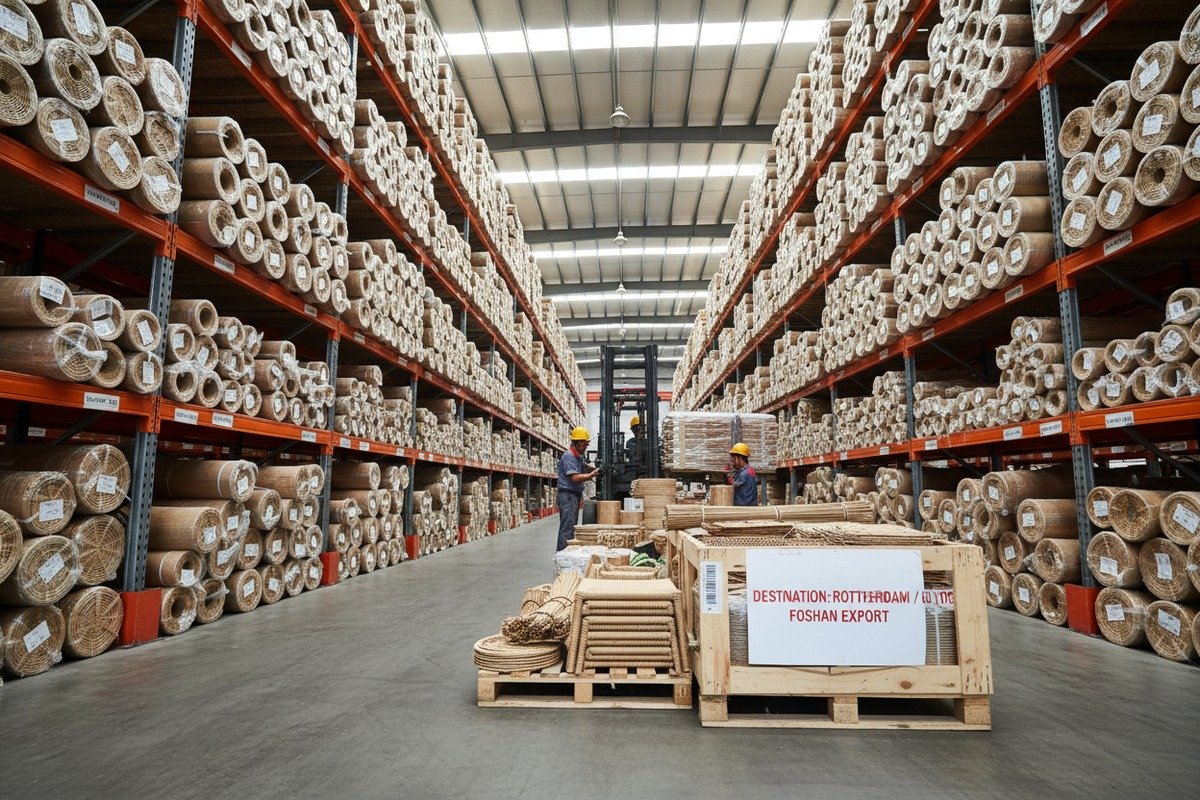
التكلفة الحقيقية للموردين المتعددين
يفكر معظم المشترين في سعر المنتج عند حساب التكاليف. لكن تكلفة الشراء تشمل أكثر من ذلك بكثير:
- وقت الاتصال: يتطلب كل مورد رسائل بريد إلكتروني ومكالمات وموافقات على العينات وتتبع طلبات منفصلة.
- تجزئة الشحن: تكلف الشحنات الصغيرة المتعددة من موردين مختلفين أكثر بكثير لكل وحدة مقارنة بحاوية واحدة مجمعة.
- محاذاة الجودة: يكاد يكون من المستحيل الحصول على جودة متسقة عبر الموردين. قد لا تتطابق أشرطة القصب الخاصة بك من المورد أ مع أعمدة الروطان من المورد ب من حيث اللون أو التشطيب.
- تعقيد الدفع: تضيف الفواتير المتعددة والتحويلات البرقية وتحويلات العملات رسومًا مصرفية وعملًا إداريًا.
كيف يحل المورد الشامل هذه المشكلة
يغطي مورد الخيزران الشامل مثل عملياتنا سلسلة المنتجات الكاملة: شبكة الخيزران الطبيعي بجميع الأنماط (نسيج الراديو، سداسي، شيفرون، نسج ضيق، شبكة مربعة)، خيزران البولي إيثيلين الصناعي للتطبيقات الخارجية، أعمدة الخيزران، شرائط قشر الخيزران، ألواح منسوجة، وعناصر زخرفية جاهزة. إليك ما يعنيه هذا الدمج عمليًا:
توفير الشحن. بدلاً من ثلاث شحنات جزئية من ثلاثة موردين، تقوم بملء حاوية واحدة مقاس 40 قدمًا عالي الارتفاع من مستودع واحد. هذا وحده يمكن أن يخفض تكاليف الشحن بنسبة 30-40%.
تسعير الكميات. عندما تصل قيمة طلبك الإجمالي عبر جميع الفئات إلى قيمة أعلى، فإنك تتأهل لتسعير مستويات لن يكون متاحًا إذا قمت بتقسيم الطلبات بين موردين منفصلين.
جماليات متسقة. تأتي جميع مواد الخيزران الخاصة بك من نفس مصادر المواد الخام وخطوط المعالجة. تتطابق شبكة الخيزران مع الأعمدة التي تتطابق مع شرائط القشر. يبدو منتجك النهائي متماسكًا.
نقطة اتصال واحدة. مندوب مبيعات واحد، فاتورة واحدة، جدول زمني إنتاج واحد. يتم حل المشكلات بشكل أسرع لأنه لا يوجد إلقاء اللوم بين الموردين.
متى يكون النهج الشامل هو الأكثر منطقية؟
يعمل هذا النموذج بشكل أفضل لـ:
- مصانع الأثاث التي تستخدم مواد خيزران متعددة في خط إنتاج واحد.
- تجار المواد بالجملة الذين يعيدون بيع مجموعة من منتجات الخيزران للمصنعين المحليين.
- موردي مواد البناء الذين يحتاجون إلى إمدادات متسقة من فئات متعددة.
بالنسبة للمشترين الذين يحتاجون فقط إلى منتج واحد بكميات صغيرة، قد يقدم مورد المنتج الواحد المتخصص سعر وحدة أقل هامشيًا. ولكن بالنسبة لأي شخص يطلب عبر الفئات أو على نطاق واسع، فإن التكلفة الإجمالية للملكية تفضل الدمج.
مقارنة التكاليف: موردون متعددون مقابل موزع شامل
| فئة التكلفة | نهج الموردين المتعددين | موزع شامل |
|---|---|---|
| سعر الوحدة للمنتج | قد يكون أقل قليلاً لكل عنصر | تنافسي، مع خصومات الكمية |
| تكلفة الشحن لكل متر مربع | أعلى (شحنات LCL متعددة) | أقل (حاويات كاملة مجمعة) |
| محاذاة الجودة | صعب عبر الموردين | معايير موحدة ومواد خام |
| ساعات الاتصال شهريًا | 15-25 ساعة | 5-8 ساعات |
| تنسيق العينات | جولات متعددة مع كل مورد | جولة واحدة، جميع المنتجات |
| معاملات الدفع | 3-5 لكل دورة طلب | 1 لكل دورة طلب |
| خطر التأخير | أعلى (يمكن لأي مورد التأخير) | أقل (تتبع الإنتاج المركزي) |
| التوفير الإجمالي المقدر | خط الأساس | انخفاض بنسبة 15-25% في تكلفة الشراء الإجمالية |
إجراء الانتقال
إذا كنت تعمل حاليًا مع موردين متعددين، فإن الانتقال إلى نموذج "محطة واحدة" لا يجب أن يحدث بين عشية وضحاها. ابدأ بدمج فئتي المنتجات الأعلى حجمًا لديك مع تاجر جملة واحد. قارن التكاليف الإجمالية - وليس فقط أسعار الوحدات - على مدار دورتي طلب أو ثلاث دورات. معظم المشترين الذين يجربون هذا النهج لا يعودون.
لقد بنينا أعمالنا بالكامل حول هذا المبدأ. من منشأة معالجة الخيزران الخاصة بنا في إندونيسيا إلى مصانعنا الثلاثة وأكثر من 30 ورشة عمل شريكة في فوشان، كل خطوة من سلسلة التوريد 10 مصممة بحيث يمكن للمشترين الحصول على كل ما يحتاجونه من مصدر واحد - بجودة متسقة وأسعار تنافسية وتسليم موثوق به عبر موانئ قوانغتشو وشنتشن.
خاتمة
يعتمد الموازنة بين الجودة والتكلفة في مصادر قصب الروطان على القرارات المستنيرة - تصنيف المواد بشكل صحيح، والتفاوض بذكاء، والتحقق من الاتساق، وتوحيد سلسلة التوريد الخاصة بك. طبق هذه الاستراتيجيات، وستتحسن هوامشك وجودة منتجك.
ملاحظات سفلية
1. يصف نسيج قصب الروطان ذو النمط السداسي المفتوح بأنه نمط فريد وملفت للنظر. ↩︎
2. يشرح المزايا الاستراتيجية وفوائد عقود الموردين طويلة الأجل في المشتريات. ↩︎
3. تم استبداله بمقال يفصل إجراءات وعمليات مراقبة الجودة. ↩︎
4. يوفر قواعد التصنيف وفئات الجودة لمواد الروطان. ↩︎
5. يشرح قصب الروطان المصنوع من البولي إيثيلين كمادة اصطناعية تحاكي الروطان الطبيعي للاستخدام الخارجي. ↩︎
6. يصف القصب بأنه الطبقة الخارجية للروطان، المستخدمة في النسج. ↩︎
7. يشرح ما هو نسيج قصب الروطان، وأصوله، وخصائصه. ↩︎
8. تم استبداله بصفحة منتج تذكر صراحةً ‘نسيج قصب الروطان بنمط الراديو’. ↩︎
9. يفصل الخدمات التي تقدمها شركة فحص عالمية رائدة من طرف ثالث. ↩︎
10. تم استبداله بمقالة ويكيبيديا تقدم تعريفًا شاملاً لسلسلة التوريد. ↩︎
 English
  Español de México
  العربية
  Deutsch
  Français
  Русский