
Rattan furniture has been a timeless choice for homes and outdoor spaces, offering a blend of elegance and durability. But over time, the natural cane woven into chairs can wear out, sag, or even break. That’s where rattan chair cane replacement comes in. Not only does it restore the chair’s functionality, but it also brings back its aesthetic charm. If you’ve ever wondered how to breathe new life into your favorite rattan chair, you’re in the right place.
Understanding Rattan Chair Cane
What is Rattan Cane?
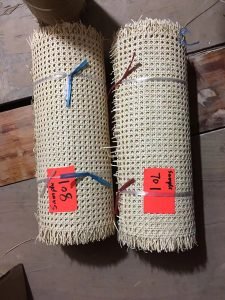
Rattan cane is the inner bark of the rattan vine, which is harvested, peeled, and dried to create flexible strips. These strips are woven to form the seat or back of a chair. Cane is prized for its strength, flexibility, and classic appearance.
Types of Rattan Cane
Natural Cane
Natural cane is made directly from rattan vines. It’s breathable, eco-friendly, and gives a warm, organic look.
Synthetic Cane
Synthetic cane mimics the appearance of natural cane but offers higher durability and resistance to weather, making it ideal for outdoor furniture.
Common Uses in Furniture
Rattan cane is commonly used in chairs, rocking chairs, stools, and even decorative panels. Its lightweight and flexible nature make it perfect for intricate weaving patterns.
Signs Your Rattan Chair Needs Cane Replacement
- Visible Wear and Tear: Fraying or holes in the woven cane.
- Sagging or Loose Seat: The seat feels less supportive.
- Cracks and Splits: Especially in older chairs, cane can dry out and crack.
Tools and Materials Needed for Cane Replacement
- Cane Sheets or Rolls: Available in various widths.
- Splines and Glue: To secure the cane into the groove of the chair frame.
- Basic Tools: Scissors, chisel, hammer, and water for soaking cane.
Preparing Your Rattan Chair for Cane Replacement
Cleaning the Chair
Before starting, wipe down the chair to remove dust and dirt. A clean surface ensures better adhesion.
Removing Old Cane
Use a chisel or screwdriver to carefully lift the old cane. Remove any leftover glue or splines to prevent bumps.
Measuring the Seat
Measure the chair seat accurately. Adding an extra inch or two ensures a tight fit after soaking.
Step-by-Step Guide to Replacing Rattan Chair Cane
Step 1: Cutting the New Cane
Cut the cane sheet slightly larger than your measured seat dimensions. This allows for trimming after installation.
Step 2: Soaking the Cane
Soak the cane in warm water for 30-60 minutes. This makes it flexible and easier to weave or press into the groove.
Step 3: Installing the Cane on the Chair
Place the soaked cane over the seat and press it into the groove using a spline roller or flat tool.
Step 4: Securing with Splines
Apply glue to the groove and press the spline firmly to hold the cane in place. Make sure the tension is even.
Step 5: Trimming and Finishing
Trim excess cane along the edges. Let the glue dry completely, then gently clean the surface.
Tips for Achieving a Professional Finish
- Maintain even tension to avoid sagging.
- Avoid wrinkles by pressing cane gradually.
- Use minimal glue to prevent seepage.
أخطاء شائعة يجب تجنبها
- Cutting cane too short can cause gaps.
- Over-soaking weakens the cane.
- Ignoring chair frame damage may lead to future problems.
Maintaining Your Rattan Chair After Cane Replacement
- Regular dusting and gentle cleaning.
- Avoid excessive moisture to prevent swelling.
- Periodically tighten loose joints to maintain stability.
DIY vs Professional Cane Replacement
When to DIY
If you enjoy hands-on projects, have basic tools, and your chair frame is intact, DIY is a great option.
When to Hire a Professional
For intricate patterns, antique chairs, or severe frame damage, professional restoration ensures the best results.
Cost of Rattan Chair Cane Replacement
- Material Costs: $10–$50 depending on cane type.
- Labor Costs: $50–$150 for professional replacement.
- DIY Savings: You can save up to 70% by doing it yourself.
Enhancing Longevity of Your Rattan Chair
- Apply protective finishes like varnish or oil.
- Avoid placing chairs in direct sunlight or damp areas.
- Rotate chair usage to evenly distribute wear.
Eco-Friendly and Sustainable Options
- Recycled rattan cane reduces environmental impact.
- Synthetic alternatives can last longer and withstand outdoor conditions.
خاتمة
Replacing the cane on your rattan chair isn’t just a repair—it’s a way to revive a piece of furniture that holds charm and history. Whether you tackle it yourself or hire a professional, following proper steps ensures durability, comfort, and beauty for years to come. With a little care, your rattan chair can remain a centerpiece in your home for decades.
FAQs
- How often should I replace rattan cane on a chair?
Typically every 5–10 years, depending on use and exposure. - Can I replace only part of the cane?
Partial repairs are possible, but full replacement ensures even tension and appearance. - Is synthetic cane better than natural cane?
Synthetic cane is more durable and weather-resistant, ideal for outdoor use. - How long does a DIY cane replacement take?
For an average chair, 2–4 hours including soaking and installation. - Can I paint or stain rattan cane after replacement?
Yes, but ensure the cane is fully dry and use compatible finishes.

 English
  Español de México
  العربية
  Deutsch
  Français
  Русский