
Are you confused about rattan and wicker? Many people use these words interchangeably, but they mean different things. It is important to know the difference.
When you’re browsing for new furniture, have you ever found yourself puzzled by the terms “rattan” and “wicker”? Are they synonymous? Which one refers to the material? And which describes the weaving style?
Don’t worry, you’re not alone. As industry professionals, we frequently encounter customers who use these terms interchangeably. Today, we’re going to delve deep into the critical distinctions between Rattan and Wicker, empowering you to become a more informed furniture shopper.
Rattan is a natural material, a type of vine. Wicker is a way of weaving. So, you can have wicker furniture made from rattan, or from other materials.
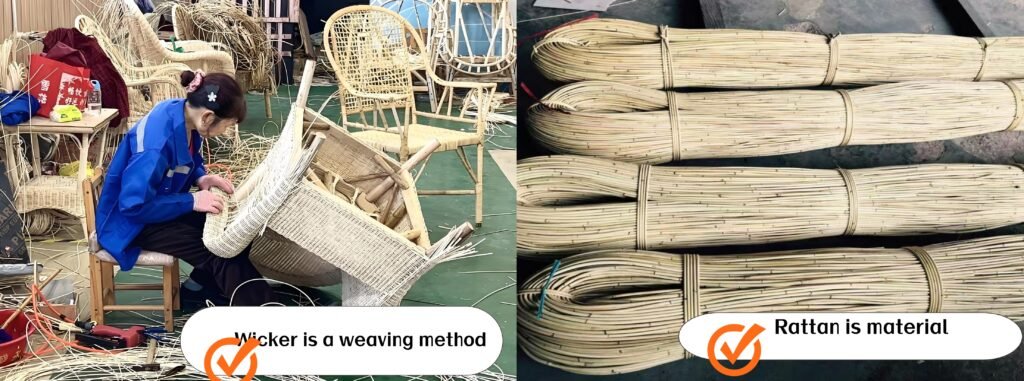
Understanding this difference helps you choose the right furniture for your home. It also helps you talk clearly about what you need when you are buying furniture. I will explain these terms clearly for you.
The Core Difference: Material vs. Method?
The most concise answer is:
Rattan1: Is a natural plant material.
Wicker2: Is a weaving technique or style of weave.
Think of it this way: if you’re making a sandwich, the bread is the material (like "rattan"), while the act of putting the ham and cheese between the slices is the technique (like "wicker").

Understanding Rattan: The Material
Rattan is a type of palm native to the tropical rainforests of Southeast Asia. It’s characterized by its incredibly strong, flexible, and lightweight stems, which can grow to be hundreds of feet long.
Once harvested, rattan poles undergo various processes such as steaming, drying, and stretching to create different raw material forms:
Rattan Core3: The solid inner part of the rattan vine, often used for furniture frames or intricate weaving.
Rattan Peel/Cane4: The outer skin of the rattan vine, known for its smooth, glossy finish, commonly used for fine weaving or binding.
Rattan Poles: Whole or lightly processed rattan stalks, utilized for sturdy furniture structures.
Rattan Webbing: Sheets formed by weaving rattan peel or core into an open mesh pattern, frequently used for chair backs, cabinet inserts, and room dividers.
So, when you say, "I want a rattan chair," you are specifically asking for a chair made from the natural material knows as rattan. Rattan’s natural variations and unique luster lend furniture an organic, rustic, yet warm aesthetic.
Understanding Wicker: The Weaving Technique?
Wicker describes an ancient method of weaving used to create furniture or baskets. This technique typically involves interlacing and wrapping slender strands of material, whether natural or synthetic, to form sturdy, yet often airy, structures.
[^5]](https://rattanwholesaler.com/wp-content/uploads/2025/08/eaebde88-67d2-4e20-a0a3-a6f9d3a6eefc-2.jpg "Wicker weaving technique")
While rattan is very frequently used in wicker weaving, the wicker technique is not exclusive to rattan. Many other materials can be woven in a wicker fashion:
Willow: Another common natural weaving material.
Bamboo: A widely used natural material.
Paper Fiber: Such as traditional Japanese paper twine.
Synthetic Fibers: Like PE rattan (Polyethylene Rattan), often seen in outdoor furniture. These are engineered to mimic the look and feel of natural rattan, offering enhanced weather resistance.
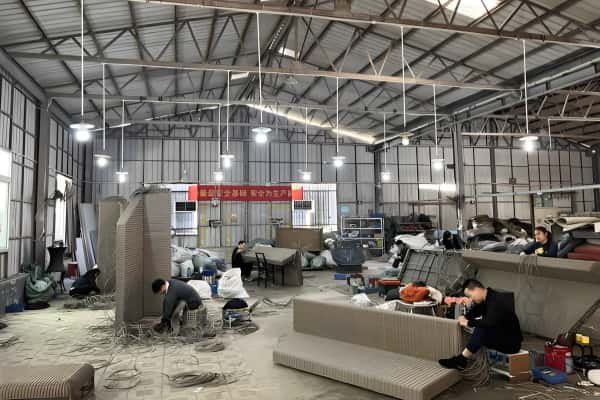
Therefore, when you say, "I want a wicker sofa," you are expressing a desire for a sofa constructed using this distinctive weaving method. This sofa could then be made from natural rattan, or from a synthetic material designed to look like rattan. This weaving style is highly prized for its exceptional strength5 و excellent ventilation, making it particularly suitable for warmer climates. Our factories frequently supply high-quality rattan peel and core raw materials, which our customers then utilize for their own diverse wicker weaving projects, fulfilling their demand for this classic aesthetic.
Why Is This Distinction Important?
nderstanding the difference between rattan and wicker helps you to:
Clarify Your Needs: When you seek "wicker furniture," you can further consider whether you desire wicker woven from natural rattan material or from synthetic materials. This choice dictates the furniture’s characteristics (e.g., indoor/outdoor use, weather resistance, eco-friendliness).
Understand Cost: Natural rattan furniture is typically more expensive than synthetic wicker6, due to the processes involved in harvesting, treating, and hand-weaving natural materials, offering unique organic appeal and environmental benefits.
Communicate Precisely: Avoid misunderstandings with sales associates, ensuring you purchase exactly what you intended.
In Summary
Remember this simple distinction:
Rattan = The Material
Wicker = The Weaving Method/Style
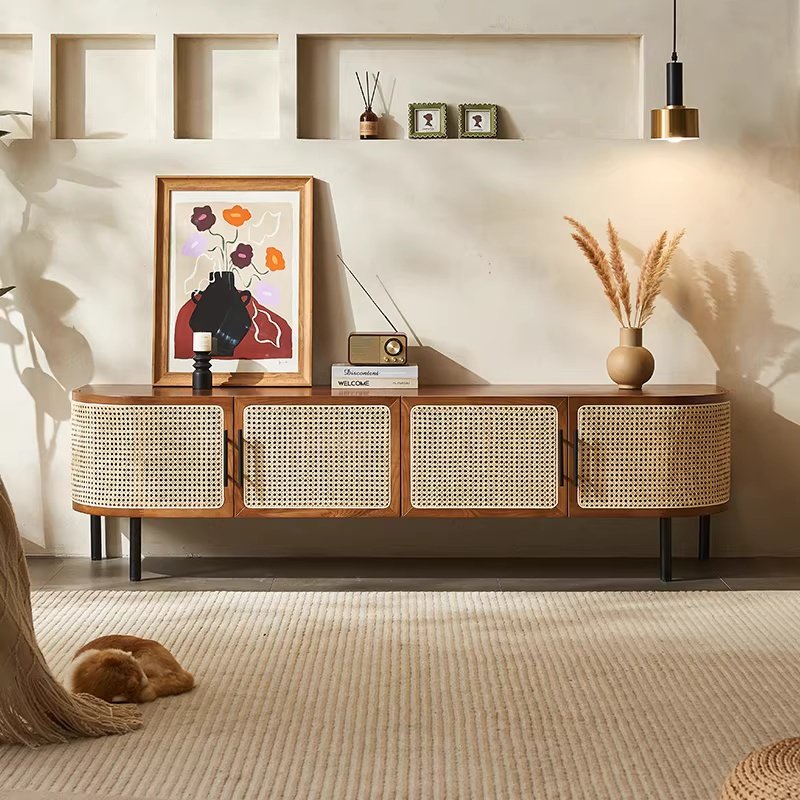
The next time you go shopping, you can confidently say, "I am looking for a chair made from natural rattan material with a wicker weave!" Or you might say, "I prefer an outdoor table woven with synthetic wicker!" I hope this blog post has helped to make the difference between rattan and wicker clear for you. If you have more questions about these products, please feel free to leave a comment. You can also contact us directly. We are always here to help you understand better!
-
Explore this link to understand the properties and applications of Rattan, a versatile natural material. ↩
-
Discover the art of Wicker weaving and its various styles, enhancing your knowledge of this unique craft. ↩
-
Explore this link to understand the significance of Rattan Core in furniture making and its unique properties. ↩
-
Discover the beauty and applications of Rattan Peel/Cane in fine weaving and furniture design. ↩
-
Discover resources that explain how different materials contribute to the exceptional strength of wicker furniture, ensuring durability and longevity. ↩
-
Learn about synthetic wicker’s materials and benefits, including durability and weather resistance.


 English
  Español de México
  العربية
  Deutsch
  Français
  Русский