
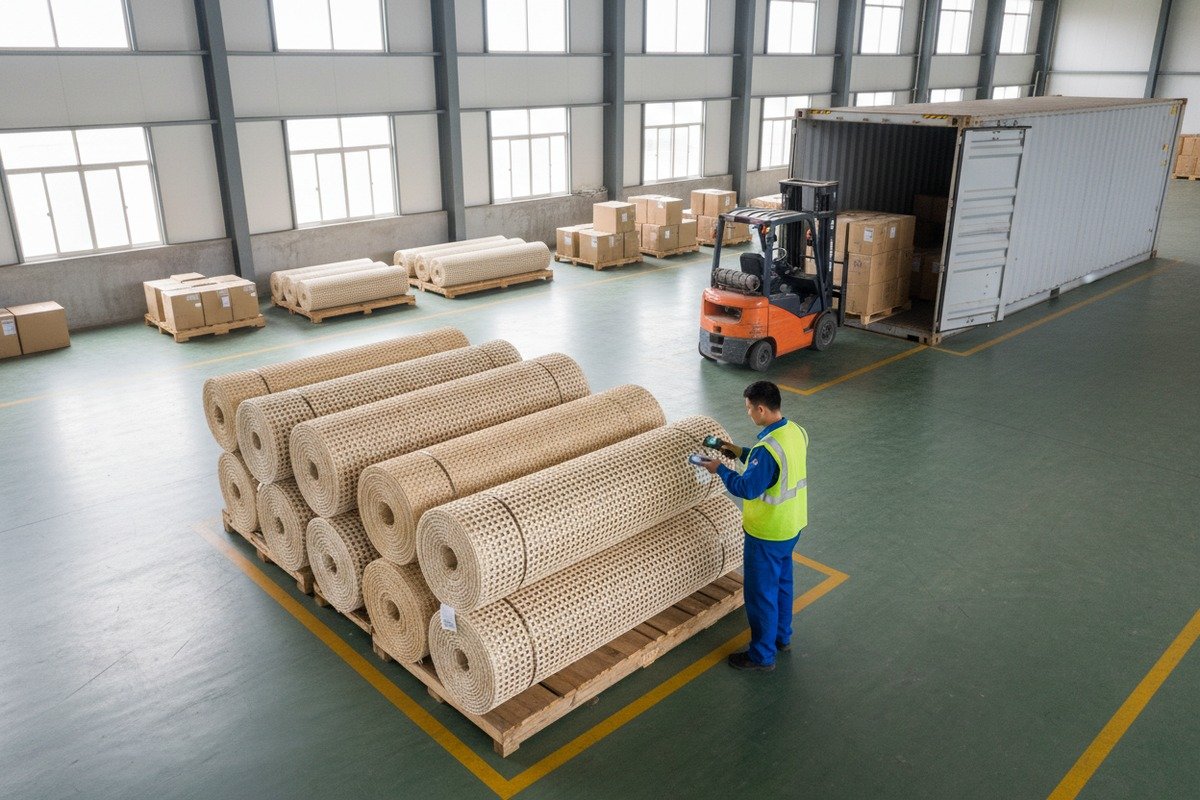
Every year, our warehouse team in Foshan handles thousands of rattan cane webbing rolls destined for ports across five continents secure multi-layer packaging 1. We have seen what happens when packaging fails mid-ocean — warped sheets, mold-covered rolls, and costly insurance claims that eat into a buyer’s margins.
When shipping rattan cane webbing long-distance, you must consider secure multi-layer packaging, moisture and mold prevention, the right balance between sea and express freight costs, and compliance with your destination country’s import and packaging standards. Planning two to three months ahead is essential for smooth delivery.
This guide breaks down the four biggest areas of concern ISTA (International Safe Transit Association) Testing 2. Whether you are a furniture material wholesaler in Thailand or a procurement manager sourcing from China, each section below gives you practical steps drawn from real export experience.
How can I ensure my rattan cane webbing is packaged securely to prevent damage during transit?
One lesson we learned early on our production floor is that rattan webbing damage almost always traces back to the last meter of packaging, not the first thousand miles of shipping EU Timber Regulation / EUDR 3. A single gap in wrapping can ruin a full container.
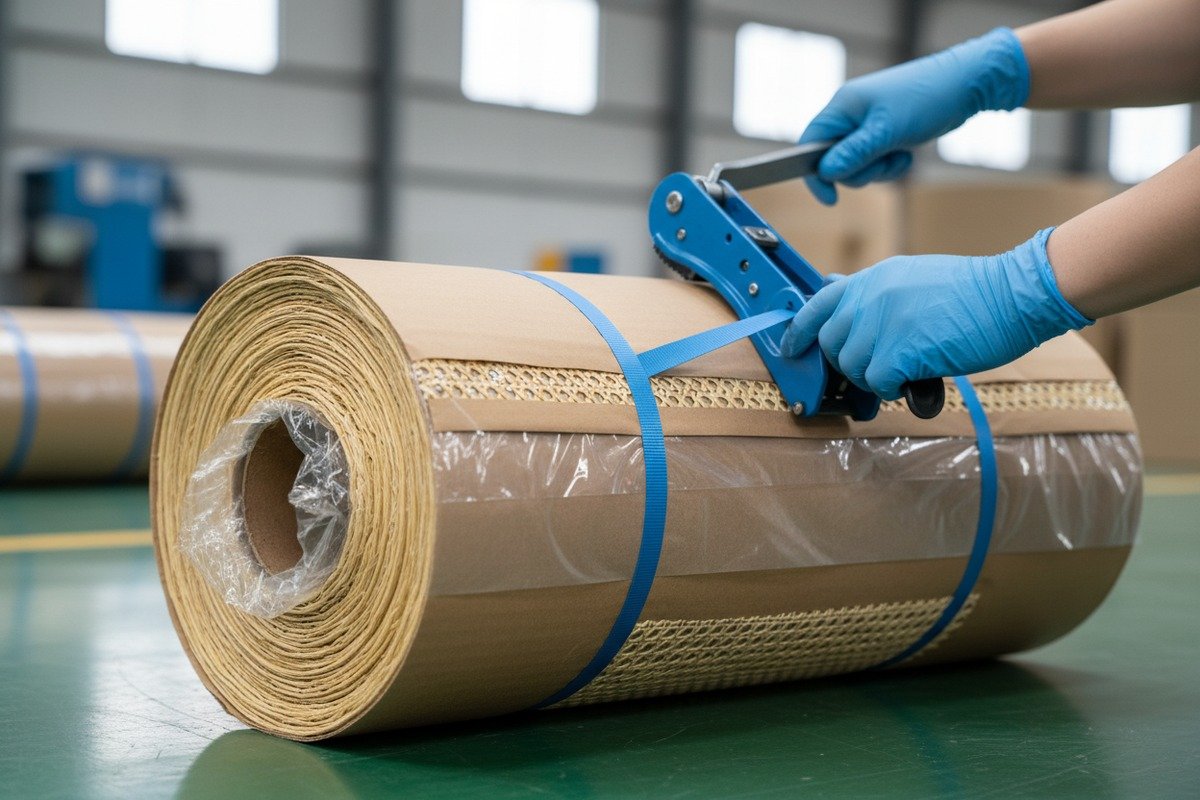
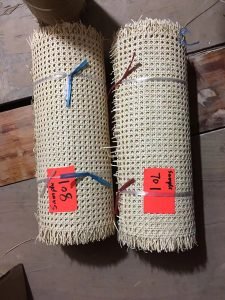
To prevent damage, wrap each rattan roll tightly with inner plastic film, then add a protective newspaper or kraft paper layer, and finish with thick corrugated cardboard or foam padding. Secure rolls with straps to stop shifting and unraveling inside the carton or pallet.
Why Multi-Layer Wrapping Matters
Natural rattan cane webbing is flexible, lightweight, and fibrous. Those same qualities make it vulnerable. A roll that shifts inside a box can unravel at the edges. Loose strands catch on other items, tear, and lose their weave integrity. Multi-layer wrapping solves this by creating three distinct barriers:
- Inner layer — plastic film. This seals the roll against moisture and keeps strands pressed tight.
- Middle layer — newspaper or kraft paper. This absorbs minor condensation and acts as a cushion.
- Outer layer — corrugated cardboard or rigid foam. This shields against crushing, puncture, and stacking pressure.
At our Nanhai facility, we test each layer under simulated stacking loads before approving a packaging design for export. A roll that survives a 72-hour humidity and pressure test in our lab will survive a 30-day ocean crossing.
Strapping and Internal Bracing
Rolls must not slide. We use polypropylene straps 4 at both ends and the center of each roll. For palletized shipments, we add corner braces made from recycled cardboard. This prevents the "domino effect" where one roll tips and damages an entire row.
Packaging Comparison by Material Type
| الميزة | حشو الروطان الطبيعي | أشرطة الروطان الصناعي |
|---|---|---|
| حساسية الرطوبة | High — warps and molds easily | Low — PE plastic resists water |
| Inner wrap required | Yes — sealed plastic film | Optional — breathable wrap ok |
| Outer protection | Thick corrugated + foam | Standard corrugated sufficient |
| Strap frequency | Every 30 cm | Every 50 cm |
| Special notes | Add silica gel packets 5 inside | Avoid direct sun exposure |
Packaging for Different Order Sizes
Small orders (1–5 rolls) shipped via DHL or FedEx need individual boxing with foam inserts. Bulk orders (full container load 6) benefit from palletization with shrink wrap over the entire pallet. Our team adjusts packaging density based on the shipping method and destination climate. A roll heading to humid Bangkok gets extra silica gel compared to one going to dry Riyadh.
Always ask your supplier for packing photos before shipment. At our factories, we send packing images to every client as part of our standard pre-shipment process. If your supplier does not do this, request it. Visual confirmation is cheap insurance.
What steps should I take to protect my bulk rattan rolls from humidity and mold during sea freight?
During one monsoon season, a client in the Netherlands received a 20-foot container of natural rattan webbing with visible mold spots on 15% of the rolls. Our investigation traced the problem to condensation buildup inside the container — what the shipping industry calls "مطر الحاوية 7."
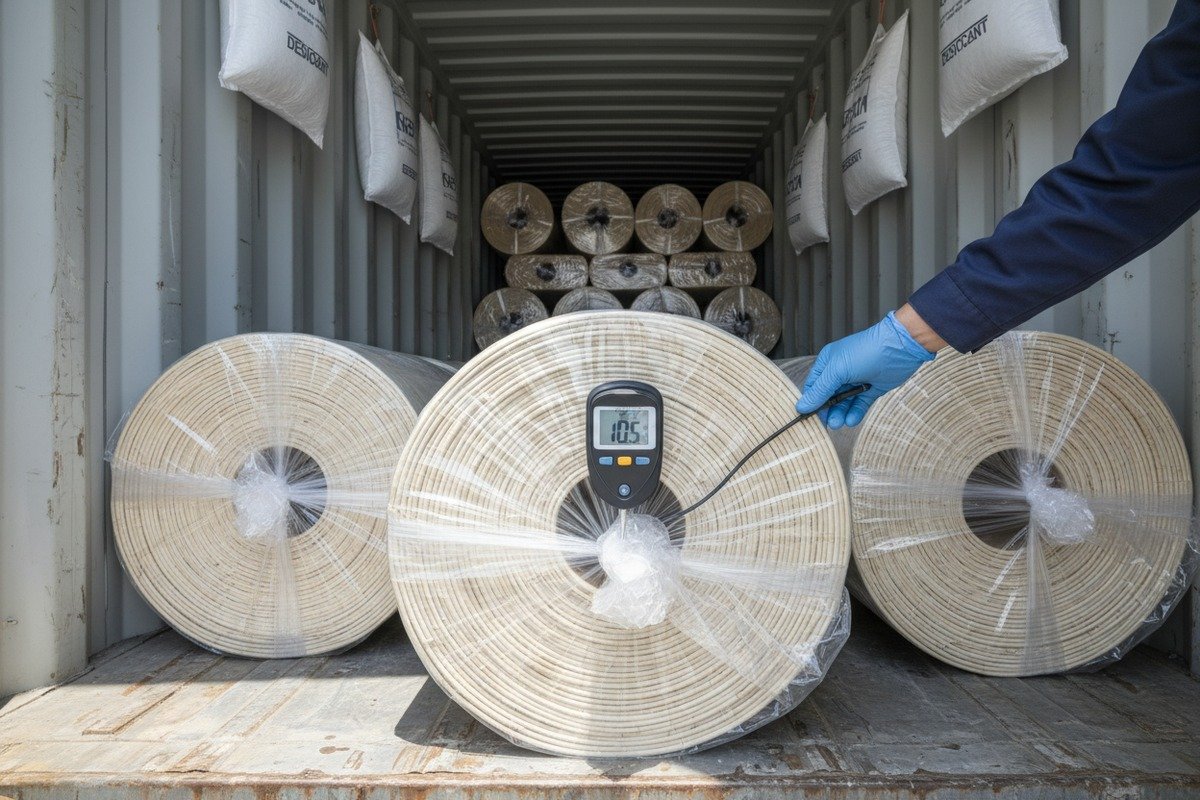
To protect bulk rattan from humidity and mold during sea freight, use moisture-barrier bags or sealed plastic film on every roll, place industrial desiccants inside the container, ensure proper ventilation, and avoid loading on rainy days. Pre-shipment moisture content testing below 12% is critical.
فهم "مطر الحاوية"
Ocean containers experience dramatic temperature swings. When warm, moist air inside the container hits cold steel walls at night, water condenses and drips onto cargo. This is container rain. Natural rattan — with its organic fibers and matte, porous texture — absorbs this moisture like a sponge. Within days, mold spores activate.
Our Step-by-Step Mold Prevention Protocol
In our Indonesian rattan processing facility, we follow a strict protocol before any sea freight shipment:
- Dry the rolls. We air-dry natural rattan to a moisture content below 12%. We measure this with a pin-type moisture meter on every batch.
- Wrap individually. Each roll gets sealed in polyethylene film with two silica gel packets tucked inside.
- Line the container. Before loading, we line the container floor and walls with kraft paper or a moisture-absorbing blanket.
- Add desiccants. We hang calcium chloride desiccant bags 8 from the container ceiling — typically 8 to 12 bags per 20-foot container.
- Load on dry days. If rain is forecast, we delay loading. Moisture trapped during loading will cause problems weeks later.
Mold Risk Factors by Shipping Route
| Shipping Route | Avg. Transit Days | Humidity Risk | Recommended Desiccant Qty (20ft) |
|---|---|---|---|
| China → Netherlands | 28–35 | High (crosses tropical zones) | 10–12 bags |
| China → USA (West Coast) | 14–18 | متوسط | 8–10 bags |
| China → Australia | 18–25 | متوسط إلى مرتفع | 10 bags |
| China → Middle East | 20–28 | Low-Medium (dry climate) | 6–8 bags |
| China → Thailand | 5–10 | High (short but humid) | 8 bags |
Natural vs. Synthetic: Different Humidity Strategies
Natural rattan cane webbing — with its light beige and straw yellow tones and organic fiber variations — demands the full mold prevention protocol described above. Synthetic rattan matting, made from durable PE plastic with woven textures mimicking natural wood fibers, is far less sensitive. A basic plastic wrap and standard corrugated box will suffice for synthetic rolls. However, even synthetic variants should avoid direct water contact during loading.
Bleached rattan cane webbing sits in between. The bleaching process strips some natural oils that provide mild water resistance. This makes bleached webbing slightly more vulnerable to mold than unbleached natural rattan, despite looking cleaner and more uniform. If you are importing bleached rolls, increase your desiccant count by 20%.
Post-Arrival Inspection
When your container arrives, open it immediately. Do not let it sit sealed in a warm yard for days. Inspect the first five rolls visually and with a moisture meter. If moisture content reads above 14%, air the rolls out in a dry, ventilated space before storing. Document everything with photos — this is your evidence for any insurance or supplier claim.
How do I choose the most cost-effective shipping method for my international rattan imports?
When our sales team in Foshan quotes a new client, shipping cost is almost always the second question after product price. We have learned that the "cheapest" rate on paper is not always the cheapest in practice — delays, damage, and customs headaches can cost more than the freight savings.
Choose your shipping method based on order volume, urgency, and destination. Sea freight (FCL or LCL) is most cost-effective for bulk orders over 5 cubic meters. Express couriers like DHL or FedEx work best for samples or urgent small orders under 100 kg. Air freight fills the gap for mid-size, time-sensitive shipments.

Shipping Method Comparison
Here is a side-by-side breakdown we share with every new buyer:
| عامل | Sea Freight (FCL/LCL) | الشحن الجوي | Express (DHL/FedEx/UPS) |
|---|---|---|---|
| الأفضل لـ | Bulk rolls, 1+ pallets | Mid-size urgent orders | Samples, 1–5 rolls |
| Cost per kg | $0.10–$0.50 | $3–$8 | $5–$15 |
| Transit time | 14–45 days | 3–7 أيام | 3–10 days |
| MOQ sweet spot | 10+ rolls or 1 CBM+ | 50–500 kg | Under 100 kg |
| Customs handling | Buyer arranges or CIF | Broker needed | Courier handles |
| Tracking | Port-to-port only | Flight-level | Door-to-door, real-time |
| Risk of delay | Moderate (port congestion) | منخفض | منخفض جدًا |
| التأمين | Recommended for all FCL | موصى به | Included or cheap add-on |
Understanding FCL vs. LCL
FCL means Full Container Load — you rent the entire container. A 20-foot container holds roughly 25–28 cubic meters. If your order fills at least 15 CBM, FCL is usually cheaper per unit than LCL (Less than Container Load 9), where your cargo shares space with other shippers' goods. LCL adds handling risk because your rolls are moved more often at consolidation warehouses.
Our logistics team offers both FOB (Free On Board) and CIF (Cost, Insurance, and Freight) terms. FOB gives you more control over the shipping process. CIF means we arrange everything to your destination port. For first-time buyers, we often recommend CIF so we can manage the packaging integrity all the way to your port.
When Express Makes Sense
Express shipping through DHL, FedEx, UPS, or TNT is ideal when you need samples fast — typically 3 to 10 days from Foshan to most global destinations. Many of our clients order 1–3 sample rolls via express before committing to a full container. The cost is higher per kilogram, but the speed lets you test quality, check weave patterns like the classic hexagonal open-mesh radio weave or the dense square basketweave, and confirm dimensions (widths from 11.5" to 36", lengths up to 49 feet) before risking a larger investment.
Planning Your Timeline
For custom rattan cane webbing orders — specific colors, patterns, or dimensions — plan at least two to three months ahead. Here is a typical timeline:
- Week 1–2: Sample production and express shipment for approval.
- Week 3: Deposit payment and production start.
- Week 3–9: Full production (approximately 45 days).
- Week 9–10: Quality inspection, packing, and loading.
- Week 10–14: Sea transit (varies by destination).
Stock items ship much faster — 5 to 10 days after payment confirmation. If your business model relies on quick restock (common for furniture material wholesalers), keep a mix of stock and custom orders in your pipeline.
Minimizing Costs Without Cutting Corners
Tight packing reduces volume and therefore reduces sea freight cost. Our packers compress rolls to minimize air gaps on pallets. We also consolidate orders — if you need rattan webbing plus other rattan materials (poles, peel, core), combining them in one shipment saves on per-item freight. With over 10,000 clients served globally and our own dedicated logistics coordinators, we optimize container space down to the last cubic centimeter.
How can I verify that my supplier's packaging meets the durability standards required for my country?
A purchasing manager we work with in Australia once had a shipment held at customs for two weeks because the wooden pallets did not carry proper ISPM-15 heat-treatment stamps 10. The storage fees alone cost more than the pallets themselves. That experience taught us — and our client — to verify everything before the container leaves port.
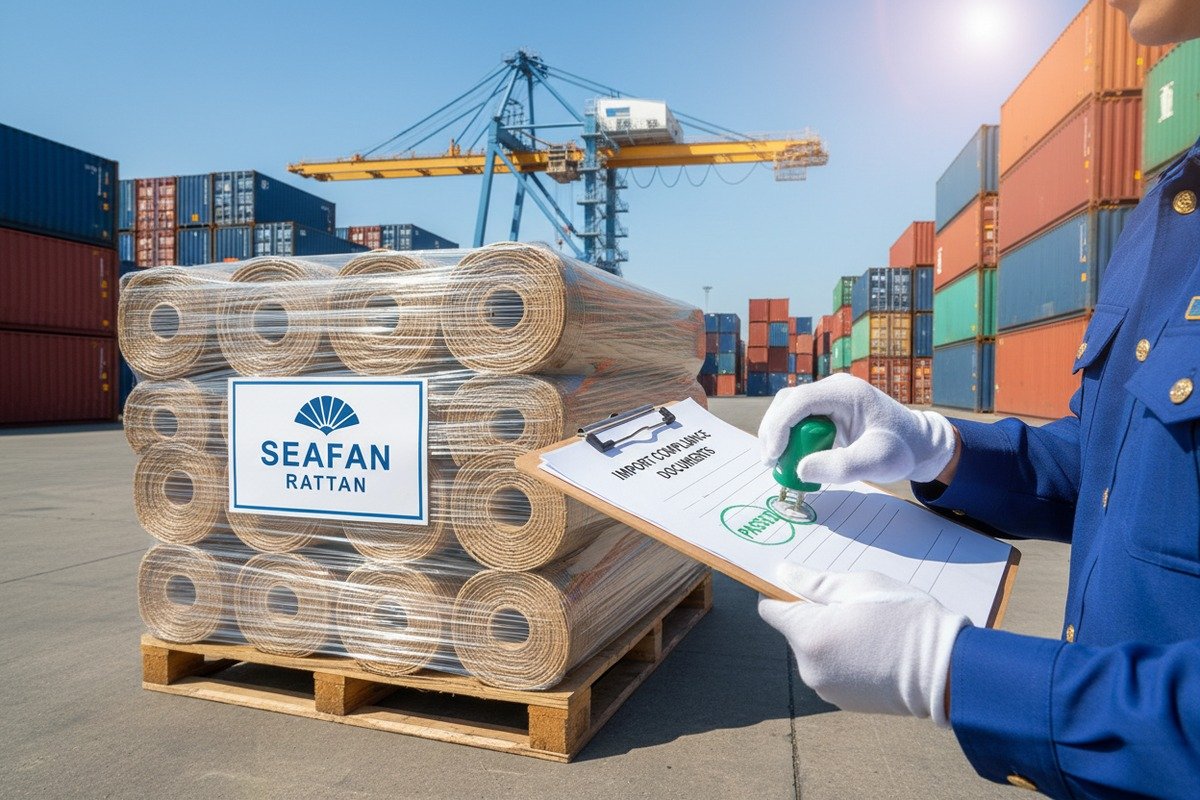
Verify packaging standards by requesting your supplier's compliance certificates (ISPM-15 for wood packaging, ISTA testing for transit simulation), conducting or commissioning third-party pre-shipment inspections, and cross-referencing packaging specs against your country's import regulations for plant-based materials.
Key International Packaging Standards
Different countries enforce different rules. Here are the most common regulations that affect rattan cane webbing imports:
- ISPM-15 (International Standard for Phytosanitary Measures): Applies to all solid wood packaging materials (pallets, crates, dunnage). Wood must be heat-treated or fumigated and stamped. The USA, EU, Australia, and most countries enforce this.
- ISTA (International Safe Transit Association) Testing: Simulates transport hazards — vibration, drops, compression, and temperature changes. Not legally required everywhere, but many large buyers demand ISTA-certified packaging.
- EU Timber Regulation / EUDR: If you import natural rattan into the EU, you may need to demonstrate legal sourcing. Our Indonesian factory maintains full chain-of-custody documentation.
- Australia BICON: Australia's biosecurity import conditions are among the strictest. Natural rattan must be free from pests, soil, and bark. Packaging must meet ISPM-15.
How We Handle Quality Assurance
At our three factories — including our own rattan processing facility in Indonesia — we run a 100% visual inspection on every order before packing. Our quality team checks:
- Weave consistency (no broken strands or pattern irregularities).
- Color uniformity across rolls (especially important for bleached rattan).
- Roll dimensions against the purchase order spec sheet.
- Moisture content (pin-meter reading below 12%).
For clients who want extra assurance, we welcome third-party inspection agencies like SGS, Bureau Veritas, or TÜV. We also provide detailed packing photos, weight records, and moisture test results by email before the container is sealed.
What You Should Ask Your Supplier
Before placing a bulk order, send your supplier this checklist:
- Do your wooden pallets carry ISPM-15 stamps?
- Can you provide a packing list with dimensions, weight, and roll count per carton?
- Do you perform moisture content testing? What is the reading?
- Will you send packing photos before sealing the container?
- Can you accommodate third-party inspection visits?
- What is your claims process if packaging fails during transit?
A reliable supplier will answer all six without hesitation. We answer them daily. If a supplier avoids or delays these answers, treat it as a red flag.
Eco-Friendly Packaging Options
Many buyers today prefer sustainable packaging that matches the natural, eco-friendly appeal of rattan itself. We now offer recycled corrugated cardboard, compostable inner wraps made from cornstarch-based film, and reusable pallet designs. These options cost 5–10% more but resonate strongly with end consumers in Europe and North America who value green supply chains. For the DIY and upcycling market — which is driving strong demand for rattan webbing in furniture restoration projects — sustainable packaging is becoming a selling point, not just a cost.
Payment and Trade Assurance
Secure transactions reduce risk on both sides. We accept T/T (bank transfer), PayPal, and trade assurance through platforms like Alibaba. Trade assurance protects your payment until you confirm satisfactory delivery. For first orders, we recommend a 30% deposit with the balance paid before shipment, combined with pre-shipment photos and inspection reports. This structure gives you control without delaying production.
خاتمة
Shipping rattan cane webbing long-distance demands attention to packaging layers, humidity control, freight method selection, and regulatory compliance. Plan early, inspect thoroughly, and work with a supplier who treats your cargo like their own.
ملاحظات سفلية
1. Explains the importance and structure of multi-layered packaging for product protection. ↩︎
2. The official website of the International Safe Transit Association (ISTA), the most authoritative source. ↩︎
3. Clarifies the EUDR’s purpose and its impact on timber and related products. ↩︎
4. Explains what polypropylene strapping is, its uses, and benefits from an industrial supplier. ↩︎
5. Details how silica gel packets absorb moisture to prevent damage. ↩︎
6. Defines Full Container Load (FCL) as a shipping method for single shippers. ↩︎
7. Offers practical steps and solutions to reduce the impact of container rain from a cargo securing specialist. ↩︎
8. Highlights the effectiveness of calcium chloride desiccants in absorbing moisture. ↩︎
9. Explains Less than Container Load (LCL) for sharing container space. ↩︎
10. Details ISPM-15 regulations and the significance of heat-treatment stamps. ↩︎

 English
  Español de México
  العربية
  Deutsch
  Français
  Русский