
Moisture, crush, and wrong labels ruin rolls. I lock import papers and pack strong so your team can use goods the day they arrive.
You need a business ID, consignee and tax details, HS codes, and clean import files. I ship with standard inner wrapping, moisture barriers, strong cartons, and clear labels. I also offer optional corner guards, tubes, neutral cartons, and branded barcodes with freight‑optimized pack counts.
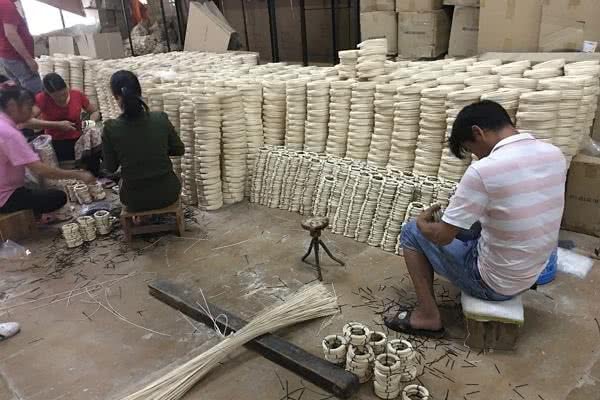
I will share the import basics I use with new buyers. Then I will explain inner wrapping, moisture barriers, and cartons, the extra edge protection options, branding and barcodes, and how roll counts per carton or pallet cut freight cost.
What inner wrapping, moisture barrier1s, and carton specs will I receive?
Rattan is natural and sensitive. It needs dry, clean, and tight packing.
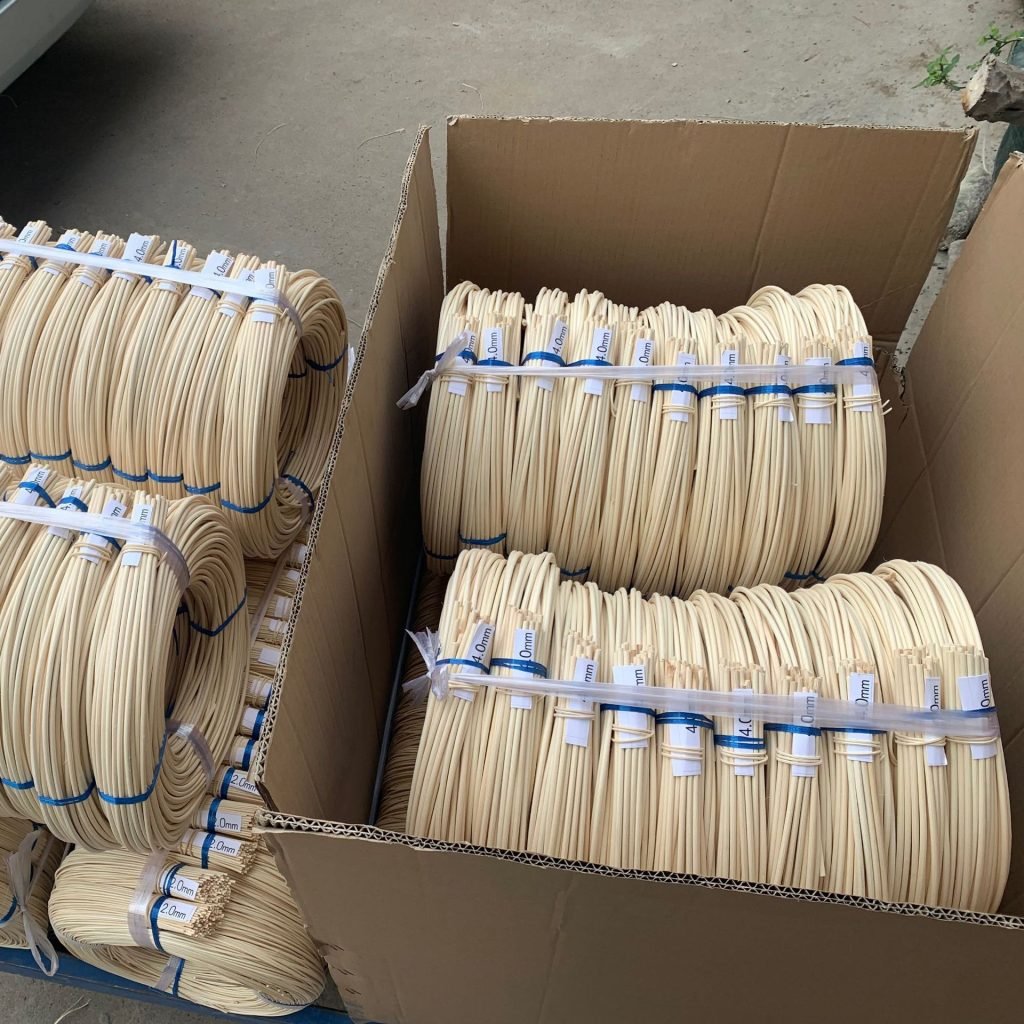
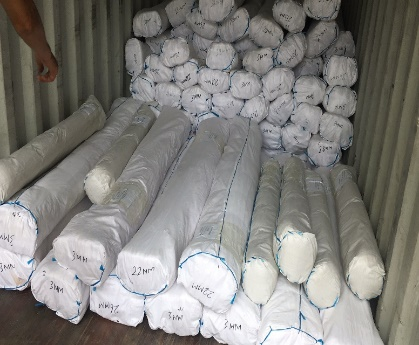
I wrap each roll in kraft and PE film, add desiccant, and use double‑wall cartons with edge guards. Cartons carry item code, width, pattern, grade, and batch. Pallets have stretch wrap and corner boards.
Dive deeper: Layered protection, grades, and panel packing
I build packaging in layers. Inner wrap is breathable kraft to keep the weave clean. I add PE film as a moisture barrier1. I place a silica gel pack inside each roll or bundle, and I mark “Keep Dry” on the carton. For natural cane webbing, I add extra face paper to protect the clean front, which matters for Grade B and Grade A panels. For Grade C used on dark‑stained chair seats and backs, I focus on tight rolls and strong edges so the weave stays straight. Plastic cane webbing gets PE and bubble wrap on the first turn to prevent imprint marks. Rattan cores and chair cane ship in bundles with shrink wrap and tie bands, then into double‑wall cartons. Panels and rattan webbing panels go in foam sleeves, then into reinforced cartons with corner boards. Pallets use heat‑treated wood, corner posts, top sheets, and stretch wrap with two straps per side. I label cartons with width, pattern, grade, color, length, and HS code so your warehouse scans fast and avoids mix‑ups.
Can I add corner protectors2 or reinforced tubes3 for fragile edges?
Edges take hits in transit. I add hard protection when you need it.
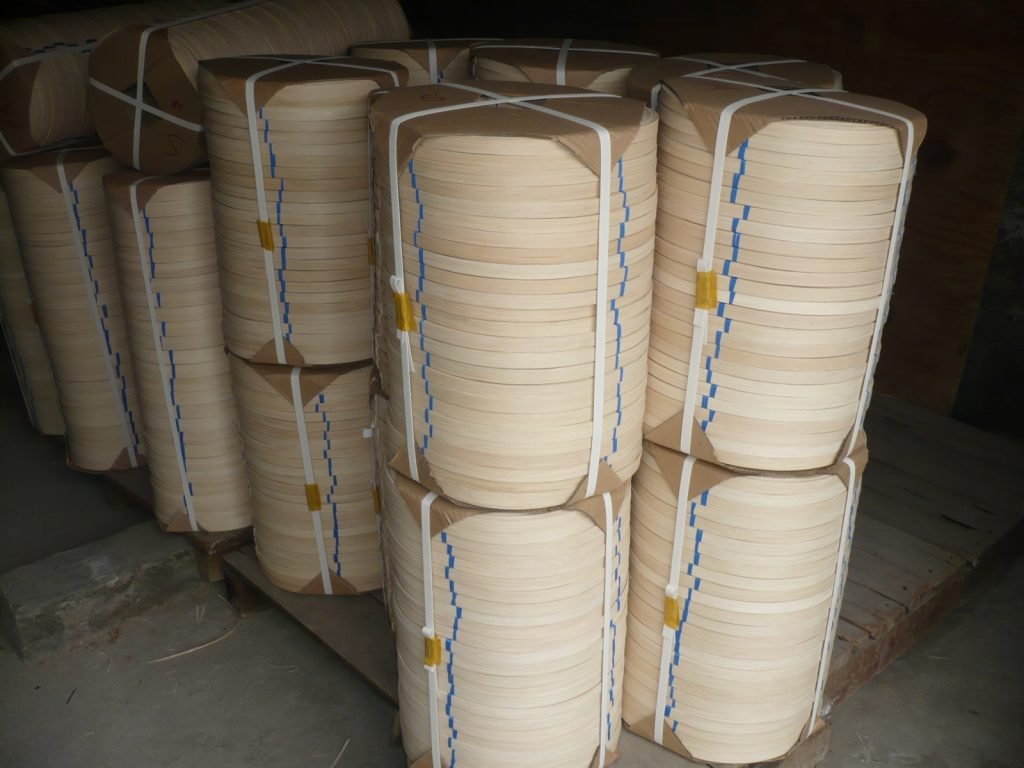
Yes. I offer plastic corner protectors2, edge boards, and reinforced paper or PVC tubes. I recommend tubes for narrow widths or fine meshes and corner guards for panel shipments.
Dive deeper: When extra protection pays off
Edge protection helps most on long routes and mixed pallets. For 45–60 cm natural cane rolls, reinforced paper tubes keep edges round and stop crush. For 70–90 cm rolls, I add heavy edge boards and a tight master wrap to hold shape. For plastic cane, tubes prevent kink lines in light colors. For finished rattan webbing panels, I use corner protectors1, foam sleeves, and honeycomb boards on the top layer. I can add an inner collar to cartons for very fine meshes to stop side pressure. I show you the added weight and cost so you can choose. On sea freight to humid ports, I pair edge protection with two desiccant units per carton and a big bag on each pallet. This combo lowers warp and mold risk. For hotel project kits, I pack per room set with extra corners so installers open and mount without damage.
Do you offer neutral cartons or my branded labels and barcodes?
Retail and projects need clean identity. I pack neutral by default and brand when you ask.
Yes. I ship neutral cartons or print your logo and SKU. I add barcodes, batch codes, and room or project labels. I share label proofs for approval before we print.
Dive deeper: Label fields, barcode types4, and approval flow5
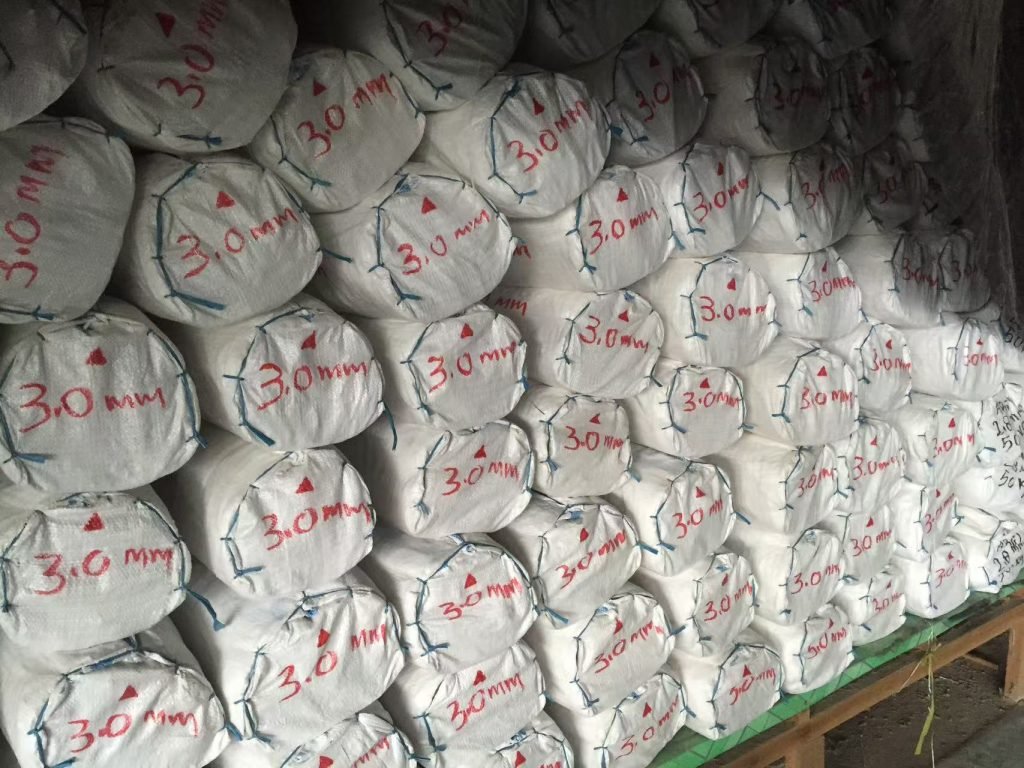
I set labels with simple fields so your team scans fast. A standard label shows brand or neutral mark, item name, pattern code, width, grade, color, length, HS code, batch, and carton count. I print EAN‑13 or Code‑128 barcodes, and I can add QR for batch trace and care notes. For hotel work, I include floor and room tags and pack lists per install zone. I send a PDF proof with sizes and placement, then a physical sample if you need to check paper and ink. Neutral cartons have no factory names, which works for wholesalers. Branded cartons help retail lines keep shelf identity. I keep your art on file with version control, so repeat orders match exactly. I also match label color to product family: natural cane in kraft tones and plastic cane in clean white or black. This keeps warehouse sorting fast and reduces picking errors.
How many rolls per carton or per pallet will optimize freight cost?
Too many rolls crush. Too few rolls waste freight. I plan the sweet spot.
I set 2–4 rolls per carton for 60–90 cm webbing and 4–6 rolls for 45–60 cm webbing. Pallets hold 20–40 cartons depending on height limits and weight. I adjust counts to your container plan.
Dive deeper: Pack math, container fills, and item differences
I calculate pack counts by width, weave, and material. Natural cane webbing at 90 cm ships best at 2–3 rolls per carton to protect the face. At 70 cm, 3–4 rolls work well. At 45–60 cm, 4–6 rolls per carton balance protection and freight. Plastic cane is denser, so I cap weight per carton to keep handling safe, normally 18–22 kg. Rattan cores ship in 20–25 kg cartons or in tied bundles that stack tight, with 40–60 cartons per pallet based on container height. For 20‑foot containers, I keep pallet height lower to avoid crush and use more pallets. For 40‑foot high cubes, I raise pallet layers and hit near full cube. I send a load plan with carton count, pallet footprint, and expected weight. If you mix widths, I build split cartons with inner dividers to stop edge rub. This plan cuts damage, lowers per‑unit freight, and keeps your unpacking simple on busy docks.
خاتمة
You need clean import papers and strong, simple packaging. I wrap dry, protect edges, label clearly, offer neutral or branded cartons, and set pack counts that save freight without crushing rolls.
-
Understanding moisture barriers is crucial for preserving the quality of sensitive materials like rattan. ↩ ↩ ↩
-
Explore how corner protectors can enhance the safety of your shipments and reduce damage during transit. ↩ ↩
-
Learn about the advantages of reinforced tubes in maintaining the integrity of fragile items during transport. ↩
-
Understanding barcode types is crucial for efficient inventory management and product tracking. ↩
-
Exploring the approval flow can enhance your knowledge of quality control in label production. ↩

 English
  Español de México
  العربية
  Deutsch
  Français
  Русский