
I get many requests for extra‑wide rolls but buyers often miss import details. I set paperwork first, then pick widths that ship safely and install clean.
You need a business ID, consignee and tax details, HS codes, and basic import documents. I offer natural cane webbing up to 90 cm standard, plastic webbing up to 120 cm standard, and custom wider panels with bracing plans.
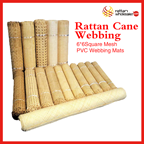
I will outline import steps I use with new buyers. Then I will share the widest standard widths, custom panel options, shipping carton rules, LCL/FCL optimization, and how to brace wide panels to avoid deformation.
What are the widest standard rolls for natural cane webbing1 and for plastic webbing?
Many projects need wide spans for walls and doors. Standard width limits protect weave stability and keep packing simple.
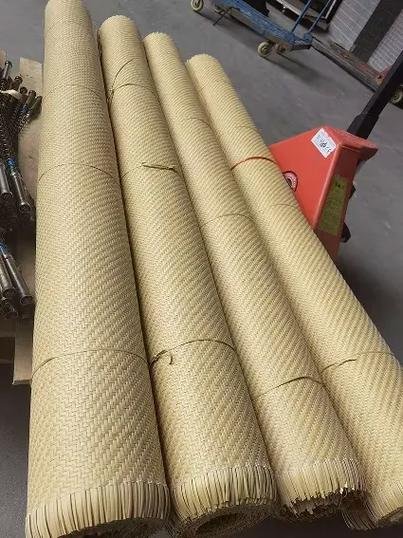
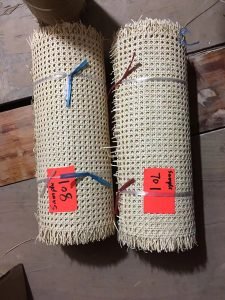
Natural cane webbing widest standard is 90 cm. Plastic cane webbing widest standard is 120 cm. I can supply custom panels above these widths using stitched or framed joins for wall cladding and headboards.
Dive deeper: Width ranges, custom options, and grade choices
I stock natural cane webbing1 in 45, 50, 60, 70, and 90 cm widths because these sizes balance mesh stability and packing safety. Natural cane above 90 cm can wave or twist after humidity changes. If you need wider natural panels, I join two rolls with a hidden stitch, a narrow solid rail, or a decorative batten. For plastic cane webbing2, I stock 45–120 cm in 20+ patterns and 15+ colors. Plastic keeps shape better at 100–120 cm, so it suits headboards, wall panels, and wide cabinet doors. For seats or backs, I use Grade C cane for strength and stain dark to hide green peel; for visible broad panels, I move to Grade B for cleaner face color. I also offer rattan mats and bamboo‑style panels in 90/100/120 cm for flat cladding. When a project asks for one‑piece panels above 120 cm, I propose framed modules: 60–90 cm bays with slim stiles. This keeps transport easy and maintains flatness after installation.
Can I order extra‑wide panels3 for wall cladding, headboards, or cabinet doors?
Designers love seamless span, but very wide pieces need a plan for weaving, packing, and installation.
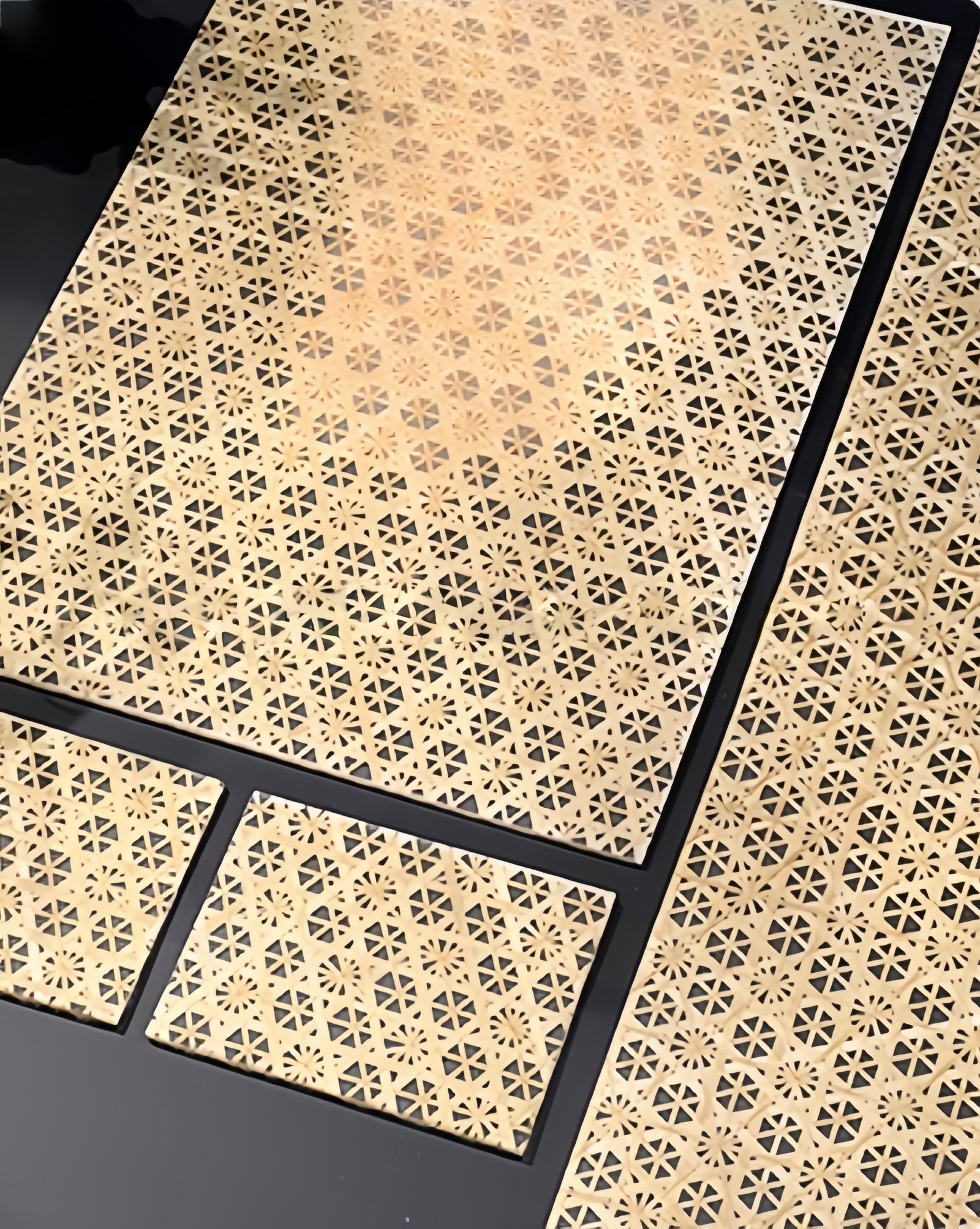
Yes. I supply extra‑wide panels3 by modular framing4 or by joined sheets. I provide edge binding, backing mesh, and batten kits so the panel stays flat and installs fast on site.
Dive deeper: Panel engineering, join methods, and installation kits
I design extra‑wide panels3 in three ways. First, modular frames: I build 60–90 cm bays with slim stiles that align visually, so the wall reads as one panel. This option ships safest and installs fastest. Second, joined sheets: I align two 90 cm natural rolls or two 120 cm plastic rolls and stitch the seam with matching flat cane; I hide the seam under a 10–15 mm batten. Third, backed panels: I laminate the weave to breathable fabric or thin wood veneer to reduce waves. I pre‑bind edges with 3.0–4.0 mm core to protect borders in transit. I mark grain direction so installers keep patterns aligned across joins. I ship a kit with battens, color‑matched edge strips, screws, and touch‑up stain. For hotel headboards, I add a thin PU topcoat to resist scuffs from pillows and cleaning. I share a layout plan so carpenters place stiles where seams fall, keeping lines invisible in finished rooms.
How does roll width affect shipping, carton size, and LCL/FCL optimization?
Freight cost climbs with width. Wrong cartons crush edges. I plan cartons and pallets by width and roll length.
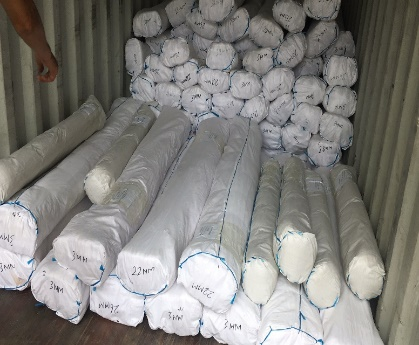
Wider rolls need larger cartons and more corner protection. 90 cm natural rolls and 120 cm plastic rolls pack two to four per carton. I optimize LCL with mixed widths and build FCL pallets by layer height.
Dive deeper: Carton specs, pallet plans, and booking strategy
I set carton size from roll width and core diameter. For natural cane 90 cm, a typical carton is 94×94×20 cm and holds two rolls with foam edges and moisture guards. For plastic cane 120 cm, I use 124×124×20–25 cm cartons with double‑wall board and hard corners; two rolls per carton is safe, four if strip thickness is low. I strap cartons in a cross pattern and add top caps to keep stacks flat. For LCL, I build mixed pallets: narrow widths fill gaps around wide cartons to keep cube high and cost low. I keep pallet heights under 1.6–1.7 m for easy handling and to avoid top crush. For FCL, I stack by width layer and add anti‑skid sheets. I pre‑issue packing lists with width codes so your warehouse unloads by project zone. I ship desiccant in each carton for natural cane. I choose direct sailings where possible because wider cartons dislike trans‑ship handling. I can split shipments: wide panels by sea, narrow replenishment by air.
Will wider widths increase risk of deformation, and how should I brace panels?
Wide spans can wave or cup after humidity swings5 or pressure in transit. Bracing and edge protection solve most issues.
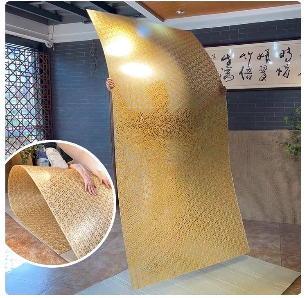
Yes. Wider widths have higher risk. I brace panels with battens, backers, and edge binding. I set storage and installation rules to keep panels flat and clean.
Dive deeper: Deformation risks, bracing methods, and on‑site handling
I watch three risks: humidity change, edge damage, and unsupported spans. Natural cane moves with moisture, so wide panels need breathable backers or framed stiles every 60–90 cm. Plastic cane moves less, but long edges still need binding. I add 3.0–4.0 mm edge core and a soft radius in the mounting groove to avoid cut lines. For wall cladding, I place battens at 300–400 mm centers and keep a 3–5 mm expansion gap at perimeters. For cabinet doors, I use a floating panel inside rails and stiles, with felt tape to stop rattle and scuff. In transit, I stack panels face‑to‑face with foam sheets, add corner guards, and strap with wide bands. On site, I acclimate panels 24–48 hours before install. I avoid direct sun or AC blasts during acclimation. I seal natural cane lightly with waterborne PU to slow moisture swings. I provide a maintenance note: wipe with mild soap, no soaking, and check battens after the first month. These steps keep lines straight and surfaces smooth.
خاتمة
You need basic import documents and clear width planning. I supply up to 90 cm natural and 120 cm plastic rolls, engineer extra‑wide panels, optimize cartons for freight, and brace wide spans to prevent deformation.
-
Explore this link to understand the versatility and uses of natural cane webbing in various projects. ↩ ↩
-
Discover the advantages of plastic cane webbing, including durability and design options for your projects. ↩
-
Explore the advantages of extra-wide panels for wall cladding, including seamless design and installation efficiency. ↩ ↩ ↩
-
Learn about modular framing techniques that ensure safe shipping and fast installation of panels. ↩
-
Learn about the impact of humidity on panel integrity and discover solutions to mitigate risks. ↩
 English
  Español de México
  العربية
  Deutsch
  Français
  Русский