
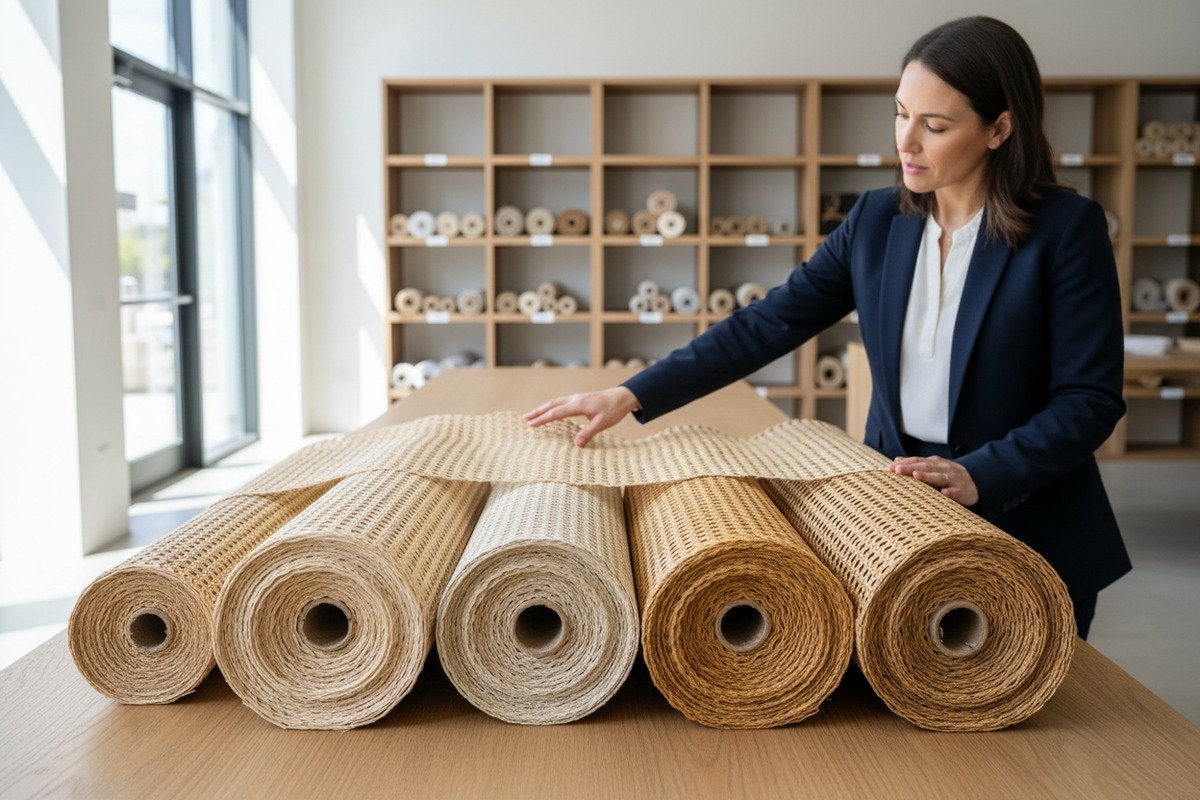
Jede Woche erhält unser Vertriebsteam Anrufe von Einkaufsmanagern, die von Farbunterschieden zwischen Rattanmustern und Großlieferungen verwirrt sind. Rattanarten 1. Es ist ein echtes Kopfzerbrechen, wenn Ihre Möbelserie visuelle Konsistenz erfordert, das Material selbst aber aus der unvorhersehbaren Palette der Natur stammt.
Natürliche Rattanrohrgeflechte sind in einer Reihe von Erdtönen erhältlich – von hellem Stroh und Creme bis hin zu warmem Honiggold und dezenten grünlichen Tönen. Diese Farbvariationen ergeben sich aus der Rattansorte, ihrer Wachstumsumgebung, der Erntezeit, der Verarbeitungsmethode und der Qualitätsstufe. Das Verständnis dieser Faktoren hilft Beschaffungsexperten, realistische Erwartungen zu setzen und das richtige Material für ihre Projekte auszuwählen.
Im Folgenden gehen wir auf die häufigsten Fragen unserer Kunden zu Rattanfarben ein. Egal, ob Sie eine Möbelfabrik oder ein Großhändler für Baumaterialien betreiben, dieser Leitfaden hilft Ihnen, intelligenter einzukaufen und kostspielige Überraschungen zu vermeiden.
Wie unterscheide ich zwischen natürlichen, gebleichten und halbgebleichten Rattan-Geflechtfarben?
Als wir zum ersten Mal exportierten Rattan-Rohrgeflecht 2 auf europäische und amerikanische Märkte, viele Käufer gingen davon aus, dass "natürlich" eine einzige Farbe bedeutet. Die Realität ist nuancierter, und das Missverständnis dieser Kategorien führt zu zurückgewiesenen Lieferungen und verschwendeten Budgets.
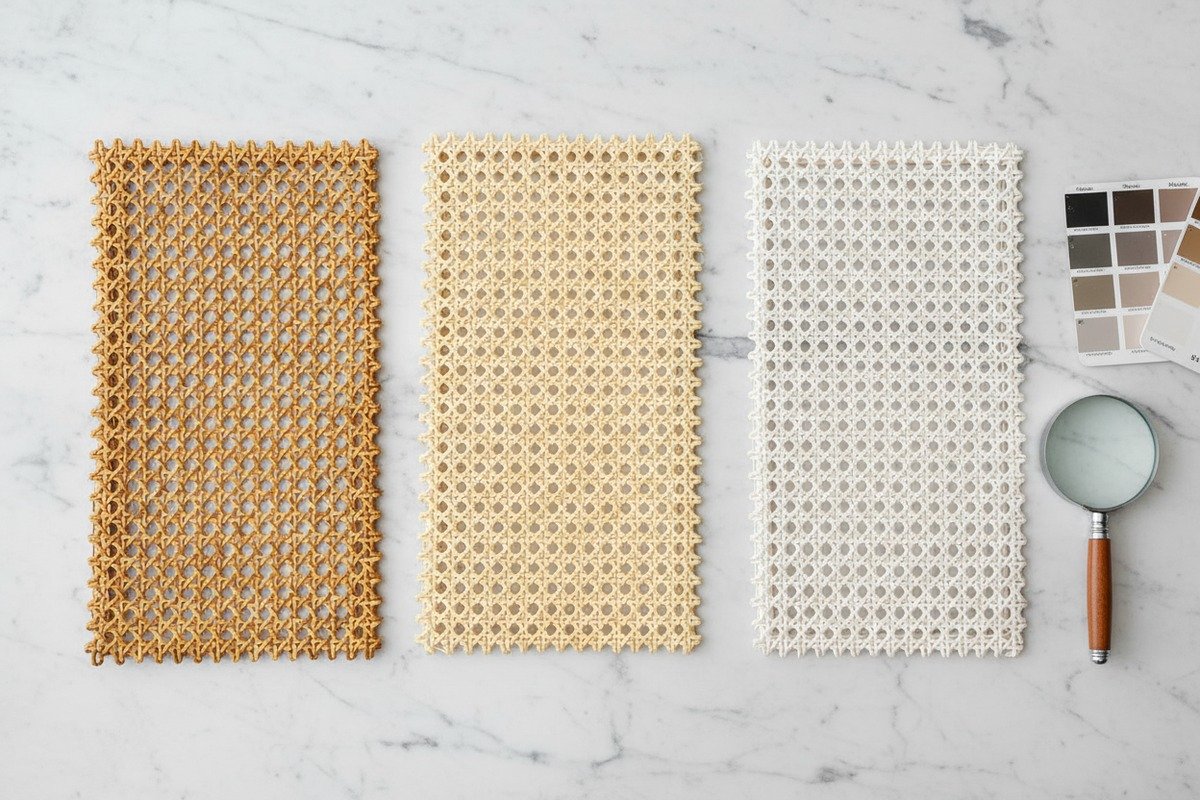
Natürliches Rattan-Geflecht behält die ursprünglichen warmbraunen und strohigen Töne der Pflanze. Gebleichtes Rattan wird chemisch zu einem fast weißen Aussehen aufgehellt. Halbgebleichtes Rattan liegt dazwischen und bietet einen weichen, leicht gelblichen Cremeton. Jeder Typ dient unterschiedlichen Designästhetiken und hat ausgeprägte Alterungseigenschaften.
Was bedeutet "natürlich" wirklich?
Natürliches Rattangeflecht ist die unverarbeiteteste Form. Nachdem die äußere Haut von der Rattanpalme abgeschält wurde, werden die Streifen getrocknet und ohne chemische Behandlung gewebt. Das Ergebnis ist eine warme Palette, die von hellem Stroh bis zu Honiggold reicht. Einige Chargen weisen sogar einen dezenten grünen Schimmer auf. Dieser grünliche Ton stammt von Resten Chlorophyll 3 im frisch geernteten Rohr. Er verblasst mit der Zeit, ist aber ein Zeichen von Authentizität.
In unserer indonesischen Verarbeitungsanlage sortieren wir natürliche Rohrstreifen vor dem Weben nach Farbintensität. Allein dieser Schritt verbessert die Chargenkonsistenz erheblich. Dennoch sind geringfügige Farbabweichungen unvermeidlich. Keine zwei Rattanpalmen wachsen unter identischen Bedingungen.
Wie unterscheidet sich gebleichtes Rattan?
Beim Bleichen wird ein chemischer Prozess 4 verwendet, um Pigmente aus den Rohrfasern zu entfernen. Ziel ist ein sauberes, weißes Aussehen, das in Küsten- und skandinavischen Designstilen beliebt ist. Das Bleichen ist jedoch arbeitsintensiv. Jeder Streifen muss gleichmäßig behandelt werden, sonst erhalten Sie fleckige Ergebnisse.
Eine wichtige Tatsache: Bleichen funktioniert nur auf natürlichem Rohr. Sie können kein synthetisches Rattan bleichen. Und selbst vollständig gebleichtes Rohr wird über Monate und Jahre allmählich gelblich. Der natürliche Alterungsprozess kann nicht gestoppt werden.
Halbgebleicht: Der Mittelweg
Halbgebleichtes Rattan ist leicht behandelt. Es behält einen warmen Cremeton – heller als natürlich, aber nicht reinweiß. Viele unserer Großhandelskunden in den Niederlanden und Australien bevorzugen diese Option. Es passt gut zu heller Eiche und lackierten Möbeln, ohne zu stark verarbeitet auszusehen.
Schnelle Vergleichstabelle
| Merkmal | Natürlich | Halb gebleicht | Gebleicht |
|---|---|---|---|
| Farbton | Warmbraun, Stroh, Honiggold | Weiche Creme, Hellgelb | Nahezu Weiß |
| Verarbeitung | Keine (nur getrocknet) | Leichte chemische Behandlung | Vollständige chemische Behandlung |
| Grüner Schimmer möglich | Ja | Selten | Nein |
| Alterungsverhalten | Vertieft sich zu einem satteren Braun | Entwickelt ein mildes Gelb | Wird mit der Zeit gelblich |
| Beste Design-Passform | Rustikal, böhmisch, organisch | Übergangsstil, modern-klassisch | Küstengestaltung, skandinavisch, minimalistisch |
| Kosten | Niedrigste | Moderat | Höchste |
Praktische Tipps für Käufer
Fordern Sie immer physische Muster an, bevor Sie Großaufträge aufgeben. Fotos auf Bildschirmen variieren je nach Monitor-Kalibrierung. Wir versenden Muster-Sets mit allen drei Typen, damit Käufer sie nebeneinander im tatsächlichen Licht ihres Arbeitsplatzes vergleichen können. Wenn Ihr Projekt einen sehr spezifischen Farbton benötigt, bitten Sie Ihren Lieferanten um eine Pantone-Code-Abstimmung. Die meisten professionellen Rattan-Großhändler bieten diesen Service an, obwohl Mindestbestellmengen gelten können.
Warum zeigt meine Großbestellung von Rattanrohrgeflecht leichte Farbabweichungen?
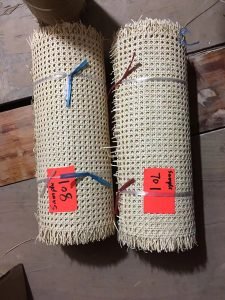
Unser Qualitätssicherungsteam inspiziert jeden Monat Tausende von Metern Rattan-Geflecht. Selbst bei strengen Sortierprotokollen sehen wir leichte Farbabweichungen innerhalb einzelner Produktionschargen. Neue Käufer denken manchmal, dies signalisiere ein Qualitätsproblem. Das ist normalerweise nicht der Fall.
Leichte Farbabweichungen bei Rattan-Großbestellungen sind normal, da Rattan ein natürliches Pflanzenmaterial ist. Unterschiede in der Art, der Anbauregion, den Bodenmineralien, der Erntesaison, der Sonneneinstrahlung während des Trocknens und der Position des einzelnen Rohrstocks an der Pflanze tragen alle zu subtilen Farbtonunterschieden innerhalb derselben Lieferung bei.
Die Biologie hinter Farbabweichungen
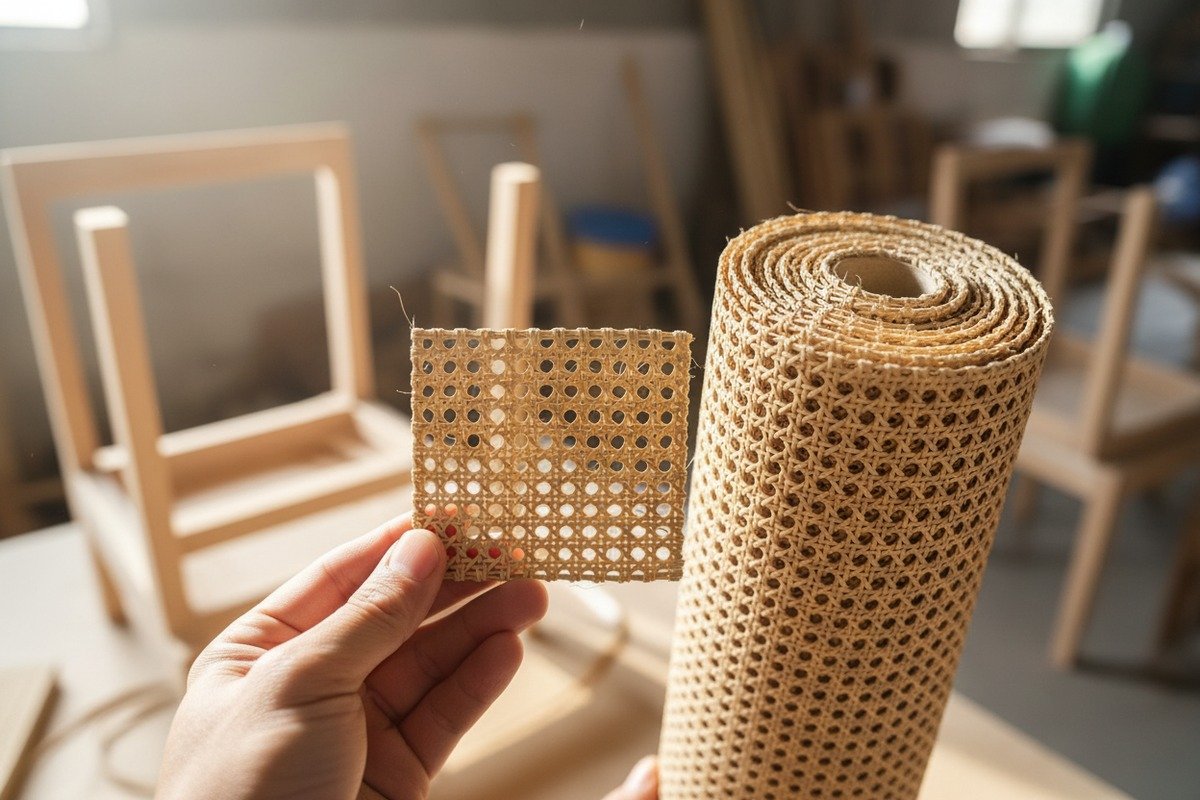
Rattan wächst über tropischen Wäldern 7 in Südostasien. Jede Ranke nimmt je nach ihrem spezifischen Standort unterschiedliche Mengen an Mineralien und Wasser auf. Ranken, die in mineralreichem Boden wachsen, können leicht dunklere Töne entwickeln. Ranken aus sandigem, nährstoffarmem Boden sind tendenziell heller. Selbst zwei Ranken vom selben Hang können sich unterscheiden.
Die Erntezeit spielt ebenfalls eine Rolle. Rattan, das während der Regenzeit geschnitten wird, enthält mehr Saft und Feuchtigkeit, was die Härtungsfarbe beeinflussen kann. Ernten in der Trockenzeit führen tendenziell zu konsistenteren, helleren Tönen.
Verarbeitungsvariablen, die die Farbe beeinflussen
Nach der Ernte wird Rattan vor der Verarbeitung getrocknet. Die Trocknungsmethode hat einen direkten Einfluss auf die Endfarbe.
| Trocknungsmethode | Farbeffekt | Konsistenzgrad |
|---|---|---|
| Freilufttrocknung in der Sonne | Hellere, sonnengeküsste Töne; kann je nach Wetter variieren | Niedriger |
| Schattentrocknung | Gleichmäßigere, leicht dunklere Töne | Moderat |
| Ofentrocknung 8 (kontrolliert) | Einheitlichste Farbe; vorhersehbares Ergebnis | Höchste |
In unserer Fabrik verwenden wir für Premium-Bestellungen eine Kombination aus Schattentrocknung und kontrollierter Ofenveredelung. Dies gibt uns die beste Balance zwischen natürlichem Aussehen und Chargenkonsistenz. Für preisgünstige Produktlinien ist jedoch die Freilufttrocknung in der gesamten Branche Standard – und sie führt zu mehr Variationen.
Qualitätsstufen und ihre Farbmerkmale
Nicht alle Rattanstreifen sind gleich. Die Einstufung erfolgt nach visuellen und strukturellen Merkmalen, und die Farbe ist ein wichtiger Indikator.
| Qualität | Farbeigenschaften | Oberflächenqualität | Typische Verwendung |
|---|---|---|---|
| AAA / A (Premium) | Reichhaltige, warme Honigtöne; minimale Variation | Glattes, feines Korn, keine Narben | Hochwertige Möbel, Export |
| B (Mittelklasse) | Moderate Variation; einige hellere/dunklere Streifen | Kleine Knoten, leichte Rauheit | Standardmöbel, lokaler Markt |
| C (Budget) | Stumpfe, fleckige, gräuliche Flecken | Raue, sichtbare Narben, unebene Streifen | Budget-Produkte, Übungsmaterial |
Hochwertiges Rattan erzielt einen höheren Preis gerade wegen seiner Farbgleichmäßigkeit. Wenn wir Rohrstücke in unserer indonesischen Anlage sortieren, werden die AAA-Streifen von Hand ausgewählt, um eine gleichmäßige Breite, Dicke und Farbton zu gewährleisten. Dieser arbeitsintensive Prozess ist der Grund, warum Premium-Rattan teurer ist – aber er spart Möbelherstellern Zeit und reduziert Abfall in der Produktionslinie.
Was sollten Sie als Käufer erwarten?
Eine Variation von ein bis zwei Farbtönen innerhalb einer Großrolle ist bei natürlichem Rattan normal. Wenn Sie dramatische Unterschiede sehen – wie honiggoldene Streifen gemischt mit gräulichen oder fast weißen Streifen –, deutet dies auf schlechte Sortierung oder gemischte Qualitäten hin. Dies ist ein legitimes Qualitätsproblem, das Sie bei Ihrem Lieferanten ansprechen sollten.
Wir empfehlen, die erste Rolle jeder neuen Bestellung zu inspizieren, bevor Sie sie in die Produktion geben. Machen Sie Fotos bei natürlichem Tageslicht. Vergleichen Sie sie mit Ihrer genehmigten Probe. Dieser einfache Schritt fängt Probleme frühzeitig auf.
Wird sich die natürliche Farbe meines Rattan-Geflechts mit der Zeit verdunkeln oder verändern?
Eine der häufigsten Fragen, die wir von Möbelherstellern in den USA und Europa hören, betrifft die langfristige Farbkonstanz. Sie möchten wissen, wie ihre Stühle und Schränke in fünf Jahren aussehen werden, nicht nur am Tag der Lieferung.
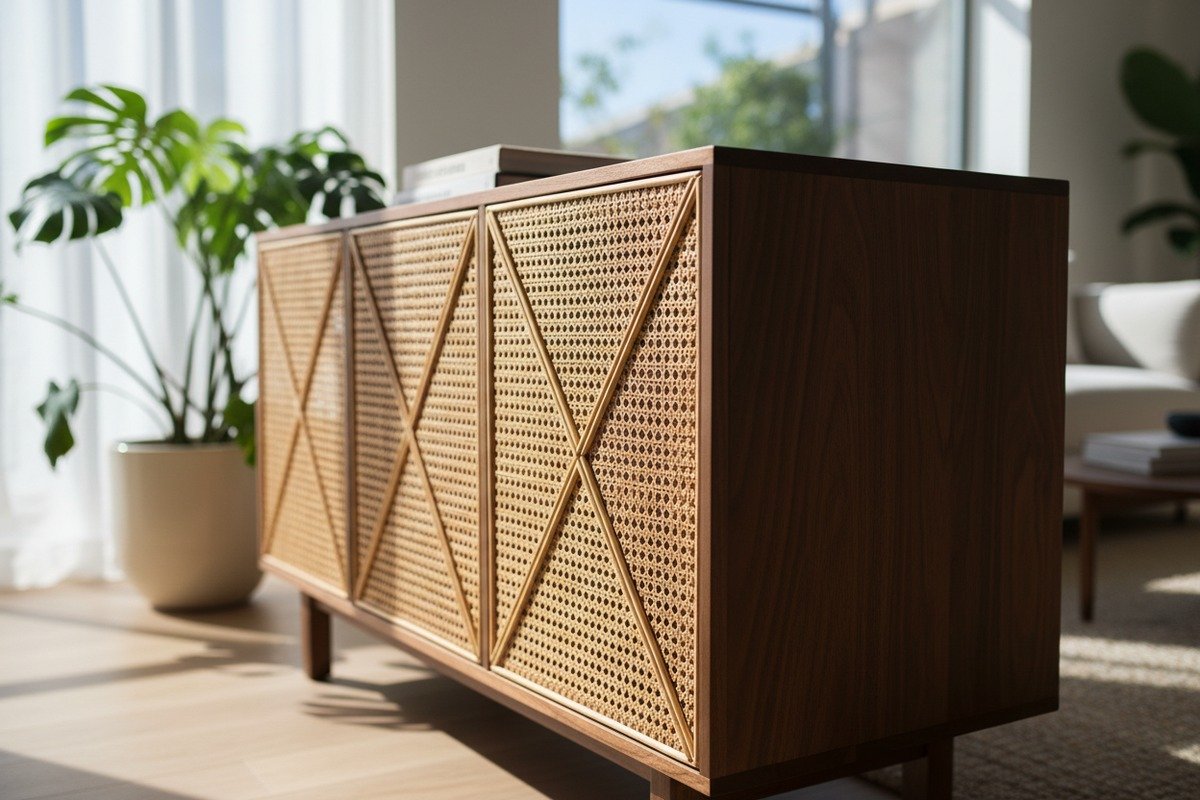
Ja, natürliches Rattanrohrgeflecht wird mit der Zeit allmählich dunkler und entwickelt eine reichere Patina. Dieser Alterungsprozess wird durch Oxidation, UV-Lichtexposition und Feuchtigkeitsänderungen verursacht. Gebleichtes Rattan verschiebt sich von Weiß zu gelblichen Tönen. Ungebleichtes natürliches Rattan vertieft sich von hellem Stroh zu einem warmen Bernstein- oder Karamellton. Diese Farbentwicklung ist ein definierendes Merkmal von echtem Naturrohr.
Warum verändert Rattan seine Farbe?
Rattan ist eine organische Faser. Wie Holz, Leder und Baumwolle reagiert es auf seine Umgebung. Drei Hauptfaktoren treiben die Farbveränderung an:
Oxidation. Lufteinwirkung verändert langsam die chemische Struktur der Pflanzenfasern. Dies verdunkelt die Oberfläche über Monate und Jahre.
UV-Licht. Sonnenlicht beschleunigt den Alterungsprozess. Rattan, das in der Nähe von Fenstern oder in gut beleuchteten Ausstellungsräumen platziert wird, dunkelt schneller nach als Rattan, das an dunklen Orten gelagert wird.
Luftfeuchtigkeit und Nässe. Rattan nimmt Feuchtigkeit auf und gibt sie je nach Umgebungsluft ab. Wiederholte Feuchtigkeitszyklen können die Farbe vertiefen und eine reichhaltigere Oberflächenstruktur erzeugen. Der optimale Feuchtigkeitsgehalt 9 für stabiles Rattan liegt zwischen 8% und 12%. Außerhalb dieses Bereichs ist das Material anfällig für Verzug und ungleichmäßige Farbentwicklung.
Der Patina-Effekt: Ein Merkmal, kein Makel
Viele Designer lieben den Alterungsprozess sogar. Ein neues Rattanmöbelstück hat ein sauberes, helles Aussehen. Über sechs bis zwölf Monate entwickelt es Wärme und Charakter. Dies ist der "Patina-Effekt" und ein Verkaufsargument für handgefertigte, kunsthandwerkliche Möbel.
Wenn Ihr Markt jedoch Farbkonstanz über die gesamte Lebensdauer des Produkts verlangt, ist Naturrattan möglicherweise nicht die ideale Wahl. In diesem Fall bietet synthetisches Rattangeflecht eine überlegene Farbkonstanz. Synthetische Materialien behalten ihre ursprüngliche Farbe jahrelang, ohne zu verblassen, nachzudunkeln oder zu vergilben.
Natur vs. Synthetik: Vergleich der Farbkonstanz
Aus unserer Produktionserfahrung finden Sie hier einen realistischen Vergleich:
| Faktor | Natural Rattan | Synthetisches Rattan |
|---|---|---|
| Ursprüngliche Farbpalette | Stroh, Honig, Creme, grünlich | Schwarz, Braun, Beige, kundenspezifisches Pantone |
| Farbveränderung nach 1 Jahr | Deutliche Vertiefung | Vernachlässigbar |
| Farbveränderung über 5 Jahre | Deutliche Patina-Entwicklung | Minimales Verblassen möglich |
| UV-Beständigkeit | Niedrig | Hoch |
| Feuchtigkeitsempfindlichkeit | Hoch (8-12% optimal) | Sehr gering |
| Authentische Ästhetik | Ja | Nachahmung des natürlichen Aussehens |
| Umweltfreundlich | Vollständig biologisch abbaubar | Kunststoffbasiert |
Wie man Farbveränderungen verlangsamt
Sie können den Alterungsprozess nicht vollständig stoppen. Aber Sie können ihn steuern:
- Direkte Sonneneinstrahlung vermeiden. Stellen Sie Rattans möbel von nach Süden ausgerichteten Fenstern weg.
- Luftfeuchtigkeit kontrollieren. Halten Sie die Luftfeuchtigkeit in Innenräumen zwischen 40% und 60%.
- Tragen Sie eine klare Versiegelung auf. Eine leichte Schicht Lack oder matter Lack schützt vor Feuchtigkeit und UV-Strahlung. Dies verlangsamt – aber verhindert nicht – die Farbveränderung.
- Platzierung rotieren. Wenn ein Stück an einem sonnigen Ort steht, drehen Sie es regelmäßig, damit es gleichmäßig altert.
Wir raten unseren Großhandelskunden oft, eine Pflegekarte zu ihren Möbelprodukten beizulegen. Dies setzt die Erwartungen des Endverbrauchers und reduziert Beschwerden über Farbveränderungen.
Wie kann ich sicherstellen, dass mein Lieferant eine gleichbleibende Farbabstimmung für meine Möbelproduktion gewährleistet?
Der Betrieb einer Möbelproduktionslinie auf drei Kontinenten hat unserem Team gezeigt, dass Farbkonstanz niemals automatisch ist. Sie erfordert klare Kommunikation, definierte Standards und eine fortlaufende Qualitätskontrolle zwischen Ihnen und Ihrem Lieferanten.
Um eine konsistente Farbabstimmung zu gewährleisten, fordern Sie vor der Bestellung physische Referenzmuster an, vereinbaren Sie eine bestimmte Qualitätsstufe, legen Sie die Verarbeitungsart fest und verlangen Sie von Ihrem Lieferanten, die Rohrstücke vor dem Weben nach Farbe zu sortieren. Verwenden Sie Pantone-Codes als Referenz, inspizieren Sie die ersten Produktionsrollen und legen Sie in Ihrem Kaufvertrag einen klaren Toleranzbereich für akzeptable Abweichungen fest.

Schritt 1: Beginnen Sie mit physischen Mustern
Verlassen Sie sich niemals ausschließlich auf Produktfotos. Bildschirmfarben variieren stark. Wir empfehlen immer, ein Musterkit anzufordern, das natürliche, halbbeizte und gebleichte Optionen enthält. Untersuchen Sie diese unter denselben Lichtbedingungen, die Sie in Ihrer Fabrik oder Ihrem Showroom verwenden.
Sobald Sie den richtigen Farbton identifiziert haben, kennzeichnen Sie dieses Muster als Ihre "Master-Referenz". Bewahren Sie es vor direktem Licht geschützt auf, damit seine Farbe stabil bleibt. Jede neue Lieferung sollte mit dieser Referenz verglichen werden.
Schritt 2: Geben Sie Ihre Qualitätsstufe an
Wie bereits besprochen, wirkt sich die Qualitätsstufe direkt auf die Farbgleichmäßigkeit aus. Wenn Sie eine enge Farbkonstanz benötigen, bestellen Sie AAA- oder A-Qualität. Budget-Qualitäten zeigen immer mehr Variationen. Seien Sie in Ihrer Bestellung explizit. Gehen Sie nicht davon aus, dass der Lieferant standardmäßig die höchste Qualität wählt.
Schritt 3: Einigung auf Verarbeitungs- und Trocknungsmethoden
Fragen Sie Ihren Lieferanten, wie er das Rattan trocknet und verarbeitet. Ofengetrocknetes Material bietet die vorhersagbarste Farbe. Wenn Ihr Lieferant Lufttrocknung verwendet, rechnen Sie mit größeren Schwankungen. Sie können speziell ofengetrocknetes Material anfordern, obwohl dies möglicherweise einen kleinen Preisaufschlag mit sich bringt.
Schritt 4: Verwenden Sie Pantone-Codes und schriftliche Spezifikationen
Für große oder laufende Bestellungen erstellen Sie ein schriftliches Farbspezifikationsdokument. Fügen Sie hinzu:
- Pantone-Code oder Farbnummer
- Akzeptabler Toleranzbereich (z. B. ±1 Farbton)
- Fotos von genehmigten und abgelehnten Mustern
- Verarbeitungstyp (natürlich, halbbehandelt oder gebleicht)
- Erforderliche Qualitätsstufe
Dieses Dokument wird zu Ihrem Qualitätsvertrag. Es schützt beide Parteien und reduziert Streitigkeiten.
Schritt 5: Wareneingangskontrollen durchführen
Auch beim besten Lieferanten ist eine Stichprobenprüfung unerlässlich. Wir empfehlen das folgende Inspektionsprotokoll:
- Überprüfen Sie die ersten 3 Meter jeder Rolle anhand Ihrer Musterprobe.
- Inspizieren Sie bei natürlichem Tageslicht, nicht bei Leuchtstofflampen.
- Verwenden Sie ein einfaches "Bestanden/Nicht bestanden"-System, das auf Ihrer schriftlichen Toleranz basiert.
- Dokumentieren und fotografieren Sie Abweichungen sofort.
Schritt 6: Aufbau einer langfristigen Lieferantenbeziehung
Die Farbkonstanz verbessert sich im Laufe der Zeit, wenn Sie mit demselben Lieferanten zusammenarbeiten. Er lernt Ihre Standards kennen. Er reserviert Material aus bestimmten Erntechargen für Ihre Bestellungen. Er priorisiert Ihre Qualitätsanforderungen, weil er Folgegeschäfte schätzt.
In unseren Betrieben unterhalten wir dedizierte Produktionspläne für Langzeitkunden. Wir kennen ihre bevorzugte Qualität, ihr Farbprofil und ihre Verpackungsstandards. Dies reduziert Fehler und beschleunigt die Lieferung. Für Neukunden empfehlen wir, mit einer Probebestellung von 100-200 Metern zu beginnen, um die Qualität zu bewerten, bevor Sie sich zu größeren Mengen verpflichten.
Was, wenn Sie kundenspezifische Farben benötigen?
Natürliches Rattan ist auf seine erdigen Farbtöne beschränkt. Sie können es nicht zuverlässig leuchtend rot oder marineblau färben. Für kundenspezifische Farben ist synthetisches Rattan die bessere Wahl. Es kann in jeder Farbe hergestellt und präzise darauf abgestimmt werden. Pantone-Codes 10, und behält diese Farbe über die Zeit bei.
Wenn Sie jedoch einen bestimmten Farbton innerhalb des natürlichen Bereichs wünschen – sagen Sie einen bestimmten warmen Honigton –, kann unser Team Rohrstücke beschaffen und sortieren, um sie anzupassen. Dies erfordert eine Mindestbestellmenge, die normalerweise bei 500 Metern beginnt, und zusätzliche Vorlaufzeit für die Materialauswahl.
Conclusion
Natürliches Rattanrohrgewebe bietet ein schönes, authentisches Material – aber seine Farbe ist nie vollkommen einheitlich. Das Verständnis der Unterschiede zwischen natürlichen, gebleichten und halbgebleichten Optionen, die Akzeptanz inhärenter Chargenschwankungen, die Planung für die Alterung und die Festlegung klarer Standards mit Ihrem Lieferanten helfen Ihnen, sicher einzukaufen und bessere Produkte zu entwickeln.
Fußnoten
1. Wikipedia bietet einen umfassenden Überblick über Rattan, einschließlich seiner zahlreichen Arten und Gattungen. ↩︎
2. Definiert Rattanrohrgewebe als ein gewebtes Material aus der Rattanpalmenrinde. ↩︎
3. Erklärt Chlorophyll als das grüne Pigment in Pflanzen, das für die Farbe verantwortlich ist. ↩︎
4. Definiert chemischen Prozess als eine Methode zur Änderung der chemischen Zusammensetzung, oft industriell. ↩︎
5. Der Global Organic Textile Standard (GOTS) ist eine maßgebliche Quelle, die Bio-Fasern im Kontext von nachhaltiger Landbewirtschaftung und Textilproduktion definiert. ↩︎
6. Beschreibt, wie UV-Strahlung und Oxidation die Materialeigenschaften verändern und zu Degradation führen. ↩︎
7. Wikipedia bietet einen allgemeinen und maßgeblichen Überblick über tropische Wälder, ihre Merkmale und Arten. ↩︎
8. Erklärt Ofentrocknung als einen kontrollierten Prozess zur Reduzierung des Holzfeuchtigkeitsgehalts. ↩︎
9. Erörtert den idealen Feuchtigkeitsgehalt von Holz, um Probleme wie Schrumpfung und Verzug zu vermeiden. ↩︎
10. Stellt das Pantone Matching System für standardisierte Farbkommunikation in verschiedenen Branchen vor. ↩︎
 English
  Español de México
  العربية
  Deutsch
  Français
  Русский