
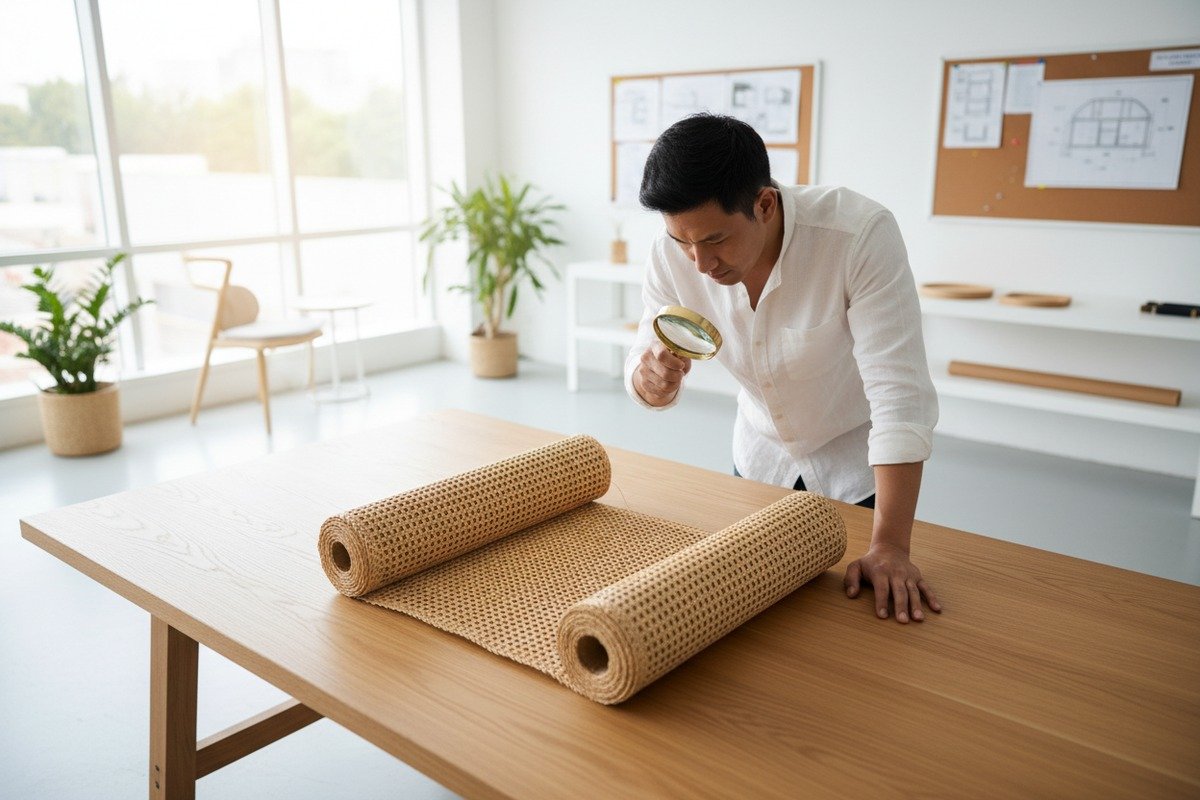
Every week, our sales team fields calls from furniture factories torn between sourcing Rattan-Rohrgeflecht 1 from China or directly from Southeast Asia. The confusion is real. Buyers worry about quality gaps, hidden costs, and unreliable lead times. Getting this decision wrong means production delays, unhappy end customers, and wasted budgets.
Natural rattan cane webbing from China often originates from the same Southeast Asian raw materials but is processed through larger-scale, more automated facilities. China offers competitive pricing, broader product ranges, and consolidated shipping, while Southeast Asian sources provide direct access to premium raw rattan and traditional artisan craftsmanship.
This article breaks down the real differences across quality, pricing, lead times, and product range. Each section draws on what we see daily at our facilities and through our supply chain partnerships 2. Let’s dig in.
How can I be sure the rattan material quality from China matches the standards of Southeast Asian sources?
Quality concerns keep many purchasing managers up at night. Our production floor in Foshan processes thousands of rolls of rattan webbing each month, and we see firsthand how raw material origin shapes the final product.
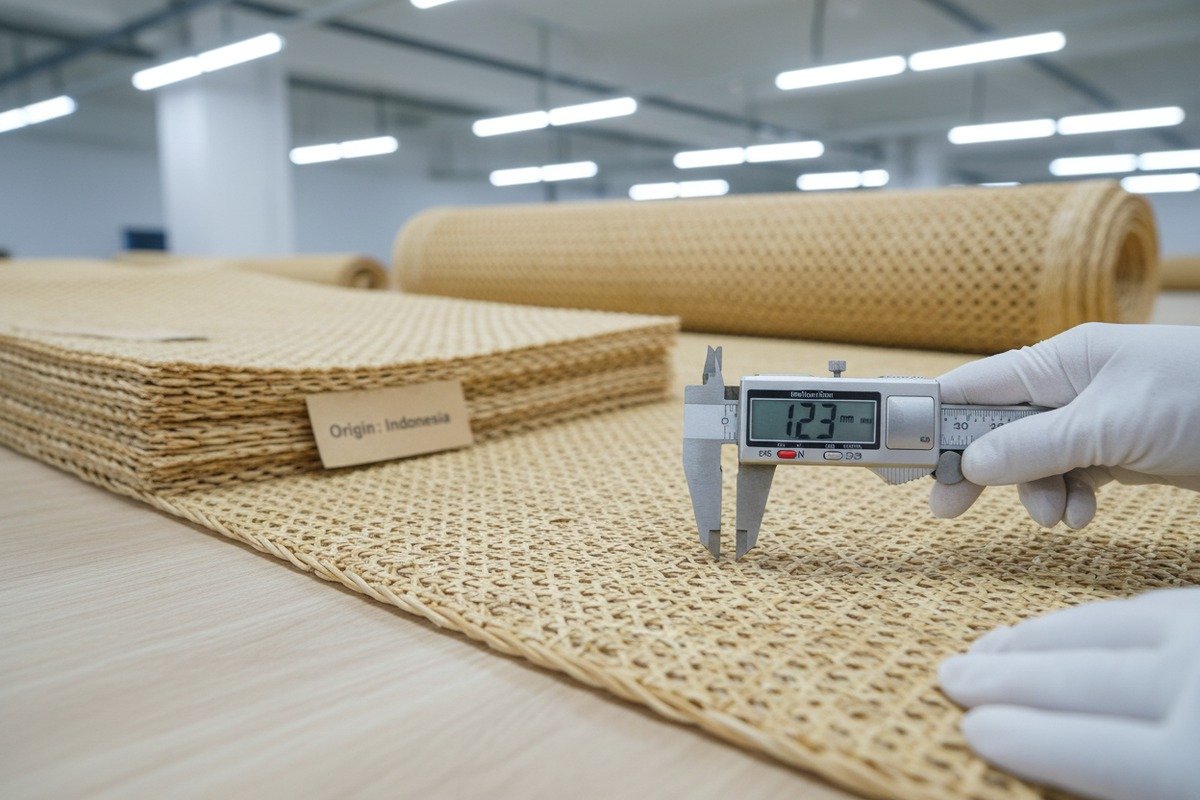
Chinese rattan webbing quality can absolutely match Southeast Asian standards because reputable Chinese suppliers source their raw rattan directly from Indonesia, Malaysia, and the Philippines. The key is verifying the supplier's raw material origin, grading system, and quality control process before placing your order.
Understanding Where the Raw Material Actually Comes From
Here is a fact many buyers miss: China is primarily a processing and export hub, not the original grower of most premium rattan. Approximately 600 species of rattan 3 exist globally, and the vast majority grow naturally in the humid tropical forests of Indonesia, Vietnam, Malaysia, and the Philippines. When you buy rattan webbing "from China," the raw cane was almost certainly harvested in Southeast Asia.
At our own rattan processing facility 4 in Indonesia, we control the raw material from harvest through initial preparation. The rattan palms are typically harvested at 5 to 7 years of maturity. The outer bark is then separated from the core using specialized tools. Skilled workers split the bark into uniform strands. This step is critical. Uniform thickness and width determine the final webbing quality.
How Quality Grading Works
Not all rattan is equal. Indonesian rattan 5 generally represents the premium tier. Vietnamese rattan fills the mid-range and economy segments. The species matters too.
| Rattan Species | Diameter | Beste Verwendung | Quality Tier |
|---|---|---|---|
| Rotin Tohiti | 1–2 inches | Weaving, bending, webbing | Premium |
| Rotan Sego | Under 1 inch | Binding, wrapping joints | Standard |
| Rotan Manau | 1–3 inches | Furniture frames | Heavy-duty |
| Rotan Semambu | 0.5–1 inch | Fine weaving, decorative | Premium |
Rattan-Geflecht der Klasse A 6 features uniform strips, consistent golden-brown color, and minimal blemishes or nodes. Grade B may have slight color variation and occasional imperfections. Grade C is suitable for utility applications where appearance is secondary.
Why Processing Matters as Much as Origin
The processing stage is where Chinese manufacturers add real value. Our partner factories in Foshan use modern calibration tools to ensure strip width stays within tight tolerances. We steam, bend, and treat each batch for moisture resistance 7. Traditional Southeast Asian workshops rely more on hand-processing, which produces beautiful artisan results but can introduce inconsistency in large bulk orders.
The bottom line is simple. Ask your Chinese supplier where their raw rattan comes from. Request material certificates. Order samples before committing. A good Chinese supplier with direct Southeast Asian sourcing can match or exceed the quality you would get buying from a small workshop in Vietnam or Indonesia, especially for large-volume orders where consistency matters most.
Will I get more competitive wholesale pricing by sourcing my cane webbing from a Chinese supplier?
Pricing is often the first question our overseas clients raise. When we quote wholesale rates for rattan cane webbing, buyers are sometimes surprised that our prices sit below what they have been paying in Indonesia or Vietnam for similar grades.
Yes, Chinese suppliers generally offer more competitive wholesale pricing for rattan cane webbing due to larger-scale production, established export infrastructure, and consolidated logistics. However, the final landed cost depends on order volume, quality grade, shipping method, and whether the supplier owns their raw material sourcing.
Breaking Down the Cost Structure
The price of rattan cane webbing is shaped by several layers. Raw material cost is the foundation. On top of that, you have processing labor, factory overhead 8, quality control, packaging, and shipping. Let's look at how China and Southeast Asia compare on each.
| Cost Factor | China-Based Supplier | Southeast Asia Direct |
|---|---|---|
| Raw material | Imported from SE Asia (added transport cost) | Local sourcing (lower transport) |
| Processing labor | Moderate (semi-automated) | Lower wages but manual processes |
| Factory scale | Large-scale, high efficiency | Smaller workshops, lower throughput |
| Export infrastructure | Well-developed, one-stop | Often requires freight forwarder |
| Verpackung | Industrial-grade, customizable | Basic, sometimes inconsistent |
| MOQ flexibility | Moderat bis hoch | Lower MOQs possible |
| Consolidated shipping | Easy (Foshan/Guangzhou ports) | Fragmented, multiple origin ports |
Where China Gains Its Price Edge
China's advantage comes from scale and infrastructure. In Foshan alone, we work with over 30 partner factories. This network lets us pool orders, negotiate better raw material prices, and run production lines at near-full capacity. Higher utilization means lower per-unit costs.
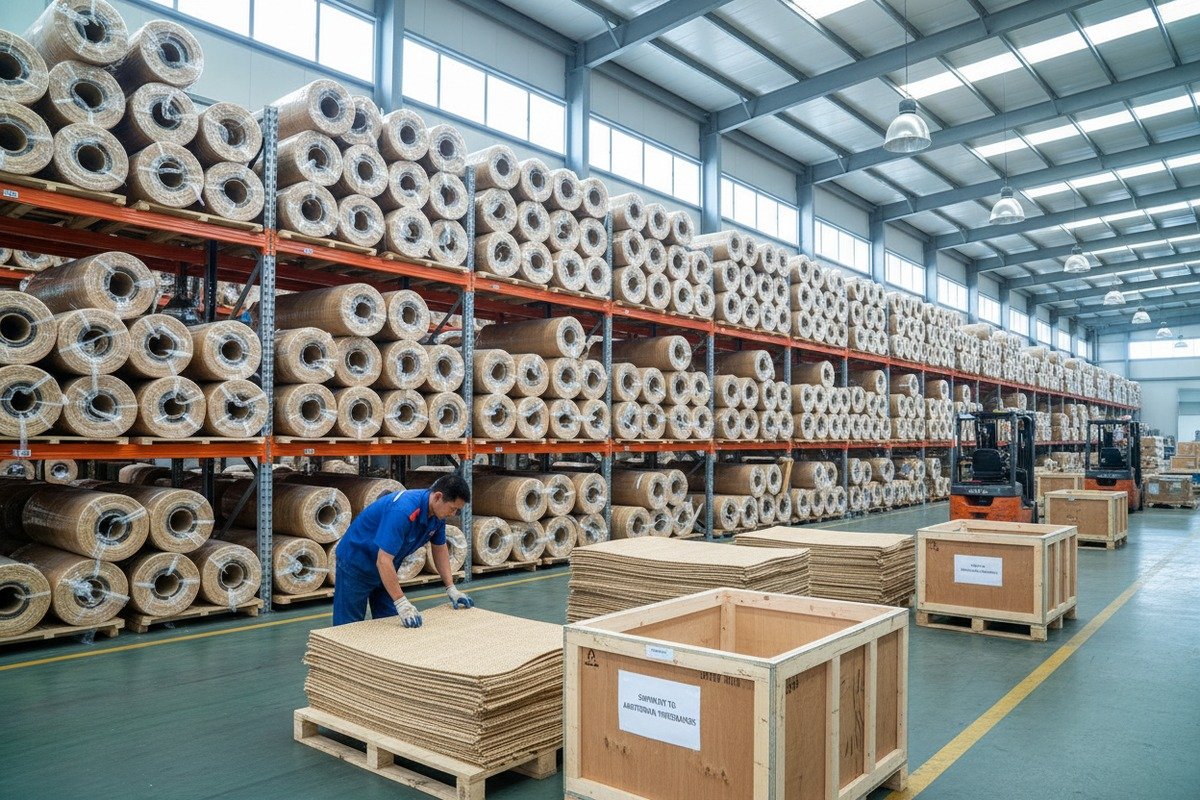
Shipping is another major factor. Guangzhou and Shenzhen are among the world's busiest container ports 9. Freight routes are well-established, competition among shipping lines is intense, and container availability is generally better than at smaller Southeast Asian ports. For a buyer in the Netherlands or the United States, the total landed cost from China is often 10% to 20% lower than buying directly from Indonesia once you factor in freight, customs brokerage, and packaging.
When Southeast Asian Pricing Wins
There are cases where buying direct from Southeast Asia makes more sense on price. If you need very small quantities of artisan-grade webbing, a Vietnamese village workshop may quote lower per-meter prices because they skip the export markup. If you are located in a nearby market like Thailand or Australia, shorter shipping distances reduce freight costs.
But for wholesale buyers placing orders of 500 rolls or more, the Chinese supply chain almost always delivers a better total cost. We have seen this play out repeatedly with clients across Turkey, Saudi Arabia, and Europe. The savings compound when you consolidate multiple rattan product categories into a single shipment from one Chinese supplier rather than managing three or four separate Southeast Asian vendors.
How do the lead times and shipping reliability of Chinese rattan factories compare to my Southeast Asian options?
Late shipments can shut down a furniture production line. We learned this lesson early in our export business when a delayed raw material delivery from a partner caused a two-week bottleneck. Since then, we have built buffer stocks and tightened our scheduling.
Chinese rattan factories typically offer shorter and more predictable lead times than Southeast Asian sources, averaging 15 to 30 days for standard orders compared to 30 to 60 days from Indonesia or Vietnam. China's mature export logistics, established shipping routes, and port infrastructure provide greater shipping reliability for wholesale buyers.
Production Lead Times: A Side-by-Side Look
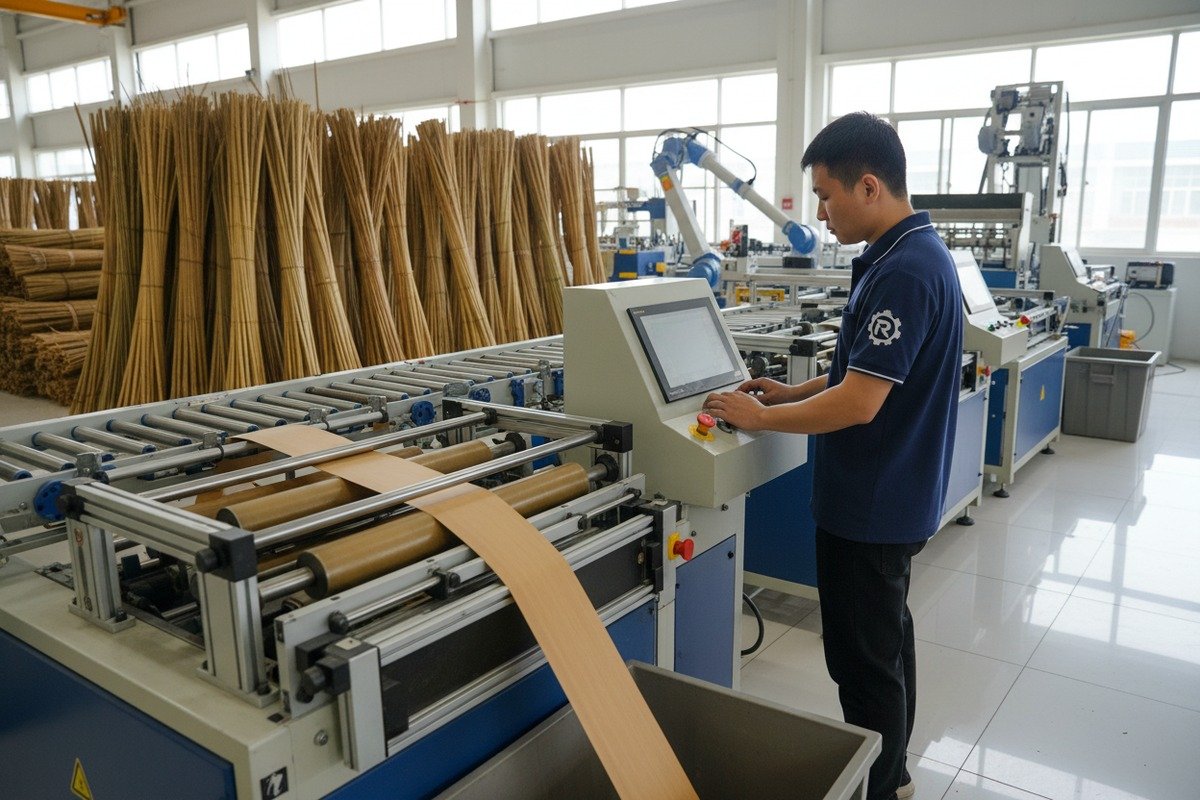
Lead time covers two phases: production time and transit time. Chinese factories run larger production lines, often semi-automated, which speeds up the manufacturing phase. Southeast Asian workshops tend to be smaller and more reliant on manual labor, which extends production timelines.
| Faktor | China | Indonesia | Vietnam |
|---|---|---|---|
| Standard production time | 10–20 days | 20–40 days | 15–30 days |
| Custom orders | 15–30 days | 30–60 days | 25–45 days |
| Port processing | 2–3 Tage | 3–7 Tage | 3–5 Tage |
| Transit to Europe | 25–35 Tage | 30–40 days | 28–38 days |
| Transit to USA (West Coast) | 14–20 days | 18–25 days | 16–22 days |
| Document preparation | 1–2 Tage | 3–5 Tage | 2–4 days |
Why Shipping Reliability Differs
Port infrastructure plays a huge role. Guangzhou, Shenzhen, and Ningbo handle millions of containers annually. Schedules are regular. Booking a container is straightforward. In contrast, some Indonesian rattan-producing regions rely on secondary ports where vessel schedules are less frequent and delays more common.
We handle all export documentation in-house, including commercial invoices, packing lists, certificates of origin, and fumigation certificates 10. This reduces the chance of customs holdups at the destination port. Many smaller Southeast Asian suppliers outsource this paperwork, which introduces another potential failure point.
Dealing with Seasonal Disruptions
Rattan harvesting is seasonal. The rainy season in Indonesia and Malaysia can slow harvesting and initial processing. If your Southeast Asian supplier depends on a single source region, a bad monsoon season can delay your order by weeks.
Our approach mitigates this risk. Because we own a processing facility in Indonesia and maintain relationships with multiple harvesting communities, we pre-stock raw materials before peak season. Our Foshan warehouses carry buffer inventory of the most popular webbing patterns and grades. For repeat clients, we can often ship within 7 to 10 days from existing stock.
Communication and Tracking
Another practical difference is communication. Our team operates across multiple time zones and responds on WhatsApp, email, and WeChat. We provide shipment tracking numbers and proactive updates. Many Southeast Asian artisan suppliers communicate less frequently and may not offer real-time tracking. For a purchasing manager juggling multiple supplier relationships, this responsiveness gap matters.
Can I find a more comprehensive range of weave patterns and grades for my furniture factory in China?
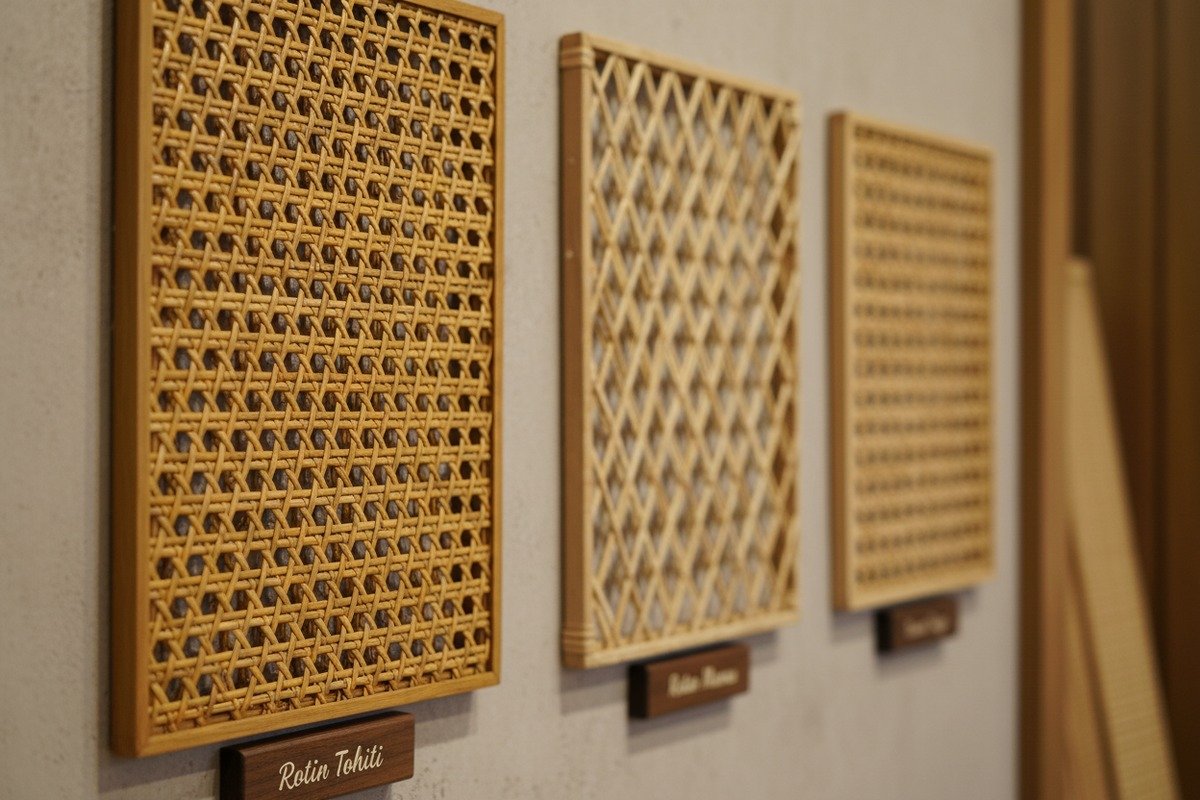
When our clients send us reference photos of the rattan webbing they need, the variety is staggering. From classic hexagonal open cane to tight basketweave and diamond motifs, every furniture market has its own preferences. Finding all these patterns from a single source is a real challenge.
Yes, Chinese rattan suppliers generally offer a broader selection of weave patterns, grades, and customization options than individual Southeast Asian sources. Large Chinese manufacturers and trading companies consolidate production across multiple factories, enabling them to provide hexagonal, diamond, basketweave, square grid, and custom patterns in various grades from a single order.
The Pattern Range You Can Expect
Southeast Asian workshops often specialize in one or two patterns. A village in Vietnam may produce excellent open hexagonal cane but not offer tight basketweave. An Indonesian supplier might focus on premium Tohiti rattan webbing in traditional patterns but lack capacity for trendy modern designs.
In Foshan, we consolidate. Our network of over 30 partner factories means we can source virtually any pattern a furniture factory needs. Here is what we keep in regular production:
- Classic hexagonal open cane (the most popular worldwide)
- Dense diamond-motif weave
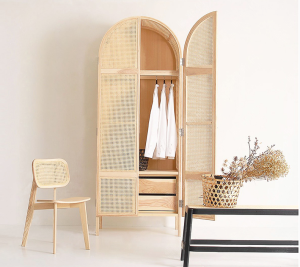
- Tight basketweave (for cabinet doors and headboards)
- Simple open square grid
- Close-weave radio pattern
- Custom patterns based on client specifications
Grade Options Across the Spectrum
We serve markets from budget to luxury. A furniture factory in Turkey making affordable dining chairs needs economical Grade C webbing. A Dutch designer brand wants flawless Grade A with bleached finish. We cover both.
| Qualität | Characteristics | Typical Use | Price Tier |
|---|---|---|---|
| Grade A (Premium) | Uniform strips, consistent color, no blemishes, tight weave | High-end furniture, designer projects | Hoch |
| Grade B (Standard) | Minor color variation, occasional small nodes | Mid-range furniture, hospitality | Mittel |
| Grade C (Economy) | Visible variation, some imperfections | Budget furniture, utility items | Niedrig |
| Bleached | Chemically lightened, uniform pale color | Modern/Scandinavian style furniture | Medium-High |
| Smoked | Heat-treated, darker brown tones | Rustic/vintage style furniture | Medium-High |
Customization Capabilities
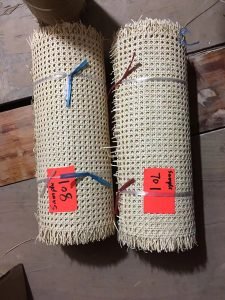
This is where Chinese production truly stands apart. Need your webbing cut to specific widths? We do that. Want a custom mesh size for a unique cabinet door design? Our factories can adjust the weaving jigs. Require pre-cut sheets instead of rolls? That is standard for us.
Southeast Asian artisan producers excel at handmade quality, but they often lack the tooling and flexibility for custom specifications at scale. If your furniture factory runs a production line making 5,000 chairs per month, you need a supplier who can deliver consistent custom webbing without delays. This is the strength of the Chinese manufacturing ecosystem.
Material Variations Beyond Natural Rattan
Many of our clients also need synthetic rattan matting alongside natural cane webbing. We produce both. Some furniture designs combine natural rattan panels with synthetic rattan frames for durability in outdoor applications. Having one supplier handle both simplifies procurement, reduces shipping costs, and ensures color matching across materials.
We also offer bleached rattan cane webbing for clients targeting the Scandinavian and minimalist design markets. The bleaching process lightens the natural golden-brown color to a pale cream while preserving the material's flexibility and strength. This product category has grown significantly over the past three years, driven by European interior design trends.
The variety question comes down to this: a single Chinese supplier with a broad factory network can replace three or four Southeast Asian vendors. For a purchasing manager, that means fewer supplier relationships to manage, consolidated invoicing, and simpler logistics.
Conclusion
Choosing between Chinese and Southeast Asian rattan webbing suppliers depends on your priorities. For wholesale volume, broad pattern selection, and reliable logistics, China delivers clear advantages. For artisan-grade, small-batch sourcing, Southeast Asia remains strong. The smartest buyers often combine both.
Fußnoten
1. Explains what rattan cane webbing is and its manufacturing process. ↩︎
2. Wikipedia offers an authoritative definition of supply chain collaboration, which is synonymous with supply chain partnerships. ↩︎
3. Wikipedia states that there are roughly 600 species of rattan, providing a general and authoritative reference. ↩︎
4. Details the steps involved in cultivating and processing rattan into products. ↩︎
5. Highlights Indonesia’s role as a major rattan producer and its global appeal. ↩︎
6. Explains the criteria and characteristics of different rattan quality grades. ↩︎
7. Provides a clear definition of moisture resistance in materials and its importance. ↩︎
8. Defines factory overhead, its components, and its impact on financial statements. ↩︎
9. Wikipedia provides a comprehensive and regularly updated list of the world’s busiest container ports. ↩︎
10. Explains what fumigation certificates are, why they are needed, and how to obtain them. ↩︎
 English
  Español de México
  العربية
  Deutsch
  Français
  Русский