
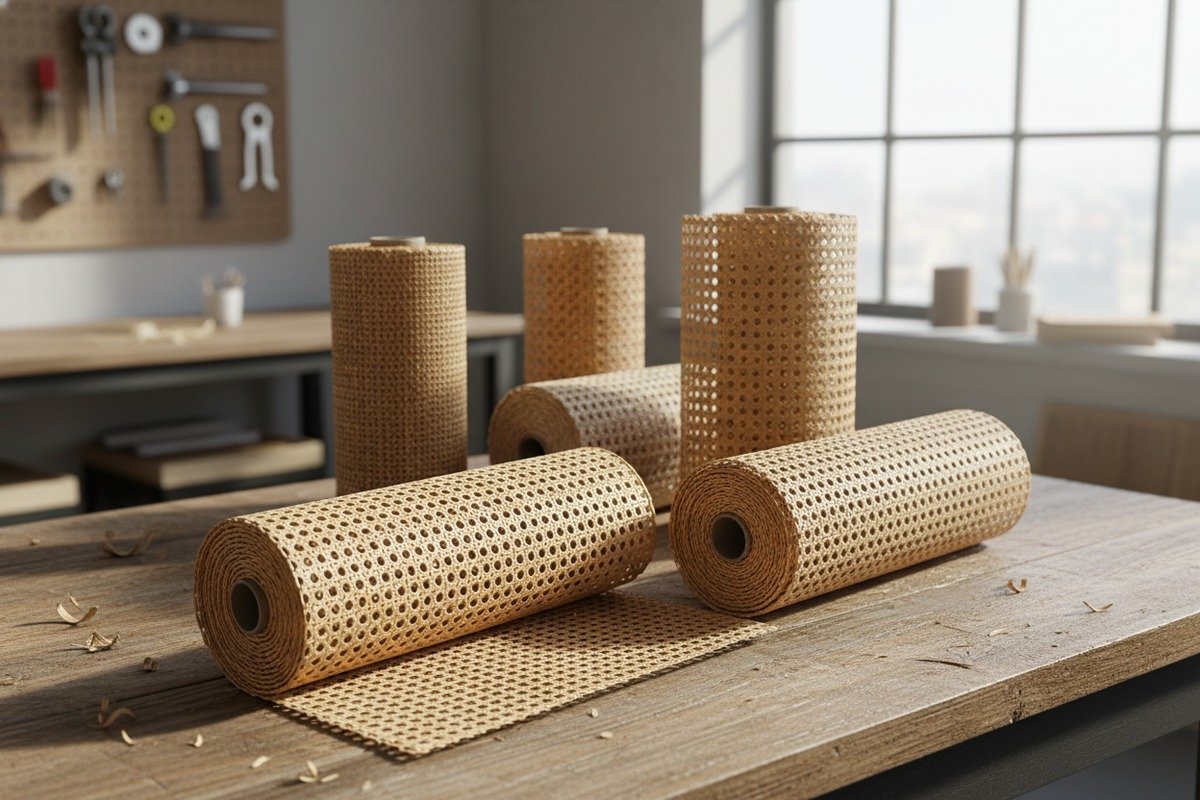
Beschaffung Rattan-Rohrgeflecht 1 without understanding its grading system often leads to costly surprises. Orders arrive with rough textures, uneven strips, and cracks that ruin finished furniture grading system 2. After running our own rattan processing facility in Indonesia and shipping to over a dozen countries, we have seen every grading pitfall in the book.
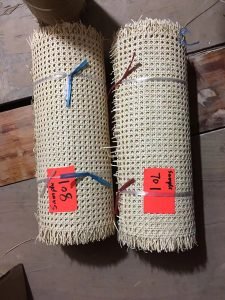
Rattan cane webbing is commonly graded from AAA (premium) down to D (lowest quality), based on strip uniformity, surface smoothness, color consistency, elasticity, toughness, and defect levels. AAA and A grades use the finest outer peel of the rattan vine with minimal imperfections, while B, C, and D grades progressively show more flaws and reduced durability.
Understanding these grades is the first step to making smart purchasing decisions outer peel of the rattan vine 3. Below, we break down how to tell grades apart, why grading affects your costs, which grade fits your durability needs, and how to keep your supplier honest on bulk orders.
How can I distinguish between the different quality grades of rattan cane webbing?
When buyers visit our showroom in Foshan for the first time, they often struggle to tell an A-grade sheet from a B-grade one at a glance strip width and thickness uniformity 4. The differences become obvious only when you know exactly what to look for. Misidentifying a grade can mean paying premium prices for mid-range material.
You can distinguish rattan cane webbing grades by examining five key factors: strip width and thickness uniformity, surface smoothness, color consistency, elasticity when bent, and the number of visible defects like cracks or taper. Premium AAA/A grades show near-perfect consistency across all five, while lower grades show progressive decline.
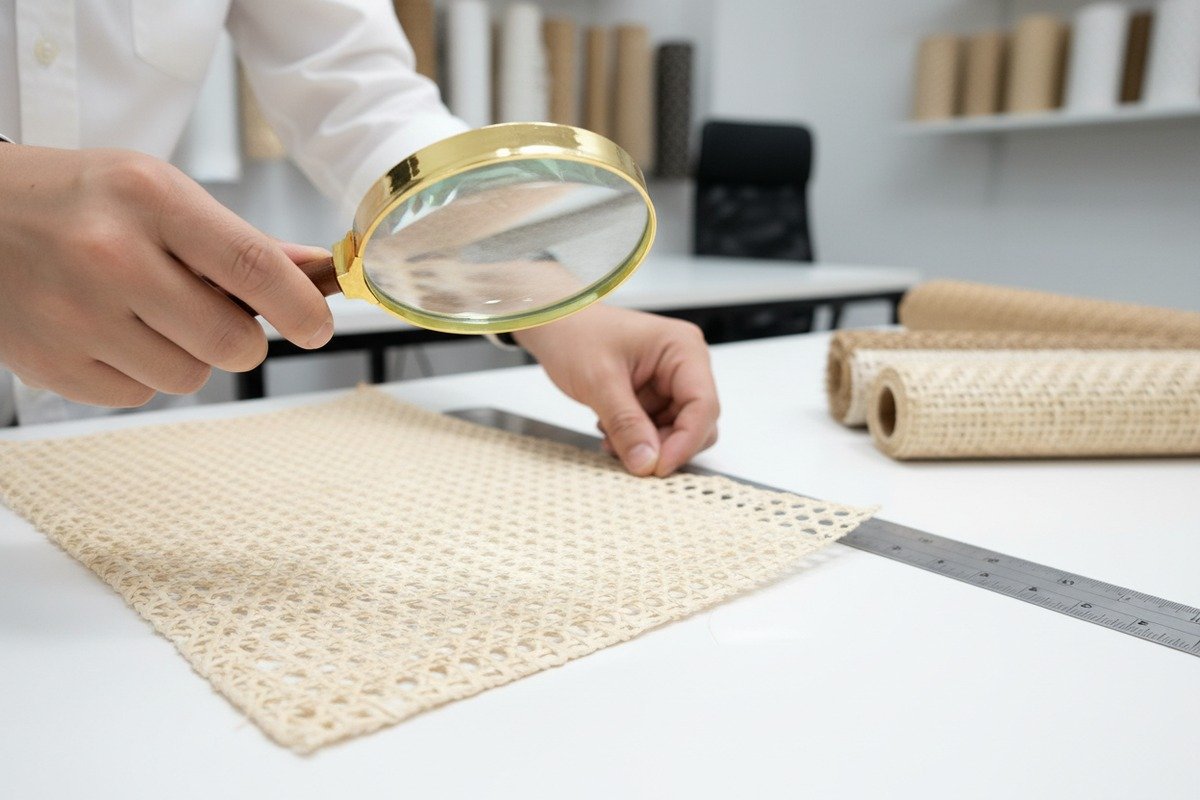
Die Fünf-Punkte-Inspektionsmethode
Every roll of rattan webbing tells a story. Here is a simple method our quality team uses daily before packing any shipment.
1. Strip Uniformity. Pull the roll open flat. Look at the individual rattan strips. In AAA or A grade, each strip has a consistent width and thickness from end to end. There is no tapering, no thin spots, no sudden changes. In B grade, you may notice slight variations. In C or D grade, the strips are visibly irregular. Some may be noticeably thinner at one end.
2. Surface Smoothness. Run your fingers across the webbing. Premium grades feel smooth and almost silky. The outer peel of a mature rattan vine has a natural polish when processed correctly. Lower grades feel rough. You might catch small splinters or bumps. This roughness comes from using inner peel layers or insufficiently processed material.
3. Color Consistency. Hold the sheet at arm's length. AAA grade has an even, warm honey-golden or cream color throughout. There are no dark spots, no blotchy patches. B grade may have subtle color shifts. C and D grades often look uneven, with dull or grayish areas mixed in.
4. Elasticity Test. Bend a strip gently. High-grade rattan flexes and springs back. It does not crack or resist. Lower grades feel stiff or brittle. They may crack under moderate bending. This elasticity comes from using well-matured vines harvested at the right time and dried properly.
5. Defect Count. Count the visible flaws per square meter. Cracks, broken strands, knots, and holes all count. Premium grade allows nearly zero defects. Mid-grade allows a few minor ones. Low grade has many, sometimes enough to affect the structural integrity of the weave.
Quick Grade Comparison Table
| Inspection Factor | AAA / A Grade | B-Klasse | C / D Grade |
|---|---|---|---|
| Strip Width & Thickness | Perfectly consistent | Leichte Variationen | Noticeably irregular |
| Surface Feel | Glatt, seidig | Leichte Rauheit | Rough, possible splinters |
| Farbe | Even honey-golden or cream | Subtle color shifts | Blotchy, dull patches |
| Elastizität | Excellent spring-back | Moderate flexibility | Stiff or brittle |
| Defects per sqm | 0–1 | 2–5 | 6+ |
Watch Out for Bleaching Tricks
One important note from our experience processing rattan in Indonesia: some suppliers bleach lower-grade webbing to make it look whiter and more uniform. This can fool the eye. The color appears consistent, but aggressive bleaching weakens the fibers. Always pair a visual check with a bend test. If the color is suspiciously uniform but the strip cracks easily, the bleaching likely damaged the material. True A-grade webbing achieves its even color naturally through careful selection and gentle processing.
Grading Labels Are Not Universal
There is no single global standard for rattan grading 5. Some suppliers use AAA, A, B, C. Others use A, B, C, D. One supplier's "A grade" might equal another's "B grade." This inconsistency is a real problem in the industry. We always recommend requesting physical samples before committing to bulk orders. Compare samples side by side using the five-point method above. Numbers and letters on a label mean nothing without verification.
Why does the grade of rattan webbing matter for my furniture production costs?
Many buyers who come to us through Alibaba or our website focus heavily on per-meter price. They pick the cheapest option and assume they are saving money. But after years of helping furniture factories in Europe, the Middle East, and Southeast Asia, we have watched that logic backfire repeatedly.
The grade of rattan webbing directly impacts your total production cost because lower grades cause higher waste rates, more rework, increased labor time, and greater risk of customer returns. Choosing a slightly more expensive grade often reduces your overall cost per finished piece by minimizing hidden losses throughout the production chain.
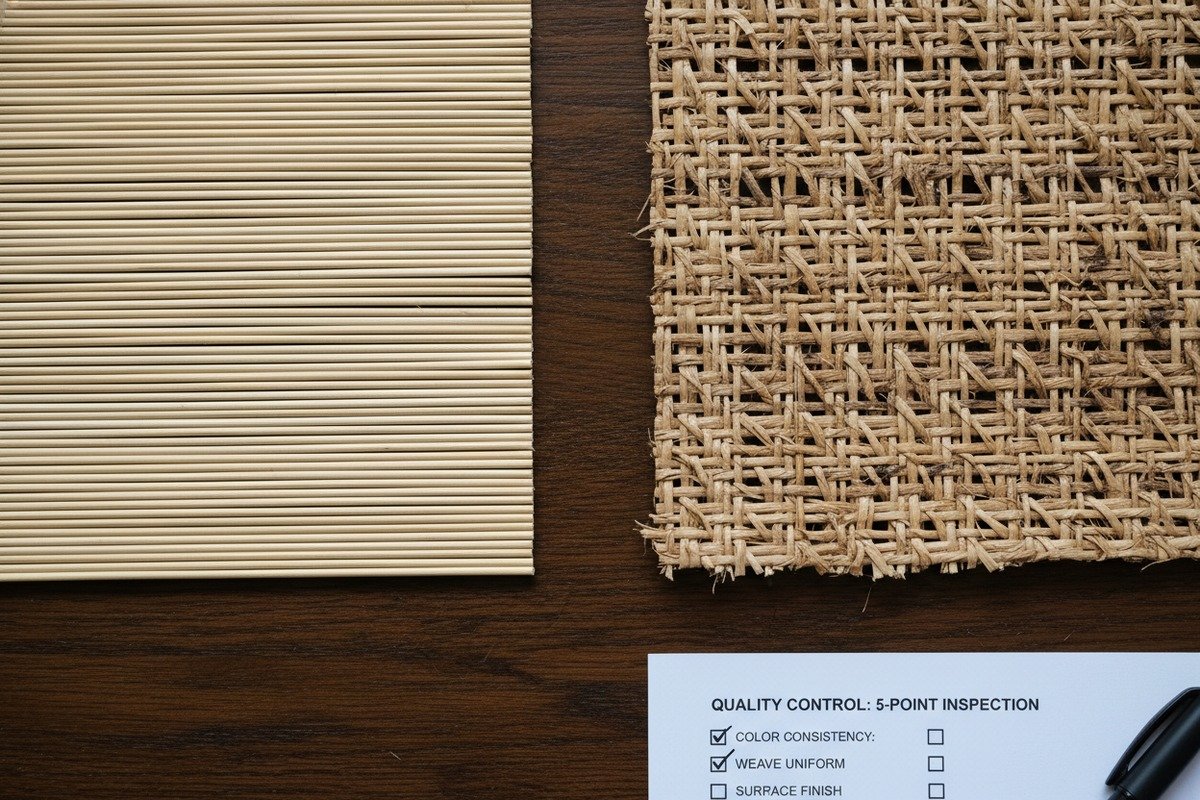
The Hidden Cost Iceberg
The price per meter is only the tip. Below the surface sit costs that most procurement managers overlook.
Waste and Cutting Loss. Low-grade webbing has more defects. Your workers must cut around cracks, holes, and weak spots. A roll of C-grade webbing might yield only 80% usable material. An A-grade roll gives you 95% or more. That 15% difference adds up fast on a 10,000-piece order.
Labor and Rework. Rough, uneven webbing is harder to stretch, align, and attach to frames. Workers spend more time per chair. When a finished piece fails quality inspection, someone has to remove the webbing and redo it. Each rework cycle costs labor hours plus a fresh piece of material.
Customer Returns and Brand Damage. If you sell to European or American retailers, returns are expensive. A chair with cracked or discolored webbing gets sent back. You absorb shipping, replacement, and sometimes a penalty. Even one percent of returns on a large order can wipe out the savings from buying cheap material.
Cost Comparison by Grade
| Kostenfaktor | A Grade (per 100 chairs) | C Grade (per 100 chairs) |
|---|---|---|
| Material Cost | $500 | $350 |
| Usable Yield | 95% | 80% |
| Effective Material Cost | $526 | $437 |
| Labor (cutting & fitting) | $300 | $420 |
| Rework Rate | 2% | 10% |
| Rework Cost | $20 | $105 |
| Return/Claim Risk Cost | $15 | $80 |
| Total Estimated Cost | $861 | $1,042 |
These numbers are simplified examples based on what we see across our client base. The exact figures change depending on your product, labor rates, and market. But the pattern holds. Cheaper material often leads to higher total cost.
When Lower Grades Make Financial Sense
Lower grades are not always the wrong choice. If you produce budget furniture for markets where aesthetics matter less, C or even D grade can work. Interior panels that nobody sees, temporary event furniture, or practice pieces for training new workers are all reasonable uses. The key is matching the grade to the application. We always advise clients to be honest about their end-use. Overspending on AAA for a hidden panel is wasteful. Underspending on D for a visible seat back is risky.
Standardize Your Sizes to Save More
One cost-saving tip we share with every new client: standardize your webbing dimensions. Our standard widths run from 35 cm to 120 cm in 5 cm intervals. When you design your furniture around these standard widths, you avoid custom cutting fees and minimize off-cut waste. Pairing the right grade with standard dimensions is the most efficient approach to cost control.
Which rattan grade should I choose to ensure the durability of my finished products?
Durability questions come up in almost every conversation we have with furniture factory buyers. A purchasing manager from Thailand once told us he had switched suppliers three times in one year because chairs kept failing within months. The root cause was always the same: wrong grade for the application.
For furniture that must withstand daily use, choose AAA or A grade natural rattan cane webbing. These grades offer the highest elasticity, toughness, and resistance to cracking because they use the outermost peel of mature Indonesian rattan vines. For outdoor or high-moisture environments, consider premium synthetic PE rattan webbing as a durable alternative.
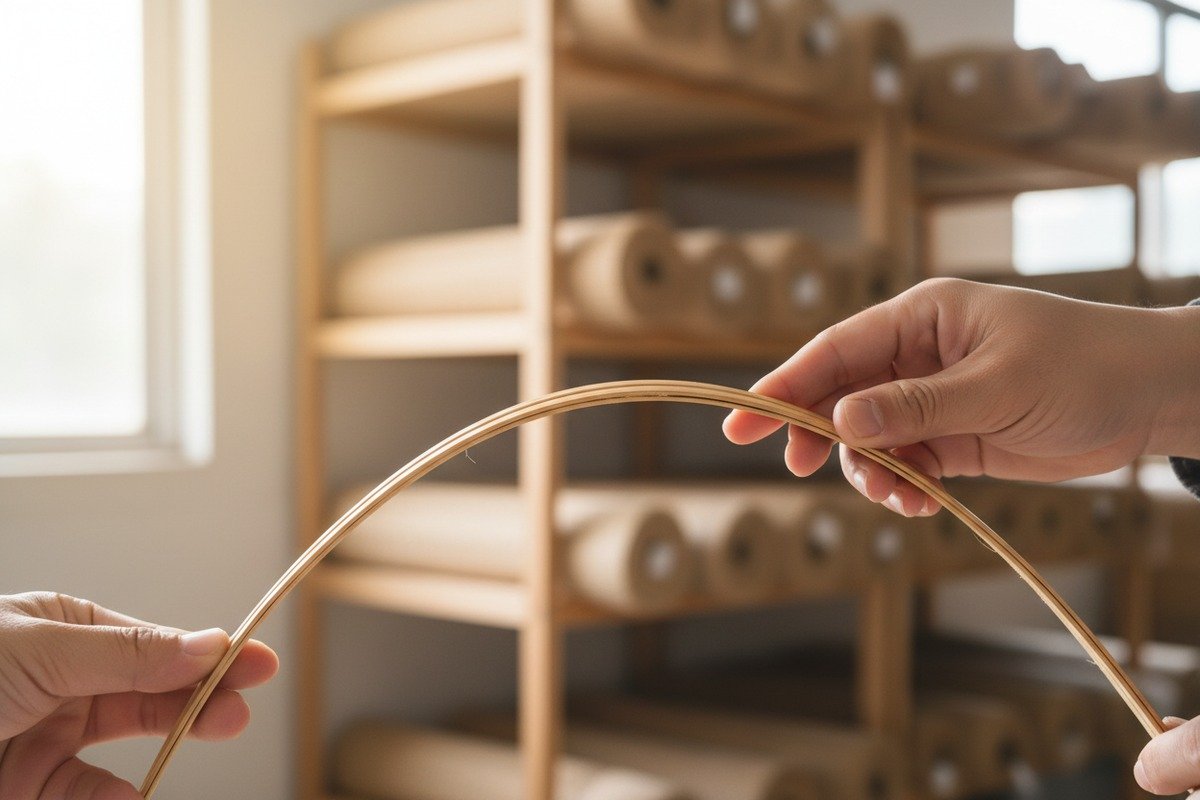
Why Vine Maturity and Peel Layer Matter
Durability starts at the source. Rattan vines grow for years before harvest. The outer bark or peel of a mature vine is the densest, most elastic part. This is what AAA and A grades are made from. It resists bending fatigue, meaning it can flex thousands of times without cracking.
Lower grades use inner layers or younger vine material. These layers have a looser fiber structure. They dry out faster, crack sooner, and lose shape under repeated stress. A chair seat made from D-grade webbing might sag or tear within a year of normal use.
Our Indonesian facility harvests and processes rattan with careful attention to vine maturity. We sort raw material before any weaving begins. This front-end sorting is what makes consistent grading possible.
Abgleich von Güteklasse und Anwendung
Not every product needs the highest grade. Here is a practical guide.
| Anwendung | Empfohlene Güteklasse | Warum |
|---|---|---|
| Dining chairs (daily use) | AAA or A | Seat bears body weight repeatedly; needs top elasticity |
| Schranktüren | A or B | Decorative, moderate stress, visible to buyer |
| Kopfteile | A or B | Light stress, high visibility, needs good aesthetics |
| Interior structural panels (hidden) | B or C | Not visible, minimal stress |
| Temporary display furniture | C or D | Short lifespan acceptable |
| Gartenmöbel | Synthetic PE (premium) | Wetter- und UV-Beständigkeit erforderlich |
The Drying Factor
One detail many buyers overlook is how rattan was dried. Even high-grade strips can become brittle if dried too fast or unevenly. Proper drying is slow and controlled. It preserves the natural oils inside the fiber that keep it flexible. When we process rattan, we follow a multi-step drying protocol that prevents both mold (from under-drying) and brittleness (from over-drying). Ask your supplier about their drying process. If they cannot explain it clearly, that is a red flag.
Natural vs. Synthetic for Durability
Natural rattan is beautiful and warm. But it is not designed for outdoor exposure. Rain, UV light, and humidity swings will degrade even AAA-grade natural webbing over time. For outdoor applications, synthetisches PE-Rattanband 8 is the smarter choice. Since around 2016, factories have been producing full-color synthetic options. By 2025, outdoor-grade PE rattan has become highly realistic, mimicking the natural look while resisting weather damage for years.
We offer both natural and synthetic lines. For clients who need outdoor durability with a natural aesthetic, we recommend our premium PE weaves. They come in the same popular patterns — hexagonal open mesh, square basketweave, chevron wave — but built to last outdoors.
Long-Term Durability Tips
Even the best grade will fail if applied wrong. A few tips from our production team:
- Always pre-soak natural rattan webbing before stretching it onto frames. Dry application causes tension cracks.
- Use proper frame grooves and spline to secure the webbing. Stapling alone creates stress points.
- Apply a light finish or sealant to protect against humidity changes in the end-use environment.
- Store unused rolls in a cool, dry space away from direct sunlight.
How can I guarantee my supplier maintains consistent grading for my bulk orders?
Consistency is the number one pain point we hear from buyers, especially those placing repeat orders. The first shipment looks perfect. The third shipment has noticeable color shifts and rougher texture. It is a frustrating pattern, and it happens across the industry. From our position managing three factories and over 30 partner facilities, we understand both sides of this problem.
To guarantee consistent grading on bulk orders, establish a clear grading agreement with physical reference samples, require pre-shipment inspections with photographic documentation, request material from the same vine batch when possible, and work with suppliers who own their processing facilities rather than outsourcing to anonymous sub-contractors.

Set a Physical Benchmark
Words on a purchase order are not enough. "A grade" means different things to different people. Before placing any bulk order, get a physical sample and keep it. This sample becomes your benchmark. Any future shipment should match it. We send reference samples to all our long-term clients and keep matching samples in our own warehouse. When a quality dispute arises, both sides can compare against the same physical standard.
Vorversand-Inspektionsprotokoll
Never skip inspection. For bulk orders, ask your supplier to send photos and short videos of the finished goods before they ship. Vorversand-Inspektionsprotokoll 9 At our facility, we photograph every pallet and send close-up shots of the webbing surface, edge detail, and color under natural light. Some clients also hire third-party inspection companies to visit the factory. We welcome this. Transparency builds trust.
Understand Your Supplier's Supply Chain
This is where many problems start. Some trading companies buy from a different factory each time, depending on who offers the lowest price that week. The result is wildly inconsistent quality. Ask your supplier directly:
- Do you own your own processing facility?
- Where is your raw rattan sourced?
- Do you control the weaving and drying stages?
We invested in our own rattan processing facility in Indonesia specifically to control quality from vine to finished roll. Our Foshan headquarters manages the weaving across our partner factories with standardized procedures. This vertical integration is what makes consistency possible at scale.
Build a Quality Agreement Into Your Contract
Put the details in writing. A good quality agreement includes:
- Notenspezifikation mit Referenzmuster-Nummer
- Acceptable defect rate per roll or per square meter
- Color tolerance range (ideally with a color card or Pantone reference)
- Strip width and thickness tolerances
- Consequences for non-conforming shipments (replacement, discount, or return)
Ordering Smart: Batch Consistency
Rattan is a natural material. Vines harvested in different seasons or from different regions may have subtle differences. For large orders where color and texture consistency is critical, request that all material come from the same harvest batch. We manage this by stockpiling sorted raw material — our Indonesian facility maintains over 10,000 square meters of raw rattan inventory — so we can fulfill large orders from a single batch.
Lead Time and Communication
Rushing an order is the fastest way to get inconsistent quality. Standard delivery runs 10 to 20 days for a 20-foot container and 20 to 30 days for a 40-foot high-cube. Give your supplier adequate lead time. Communicate your delivery schedule early. When factories are not rushed, they have time to sort properly, inspect thoroughly, and pack carefully.
Regular communication also helps. We schedule periodic check-ins with our key accounts — quick WhatsApp calls or email updates — to catch any issues before they become shipment problems. Build that habit with your supplier.
Sustainability and Certification as a Quality Signal
An emerging trend worth noting: suppliers who pursue FSC certification 10 or other sustainability credentials tend to maintain higher and more consistent quality standards. The certification process requires documented sourcing, traceability, and process controls. These same controls benefit product consistency. It is not a guarantee, but it is a strong positive signal. We are actively expanding our certified sourcing channels to meet growing demand from European and American buyers.
Conclusion
Choosing the right rattan cane webbing grade starts with understanding what each grade offers and matching it to your specific production needs. Verify with samples, inspect before shipping, and partner with transparent suppliers who control their own supply chain.
Fußnoten
1. Explains what cane webbing is and its source material, rattan. ↩︎
2. Replaced with an academic source providing a comprehensive overview of rattan grading systems, including variations between countries and criteria for quality assessment. ↩︎
3. Explains how the outer peel of rattan is used for weaving and binding. ↩︎
4. Discusses uniform strip width and consistent thickness as a quality grade factor. ↩︎
5. Discusses the absence of standardized grading practices and confusing terminology in rattan. ↩︎
6. Replaced with an academic source that describes practical methods for assessing rattan’s flexibility and how it reacts when bent, which serves as a form of elasticity testing. ↩︎
7. Replaced with a Wikipedia article providing a clear and authoritative definition of total cost in economics, including its components like fixed and variable costs. ↩︎
8. Defines PE rattan as a man-made material for outdoor furniture, explaining its weather resistance. ↩︎
9. Replaced with an authoritative source from QIMA, a leading quality control company, defining pre-shipment inspection as a systematic, on-site quality check performed before goods are shipped. ↩︎
10. Explains FSC standards for responsible forest stewardship, including social and economic benefits. ↩︎

 English
  Español de México
  العربية
  Deutsch
  Français
  Русский