
Customs rules and unclear style picks slow launches. I set clean import papers and guide you to fast‑selling dining chair looks.
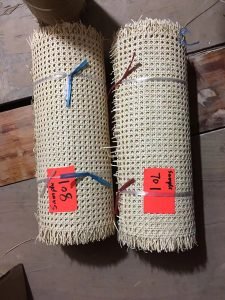
You need a business ID, consignee and tax numbers, HS codes, and clean import documents. I supply rattan cane webbing, rattan mats, rattan core, chair cane, poles, and panels. I advise on grades A/B/C/D, show trend‑right patterns, and match finishes to hotel or retail demand.
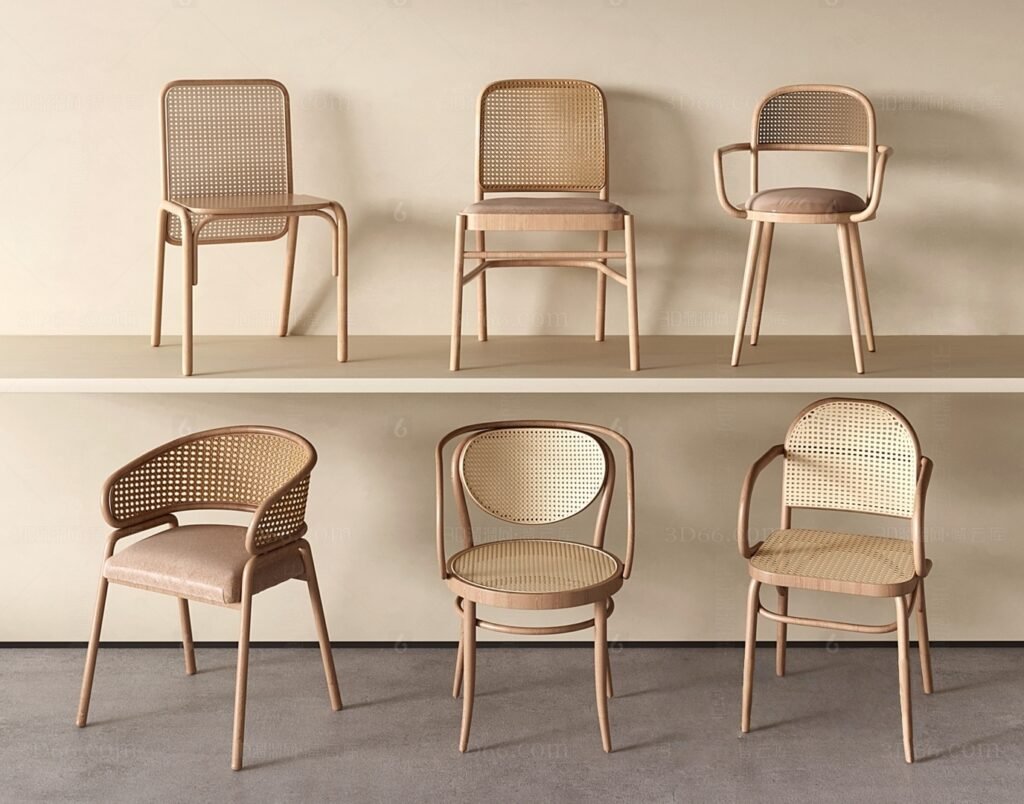
I will share the import basics I use with new buyers. Then I will review current dining chair trends by weave pattern, color tone, mixed materials, and hotel‑grade options that keep a modern look and strong durability.
Are French cane, Danish weave1, and Fischgrät2 still popular?
Designers still ask for classic weaves. Buyers want updates in color, scale, and frames.
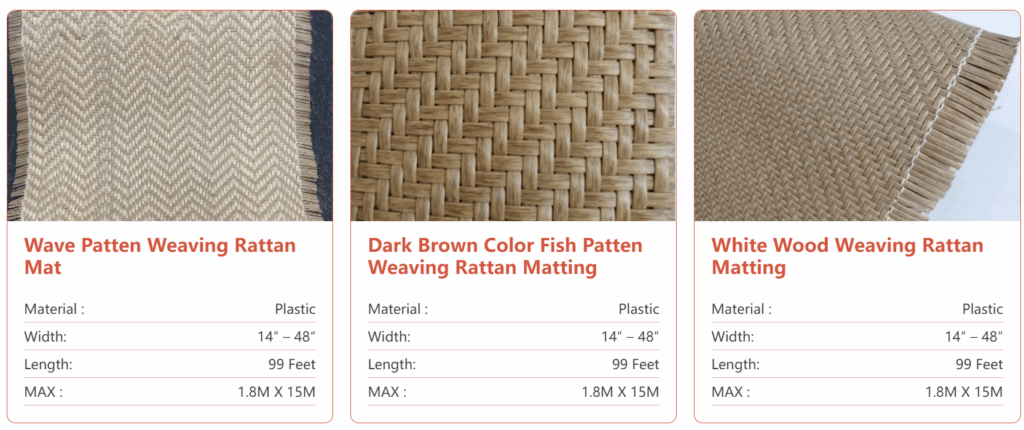
Yes. French cane, Danish weave1, and Fischgrät2 still sell. Larger‑scale hex cane and tighter Danish basket variants lead. Fischgrät2 wins in premium dining rooms. I balance grade choice, color, and frame mix to hit these looks at good cost.
Dive deeper: How I spec classic weaves for today
I group patterns by use and grade so the price and look fit your chair:
- French cane (open hex): I offer standard and large‑hex options. Large hex gives a modern, airy back. It reduces weight and cost. I use Grade B for natural honey looks and Grade C for dark stain projects. Grade C saves cost and stays strong for backs and seats when color is dark.
- Danish weave1 (simple basket/over‑under): This reads clean and minimal. It fits Scandinavian and Japandi styles. I keep the pitch tight for seats to avoid sag. I pair with slim wood frames or light metal. I can supply natural cane or plastic rattan for outdoor dining.
- Fischgrät2 (chevron): This is a premium face. It needs careful tension and cleanup. I push Grade A on light natural finishes so the peel is clean. I use water‑based matte clear to hold the fiber color. For hotels, I can shift to plastic rattan chevron for heavy use zones.
I stock natural webbing and plastic alternatives. Plastic versions match the look, drop the cost, and add color options. For outdoor dining, I move to UV‑stable plastic webbing with test reports for heat and aging.
Do dark walnut3 tones or natural honey4 colors sell better now?
Color trends move by region and channel. I ship both but tune the mix per project.
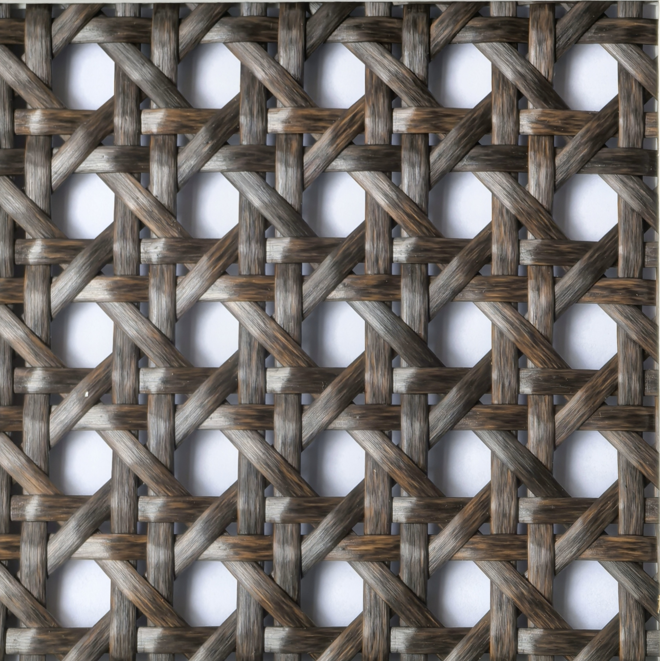
Both sell. Natural honey leads in coastal and Nordic looks. Dark walnut is strong in hospitality and urban dining. I suggest honey for light woods and walnut for metal frames or bold rooms.
Dive deeper: Finish choice by market, grade, and frame
I match finish to material grade and the frame it meets:
- Natural honey: I use Grade A or B for clean peel. I seal with matte clear or light oil. This keeps the fiber warm and modern. It pairs with oak or ash frames and soft fabrics. It sells in retail and boutique hotel restaurants that prefer light interiors.
- Dark walnut/espresso: I recommend Grade C for strength and value. The green peel reads dark under stain, so the look is even and the cost is low. This wins for dining seats and backs in mid‑market hotels and high‑traffic restaurants. It pairs well with black metal frames and walnut veneers.
- Black or charcoal: I use plastic rattan webbing for even, deep color and better cleanability. It hides wear and works under hard lighting.
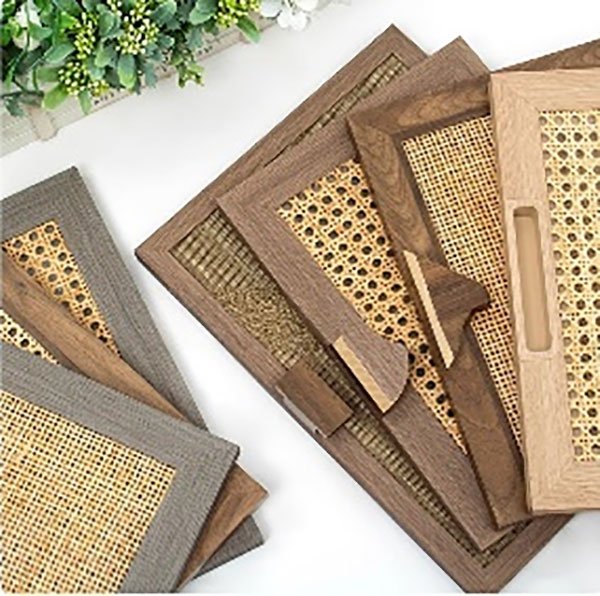
- Two‑tone cane: I mix honey cane with walnut frames. Or I add a narrow dyed border to the cane panel. This small detail gives a designer look without a big cost jump.
I test samples in real light and send photo sets with the frame wood or metal. This keeps the final look honest to your mood boards.
Are mixed materials like rattan + metal5 frames gaining traction?
Mixed frames are rising because they are strong, slim, and modern.
Yes. Rattan backs with powder‑coated steel or aluminum frames sell fast. I also build rattan + wood + metal hybrids. These reduce weight, increase durability, and keep the seat price under control.
Dive deeper: How I engineer mixed frames6 for comfort and cost
I design around three needs: strength, comfort, and speed to make.
- Rattan + steel: I use thin‑wall steel tubes with hidden tabs. The cane panel mounts with screws and a small U‑channel. This makes seat replacement easy. Powder coat in black, sand, or bronze. Dark frames hide scuffs in restaurants.
- Rattan + aluminum: I use aluminum when weight or outdoor use matters. I pick our outdoor plastic cane webbing, tested for UV and heat. This saves up to 80% weaving labor compared to hand‑woven seats.
- Rattan + wood + metal: I add a wood top rail for the hand feel, a steel base for strength, and a rattan back for warmth. This tri‑mix keeps cost steady and gives a luxury look.
- Panel options: I combine rattan webbing with wood, glass, or aluminum accents. I also use rattan + bamboo weaves for a fresh texture in lobbies and dining halls.
I provide CAD files, bracket kits, and pre‑curved panels so assembly stays simple and repeatable in your factory.
Can you suggest hotel‑grade patterns with modern looks?
Hotels need strong, cleanable, and repeatable parts. I suggest modern weaves that pass hard use.
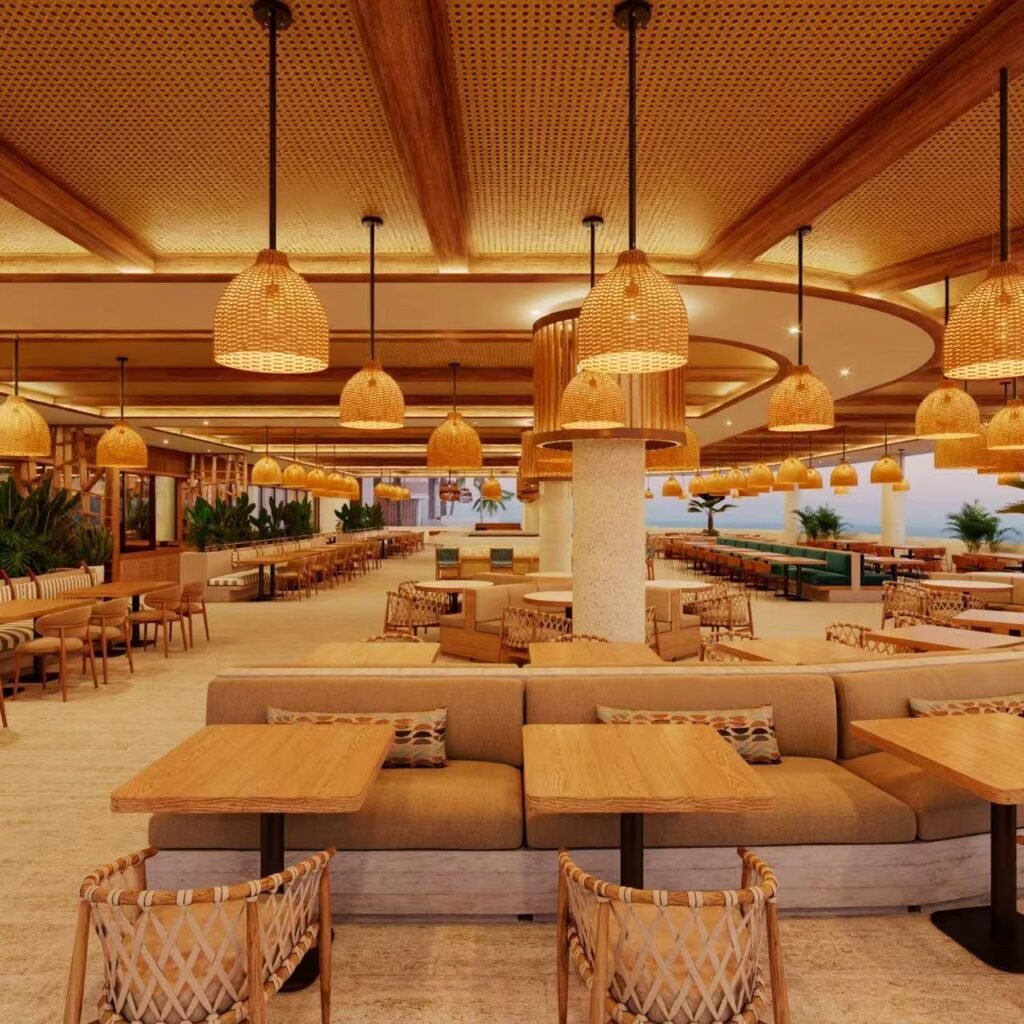
Yes. I recommend tighter Danish basket for seats, large‑hex French cane for backs, and chevron or stripe panels for statement pieces. For heavy traffic, I offer plastic cane with UV and abrasion tests.
Dive deeper: Pattern menu, tests, and how I match them to zones
I map patterns to zones and specs:
- Guest dining seats: Tight Danish basket in natural or walnut. I add a foam pad and fabric seat if the room needs longer dwell comfort. I keep roll widths at 45–60 cm to cut waste.
- All‑day dining and banquets: Plastic rattan cane webbing in open hex or medium basket. I send test reports for abrasion, UV, and heat. I use corner gussets and a replaceable seat panel so maintenance is fast.
- Signature restaurant backs: Chevron or vertical stripe webbing. I select Grade A for light finishes. I seal with matte clear. I reinforce edges with rattan core or a thin wood frame.
- Outdoor terraces: Outdoor plastic cane webbing, 10+ patterns, many colors. It runs cool and cleans fast. It ships KD ready and lowers hand weaving time.
- Bar stools: Dense basket for seats, open hex for backs. I add under‑seat supports to stop sag.
I keep A/B/C/D grades clear. I push Grade C for dark chairs because it is strong and fair on price. I avoid Grade D for seats since it breaks under stress. I share pre‑production samples and a small pilot run so your team proofs fit and finish before mass build.
Conclusion
You need clean import basics and clear style picks. I set documents, guide grades and finishes, and supply modern, hotel‑ready rattan patterns that sell now.
-
Explore this link to discover innovative designs and applications of Danish weave in modern furniture. ↩ ↩ ↩
-
Learn why Herringbone is favored in upscale dining settings and how it enhances aesthetic appeal. ↩ ↩ ↩ ↩
-
Discover insights on dark walnut’s popularity in hospitality settings and urban dining, enhancing your design choices. ↩
-
Explore this link to understand how natural honey colors are shaping modern furniture trends, especially in coastal and Nordic designs. ↩
-
Explore this link to understand how rattan + metal combinations enhance durability and aesthetics in modern furniture. ↩
-
Discover insights on the rising trend of mixed frames and how they balance strength and style in furniture. ↩
 English
  Español de México
  العربية
  Deutsch
  Français
  Русский