
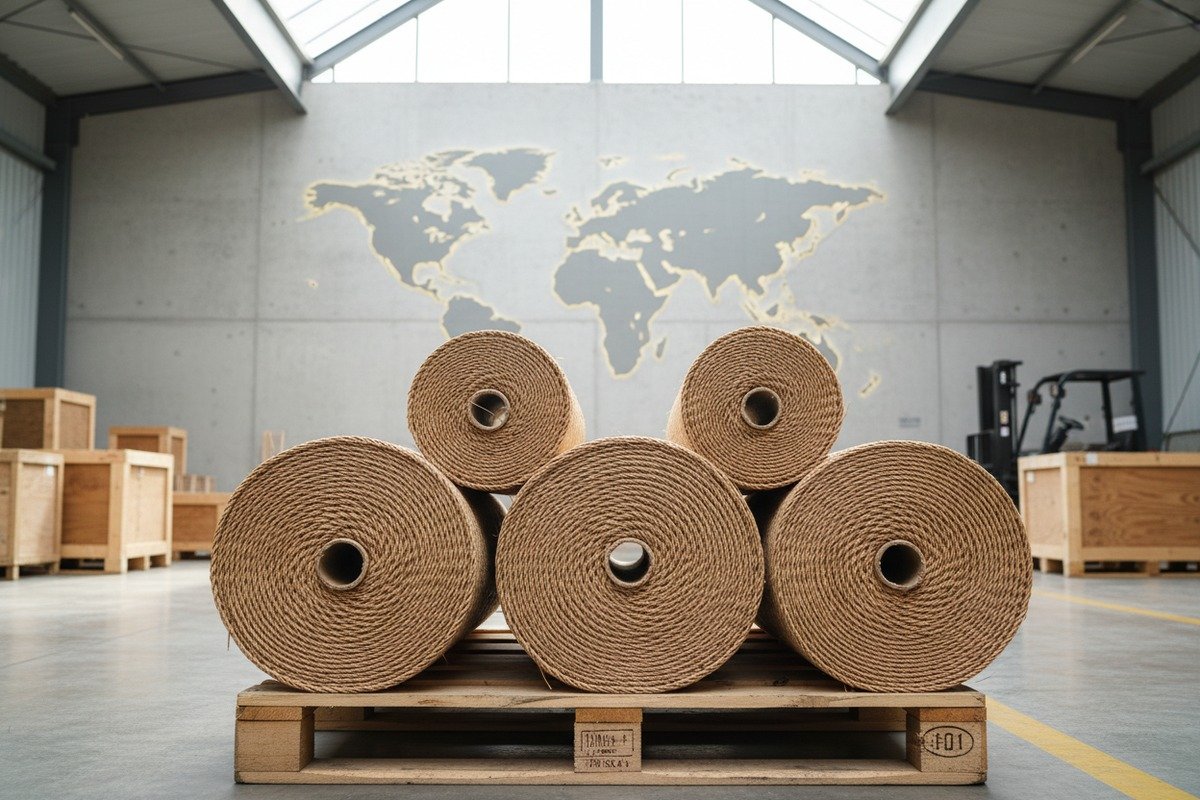
Chaque semaine, notre équipe commerciale reçoit des dizaines de demandes d'usines de meubles posant la même question cruciale : où devons-nous nous approvisionner en cannage de rotin ? le cannage en rotin naturel 1 La réponse est plus importante que ce que la plupart des acheteurs ne réalisent. Choisir la mauvaise région peut signifier un matériau cassant, une couleur incohérente et des séries de production perdues.
Les principales régions d'approvisionnement pour le cannage de rotin naturel sont l'Asie du Sud-Est — menée par l'Indonésie, qui fournit environ 80 à 90 % du rotin brut mondial — suivie par le Vietnam, la Malaisie et les Philippines. La Chine sert de plaque tournante majeure pour le traitement et la fabrication, utilisant souvent des matières premières indonésiennes.
Dans ce guide, nous examinons chaque région d'approvisionnement majeure, comparons la qualité et les prix, et partageons ce que nous avons appris au fil des années d'exploitation d'usines des deux côtés de la chaîne d'approvisionnement. Passons en revue les détails ensemble.
Où puis-je trouver le rotin naturel de la plus haute qualité pour mon usine de meubles ?
Trouver du véritablement haut de gamme cannage 2 est plus difficile qu'il n'y paraît. Nous avons passé plus d'une décennie à établir des relations avec des fournisseurs en Asie du Sud-Est, et l'écart entre le "Grade A" sur papier et le Grade A en réalité peut être énorme.
La cannage en rotin naturel de la plus haute qualité provient des forêts tropicales d'Indonésie, où les palmiers rotin poussent dodus, forts et flexibles. Le rotin indonésien de qualité AAA offre une couleur uniforme, une durabilité supérieure et une durée de vie dépassant cinq ans, ce qui en fait le premier choix pour les usines de meubles exigeantes.
Comprendre les grades de qualité du rotin
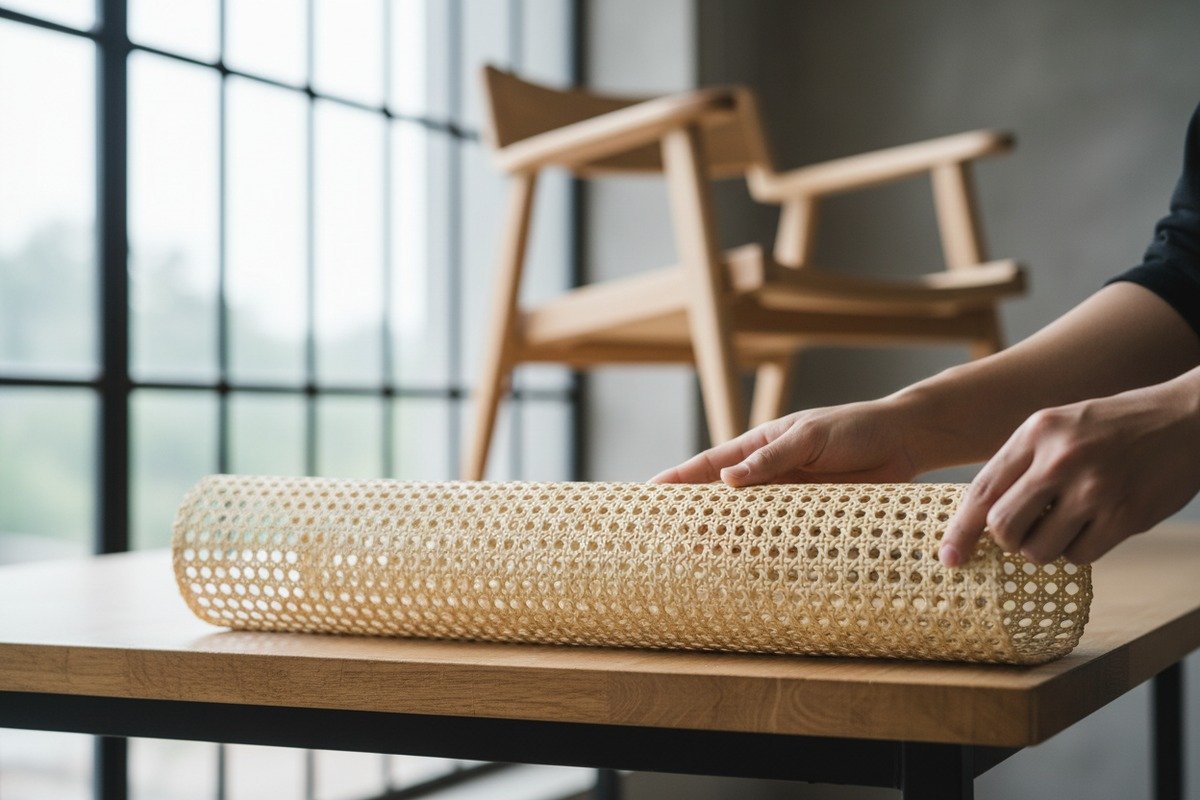
Tout le cannage de rotin n'est pas égal. Le système de classement reflète les différences de flexibilité, de cohérence des couleurs, résistance à la traction 3, et de finition de surface. Voici ce que chaque grade signifie généralement pour un fabricant de meubles :
| Note | Flexibilité | Uniformité de la couleur | Durée de vie | Meilleure utilisation |
|---|---|---|---|---|
| AAA (Premium) | Excellent – se plie sans se fissurer | Ton doré clair, très uniforme | 5+ ans | Meubles haut de gamme, armoires de luxe |
| AA (Standard) | Bon – légère rigidité sur les bords | Variation mineure de couleur | 3–5 ans | Chaises de milieu de gamme, têtes de lit |
| A (Économie) | Adéquat – peut se fissurer sous des courbures serrées | Taches de couleur visibles | 2–3 ans | Meubles économiques, projets de bricolage |
| B (Faible) | Pauvre – cassant dans des conditions sèches | Variation significative | 1–2 ans | Décor jetable, usage à court terme |
Lorsque notre usine de traitement indonésienne reçoit la canne brute, nous trions chaque lot à la main avant le pelage. Cette étape seule élimine environ 15% du matériau entrant. De nombreux fournisseurs l'ignorent pour économiser des coûts, et c'est précisément là que les problèmes de qualité commencent.
Qu'est-ce qui rend le rotin indonésien supérieur ?
Les forêts tropicales d'Indonésie offrent les conditions de croissance idéales pour palmiers rotins 4: humidité constante, sol riche et soutien de la canopée pour l'escalade. Le résultat est une canne avec une écorce extérieure plus épaisse, une structure de fibres plus serrée et une couleur dorée naturelle qui nécessite un minimum de blanchiment.
Nous avons testé côte à côte du rotin de plusieurs origines. La canne indonésienne surpasse constamment sur trois métriques : rayon de courbure avant fracture, douceur de surface après pelage et rétention de couleur après six mois d'utilisation en intérieur. Ce ne sont pas des affirmations marketing, ce sont des observations de l'atelier de production.
Motifs de tissage clés et leurs exigences de qualité
Différents motifs de tissage exercent une contrainte différente sur la matière première. Le tissage hexagonal ouvert, par exemple, nécessite des brins très flexibles car chaque pièce doit passer par six points de contact. Un tissage en losange dense est plus tolérant. Voici une référence rapide :
- Hexagonal ouvert (canne classique) : Exige une flexibilité de qualité AAA.
- Octogonal fin de 1/2 pouce : Nécessite du grade AA ou supérieur pour des boucles serrées et cohérentes.
- Tissage panier serré : Fonctionne avec le grade AA ; tolérant aux légères variations de couleur.
- Grille carrée ouverte : Convient au grade A ; moins de points de pliage réduisent le risque de casse.
Si votre usine produit des chaises haut de gamme ou des panneaux d'armoires, s'approvisionner en dessous du grade AA est une fausse économie. Le taux de rejet pendant la production rongera toutes les économies sur le coût des matières premières.
Conseils pour vérifier la qualité avant de commander
Avant de vous engager dans une commande importante, demandez des rouleaux d'échantillons provenant d'au moins deux lots de production différents. Recherchez ces signaux d'alarme : largeur de brin inégale, taches sombres indiquant une exposition à la moisissure et bords cassants qui se cassent lorsqu'ils sont pliés à 180 degrés. Dans nos installations, nous fournissons des inspections vidéo du lot spécifique avant l'expédition, une pratique que davantage d'acheteurs devraient exiger de tout fournisseur.
Pourquoi devrais-je me procurer mes matériaux en rotin en Indonésie plutôt que dans d'autres pays d'Asie du Sud-Est ?
Notre équipe travaille directement avec des récoltants de rotin en Indonésie depuis des années. Lorsque les clients nous demandent pourquoi nous avons construit notre propre usine de transformation là-bas au lieu du Vietnam ou des Philippines, la réponse se résume toujours à la fiabilité de l'approvisionnement et à la qualité des matières premières.
L'Indonésie devrait être votre principale source de rotin car elle contrôle 80 à 90 % de l'approvisionnement mondial en rotin brut, offre l'infrastructure de récolte la plus mature et produit du rotin d'une flexibilité et d'une couleur supérieures. Bien que le Vietnam et les Philippines offrent des alternatives viables, aucun ne correspond au volume, à la cohérence ou à la variété des espèces de rotin de l'Indonésie.

La position dominante de l'Indonésie en chiffres
L'Indonésie n'est pas seulement un acteur majeur, c'est le marché. Les forêts tropicales du pays abritent plus de 300 espèces de rotin, et ses communautés de récoltants ont développé une expertise générationnelle dans la sélection des cannes matures au bon stade de croissance. Ceci est important car une récolte trop précoce produit une écorce faible et fine, tandis qu'une récolte trop tardive donne un rotin rigide et difficile à peler.
Comparaison des pays d'approvisionnement d'Asie du Sud-Est
Chaque pays de la région apporte ses propres forces et faiblesses. Voici une comparaison honnête basée sur notre expérience d'approvisionnement direct :
| Facteur | Indonésie | Vietnam | Philippines | Malaisie |
|---|---|---|---|---|
| Part de l'approvisionnement mondial en matières premières | 80–90% | 5–8% | 2–4% | 1–3% |
| Épaisseur et flexibilité de la canne | Excellent | Bon | Bon | Modéré |
| Infrastructure de traitement | Mature | Croissance rapide | Limité | Limité |
| Coût de la main-d'œuvre | Faible–modérée | Faible | Modéré | Plus élevé |
| Réglementations à l'exportation | Strict sur les matières premières ; encourage les produits transformés | Moins de restrictions | Variable | Variable |
| Transformation à valeur ajoutée | Expansion rapide | Fort en produits finis | Les scellants émergents | Minimal |
| Diversité des espèces | 300+ espèces | 30–40 espèces | 50–60 espèces | 20–30 espèces |
Le facteur de la politique d'exportation indonésienne
Un détail crucial que de nombreux acheteurs négligent : l'Indonésie a progressivement restreint les exportations de rotin brut 5 pour encourager le traitement à valeur ajoutée au niveau national. Cette politique, introduite pour la première fois en 2011 et renforcée les années suivantes, signifie qu'acheter du rotin brut directement en Indonésie pour le traiter ailleurs est devenu plus complexe et coûteux.
Pour nous, cela a en fait été le catalyseur de l'investissement dans notre propre installation de traitement en Indonésie. En épluchant, triant et tissant sur place, nous respectons la réglementation locale et capturons un meilleur matériau avant qu'il ne se dégrade pendant le long transport sous forme de rotin brut.
Vietnam : L'alternative montante
Le Vietnam mérite une attention particulière. Son secteur de transformation du rotin a considérablement augmenté, en particulier pour les produits tissés finis. Les fabricants vietnamiens importent souvent du rotin indonésien brut, le transforment localement et exportent des sangles finies à des prix compétitifs. La qualité peut être très bonne, mais l'étape de manipulation supplémentaire introduit un risque. Chaque point de transfert — de la forêt indonésienne à l'usine vietnamienne en passant par votre entrepôt — ajoute une chance de dommages dus à l'humidité, de contamination ou d'incohérence de classement.
Quand d'autres pays ont du sens
Les Philippines produisent du rotin d'excellente qualité provenant de régions spécifiques comme Mindanao et Palawan. Si votre gamme de produits nécessite des espèces inhabituelles ou du rotin très épais pour des applications structurelles, les fournisseurs philippins peuvent répondre à ce besoin. La Malaisie fournit des volumes plus faibles mais offre occasionnellement des variétés de rotin spéciales qui ne sont pas largement disponibles ailleurs.
En résumé : pour les sangles de rotin standard en volumes commerciaux, l'Indonésie reste le pari le plus sûr en termes de qualité, de stabilité d'approvisionnement et de coût.
Notes de bas de page
1. Explique ce qu'est le cannage, sa production et ses utilisations dans le mobilier. ↩︎
2. Contexte scientifique sur les propriétés et le traitement du rotin. ↩︎
3. Définit la résistance à la traction comme la charge maximale d'un matériau avant rupture sous étirement. ↩︎
4. Fournit des informations détaillées sur la taxonomie, la biologie et l'écologie du rotin en tant que palmiers grimpants. ↩︎
5. Recherche sur l'impact des restrictions d'exportation de rotin de l'Indonésie. ↩︎

 English
  Español de México
  العربية
  Deutsch
  Français
  Русский