
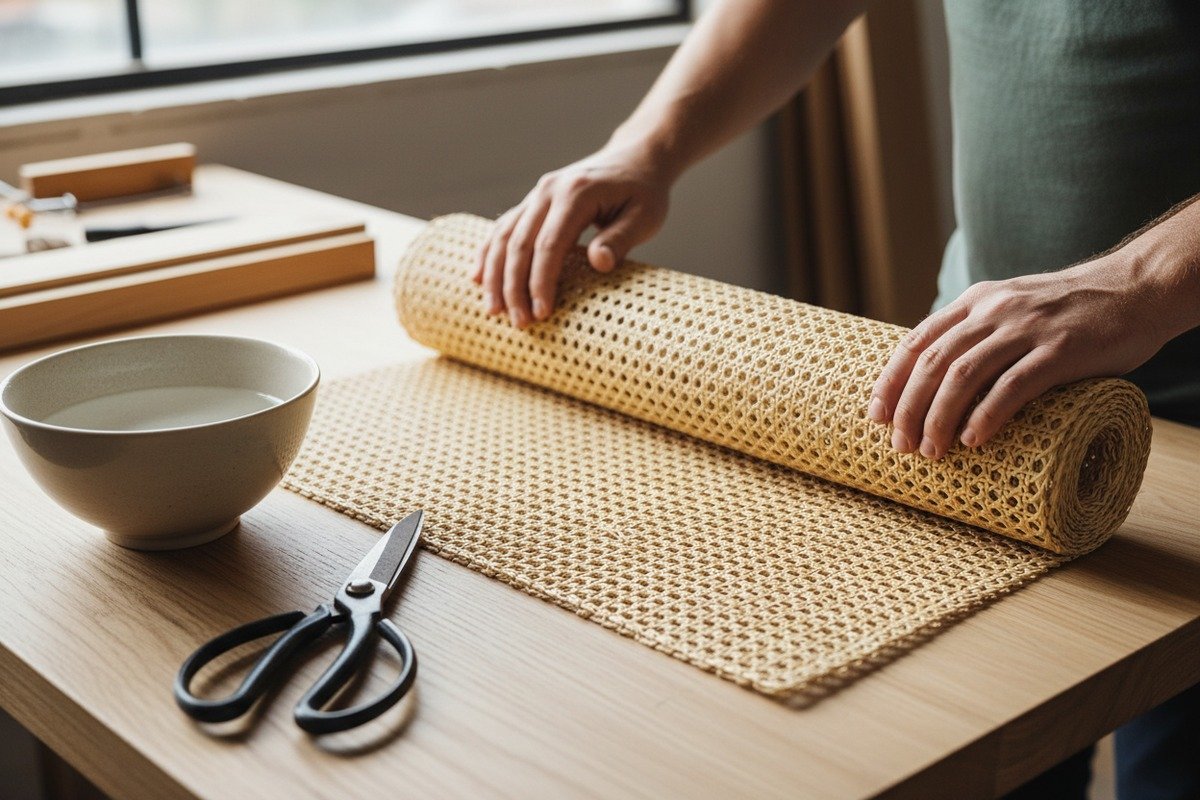
Chaque semaine, notre équipe commerciale reçoit des appels d'acheteurs novices qui se sentent dépassés par les étiquettes de qualité sur cannage rotin 1. Ils craignent de gaspiller de l'argent sur des matériaux qui se fissurent, se fendent ou ont l'air bon marché lors de leur tout premier projet de mobilier. Cette frustration est réelle et totalement évitable une fois que vous comprenez ce que chaque qualité offre réellement.
La cannage en rotin de qualité B est le meilleur choix pour les débutants. Il offre une bonne élasticité, un minimum de défauts et un prix abordable qui encourage l'expérimentation. Contrairement aux qualités C ou D inférieures, la qualité B est suffisamment indulgente pour apprendre sans sacrifier la qualité de votre projet fini.
Dans ce guide, nous examinerons les différences entre les qualités de rotin, expliquerons quelle qualité convient à votre premier projet, discuterons des stratégies de budgétisation et partagerons comment trouver un grossiste fiable prototypes initiaux 2. Allons-y.
Comment faire la différence entre le rotin de qualité A et le rotin de qualité B ?
Lorsque nous inspectons les arrivages le rotin 3 dans notre usine de traitement en Indonésie, le processus de classement commence avant même le tressage. De nombreux acheteurs pensent que les qualités ne sont que des étiquettes marketing. Ce n'est pas le cas. Les différences sont physiques, visibles et mesurables.
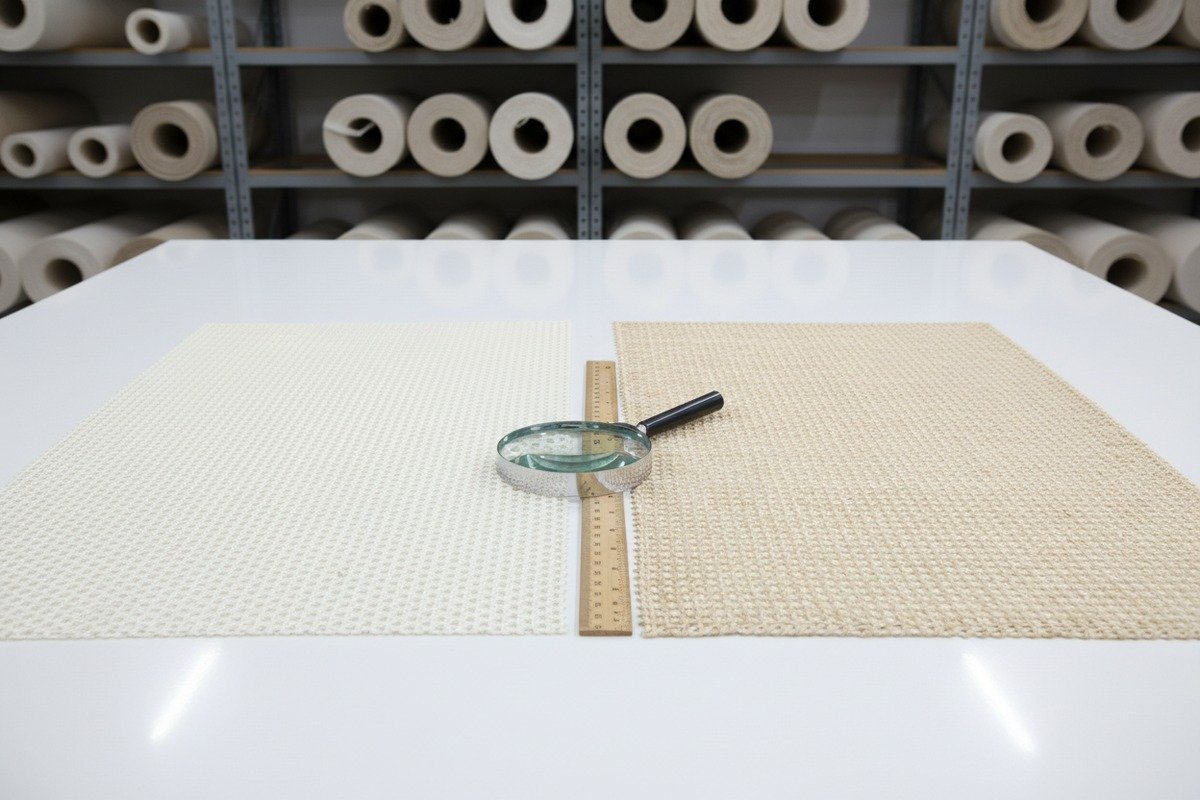
Le cannage en rotin de qualité A présente une surface lisse, légèrement plus blanche, à texture fine et d'excellente élasticité. La qualité B a une texture légèrement plus grossière avec des défauts de surface mineurs ou de petites fissures, mais conserve une bonne élasticité et une bonne résistance. La différence est visible à l'œil nu et affecte le prix de 15 à 30 %.
Texture de surface et couleur
La façon la plus simple de distinguer les deux qualités est au toucher et à la vue. Passez vos doigts sur la surface d'une feuille. La qualité A est presque soyeuse. Les brins sont uniformes en largeur et la couleur est un beige clair ou crème constant. La qualité B est légèrement plus rugueuse. Vous pouvez remarquer de petites variations de couleur : certains brins apparaissent légèrement plus foncés ou plus clairs que d'autres. Ce sont des variations naturelles de la peau de rotin elle-même.
La qualité A justifie son prix car la peau de rotin utilisée provient de la couche la plus externe des palmiers les plus fins. Seul un petit pourcentage de rotin brut répond à cette norme. La qualité B utilise une peau de haute qualité mais peut provenir d'une partie légèrement plus basse de la tige ou de palmiers présentant de légères imperfections de surface.
Nombre de défauts et élasticité
Les défauts sont plus importants que ce que la plupart des débutants réalisent. Une fissure dans un brin peut devenir un point de rupture lors de l'installation. La qualité A ne présente généralement aucun défaut visible par pied carré. La qualité B peut présenter un à trois défauts mineurs : de petites fissures de surface ou de légères irrégularités dans l'épaisseur des brins 4. Ceux-ci affectent rarement l'intégrité structurelle.
Élasticité 5 est l'autre facteur critique. Lorsque vous faites tremper la sangle en rotin dans de l'eau tiède 6 pendant 15 à 30 minutes, elle doit fléchir sans se casser. Les qualités A et B gèrent bien cela. La véritable baisse se produit aux qualités C et D, où une faible élasticité entraîne des fissures et des fentes lors de l'application.
Comparaison visuelle rapide
| Caractéristique | Qualité A | Qualité B |
|---|---|---|
| Texture de surface | Lisse, soyeux | Légèrement rugueux |
| Uniformité de la couleur | Très cohérent | Variation naturelle mineure |
| Défauts visibles par pi² | 0 | 1–3 mineurs |
| Élasticité après trempage | Excellent | Bon |
| Résistance | Excellent | Bon |
| Usage typique | Meubles haut de gamme | Meubles de milieu de gamme, projets d'apprentissage |
| Fourchette de prix | 7. Haut de gamme | 15–30% inférieur à A |
L'écorce compte
Voici quelque chose que de nombreux guides omettent. Le rotin désigne la couche extérieure du palmier rotin 7. Les machines l'épluchent en fines lanières. La qualité de cette couche extérieure détermine la qualité. L'écorce de qualité A est récoltée dans la meilleure section de la tige. L'écorce de qualité B provient de zones avec une exposition légèrement plus importante au soleil ou un contact physique pendant la croissance. Les deux sont toujours du rotin naturel — la différence est cosmétique et mineure en termes de performance.
Dans nos usines, nous trions rigoureusement le rotin brut avant le blanchiment. Cette étape de tri est ce qui sépare les fournisseurs constants des fournisseurs incohérents. Un fabricant qui saute cette étape peut étiqueter le matériau de qualité C comme de qualité B, c'est pourquoi il est important de savoir quoi rechercher.
Quel grade de rotin est le plus tolérant pour mon premier projet de mobilier ?
Notre équipe de production travaille souvent avec des fabricants de meubles débutants qui visitent notre showroom de Foshan. L'erreur numéro un que nous constatons est de choisir le matériau le moins cher disponible, pensant que cela réduit les risques. En réalité, le rotin de mauvaise qualité crée plus de problèmes qu'il n'en résout.
La cannage en rotin de qualité B est le plus tolérant pour les premiers projets. Sa bonne élasticité résiste aux craquelures lors de la manipulation, et ses défauts mineurs sont faciles à contourner. Contrairement aux qualités C ou D, la qualité B ne pardonne pas les petites erreurs de tension ou de coupe, laissant aux débutants la marge nécessaire pour apprendre la bonne technique.
Pourquoi le terme "indulgent" est important pour les débutants
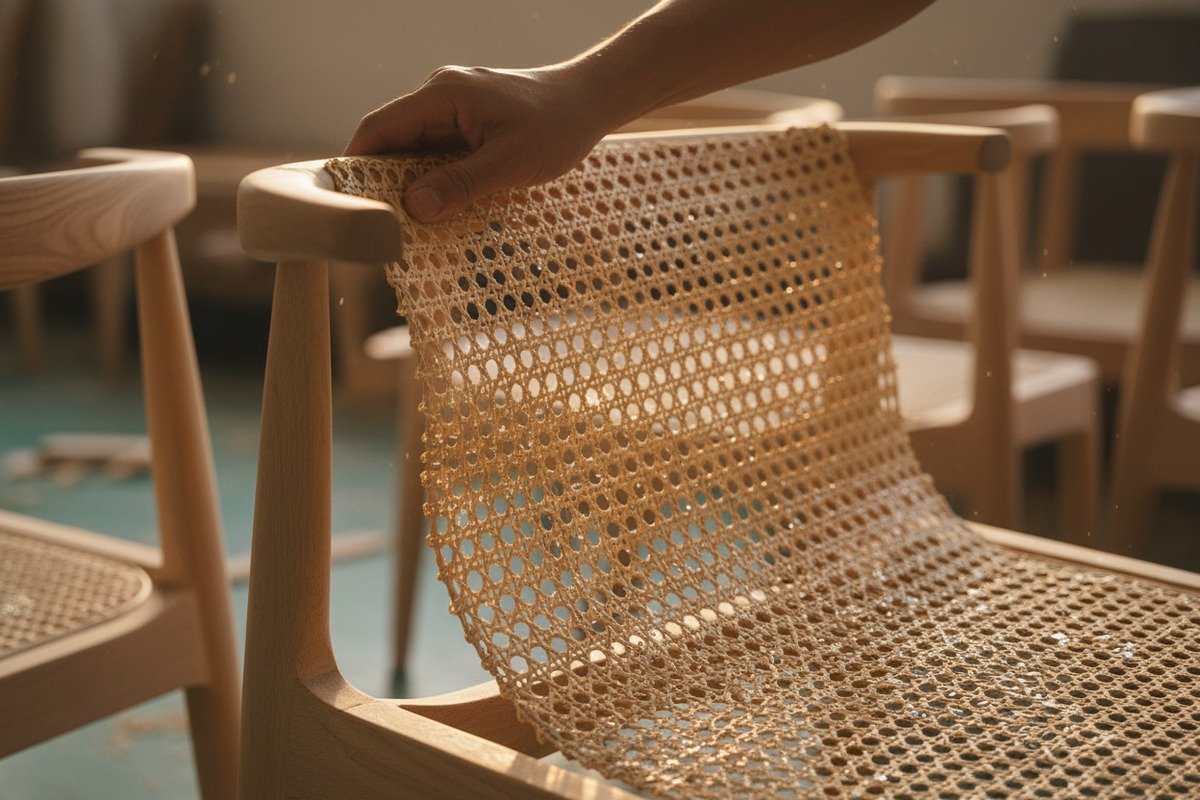
Quand nous disons qu'un matériau est "indulgent", nous voulons dire qu'il tolère une technique imparfaite. Les débutants appliquent souvent une tension inégale 8 lors de l'étirement de la sangle sur un cadre. Ils peuvent couper légèrement à côté de la ligne. Ils peuvent laisser le matériau trempé trop longtemps et perdre une partie de sa souplesse. Un matériau indulgent absorbe ces erreurs sans se fissurer, se déchirer ou se déformer.
Le rotin de qualité B gère tous ces scénarios. Sa bonne élasticité signifie qu'il s'étire sans casser. Sa robustesse signifie que les erreurs de manipulation mineures n'entraînent pas la rupture des brins. Et comme le matériau coûte moins cher que la qualité A, la pression psychologique est moindre. Vous pouvez vous permettre de faire des erreurs et de recommencer.
Le coût caché d'un prix trop bas
Le rotin de qualité D est tentant pour son bas prix. Mais le matériau a une surface rugueuse, de nombreux défauts visibles et une faible élasticité. Lorsque vous essayez de tremper et d'étirer la sangle de qualité D, les brins se cassent. Les fissures s'élargissent. Le produit fini semble inégal et amateur, peu importe à quel point vous êtes prudent. Vous finissez par acheter plus de matériau pour refaire le projet. Les "économies" s'évaporent.
La qualité C est légèrement meilleure mais toujours frustrante. La texture plus rugueuse rend plus difficile l'obtention de lignes nettes. Des défauts plus prononcés signifient que vous devez travailler autour des zones problématiques, ce qui nécessite une expérience que les débutants n'ont pas encore.
Projets de démarrage recommandés
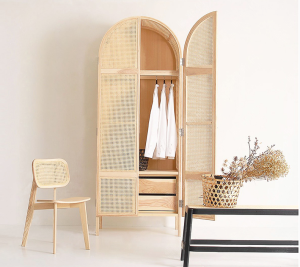
Les débutants devraient commencer par des projets plus petits et moins complexes. Inserts de porte d'armoire 9 et les panneaux décoratifs sont idéaux. Ceux-ci vous permettent de pratiquer la découpe, le trempage et l'application de la sangle sur des surfaces plates et gérables. Vous pouvez utiliser des méthodes d'installation plus simples comme le collage ou l'agrafage avant de tenter le cannage complet de chaise, qui exige un contrôle de tension plus avancé.
| Type de projet | Niveau de difficulté | Meilleure qualité | Méthode d'installation |
|---|---|---|---|
| Insert de porte d'armoire | Facile | Qualité B | Colle + agrafe |
| Panneau mural décoratif | Facile | Qualité B | Colle ou cadre |
| Panneau de tête de lit | Moyen | Qualité B | Cannelure + rainure |
| Assise de chaise de salle à manger | Moyen-Dur | Grade A ou B | Cannelure + rainure |
| Cannage de rotin complet | Dur | Grade A | Cannage traditionnel à la main |
Conseils pratiques pour travailler avec le grade B
Premièrement, faites toujours tremper votre cannage dans de l'eau tiède pendant 15 à 30 minutes avant de travailler. Cela rend le rotin souple et évite le craquellement. Deuxièmement, utilisez des outils de coupe tranchants — des ciseaux pointus ou un cutter. Des coupes nettes évitent l'effilochage et donnent à vos bords une finition professionnelle. Troisièmement, entraînez-vous à obtenir une tension uniforme sur de petits morceaux de rebut d'abord. Cela vous apprendra comment le matériau se comporte lorsqu'il est mouillé et comment il se resserre en séchant.
Surveillez également l'humidité de votre atelier. Le rotin est sensible à l'humidité. Si votre espace est très sec, le matériau séchera rapidement après le trempage et deviendra cassant. Un environnement légèrement humide vous donne plus de temps de travail.
L'épaisseur des brins joue également un rôle. Les brins plus épais, dans la gamme de 3 mm à 3,5 mm, sont plus durables et moins sujets à la casse lors de la manipulation. Ils sont plus indulgents que les brins plus fins, en particulier pour les mains qui apprennent encore la pression et la technique appropriées.
Lorsque nous établissons des prix pour de nouveaux acheteurs, en particulier pour les responsables des achats qui prototypent une nouvelle gamme de produits, cette question revient dans presque toutes les conversations. La réponse dépend de ce que vous essayez d'accomplir avec votre prototype — et du nombre d'itérations que vous prévoyez de réaliser.
Pour les prototypes initiaux, le rotin de qualité B offre le meilleur rapport coût-performance. Il permet d'économiser 15 à 30 % par rapport à la qualité A tout en offrant l'élasticité, la résistance et la qualité visuelle nécessaires pour évaluer votre conception. Réservez la qualité A pour les séries de production finales où l'apparence et la durabilité doivent être impeccables.
L'économie du prototypage
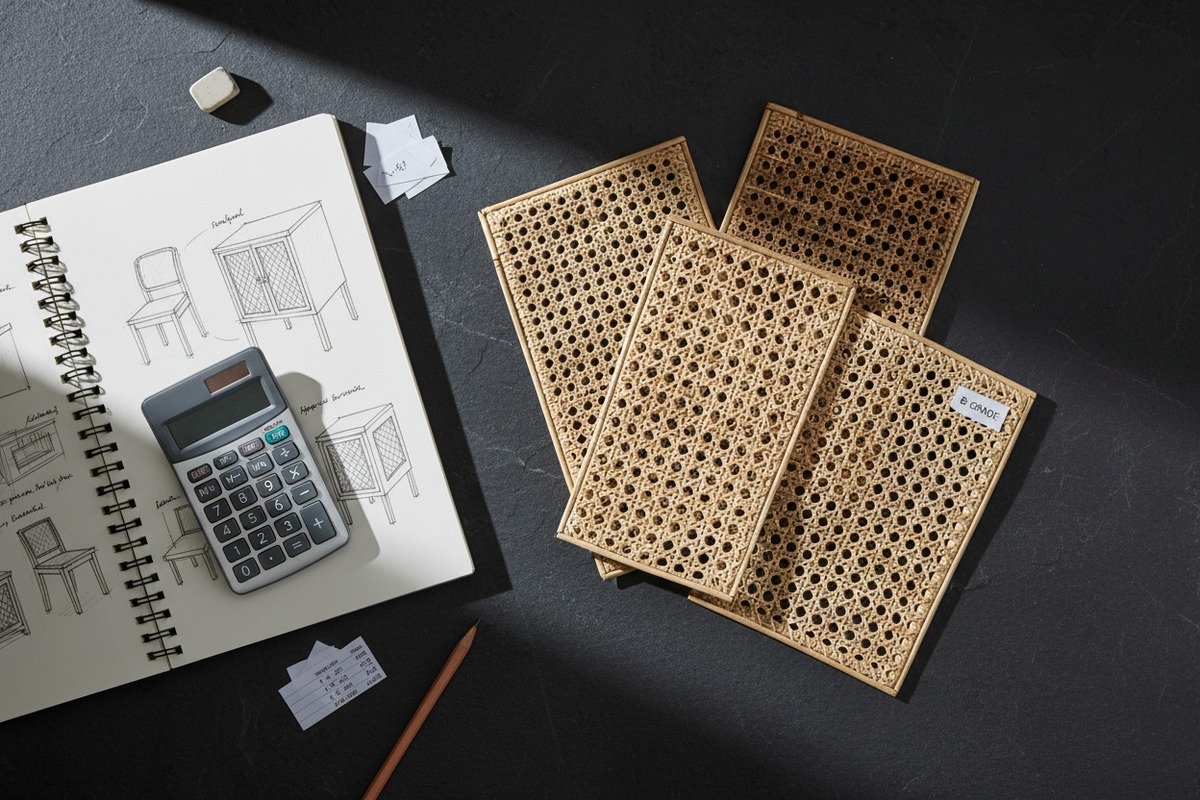
Les prototypes sont, par définition, des expériences. Vous vous attendez à ce que certains échouent. Vous vous attendez à itérer. Dépenser des prix élevés pour des matériaux que vous pourriez jeter après un seul essai ne semble pas financièrement judicieux. Le grade B vous permet de tester votre conception, votre méthode d'installation et votre processus de finition à une fraction du coût.
Considérez l'ensemble des coûts. Le matériau n'est qu'une partie de l'équation. Vous avez également besoin de scellants, d'adhésifs, d'outils et de temps. Des scellants de haute qualité compatibles avec le rotin écologique sont importants pour maximiser la longévité, quel que soit le grade. Si vous dépensez tout votre budget en matériaux de grade A et que vous sautez ensuite le scellant approprié, votre pièce finie ne durera pas. Il vaut mieux utiliser des matériaux de grade B avec un bon scellant que des matériaux de grade A sans protection de finition.
Naturel vs. Synthétique : Une décision pour les prototypistes
C'est une décision que de nombreux débutants négligent pendant la phase de prototypage. Cannage naturel 10 offre l'esthétique authentique et chaleureuse que la plupart des clients souhaitent. Mais il nécessite un trempage, une manipulation soigneuse et un entretien régulier. Il changera également de couleur avec le temps, même le rotin naturel entièrement blanchi prend une teinte jaunâtre due au vieillissement naturel.
Le cannage synthétique offre une stabilité de couleur supérieure et ne nécessite pas de trempage. Il est plus durable dans les environnements à forte humidité et est plus facile à manipuler. Pour les projets extérieurs ou les produits exposés à l'humidité, le synthétique peut être le choix le plus judicieux.
Voici un cadre pour vous guider dans votre décision :
| Facteur | Rotin Naturel (Grade B) | Rotin synthétique |
|---|---|---|
| Trempage requis | Oui, 15–30 minutes | Non |
| Stabilité de la couleur | Jaunit avec le temps | Stable à long terme |
| Chaleur esthétique | Aspect organique élevé | Imite le naturel mais moins de profondeur |
| Durabilité en extérieur | Faible, utilisation intérieure préférable | Haut, adapté à l'extérieur |
| Difficulté de manipulation | Modéré | Facile |
| Prix | Modéré | Comparable ou légèrement supérieure |
| Credentials écologiques | Ressource solide et renouvelable | Plus faible, à base de plastique |
Quand passer à la qualité A
Une fois votre prototype finalisé et que vous passez à la production, c'est le moment de passer à la qualité A. La finition de surface supérieure et la constance des couleurs de la qualité A font une différence notable dans le produit final, en particulier pour les lignes de meubles haut de gamme. Vos clients verront et sentiront la différence.
Certains artisans expérimentés soutiennent que vous devriez commencer avec la qualité A dès le premier jour. Leur logique est que travailler avec un matériau de première qualité vous apprend à manipuler le rotin dans les meilleures conditions, et les résultats sont plus motivants. Il y a une part de vérité là-dedans. Si votre budget le permet et que vous êtes confiant dans votre conception, la qualité A peut valoir l'investissement même pour les prototypes. Mais pour la plupart des débutants et des petites opérations testant de nouvelles idées de produits, la qualité B est le choix pragmatique.
Correspondance des couleurs et de l'esthétique
Pensez à l'espace de votre client final. Le rotin blanchi se marie bien avec une peinture blanche éclatante, des finitions en chêne clair ou en frêne. Le rotin naturel non blanchi fonctionne mieux avec des teintes de bois plus foncées comme le noyer, l'acajou ou la cerise. Pour vos premiers projets, choisissez une finition de rotin qui complète les tendances populaires actuelles en matière de meubles sur votre marché cible. Cela réduit le risque de produire quelque chose qui ne se vend pas.
Les motifs à tissage ouvert comme le tissage hexagonal classique ou le tissage radio sont également plus indulgents pour les débutants. Ils sont flexibles, plus faciles à installer et conviennent bien à des fins décoratives et aux sièges de chaises. Les tissages plus denses comme le tissage panier carré sont magnifiques mais nécessitent plus de précision lors de l'application.
Comment puis-je trouver un grossiste qui offre une qualité constante pour mes besoins en matière de rotin ?
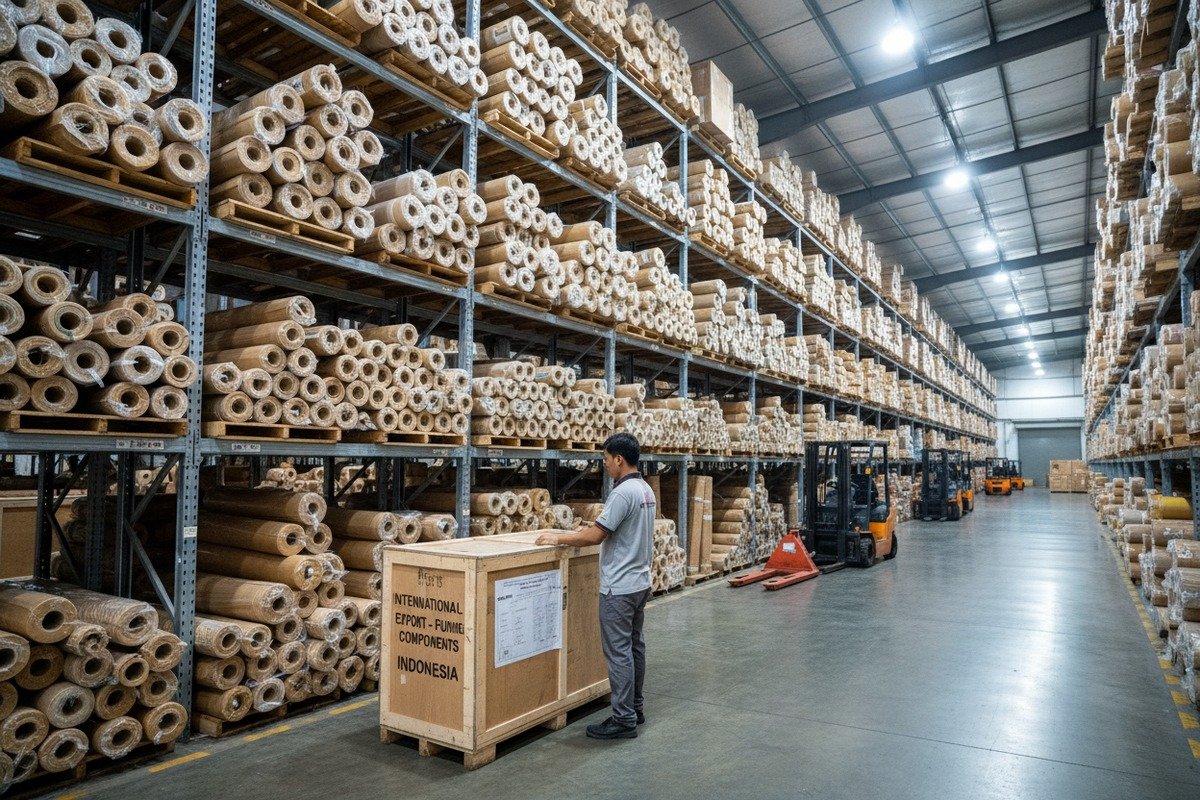
Au fil des ans, nous avons expédié des toiles de rotin à des acheteurs aux Pays-Bas, en Espagne, aux États-Unis, en Australie, en Turquie et dans des dizaines d'autres pays. La principale préoccupation que nous entendons de la part des nouveaux responsables des achats ne concerne pas le prix, mais la constance. Ils veulent savoir que le matériau de qualité B de leur prochaine commande ressemble et fonctionne de la même manière que le précédent.
Pour trouver un grossiste en rotin cohérent, recherchez des fournisseurs qui possèdent leurs propres installations de traitement, trient les matières premières avant le tissage et peuvent fournir des échantillons sur plusieurs lots de production. Demandez des échantillons spécifiques à la qualité, vérifiez leur processus de contrôle qualité et commencez par une petite commande d'essai avant de vous engager dans des quantités en vrac.
Pourquoi la constance est difficile avec les matériaux naturels
Le rotin est un produit naturel. Chaque palmier pousse différemment. Chaque récolte produit des matières premières légèrement différentes. C'est pourquoi la constance demande un effort délibéré de la part du fabricant. Dans notre usine de traitement du rotin en Indonésie, nous trions rigoureusement le rotin brut avant le blanchiment. Nous appliquons des traitements à la vapeur avancés et répétitifs pour garantir des finitions plus lisses et sans défauts. Tous les fournisseurs n'investissent pas dans ce niveau de contrôle qualité.
Lorsqu'un grossiste ne trie pas avant le traitement, vous obtenez des lots où certaines feuilles ressemblent à de la qualité B et d'autres à de la qualité C, même si elles sont toutes étiquetées de la même manière. C'est la cause profonde de la plupart des plaintes de qualité dans l'industrie du rotin.
Que rechercher chez un grossiste
Voici les indicateurs clés d'un fournisseur fiable :
Installations de traitement propres. Les fournisseurs qui possèdent leurs propres usines ont un contrôle direct sur la qualité. Les intermédiaires qui s'approvisionnent auprès de plusieurs petits ateliers ne peuvent pas garantir la constance entre les commandes.
Système de classement transparent. Demandez au fournisseur de vous expliquer comment il classe ses matériaux. S'il ne peut pas décrire clairement la différence entre sa qualité A et sa qualité B, c'est un signal d'alarme.
Disponibilité des échantillons. Demandez des échantillons de différents lots de production, pas seulement un. Un bon fournisseur vous enverra des échantillons qui représentent la gamme de ce à quoi vous pouvez vous attendre.
Options de personnalisation. La toile de rotin est disponible dans des hauteurs personnalisables de 14 pouces à 48 pouces et des longueurs allant jusqu'à 50 pieds. Un fournisseur bien équipé offre ces options et peut s'adapter aux besoins spécifiques de votre projet.
Durabilité de l'emballage. Ceci est souvent négligé. La toile de rotin nécessite un emballage approprié pour survivre à l'expédition internationale sans dommages. Une toile écrasée ou froissée est difficile à aplatir et peut se fissurer lors de l'application. Renseignez-vous sur les méthodes d'emballage avant de passer votre commande.
Drapeaux rouges à surveiller
Méfiez-vous des fournisseurs qui proposent des prix nettement inférieurs à la moyenne du marché. Cela signifie généralement qu'ils vendent des matériaux de qualité inférieure sous une étiquette de qualité supérieure. Surveillez également les fournisseurs qui ne peuvent pas fournir de photos de leurs installations de production ou qui sont vagues quant à leur approvisionnement.
Un autre signe d'alerte est l'incohérence des délais de livraison. Un fournisseur avec sa propre usine sait exactement combien de temps prend la production. Un revendeur dépend de tiers et peut donner des estimations de livraison peu fiables.
Construire une relation à long terme
La meilleure approche consiste à commencer par une petite commande d'essai. Testez le matériau sur un projet réel. Évaluez la qualité de la surface, l'élasticité, la constance de la couleur et la façon dont il se comporte lors du trempage et de l'application. Si la commande d'essai répond à vos normes, passez une commande plus importante et comparez-la à la première. La constance d'une commande à l'autre est le véritable test d'un grossiste fiable.
Dans notre exploitation, nous encourageons les acheteurs à visiter notre showroom de Foshan ou à demander des visites vidéo de nos usines. Voir le processus de production de première main, du tri du rotin brut au tissage en passant par le contrôle qualité, renforce la confiance que ce que vous commandez est ce que vous recevez. Nous servons les usines de meubles, les grossistes de matériaux pour meubles et les fournisseurs de matériaux de construction, et nous comprenons que chaque acheteur a des seuils de qualité spécifiques qui doivent être respectés de manière constante.
Une communication régulière aide également. Partagez vos commentaires après chaque commande. Un bon fournisseur utilise ces commentaires pour affiner son processus et signaler tout problème avant qu'il n'atteigne votre entrepôt.
Conclusion
Le cannage en rotin de qualité B offre aux débutants le meilleur équilibre entre qualité, maniabilité et prix. Commencez petit, pratiquez votre technique et choisissez un fournisseur qui privilégie la constance de chaque commande.
Notes de bas de page
1. Explique ce qu'est le cannage en rotin et son processus de production. ↩︎
2. Décrit l'importance et les étapes du prototypage dans le processus de développement de produits. ↩︎
3. Définit la peau de rotin comme l'écorce/la peau du rotin et ses utilisations précieuses. ↩︎
4. Détaille les différentes mesures et types de rotin filé pour le tissage. ↩︎
5. Wikipédia fournit une définition complète et faisant autorité de l'élasticité en physique. ↩︎
6. Explique que le trempage du rotin dans de l'eau tiède ramollit les fibres, les rendant souples et empêchant le craquement. ↩︎
7. Wikipédia offre un aperçu large et faisant autorité du rotin en tant que plante de palmier. ↩︎
8. Discute de la manipulation et du façonnage soigneux du rotin pour maintenir son intégrité et éviter les dommages lors de l'application. ↩︎
9. Explore différents types d'inserts de portes d'armoires et leurs avantages esthétiques et fonctionnels. ↩︎
10. Décrit les caractéristiques, les avantages et les applications du cannage naturel. ↩︎
 English
  Español de México
  العربية
  Deutsch
  Français
  Русский