
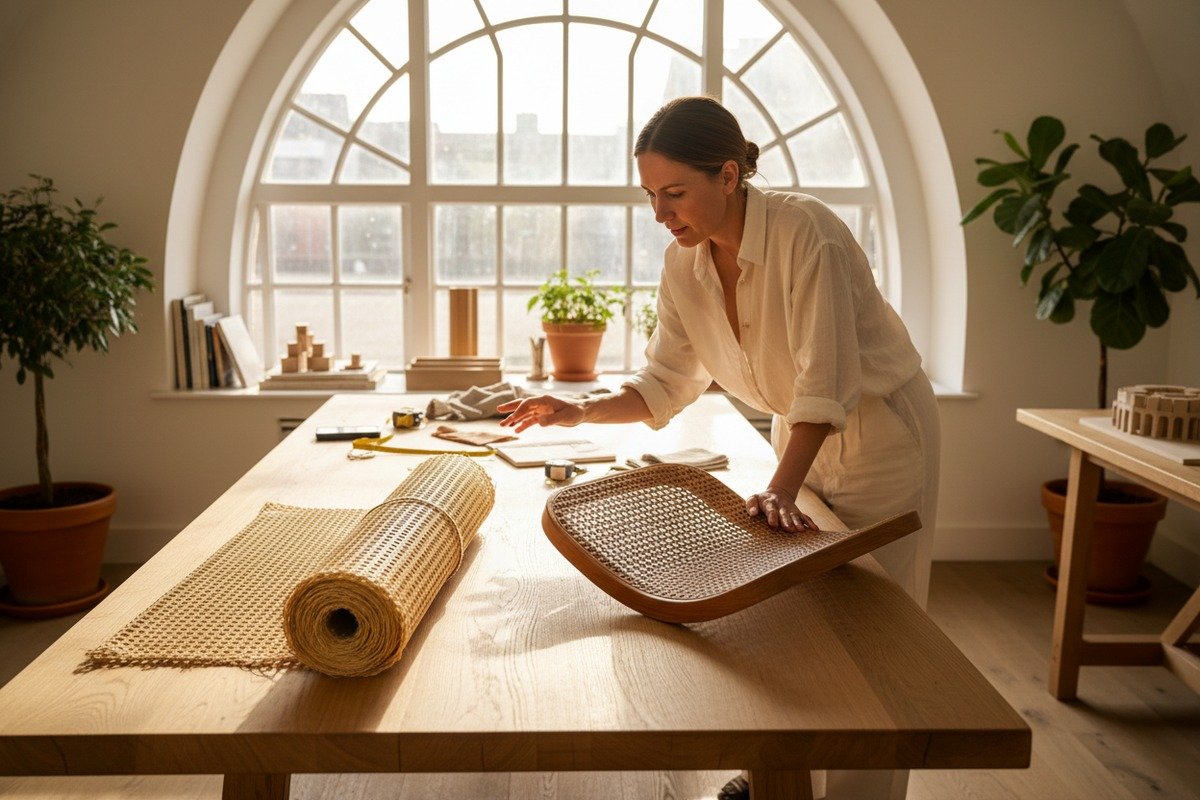
Every week, our customer service team fields the same question from buyers across the Netherlands, Australia, and the US natural oxidation 1. Their brand-new rattan cane webbing looked light and golden when it arrived. But months later, it started shifting to a warmer, deeper tone organic plant fibers 2. They want to know: is something wrong?
Natural rattan cane webbing gradually changes from its original light golden-tan color to a richer, deeper honey-brown over time. This shift is driven by natural oxidation, UV exposure, moisture absorption, and air contact. It is a normal aging process, not a defect, and most designers consider it a desirable patina.
This color evolution is one of the most common concerns we hear from furniture factories and material wholesalers. Below, we break down exactly why it happens, what speeds it up, and how you can control it. Let’s walk through each factor step by step.
Why is my natural rattan cane webbing turning from light to a deeper honey color?
One thing we notice when packing fresh rattan rolls at our Foshan warehouse is that the golden hue looks bright under factory lights. But the samples we shipped to a Spanish wholesaler six months ago? They already look noticeably warmer and richer.
Natural rattan darkens from light tan to honey-brown primarily because of oxidation. When organic plant fibers are exposed to air and ambient light, their cellular compounds react chemically, causing a gradual and irreversible deepening of color that develops evenly over months and years.
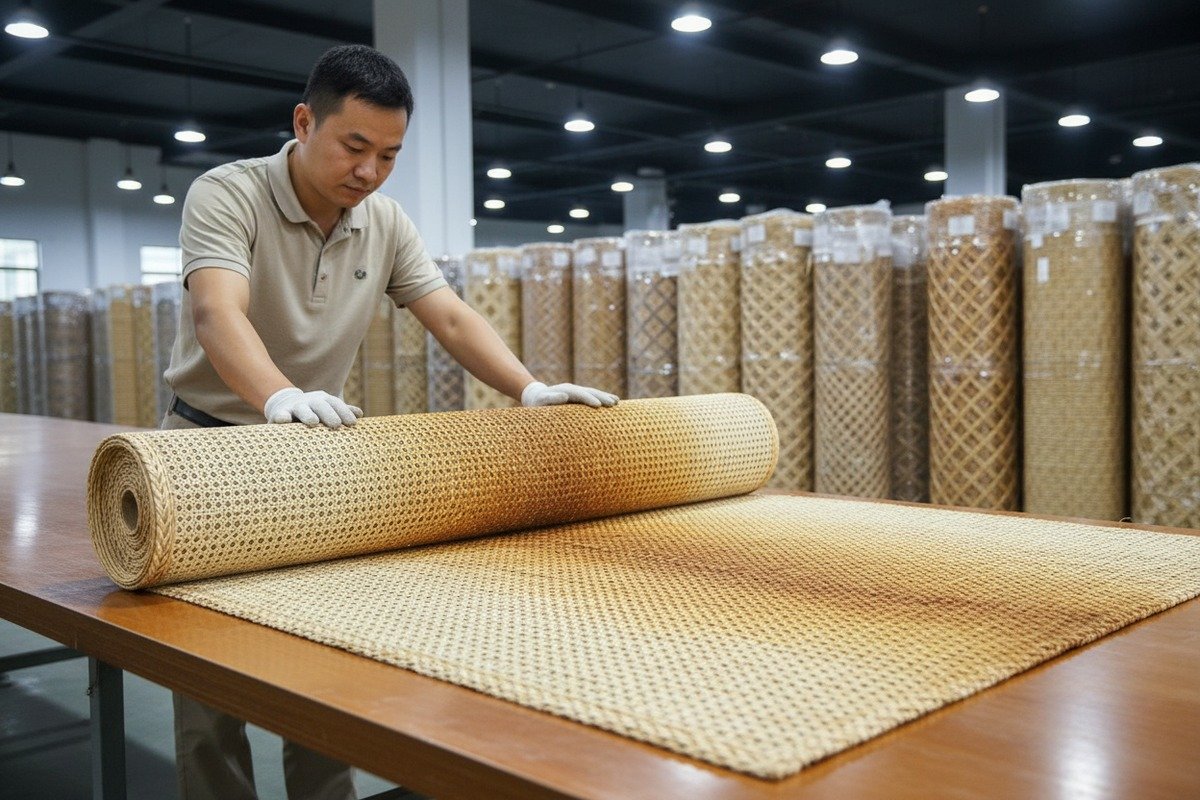
What Is Oxidation in Rattan?
Rattan is a living plant material. Its outer bark contains lignin and tannins 3. These organic compounds react with oxygen in the air. This reaction is called oxidation. It is the same process that turns a cut apple brown. In rattan, the effect is slow and subtle. Over weeks and months, the surface molecules change structure. The result is a warmer, deeper color.
The Timeline of Natural Darkening
The color shift does not happen overnight. It follows a predictable pattern. Here is what we have observed across thousands of shipments and customer feedback over the past decade:
| Time Period | Typical Color Stage | Visual Description |
|---|---|---|
| 0–3 months | Fresh golden-tan | Light, bright straw-like tone |
| 3–12 months | Warm honey | Subtle warming, slightly richer gold |
| 1–5 years | Medium brown | Noticeable deepening, classic "aged cane" look |
| 5–10 ans | Rich amber-brown | Deep warmth, similar to light walnut |
| 10+ ans | Dark walnut patina | Heritage look, rich and even throughout |
Why This Is Not a Defect
Many first-time buyers worry that darkening means low quality. It does not. In fact, the opposite is true. Untreated natural rattan that darkens evenly is a sign of genuine, high-grade material. Bleached rattan, by contrast, can yellow unevenly and look patchy. The gradual patina on natural cane adds character. Many European and American interior designers specifically request aged-looking rattan for this reason.
Other Contributing Factors
Oxidation is the primary driver, but it does not work alone. Dust accumulation on the fiber surface traps moisture and speeds up the reaction. Indoor air pollutants like cooking fumes or cigarette smoke deposit thin layers of residue that contribute to yellowing. Even the natural oils from human hands, when touching the webbing repeatedly, add a thin film that darkens over time. Each of these small factors adds up. Together, they create the warm, lived-in look that makes vintage rattan furniture so desirable.
How does sunlight exposure affect the long-term color of my rattan materials?
In our experience exporting to Australia and the Middle East, we get many questions about rattan placed near windows or on covered patios. Sunlight is powerful. It does far more than just warm a room. It actively changes the molecular structure of natural fibers.
Sunlight, especially its ultraviolet (UV) component, accelerates rattan's color change significantly. Short-term UV exposure causes mild yellowing, while prolonged direct sunlight over months or years leads to bleaching, graying, and eventual brittleness. Indirect light causes slower, more even darkening.
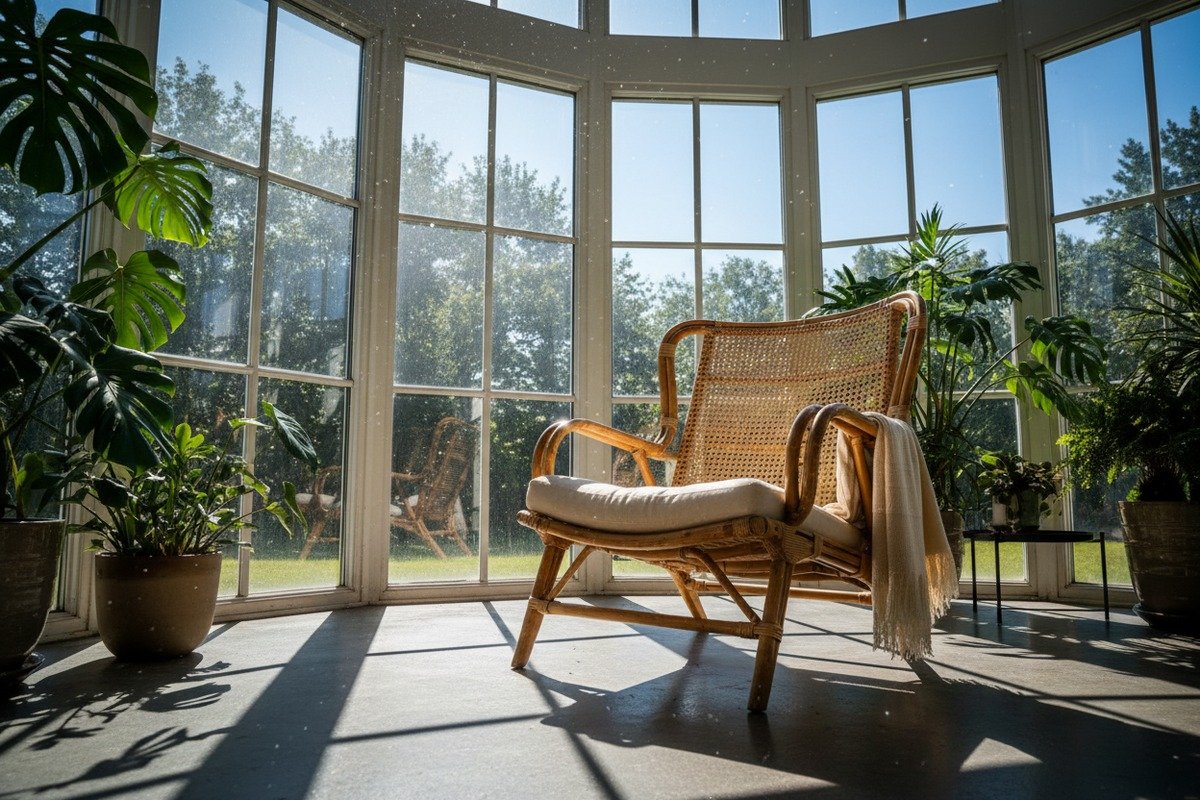
How UV Rays Interact with Rattan Fibers
UV radiation 4 breaks down the chemical bonds in lignin. This is called photodegradation 5. When UV light hits rattan, it triggers a chain reaction. First, the surface yellows. Then, with continued exposure, the lignin breaks apart. The color can fade from warm brown to a washed-out gray. The fibers also lose flexibility. They become dry and brittle. This is why outdoor rattan furniture without protection degrades much faster than indoor pieces.
Indoor vs. Outdoor Color Change
The environment makes a huge difference. Here is a comparison based on what we have tracked with our wholesale clients:
| Facteur | Indoor (Away from Windows) | Indoor (Near Windows) | Outdoor (Covered Patio) | Outdoor (Direct Sun) |
|---|---|---|---|---|
| exposition aux UV 6 level | Très faible | Modéré | Élevé | Très élevé |
| Color change speed | Slow (years) | Moderate (months) | Fast (weeks to months) | Very fast (weeks) |
| Type of color shift | Even honey deepening | Mild yellowing, then deepening | Uneven darkening, possible graying | Bleaching, graying, cracking |
| Risque de fragilité | Très faible | Faible | Modéré | Élevé |
| Recommended protection | Aucun besoin | Sheer curtains or UV film | scellant résistant aux UV | Not recommended without heavy finish |
The Uneven Fading Problem
One issue we see frequently is uneven fading. If part of a rattan chair faces a window and the other side faces a wall, the sun-exposed side will change color faster. After a year, the two sides can look dramatically different. This is a common complaint from furniture retailers. The solution is simple: rotate furniture periodically, or use curtains to diffuse light. For rattan panels installed in fixed positions, a UV-protective clear coat applied before installation helps greatly.
A Real-World Example
A furniture factory client in Turkey ordered 500 meters of our Grade A natural cane webbing for restaurant chairs. Half the chairs went indoors. The other half went on an open terrace. After 8 months, the indoor chairs had a beautiful, even warm tone. The terrace chairs had visible gray streaks and some cracking along the edges. The same material, two completely different outcomes. Environment matters more than most people realize.
Can I use specific finishes to prevent my rattan webbing from darkening too quickly?
When we consult with our wholesale partners during product selection, the finish question always comes up. Everyone wants to know: can you lock in that fresh golden color? The short answer is yes, partially. The long answer involves trade-offs.
Applying protective finishes like linseed oil, clear lacquer, or UV-resistant sealants can significantly slow down rattan's natural darkening process. However, no finish stops it entirely. Oil-based finishes moisturize and slow oxidation, while film-forming finishes like lacquer create a physical barrier against UV, moisture, and air.
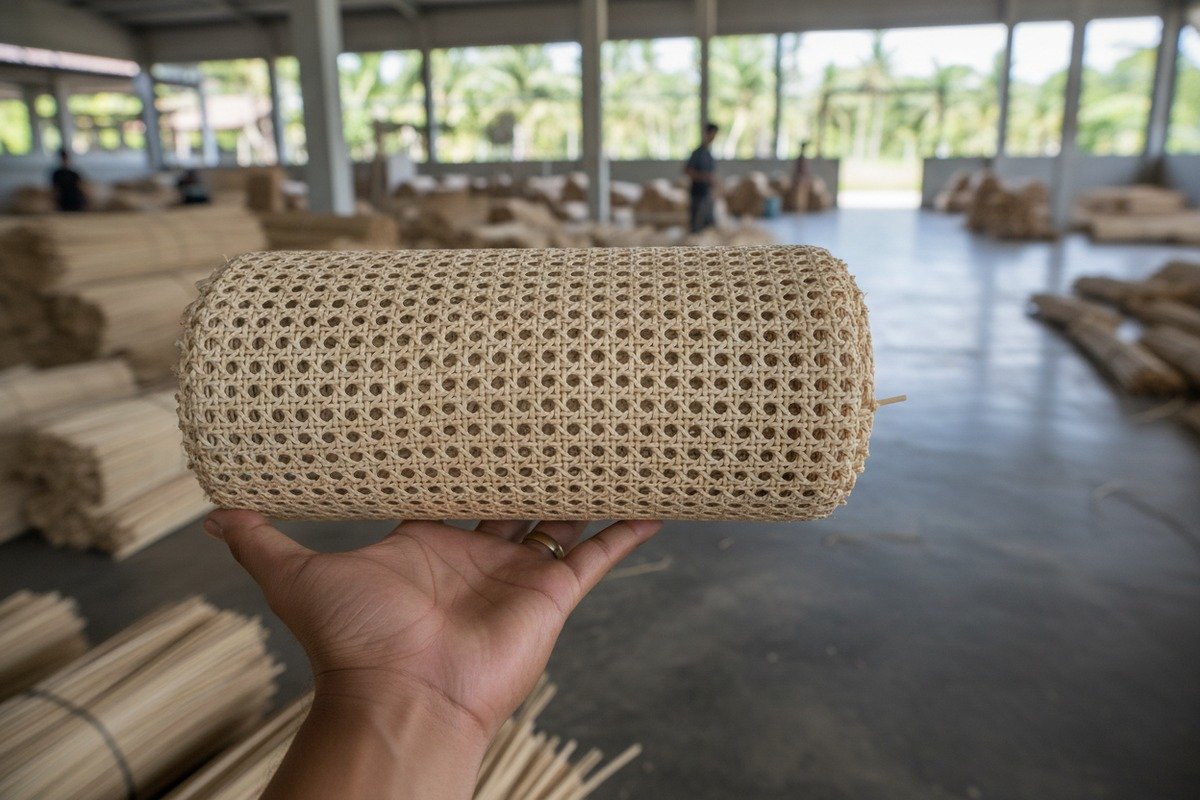
Types of Finishes and Their Effects
Not all finishes work the same way. Here is a breakdown of the most common options and their specific impacts on rattan color preservation:
| Type de finition | How It Works | Effet de couleur | Respirabilité | Durabilité | Idéal pour |
|---|---|---|---|---|---|
| Raw de l'huile de lin 7 | Penetrates fibers, moisturizes | Slightly enriches tone, slows darkening | Élevé | Needs reapplication every 3–6 months | Indoor furniture, natural look |
| L'huile de tung 8 | Penetrates and hardens | Adds slight amber warmth | Modéré | Lasts 6–12 months | Indoor premium pieces |
| Laque transparente | Forms surface film | Locks in current color | Faible | 2–5 years before recoat | Display furniture, cabinets |
| scellant résistant aux UV | Film with UV blockers | Slows fading and yellowing | Faible à modéré | 1–3 ans | Near-window or covered outdoor use |
| Polyuréthane 9 | Hard surface coating | Slight yellowing over time | Très faible | 3–7 years | High-traffic furniture |
| Beeswax | Surface coating, light | Minimal color change | Élevé | Needs monthly reapplication | Decorative panels, light use |
Oil-Based vs. Film-Forming Finishes
This is the core debate. Oil-based products like linseed oil and tung oil soak into the rattan fibers. They nourish the material from within. They keep it flexible and reduce cracking. But they do not create a barrier. Air and light still reach the surface. So the color still changes, just more slowly and more evenly.
Film-forming finishes like lacquer and polyurethane sit on top of the fibers. They create a physical shield. UV rays, moisture, and oxygen cannot reach the rattan as easily. This preserves the original color for longer. But there is a trade-off. Rattan is hygroscopic. It needs to breathe. A thick film finish traps moisture inside the fiber, which can lead to mold growth in humid climates. It can also make the rattan feel plasticky, losing that organic texture buyers love.
Our Recommendation for Wholesalers
From our production floor, we have tested dozens of combinations. For indoor furniture headed to dry climates like Spain or the Middle East, a single coat of tung oil works beautifully. For humid markets like Thailand or the Philippines, we recommend a light lacquer with UV inhibitors, applied in thin coats to maintain some breathability. For purely decorative applications, raw beeswax gives a lovely soft sheen without altering the color.
Staining as an Alternative Strategy
Some clients take a different approach entirely. Instead of preventing darkening, they accelerate it with stain. Oil-based stains like Minwax Dark Walnut can mimic the look of 10-year-old patina on fresh cane. The key is thin coats. Apply with a foam brush. Wait at least 4 hours between coats. Two coats usually achieve the desired depth. This approach is popular in the DIY and vintage furniture revival market, where buyers want that aged look immediately.
Does the quality grade of my rattan impact how its color matures over the years?
This is something we see clearly on our production lines every single day. When we sort raw rattan into grades at our Indonesia processing facility, the differences are obvious. Fiber density, bark thickness, surface smoothness — they all vary. And those physical differences directly affect how the material ages.
Yes, rattan quality grade significantly impacts color maturation. Higher-grade rattan with dense, uniform fibers and intact outer bark develops a smooth, even patina over time. Lower-grade rattan with inconsistent fiber density, surface blemishes, or thin bark tends to darken unevenly, develop spots, and show wear more quickly.
What Defines Rattan Quality Grades?
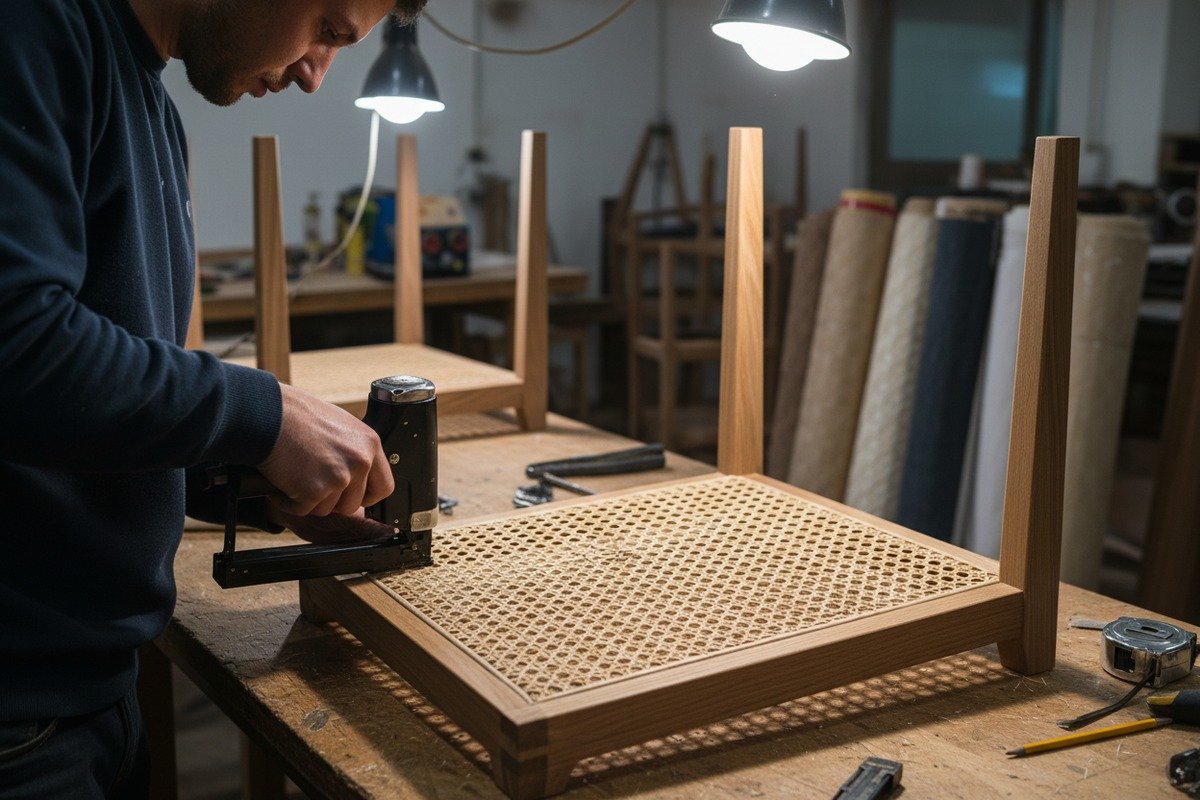
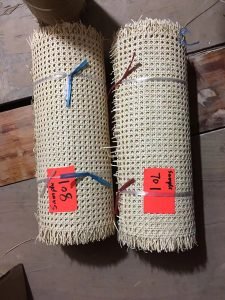
Rattan grading is not standardized across the global industry, but most experienced suppliers use a system based on several key characteristics. At our facility, we classify natural cane webbing into three main tiers. Here is what separates them:
Grade A rattan comes from mature plants, typically 7–10 years old. The outer bark is thick and uniform. The fibers are tightly packed. The surface is smooth with minimal nodes or blemishes. This grade absorbs finishes evenly and oxidizes uniformly.
Grade B rattan comes from slightly younger plants or sections with minor imperfections. There may be small knots, slight variations in fiber thickness, or minor surface scratches. It still performs well but may show uneven darkening in certain spots over time.
Grade C rattan includes material with visible defects, thin bark, loose fibers, or significant diameter variation. It is suitable for budget projects or hidden structural applications, but it does not age gracefully. Color change tends to be blotchy and unpredictable.
How Grade Affects Color Evolution
The density of rattan fibers determines how evenly oxidation occurs across the surface. Dense, tight fibers react uniformly. Loose, porous fibers react at different rates in different spots. Think of it like wood stain on plywood versus solid hardwood. The hardwood absorbs evenly. The plywood shows streaks.
Species and Origin Matter Too
Not all rattan comes from the same plant. There are over 600 species of rattan worldwide. The species most commonly used for cane webbing — primarily from Indonesia, Malaysia, and the Philippines — each have slightly different fiber compositions. Indonesian rattan from Kalimantan, for example, tends to have a slightly warmer starting tone and ages to a rich amber. Philippine rattan often starts lighter and can develop a cooler brown over time. When we source raw material for our Indonesian factory, we select specific species known for even aging characteristics.
Practical Implications for Buyers
For purchasing managers and wholesalers, the takeaway is clear. If your end customers care about how their furniture looks in 5 years, invest in Grade A. The upfront cost difference between Grade A and Grade C is typically 15–25%, but the long-term appearance and durability justify it completely. Grade A rattan tells a story as it ages. Grade C rattan just looks old.
Moisture Sensitivity by Grade
Higher-grade rattan also handles humidity better. Dense fibers absorb and release moisture more slowly. This means less expansion and contraction. Less warping. And less risk of mold-related discoloration. For clients in tropical markets like Thailand, India, or the Philippines, this is not a minor detail. It is a critical factor in product longevity and customer satisfaction.
Conclusion
Natural rattan cane webbing changes color over time. It is a normal, beautiful process driven by oxidation, sunlight, moisture, and air. Understanding these factors helps you choose the right grade, finish, and placement to get the aging result you want.
Notes de bas de page
1. Explains oxidation in organic compounds. ↩︎
2. Provides chemical composition of natural fibers. ↩︎
3. Explains the nature and function of lignin and tannins in plants. ↩︎
4. Replaced with a highly authoritative source (Britannica) providing a comprehensive definition of UV radiation. ↩︎
5. Discusses the process of photodegradation in lignin. ↩︎
6. Details the effects of UV radiation on natural and synthetic materials. ↩︎
7. Describes properties and types of linseed oil as a wood finish. ↩︎
8. Explains the properties and benefits of tung oil as a wood finish. ↩︎
9. Outlines the durability and characteristics of polyurethane finishes. ↩︎
 English
  Español de México
  العربية
  Deutsch
  Français
  Русский