
Looking for the perfect webbing solution for your restoration project? Premium rattan cane webbing offers both beauty and durability for furniture restoration.
Our close weave premium rattan cane webbing1 provides an authentic restoration solution that combines traditional craftsmanship2 with modern quality standards. Available in various grades and patterns to match original furniture designs.
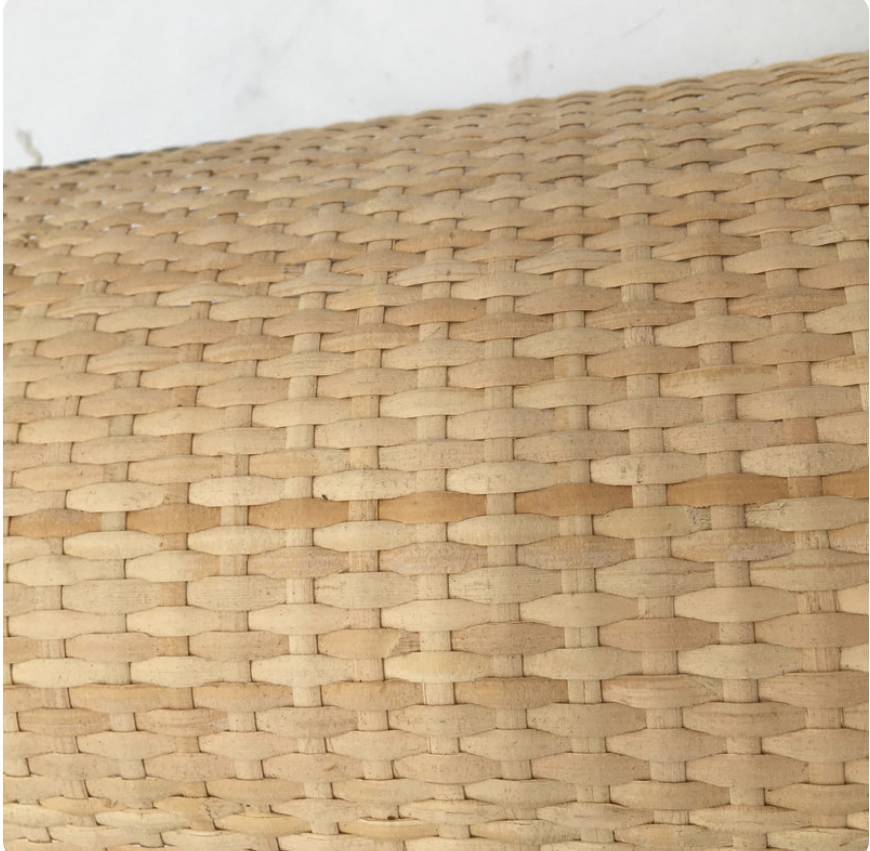
At SeaFan Rattan, we’ve specialized in rattan products since 1995. I’ve helped countless restorers and furniture makers find exactly the right webbing for their projects. Let me share my expertise.
What is the difference between rattan and cane webbing?
Confused about rattan3 versus cane terminology? Many people use these terms interchangeably without realizing they refer to different things.
Rattan is the plant material, while cane webbing refers specifically to woven sheets made from rattan’s outer bark. Premium cane webbing uses carefully processed rattan for consistent weaving patterns.
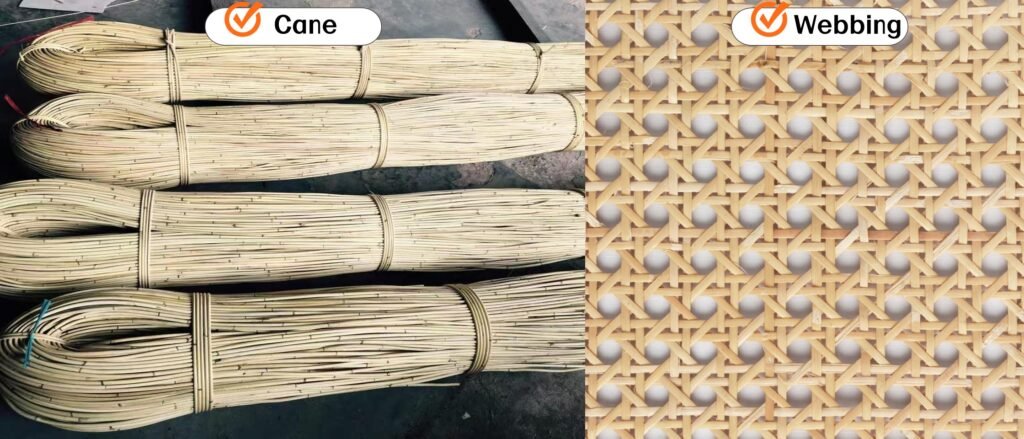
When customers ask me this question, I explain that rattan is the whole climbing palm plant that grows in tropical forests. Cane webbing is made from just the outer bark of the rattan palm. The difference is like comparing a whole tree to plywood – one is the raw material, the other is a manufactured product.
I always recommend checking the grade (A-D) when selecting cane webbing:
- Qualité A: Perfect for visible areas needing flawless appearance (most expensive)
- Qualité B: Good balance between quality and price
- Note C: Strong but may show some color variation (best value for furniture)
- Grade D: Beautiful natural look but less durable (ideal for decorative panels)
Since 2018, we’ve expanded our color options to give restorers more matching options. The market really responded well to our new selections. The government export ban in Indonesia has made natural materials more costly, but we still maintain high quality standards in all our webbing.
How to apply cane webbing?
Struggling with your webbing installation? Proper technique ensures a professional-looking finish that lasts for years.
Applying cane webbing requires careful measurement, proper soaking, and secure fastening. Our premium webbing includes detailed instructions for best results in restoration projects.
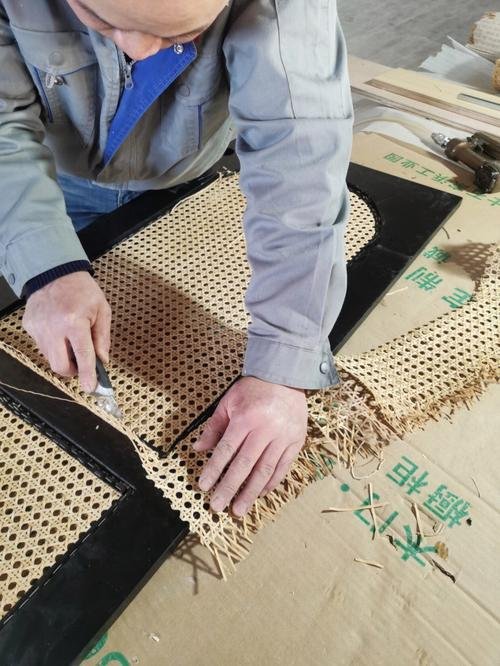
When helping customers like Jacky with his furniture factory, I always walk them through these key steps:
-
Measurement: Carefully measure your opening. Our panels can be custom-sized.
-
Preparation: Soak natural cane webbing in warm water for 30-40 minutes to make it pliable.
-
Installation: Stretch evenly in all directions as you secure with cane rivets or spline.
-
Finishing: Trim excess after drying for 24 hours.
For synthetic webbing (coming in 2025), the process is easier:
- No soaking required
- Can be installed immediately
- More forgiving in outdoor conditions
Our factory tests show the synthetic version will reduce labor time by about 80%, which helps control costs for our volume customers like Adel.
What is cane webbing made of?
Wondering about the composition of quality cane webbing4? The best products come from carefully selected rattan materials.
Premium cane webbing is made from the outer bark of rattan vines. Our products come from sustainable Indonesian sources and are graded (A-D) based on quality and appearance.
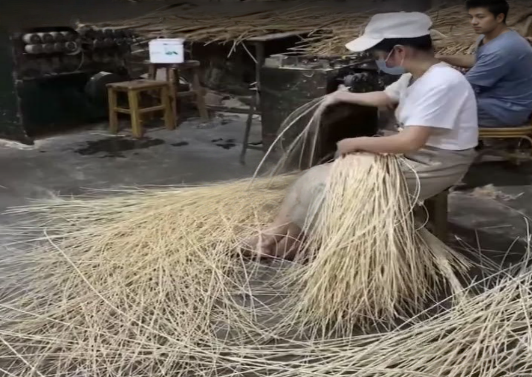
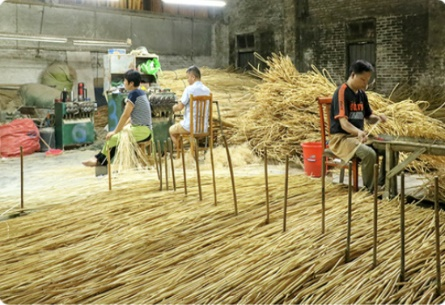
In my years working with rattan, I’ve learned that not all cane webbing is equal. Here’s what makes our product special:
Material Sources:
- 100% natural rattan from Indonesia
- Carefully selected vines aged 4-7 years
- Hand-processed to preserve fiber integrity
Manufacturing Process:
- Bark is carefully stripped from vines
- Splitting and sorting by thickness
- Traditional weaving on specialized looms
- Quality inspection and grading
Innovations:
- 2018: Launched colored webbing options
- 2020: Developed mixed-material webbing (wood/glass/aluminum)
- 2025: Introducing outdoor-rated synthetic versions
While bamboo is another option (cheaper and easier to source in China), I find rattan remains superior for restoration work because of its flexibility and traditional appearance.
How to replace cane webbing?
Dealing with sagging or broken chair seats? Proper replacement restores both function and beauty to your furniture.
Replacing cane webbing involves removing the old material, preparing the frame, and installing new webbing with proper tension. Our premium webbing ensures an authentic restoration match.
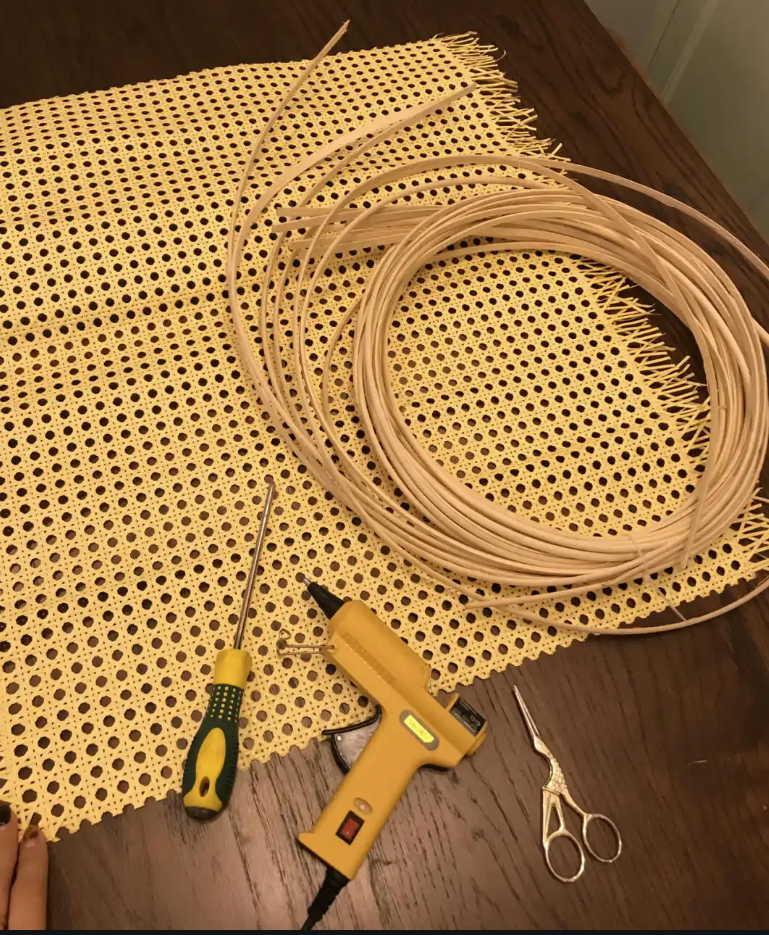
When Peter asked me about replacing webbing in his hotel’s vintage chairs, I explained our professional approach:
Removal:
- Remove old spline or fasteners
- Clean frame thoroughly
- Repair any damage to the frame
Selection:
- Choose the right grade (A-D) to match existing
- Consider pattern (we offer 20+ traditional weaves)
- Select color to match original or modernize
Installation:
- Measure opening precisely
- Soak natural webbing if needed
- Stretch evenly when securing
- Allow proper drying time
For large projects, we can provide custom-sized panels to reduce waste. Our factories maintain large stocks so we can always meet urgent replacement needs.
Conclusion
Quality rattan cane webbing is essential for professional restorations. Whether you need natural materials or innovative synthetics, we have solutions to meet your project requirements.
-
Explore this link to discover how premium rattan cane webbing enhances both aesthetics and durability in restoration projects. ↩
-
Learn about the impact of traditional craftsmanship on modern restoration methods and why it’s essential for authenticity. ↩
-
Discover the origins and characteristics of rattan, a versatile material used in various crafts and furniture. ↩
-
Explore this link to understand the unique qualities and benefits of cane webbing, enhancing your knowledge of this versatile material.

 English
  Español de México
  العربية
  Deutsch
  Français
  Русский