
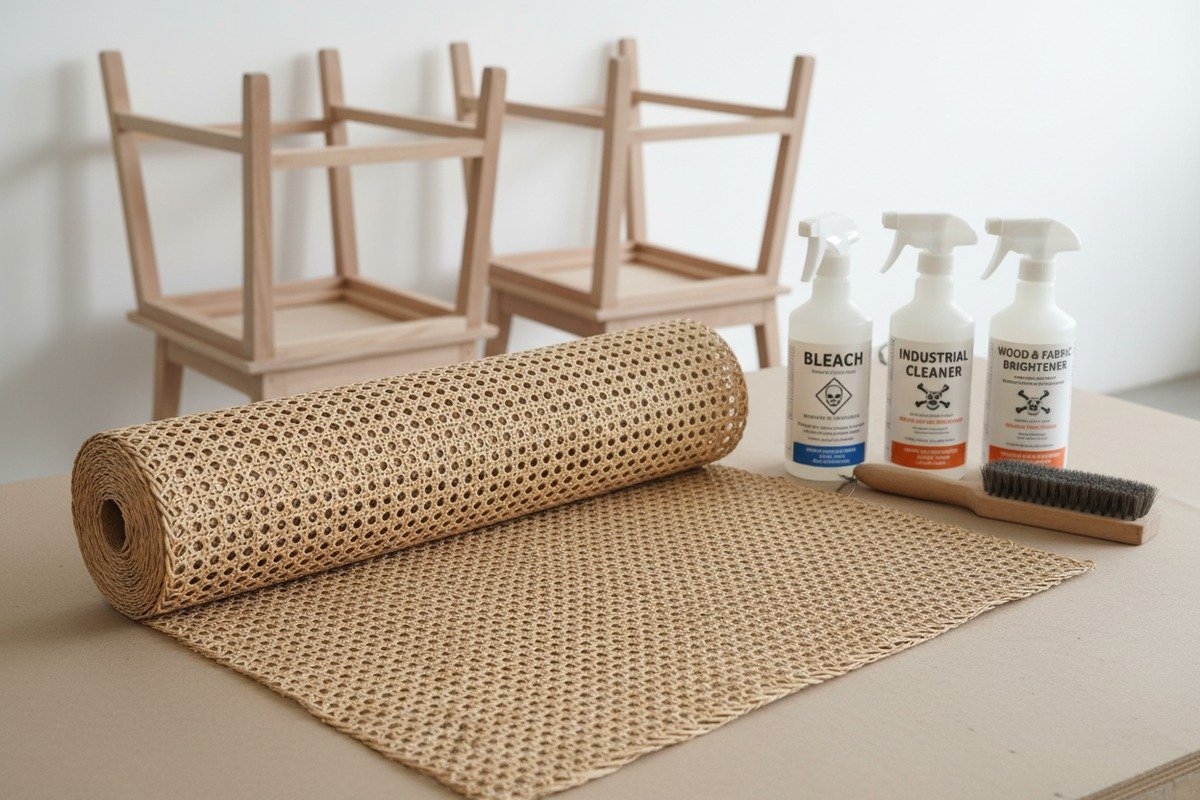
Every week, our customer service team receives messages from buyers who accidentally ruined their rattan cane webbing with the wrong cleaning product hygroscopic nature 1. One client in Australia lost an entire shipment of chair seats to bleach damage. The problem is real, costly, and completely preventable.
Harsh cleaning agents such as bleach, ammonia-based cleaners, alcohol-based sanitizers, strong acidic solutions, solvent-based products, and abrasive scrubbing tools can all permanently damage natural rattan cane webbing. These chemicals strip natural oils, break down cellulose fibers, cause discoloration, and lead to cracking or brittleness over time.
Understanding which products to avoid — and why — can save you thousands of dollars in damaged inventory and unhappy customers ethanol or isopropyl alcohol 2. Let’s break down the most common offenders one by one.
Will using bleach or ammonia-based cleaners permanently discolor my natural rattan webbing?
We have seen this scenario play out many times across our export markets — from furniture workshops in the Netherlands to wholesalers in Thailand. A client spots mold on rattan cane webbing and reaches for bleach as a quick fix. Within hours, the damage is done.
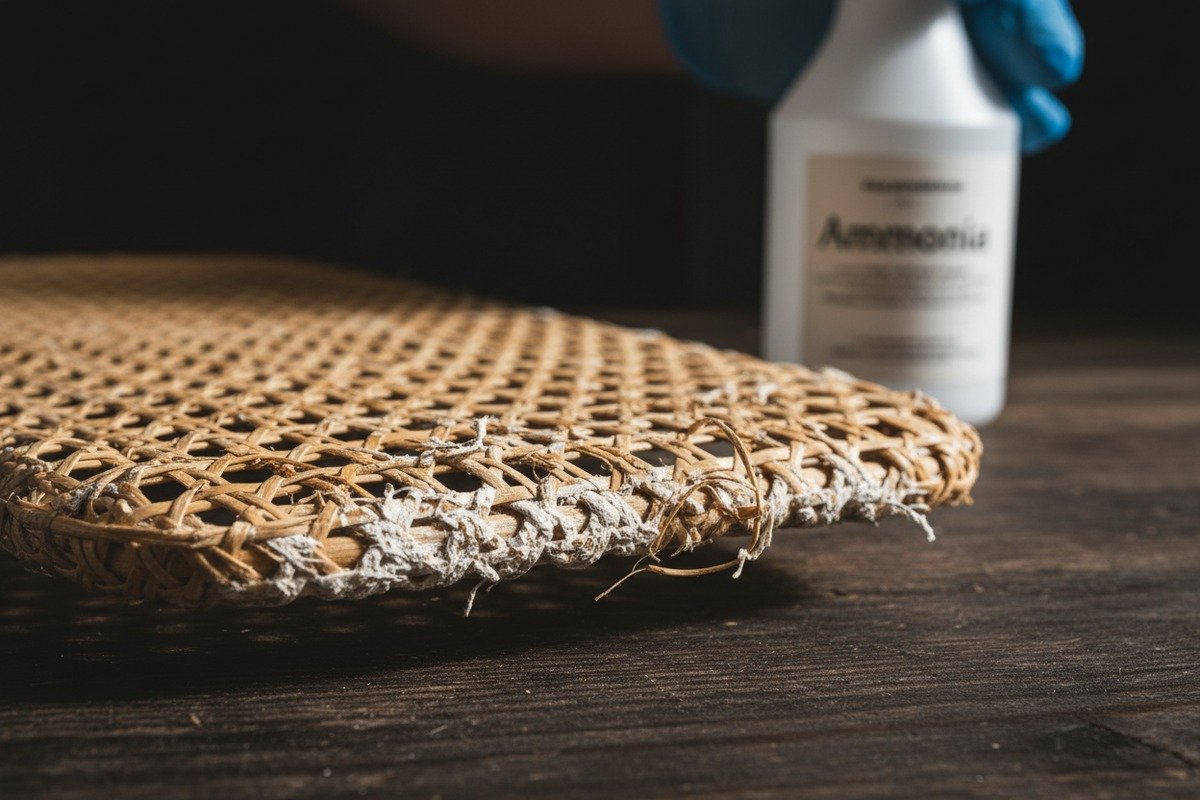
Yes, bleach and ammonia-based cleaners can permanently discolor natural rattan cane webbing. Bleach oxidizes the organic fibers, turning them white or patchy, while ammonia strips protective natural oils, leaving the material dry, faded, and prone to cracking. Both cause irreversible structural and cosmetic damage.
How Bleach Attacks Rattan Fibers
Natural rattan cane webbing 3 gets its warm, buttery tan color from organic compounds in the outer bark of rattan palms. Bleach — sodium hypochlorite 4 — is a powerful oxidizer. When it contacts rattan fibers, it breaks down these organic pigments 5 at a molecular level. The result is uneven white patches, a chalky appearance, and fiber weakening.
Some care guides actually recommend diluted bleach for killing mold on cane seats. This advice is controversial. While bleach does kill mold spores, it also degrades the cellulose structure of the rattan. Even with thorough rinsing and sun drying, residual bleach continues to weaken fibers over days and weeks. The short-term mold fix creates a long-term durability problem.
Why Ammonia Is Equally Dangerous
Ammonia-based cleaners — common in glass cleaners and multi-surface sprays — are alkaline solutions 6. They dissolve the natural oils that keep rattan pliable. Without these oils, rattan becomes dry and brittle. Cracks appear along the weave. The webbing loses its flexibility and eventually snaps under normal use.
Here is a comparison of how bleach and ammonia affect rattan differently:
| Facteur | Bleach (Sodium Hypochlorite) | Ammonia-Based Cleaners |
|---|---|---|
| Primary Damage | Oxidizes pigments, bleaches color | Strips natural oils |
| Visual Effect | White patches, uneven fading | Dull, dry appearance |
| Structural Impact | Weakens cellulose fibers 7 | Causes brittleness and cracking |
| Reversibility | Permanent discoloration | Partially reversible with oiling |
| Mold Killing Ability | Yes, but at high cost to fibers | No significant antifungal effect |
| Time to Visible Damage | Hours to days | Weeks of repeated use |
Safer Alternatives for Mold Removal
Instead of bleach, use a diluted white vinegar solution for light mold. A paste of baking soda and water works well for surface stains. After cleaning, apply a thin coat of mineral oil or linseed oil to restore moisture. This approach kills surface mold without destroying the rattan's integrity.
From our production floor in Foshan, we always advise clients: test any cleaning product on a small, hidden section first. Even "mild" commercial cleaners can contain trace amounts of bleach or ammonia.
Can common household detergents cause my rattan materials to become dry and brittle over time?
When we ship rattan cane webbing to furniture factories around the world, we include care guidelines for a reason. The most underestimated threat is not a dramatic chemical spill — it is the slow, cumulative damage from everyday household detergents used repeatedly over months.
Yes, many common household detergents cause rattan to become dry and brittle over time. Most commercial detergents contain surfactants, phosphates, and synthetic fragrances that strip the natural moisture and oils from rattan fibers. Repeated use gradually weakens the weave structure, leading to cracking, splitting, and premature aging of the cane webbing.
The Hidden Ingredients That Harm Rattan
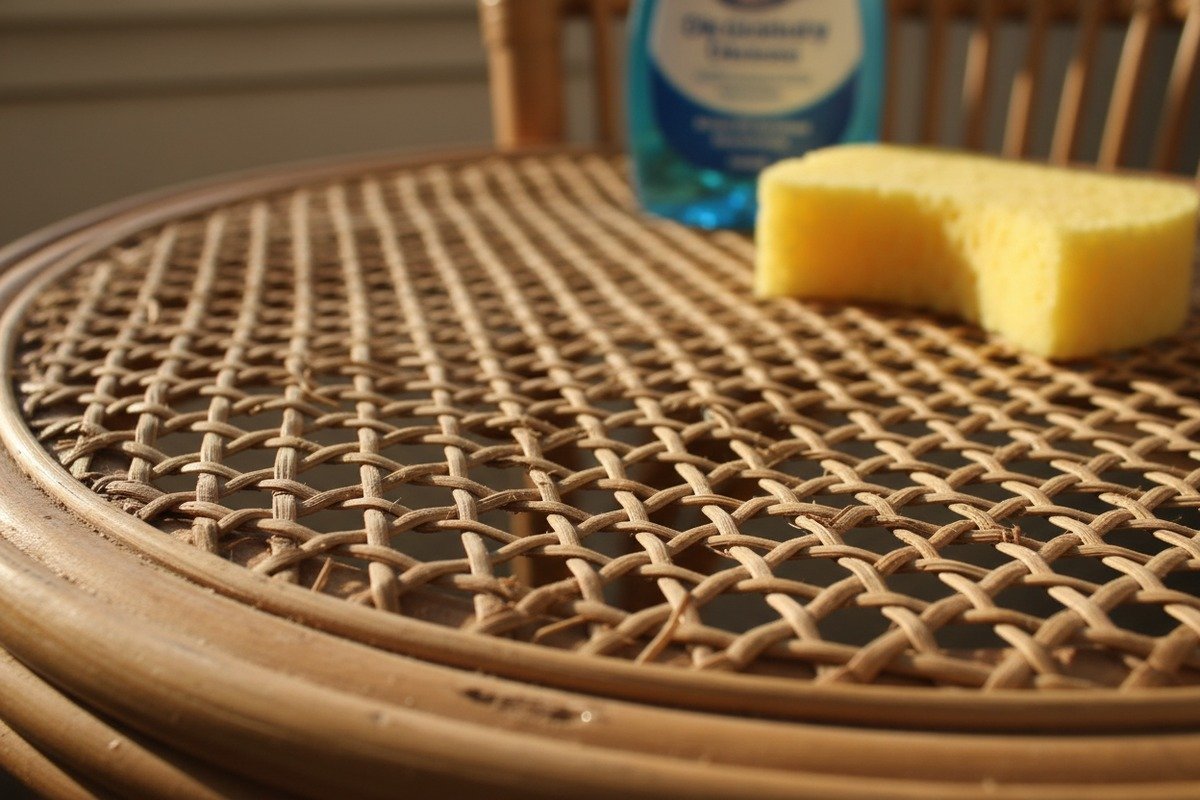
Most people assume dish soap or all-purpose cleaners are gentle enough for any surface. But rattan is not like ceramic tile or plastic. It is a natural, porous, organic material. The surfactants in detergents 8 are designed to cut grease and dissolve oils. On rattan, they do exactly that — they dissolve the natural oils that keep fibers supple and strong.
Phosphates, still present in many cleaning products, leave mineral deposits in the pores of rattan. Over time, these deposits create a white, crusty residue that is almost impossible to remove without further damaging the webbing. Synthetic fragrances and dyes can also stain lighter rattan weaves.
Understanding Rattan's Hygroscopic Nature
Rattan is hygroscopic. This means it absorbs and releases moisture from the surrounding air. This natural "breathing" keeps the material flexible. When detergents strip away surface oils, the rattan loses its ability to retain moisture. It dries out from the inside. The fibers shrink unevenly. Cracks form along stress points in the weave.
Here is what happens to rattan over multiple detergent cleaning cycles:
| Number of Cleanings | Observed Effects on Rattan |
|---|---|
| 1–3 cleanings | No visible damage; slight oil removal |
| 4–10 cleanings | Surface feels drier; minor loss of sheen |
| 11–20 cleanings | Visible dullness; early micro-cracks appear |
| 20+ cleanings | Brittle fibers; cracking at weave junctions; possible splitting |
What Detergents Are Safe?
Not all soaps are harmful. Pure, mild soap — like castile soap — diluted in lukewarm water is safe for occasional cleaning. Murphy's Oil Soap, diluted according to package instructions, is another trusted option because it cleans without stripping oils. Avoid anything labeled "heavy duty," "degreasing," or "antibacterial."
After any wet cleaning, dry the rattan immediately with a soft cloth. Never leave it wet. Then apply a light coat of linseed oil, lemon oil, or mineral oil to the underside of the webbing. This restores the moisture barrier without creating a greasy surface on top.
Our team recommends a simple maintenance schedule: dust weekly with a soft brush, wipe with a damp cloth monthly, and oil every three to six months. This routine keeps rattan cane webbing looking fresh for years without any detergent at all.
Why should I avoid applying alcohol-based sanitizers to my woven rattan furniture surfaces?
Since 2020, alcohol-based hand sanitizers have become a fixture in homes and businesses worldwide. Our clients in the hospitality sector — hotels, restaurants, cafes — started asking whether they could sanitize rattan furniture between guests. The answer surprised many of them.
Alcohol-based sanitizers rapidly dehydrate natural rattan cane webbing by evaporating moisture from the fibers. The high ethanol or isopropyl alcohol concentration dissolves natural oils and protective finishes, causing the rattan to dry out, crack, lose color, and become structurally weak after repeated application.
How Alcohol Interacts with Organic Fibers
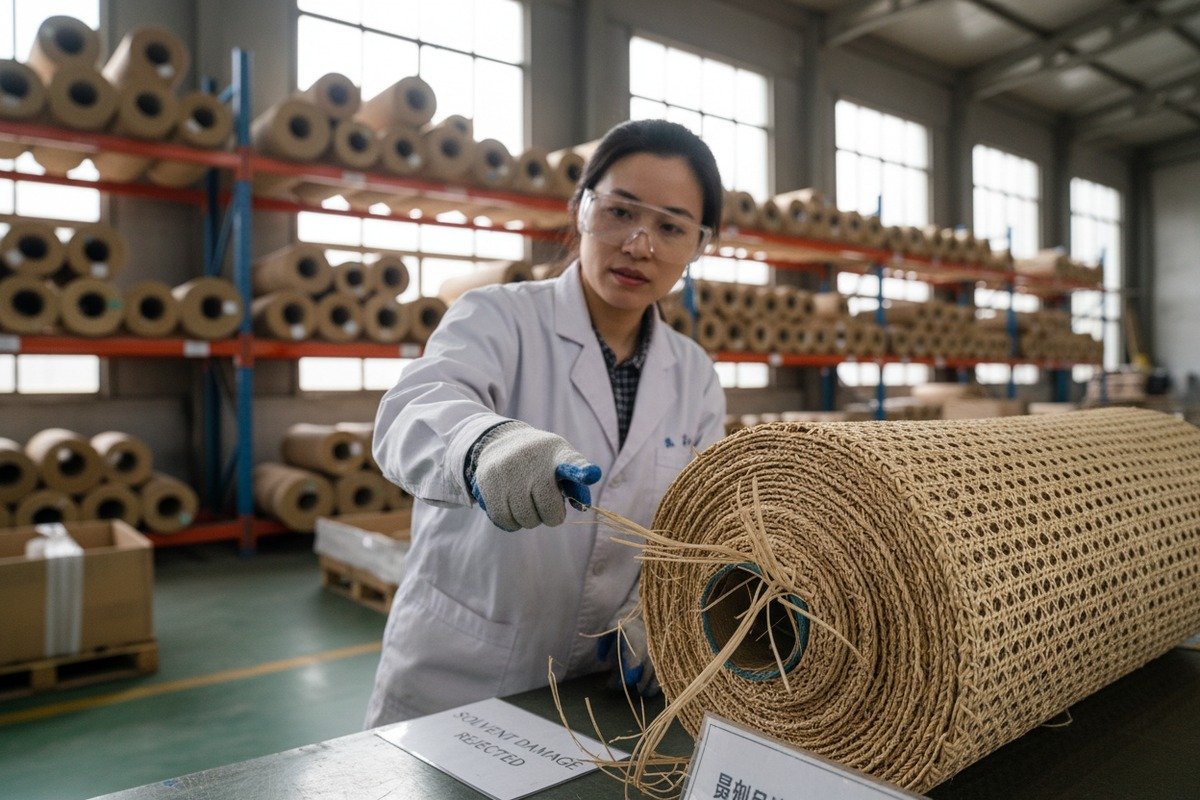
Alcohol is a powerful solvent. It evaporates quickly, and as it does, it pulls moisture out of any organic material it contacts. Rattan fibers are essentially bundles of cellulose held together by natural lignin and oils. Alcohol dissolves these binding agents. Each application removes a thin layer of protective coating from the rattan surface.
The damage is cumulative and fast. Unlike detergent damage, which takes months to become visible, alcohol-based sanitizers can cause noticeable drying and discoloration within just a few weeks of daily use.
Solvent-Based Cleaners: The Broader Category
Alcohol-based sanitizers are part of a broader category of solvent-based cleaners that are dangerous for rattan. Acetone (nail polish remover), paint thinners, and mineral spirits all fall into this group. These solvents dissolve not only natural finishes but also the glues used in furniture assembly. If your rattan webbing is glued to a frame, solvent exposure can cause the webbing to detach entirely.
Here is a risk comparison across common solvent-based products:
| Product | Alcohol Content / Solvent Type | Risk Level for Rattan | Primary Damage |
|---|---|---|---|
| Hand sanitizer gel | 60–70% ethanol | Élevé | Dehydration, oil stripping |
| Isopropyl rubbing alcohol | 70–91% isopropanol | Very High | Rapid drying, finish removal |
| Acetone (nail polish remover) | 100% acetone | Extreme | Dissolves finishes and glues |
| Paint thinner | Petroleum-based solvents | Extreme | Fiber degradation, toxic residue |
| Disinfecting wipes | Variable alcohol + surfactants | Moderate to High | Combined drying and oil stripping |
What to Use Instead for Sanitizing
For rattan furniture in commercial settings, a simple solution of mild soap and warm water applied with a soft cloth provides adequate surface cleaning. For additional disinfection, a very lightly dampened cloth with diluted white vinegar (one part vinegar to four parts water) can reduce surface bacteria without harming the rattan.
After any sanitizing step, wipe the surface dry immediately. Allow the piece to air dry in a well-ventilated area away from direct sunlight. High heat and UV exposure compound the drying effects of any cleaning agent.
From our experience supplying rattan materials to hospitality projects in the Middle East and Europe, we always recommend that clients keep alcohol-based products away from rattan surfaces entirely. A dedicated spray bottle with mild soap solution, kept near rattan furniture, is a simple and effective alternative.
How do acidic solutions like vinegar impact the long-term durability of my cane webbing products?
This is the question where things get nuanced. Across our partner factories in Indonesia and Foshan, we have seen vinegar used both as a trusted cleaning ally and, when misused, as a source of real damage. The difference comes down to concentration, frequency, and technique.
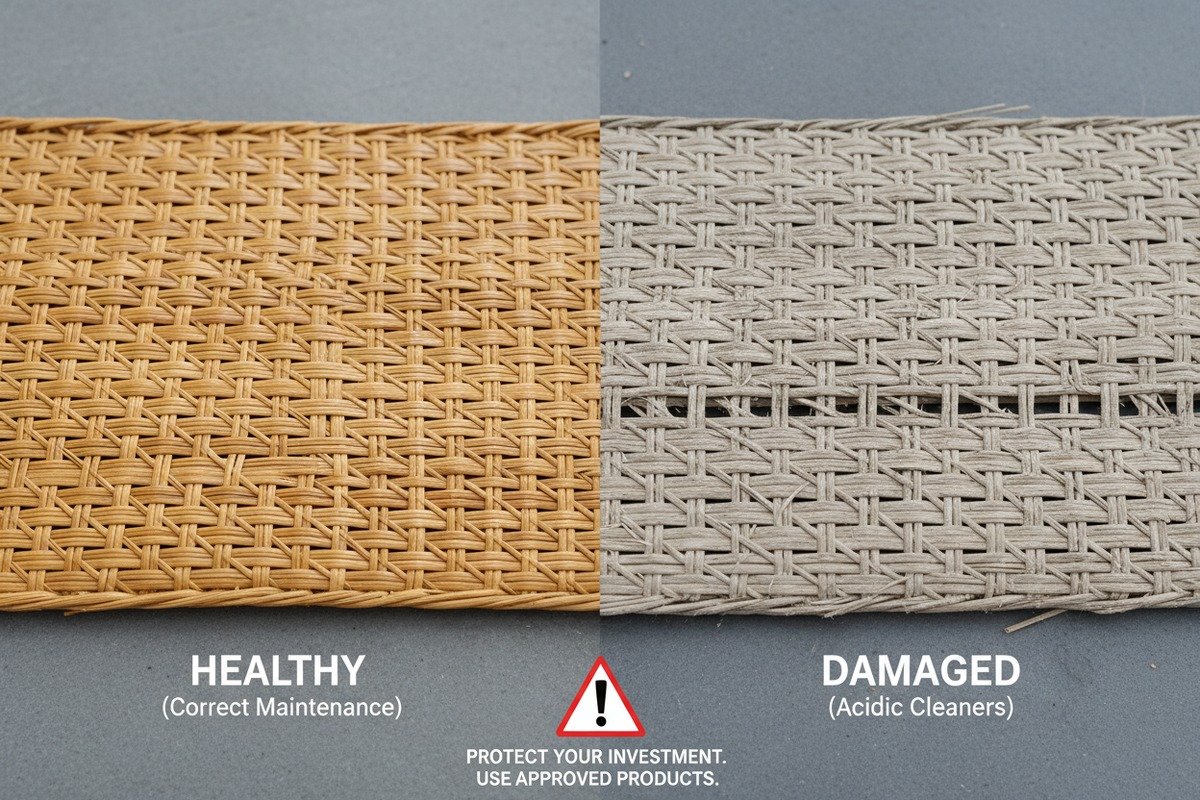
Diluted white vinegar in small amounts is generally safe for occasional rattan cleaning and mild mold removal. However, strong or undiluted acidic solutions — including concentrated vinegar, citric acid cleaners, and other acidic household products — can degrade the cellulose structure of rattan over time, weakening fibers and dulling the natural finish.
The Science of Acid on Cellulose
Rattan is primarily composed of cellulose, the same structural compound found in wood and cotton. Cellulose is sensitive to pH extremes. Strong acids break the long cellulose chains into shorter fragments through a process called acid hydrolysis 9. This weakens the fiber at a molecular level. The rattan becomes soft, mushy, or powdery depending on the severity.
Diluted white vinegar (typically 5% acetic acid mixed with water at a 1:4 ratio) has a mild enough pH to clean without triggering significant hydrolysis. But if you use vinegar at full strength, or if you use it repeatedly on the same area, the cumulative acid exposure will degrade the fibers.
When Vinegar Works and When It Doesn't
Vinegar is effective for light surface mold, mild stains, and general freshening. It is not effective — and should not be used — for deep mold penetration, heavy staining, or as a regular weekly cleaner. Think of diluted vinegar as a tool for occasional, targeted use only.
Other acidic products to avoid entirely include:
- Citric acid cleaners — Often marketed as "natural" cleaners, these have a lower pH than vinegar and can damage rattan faster.
- Toilet bowl cleaners — Contain hydrochloric acid; extremely destructive to any natural fiber.
- Rust removers — Often phosphoric or oxalic acid-based; will dissolve rattan fibers on contact.
- Lemon juice (concentrated) — While mild in small amounts, repeated use can bleach and weaken rattan.
Safe Acidic Cleaning Protocol
If you choose to use vinegar, follow this protocol to minimize risk:
- Mix one part white vinegar with four parts lukewarm water.
- Dip a soft cotton cloth in the solution and wring it out thoroughly.
- Wipe the affected area gently. Do not scrub.
- Immediately wipe down with a clean, damp cloth (water only) to remove vinegar residue.
- Dry the rattan completely with a soft towel.
- Apply a thin layer of mineral oil or linseed oil once dry.
Never spray vinegar directly onto rattan. Never let vinegar solution sit on the surface for more than a few seconds. And never use vinegar on rattan that has already been damaged, cracked, or dried out — the acid will accelerate deterioration.
Comparing Acidic Cleaners by Risk Level
| Acidic Solution | Approximate pH | Safe for Rattan? | Notes |
|---|---|---|---|
| Diluted white vinegar (1:4) | ~3.5–4.0 | Yes, occasional use | Rinse immediately; oil afterward |
| Undiluted white vinegar | ~2.5 | No | Too acidic for repeated use |
| Lemon juice (fresh) | ~2.0–2.5 | No | Can bleach and weaken fibers |
| Citric acid cleaner | ~2.0–3.0 | No | Rapid cellulose degradation |
| Toilet bowl cleaner | ~1.0–2.0 | Absolutely not | Destroys fibers on contact |
The key takeaway from our years of working with natural rattan is that pH matters enormously. Rattan thrives in a neutral to slightly acidic range. Anything below pH 3.0 starts causing real damage. Anything above pH 10.0 (like ammonia or bleach) is equally harmful. Keep your cleaning products in the safe middle ground, and your rattan cane webbing will maintain its beauty and strength for years.
Conclusion
Protecting natural rattan cane webbing starts with knowing which cleaning agents to avoid. Stick to mild soap, diluted vinegar, and natural oils. Your rattan will reward you with lasting beauty and durability.
Notes de bas de page
1. Defines hygroscopy as the phenomenon of attracting and holding water molecules. ↩︎
2. Compares the chemical properties and solvent actions of ethanol and isopropyl alcohol. ↩︎
3. Defines rattan cane webbing in the context of furniture. ↩︎
4. Authoritative source for chemical properties and uses of sodium hypochlorite. ↩︎
5. Explains organic pigments, such as carotenoids, found in plants. ↩︎
6. Defines alkali and describes properties of alkaline solutions in chemistry. ↩︎
7. Explains the structure and properties of cellulose fibers. ↩︎
8. Replaced HTTP 404 link with an authoritative Wikipedia page on surfactants, which includes their use in detergents. ↩︎
9. Explains the chemical process of hydrolysis for breaking down macromolecules. ↩︎

 English
  Español de México
  العربية
  Deutsch
  Français
  Русский