
Материал ротанг: Вечное натуральное волокно для современной жизни
Что такое ротанг?
Rattan это натуральная лиановидная пальма, в основном произрастающая в тропических регионах Азии, Африки и Австралии. Известный своей прочностью, гибкостью и природной красотой, материал ротанга веками использовался для создания мебели, корзин и декоративных предметов. Сегодня это один из самых экологичных материалов, используемых в экологически чистом дизайне мебели.
Почему материал ротанга набирает популярность
В эпоху, ориентированную на устойчивость и естественную эстетику, ротанг переживает огромное возрождение. Владельцы домов, дизайнеры и экологически сознательные потребители любят ротанг за его органичную текстуру, легкую структуру и возобновляемые качества. Будь то в современных домах или на открытых патио, ротанг легко сочетает элегантность с экологичностью.
Происхождение и история ротанга
Ротанг веками использовался в традиционных ремеслах. Зародившись в Юго-Восточной Азии, особенно в Индонезии, Малайзии и на Филиппинах, он стал основным материалом для плетения и изготовления мебели. В колониальную эпоху ротанговая мебель получила мировое признание благодаря своей долговечности и тропическому очарованию.
Ротанг в древнем ремесле
Древние мастера использовали ротанг для изготовления корзин, циновок и даже оружия благодаря его прочности и гибкости. Его способность сгибаться без поломки делала его идеальным для замысловатых узоров.
Глобальное распространение и культурное значение
С расширением торговли изделия из ротанга распространились в Европе и Америке, став символом экзотической элегантности. Сегодня ротанг — это не просто материал, это воплощение мастерства, природы и культурного наследия.
Типы ротанга
Натуральный ротанг
Натуральный ротанг получают из вьющейся пальмы. Он долговечен, прочен и биоразлагаем. Каждый стебель срезают, сушат и придают ему форму мебели или декора.
Синтетический ротанг (ПЭ-ротанг или смоляной ротанг)
Синтетический ротанг изготавливается из полиэтилена или смолы, разработан для имитации натурального ротанга, но с повышенной устойчивостью к погодным условиям. Он идеально подходит для уличной мебели, так как устойчив к ультрафиолетовым лучам и дождю.
Различия между натуральным и синтетическим ротангом
| Характеристика | Натуральный ротанг | Синтетический ротанг |
|---|---|---|
| Происхождение | Растительного происхождения | Искусственный (пластиковая смола) |
| Долговечность | Чувствителен к погодным условиям | Высокая долговечность на открытом воздухе |
| Текстура | Органический и теплый | Гладкий и однородный |
| Уход | Требует ухода | Легко чистить |
Ротанг против бамбука: понимание разницы
Хотя ротанг и бамбук выглядят похоже, это не одно и то же. Бамбук полый и жесткий, а ротанг — сплошной и гибкий. Это делает ротанг идеальным для плетения мебели, тогда как бамбук часто используется для строительства или декора.
Структура и рост
Ротанг растет как лиана, обвивающая деревья, а бамбук растет прямо как стебель. Их различная структура определяет их уникальное применение в дизайне и производстве.
Гибкость и использование
Ротанг легко гнется без растрескивания, что делает его идеальным для создания изгибов и петель в мебели. Бамбук, с другой стороны, больше подходит для прямых конструкций и каркасов.
Как собирают ротанг
Сбор ротанга обычно производится вручную в тропических лесах. Лозы срезают, очищают и сушат на солнце перед обработкой. Правильный сбор урожая гарантирует регенерацию растения, способствуя сохранению лесов.
Практики устойчивого сбора урожая
Ответственное снабжение фокусируется на недопущении чрезмерного сбора урожая и поддержании баланса лесов. Индонезия лидирует в устойчивом выращивании ротанга, обеспечивая экологически чистую торговлю.
Свойства материала ротанга
- Прочный и гибкий: Легко принимает форму, но остается прочным.
- Легкий: Легко перемещать и транспортировать.
- Экологичность: 100% возобновляемый и биоразлагаемый.
- Эстетика: Теплые, натуральные тона, которые сочетаются с любым стилем декора.
Применение материала ротанга
Мебель из ротанга
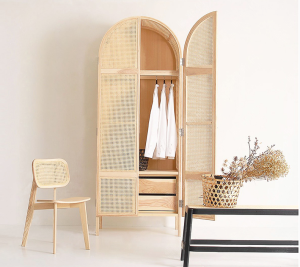
От стульев и диванов до каркасов кроватей и обеденных гарнитуров, мебель из ротанга придает любому пространству уютный тропический шарм.
Декор и аксессуары для дома
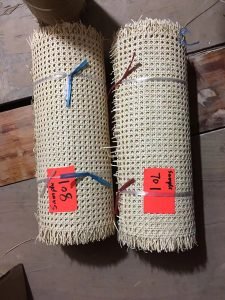
Зеркала из ротанга, абажуры, настенные панели и корзины украсят интерьер естественной красотой.
Ремесла и корзины
Традиционные плетеные корзины и подносы демонстрируют мастерство и навыки плетения из ротанга.
Ротанг в современном дизайне интерьера
Ротанг стал излюбленным материалом в богемном, прибрежном и минималистичном дизайне интерьера. Его натуральные оттенки прекрасно сочетаются с белыми стенами, зеленью и мягкими тканями.
Богемный и тропический стили
Ротанг привносит землистые текстуры и непринужденную атмосферу в интерьеры в стиле бохо.
Минималистичный и эко-шик декор
В современном минимализме ротанг добавляет теплоту и текстуру, не нарушая простоту дизайна.
Преимущества материала ротанга
- Экологически устойчивый
- Легкий и простой в обращении
- Долговечный при правильном уходе
- Доступный по цене по сравнению с твердыми породами дерева
- Универсальный для использования как внутри, так и снаружи помещений
Недостатки материала ротанга
- Не подходит для постоянного воздействия влаги
- Требует регулярной чистки
- Может выцветать под прямыми солнечными лучами
- Натуральные волокна со временем могут стать хрупкими
Уход за изделиями из ротанга
Советы по чистке
Для удаления пыли используйте мягкую щетку или пылесос. Протрите влажной тканью с мягким мыльным раствором. Избегайте замачивания материала.
Хранение и уход
Храните мебель из ротанга в сухих помещениях и накрывайте ее, когда она не используется на улице. Наносите мебельное масло для поддержания гибкости и предотвращения растрескивания.
Ротанг для наружного и внутреннего использования
Наружное использование
Для патио и садов идеально подходит синтетический ротанг благодаря его устойчивости к погодным условиям.
Использование в помещении
Натуральный ротанг подходит для гостиных, спален и зимних садов, создавая тепло и расслабленную атмосферу.
Будущее индустрии ротанга
Поскольку устойчивое развитие становится глобальной тенденцией, ротанг лидирует в области экологически чистого дизайна. Дизайнеры экспериментируют с современными стилями, сочетая ротанг с металлом и стеклом для придания современного вида.
Где купить качественные изделия из ротанга
Ищите проверенных местных мастеров или проверенные онлайн-магазины, специализирующиеся на изделиях ручной работы. Проверьте подлинность, потрогав текстуру — настоящий ротанг теплый, неровный и органичный.
Заключение
Материал ротанга — это не просто модный тренд, это выбор образа жизни, который связывает современную жизнь с природой. Его экологичность, элегантный внешний вид и универсальность делают его вечной классикой. Будь то натуральный или синтетический, ротанг продолжает формировать устойчивый дизайн для будущих поколений.
Часто задаваемые вопросы
1. Прочная ли мебель из ротанга?
Да, ротанг прочный и долговечный, особенно при правильном уходе и вдали от избыточной влаги.
2. Можно ли использовать мебель из ротанга на улице?
Синтетический (ПЭ) ротанг идеально подходит для использования на улице, в то время как натуральный ротанг следует хранить в помещении или в крытых помещениях.
3. Как чистить мебель из ротанга?
Аккуратно протрите влажной тканью с мягким мылом и регулярно удаляйте пыль пылесосом или щеткой.
4. Является ли ротанг экологически чистым материалом?
Абсолютно. Это возобновляемый, биоразлагаемый и устойчивый природный ресурс.
5. В чем разница между ротангом и плетением?
Ротанг — это материал, а плетение относится к технике плетения, используемой для изготовления мебели и декора.
 English
  Español de México
  العربية
  Deutsch
  Français
  Русский