
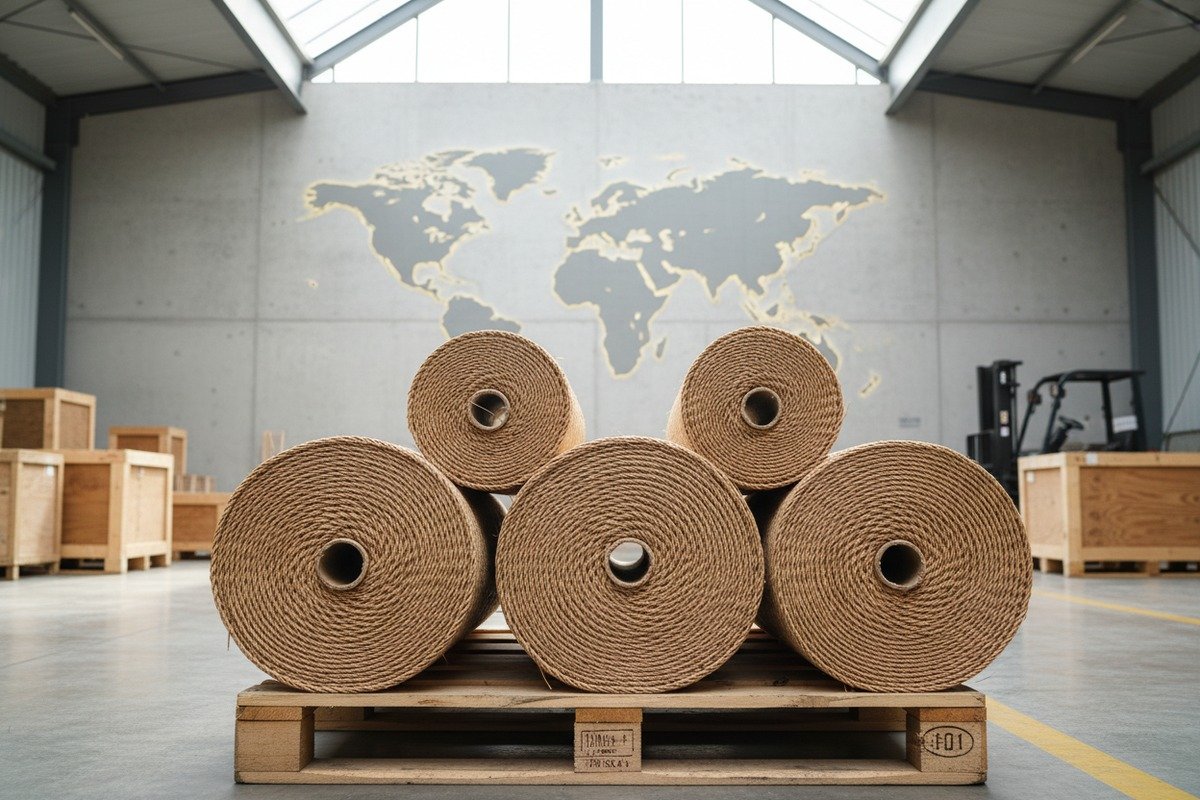
Каждую неделю наш отдел продаж получает десятки запросов от мебельных фабрик с одним и тем же важным вопросом: где нам закупать ротанговую циновку? натурального ротангового плетения 1 Ответ имеет большее значение, чем большинство покупателей осознают. Выбор неправильного региона может означать хрупкий материал, неравномерный цвет и пустые производственные циклы.
Основными регионами поставок натуральной ротанговой циновки являются Юго-Восточная Азия — во главе с Индонезией, которая поставляет примерно 80–90% мирового сырого ротанга, за ней следуют Вьетнам, Малайзия и Филиппины. Китай служит крупным центром переработки и производства, часто используя индонезийское сырье.
В этом руководстве мы подробно рассмотрим каждый основной регион поставок, сравним качество и цены, а также поделимся тем, что мы узнали за годы работы фабрик по обе стороны цепочки поставок. Давайте вместе разберем детали.
Где я могу найти натуральную ротанговую циновку высочайшего качества для моей мебельной фабрики?
Найти по-настоящему премиальный ротанговой тесьмы 2 сложнее, чем кажется. Мы более десяти лет строили отношения с поставщиками по всей Юго-Восточной Азии, и разрыв между "Классом А" на бумаге и Классом А на практике может быть огромным.
Высококачественная натуральная ротанговая сетка поступает из тропических лесов Индонезии, где пальмы ротанга растут полными, крепкими и гибкими. Индонезийский ротанг класса AAA отличается однородным цветом, превосходной долговечностью и сроком службы более пяти лет, что делает его лучшим выбором для требовательных мебельных фабрик.
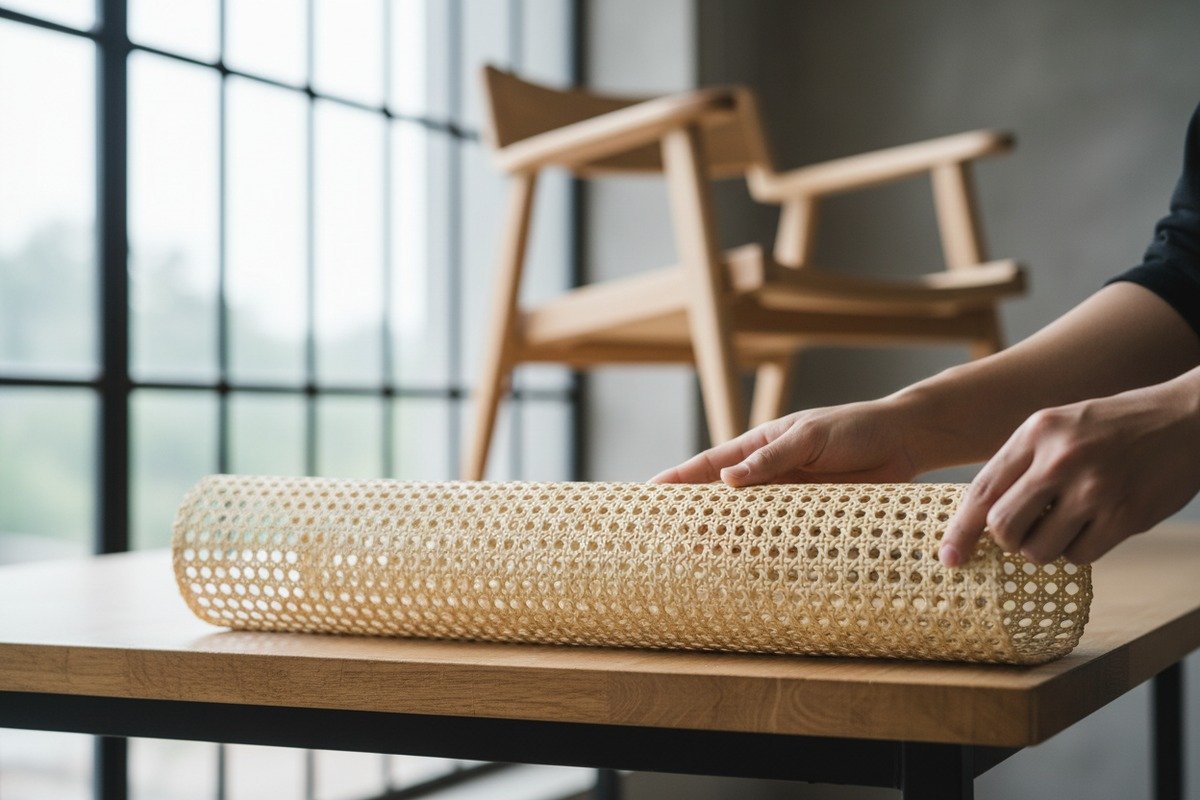
Понимание классов качества ротанга
Не вся ротанговая циновка одинакова. Система классификации отражает различия в гибкости, равномерности цвета, предел прочности на растяжение 3, и отделке поверхности. Вот что обычно означает каждый класс для производителя мебели:
| Сорт | Гибкость | Однородность цвета | Срок службы | Лучшее применение |
|---|---|---|---|---|
| AAA (Премиум) | Отличный – гнется без трещин | Очень равномерный, светло-золотистый тон | 5+ лет | Мебель высокого класса, роскошные шкафы |
| AA (Стандарт) | Хороший – легкая жесткость по краям | Незначительные вариации цвета | 3–5 лет | Стулья среднего класса, изголовья кроватей |
| A (Эконом) | Достаточный – может трескаться при сильных изгибах | Noticeable color patches | 2–3 года | Budget furniture, DIY projects |
| B (Low) | Poor – brittle in dry conditions | Significant variation | 1–2 года | Disposable décor, short-term use |
When our Indonesian processing facility receives raw cane, we sort every batch by hand before peeling. This step alone eliminates roughly 15% of incoming material. Many suppliers skip it to save cost, and that is exactly where quality problems begin.
What Makes Indonesian Rattan Superior?
Indonesia's tropical rainforests provide the ideal growing conditions for ротанговых пальм 4: consistent humidity, rich soil, and canopy support for climbing. The result is cane with thicker outer bark, tighter fiber structure, and a natural golden color that requires minimal bleaching.
We have tested rattan from multiple origins side by side. Indonesian cane consistently outperforms on three metrics: bend radius before fracture, surface smoothness after peeling, and color retention after six months of indoor use. These are not marketing claims—they are production floor observations.
Key Weaving Patterns and Their Quality Demands
Different weave patterns place different stress on the raw material. Open hexagonal weave, for example, requires very flexible strands because each piece must curve through six contact points. A dense diamond weave is more forgiving. Here is a quick reference:
- Open hexagonal (classic cane): Demands AAA-grade flexibility.
- Fine 1/2-inch octagonal: Требуется AA или выше для плотных, однородных плетеных изделий.
- Плотное плетение "корзинка": Работает с классом AA; прощает небольшие отклонения в цвете.
- Открытая квадратная сетка: Подходит для класса A; меньшее количество точек изгиба снижает риск поломки.
Если ваша фабрика производит элитные стулья или панели для шкафов, закупка чего-либо ниже класса AA — это ложная экономия. Процент брака в процессе производства съест любую экономию на стоимости сырья.
Советы по проверке качества перед заказом
Прежде чем оформлять крупный заказ, запросите образцы рулонов как минимум из двух разных производственных партий. Обратите внимание на следующие тревожные признаки: неравномерная ширина нитей, темные пятна, указывающие на воздействие плесени, и хрупкие края, которые ломаются при сгибании на 180 градусов. На наших предприятиях мы предоставляем видеоинспекцию конкретной партии перед отгрузкой — практика, которую должны требовать все больше покупателей от любого поставщика.
Why should I source my rattan materials from Indonesia versus other Southeast Asian countries?
Наша команда годами напрямую работала с сборщиками ротанга в Индонезии. Когда клиенты спрашивают нас, почему мы построили собственный перерабатывающий завод там, а не во Вьетнаме или на Филиппинах, ответ всегда сводится к надежности поставок и качеству сырья.
Индонезия должна быть вашим основным источником ротанга, поскольку она контролирует 80–90% мировых поставок необработанного ротанга, обладает самой развитой инфраструктурой для сбора урожая и производит тростник превосходной гибкости и цвета. Хотя Вьетнам и Филиппины предлагают жизнеспособные альтернативы, ни одна из них не может сравниться с Индонезией по объему, стабильности или разнообразию видов ротанга.

Доминирующее положение Индонезии в цифрах
Индонезия — не просто крупный игрок, это рынок. Тропические леса страны содержат более 300 видов ротанга, а ее сообщества сборщиков накопили многолетний опыт в отборе зрелых стеблей на правильной стадии роста. Это важно, потому что слишком ранний сбор дает слабые, тонкие стебли, а слишком поздний — жесткие, трудно очищаемые стебли.
Сравнение стран Юго-Восточной Азии по источникам сырья
Каждый регион вносит свой вклад в общую картину, обладая как сильными, так и слабыми сторонами. Вот честное сравнение, основанное на нашем прямом опыте работы с поставщиками:
| Фактор | Индонезия | Вьетнам | Филиппины | Малайзия |
|---|---|---|---|---|
| Доля в глобальных поставках сырья | 80–90% | 5–8% | 2–4% | 1–3% |
| Толщина и гибкость тростника | Отличная | Хорошая | Хорошая | Умеренная |
| Перерабатывающая инфраструктура | Зрелый | Быстро растет | Ограничено | Ограничено |
| Стоимость рабочей силы | Низкая–умеренная | Низкий | Умеренная | Выше |
| Экспортные правила | Строгие в отношении сырья; поощряют переработанную продукцию | Меньше ограничений | Переменный | Переменный |
| Переработка с добавленной стоимостью | Быстро расширяется | Сильные позиции в готовой продукции | Развивающийся | Минимальный |
| Видовое разнообразие | 300+ видов | 30–40 видов | 50–60 видов | 20–30 видов |
Фактор экспортной политики Индонезии
Одна критическая деталь, которую многие покупатели упускают из виду: Индонезия постепенно ввела ограничения экспорт необработанного ротанга 5 для стимулирования внутренней переработки с добавленной стоимостью. Эта политика, впервые введенная в 2011 году и усиленная в последующие годы, означает, что покупка необработанного ротанга непосредственно из Индонезии для переработки в других местах стала более сложной и дорогой.
Для нас это стало катализатором инвестиций в наш собственный перерабатывающий завод в Индонезии. Очищая, сортируя и плетя на месте, мы соблюдаем местные нормы и получаем лучший материал до его порчи во время длительной транспортировки в виде необработанного тростника.
Вьетнам: растущая альтернатива
Вьетнам заслуживает особого внимания. Его сектор переработки ротанга значительно вырос, особенно в отношении готовых плетеных изделий. Вьетнамские производители часто импортируют необработанный индонезийский ротанг, перерабатывают его на месте и экспортируют готовую тесьму по конкурентоспособным ценам. Качество может быть очень хорошим, но дополнительный этап обработки вносит риск. Каждая точка передачи — от индонезийского леса до вьетнамской фабрики и вашего склада — увеличивает вероятность повреждения влагой, загрязнения или несоответствия сортности.
Когда другие страны имеют смысл
Филиппины производят ротанг превосходного качества из определенных регионов, таких как Минданао и Палаван. Если ваша линейка продуктов требует необычных видов или очень толстого тростника для конструкционных применений, филиппинские поставщики могут заполнить эту нишу. Малайзия поставляет меньшие объемы, но иногда предлагает специальные сорта ротанга, которые не так широко доступны в других местах.
Итог: для стандартной тесьмы из ротанга в коммерческих объемах Индонезия остается самым надежным вариантом с точки зрения качества, стабильности поставок и стоимости.
Сноски
1. Объясняет, что такое тростниковая оплетка, ее производство и использование в мебели. ↩︎
2. Научный фон свойств и обработки ротанга. ↩︎
3. Определяет предел прочности на растяжение как максимальную нагрузку материала перед разрушением при растяжении. ↩︎
4. Предоставляет подробную информацию о таксономии, биологии и экологии ротанга как лазающих пальм. ↩︎
5. Исследование влияния экспортных ограничений Индонезии на ротанг. ↩︎
 English
  Español de México
  العربية
  Deutsch
  Français
  Русский