
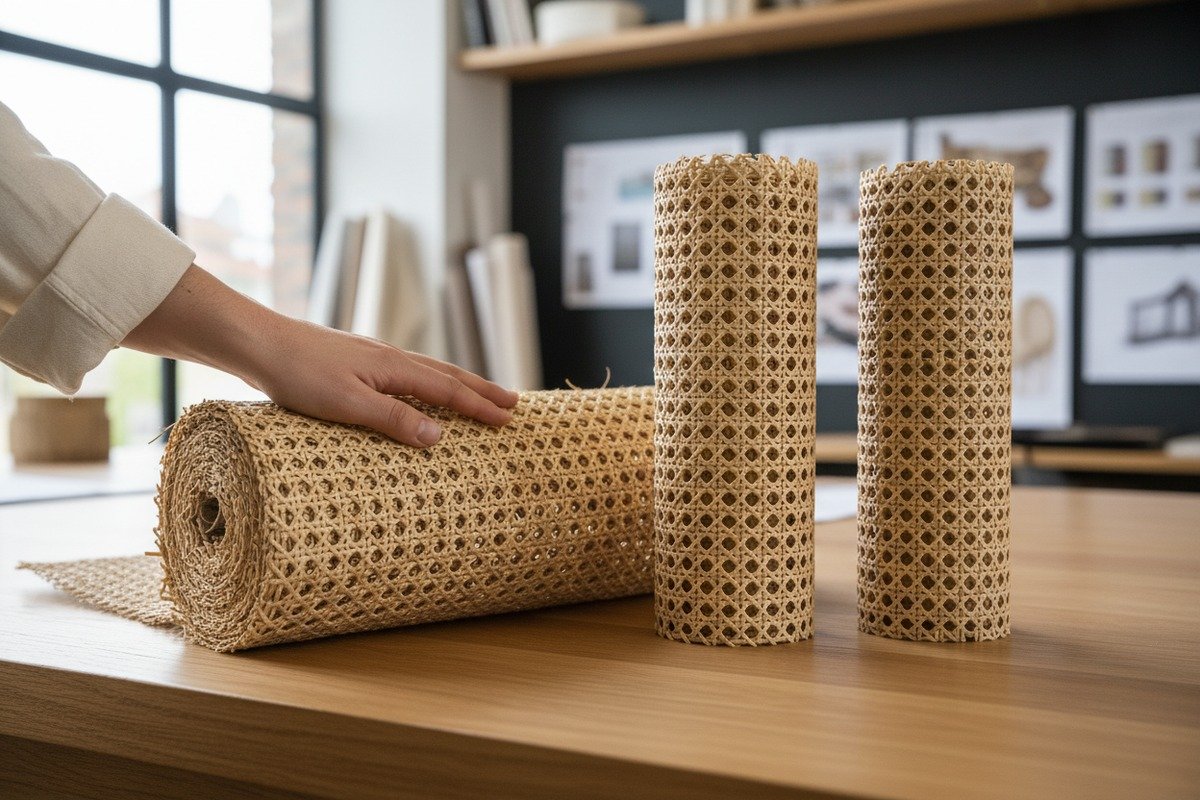
Каждую неделю наша команда продаж получает десятки звонков от мебельных фабрик, которые не знают, какой ротанговый шпон заказать. тропические пальмы ротанга 1. Неправильный выбор может привести к треснувшим сиденьям, выцветшей отделке или недовольным конечным потребителям. Это дорогостоящая ошибка, которая продолжает повторяться.
Натуральная ротанговая сетка изготавливается из внешней коры тропических ротанговых пальм и предлагает аутентичную текстуру с органическим теплом, но лучше всего подходит для использования внутри помещений. Синтетическая ротанговая сетка изготавливается из пластиков PE или PP, обеспечивая превосходную устойчивость к атмосферным воздействиям, УФ-стабильность и простоту в уходе для наружного применения.
В этой статье мы подробно рассмотрим реальные различия между натуральным и синтетическим ротанговая сетка 2. Мы рассмотрим выбор материала, долговечность, стоимость и эстетику, чтобы вы могли принять правильное решение для своего бизнеса.
Как выбрать между натуральным и синтетическим ротангом для моей мебельной фабрики?
Управление тремя фабриками и работа с более чем 30 партнерскими мастерскими в Фошане ясно научили нашу команду одному: правильный материал зависит от того, где окажется мебель. УФ-стабильность 3. Слишком многие владельцы фабрик выбирают ротанг только по цене, и позже они платят за это возвратами и жалобами.
Выбирайте натуральное ротанговое плетение для элитной мебели для помещений, где наиболее важна аутентичная эстетика. Выбирайте синтетический ротанг для уличных коллекций, помещений с высокой влажностью или проектов, требующих минимального ухода. Среда конечного использования является наиболее важным фактором при принятии этого решения.
Начните с конечного использования
Первый вопрос, который мы задаем каждому новому клиенту, прост: где будет жить эта мебель? полипропилен (ПП) 4? Обеденные стулья для помещений требуют другого материала, чем шезлонги у бассейна. Лобби отеля предъявляет другие требования, чем патио пляжного курорта.
Натуральный ротанговый шпон изготавливается из очищенной внешней коры пальмы ротанга. Он тонкий, гибкий и красивый. Узоры плетения улавливают свет так, как пластик просто не может воспроизвести. Но он быстро разрушается под воздействием дождя, влажности или прямых солнечных лучей.
Синтетический ротанговый шпон изготавливается из полиэтилена (ПЭ) 5 или полипропилена (ПП). ПЭ или ПП пластики 6 Издалека он выглядит как натуральный ротанг. Он выдерживает солнце, дождь и перепады температур без растрескивания или выцветания. Для наружных проектов это явный победитель.
Соответствие материала рынку
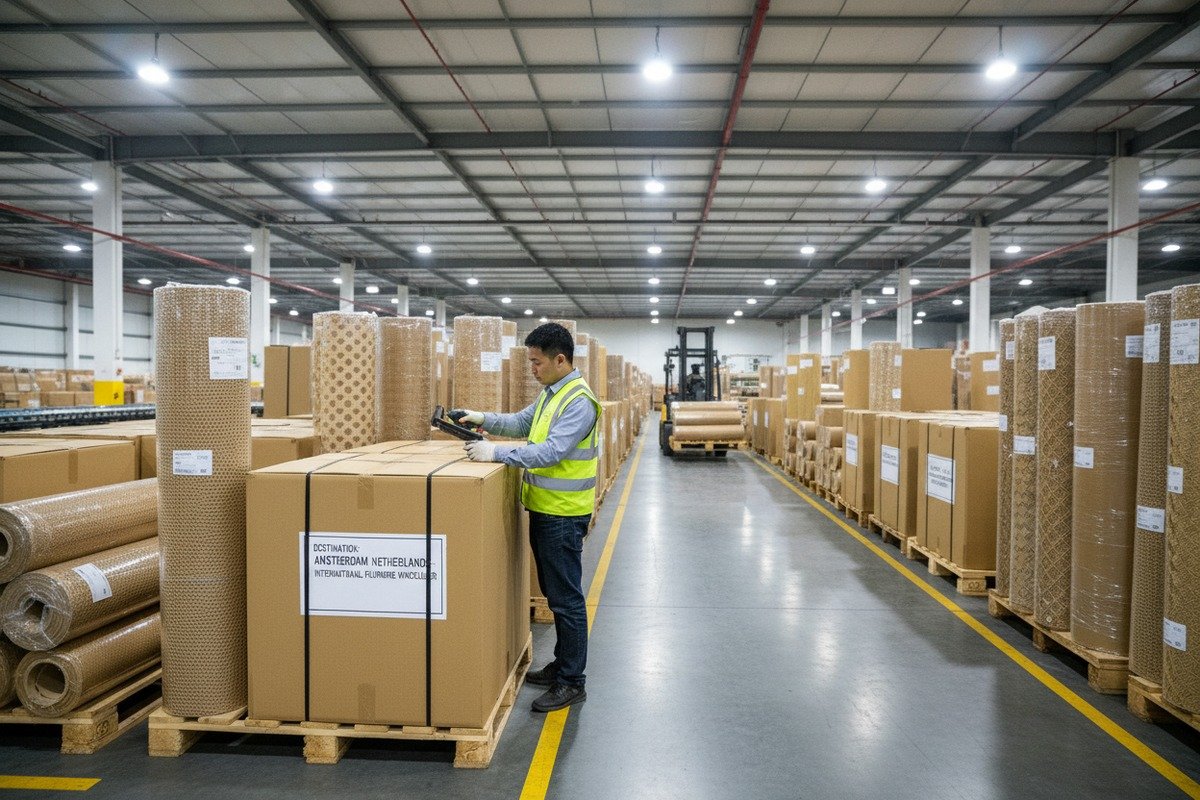
Ваш целевой рынок тоже имеет значение. Европейские покупатели часто предпочитают натуральный ротанг за его экологичность. Клиенты с Ближнего Востока нуждаются в синтетическом материале для экстремальной жары и влажности. Наши поставки в Нидерланды в основном состоят из натурального тростника. Заказы, направляющиеся в Саудовскую Аравию или Дубай, почти всегда синтетические.
Ключевые факторы принятия решений в обзоре
| Фактор принятия решения | Натуральный ротанг | Синтетический ротанг |
|---|---|---|
| Лучшая среда | В помещении, с контролируемым климатом | На открытом воздухе, в любом климате |
| Эстетическое качество | Органический, уникальные вариации | Однородный, последовательный |
| Чувствительность к срокам выполнения | Сезонная доступность | Круглогодичное производство |
| Предпочтения целевого покупателя | Экологически сознательный, премиум | Практичный, ориентированный на ценность |
| Сложность плетения | Отлично подходит для сложных узоров | Хорошо подходит для стандартных узоров |
Учитывайте свой производственный процесс
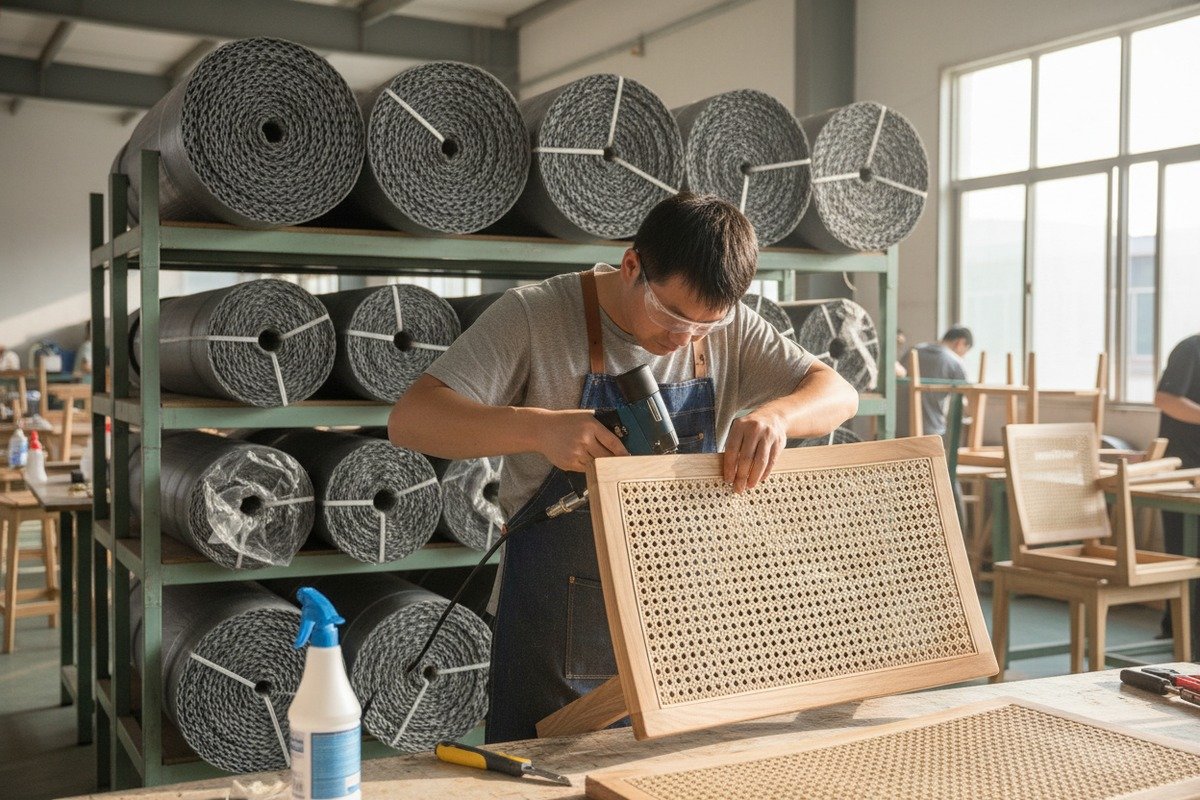
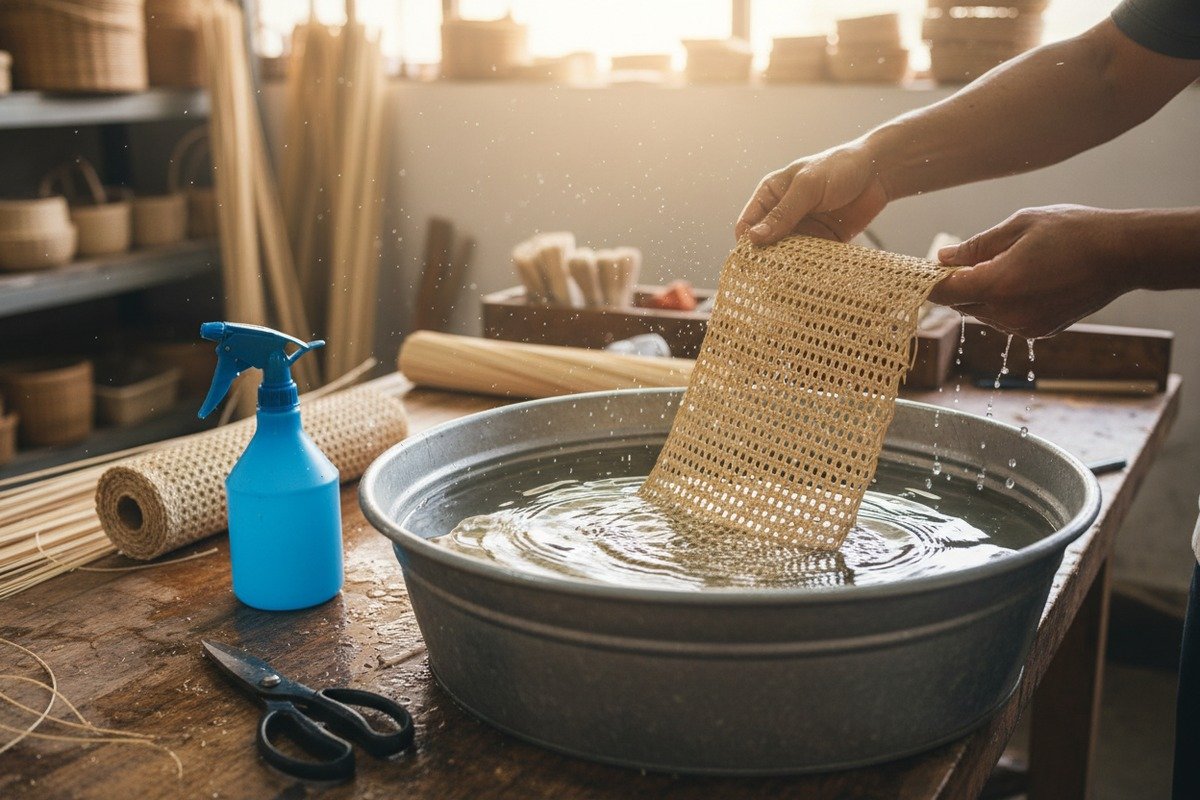
Натуральное ротанговое полотно требует замачивания в воде примерно на три часа перед установкой. Ваши работники должны поддерживать его влажным во время плетения с помощью распылителей. Это увеличивает трудозатраты.
Синтетическое полотно можно резать и применять сразу. Без замачивания. Без времени на сушку. Для фабрик, работающих на высокопроизводительных производственных линиях, эта разница быстро накапливается. Мы видели, как клиенты сокращали трудозатраты на 15-20% за счет перехода на синтетику для уличных линий, сохраняя при этом натуральный материал для своих внутренних коллекций.
Самые умные фабрики, которые мы обслуживаем, используют оба материала. Они запускают линию натурального ротанга для своего премиального каталога для помещений и линию синтетики для уличных и коммерческих проектов. Это дает им рыночную гибкость без ущерба для качества в каждом сегменте.
Какой материал обеспечит наилучшую долговечность для моих проектов уличной мебели?
Когда наше индонезийское перерабатывающее предприятие проводит испытания на долговечность, мы подвергаем образцы панелей имитированным погодным циклам — УФ-лампам, водяным распылителям и тепловым камерам. Результаты всегда говорят одно и то же, и это история, которую должен услышать каждый производитель уличной мебели перед размещением оптового заказа.
Синтетическая ротанговая циновка обеспечивает наилучшую долговечность для уличной мебели. Она устойчива к ультрафиолетовым лучам, влаге, плесени и экстремальным температурам, не трескаясь, не выцветая и не корродируя. Натуральный ротанг быстро разрушается на открытом воздухе и должен использоваться только в защищенных помещениях.
Как погода разрушает натуральный ротанг
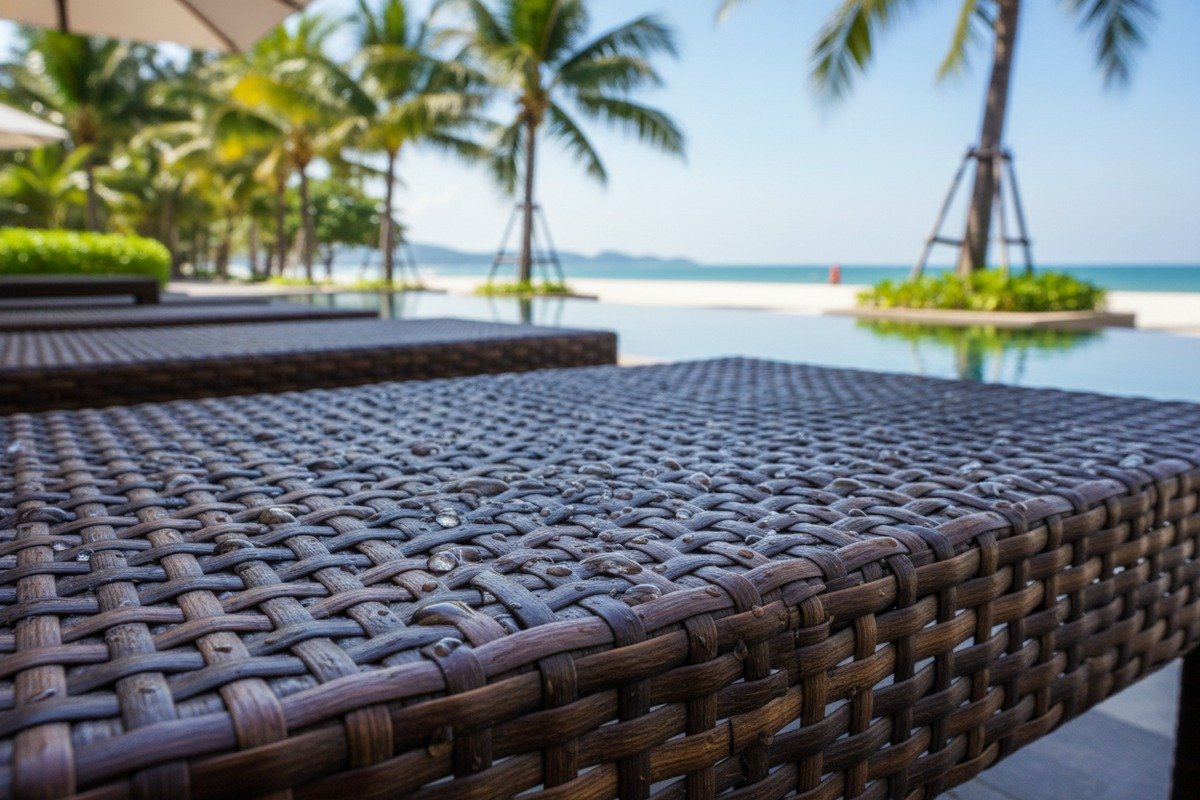
Natural rattan is a растительное волокно 7. Как и все растительные волокна, он реагирует на воду, тепло и солнечный свет. Когда натуральный ротанг впитывает влагу, он набухает. Когда он высыхает, он сжимается. Этот цикл набухания и сжатия со временем вызывает трещины. Прямой солнечный свет выбеливает цвет и делает волокна хрупкими.
Плесень — еще одна серьезная проблема. Во влажном климате натуральный ротанг может покрыться плесенью в течение нескольких недель, если его не обрабатывать. Даже с лаковыми покрытиями и герметиками защита временна. Вы боретесь с природой, и природа в конечном итоге побеждает.
Почему синтетический ротанг долговечен на открытом воздухе
Синтетический ротанг разработан для эксплуатации на открытом воздухе. Полимеры ПЭ и ПП, используемые в производстве, по своей природе водонепроницаемы. Они не впитывают влагу. Они не набухают и не сжимаются. УФ-стабилизаторы 8 добавляются во время производства для предотвращения выцветания и хрупкости от воздействия солнца.
Мы поставляли синтетические ременные панели для курортных проектов в Греции и Таиланде. После трех лет постоянного воздействия наружного воздуха материал по-прежнему выглядит и работает как новый. Такой срок службы просто невозможен с натуральным ротангом.
Таблица сравнения долговечности
| Фактор долговечности | Натуральный ротанг | Синтетический ротанг |
|---|---|---|
| Устойчивость к УФ-излучению | Плохо — выцветает и становится хрупким | Отлично — УФ-стабилизаторы предотвращают деградацию |
| Влагостойкость | Плохо — впитывает воду, разбухает, трескается | Отлично — водонепроницаемый, не впитывает |
| Плесень и грибок | Восприимчив без обработки | Высокоустойчив |
| Термостойкость | Чувствительность к экстремальным условиям | Стабилен в широком диапазоне |
| Ожидаемый срок службы на открытом воздухе | 1-2 года (с обработкой) | 5-10+ лет |
| Теплоемкость | Остается прохладнее на ощупь | Может сохранять тепло под прямыми солнечными лучами |
Преимущество натурального ротанга для использования внутри помещений
Стоит отметить, что натуральный ротанг удивительно долговечен в помещении. В контролируемых условиях — вдали от дождя, резких перепадов влажности и прямых ультрафиолетовых лучей — натуральное плетение из ротанга может служить десятилетиями. Многие антикварные стулья начала 1900-х годов до сих пор имеют оригинальные сиденья из ротанга. Ключ к успеху — контроль окружающей среды.
Для проектов мебели для помещений долговечность натурального ротанга более чем достаточна. Волокна от природы прочны, а естественная эластичность обеспечивает комфортную гибкость, которую синтетические материалы с трудом могут обеспечить. Некоторые из наших клиентов сообщают, что их сиденья из натурального ротанга прекрасно служат в помещении 15-20 лет при минимальном уходе.
Примечание о теплоемкости
Один фактор комфорта, связанный с долговечностью, который удивляет многих покупателей: синтетический ротанг поглощает и удерживает тепло. Под прямыми солнечными лучами синтетические сиденья и спинки могут стать некомфортно теплыми. Дышащая, органическая структура натурального ротанга остается прохладнее. Для уличной мебели в жарком климате это компромисс, который стоит обсудить с вашими конечными клиентами. Некоторые производители решают эту проблему, добавляя подушки или выбирая синтетические волокна более светлых оттенков, которые отражают больше тепла.
Как мне сравнить стоимость натуральных и синтетических строп для моего оптового бизнеса?
Обсуждение цен происходит почти в каждом звонке с нашими оптовыми клиентами. Менеджер по закупкам в Таиланде или дистрибьютор материалов в США — все хотят знать конечную сумму. Но сравнение затрат между натуральным и синтетическим ротангом более тонкое, чем просто взгляд на цену за квадратный метр в коммерческом предложении.
Сравнивайте затраты, рассчитывая общую стоимость владения, а не только цену за единицу. Натуральный ротанг имеет более высокую первоначальную стоимость из-за затрат на поиск и сбор урожая, но синтетический ротанг предлагает лучшую долгосрочную ценность благодаря меньшему обслуживанию, меньшему количеству замен и более простой установке. Ваша прибыль зависит от полной картины.
Первоначальные затраты на материалы
Натуральное плетение из ротанга обычно стоит дороже за квадратный метр, чем синтетические аналоги. Причины просты. Натуральный ротанг должен быть собран с тропических пальм, очищен, высушен, отсортирован по классам и отправлен. Каждый этап добавляет стоимость. Погодные катаклизмы, сезонные колебания поставок и растущий спрос на качество класса А повышают цены.
Синтетический ротанг производится на заводе из пластиковых полимеров. Производственный процесс последователен, масштабируем и не зависит от сезонных сборов урожая. Это означает более стабильные цены и более короткие сроки выполнения заказов. Для оптовых покупателей, размещающих заказы большого объема, синтетическое плетение часто обеспечивает значительное ценовое преимущество только за счет цены покупки.
Скрытые расходы, которые меняют картину
Цена покупки — это только часть истории. Вот что упускают из виду многие оптовые покупатели:
- Стоимость установки: Натуральный ротанг требует замачивания и бережного обращения. Синтетический — нет. Для мебельных фабрик это означает меньшее количество трудозатрат на единицу продукции при использовании синтетического.
- Средства для ухода: Натуральный ротанг нуждается в защитных покрытиях, герметиках и периодической повторной обработке. Синтетический требует мыла и воды.
- Частота замены: Для наружного применения натуральный ротанг может потребовать замены каждые 1-2 года. Синтетический служит 5-10 лет и более.
- Отходы и дефекты: Натуральный ротанг имеет большую вариативность. Некоторые части трескаются или расщепляются во время установки. Уровень отходов синтетического материала обычно ниже.
Сравнение общей стоимости владения
| Категория затрат | Натуральный ротанг | Синтетический ротанг |
|---|---|---|
| Стоимость материала за м² | Выше | Ниже |
| Стоимость установки | Выше (замачивание + бережное обращение) | Ниже (прямое применение) |
| Годовая стоимость обслуживания | Умеренная (покрытия, обработки) | Минимальная (базовая чистка) |
| Цикл замены (наружное применение) | Каждые 1-2 года | Каждые 5-10+ лет |
| Уровень дефектов/отходов | Выше (естественная изменчивость) | Ниже (стабильное производство) |
| Общая стоимость за 5 лет (наружное использование) | Значительно выше | Ниже |
| Общая стоимость за 5 лет (внутреннее использование) | Умеренная | Немного ниже |
Когда натуральный ротанг оправдывает свою премиальность
Несмотря на более высокую стоимость, натуральный ротанг пользуется премиальными розничными ценами. Потребители готовы платить больше за аутентичные, изготовленные вручную материалы. Если ваш оптовый бизнес обслуживает бренды элитной мебели или бутик-ритейлеров, маржа на натуральный ротанг может быть очень привлекательной.
Наши клиенты, продающие на европейском и североамериканском рынках, сообщают, что натуральный ротанг продается в розницу с премией в 30-50% по сравнению с синтетическими аналогами. Маржа более чем покрывает более высокую стоимость материала. Ключ в позиционировании — натуральный ротанг является премиальным продуктом, и его следует соответствующим образом оценивать и продвигать.
Стратегия ценообразования для оптовых дистрибьюторов
Умные дистрибьюторы предлагают обе линейки продуктов. Они предлагают синтетический ротанг для покупателей, чувствительных к цене, и для объемных заказов. Они предлагают натуральный ротанг для премиальных покупателей и специальных проектов. Эта стратегия двойного продукта максимизирует охват рынка и стабилизирует доход в различных экономических циклах.
Мы также видим, как многие оптовые клиенты используют наши образцы ротанга для увеличения продаж. Когда покупатель видит и ощущает разницу между натуральным и синтетическим материалами бок о бок, ценностное предложение становится ясным для каждого. Гораздо легче оправдать более высокую цену, когда качество материала говорит само за себя.
Какие основные отличия во внешнем виде и ощущениях заметят мои клиенты?
В нашем шоу-руме продукции в Фошане представлены бок о бок образцы натуральных и синтетических ротанговых панелей. Когда покупатели приходят, их руки сразу же тянутся к образцам. Они трогают, сгибают и держат материал на свету. Реакция всегда показательна — и она точно показывает, что заметят и конечные потребители.
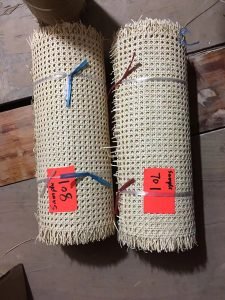
Клиенты сразу заметят, что натуральный ротанг имеет теплую, органичную текстуру с тонкими цветовыми вариациями, легкий землистый запах и более мягкое ощущение на ощупь. Синтетический ротанг выглядит более однородным и последовательным, ощущается более гладким и слегка жестким, и ему не хватает естественного аромата и тактильного характера настоящего тростника.
Визуальные отличия, которые заметят ваши клиенты
Натуральный ротанг обладает визуальной глубиной, которая исходит от настоящих растительных волокон. Каждая нить немного отличается по ширине, цвету и текстуре. Поверхность имеет крошечные естественные несовершенства — тонкие гребни, цветовые переходы от соломенно-золотистого до теплого медового, и узоры волокон, которые по-разному отражают свет в зависимости от угла. Этот органический характер делает натуральный ротанг живым и сделанным вручную.
Синтетический ротанг разработан так, чтобы выглядеть как натуральный тростник, и современное производство достигает удивительно близкого сходства. Но отделка более ровная. Цвет одинаков для каждой нити. Нет естественных вариаций волокон. С расстояния нескольких метров многие люди не могут отличить разницу. Вблизи опытный глаз заметит однородность.
Тактильные ощущения
Прикосновение — это то, где остается самый большой разрыв. Натуральный ротанг имеет теплую, слегка текстурированную поверхность. Он мягко изгибается под давлением пальцев. Существует естественная эластичность — легкая податливость — которая делает сидение на натуральном тростнике отчетливо комфортным. Материал дышит, остается прохладным и имеет тонкий землистый запах, который многим людям кажется приятным.
Синтетический ротанг более гладкий на ощупь. Он ощущается как то, чем он является — хорошо сделанная пластиковая копия. Он немного жестче и не обладает такой же гибкостью. В теплую погоду он может ощущаться теплее, чем натуральный тростник, потому что он удерживает тепло от солнечного света. Запах нейтральный, что может быть как плюсом, так и минусом в зависимости от клиента.
Как старение влияет на внешний вид
Натуральный ротанг со временем приобретает патину 9. Цвет становится глубже. Поверхность смягчается. Многие люди считают этот процесс старения красивым — он добавляет характер и рассказывает историю. Винтажная ротанговая мебель ценится именно за это качество.
Синтетический ротанг со временем практически не меняется при правильной УФ-стабилизации. Он выглядит так же через пять лет, как и в первый день. Для некоторых клиентов эта последовательность является основным преимуществом. Для других, кто ценит развивающуюся красоту натуральных материалов, это может показаться статичным.
Региональные вариации ротанга
Источник натурального ротанга также влияет на внешний вид. Индонезийский ротанг, как правило, светлее по цвету, с более гладкой и утонченной текстурой. Вьетнамский ротанг обычно темнее, с более грубой поверхностью. Когда мы подбираем материал для клиентов, мы сопоставляем происхождение ротанга с их дизайнерскими потребностями. Мебельная линия в скандинавском стиле может потребовать более светлого индонезийского тростника. Рустикальная, богемная коллекция может выиграть от более землистого вьетнамского материала.
Ремонтопригодность и реставрация
Одно часто упускаемое из виду эстетическое преимущество натурального ротанга: его можно отремонтировать. Опытный мастер может вплести новые нити, чтобы залатать поврежденные участки. Ремонт со временем естественно сливается с остальной поверхностью. Это делает натуральный ротанг идеальным для реставрации винтажных изделий и мебели высокого качества.
Синтетический ротанг обычно требует полной замены панели при повреждении. Вы не можете легко вплести заплату. Для мебели, предназначенной для долговечности и передачи из поколения в поколение, это важное соображение.
Экологичность как эстетическая ценность
Современные потребители все чаще рассматривают экологичность как часть эстетической идентичности продукта. Натуральный ротанг возобновляем, биоразлагаем и несет в себе подлинную экологическую историю. Для брендов, позиционирующих себя вокруг экологичности, натуральный ротанг соответствует их визуальному и этическому повествованию. Синтетический ротанг, хотя и долговечен и прочен, несет в себе багаж нефтехимических пластиков 10. Однако его увеличенный срок службы и снижение частоты замены предлагают другой аргумент в пользу экологичности. Обе истории имеют свои достоинства, и то, как вы представите их своим клиентам, имеет такое же значение, как и сам материал.
Заключение
Плетение из натурального и синтетического ротанга играет разные роли. Подберите материал в соответствии с окружающей средой, бюджетом и ожиданиями клиентов, и вы всегда сделаете правильный выбор.
Сноски
1. Предоставляет информацию о происхождении и характеристиках пальм ротанга. ↩︎
2. Википедия дает четкое определение плетения в контексте мебели, которое включает ротанговую трость. ↩︎
3. Этот источник дает краткое определение: ‘УФ-стабильность относится к способности материала противостоять деградации при воздействии ультрафиолетового излучения, сохраняя свои физические, химические и эстетические свойства с течением времени’.’ ↩︎
4. Описывает характеристики и преимущества полипропилена как термопласта. ↩︎
5. Объясняет свойства и применение полиэтилена в различных отраслях промышленности. ↩︎
6. Объясняет свойства и применение полиэтилена и полипропилена. ↩︎
7. Представляет полный обзор растительных волокон, их свойств и применения. ↩︎
8. Этот источник дает четкое определение: ‘УФ-стабилизаторы — это специализированные химические добавки, разработанные для противодействия фотодеградации полимерных материалов, вызванной ультрафиолетовым (УФ) излучением’.’ ↩︎
9. Определяет патину и то, как она развивается на натуральных материалах, улучшая их эстетику. ↩︎
10. Обсуждает воздействие на окружающую среду и происхождение пластиков на нефтяной основе. ↩︎
 English
  Español de México
  العربية
  Deutsch
  Français
  Русский