
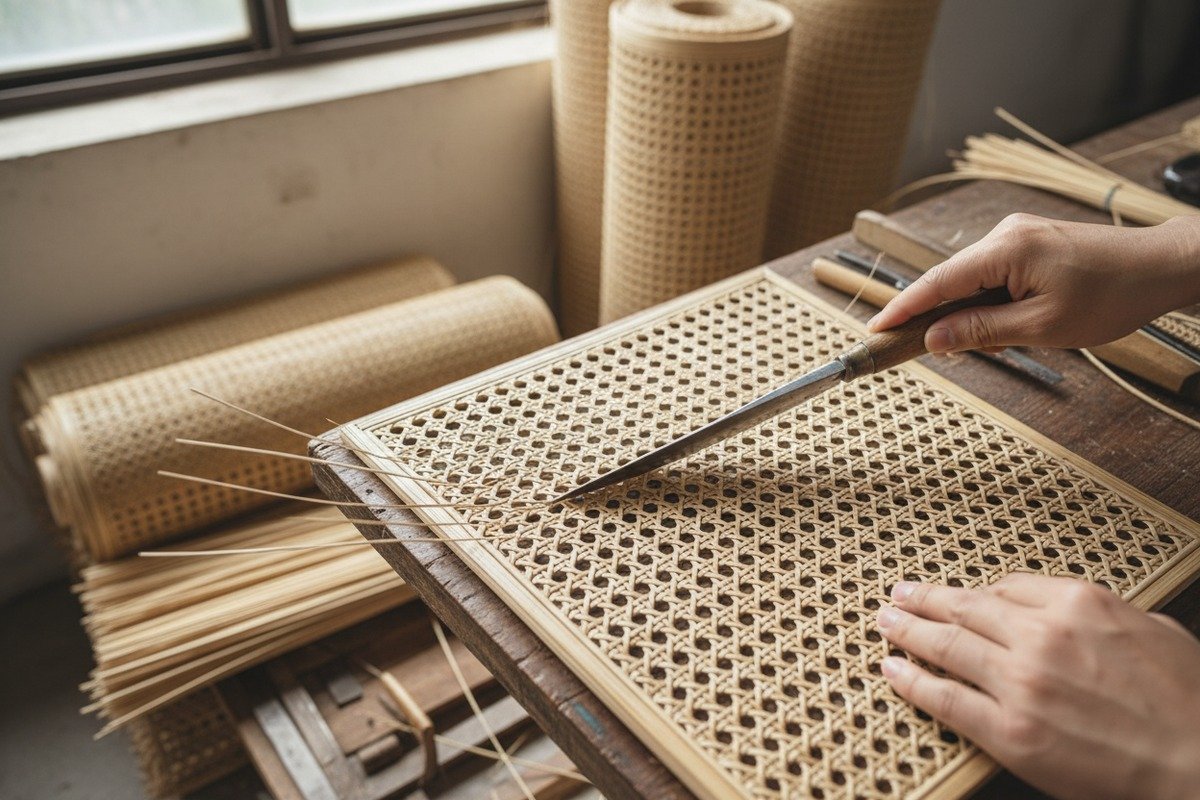
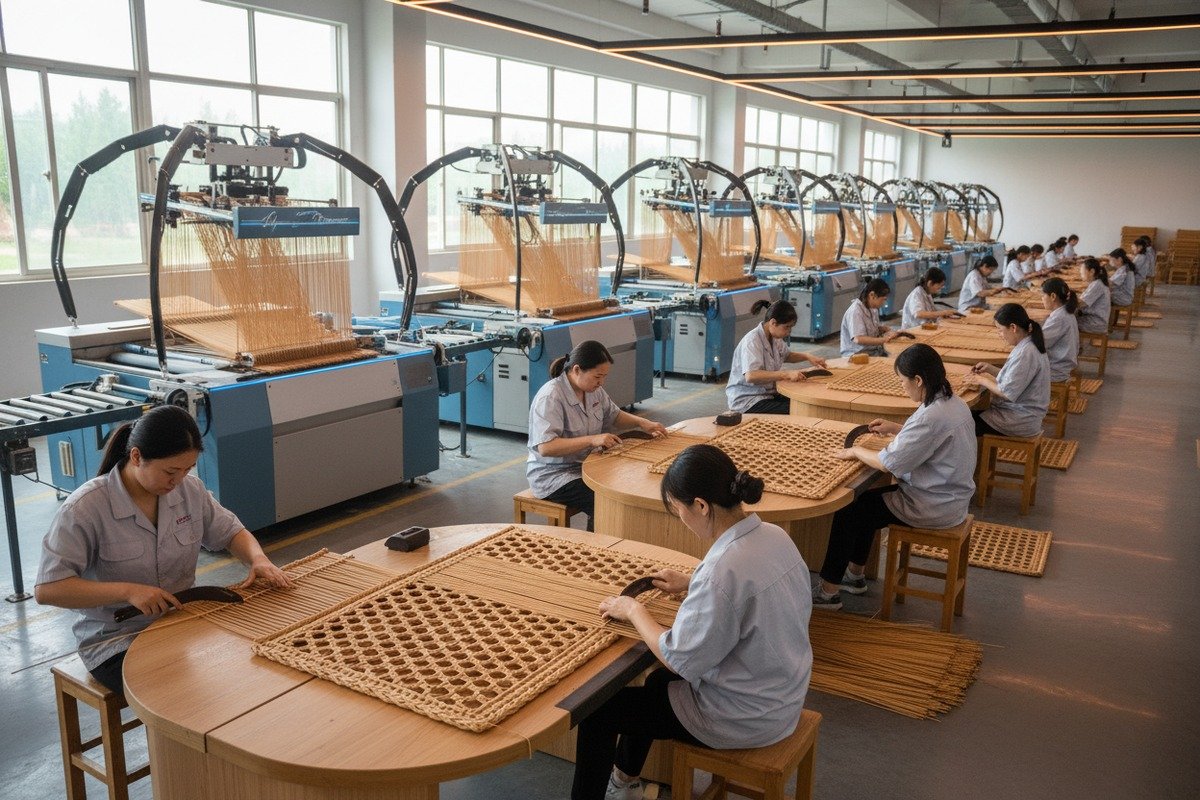
Каждую неделю на нашем производстве в Фошане мы наблюдаем, как искусные ткачи превращают сырые полоски ротанга 1 в идеальные сотовые узоры — и каждую неделю покупатели задают нам один и тот же вопрос: как именно это делается?
Шестиугольная сетка из натурального ротанга плетется путем подготовки тонких полосок ротанга из тропических лиан, формирования квадратной основы с помощью машинной техники “Летящая нить”, а затем ручного вплетения диагональных полосок ротанга в каждую квадратную ячейку с использованием традиционной техники ножа “Ла Хуа” для создания характерного шестиугольного сотового узора.
Понимание этого процесса важно, независимо от того, являетесь ли вы владельцем мебельной фабрики, закупающей рулоны оптом, или оптовым продавцом, подбирающим спецификации для своих клиентов тропические лианы 2. Ниже мы подробно рассмотрим каждый этап — от определения подлинных методов ручного плетения до выбора правильного размера сетки для вашей производственной линии.
Как определить традиционный процесс ручного плетения, используемый в моей шестиугольной ротанговой сетке?
Когда мы обучаем новых quality inspectors 3 на нашем предприятии в Наньхае, первое, чему они учатся, — это отличать машинное плетение от настоящего ручного шестиугольного узора. Многие покупатели испытывают с этим трудности, что приводит к дорогостоящим ошибкам.
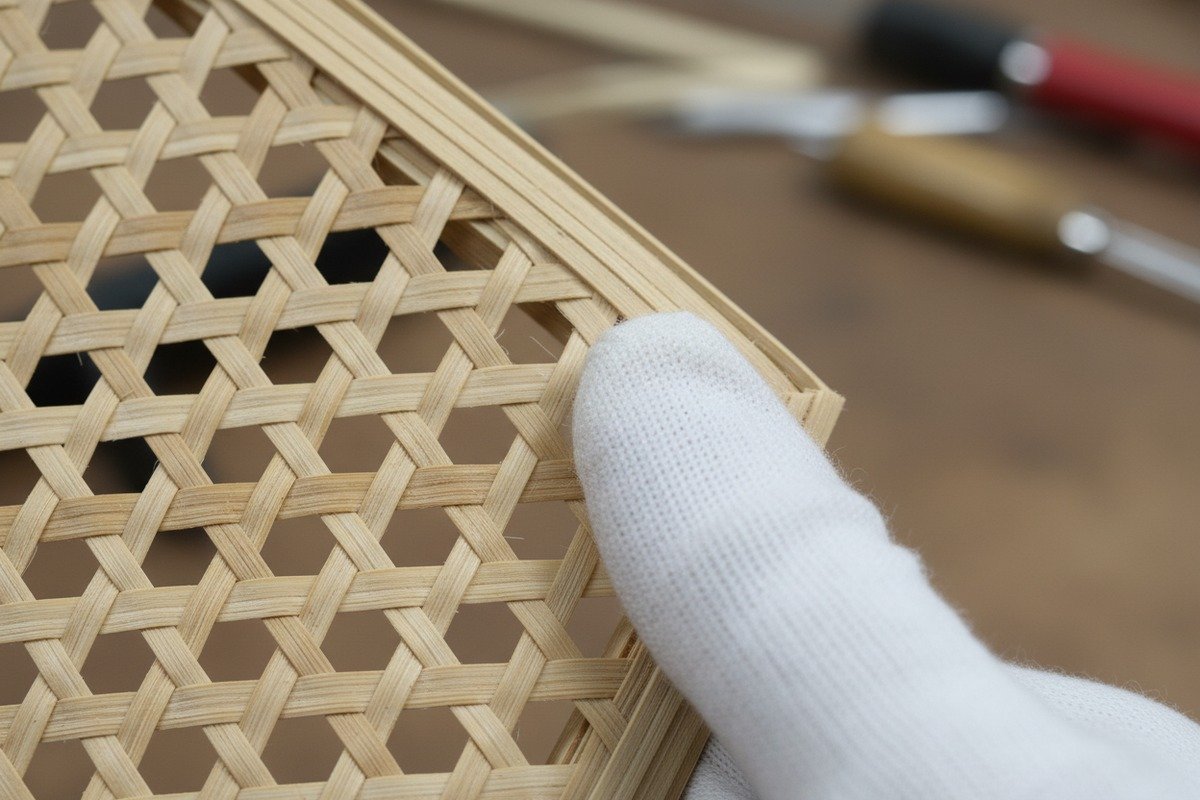
Традиционное ручное плетение можно определить, изучив пересечения диагональных полосок внутри каждой шестиугольной ячейки. Подлинное плетение "Ла Хуа" демонстрирует небольшие естественные неровности в каждом соединении, где ремесленник использовал плоский нож, чтобы потянуть и зафиксировать полоски ротанга под точными углами, в отличие от однородной жесткости полностью машинной сетки.
Пятиэтапный производственный процесс
Плетение шестиугольной сетки из ротанга — это не одно действие. Это цепочка из пяти отдельных этапов. Каждый из них влияет на конечное качество. Вот как мы управляем этим процессом от сырой лозы до готового рулона.
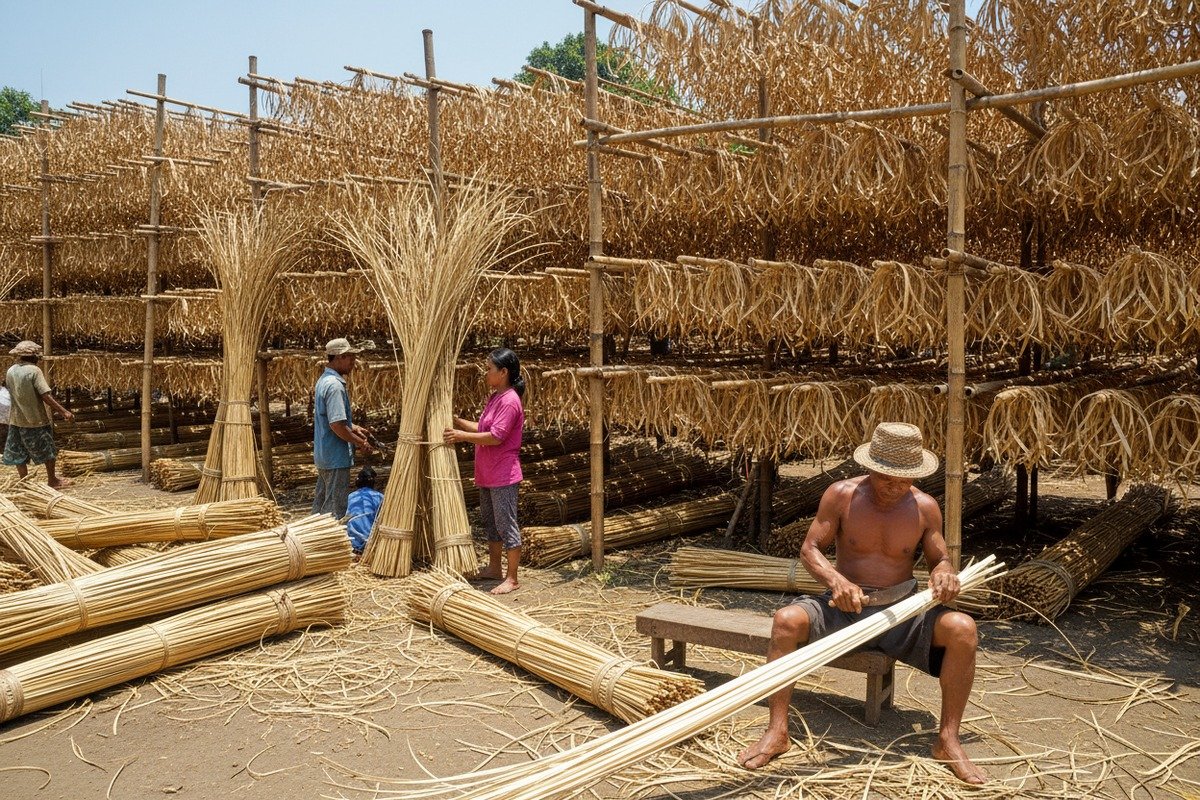
Этап 1: Обработка сырья. Лианы ротанга собирают в тропических лесах 4, в основном в Индонезии. На нашем собственном перерабатывающем предприятии в Индонезии сырые лозы проходят сортировку, полировку, очистку и сушку. Рабочие снимают внешнюю оболочку с сердцевины ротанга. Сердцевины перерабатываются для других продуктов, таких как палочки для ароматизаторов 5 и декоративные рамы. Черенки должны быть отшлифованы до однородной толщины. Любое отклонение здесь приведет к неравномерному плетению в дальнейшем.
Этап 2: Сращивание и подготовка. Черенки ротанга имеют разную естественную длину. Рабочие вручную сращивают более короткие черенки в непрерывные нити. Это кропотливая ручная работа. Плохое сращивание создаст слабое место в готовом плетении. Наша команда по сращиванию проверяет каждое соединение при хорошем освещении, чтобы обеспечить бесшовное соединение.
Этап 3: Формирование основы с помощью машины. Здесь вступает в действие метод "Летящая нить". Подготовленные нити ротанга загружаются в формовочную машину 6. Машина переплетает их в основу в виде квадратной сетки — то, что мы называем "зародышем плетения". Операторы регулярно проверяют натяжение. Если основа слишком свободна, шестиугольный узор, построенный поверх нее, будет провисать. Если она слишком тугая, полоски тростника треснут на следующем этапе.
Этап 4: Ручное плетение по технике "Лахуа". Это сердце шестиугольного плетения. Рабочие раскладывают основу в виде квадратной сетки на столе. Используя тонкий плоский нож, они протягивают новые полоски тростника по диагонали через каждую квадратную ячейку. Эти диагональные вставки превращают каждый квадрат в шестиугольную форму. Опытный рабочий может изготовить один рулон шириной 16 дюймов за полный рабочий день. Техника ножа требует многолетней тренировки. Угол должен быть постоянным. Натяжение должно быть сильным, но не принужденным.
Этап 5: Отделка. Излишки тростника обрезаются. Швы укрепляются клеем. Готовое плетение может быть замочено и сформовано вокруг форм, если требуется определенный изгиб. Затем рулоны сушатся, проверяются и упаковываются для отправки.
Как отличить ручное плетение от полностью машинного
Многие покупатели с первого взгляда не могут отличить их. Вот ключевые признаки.
| Характеристика | Традиционное ручное плетение (Лахуа) | Полностью машинное производство |
|---|---|---|
| Диагональные углы полос | Незначительное естественное отклонение (±2°) | Идеально ровная |
| Ощущение соединения | Слегка приподнято там, где полоса ножа заблокирована | Плоский и гладкий |
| Однородность рисунка | Незначительные органические неровности | Идентичные повторяющиеся единицы |
| Концы нитей | Заправлены и иногда видны по краям | Скрыты или запаяны |
| Ценовой диапазон | Выше из-за трудоемкости | Ниже, более быстрый выпуск |
Если провести кончиком пальца по поверхности и почувствовать небольшие гребни на пересечениях диагональных полос, вы, вероятно, держите изделие ручной работы. Только машинная шестиугольная сетка ощущается равномерно плоской. Оба варианта имеют свое место. Но если ваши конечные клиенты ценят ремесленное качество, версия ручной работы стоит дороже.
Дебаты: Машина против Ручной работы
В нашей отрасли идут постоянные дебаты. Промышленные машины "Летающая нить" обеспечивают однородность и скорость. Но они не могут воспроизвести точные диагональные натяжения техники LaHua без человеческого контроля. Чисто ручное производство обеспечивает превосходную шестиугольную точность, но ограничивает масштабы — один день на рулон — это реальное узкое место. Наш подход в Seafan Rattan использует гибридную модель: основания, сформированные машиной, в сочетании с шестиугольными узорами ручной отделки. Это дает нашим клиентам стабильность в объеме, не жертвуя ремесленным характером, который определяет высококачественную ротанговую сетку.
На что мне следует обратить внимание, чтобы убедиться, что моя шестиугольная плетеная сетка сплетена из ротанга класса А?
Мы отправляли ротанговое плетение более чем в дюжину стран, и самая частая жалоба от покупателей, совершающих покупку впервые, — это несоответствие сорта материала. Знание того, как выглядит ротанг сорта А, прежде чем разместить заказ, экономит время, деньги и репутацию.
Ротанговая циновка класса А имеет полоски с равномерной толщиной (0,4–0,6 мм), гладкую атласную поверхность без темных пятен или трещин, однородный бледно-соломенно-желтый цвет и гибкие волокна, которые сгибаются без разрыва. Эти показатели подтверждают, что ротанг был собран в оптимальной зрелости, правильно высушен и тщательно отсортирован.
Понимание классификации ротанга
Не весь ротанг одинаков. Вид, время сбора урожая, тщательность обработки и условия хранения — все это влияет на конечный сорт. На нашем перерабатывающем предприятии в Индонезии мы сортируем ротанг на три категории еще до того, как он попадает на ткацкий цех.
| Сорт | Качество поверхности | Однородность цвета | Гибкость | Типичное использование |
|---|---|---|---|---|
| Сорт А | Гладкая, без пятен | Последовательный бледно-соломенно-желтый цвет | Сгибается на 180° без трещин | Премиальная мебель, плетение экспортного качества |
| Сорт B | Незначительные поверхностные отметины | Небольшие различия в цвете | Изгибается с минимальным сопротивлением | Мебель среднего класса, внутренние панели |
| Сорт C | Видимые пятна, шероховатые участки | Заметные темные полосы | Жесткий, может трескаться при сильных изгибах | Бюджетные изделия, подкладочные слои |
Ключевые моменты для проверки покупателями
При получении образца или партии проверьте эти пять пунктов:
1. Равномерность толщины. Используйте штангенциркуль. Полоски класса А должны иметь толщину от 0,4 мм до 0,6 мм по всей длине. Отклонение за пределы этого диапазона означает, что этапы шлифовки и полировки были выполнены спешно.
2. Текстура поверхности. Проведите пальцем по полоске. Она должна быть гладкой, почти шелковистой. Шероховатые участки указывают на то, что наружная кора не была полностью удалена или процесс сушки был неравномерным.
3. Цвет. Ротанг класса А имеет равномерный бледно-соломенно-желтый оттенок. Темные пятна указывают на воздействие грибка во время сушки. Зеленоватые оттенки означают, что ротанг был собран слишком рано. Чрезмерно коричневые оттенки указывают на пересушивание или старый запас.
4. Тест на гибкость. Возьмите одну прядь и согните ее в форме буквы U. Ротанг класса А сгибается плавно и возвращается в исходное положение. Если он трескается или расщепляется, материал слишком сухой, слишком старый или более низкого качества.
5. Запах. Свежий, правильно обработанный ротанг имеет легкий, землистый аромат. Затхлый или кислый запах указывает на повреждение влагой или плесень — серьезный тревожный сигнал для оптовых заказов.
Вид имеет значение
Различные виды ротанга дают трости разного диаметра, гибкости и прочности на разрыв. Наиболее часто используемый вид для шестиугольного плетения из ротанга — это Calamus manan 7 для более толстых конструкционных прядей и Calamus caesius для тонких плетельных полосок. Мы закупаем в основном из Калимантана и Сулавеси, где эти виды обильно растут. Спросить у поставщика, какой вид он использует, и проверить это — простая, но эффективная проверка качества.
Последующая обработка
После плетения шестиугольное плетение класса А выигрывает от специальных обработок. Натирание с кипяченое льняное масло 8 или апельсиновое масло питает волокна. Оно предотвращает ломкость в сухом климате и сохраняет эластичность во влажных условиях. Мы рекомендуем этот шаг для любой тесьмы, предназначенной для мебели, которая будет использоваться в помещениях с кондиционером, так как они быстро высушивают ротанг.
Как мне обеспечить равномерное натяжение ткани по всему моему оптовому заказу?
Один из наших давних клиентов в Таиланде — менеджер по закупкам, закупающий продукцию для крупной мебельной сети — однажды отклонил партию из 500 рулонов, потому что 15% рулонов имели заметно более свободные шестиугольные ячейки в центре. Этот единичный случай научил нас внедрять контроль натяжения на каждом этапе.
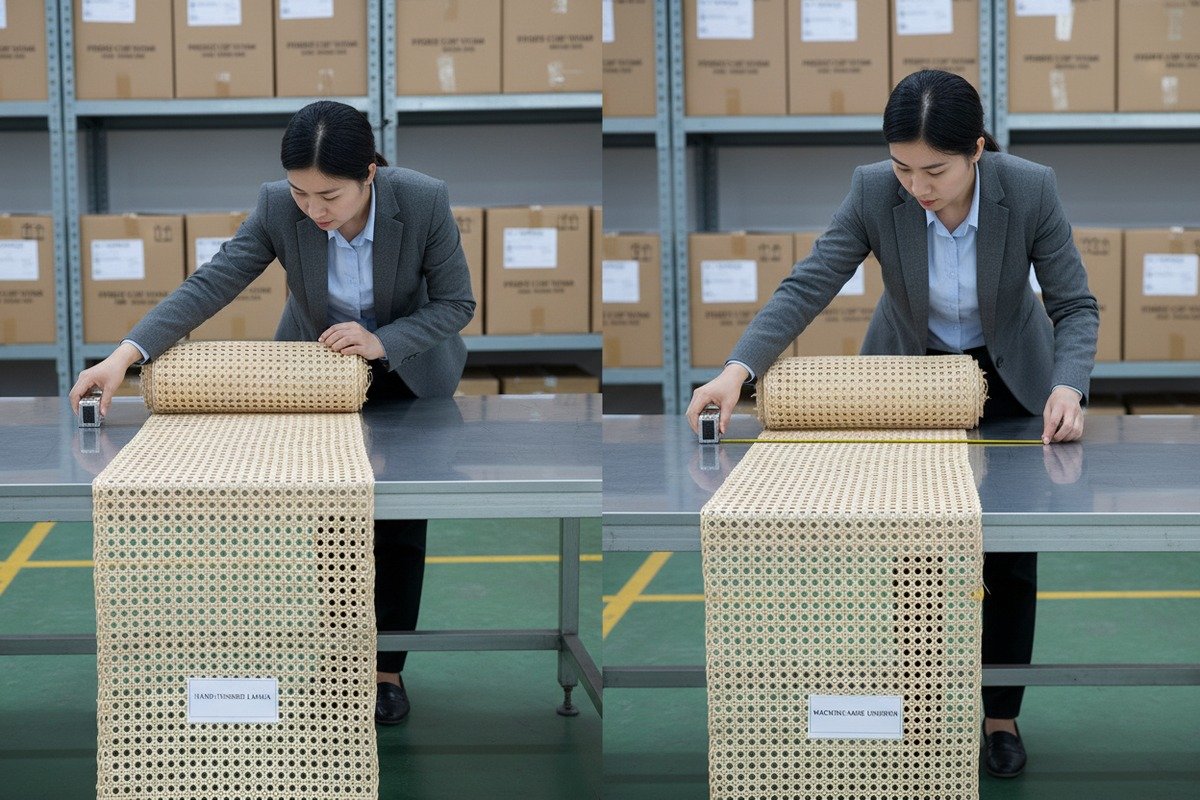
Чтобы обеспечить постоянное натяжение плетения при оптовых заказах, попросите вашего поставщика использовать калиброванные формовочные машины для базовой сетки, применять встроенные проверки натяжения во время ручного плетения и проводить случайную выборку рулонов со стандартизированным датчиком натяжения перед упаковкой. Укажите допустимые допуски на натяжение в вашем договоре купли-продажи.
Почему возникает несоответствие натяжения
Проблемы с натяжением имеют три распространенные основные причины. Во-первых, дрейф калибровки машины. Формовочные машины "Летящая нить", которые формируют основу квадратной сетки, могут терять калибровку при длительных производственных циклах. Если подающие ролики изнашиваются неравномерно, одна сторона базовой сетки будет туже другой. Во-вторых, усталость ткача. Ручные ткачи, выполняющие технику LaHua, тянут полоски руками и ножом. В течение восьмичасовой смены сила натяжения естественным образом уменьшается. Рулоны, изготовленные рано утром, обычно туже, чем рулоны, изготовленные во второй половине дня. В-третьих, несоответствие материала. Если полоски ротанга различаются по содержание влаги 9 — одни суше, другие более эластичные — одинаковая сила натяжения дает разные результаты.
Наша трехточечная система контроля натяжения
В Seafan Rattan мы устраняем каждую основную причину с помощью конкретного контроля.
Проверки калибровки машины. Наши техники калибруют формовочные машины в начале каждой смены и снова после каждых 50 рулонов. Они используют простой пружинный датчик для измерения натяжения базовой сетки в пяти точках по ширине. датчик натяжения 10
Графики ротации ткачей. Мы меняем ручных ткачей каждые четыре часа. Свежие руки поддерживают постоянную силу натяжения. Мы также объединяем опытных ткачей с учениками, чтобы обеспечить непрерывный контроль качества.
Случайная выборка перед упаковкой. Перед упаковкой любого рулона наша команда контроля качества извлекает один рулон из каждых 20 и измеряет натяжение в девяти точках — три сверху, три посередине, три снизу. Если какая-либо точка выходит за пределы согласованного допуска, вся партия возвращается на проверку.
Что указать в вашем заказе
При размещении оптового заказа включите в свой договор следующие спецификации, связанные с натяжением:
| Спецификация | Рекомендуемое значение | Почему это важно |
|---|---|---|
| Допуск на натяжение базовой сетки | ±5% от целевого значения | Предотвращает ослабление или чрезмерное натяжение основания |
| Вариация размера шестиугольной ячейки | ±1 мм от указанного размера ячейки | Обеспечивает визуальную однородность рулонов |
| Частота выборки | 1 рулон из 20 | Раннее выявление проблем на уровне партии |
| Точки измерения на рулон | Минимум 9 (сетка 3×3) | Охватывает края и центр, где отклонения наиболее выражены |
| Порог отбраковки | >10% рулонов, не соответствующих спецификации, приводят к приостановке партии | Защищает ваше последующее производство |
Общайтесь рано и часто
Не ждите прибытия отгрузки, чтобы проверить натяжение. Попросите у поставщика фотографии предпродажной инспекции с показаниями измерительных приборов. Еще лучше, наймите стороннего инспектора, если стоимость заказа это оправдывает. Мы приветствуем сторонние инспекции на нашем предприятии в Фошане — это укрепляет доверие и выявляет проблемы до того, как они приведут к дорогостоящим возвратам.
Постоянство натяжения — это не просто показатель качества. Оно напрямую влияет на то, как материал ведет себя, когда ваша мебельная фабрика прикрепляет его скобами или вставляет в пазы каркасов. Свободный материал провисает после установки. Слишком тугой материал отходит от краев каркаса под воздействием тепла. Правильное натяжение на этапе плетения предотвращает проблемы на всем протяжении производственной цепочки.
Как выбрать подходящий размер сетки для моих конкретных нужд в производстве мебели?
Наш отдел продаж ежедневно получает этот вопрос. Производитель шкафов в Нидерландах нуждается в плотной сетке для дверных панелей. Фабрика стульев в Австралии хочет открытое плетение для дышащих вставок сидений. Дизайнер освещения в Дубае ищет что-то среднее. Правильный размер сетки зависит от трех факторов: функциональности, эстетики и структурной поддержки.
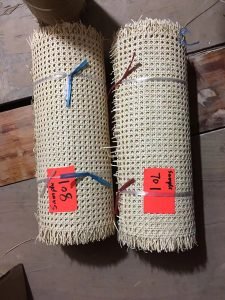
Выберите размер шестиугольной сетки в зависимости от применения: сетка 6 мм для плотных, полупрозрачных панелей, таких как дверцы шкафов; сетка 9 мм (самая популярная) для сидений стульев, изголовьев и общей мебели; и сетка 12–15 мм для декоративных экранов, абажуров и архитектурных элементов, где требуется максимальное проникновение света и воздуха.
Объяснение размера сетки
Размер сетки в шестиугольной плетенке из ротанга относится к расстоянию между центрами двух соседних шестиугольных ячеек. Меньшее число означает более плотное плетение с большим количеством материала на квадратный метр. Большее число означает более открытый узор. Оба варианта имеют свои компромиссы.
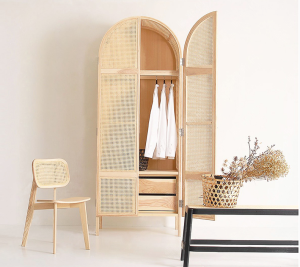
Более плотная сетка (6 мм) использует больше ротанга на рулон. Она тяжелее, менее гибкая и стоит дороже за квадратный метр. Но она обеспечивает лучшую структурную поддержку и более непрозрачный внешний вид. Она хорошо подходит для дверц шкафов, перегородок и любых применений, где требуется "заполненный" вид без полной непрозрачности.
Стандартная сетка (9 мм) является рабочим инструментом отрасли. Он сочетает в себе прочность, воздухопроницаемость и визуальную привлекательность. Большинство плетеных стульев, изголовья кроватей и вставки для буфетов используют этот размер. Его легче всего найти, и он наиболее экономичен для крупных заказов. Когда покупатели просят нас о рекомендации, и они не уверены, мы предлагаем начать с 9 мм.
Открытая сетка (12–15 мм) создает эффект драматической пчелиной соты. Свет легко проходит. Воздух свободно циркулирует. Он потрясающе смотрится в абажурах, декоративных экранах и акцентах современной мебели. Однако он обеспечивает меньшую структурную поддержку. Его не следует использовать для сидений без прочного основания под ним.
Сопоставление размера сетки с применением
Вот краткий справочник, которым мы делимся с нашими клиентами в процессе заказа:
| Применение | Рекомендуемый размер сетки | Ключевая причина |
|---|---|---|
| Сиденья и спинки стульев | 9 мм | Баланс прочности и воздухопроницаемости |
| Дверцы шкафов и буфетов | 6 мм | Полупрозрачный вид, плотная структура |
| Изголовья кроватей | 9 мм | Визуальная теплота, достаточно легкий для работы |
| Разделители комнат / ширмы | 6–9 мм | Приватность без полного блокирования |
| Абажуры | 12–15 мм | Максимальная светопропускание |
| Архитектурные панели | 12–15 мм | Декоративный эффект, воздушный поток |
| Каркасы кроватей | 9 мм | Долговечность при умеренной нагрузке |
Учитывайте каркас и метод установки
Размер сетки также влияет на установку. Более плотные сетки жестче и труднее оборачиваются вокруг изгибов. Если ваш дизайн мебели имеет закругленные края или вогнутые поверхности, более открытая сетка лучше прилегает после замачивания. Время замачивания также имеет значение — 20-30 минут в теплой воде делают ротанг пластичным. Повторно замочите перед окончательным формированием, если плетение начнет высыхать во время установки.
Для профессиональной установки большинство фабрик используют один из двух методов. Крепление скобами с выборкой хорошо подходит для плоских панелей. Плетение натягивается на раму, крепится скобами в утопленный канал и закрывается декоративной планкой. Вставка шнура является предпочтительным методом для изогнутых или высококачественных изделий. В каркасе прорезается паз. Край плетения вставляется в паз и фиксируется гибким шнуром.
Оба метода работают со всеми размерами сетки. Но большие размеры сетки (12-15 мм) требуют большей осторожности при натяжении, чтобы избежать искажения шестиугольного узора. Мы рекомендуем использовать шаблон сетки во время установки, чтобы сохранить выравнивание узора.
Индивидуализация и минимальные заказы
В Seafan Rattan мы предлагаем стандартные размеры сетки в наличии на складе. Индивидуальные размеры сетки доступны при минимальном объеме заказа — обычно 200 рулонов для нестандартной спецификации. Если вам нужен нестандартный размер, планируйте заранее. Срок изготовления нестандартного плетения обычно на 3-4 недели дольше, чем для стандартных позиций. Мы предоставляем предпроизводственные образцы бесплатно, чтобы вы могли проверить, подходит ли размер сетки к дизайну вашего каркаса, прежде чем оформлять полный заказ.
Растущая тенденция, которую мы наблюдаем на наших экспортных рынках — Нидерланды, Австралия, США и Ближний Восток — это переход к шестиугольной сетке размером 9 мм для основной мебели и 12-15 мм для дизайнерских изделий. Устойчивое развитие также стимулирует спрос. Натуральный ротанг является возобновляемым, биоразлагаемым и все чаще предпочитается экологически сознательными брендами и потребителями вместо синтетических альтернатив.
Заключение
От сырых ротанговых полос до готовых рулонов в виде сот, шестиугольное плетение из тростника — это продукт, в котором качество материала, техника плетения, контроль натяжения и выбор размера ячеек определяют конечный результат, который получает ваша фабрика.
Сноски
1. Объясняет, как ротанг перерабатывается в полосы для плетения и других изделий. ↩︎
2. Представляет собой всесторонний обзор ротанга как группы тропических вьющихся пальм. ↩︎
3. Описывает обязанности и ответственность инспекторов по контролю качества на производстве. ↩︎
4. Представляет общий обзор тропических лесов и их экологического значения. ↩︎
5. Описывает использование натурального ротанга в качестве материала для диффузорных палочек. ↩︎
6. Википедия предоставляет авторитетный и всесторонний обзор машин для литья под давлением, распространенного типа формовочных машин. ↩︎
7. Предоставляет подробную информацию о виде Calamus manan, его характеристиках и применении. ↩︎
8. Объясняет свойства и применение вареного льняного масла для обработки древесины. ↩︎
9. Википедия предлагает авторитетное и широкое определение содержания воды, также известного как влажность, применимое в различных научных и технических областях. ↩︎
10. Описывает инструменты, включая калибры, используемые инспекторами по контролю качества на производстве. ↩︎
 English
  Español de México
  العربية
  Deutsch
  Français
  Русский