
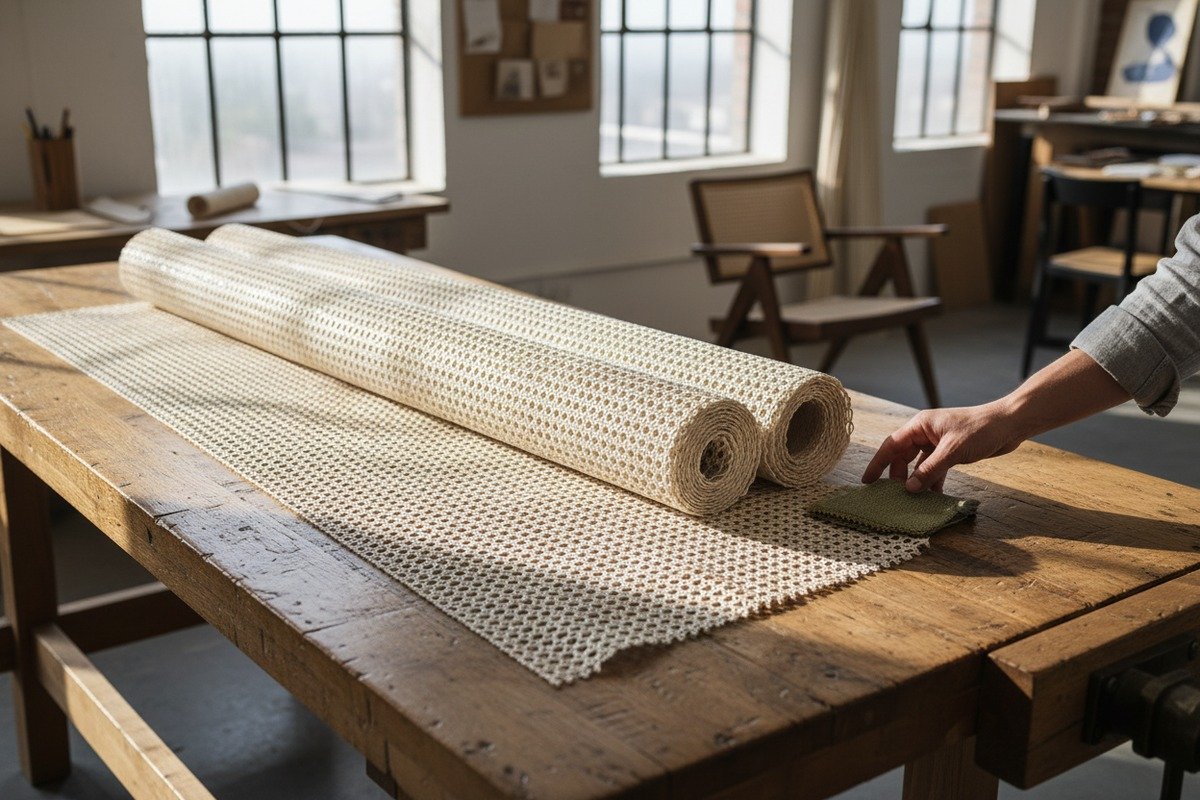
Многолетний опыт обработки ротанга на наших предприятиях в Индонезии и Фошане научил нас одному: покупатели любят вид отбеленного ротанговая сетка 1, но многие колеблются, потому что не уверены в связанных с этим компромиссах.
Отбеленная ротанговая циновка предлагает яркий, современный белый тон, идеально подходящий для современной мебели, легко окрашивается и экологична. Однако у нее есть недостатки, включая постепенное пожелтение со временем, чувствительность к влаге и ультрафиолетовому излучению, повышенные требования к уходу и возможное ослабление волокон из-за самого процесса отбеливания.
В этой статье мы подробно рассмотрим полную картину современной мебели 2. Вы узнаете, почему дизайнеры выбирают отбеленную тесьму, как это влияет на долговечность, каковы затраты для оптовых покупателей и с какими реальными проблемами обслуживания вам следует считаться. Давайте пройдемся по каждому пункту, чтобы вы могли принять наилучшее решение для вашего следующего заказа.
Почему мне следует выбрать отбеленную ротанговую циновку для моих современных мебельных дизайнов?
Когда наша команда консультантов по дизайну работает с мебельными фабриками в Испании или Нидерландах, вопрос о выборе между отбеленным и натуральным ротангом возникает почти в каждом разговоре. Выбор цвета формирует общее впечатление от готового изделия.
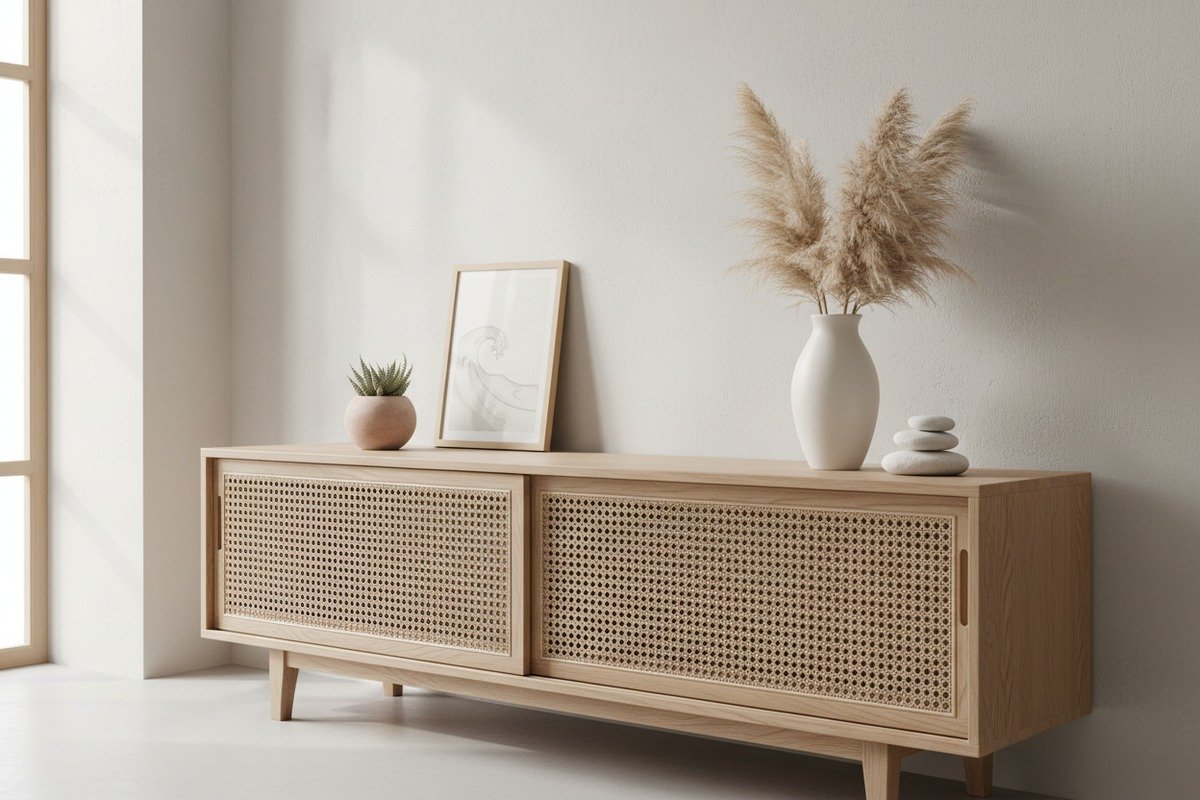
Отбеленная ротанговая циновка идеально подходит для современной мебели, поскольку ее светлый, от белоснежного до кремового оттенок прекрасно сочетается со скандинавским, прибрежным и современным стилями. Она также служит нейтральной основой, которая легко принимает красители и морилки, предоставляя дизайнерам большую творческую свободу для проектов с индивидуальным цветом.
Эстетическое преимущество
Самая очевидная причина выбора отбеленного ротанга — его внешний вид. Натуральный ротанг имеет соломенно-зеленый или желтоватый оттенок. Он теплый и деревенский. Но отбеленный ротанг светлее и ярче. Он кажется воздушным. Он визуально расширяет пространство.
Для современного интерьера это очень важно. скандинавской дизайнерской 3 опирается на светлые тона, чистые линии и натуральные материалы. Прибрежный дизайн 4 использует белые и кремовые оттенки, чтобы передать атмосферу пляжной жизни. Отбеленный ротанг идеально подходит для обоих стилей.
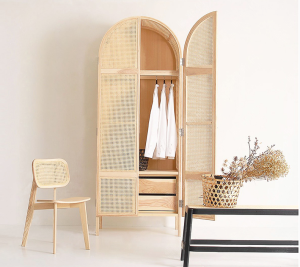
Мы наблюдаем устойчивый рост этой тенденции среди наших клиентов в Австралии и США. Мебельные фабрики там все чаще заказывают нашу тесьму полного отбеливания для дверц шкафов, тумб под телевизор, изголовьев кроватей и перегородок. Возрождение винтажного стиля также вернуло ротанг в мейнстрим дизайна, а отбеленная версия не дает ему выглядеть устаревшим.
Окрашиваемость и кастомизация
Одно из преимуществ, которое многие покупатели упускают из виду, — это возможность окрашивания. Отбеленный ротанг лучше принимает красители и морилки, чем натуральный ротанг. Более светлая основа означает, что цвета получаются более яркими. Если ваш клиент хочет панель шкафа пастельно-розового цвета или экран для комнаты глубокого темно-синего цвета, отбеленная тесьма даст вам лучшую отправную точку.
Это особенно полезно для частных торговых марок, которым необходимо соответствовать определенным цветовым палитрам в различных линейках продуктов.
Ключевые сравнения дизайна
| Характеристика | Отбеленный ротанг | Натуральный небеленый ротанг |
|---|---|---|
| Базовый цвет | От белого до кремового | От соломенно-зеленого до светло-желтого |
| Стиль | Современный, скандинавский, прибрежный | Рустикальный, бохо, традиционный |
| Окрашиваемость | Высокое — равномерно впитывает цвета | Умеренное — натуральные оттенки могут влиять на результат окрашивания |
| Визуальный вес | Легкий и воздушный | Теплый и основательный |
| Текстура | Немного более гладкий после обработки | Более органичный, с видимыми вариациями зерна |
Универсальность в применении
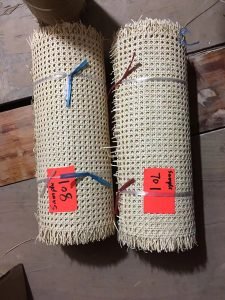
Отбеленный ротанг не ограничивается одним типом мебели. Мы поставляем его для вставок в шкафы, панелей дверей шкафов, замены сидений стульев, потолочных панелей и декоративных экранов. Материал соткан вручную, обычно в открытых узорах, таких как классическое шестиугольное радиоплетение или более плотное квадратное плетение корзины. Ширина обычно варьируется от 40 см до 90 см, толщина около 2 мм.
Его гибкость означает, что его можно с относительной легкостью замачивать и растягивать на каркасах. Многие пользователи, занимающиеся DIY, сообщают о высокой удовлетворенности процессом установки, отмечая, что замачивание в течение 15-20 минут делает сетку достаточно гибкой для работы с обычными ручными инструментами.
Влияет ли процесс отбеливания на долговечность моих ротанговых материалов в долгосрочной перспективе?
Во время контроля качества на нашем перерабатывающем предприятии в Индонезии мы проводим испытания на прочность и влагостойкость как отбеленного, так и неотбеленного ротанга. Результаты рассказывают важную, но неоднозначную историю о долговечности.
Да, процесс отбеливания может снизить долговечность ротангового плетения. Химическое отбеливание может ослабить натуральные волокна, снизить прочность на разрыв и со временем увеличить хрупкость. Однако методы без использования химикатов, такие как пропаривание, сохраняют целостность волокон в большей степени, а правильный уход может значительно продлить срок службы материала.
Как отбеливание влияет на волокна
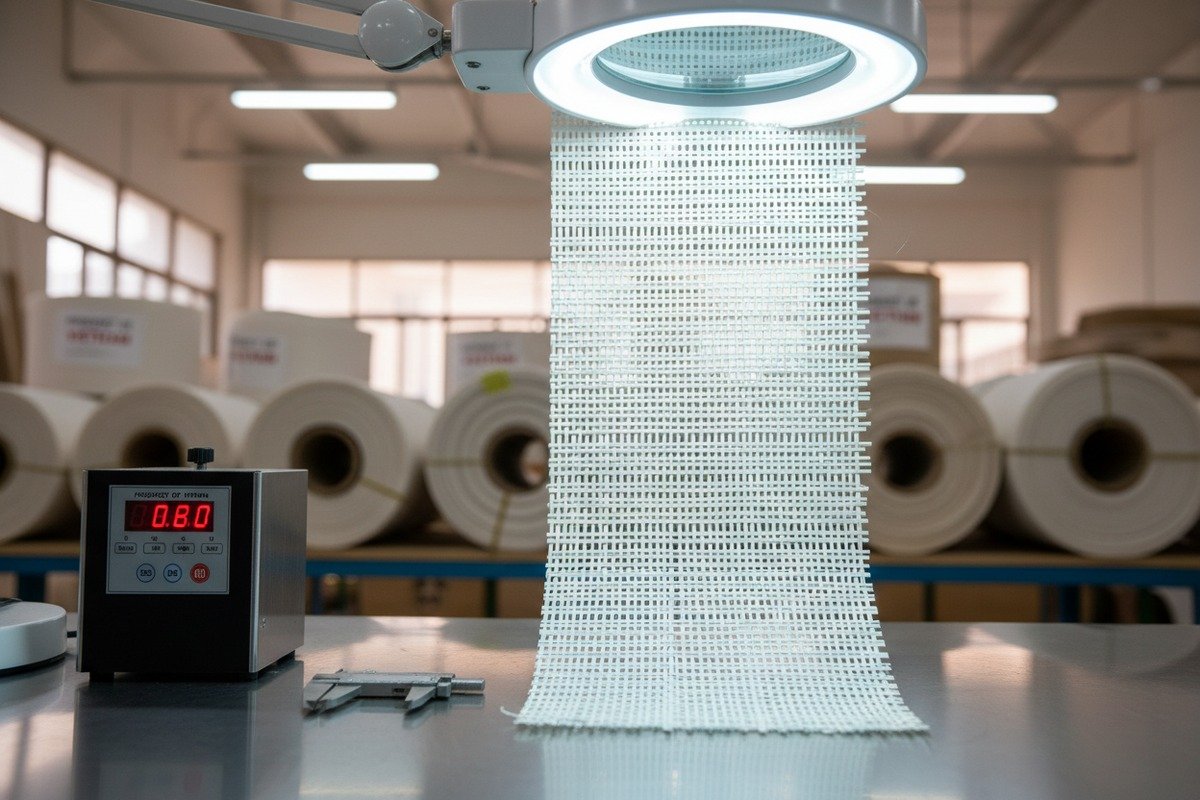
Ротанговая циновка — это внешняя оболочка пальмы ротанга. Она естественно прочная и гибкая. Когда этот материал проходит химический процесс отбеливания, используемые реагенты — обычно перекись водорода 5 или аналогичные окислители — разрушают часть лигнин и натуральные масла 6 в волокне. Именно это осветляет цвет. Но это также снижает естественную упругость материала.
В результате волокно становится немного более склонным к растрескиванию в сухом состоянии и немного менее устойчивым к повреждению влагой со временем. Это не означает, что отбеленный ротанг быстро разваливается. Это означает, что он требует большего внимания, чем его неотбеленный аналог.
Химическое против химически свободного отбеливания
Не все отбеливание одинаково. В отрасли наблюдается растущий сдвиг в сторону методов отбеливания без использования химикатов. Обработка паром и натуральные отбеливающие агенты могут осветлить ротанг, не удаляя столько защитных масел.
На наших фабриках мы предлагаем варианты полного и полуотбеливания. Полное отбеливание дает более белый результат, но требует больше обработки. Полуотбеливание сохраняет легкий желтоватый оттенок и большую прочность волокна. Для покупателей, которые хотят светлый внешний вид без максимальной нагрузки на волокно, полуотбеливание часто является лучшим выбором.
Таблица сравнения долговечности
| Фактор долговечности | Отбеленный (химический) | Отбеленный (без химикатов) | Натуральный неотбеленный |
|---|---|---|---|
| Прочность на растяжение 7 | Умеренно снижен | Слегка уменьшен | Полная естественная прочность |
| Чувствительность к влаге | Выше — волокна более пористые | Умеренная | Умеренная |
| Устойчивость к УФ-излучению | Низкий — быстрее желтеет на солнце | Низкая или умеренная | Умеренный — естественно темнеет |
| Хрупкость со временем | Более высокий риск, если не смазывать маслом | Более низкий риск | Самый низкий риск |
| Ожидаемый срок службы в помещении | 5–10 лет при надлежащем уходе | 7–12 лет при надлежащем уходе | 8–15 лет при надлежащем уходе |
Реальность старения
Весь натуральный ротанг стареет. Он меняет цвет. Неотбеленный ротанг темнеет и становится теплее. Отбеленный ротанг постепенно меняет цвет с белого на желтоватый оттенок. Это естественный процесс, который нельзя полностью предотвратить, только замедлить.
Многие из наших оптовых клиентов в Турции и Греции спрашивают, могут ли герметики остановить это. Ответ: герметики могут замедлить это, но не могут остановить полностью. И важно, что герметизация обратной стороны ротанговой сетки — распространенная ошибка. Она задерживает влагу и вызывает хрупкость. Только лицевая поверхность должна подвергаться защитной обработке.
Для наружного использования отбеленный ротанг, как правило, не рекомендуется без значительной защиты от УФ-излучения и влаги. Даже с герметиками длительное воздействие солнца и дождя приведет к гораздо более быстрой деградации материала, чем при использовании в помещении. Синтетический ротанг из полиэтилена — лучший вариант для уличной мебели, хотя ему не хватает естественной текстуры и тепла, которые покупатели обычно ищут в ротанговой сетке.
Как цена отбеленной стропы соотносится с натуральными вариантами для моих оптовых заказов?
Наша команда продаж ежедневно отвечает на вопросы о ценах от оптовых покупателей. Будь то дистрибьютор мебельных материалов в Нидерландах или менеджер по закупкам в Таиланде, сравнение стоимости отбеленного и натурального ротанга всегда является критическим фактором при принятии решения о покупке.
Отбеленная ротанговая циновка обычно стоит на 10–25% дороже необработанной отбеленной циновки на оптовом уровне. Эта надбавка отражает дополнительные этапы обработки — химическую или паровую обработку, дополнительное время сушки и контроль качества для однородности цвета. Однако оба варианта остаются более доступными, чем синтетические альтернативы из полиэтилена, для премиальных применений.
Откуда берется разница в цене
Разница в цене между отбеленным и натуральным ротангом не связана с сырьем. Оба начинаются с одного и того же ротангового пальмового тростника. Разница заключается в обработке.
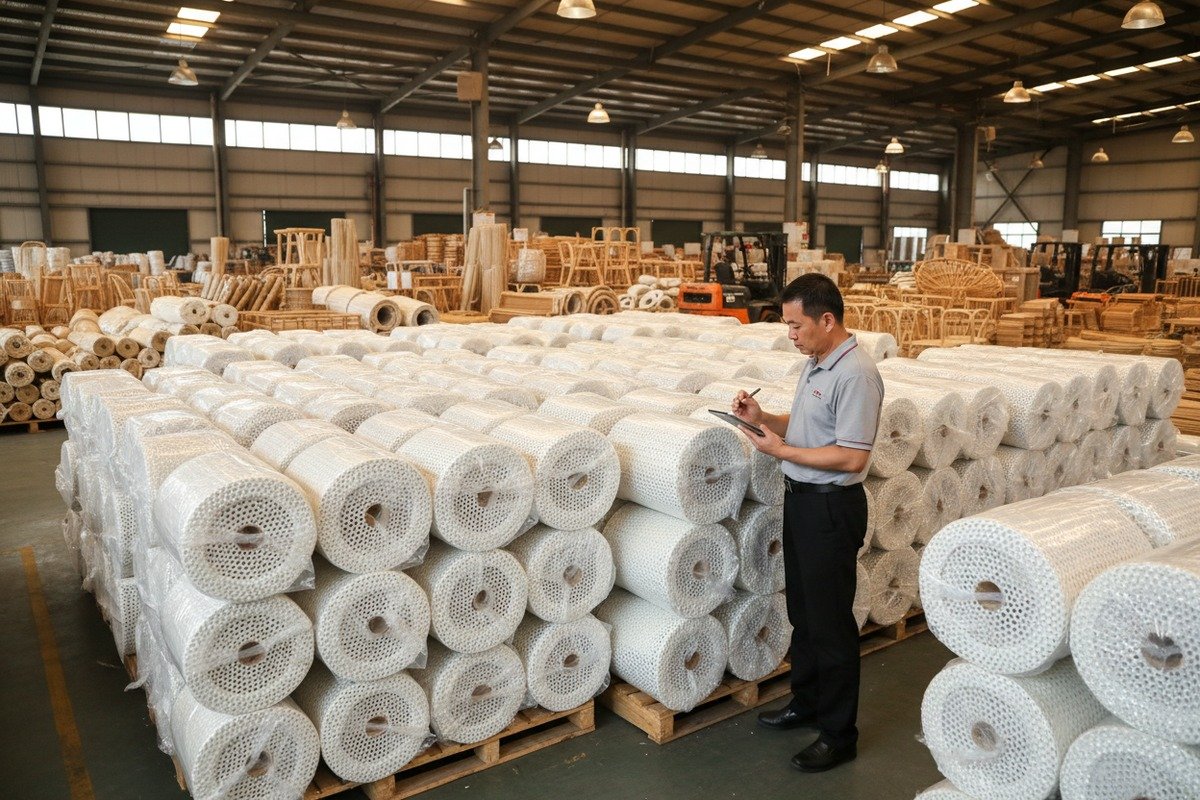
Натуральный ротанг проходит этапы сбора урожая, очистки, калибровки, плетения и сушки. Отбеленный ротанг добавляет один или несколько этапов обработки — химическое замачивание или паровую обработку — плюс дополнительное время сушки для достижения целевой влажности. Также больше отходов. Некоторые полоски не отбеливаются равномерно из-за различий в плотности натуральных волокон, и они отбраковываются во время контроля качества.
Для наших клиентов, которым требуется качество класса А с однородной окраской для крупных заказов, этот этап сортировки имеет большое значение. Он снижает выход продукции с партии, что немного увеличивает себестоимость единицы продукции.
Обзор оптовых цен
| Тип продукта | Примерный диапазон цен (за погонный метр, ширина 60 см) | Этапы обработки | Лучший сценарий использования |
|---|---|---|---|
| Натуральное неотбеленное полотно из тростника | $3.50 – $5.50 | Сбор, очистка, плетение, сушка | Мебель в стиле рустик/бохо, бюджетные проекты |
| Полуотбеленная ротанговая сетка | $4.00 – $6.50 | Сбор урожая, очистка, легкое отбеливание, плетение, сушка | Переходные дизайны, теплый современный стиль |
| Полностью отбеленная ротанговая сетка | $4.50 – $7.00 | Сбор урожая, очистка, полное отбеливание, сортировка по КК, плетение, сушка | Современная/скандинавская/прибрежная мебель |
| Синтетическая плетеная сетка из ротанга ПЭ | $2.00 – $4.00 | Экструзия, плетение | Уличная мебель, большой объем, бюджетный вариант |
Примечание: Цены варьируются в зависимости от объема заказа, сложности рисунка и ширины рулона. Приведенные выше диапазоны отражают цены FOB на середину 2024 года от поставщиков из Юго-Восточной Азии и Китая.
Скидки за объем и минимальный объем заказа
Для оптовых покупателей, размещающих заказы на уровне контейнера, разница в цене сокращается. Наша отбеленная сетка в количестве 20-футового контейнера обычно стоит всего на 12–15% дороже натуральной. Для небольших заказов — скажем, менее 500 погонных метров — надбавка может быть ближе к 25%, поскольку накладные расходы на настройку и обработку на единицу продукции выше.
Многие из наших постоянных клиентов — например, Рану, менеджер по закупкам в Таиланде, который регулярно заказывает ротанговую сетку — считают, что надбавка за цену оправдана ценностью конечного продукта. Отбельная ротанговая мебель пользуется более высокими розничными ценами на таких рынках, как Европа, США и Австралия. Увеличение стоимости материала составляет лишь малую часть общей стоимости производства готового шкафа или изголовья кровати.
Скрытые расходы, на которые стоит обратить внимание
Помимо цены за единицу, покупателям следует учитывать упаковку. Отбеленный ротанг более чувствителен к влаге во время транспортировки. Мы используем влагозащитную упаковку и пакеты с силикагелем для предотвращения пятен на цвете во время морских перевозок. Если ваш текущий поставщик этого не делает, вы можете столкнуться с жалобами на качество по прибытии. Долговечность упаковки — одна из самых распространенных проблем, о которых мы слышим от новых клиентов, переходящих к нам.
Также учитывайте, что отбеленная тесьма может давать немного больше отходов при установке, если полосы трескаются на узлах. Хорошие поставщики отбраковывают полосы с проблемными узлами перед отправкой. Это часть того, за что вы платите при надежной цепочке поставок.
С какими специфическими проблемами обслуживания я могу столкнуться при использовании изделий из отбеленного ротанга?
Работа с мебельными фабриками более чем в дюжине стран показала нам, что именно обслуживание вызывает большинство разочарований у покупателей — не в момент покупки, а через несколько месяцев после установки. Наша команда поддержки клиентов внимательно отслеживает эти проблемы, и отбеленный ротанг имеет свой набор специфических проблем, которые стоит понять заранее.
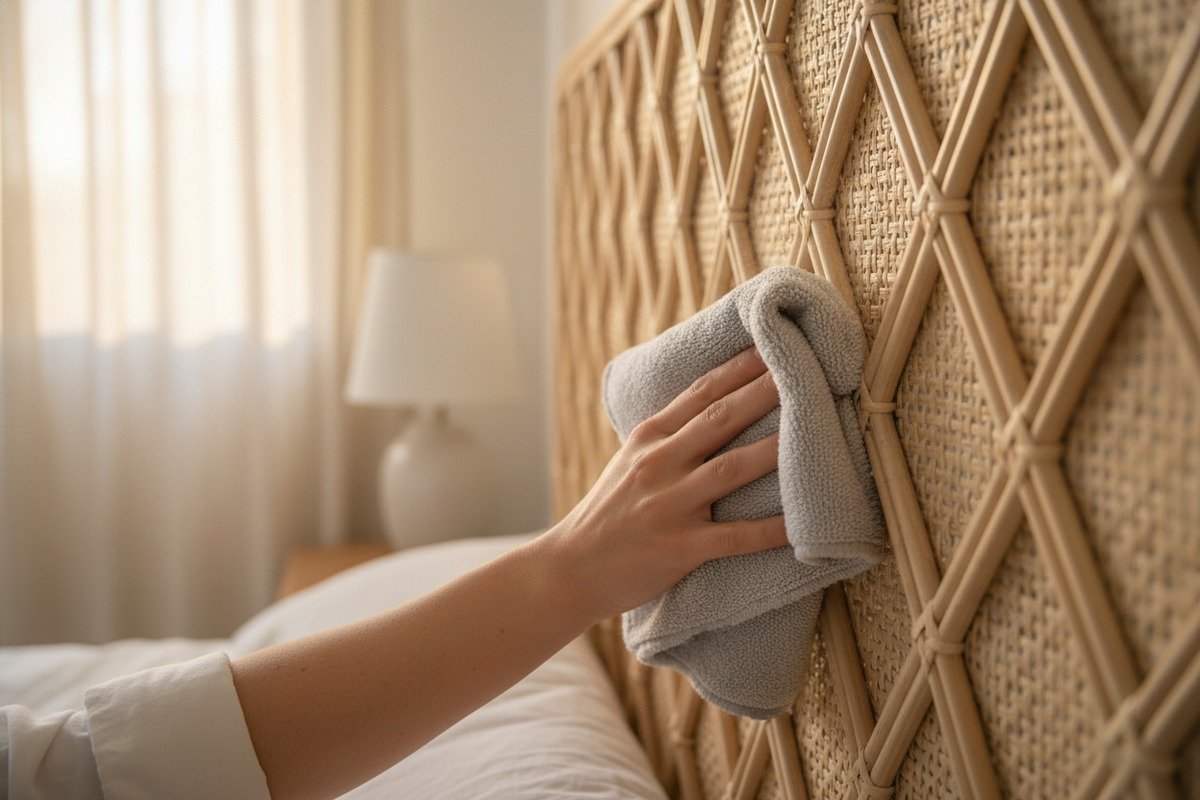
Отбеленные изделия из ротанга требуют регулярной смазки льняным или минеральным маслом, должны храниться вдали от прямых солнечных лучей, чтобы замедлить пожелтение, и нуждаются в защите от избыточной влаги, чтобы предотвратить появление плесени и деформацию. Неправильная герметизация, агрессивные чистящие средства и воздействие наружного воздуха являются наиболее распространенными причинами преждевременного износа.
Проблема пожелтения
Это жалоба номер один, которую мы слышим. Покупатели выбирают отбеленный ротанг за его ярко-белый внешний вид. Затем, в течение шести месяцев или года, они замечают, что он становится слегка желтоватым или кремовым. Некоторые паникуют. Некоторые называют это дефектом.
Это не дефект. Это естественное старение органического материала. Весь ротанг так себя ведет. Натуральный ротанг темнеет и становится более насыщенным. Отбеленный ротанг переходит от белого к теплому желтому. Скорость зависит от воздействия света, влажности и того, был ли нанесен какой-либо защитный слой масла.
Чтобы замедлить процесс, держите отбеленный ротанг подальше от прямых солнечных лучей. Используйте шторы или жалюзи в комнатах с сильными окнами, выходящими на юг или запад. Наносите тонкий слой минеральное масло 8 каждые три-шесть месяцев. Это питает волокна и создает легкий защитный барьер.
Влага: друг и враг
Ротангу нужна некоторая влажность, чтобы оставаться гибким. Слишком сухой, и он становится хрупким и трескается. Слишком влажный, и он набухает, деформируется или покрывается плесенью. Отбеленный ротанг немного более пористый, чем натуральный ротанг, потому что процесс отбеливания открывает структуру волокон. Это означает, что он быстрее впитывает влагу и быстрее ее теряет.
Во влажном климате, таком как Юго-Восточная Азия или прибрежная Австралия, это может привести к временному ослаблению тесьмы на рамах мебели. По мере снижения влажности она снова затягивается. Этот цикл расширения-сжатия является нормальным, но со временем он нагружает волокна.
Для наших оптовых клиентов на Ближнем Востоке — Саудовская Аравия, Дубай, Иран — существует обратная проблема. Кондиционированные помещения очень сухие. Без периодического легкого опрыскивания или смазывания маслом отбеленный ротанг в этих условиях может треснуть в течение года.
Что можно и чего нельзя делать при чистке
| Действие | Рекомендуется? | Reason |
|---|---|---|
| Протрите влажной тканью | Да | Удаляет пыль, не пропитывая волокна |
| Используйте мягкое мыло и воду | Да (в умеренных количествах) | Деликатная чистка пятен |
| Используйте чистящие средства на основе отбеливателя | Нет | Дальнейшее ослабление волокон, вызывает обесцвечивание |
| Используйте средства на основе аммиака | Нет | Снимает натуральные масла, ускоряет хрупкость |
| Нанесите льняное или минеральное масло | Да (каждые 3–6 месяцев) | Поддерживает гибкость, замедляет старение |
| Загерметизируйте обратную сторону лаком | Нет | Задерживает влагу, вызывает растрескивание изнутри |
| Пылесос с насадкой-щеткой | Да | Удаляет мусор из отверстий плетения |
Соображения по качеству воздуха в помещении
Если при отбеливании использовались агрессивные химические вещества, некоторые остаточные соединения могут выделяться в закрытых помещениях. Это вызывает беспокойство у чувствительных людей или при использовании в детской мебели и изголовьях кроватей.
Мы решаем эту проблему, предлагая отбеленную паром без химикатов тесьму специально для клиентов на европейском рынке, где стандарты качества воздуха в помещениях более строгие. Если это важно для вашей линейки продуктов, спросите своего поставщика о методе отбеливания и запросите документацию по безопасности материалов.
Практический календарь ухода
Чтобы помочь нашим клиентам донести информацию об уходе до конечных пользователей, мы рекомендуем простой сезонный график ухода:
- Ежемесячно: Протрите пыль мягкой тканью или пропылесосьте щеткой.
- Ежеквартально: Нанесите тонкий слой минерального масла или льняное масло 9 мягкой кистью. Удалите излишки.
- Дважды в год: Осмотрите на предмет ослабленных нитей или трещин в местах нагрузки. Устраняйте мелкие проблемы до того, как они распространятся.
- Ежегодно: Если изделие находится рядом с окнами, рассмотрите возможность его вращения или регулировки оконных покрытий, чтобы уменьшить UV exposure 10.
Этот уход занимает всего несколько минут за сеанс, но может продлить срок службы отбеленной ротанговой тесьмы на годы. Ключевое сообщение для покупателей: отбеленная ротанговая тесьма не требует сложного ухода, но и не требует полного отсутствия ухода. Она вознаграждает небольшое внимание долговечной красотой.
Заключение
Отбеленная ротанговая тесьма — красивый, универсальный материал с явными эстетическими преимуществами и реальными практическими компромиссами. Понимание обеих сторон поможет вам принимать более обоснованные решения о покупке и устанавливать точные ожидания для ваших клиентов.
Сноски
1. Объясняет, что такое ротанговая сетка и ее происхождение. ↩︎
2. Определяет современный дизайн мебели и его ключевые характеристики. ↩︎
3. Описывает основные принципы и характеристики скандинавского дизайна. ↩︎
4. Описывает ключевые элементы и характеристики прибрежного дизайна интерьера. ↩︎
5. Заменил HTTP 404 авторитетной страницей Википедии о перекиси водорода, охватывающей ее науку и применение. ↩︎
6. Заменил HTTP 403 авторитетной страницей Википедии о лигнине, ключевом структурном компоненте растений, таких как ротанг. Хотя ‘натуральные масла’ — это широкое понятие, это касается основного растительного материала. ↩︎
7. Заменил HTTP unknown авторитетной страницей Википедии, определяющей предел прочности на разрыв. ↩︎
8. Объясняет, как минеральное масло используется для ухода за деревянными изделиями. ↩︎
9. Описывает льняное масло как популярное покрытие для дерева и его преимущества. ↩︎
10. Объясняет, как ультрафиолетовое излучение может разрушать различные материалы. ↩︎
 English
  Español de México
  العربية
  Deutsch
  Français
  Русский