
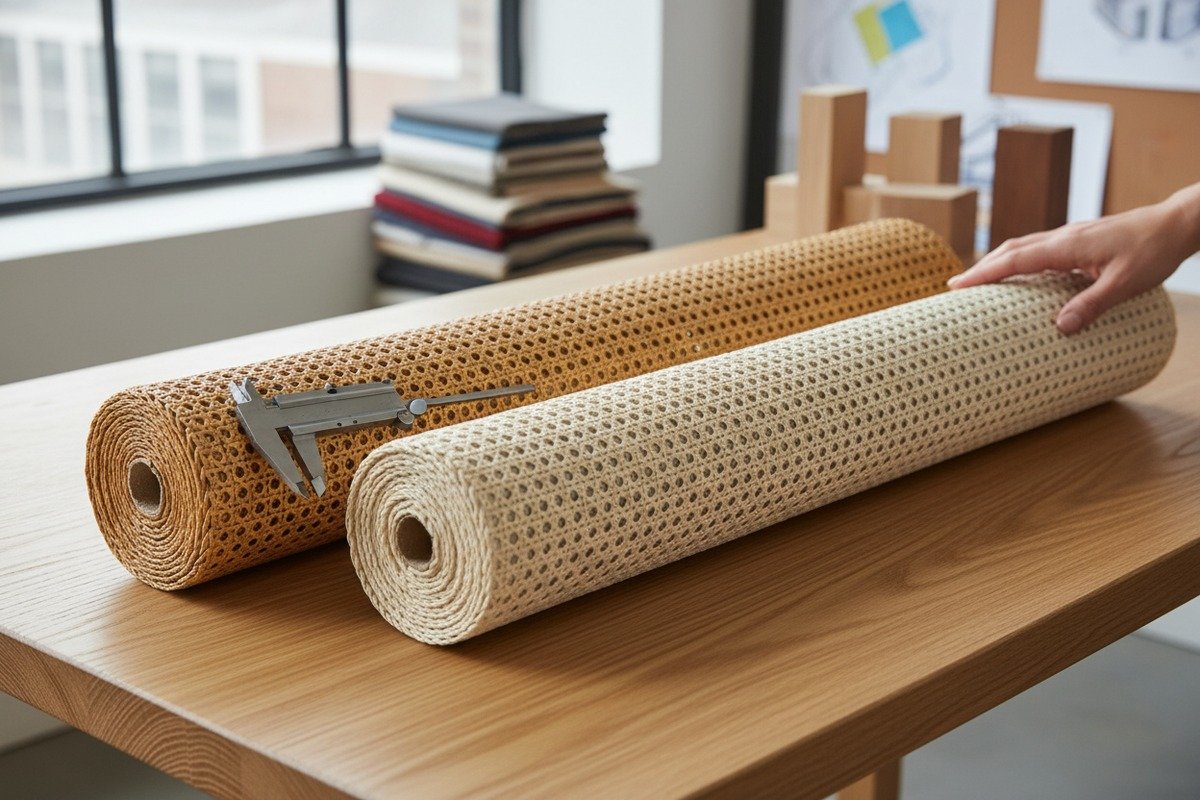
Каждую неделю наша команда продаж получает один и тот же вопрос от мебельных фабрик и оптовых покупателей по всему миру: стоит ли выбирать натурального ротангового плетения 1 или отбеленный?
Натуральная ротанговая сетка сохраняет свой первоначальный золотисто-коричневый цвет и органические масла, что делает ее экологичной и экономичной, но склонной к изменению цвета и плесени. Отбеленный ротанг обеспечивает однородный, более светлый вид с улучшенной устойчивостью к плесени, но он стоит дороже, может содержать химические остатки и со временем терять гибкость.
Это руководство подробно описывает реальные различия между натуральным и отбеленное ротанговое плетение 2. Мы рассмотрим качество, долговечность, цены и однородность цвета, чтобы вы могли принять обоснованное решение о поставках для вашего следующего оптового заказа.
Как мне решить, какой ротанговый шпон — натуральный или отбеленный — лучше соответствует стандартам качества моей мебельной фабрики?
Когда мы обрабатываем ротанг на нашем предприятии в Индонезии, каждая партия рассказывает свою историю в зависимости от того, остается ли она натуральной или подвергается отбеливанию. химического отбеливания 3. Этот выбор влияет на все: от внешнего вида вашей готовой мебели до процента брака на производстве.
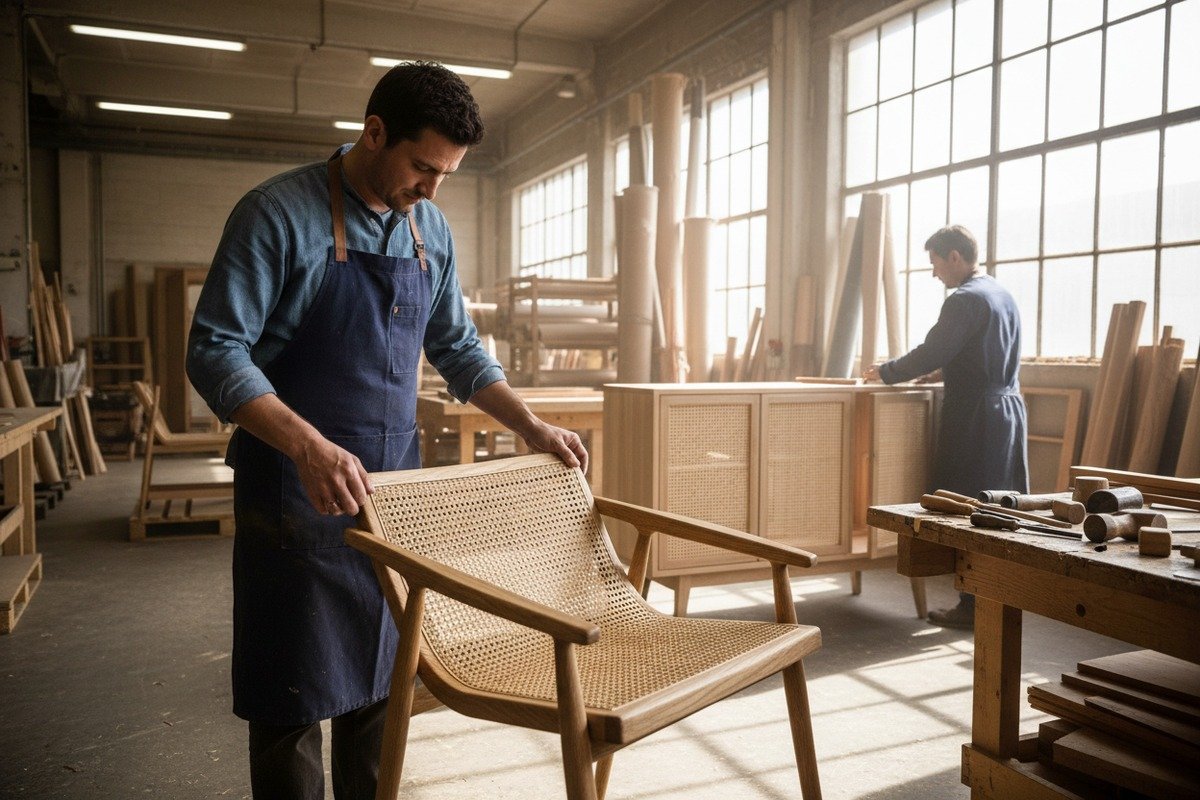
Чтобы выбрать между натуральным и отбеленным ротанговым плетением, сопоставьте материал с дизайном конечного продукта, ожиданиями целевого рынка и рабочим процессом фабрики. Натуральный подходит для деревенской или богемной эстетики, в то время как отбеленный подходит для современного или скандинавского дизайна и предлагает более однородное качество для массового производства.
Понимание основных различий
Натуральная ротанговая сетка — это минимально обработанный вариант. После сбора ротанговых пальм из тропических лесов Индонезии 4, рабочие снимают кору, расщепляют волокна, сушат их на солнце и кипятят для придания мягкости. Затем мастера вручную вплетают полоски в рулоны, обычно длиной около 15 метров. В результате получается теплый, золотисто-коричневый материал с органичной текстурой и тонкими цветовыми переходами.
Отбеленный ротанг проходит дополнительные этапы. После первоначальной обработки полоски подвергаются сушке серой 5, химическому отбеливанию или термической обработке. Это удаляет естественный пигмент и создает более светлый, белый оттенок. Некоторые производители также добавляют противогрибковые средства 6 на этом этапе.
Как каждый тип соответствует стандартам качества
Ваши стандарты качества зависят от того, чего ожидают ваши клиенты. Вот практическое сравнение.
| Фактор качества | Натуральный ротанг | Отбеленный ротанг |
|---|---|---|
| Однородность цвета | Варьируется в зависимости от партии и возраста | Высокая однородность по рулонам |
| Текстура поверхности | Мягкое, гибкое, органическое ощущение | Немного жестче после обработки |
| Равномерность плетения | Хорошо, зависит от мастерства ремесленника | Часто проверяется после обработки |
| Видимость дефектов | Естественная текстура скрывает мелкие недостатки | Светлый цвет показывает дефекты плетения |
| Химические остатки | Нет | Возможно, если не полностью обработано |
| Устойчивость к плесени | Низкий без герметика | Выше из-за противогрибковых мер |
Подбор материала к вашей линейке продуктов
Если ваша фабрика производит мебель в богемном или тропическом стиле, натуральный ротанг — очевидный выбор. Его теплые тона и органические несовершенства являются преимуществами, а не дефектами. Покупатели на таких рынках, как США и Австралия, часто ищут этот рукотворный, земляной вид для обеденных стульев, изголовьев и дверок шкафов.
С другой стороны, если вы поставляете современную гостиничную мебель или изделия в скандинавском стиле, отбеленный ротанг обеспечивает чистый, воздушный вид, который хотят ваши клиенты. Однородная белая или бледно-желтая отделка хорошо сочетается со светлыми деревянными рамами и окрашенными поверхностями.
Соображения по производственному процессу на фабрике
Натуральный ротанг перед установкой необходимо замочить в прохладной воде. Этот шаг делает его достаточно гибким, чтобы прибивать скобами или приклеивать к каркасам без растрескивания. Это простой процесс, но он увеличивает время производственной линии.
Отбеленный ротанг иногда может быть более жестким. Некоторые из наших фабрик-партнеров в Фошане сообщают, что отбеленная тесьма требует немного более длительного замачивания или осторожного обращения, чтобы избежать разрыва при растяжении. Планируйте свой рабочий процесс соответствующим образом.
По нашему опыту поставок более чем в дюжину стран, мы видели, как фабрики добивались успеха с обоими типами. Ключ в тестировании образцов на соответствие вашим конкретным конструкциям каркасов и требованиям к отделке перед оформлением крупного заказа.
Повлияет ли выбор отбеленного ротанга на долговечность моих плетеных изделий?
Долговечность — одна из первых вещей, о которых спрашивают наши клиенты, особенно мебельные фабрики, производящие для экспортных рынков, где гарантийные случаи могут быстро съесть прибыль. Процесс отбеливания действительно изменяет ротанг на уровне волокон, и это имеет значение. целостность волокон 7
Отбеленный ротанг может обеспечить повышенную устойчивость к плесени, грибку и насекомым благодаря химической обработке и обработке серой. Однако процесс отбеливания со временем может незначительно ослабить натуральные волокна, делая их более хрупкими и подверженными износу по сравнению с необработанным натуральным ротангом в сухих помещениях.
Как отбеливание влияет на целостность волокон
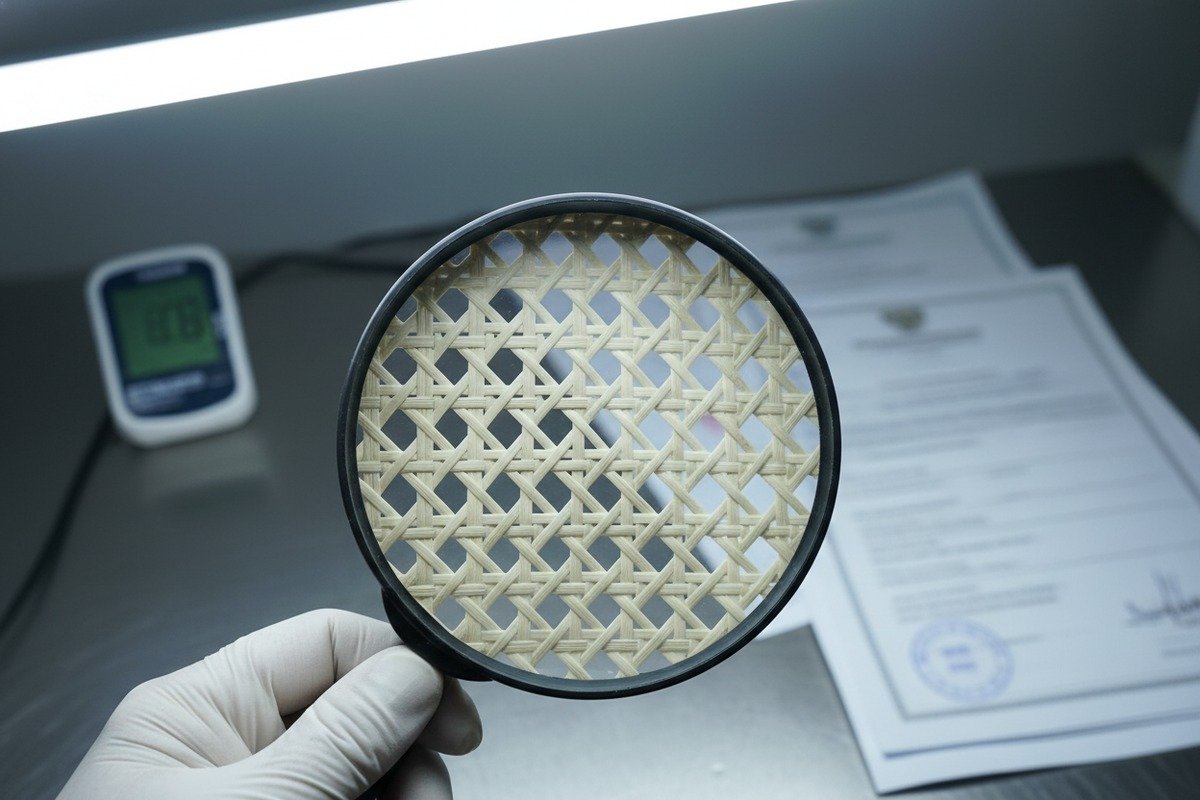
Прочность ротанга обусловлена плотными, тесно упакованными волокнами и натуральные масла 8 внутри тростника. Эти масла действуют как встроенная защита. Когда вы отбеливаете ротанг, химический или серный процесс удаляет часть этих масел вместе с пигментом. Волокна становятся светлее по цвету, но также немного суше и жестче.
Спустя месяцы и годы это может привести к более ранней хрупкости. В ходе наших испытаний на нашем перерабатывающем предприятии мы заметили, что отбеленный ротанг, хранящийся в очень сухих условиях, может раньше развивать тонкие трещины, чем натуральный ротанг, хранящийся в аналогичных условиях.
Долговечность в различных климатических условиях
Климат играет огромную роль. Вот что мы наблюдали на наших экспортных рынках.
| Тип климата | Натуральный ротанг: характеристики | Отбеленный ротанг: характеристики |
|---|---|---|
| Жаркий и влажный климат (например, Таиланд, Филиппины) | Высокий риск образования плесени без герметика; 20-30% риск грибковых поражений | Лучшая устойчивость к плесени благодаря противогрибковой обработке |
| Умеренный и сухой климат (например, Испания, Австралия) | Отличная долговечность | Хорошая, но может быстрее стать хрупкой |
| Холодный и сухой климат (например, Нидерланды, Россия) | Хорошо сохраняет гибкость в помещении | Может трескаться при неправильной влажности |
| Помещения с кондиционером | Стабильный и долговечный | Стабильный, но следите за сухостью |
Фактор плесени
Именно здесь отбеленный ротанг действительно сияет. В тропических или влажных регионах плесень и грибок представляют серьезную угрозу для натурального ротанга. Без противогрибковой обработки или защитных герметиков натуральный ротанг может покрыться грибком в течение нескольких недель при неправильном хранении или использовании во влажных помещениях.
Процессы сушки серой и защиты от плесени отбеленного ротанга создают враждебную среду для грибков. Для клиентов на Ближнем Востоке, в Юго-Восточной Азии или прибрежных регионах только это преимущество может оправдать дополнительные расходы.
Реальные ожидания срока службы
Натуральный ротанг при правильной герметизации и уходе в помещении может прослужить 10-15 лет и более. Со временем он приобретает теплую патину, которую многие покупатели считают привлекательной. Отбеленный ротанг в хорошо ухоженных помещениях обычно служит 8-12 лет, прежде чем появятся признаки износа, такие как пожелтение или разрушение волокон.
Разница не драматична, но она реальна. Если ваш конечный продукт ориентирован на рынок элитного жилья, где долговечность является ключевым фактором продаж, натуральный ротанг с качественным герметиком может быть более разумным выбором. Для коммерческих проектов в сфере гостеприимства, где эстетика и устойчивость к плесени важнее 15-летнего срока службы, отбеленный ротанг часто является практичным победителем.
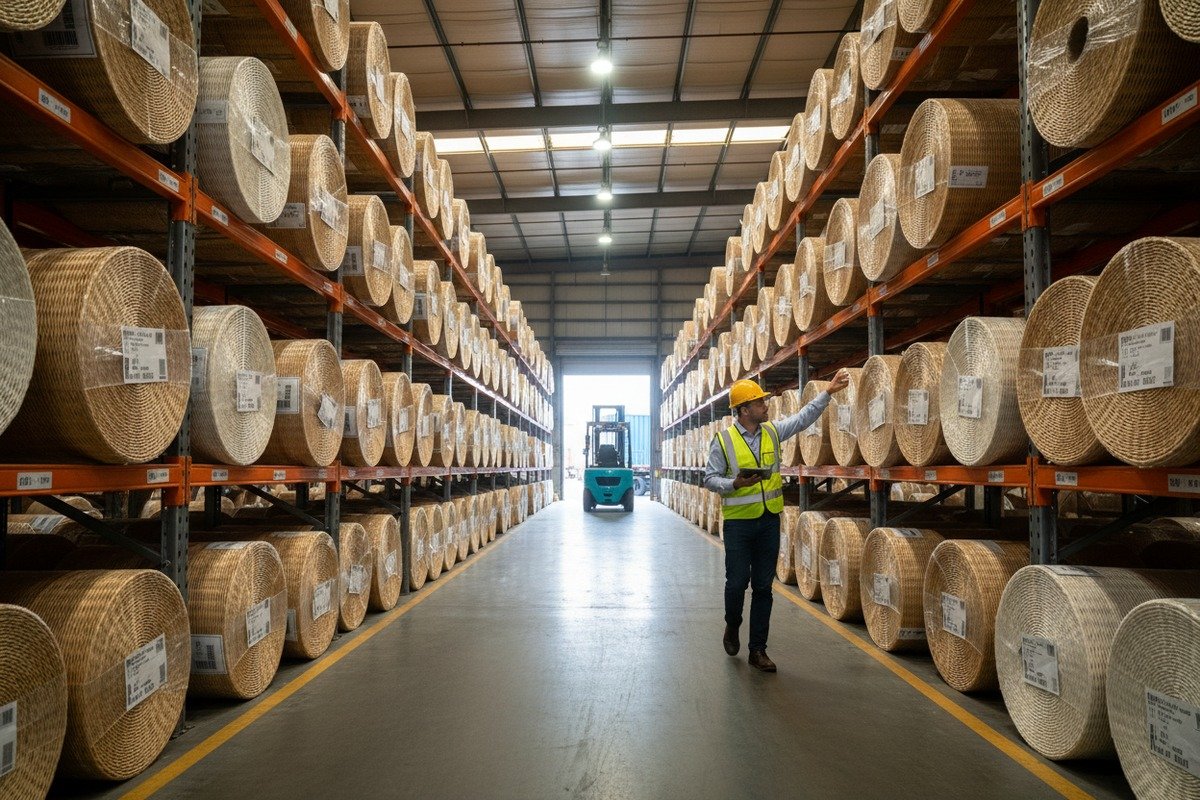
Одно мы всегда говорим нашим оптовым покупателям: независимо от того, какой тип вы выберете, правильное хранение и обращение до производства так же важны, как и сам материал. Храните рулоны завернутыми, в сухих и вентилируемых помещениях, и проверяйте каждую поставку по прибытии.
Как мне управлять разницей в цене между натуральным и отбеленным тростниковым плетением для моих оптовых заказов?
Разговоры о ценах происходят ежедневно в нашем офисе в Фошане. Покупатели хотят получить лучший материал по лучшей цене, и разрыв между натуральным и отбеленным ротангом может удивить начинающих импортеров. Понимание того, откуда берется разница в стоимости, поможет вам вести переговоры более эффективно.
Натуральная ротанговая сетка обычно стоит дешевле, поскольку она не подвергается отбеливанию, сушке серой и дополнительной обработке. Чтобы управлять разницей в цене, рассмотрите возможность комбинирования заказов обоих типов, заказа больших объемов для лучшей цены за единицу и выбора стандартных узоров плетения, которые оптимизируют эффективность производства всей вашей линейки продуктов.
Откуда берется дополнительная стоимость
Отбеленный ротанг не дорог из-за сырья. Сам ротанг происходит от той же пальмы, того же леса и того же урожая. Разница в стоимости полностью заключается в послеуборочной обработке.
Вот упрощенная разбивка производственных этапов и того, где накапливаются затраты.
| Этап производства | Натуральный ротанг | Отбеленный ротанг |
|---|---|---|
| Сбор и очистка | ✔ | ✔ |
| Разделка и нарезка | ✔ | ✔ |
| Сушка на солнце | ✔ | ✔ |
| Варка и размягчение | ✔ | ✔ |
| Сушка/отбеливание серой | ✘ | ✔ (добавляет стоимость) |
| Обработка против плесени | ✘ | ✔ (добавляет стоимость) |
| Стирка после обработки | ✘ | ✔ (добавляет стоимость) |
| Дополнительный контроль качества | Иногда | ✔ (добавляет стоимость) |
| Ручное плетение | ✔ | ✔ |
| Отделка края и скручивание | ✔ | ✔ |
Эти четыре дополнительных этапа для отбеленного ротанга требуют труда, химикатов, времени на сушку и дополнительных проверок качества. В зависимости от поставщика, это может увеличить цену за рулон на 10-25%.
Практические стратегии управления затратами
Вот подходы, которые хорошо зарекомендовали себя для наших клиентов.
Комбинируйте ваши заказы. Если ваша мебельная линейка включает как деревенские, так и современные изделия, заказывайте натуральный ротанг для деревенской серии и отбеленный только для современных предметов. Это снижает среднюю стоимость материала.
Увеличьте объем на SKU. Наши фабрики работают наиболее эффективно при больших партиях одного и того же узора и типа плетения. Когда вы заказываете 500 рулонов одного узора вместо 100 рулонов пяти узоров, затраты на настройку снижаются. Эта экономия передается вам.
Выбирайте стандартные узоры. Квадратное радиоплетение и классические шестиугольные узоры являются наиболее распространенными и наименее дорогими в производстве. Индивидуальные или сложные узоры, такие как восьмиугольные вставки, требуют больше ручного труда и стоят дороже, независимо от того, натуральный ротанг или отбеленный.
Договаривайтесь об условиях оплаты. Некоторые поставщики, включая нас, предлагают лучшую цену за единицу для заказов с выгодными условиями оплаты, такими как больший депозит или более короткий срок оплаты. Это может компенсировать более высокую стоимость отбеленного материала.
Планируйте доставку заранее. Объединение заказов на натуральный и отбеленный ротанг в одну поставку экономит на фрахте. Наша логистическая команда в Наньхае регулярно помогает клиентам объединять различные изделия из ротанга в один контейнер, чтобы снизить стоимость доставки за единицу.
Когда ценовая надбавка оправдана
Для проектов гостиничной мебели и коммерческих интерьеров во влажном климате устойчивость отбеленного ротанга к плесени может сэкономить вам деньги на гарантийных претензиях и заменах. В этих случаях более высокая стоимость материала окупается. Для жилой мебели, продаваемой на умеренных рынках, натуральный ротанг часто обеспечивает наилучшее соотношение цены и качества.
На что мне следует обратить внимание, чтобы убедиться, что мой поставщик обеспечивает единообразие цвета в моих поставках отбеленного ротанга?
Цветовая консистенция — одна из самых больших проблем, о которых мы слышим от менеджеров по закупкам. Когда вы заказываете 300 рулонов отбеленного ротанга для одного мебельного проекта, даже небольшое отличие в оттенке между партиями может привести к видимым несоответствиям в готовой продукции. Мы годами совершенствовали наш процесс, чтобы свести эту проблему к минимуму, и существуют четкие шаги, которые вы, как покупатель, можете предпринять, чтобы защитить себя.
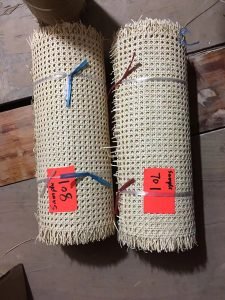
Чтобы обеспечить единообразие цвета в партиях отбеленного ротанга, запрашивайте образцы из фактической производственной партии перед утверждением, указывайте допустимый диапазон цветов с использованием эталонных образцов или кодов Pantone, требуйте, чтобы все рулоны поступали из одной партии отбеливания, и проверяйте поставки при постоянном освещении по прибытии на ваше предприятие.
Почему возникает вариация цвета
Даже при контролируемом отбеливании несколько факторов вызывают различия в оттенках между рулонами и между поставками.
Вариативность сырья. Ротанг, собранный в разных районах леса или в разное время года, изначально имеет немного разные базовые цвета. Молодые трости, как правило, светлее. Старые трости темнее и плотнее. Если поставщик смешивает трости разного возраста в одной партии отбеливания, результат не будет идеально однородным.
Переменные отбеливающего процесса. Концентрация отбеливающих агентов, продолжительность процесса сушки серой, температура воды и влажность окружающей среды во время обработки — все это влияет на конечный оттенок. Фабрика, которая тщательно контролирует эти параметры, будет производить более стабильные результаты, чем та, которая этого не делает.
Обработка после лечения. То, как отбеленный ротанг сушится, хранится и упаковывается после обработки, имеет значение. Рулоны, подвергающиеся воздействию солнечного света во время сушки, могут слегка пожелтеть на внешних слоях. Рулоны, хранящиеся во влажных условиях, могут приобрести сероватый оттенок.
Что спросить у вашего поставщика
Прежде чем разместить крупный заказ, мы рекомендуем нашим клиентам ознакомиться с этим контрольным списком.
Запросите физический образец из производственной партии. Не полагайтесь только на фотографии. Экраны отображают цвета по-разному. Попросите поставщика отправить 2-3 образца, вырезанных из фактических рулонов, которые они планируют отправить.
Установите эталон цвета. Храните физический эталонный образец на своем заводе. Когда прибывают новые партии, сравнивайте их бок о бок при одинаковом освещении. Некоторые из наших клиентов используют для этой цели простую светодиодную коробку.
Укажите производство одной партии. Попросите, чтобы все рулоны в вашем заказе были из одной партии отбеливания. Это самый эффективный способ обеспечить однородность. Если ваш заказ слишком велик для одной партии, попросите поставщика четко маркировать каждую партию, чтобы вы могли сгруппировать совпадающие рулоны во время производства.
Обсудите допустимый допуск. Ни один натуральный материал не будет абсолютно идентичен в каждом рулоне. Заранее договоритесь о допустимом диапазоне. Некоторые покупатели принимают допуск плюс или минус один оттенок. Другие требуют более строгого контроля. Установление этого ожидания до производства предотвращает споры в дальнейшем.
Проверка партий при получении
Когда ваш контейнер прибывает, не пропускайте входную проверку. Разверните образцы как минимум из 10% рулонов в партии. Разложите их ровно рядом друг с другом при естественном дневном свете или при постоянном искусственном освещении. Проверьте различия в оттенках, пожелтение на внешних слоях и любые несоответствия в рисунке плетения.
Если вы обнаружите рулоны, которые выходят за пределы согласованного допуска, задокументируйте их фотографиями и немедленно свяжитесь с вашим поставщиком. Надежный поставщик будет работать с вами над заменой или кредитами.
Пожелтение со временем
Одна из проблем, специфичных для отбеленного ротанга, — это постепенное пожелтение от UV exposure 9. Даже после достижения идеальной цветовой согласованности при доставке, ваши готовые изделия могут изменить цвет при воздействии солнечного света. Это естественный процесс, а не дефект, но об этом стоит сообщить вашим конечным клиентам. УФ-защитные покрытия 10 или прозрачные лаки могут значительно замедлить этот эффект.
На наших предприятиях мы советуем клиентам, производящим продукцию для условий, подверженных воздействию солнца, применять УФ-стойкое верхнее покрытие в процессе отделки. Этот небольшой дополнительный шаг защищает инвестиции в отбеленный материал и дольше сохраняет мебель в первозданном виде.
Заключение
Выбор между натуральным и отбеленным ротанговым плетением зависит от дизайна вашего продукта, целевого рынка, бюджета и возможностей контроля качества. Оба имеют явные преимущества при правильном применении. Тестируйте образцы, общайтесь с поставщиком и позвольте потребностям вашего конечного клиента направлять решение.
Сноски
1. Объясняет, что такое ротанговое плетение и его характеристики. ↩︎
2. Сравнивает отбеленное и натуральное ротанговое плетение, подробно описывая их эстетику. ↩︎
3. Подробно описывает химический процесс отбеливания ротанга, включая используемые реагенты и безопасность. ↩︎
4. Подтверждает происхождение ротанга из тропических лесов Индонезии как источника натурального волокна. ↩︎
5. Объясняет серное отбеливание как обработку ротанга для улучшения цвета и сохранения. ↩︎
6. Обсуждает, как обработка против плесени продлевает срок службы ротанга во влажных условиях. ↩︎
7. Заменено академической статьей из BioResources, которая конкретно обсуждает ‘Целостность волокнистого материала’ и ее важность для качества материала. ↩︎
8. Обсуждает, как натуральные масла помогают сохранить ротанговые волокна и защищают от УФ-повреждений. ↩︎
9. Объясняет, как УФ-излучение приводит к выцветанию, ослаблению и старению ротанга. ↩︎
10. Описывает, как УФ-защитные покрытия создают барьер против УФ-лучей для ротанга. ↩︎
 English
  Español de México
  العربية
  Deutsch
  Français
  Русский