
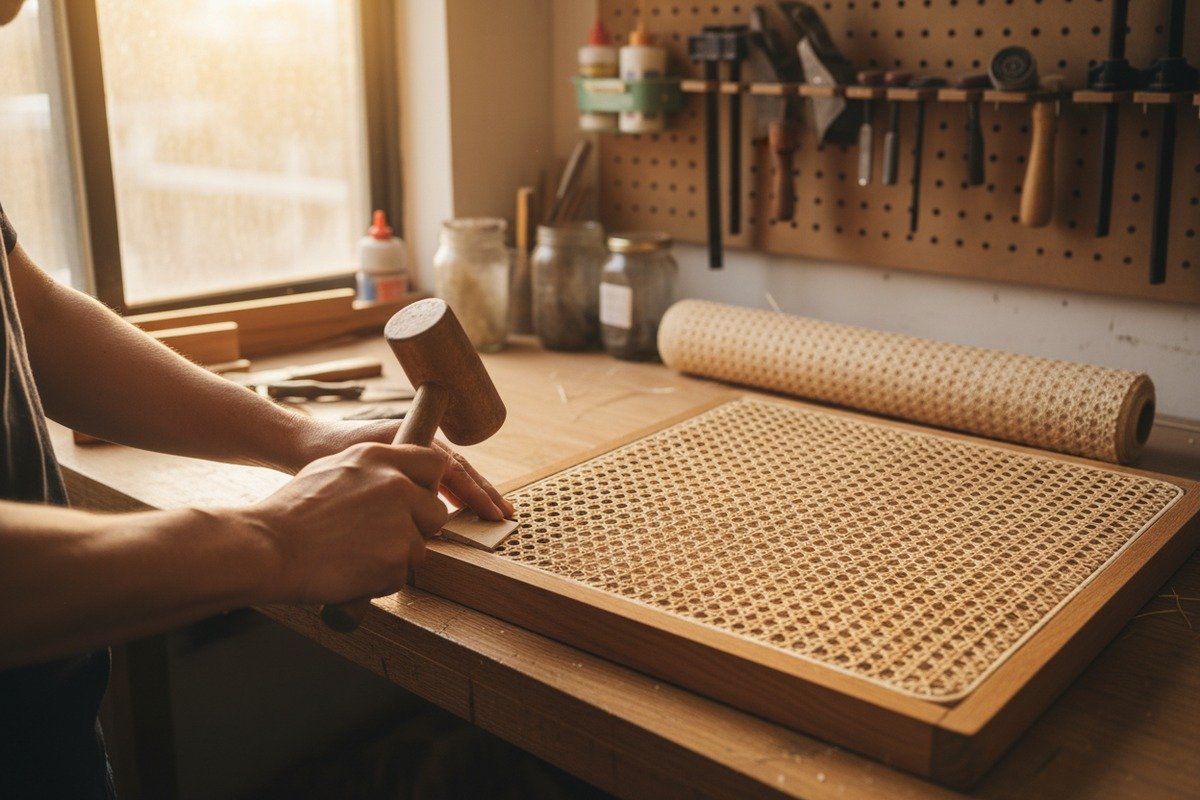
Каждую неделю наша производственная команда в Фошане получает от клиентов фотографии изношенных винтажных стульев с провисшими, потрескавшимися плетеными сиденьями. Разочарование реально — красивый стул Cesca середины века 1 стоит неиспользуемым, потому что оплетка износилась. Многие считают, что профессиональное переплетение — их единственный вариант, но правда в том, что замена плетеной оплетки из ротанга — это удивительно доступный проект для самостоятельного выполнения.
Для использования ротанговой сетки при реставрации винтажных стульев удалите старую шпонку и ротанг из паза, очистите остатки клея, замочите предварительно сплетенную ротанговую сетку в теплой воде на 20–30 минут, центрируйте ее над отверстием сиденья, вдавите в паз, затем приклейте и забейте новую тростниковую шпонку для закрепления.
Это руководство проведет вас через каждый шаг — от выбора правильного сорта оплетки до поиска надежного оптового поставщика. Независимо от того, восстанавливаете ли вы один фамильный стул или управляете оптовыми заказами для мебельной мастерской, ниже вы найдете практические советы. Начнем с самого материала.
Как выбрать правильный сорт ротанговой сетки для моего винтажного проекта стула?
Когда мы отправляем оплетку из ротанга на мебельные фабрики по всей США и Европе, самый частый вопрос, который мы слышим, касается сортности. Покупатели часто получают несоответствующую оплетку, потому что не указали правильный сорт. Это приводит к пустой трате материала, задержкам проектов и недовольным конечным клиентам.
Выберите сорт ротанговой сетки в зависимости от ширины канавки стула, желаемой плотности узора и необходимости использования натурального, отбеленного или синтетического материала. Сетка класса А отличается однородным цветом и плотным плетением, что делает ее идеальной для реставрации винтажных изделий, где внешний вид имеет первостепенное значение.
Понимание типов оплетки
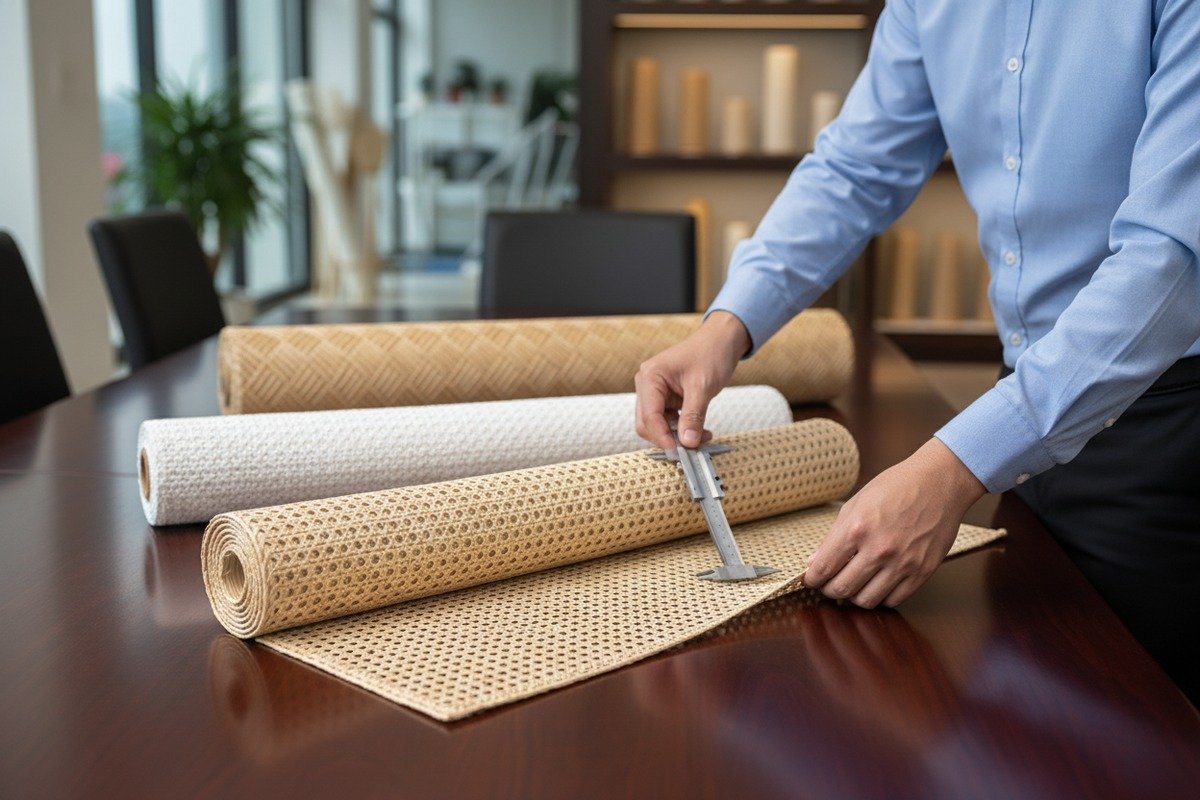
Не вся оплетка из ротанга одинакова. Три основных типа, с которыми вы столкнетесь: натуральный ротанг 2, отбеленный ротанг и синтетический ротанг. Натуральный ротанг имеет теплый, землистый оттенок — от светло-бежевого до соломенно-желтого — с органическими вариациями в каждой нити. Отбеленный ротанг обеспечивает более светлый, более однородный вид. Синтетический ротанг имитирует внешний вид натуральных волокон, но использует прочный пластик.
Для аутентичной реставрации винтажных стульев натуральный ротанг обычно является лучшим выбором. Он соответствует оригинальному материалу и красиво стареет. Отбеленный ротанг хорошо подходит, когда вы хотите более яркий, чистый вид. Синтетический ротанг практичен для уличной мебели или помещений с высокой влажностью.
Узоры плетения и их применение
Узор плетения влияет как на эстетику, так и на прочность. Вот наиболее распространенные узоры:
| Тип плетения | Описание | Лучше всего подходит для |
|---|---|---|
| Открытый шестиугольник (радио-плетенка) | Шестиугольная открытая сетка, воздушная и декоративная | Стулья в стиле mid-century modern, сиденья в стиле Cesca |
| Плотная корзинка | Плотный, тугой квадратный узор | Традиционные обеденные стулья, сиденья для интенсивного использования |
| Ромбовидный мотив | Сложный геометрический дизайн | Декоративные панели, дверцы шкафа |
Для большинства сидений винтажных стульев, открытое шестиугольное плетение 3 или плотное плетение "корзинка" будут вашим выбором. Открытое плетение легче и обеспечивает циркуляцию воздуха, в то время как плотное плетение обеспечивает лучшую поддержку при интенсивном использовании.
Оценка качества: на что обратить внимание
Оценка имеет значение. На нашем предприятии по переработке ротанга в Индонезии мы сортируем тесьму по классам в зависимости от однородности цвета, толщины нити и плотности плетения. Тесьма класса А 4 имеет минимальные цветовые вариации и не имеет оборванных нитей. Более низкие классы могут иметь темные пятна, неравномерное плетение или более тонкие участки.
Для видимой реставрации сиденья всегда запрашивайте класс А. Для скрытых панелей или тренировочных проектов средний класс экономит деньги, не жертвуя структурной целостностью. При заказе укажите ширину паза рамы вашего стула — обычно от 3 мм до 5 мм — чтобы толщина тесьмы соответствовала.
Также учитывайте ширину рулона. Готовая тесьма из ротанга поставляется стандартной ширины от 18 до 36 дюймов. Измерьте отверстие сиденья вашего стула и добавьте не менее 2 дюймов с каждой стороны. Этот запас дает вам пространство, чтобы вставить тесьму в паз, не натягивая ее слишком сильно.
Как мне замочить и подготовить ротанговую сетку перед началом реставрации?
За годы работы наша команда получила сотни звонков от клиентов, которые пропустили или испортили этап замачивания. Сухая ротанговая сетка жесткая и хрупкая. Попытайтесь вдавить ее в паз без замачивания, и она треснет, расщепится или откажется принимать форму каркаса. Эта одна ошибка портит больше реставрационных проектов, чем любая другая.
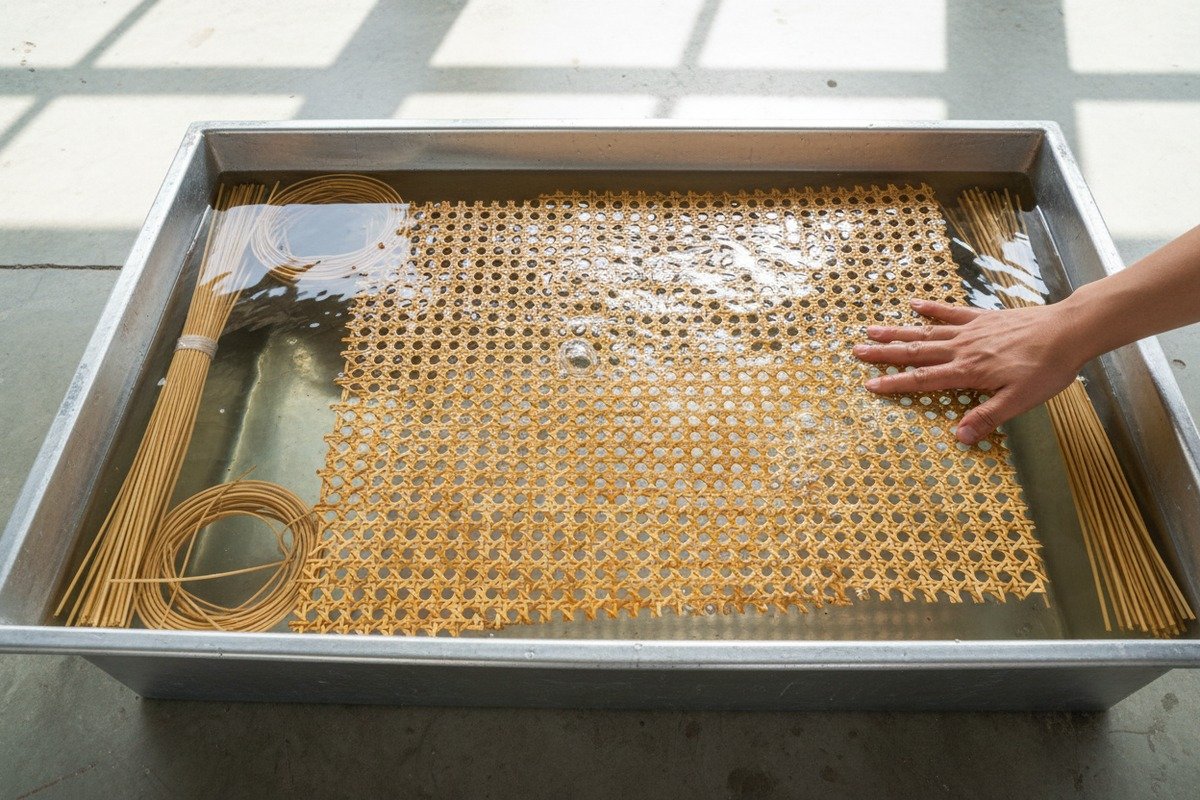
Замочите ротанговую циновку в теплой воде на 20-30 минут, пока она не станет достаточно гибкой, чтобы ее можно было складывать без трещин. Замочите тростниковую шпонку отдельно примерно на 15 минут. Проверьте гибкость, осторожно согнув угол — он должен плавно изгибаться, не ломаясь и не оставляя белых следов напряжения.
Процесс замачивания шаг за шагом
Начните с наполнения ванны, большого таза или пластикового контейнера теплой водой — не горячей, не холодной. Положите отрезанный кусок ротанговой сетки ровно в воду. Убедитесь, что он полностью погружен. Установите таймер на 20 минут.
Через 20 минут поднимите угол и аккуратно сложите его. Если он сгибается плавно, он готов. Если он кажется жестким или вы видите белые линии напряжения на сгибе, оставьте его замачиваться еще на 5-10 минут. Для большинства сеток не превышайте 30 минут. Чрезмерное замачивание приводит к чрезмерному разбуханию волокон, что может ослабить плетение и вызвать изменение цвета.
Для шпунта из тростника 5, замочите его в отдельной емкости примерно на 15 минут. Шнур плотнее сетки, поэтому ему требуется меньше времени. Он должен быть гибким, но не кашеобразным.
Дискуссия о продолжительности замачивания
Существуют серьезные разногласия относительно того, как долго замачивать ротанг. Вот что мы наблюдали при различных подходах:
| Продолжительность замачивания | Плюсы | Минусы | Лучше всего подходит для |
|---|---|---|---|
| 15–20 минут | Сохраняет цвет, плетение остается плотным | Может быть немного жестким для плотных пазов | Тонкая сетка, теплая вода |
| 20–30 минут | Хорошая гибкость, легко работать | Возможно легкое осветление цвета | Стандартные реставрационные проекты |
| До 3 часов | Максимальная гибкость | Риск ослабления волокон, выцветания | Очень старый или пересохший материал |
Большинство опытных реставраторов — и наша собственная производственная команда — рекомендуют диапазон от 20 до 30 минут. Замачивание на 3 часа иногда упоминается в старых руководствах, но мы обнаружили, что это ослабляет натуральные волокна и делает плетение рыхлым.
Подготовка каркаса стула
Пока ваша тесьма замачивается, подготовьте каркас стула. Если вы заменяете старую трость, начните с удаления существующей шпонки. Проведите острым ножом по периметру. Затем используйте долото для трости 6 или плоскую отвертку, чтобы вынуть старую шпонку из канавки. Работайте медленно. Наклоняйте долото от дерева, чтобы не повредить каркас.
Если старый клей плохо удаляется, смочите его теплой водой или раствором уксуса и оставьте на 10 минут. Затем очистите канавку долотом. Весь старый клей и мусор должны быть удалены. Грязная канавка мешает правильной установке новой шпонки.
Как только канавка будет чистой, выполните окрашивание или покраску каркаса сейчас — до установки новой тесьмы. Краска на необработанном ротанге окрашивает волокна и выглядит ужасно.
Поддержание тесьмы в рабочем состоянии
Ротанг быстро высыхает после извлечения из воды. Если вы новичок, держите рядом влажную ткань. Накройте ею участки, над которыми вы активно не работаете. Это продлит ваше рабочее время. Вы также можете слегка опрыскать тесьму из пульверизатора, если она начнет затвердевать во время установки.
Какие инструменты мне нужны, чтобы закрепить ротанговую плетенку на каркасе моего стула?
При упаковке заказов на ротанговую сетку для экспорта клиенты иногда просят нас включить базовый набор инструментов. Инструменты для установки тростниковой сетки просты и недороги, но использование неправильного инструмента — или импровизация с тем, что есть в вашем гараже — часто приводит к повреждению рамы стула или самой сетки.
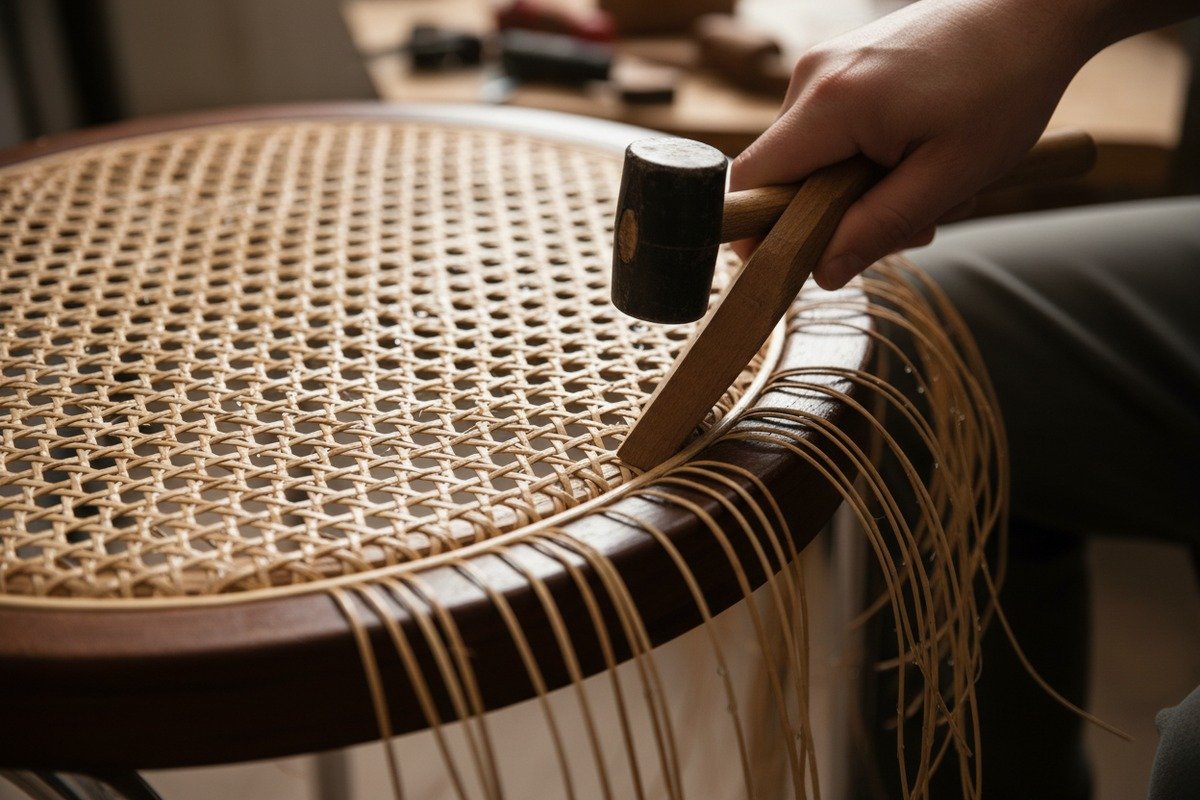
Вам понадобится инструмент для плетения из ротанга (или пластиковый шпатель) для вдавливания ротанга в паз, долото для ротанга для удаления шнура, острый канцелярский нож для обрезки, резиновый молоток для постукивания по шнуру, белый клей ПВА, малярная лента, ножницы или кусачки для ротанга, рулетка и влажная ткань для поддержания ротанга в рабочем состоянии.
Основные инструменты
Позвольте мне рассказать вам о каждом инструменте и его назначении. A инструмент для тростниковой сетки 7 представляет собой устройство роликового типа со скругленным краем, предназначенное для чистого вдавливания сетки в паз без ее разрезания или разрыва. Пластиковый шпатель подходит в качестве альтернативы, но требует больше осторожности и усилий.
Стамеска для тростника — ваш лучший друг при снятии. Ее плоский скошенный край скользит под старую шнуровку, чтобы вытащить ее. Не используйте для этого обычную отвертку — узкий кончик концентрирует силу и может расколоть стенки паза.
Острый канцелярский нож имеет решающее значение. Вы будете использовать его для надрезания старой шнуровки, обрезки излишков сетки после установки и нарезки новой шнуровки по длине. Всегда используйте новое лезвие. Тупые лезвия рвут ротанг, а не режут его чисто.
Инструменты и альтернативы в сравнении
| Инструмент | Назначение | Альтернатива | Риск с альтернативой |
|---|---|---|---|
| Инструмент для тростниковой сетки | Вдавливание сетки в паз | Пластиковый шпатель | Медленнее, менее равномерное давление |
| Стамеска для тростника | Удаление старой шнуровки | Плоская отвертка | Может повредить стенки канавки |
| Резиновый молоток | Вбейте шплинт в канавку | Мягкий молоток, деревянный брусок | Металлический молоток повредит дерево |
| Канцелярский нож (свежее лезвие) | Подрежьте тесьму и шплинт | Ножницы | Неровные разрезы, распушение |
| Плоскогубцы для плетения | Подрежьте заподлицо занозы и волоски | Ножницы для ногтей | Менее точные |
| Белый клей ПВА 8 | Приклейте шплинт в канавку | Белый клей Elmer's | Отлично подходит в качестве запасного варианта |
| Малярный скотч | Защитите края рамы при надрезании | Painter's tape | Оба варианта работают хорошо |
Почему следует избегать деревянных клиньев?
В старых руководствах часто рекомендуются деревянные клинья для удержания тесьмы в пазу во время установки. Хотя это работает, последние руководства — особенно от 2025 года — предостерегают от этого. Клинья концентрируют давление на небольших участках. На старинных стульях с высушенным деревом это может привести к растрескиванию или сколам краев паза. Инструмент для плетения из ротанга равномерно распределяет давление и дает вам лучший контроль.
Если вы все же используете клинья, выбирайте мягкую древесину, такую как сосна, никогда — твердую. И постукивайте по ним осторожно. Цель — временно удержать тесьму на месте, а не вбить ее на дно паза.
Процесс установки с вашими инструментами
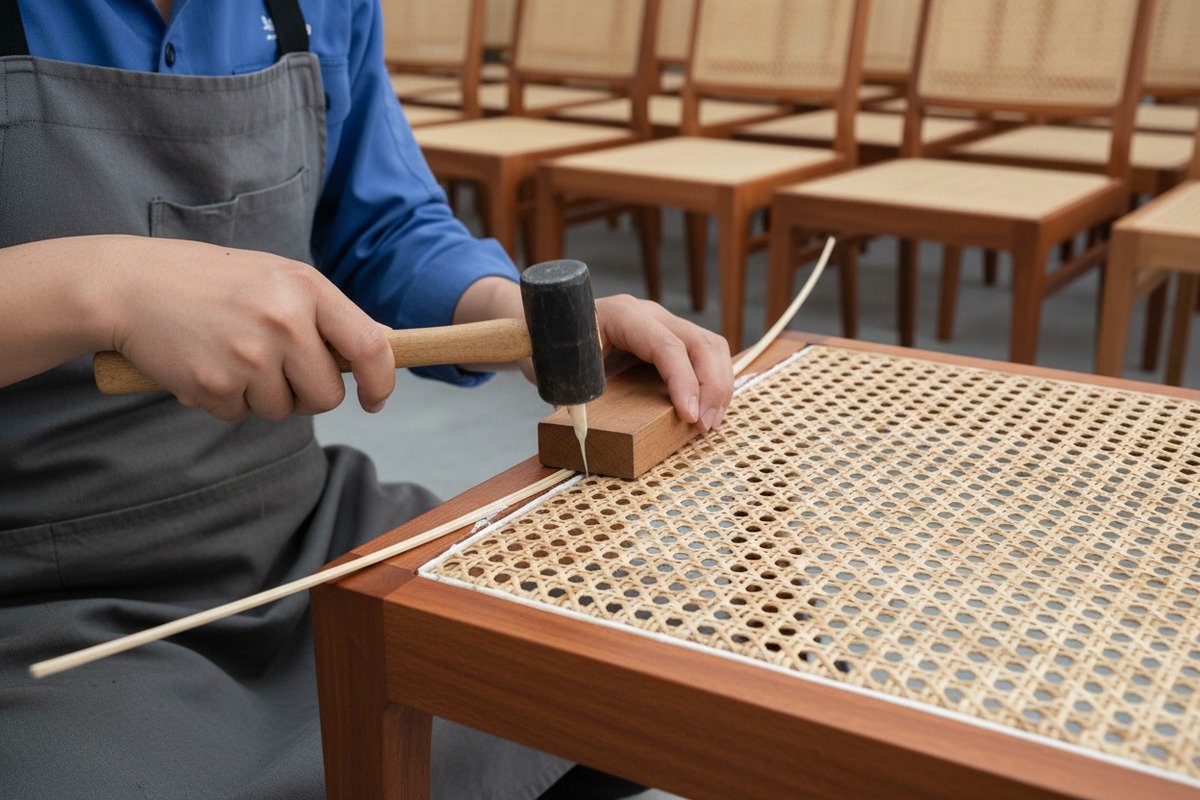
Вот как инструменты используются вместе во время установки. Сначала поместите намоченную тесьму по центру над отверстием сиденья, гладкой стороной вверх. Используйте малярный скотч, чтобы закрепить ее на раме. Затем, с помощью инструмента для плетения из ротанга, начните вдавливать тесьму в передний паз. Работайте от центра наружу. Повторите сзади, затем с боков.
Нанесите тонкую струйку белого ПВА-клея в паз. Избегайте его переизбытка — слишком много клея выдавится и испачкает тесьму. С помощью предварительно намоченной шпонки начните вбивать ее в паз резиновым молотком. Начните с одного угла и постепенно продвигайтесь по сиденью. На углах скосите концы шпонки под углом 45 градусов для чистого соединения.
После того как шпонка полностью установлена, используйте канцелярский нож, чтобы обрезать излишки тесьмы заподлицо с внешним краем паза. Немедленно вытрите любой выступивший клей влажной тряпкой. Затем оставьте стул в покое не менее чем на 24 часа. По мере высыхания ротанга он сжимается и натягивается, создавая тугую поверхность сиденья.
Финальные штрихи
Через 24 часа осмотрите сиденье. Используйте кусачки для плетения, чтобы обрезать любые торчащие волоски или щепки. Если вы хотите улучшить цвет и защитить ротанг, нанесите тонкий слой тунговое масло 9 мягкой тканью. Тунговое масло проникает в волокна, придает теплый блеск и повышает устойчивость к влаге. Избегайте полиуретана или лака — они остаются на поверхности и со временем могут трескаться или отслаиваться.
Как найти надежного оптового поставщика для моих нужд в восстановлении ротанговой тесьмы оптом?
Управление собственной цепочкой поставок ротанга — от переработки сырья в Индонезии до отгрузки готовой продукции из Фошаня — дало нам четкое представление о том, что отличает надежного оптовика от рискованного. Многие покупатели рассказывали нам о получении непоследовательных рулонов тесьмы, поврежденной упаковки или материалов, которые совсем не походили на образцы. Эти проблемы усугубляются, когда вы закупаете большие объемы для реставрационного бизнеса или мебельной фабрики.
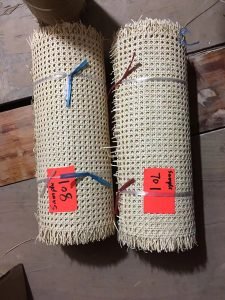
Чтобы найти надежного оптового поставщика ротанговой сетки, проверьте прозрачность их цепочки поставок, запросите образцы класса А перед оформлением заказа, убедитесь, что они предлагают одинаковые размеры и варианты рисунка, проверьте их экспортную историю в ваш регион и убедитесь, что они предоставляют прочную упаковку, защищающую сетку во время международной доставки.
На что обратить внимание при выборе оптовика
Во-первых, проверьте, контролирует ли поставщик собственное производство. Посредники увеличивают расходы и снижают контроль качества. На нашем предприятии мы перерабатываем сырой ротанг в Индонезии и производим готовую тесьму в Фошане. Эта вертикальная интеграция позволяет нам контролировать качество от сбора урожая до отгрузки.
Во-вторых, спросите о стандартах сортировки. Серьезный оптовик четко определит, что означают классы A, B и C для его продукции. Они должны отправлять физические образцы, а не только фотографии. Фотографии могут скрывать несоответствия цвета, неравномерное плетение и проблемы с толщиной нитей.
В-третьих, оцените ассортимент продукции. Поставщик "одного окна" экономит ваше время и расходы на доставку. Если вам нужен натуральный, отбеленный и синтетический ротанг — плюс тростниковая рейка, ротанговые палки и плетеные панели — закупка всего из одного места упрощает логистику.
Ключевые вопросы, которые следует задать потенциальному поставщику
Перед размещением крупного заказа задайте эти вопросы:
- Есть ли у вас собственная фабрика или перерабатывающее предприятие?
- Можете ли вы предоставить образцы каждого класса и типа плетения?
- Каковы ваши минимальные объемы заказа?
- Как вы упаковываете тесьму для международной доставки?
- Каков ваш срок выполнения заказа от момента заказа до доставки?
- Предлагаете ли вы индивидуальные размеры или плетение по образцу?
- Можете ли вы предоставить рекомендации от покупателей из моего региона?
Тревожные сигналы, на которые стоит обратить внимание
Будьте осторожны, если поставщик не может предоставить четкие фотографии своей фабрики, уклоняется от предоставления рекомендаций или предлагает цены, которые кажутся слишком низкими. Чрезвычайно дешевый ротанг часто означает материал более низкого качества, более тонкие нити или смесь классов в одном рулоне. По нашему опыту экспорта в США, Австралию и Европу, покупатели, гоняющиеся за самой низкой ценой, часто вынуждены делать повторные заказы, потому что первая партия не прошла проверку качества.
Упаковка — еще один показатель. Ротанговая тесьма должна прибывать в защитной упаковке — картонные трубки для рулонов, пластиковая пленка для предотвращения впитывания влаги во время транспортировки. Если поставщик отправляет тесьму, упакованную россыпью в тонкие мешки, ожидайте помятый или согнутый материал.
Устойчивость имеет значение
Индустрия ротанга подвергается растущему вниманию в отношении устойчивого сбора урожая 10. Ответственные оптовики закупают ротанг из управляемых лесов и могут документально подтвердить свою цепочку поставок. Это важно не только с этической, но и с коммерческой точки зрения — многие европейские и североамериканские покупатели теперь требуют сертификаты устойчивости от своих поставщиков. Спросите своего оптовика о его практике закупок и о том, может ли он предоставить документацию.
Тенденция к устойчивым закупкам быстро растет. В 2025 году все больше мебельных компаний запрашивают доказательства этичного труда и экологических практик перед подписанием контрактов на поставку. Партнерство с прозрачным оптовиком защищает репутацию вашего бренда и обеспечивает долгосрочную доступность материалов.
Поиск онлайн против поиска на выставке
Многие покупатели находят оптовиков через Google, Alibaba или торговые платформы. Это хорошие отправные точки, но ничто не заменит личный визит или видеотур по фабрике. Выставки, такие как Кантонская ярмарка в Гуанчжоу, также позволяют сравнивать поставщиков бок о бок, ощущать качество материалов и вести переговоры напрямую. Мы встречаем многих наших долгосрочных партнеров на этих мероприятиях.
Заключение
Реставрация винтажного стула с помощью ротанговой тесьмы — это полезный проект, сочетающий мастерство с практическими навыками. Выберите правильный сорт, правильно замочите, используйте правильные инструменты и закупайте у надежного оптовика — ваш отреставрированный стул будет выглядеть красиво и прослужит долгие годы.
Сноски
1. Википедия предоставляет авторитетный и всесторонний обзор истории и дизайна стула Cesca. ↩︎
2. Объясняет определение, происхождение и характеристики натурального ротанга как материала. ↩︎
3. Подробно описывает характеристики и распространенные виды использования узора плетения с открытыми шестиугольниками в плетении. ↩︎
4. Объясняет критерии и важность качества класса А в ротанговой тесьме. ↩︎
5. Описывает материал и функцию тростниковой шпонки при креплении тростниковой оплетки. ↩︎
6. Объясняет специальную конструкцию и использование тростникового долота для удаления старой шпонки. ↩︎
7. Детализирует конструкцию и преимущества специального инструмента для установки тростниковой оплетки. ↩︎
8. Дает общий обзор поливинилацетатного (ПВА) клея, его состава и распространенных применений. ↩︎
9. Описывает свойства и преимущества тунгового масла как натурального покрытия для дерева. ↩︎
10. Подчеркивает важность и практику устойчивого сбора ротанга для экологических и экономических выгод. ↩︎
 English
  Español de México
  العربية
  Deutsch
  Français
  Русский