
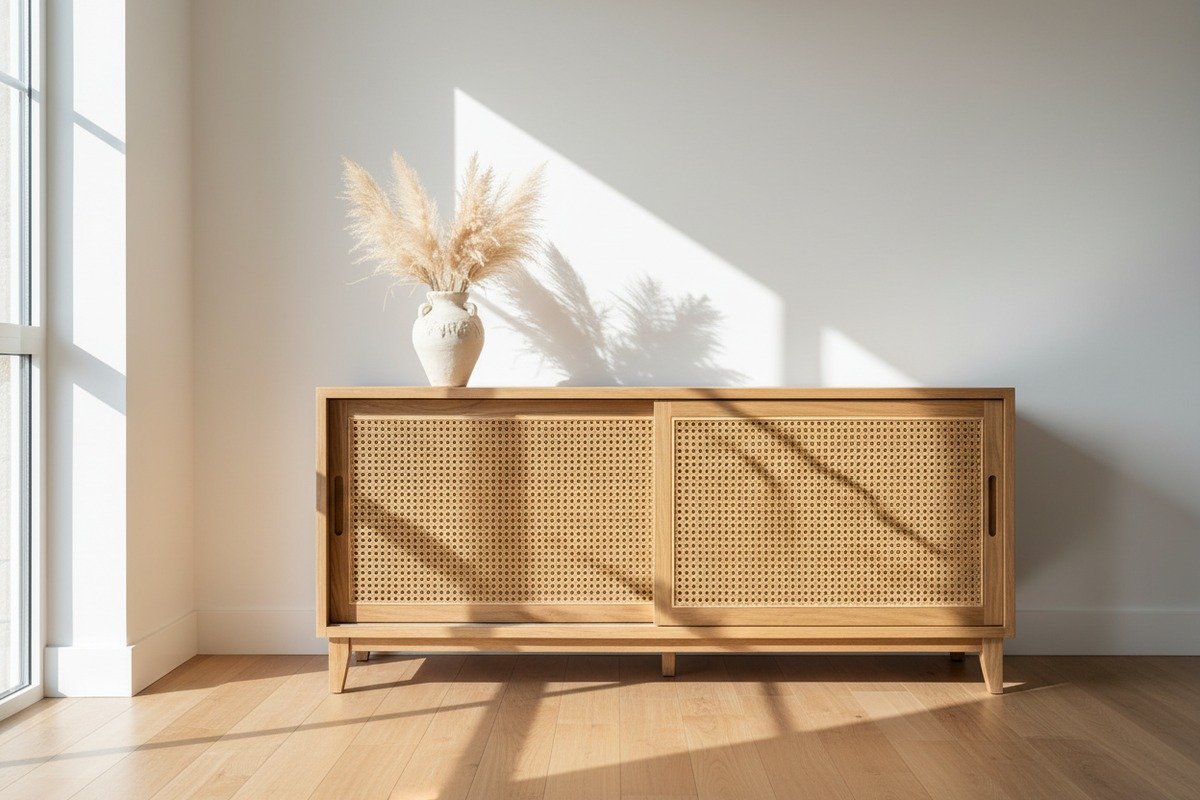
Каждую неделю на нашем предприятии в Фошане мы получаем звонки от мебельных фабрик с одним вопросом: будет ли ротанговая сетка 1 держаться на дверцах шкафов и декоративных экранах?
Да, ротанговая циновка отлично подходит как для дверц шкафов, так и для декоративных экранов. Ее естественная воздухопроницаемость, легкая прочность и вневременная эстетика делают ее превосходным выбором для внутренней мебели. При правильной установке и уходе качественная ротанговая циновка обеспечивает долгую красоту и функциональную вентиляцию на долгие годы.
Но не вся ротанговая сетка одинакова. Сорт, рисунок плетения, происхождение и метод установки — все это влияет на ее производительность. Ниже мы подробно расскажем, что вам нужно знать — от выбора правильного сорта до обеспечения качества в больших объемах — чтобы вы могли принять уверенное решение о покупке для вашего следующего проекта.
Как выбрать лучший сорт ротанговой сетки для производства дверок шкафа?
Разбираться в сортах ротанговой сетки раньше было сложно даже для нашей самой опытной производственной команды. Различия кажутся незначительными на экране, но они имеют огромное значение на производстве.
Чтобы выбрать лучший сорт, ищите ротанговую циновку сорта А с равномерной толщиной нитей, минимальным количеством сучков, плотным натяжением плетения и однородным светло-бежевым или соломенно-желтым цветом. Материал сорта А обеспечивает гладкую установку, меньше брака и превосходную отделку ваших дверок шкафа.
Что определяет сорта ротанговой сетки?
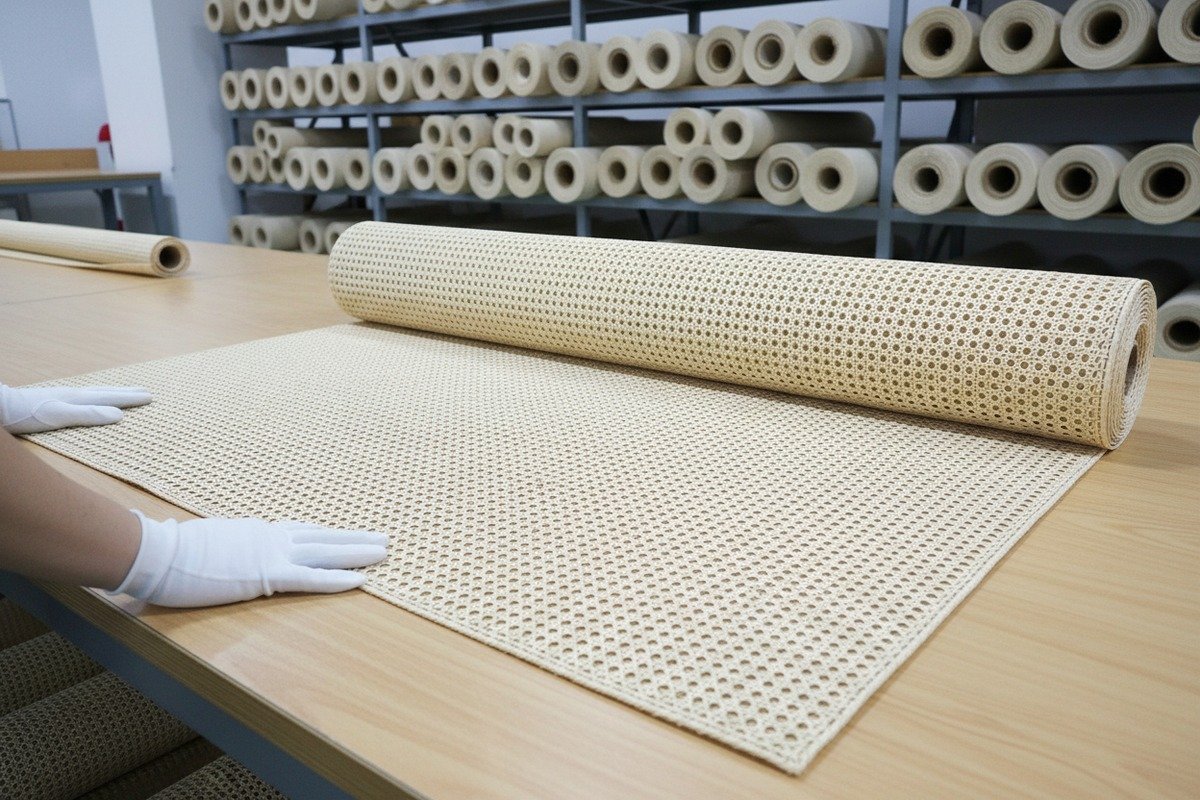
Сорта ротанговой сетки зависят от нескольких измеримых факторов. К ним относятся однородность диаметра нитей, равномерность цвета, частота узлов, плотность плетения и гибкость. На нашем предприятии по переработке ротанга в Индонезии мы сортируем сырье на три категории перед началом плетения.
Сетка сорта А изготавливается из самого внешнего слоя пальмы ротанга. Этот слой самый гладкий и прочный. В нем меньше естественных дефектов. Нити имеют одинаковую ширину — обычно около 2,5 мм для популярного размера 1/2 дюйма. Цвет варьируется от светло-кремового до теплого соломенного, с минимальным количеством темных пятен.
Сетка сорта В может иметь небольшие различия в цвете и редкие мелкие узлы. Она хорошо подходит для продуктов среднего ценового сегмента, где допустимы незначительные дефекты. Материал сорта С имеет более выраженные неровности и лучше всего подходит для бюджетной мебели или мебели в деревенском стиле.
Сравнение классов ротанговой сетки
| Характеристика | Сорт А | Сорт B | Сорт C |
|---|---|---|---|
| Однородность нитей | Высокая однородность | В основном однородный | Заметные отклонения |
| Частота узлов | Очень редко (< 1 на кв. фут) | Редко (1–3 на кв. фут) | Часто (3+ на кв. фут) |
| Однородность цвета | Однородный кремовый/соломенный | Небольшое отклонение | Смешанные тона |
| Натяжение плетения | Плотное и ровное | В основном ровный | Могут быть свободные участки |
| Лучшее применение | Дверцы шкафа высокого класса | Мебель среднего ценового сегмента | Бюджетные или деревенские изделия |
| Типичная цена | ~$0.95/кв. фут | ~$0.70/кв. фут | ~$0.45/кв. фут |
Почему сорт имеет значение для дверок шкафа
Дверцы шкафа находятся спереди. Они расположены на уровне глаз. Ваши клиенты сразу заметят неровные нити, свободное плетение или несоответствие цветов. Когда мы отправляем рулоны класса А на мебельные фабрики в Нидерландах и Австралии, процент брака остается ниже 2%. При более низких сортах процент брака может достигать 8–10%.
Вот практический совет от нашей линии контроля качества: поднесите лист сетки к естественному свету. Сетка класса А показывает равномерный узор с ровными промежутками между нитями. Если вы видите нерегулярные промежутки или свободные нити, это не класс А, независимо от того, что написано на этикетке.
Выбор правильного узора плетения
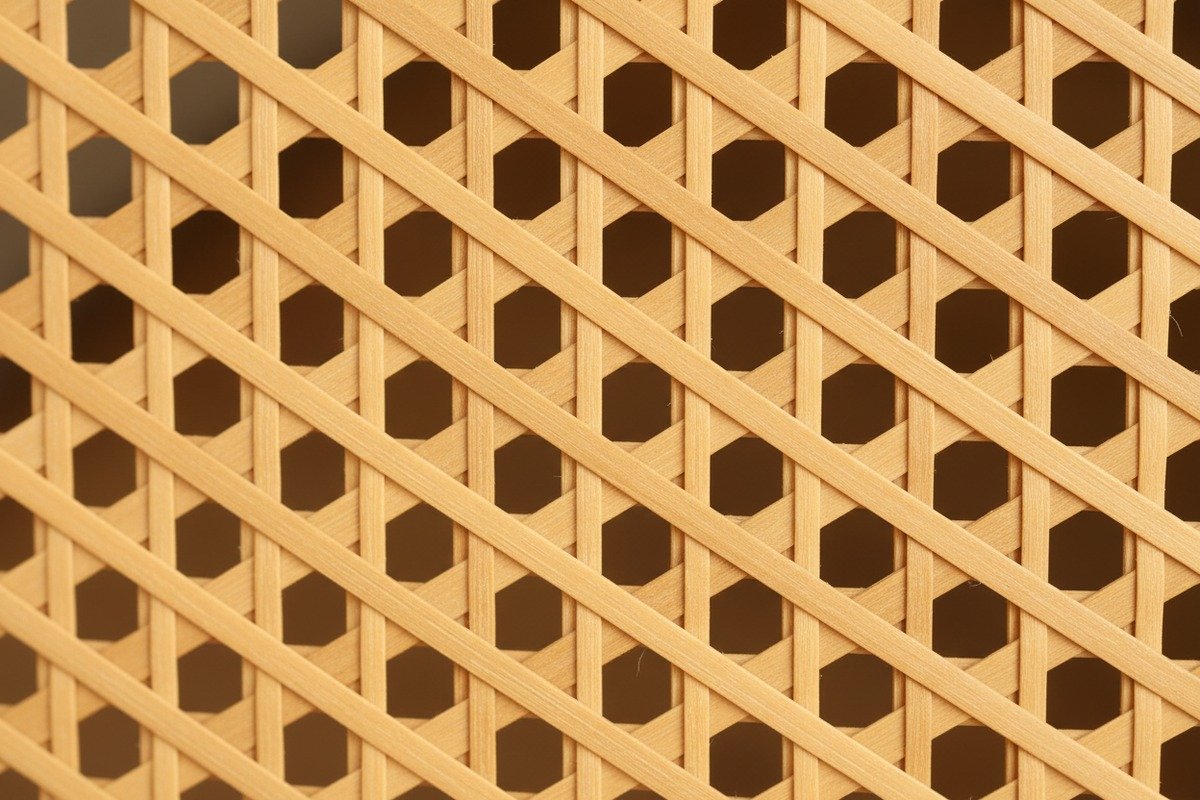
Узор плетения также влияет на результат ваших дверок шкафа. Классический шестиугольный "радио-плетенка" 2 является самым популярным для дверок шкафа. Он обеспечивает открытую сетку, которая обеспечивает вентиляцию — идеально подходит для бельевых шкафов, кладовых и медиа-консолей, где циркуляция воздуха предотвращает скопление влаги.
Плетение "корзинка" более плотное. Оно обеспечивает большую конфиденциальность и более выраженную визуальную текстуру. Ромбовидные мотивы находятся между ними, предлагая геометрический интерес с умеренной воздухопроницаемостью.
Специально для дверок шкафа мы рекомендуем открытое шестиугольное плетение. Оно легче, его проще обрезать по размеру и оно аккуратно устанавливается с помощью шлиц и паз 3 или метод скоб.
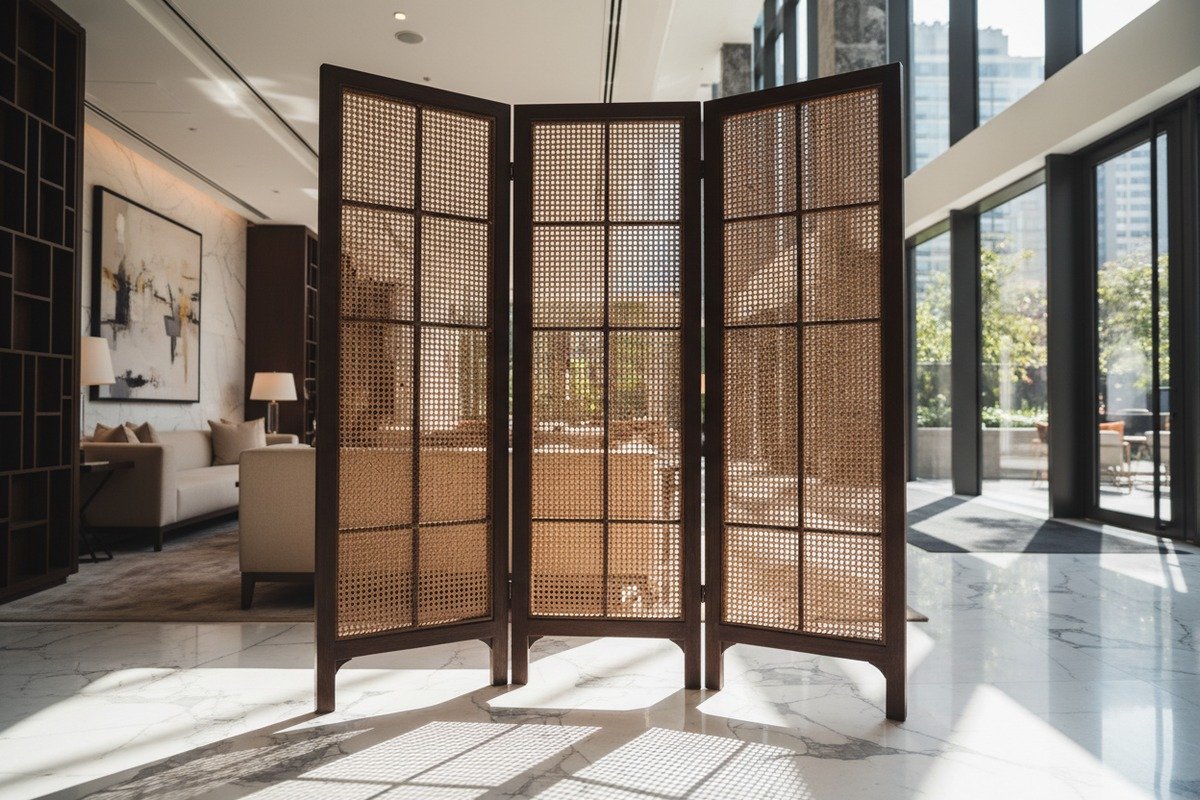
Могу ли я использовать ротанговую сетку для больших декоративных экранов, не беспокоясь о провисании или долговечности?
Этот вопрос возникает почти в каждом разговоре с производителями экранов и фирмами по дизайну интерьеров, особенно теми, кто строит панели шириной более 60 см.
Yes, rattan webbing works well for large decorative screens when properly framed and tensioned. The key is using a rigid wood or metal frame, pre-soaking the webbing before installation, and securing it with adequate tension. With correct technique, rattan screens resist sagging and maintain shape for years indoors.
Понимание структурной прочности ротанга
Ротанг может выглядеть хрупким, но он удивительно прочен для своего веса. Внешний слой тростника имеет натуральные волокна 5 которые сопротивляются разрыву и растяжению. Изделия из ротанга музейного качества выдержали века при надлежащем уходе. Материал хорошо выдерживает натяжение — он гнется, не ломаясь.
Тем не менее, гравитация постоянна. Большой неподдерживаемый пролет сетки в конечном итоге провиснет, если рама не выполнит свою функцию. Сама сетка не является слабым местом. Слабым местом являются рама и метод крепления.
Как предотвратить провисание больших экранов
Самый важный фактор — жесткость рамы. Используйте рамы из твердых пород дерева с поперечными опорами для экранов шириной более 80 см. Для очень больших панелей добавьте горизонтальную среднюю перекладину, чтобы разделить пролет сетки.
Вот процесс установки, которому следуют наши фабрики-партнеры:
- Замочите сетку в теплой воде на 20–30 минут. Это сделает ее гибкой и более легкой для натяжения.
- Сначала закрепите верхний край с помощью шнура, вставленного в фрезерованный паз, или скобами, расположенными каждые 2 см.
- Натяните тесьму к нижнему краю перед закреплением. Предварительно намоченный материал немного сожмется при высыхании, создавая тугую поверхность.
- Закрепите боковые стороны последними, работая от центра наружу, чтобы равномерно распределить натяжение.
Руководство по размеру экрана и поддержке рамы
| Ширина экрана | Рекомендуемый материал рамы | Нужна ли средняя перекладина? | Метод крепления тесьмы |
|---|---|---|---|
| Менее 40 см | Сосна или МДФ | Нет | Скобы или шнур |
| 40–80 см | Твердая древесина (дуб, ясень) | Необязательно | Шнур и паз |
| 80–120 см | Твердая древесина с поперечной скобой | Да | Шлиц и паз + клей |
| Более 120 см | Каркас из твердой древесины или металла | Да, несколько | Шлиц с усиленным пазом |
Соображения по долговечности для экранов
Для внутренних экранов натуральное плетение из ротанга чрезвычайно долговечно. Оно хорошо переносит освещение, температуру и уровень влажности, характерные для большинства домов и офисов. Проблемы возникают, когда экраны помещаются под прямые солнечные лучи на длительное время или в условиях высокой влажности, таких как ванные комнаты без вентиляции.
Наши клиенты в Саудовской Аравии и ОАЭ часто спрашивают о термостойкости. Натуральный ротанг хорошо переносит тепло. Он не деформируется и не плавится, как некоторые синтетические материалы. Однако длительное воздействие ультрафиолета со временем может вызвать выцветание и хрупкость. Прозрачное покрытие с защитой от УФ-излучения 6 решает эту проблему для экранов у окон.
Для наружных экранов — патио, крытых веранд — мы рекомендуем синтетическое плетение из ротанга. Наш синтетический ротанг из ПЭ 7 имитирует натуральный вид с текстурой "шеврон" или "волна", но гораздо лучше противостоит УФ-повреждениям и влаге. Он не провисает, не выцветает и не разрушается под дождем.
Натуральный против синтетического для экранов
Натуральный ротанг придает тепло и аутентичность, которые синтетика не может полностью воспроизвести. Естественные вариации каждой нити, тонкая матовая текстура, ощущение под рукой — эти детали важны в высококлассных интерьерах. Но если экран подвергается воздействию погоды, синтетика — практичный выбор.
Многие из наших B2B-клиентов заказывают оба варианта. Они используют натуральный для выставочных стендов и внутренних проектов, а синтетический — для наружных линий продукции. Такой двойной подход охватывает весь рынок без ущерба для качества с обеих сторон.
Как я могу гарантировать, что импортируемая мной ротанговая сетка соответствует строгим стандартам качества моей фабрики?
Когда мы впервые начали экспортировать ротанг на мебельные фабрики в Испанию и Турцию, самой большой проблемой была не цена — а доказательство стабильного качества в каждом рулоне каждой партии.
Чтобы гарантировать, что импортная ротанговая сетка соответствует строгим стандартам качества, запросите сертификацию класса А, потребуйте фотографии перед отгрузкой, укажите допустимые отклонения ширины нитей в вашем заказе на поставку и работайте с поставщиками, владеющими собственными перерабатывающими мощностями. Прямые поставки с завода устраняют разрывы в качестве посредников.
Четко укажите спецификации в письменной форме
Расплывчатые заказы приводят к расплывчатому качеству. Перед размещением любого заказа точно определите свои требования. Внесите их в договор купли-продажи. Ключевые спецификации включают:
- Ширина нити (например, 2,5 мм ± 0,2 мм)
- Узор плетения (шестиугольник, плетение "корзинка", ромб)
- Размеры рулона (ширина × длина в см)
- Диапазон цветов (от светло-кремового до соломенно-желтого, без темных пятен)
- Допуск на узлы (максимум на квадратный фут)
- Влажность (в идеале 8–12% для стабильности)
Когда наши клиенты отправляют эти спецификации, мы запускаем их в производство. Наша команда контроля качества проверяет каждую партию на соответствие им перед упаковкой.
Контрольные точки инспекции
Контроль качества должен осуществляться на нескольких этапах, а не только перед отправкой. Вот процесс инспекции, который мы используем на наших предприятиях:
| Этап | Что проверить | Кто проверяет |
|---|---|---|
| Прием сырья | Диаметр ротанга, цвет, уровень влажности | Команда контроля качества фабрики |
| После плетения | Плотность плетения, точность узора, количество узлов | Команда контроля качества фабрики |
| Предварительная упаковка | Размеры рулона, дефекты поверхности, тест на гибкость | Заводской контроль качества + агент покупателя |
| До отгрузки | Целостность упаковки, маркировка, отбор образцов | Сторонний инспектор или покупатель |
Роль прозрачности поставщика
Мы рано усвоили одно: покупатели доверяют поставщикам, которые демонстрируют свой процесс. Именно поэтому мы приглашаем клиентов посетить наши предприятия в Фошане и Индонезии. Мы делимся производственными видео, отправляем фотографии инспекции каждой партии и предоставляем сертификаты на материалы по запросу.
Если ваш поставщик не может точно сказать вам, откуда берется его ротанг, как он обрабатывается или какую систему сортов он использует — это тревожный сигнал. Индонезия доминирует в мировом производстве ротанга. Лучшее полотно поступает с предприятий, которые контролируют всю цепочку: сбор урожая, очистку, сортировку, плетение и отделку.
Качество упаковки и доставки
Качество не заканчивается за воротами завода. Мы видели, как идеально хорошее полотно прибывало поврежденным из-за плохой упаковки. Ротанг нуждается в защите от влаги во время транспортировки. Каждый рулон должен быть обернут влагостойким материалом и помещен в прочные картонные коробки. Для морских перевозок — которые используются в большинстве наших международных заказов — паллетированные и термоусадочные грузы предотвращают смещение и дробление.
Наш протокол упаковки включает внутреннюю пластиковую пленку, картонные сердечники для рулонов, внешнюю коробку с защитой краев и стяжку паллет. Это кажется много, но это снижает количество претензий по ущербу почти до нуля.
Построение долгосрочных отношений с поставщиком
Качество со временем улучшается при работе с правильным поставщиком. Когда мы работаем с фабрикой-клиентом по нескольким заказам, мы узнаем их точные предпочтения. Мы знаем, какой оттенок цвета нравится их дизайнеру. Мы знаем ширину паза их рамы. Мы соответствующим образом корректируем нашу продукцию.
Краткосрочный поиск самой низкой цены часто обходится дороже в долгосрочной перспективе. Отбраковка, задержки и переделки съедают вашу прибыль. Надежный поставщик с немного более высокими ценами, но стабильным качеством класса А в итоге экономит деньги.
Почему мне следует выбрать натуральный ротанг вместо синтетических материалов для моих проектов экранов и шкафов?
На нашем производстве мы производим как натуральную, так и синтетическую ротанговую тесьму. Мы ежедневно видим сильные и слабые стороны каждого материала. Выбор не всегда очевиден.
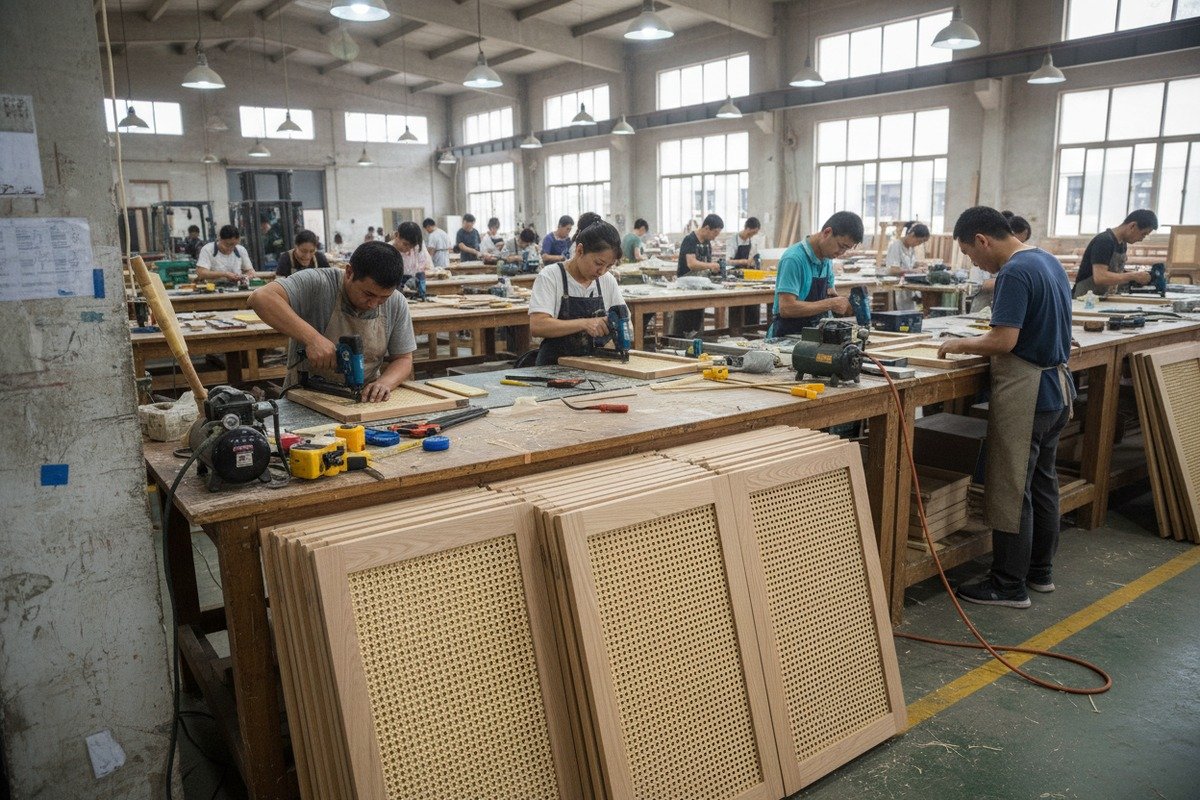
Выбирайте натуральный ротанг за его аутентичную текстуру, экологичность и премиальное ощущение в проектах внутренних шкафов и перегородок. Натуральный ротанг биоразлагаем, возобновляем, легкий и обладает органическим теплом, которое синтетические материалы не могут полностью воспроизвести. Это предпочтительный выбор для высококлассного дизайна интерьера, ориентированного на устойчивое развитие.
Аргументы в пользу натурального ротанга
Натуральный ротанг обладает качествами, которые не может синтезировать ни одна фабрика. Каждая прядь имеет тонкие цветовые вариации. Матовая, волокнистая текстура ощущается теплой под пальцами. При плетении шестиугольных или корзиночных узоров натуральный ротанг создает игру света и тени, которую пластик просто не может воспроизвести.
С точки зрения устойчивости, ротанг является одним из самых возобновляемых материалов. Это пальма, которая быстро растет в тропических лесах. Для ее сбора не требуется сплошная вырубка. Растение отрастает. Это делает натуральный ротанг привлекательным для растущего сегмента экологически сознательных потребителей и дизайнеров, стремящихся к биофильный дизайн 9.
Наши клиенты в Нидерландах и Австралии — на рынках, где важны сертификаты устойчивости — подавляющим большинством предпочитают натуральный ротанг для своих внутренних линий. Это соответствует их позиционированию бренда и ожиданиям клиентов.
Где синтетика находит свое место
Мы честны с нашими клиентами: синтетический ротанг лучше подходит для наружного использования. Наша синтетическая тесьма из ПЭ с текстурами «шеврон» и «волна» выдерживает дождь, УФ-излучение и перепады температур без деградации. Если ваш продукт будет стоять на патио или в коммерческом наружном помещении, синтетика — правильный выбор.
Но для внутренних шкафов и перегородок — что и производят большинство наших B2B-клиентов — натуральный ротанг выигрывает по всем параметрам, кроме устойчивости к погодным условиям, которая не имеет значения в помещении.
Сравнительная таблица
| Фактор | Натуральный ротанг | Синтетический ротанг (ПЭ) |
|---|---|---|
| Эстетичное ощущение | Теплый, органичный, ремесленный | Чистый, однородный, современный |
| Текстура | Матовый, волокнистый, разнообразный | Гладкая, однородная |
| Долговечность (в помещении) | Отлично при уходе | Отличная |
| Долговечность (на улице) | Плохо без защиты | Отличная |
| Устойчивость к УФ-излучению | Низкий — выцветает со временем | Высокий |
| Влагостойкость | Умеренный — требует сухой среды | Высокий |
| Устойчивость | Биоразлагаемый, возобновляемый | На пластиковой основе, перерабатываемый |
| Цена за кв. фут | ~$0.70–$0.95 | ~$1.20–$1.80 |
| Восприятие клиента | Премиальный, экологичный | Практичный, современный |
| Уход | Периодическое смазывание маслом, бережная чистка | Протирать, минимальный уход |
Преимущество биофильного дизайна
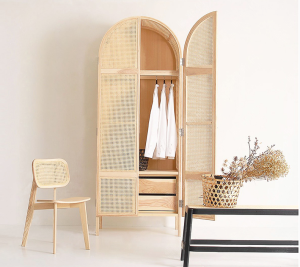
Тренды в дизайне интерьера все чаще отдают предпочтение натуральным материалам. Биофильное движение в дизайне — которое связывает внутренние пространства с природой — стимулирует спрос на натуральное дерево, камень и ротанг. Натуральное плетение из ротанга на дверцах шкафов и экранах поддерживает эту тенденцию. Оно привносит органическое тепло в кухни, гостиные и спальни.
В сочетании с естественным освещением ротанговое плетение отбрасывает красивые геометрические тени, которые меняются в течение дня. Это динамичное качество добавляет визуальную глубину, которой не хватает плоским синтетическим поверхностям. Дизайнеры, работающие в богемном, прибрежном, скандинавском и современном стилях середины века, используют натуральный ротанг в качестве основного материала.
Акустические и функциональные преимущества
Часто упускаемое из виду преимущество натурального ротангового плетения — его акустические свойства 10. Плетеная открытая структура слегка поглощает и рассеивает звук, уменьшая эхо в помещениях с твердыми полами и минимальным количеством мягкой мебели. Для разделителей в офисах открытой планировки или студиях это тонкое звукопоглощение создает более комфортную среду.
Дышащее плетение также обеспечивает циркуляцию воздуха через дверцы шкафов. Это предотвращает скопление влаги внутри шкафов, где хранятся постельное белье, книги или электроника. Некоторые из наших клиентов даже используют шкафы с панелями из ротанга для скрытия устройств умного дома, таких как маршрутизаторы и датчики — открытое плетение пропускает сигналы без помех, одновременно скрывая оборудование.
Долгосрочная ценность
Натуральный ротанг стоит дешевле за квадратный фут, чем синтетический. Но даже помимо первоначальной экономии, он предлагает долгосрочную ценность. Мелкие повреждения легко устранить — вы заделываете участок плетения, а не заменяете всю панель. При периодической обработке льняным маслом и бережной чистке натуральное ротанговое плетение может прослужить десятилетия. Исторические примеры показывают, что мебель из ротанга сохранилась веками в музейных коллекциях.
Для мебельных фабрик, производящих продукцию среднего и высокого класса, натуральный ротанг позиционирует вашу линейку как премиальную и экологичную. Это позволяет устанавливать более высокие розничные цены и укреплять лояльность к бренду.
Заключение
Плетение из ротанга — отличный выбор для дверок шкафов и декоративных экранов, обеспечивающий воздухопроницаемость, красоту и экологичность при выборе правильного сорта и способа установки.
Сноски
1. Определяет материал и его происхождение. ↩︎
2. Описывает классический шестиугольный узор плетения для ротанга. ↩︎
3. Объясняет традиционный метод установки ротангового плетения в паз. ↩︎
4. Объясняет различные классы качества ротангового плетения. ↩︎
5. Заменил ссылку HTTP 403 на авторитетный академический источник (ScienceDirect), предоставляющий обзор ротанга как натурального волокна. ↩︎
6. Заменен неработающий HTTP 404 URL на статью, посвященную защите ротанговой мебели от ультрафиолетовых лучей, включая использование прозрачных покрытий. ↩︎
7. Определяет полиэтиленовый ротанг как прочную, устойчивую к погодным условиям альтернативу натуральному ротангу. ↩︎
8. Объясняет, как содержание влаги влияет на стабильность размеров и долговечность ротанга. ↩︎
9. Определяет биофильный дизайн как методологию, связывающую людей с природой в искусственной среде. ↩︎
10. Предоставляет данные об акустических характеристиках и звукопоглощении ротанговой ткани. ↩︎
 English
  Español de México
  العربية
  Deutsch
  Français
  Русский