
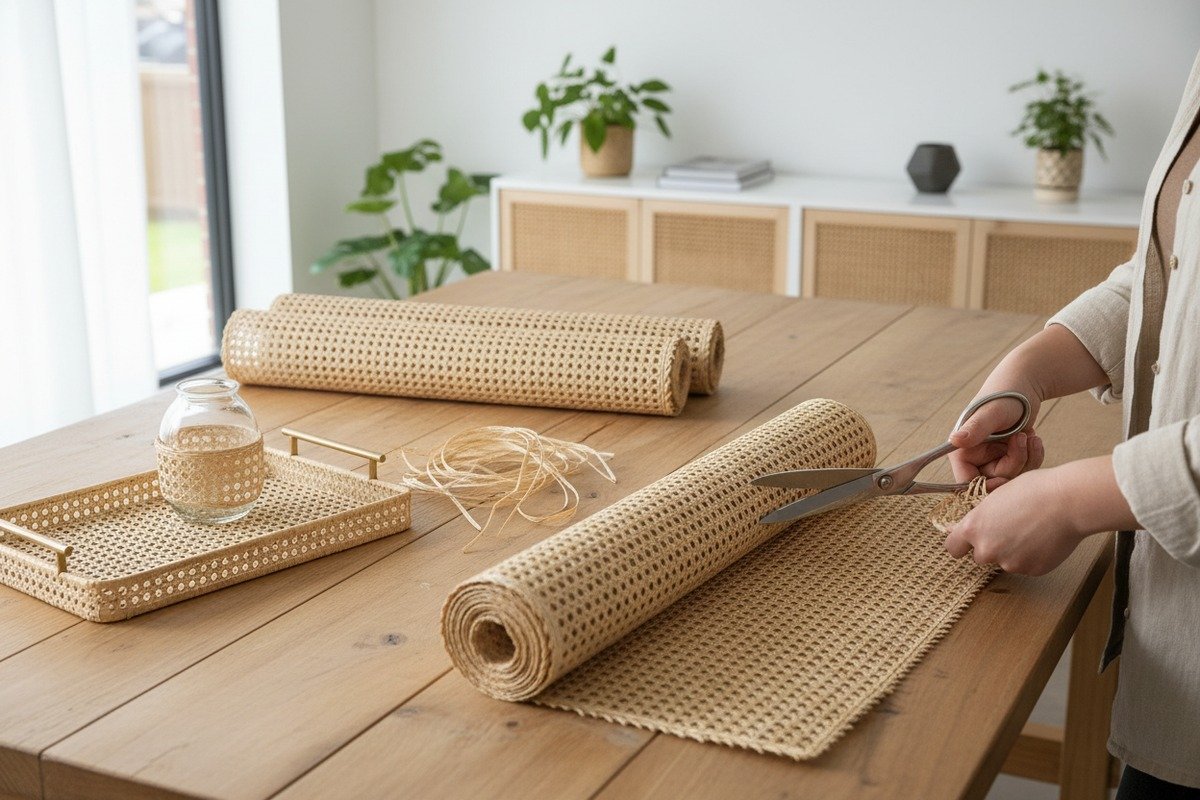
После многих лет производства и отгрузки ротанговая сетка 1 с наших заводов в Фошане и Индонезии мы видели, как тысячи клиентов превращают простые рулоны ротанга в потрясающие предметы интерьера. Проблема? Большинство людей покупают ротанговую сетку, а затем замирают — они понятия не имеют, с чего начать. Материал лежит в углу, все еще завернутый в пластик, а вдохновение остается запертым на доске Pinterest.
Ротанговую плетенку можно творчески использовать в DIY-проектах, таких как обновление фасадов кухонных шкафов, изготовление абажуров на заказ, создание настенных панно, обертывание ваз, модернизация мебели IKEA, строительство перегородок, декорирование коробок для хранения и создание декоративных подносов — все это можно сделать за один-четыре часа с помощью основных инструментов.
Это руководство проведет вас через практические, пошаговые способы использования ротанговой сетки дома. Независимо от того, являетесь ли вы полным новичком или опытным мастером, вы найдете проекты, соответствующие вашему уровню навыков. Давайте приступим.
Как я могу использовать ротанговую сетку для превращения моей старой мебели в современные дизайнерские предметы?
Мы постоянно видим это, когда клиенты посещают наш шоурум — они берут лист натуральной ротанговой сетки, прикладывают его к старому, усталому шкафу, и их глаза загораются. Старая мебель не должна отправляться на свалку. Ей просто нужно новое лицо. Боль реальна: замена мебели дорога, а большинству массово производимых предметов не хватает индивидуальности.
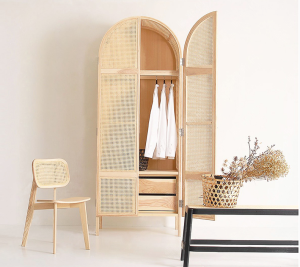
Вы можете преобразить старую мебель, вырезав по размеру пропитанную ротанговую циновку, а затем прикрепив ее степлером или приклеив к дверцам шкафов, передним панелям ящиков, изголовьям кроватей, спинкам стульев и боковым панелям — мгновенно превращая устаревшие предметы в современные изделия дизайнерского качества с естественной текстурой и теплом.
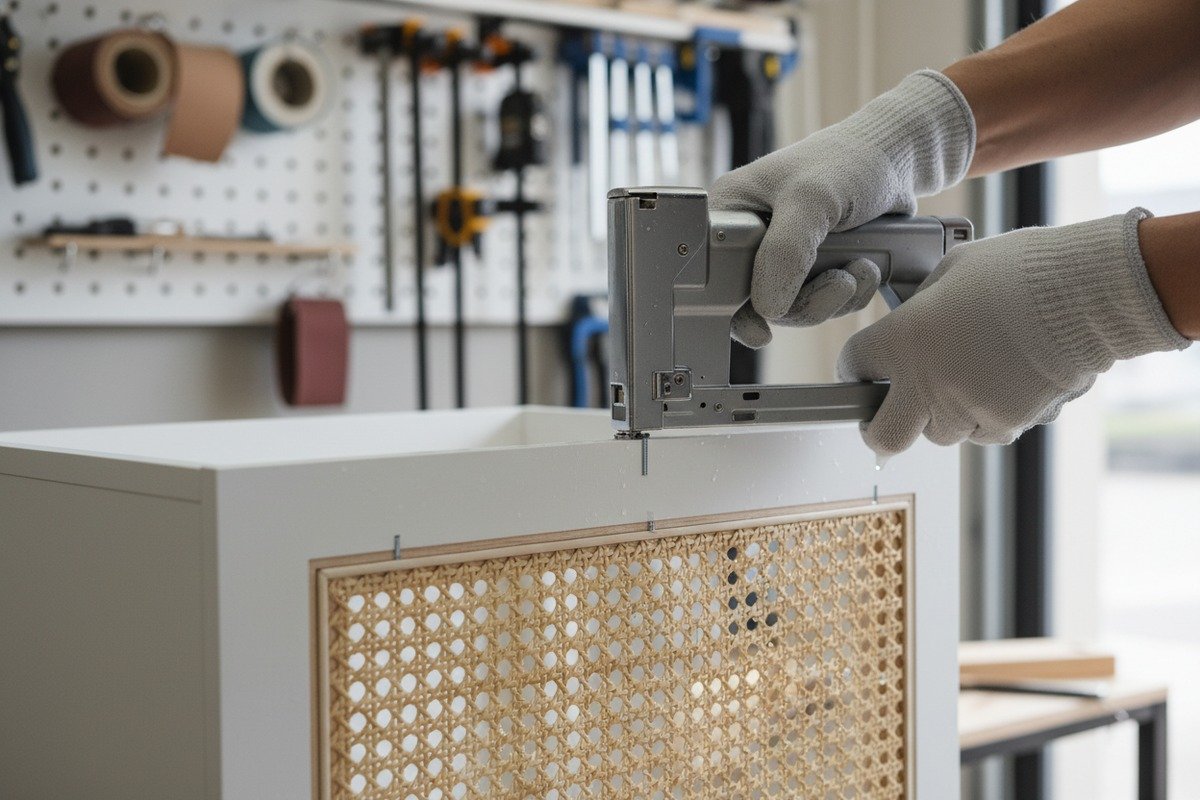
Реставрация дверок и фасадов ящиков шкафов
Это самый популярный мебельный лайфхак, о котором мы слышим от наших оптовых покупателей в США и Европе. Вот как это работает:
- Снимите дверцу шкафа с петель.
- Измерьте площадь вставки панели. Вырежьте ротанговую сетку на 1 см больше с каждой стороны.
- Замочите сетку в теплой воде на 10–15 минут. Промокните ее полотенцем.
- Натяните влажную сетку на область панели. Закрепите ее степлером от центра наружу с каждой стороны.
- Дайте сетке полностью высохнуть. Она натянется как барабан.
- Прикрепите дверцу обратно. При желании добавьте новую фурнитуру.
Это прекрасно работает на комодах IKEA Brimnes 2, книжных шкафах Billy и шкафах Ivar. Базовая стоимость этих единиц часто составляет менее 50 долларов. Рулон ротанговой сетки добавляет 10–30 долларов. Результат выглядит как дизайнерский предмет за 300 долларов.
Изголовья и каркасы кроватей
Прикрепите степлером большой лист предварительно сплетенного ротанга к фанерной доске, вырезанной по ширине вашей кровати. Закрепите ее на стене за матрасом. Для современного, контрастного вида покрасьте фанерную раму черной аэрозольной краской перед креплением натурального ротанга. Контраст между темными рамами и светлым ротангом — главный тренд 2025–2026 годов. Скандинавский дизайн интерьера 3.
Сиденья и спинки стульев
Замена изношенного тканевого сиденья на плетеную ротанговую сетку придает обеденным стульям совершенно новую индивидуальность. Удалите старый материал. Отрежьте ротанг по размеру. Прикрепите его степлером под раму сиденья. Воздухопроницаемость плетеного ротанга также делает стулья более комфортными в жарком климате — то, что ценят наши клиенты на Ближнем Востоке и в Юго-Восточной Азии.
Сравнение проектов: Обновление мебели
| Проект | Сложность | Время | Необходимые инструменты | Метод крепления |
|---|---|---|---|---|
| Обновление фасадов дверц шкафа | Легко | 1–2 часа | Строительный степлер, ножницы, карандаш | Скобы |
| Изголовье кровати | Легко | 1–2 часа | Строительный степлер, пила, аэрозольная краска | Скобы + клей |
| Замена сиденья стула | Средний | 2–3 часа | Строительный степлер, плоскогубцы, отвертка | Скобы |
| Панели буфета | Средний | 3–4 часа | Строительный степлер, дрель, крепеж | Скобы + гвозди |
| Вставки для дверей шкафа | Средний | 2–3 часа | Лобзик, степлер, наждачная бумага | Скобы + декоративная планка |
Быстрый совет из нашего цеха: всегда режьте ротанговую сетку вдоль линий сетки. Это предотвращает распушивание и обеспечивает чистый, профессиональный край. Если одна нить распушится, оберните ее крошечным кусочком малярной ленты перед обрезкой.
Каковы лучшие способы использования ротанговой сетки в моем индивидуальном домашнем освещении и настенном декоре?
Когда мы отправляем ротанговую сетку дизайнерам интерьеров в Нидерландах и Испании, проекты освещения и настенного декора входят в число их основных запросов. Им нравится, как ротанговая сетка рассеивает свет теплым, органичным образом. Сложность для большинства любителей DIY заключается в незнании того, как придать плоскому листу ротанга трехмерную форму, такую как абажур.
Лучшие способы использования ротанговой сетки в освещении и настенном декоре включают обертывание ее вокруг каркасов подвесных светильников, натягивание на деревянные каркасы для настенного искусства, изготовление держателей для ключей, создание акустических панелей и изготовление декоративных ширм — все это с использованием простых инструментов, таких как ножницы, степлер и горячий клей.
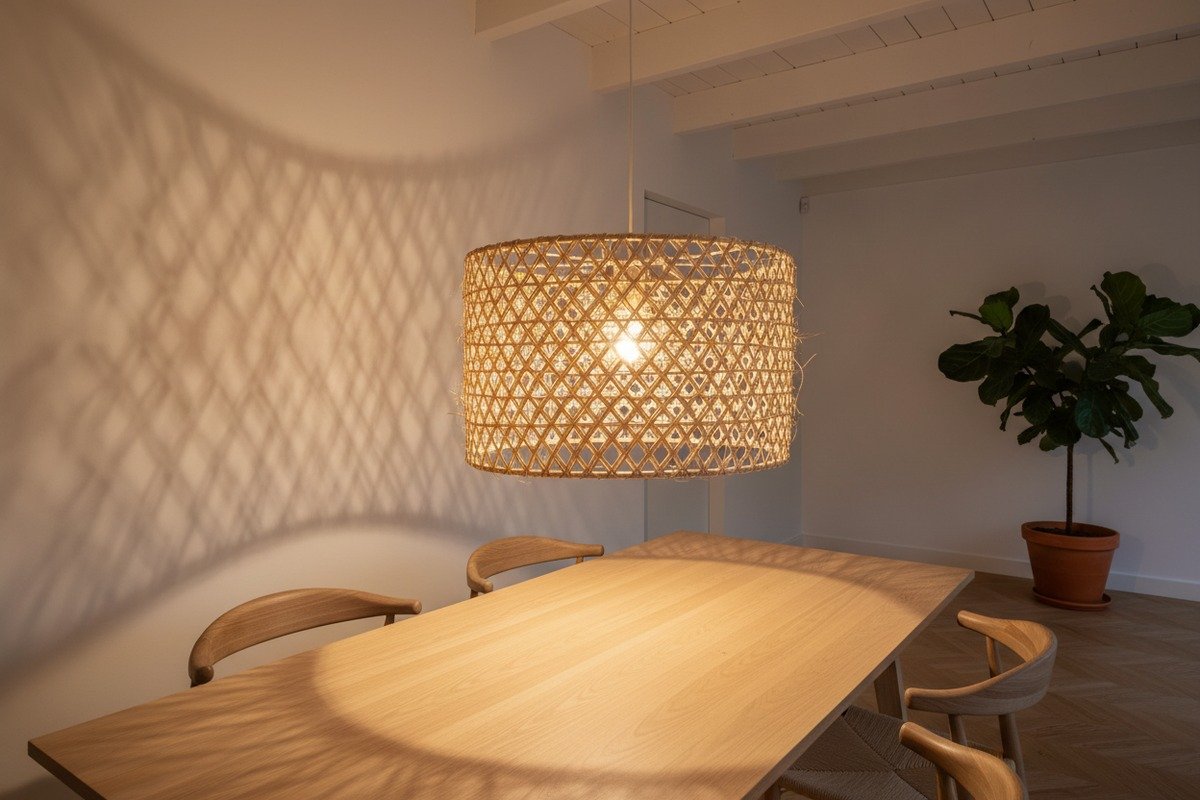
Индивидуальные подвесные светильники и абажуры
Начните с каркаса абажура из проволоки. Вы можете купить готовый или снять ткань со старого абажура. Отрежьте полоску ротанговой сетки достаточной ширины, чтобы обернуть каркас. Замочите ее на 10 минут. Пока она еще податлива, оберните ее вокруг каркаса и закрепите нахлест горячим клеем. Дайте высохнуть. Результатом будет подвесной светильник, который отбрасывает красивые геометрические тени на потолок и стены.
Для абажура в форме барабана вырежьте два круга из ротанга для верха и низа, а затем длинную прямоугольную полоску для боковых сторон. Склейте или скрепите швы. Прикрепите его к простому подвесному шнуру из любого хозяйственного магазина.
Настенные панно и фотовыставки в рамах
Это один из самых простых проектов для начинающих. Купите или сделайте простую деревянную раму. Вырежьте ротанговую сетку на 1 см больше проема рамы со всех сторон. Натяните ее на заднюю сторону рамы и закрепите маленькими гвоздями или скобами. Повесьте на стену. Теперь у вас есть текстурное произведение искусства само по себе, или вы можете прикрепить фотографии, открытки и сушеные цветы к сетке из ротанга с помощью маленьких деревянных прищепок.
Декоративные акустические панели
Это более новая тенденция, которую мы заметили среди покупателей домашних офисов. Ротанговая сетка, натянутая на деревянный каркас с акустическим поролоном 4 за ней, создает панель, которая поглощает звук и выглядит красиво. Установите несколько панелей в ряд для создания галерейной стены в офисе, которая также уменьшает эхо при видеозвонках.
Обертки для ваз и кашпо
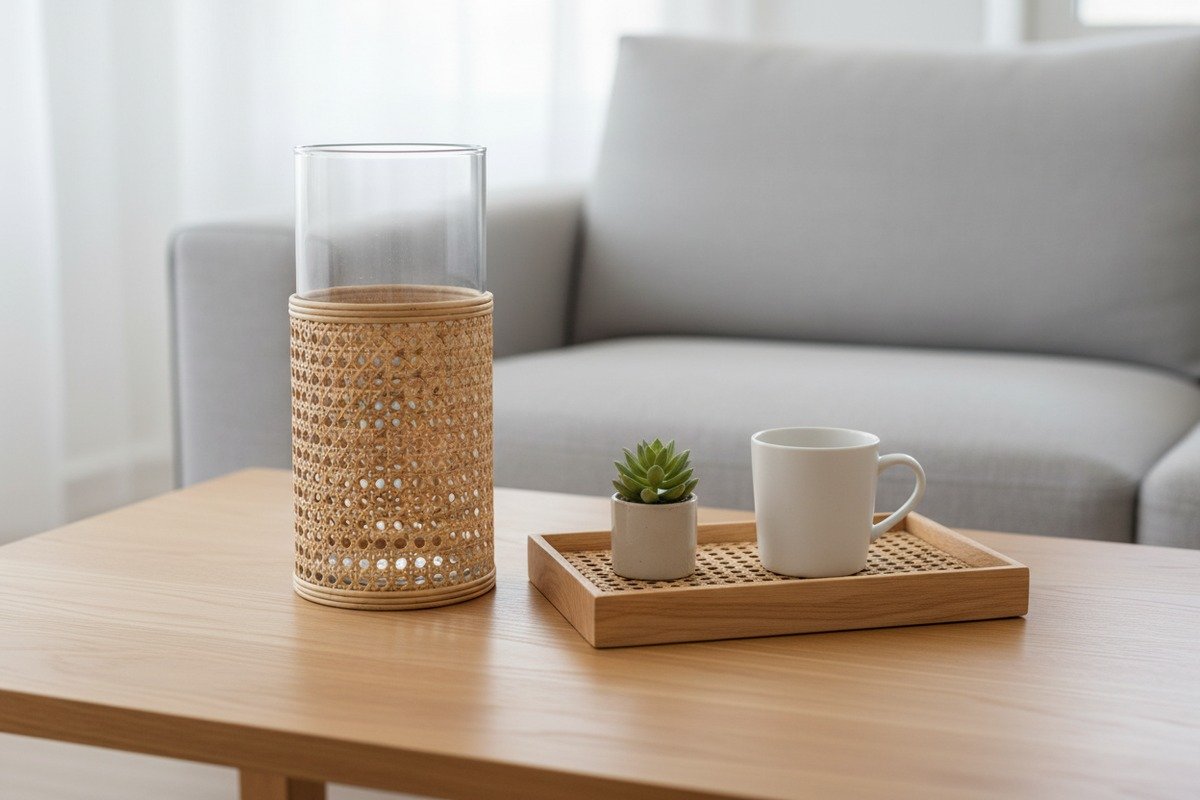
Возьмите обычную стеклянную вазу или цилиндрическое кашпо. Вырежьте кусок ротанговой сетки нужной высоты и окружности. Кратковременно замочите ее, чтобы она легко гнулась. Оберните ее вокруг сосуда и склейте шов. Это превратит стеклянную вазу в нечто, выглядящее как изделие ручной работы. Для подвесных кашпо используйте ротанг как структурную корзину и проденьте макраме шнур 5 через открытое плетение для подвешивания.
Обзор проектов освещения и декора
| Проект | Ориентировочная стоимость | Время выполнения | Уровень навыков |
|---|---|---|---|
| Подвесной абажур | $15–$30 | 1–2 часа | Начинающий |
| Настенное панно в раме | $10–$20 | 30–60 минут | Начинающий |
| Доска для фотовыставки | $10–$15 | 30–45 минут | Начинающий |
| Акустическая панель | 25–50 минут | 2–3 часа | Средний |
| Обертка для вазы или кашпо | $5–$10 | 15–30 минут | Начинающий |
| Ширма-перегородка | 40–80 минут | 3–4 часа | Средний |
Разделители комнат и ширмы
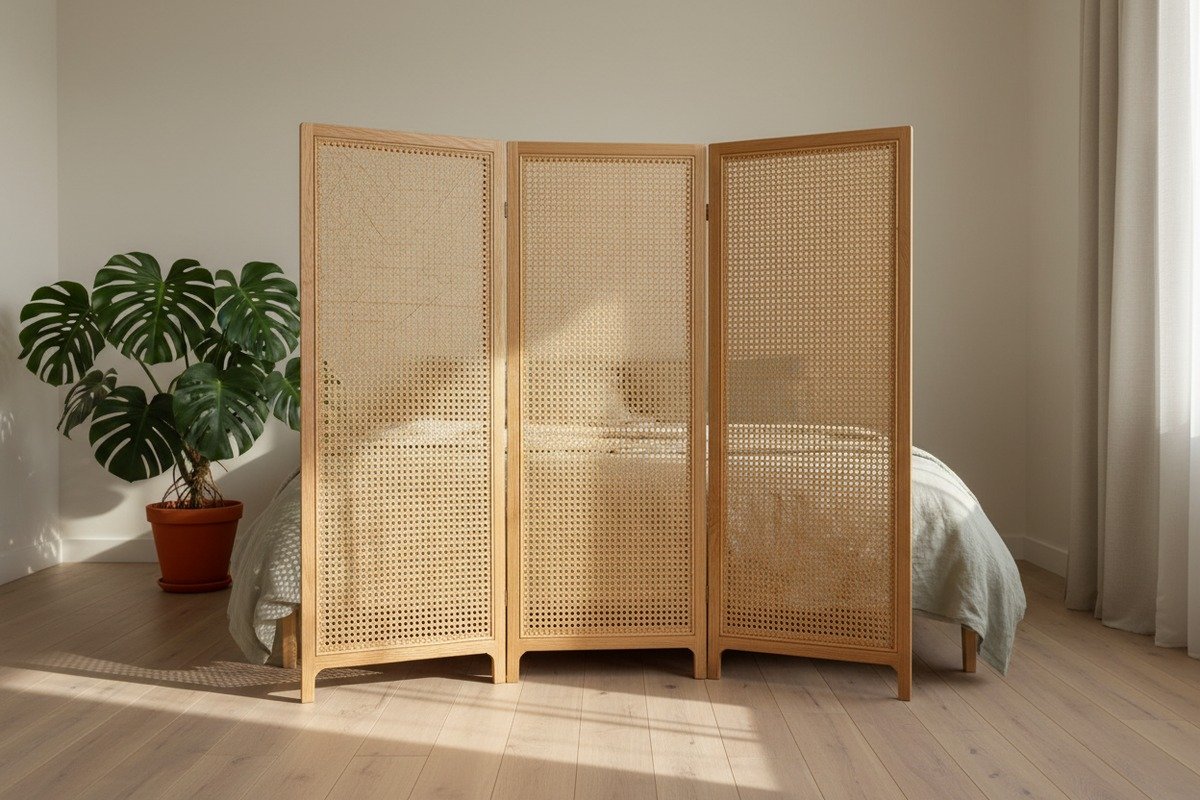
Соберите простую трехпанельную деревянную раму из брусков 1×2. Соедините панели петлями. Натяните ротанговую сетку на каждую панель и прикрепите ее степлером сзади. Это создаст легкий, отдельно стоящий разделитель комнаты, который выглядит воздушным и открытым — в отличие от тяжелых штор или сплошных перегородок. Он подходит для использования как внутри помещений, так и снаружи на балконах или патио.
Мы часто поставляем шестиугольную сетку 6 "узор "сетчатое плетение" для этих проектов, поскольку он пропускает больше света, но при этом определяет отдельные зоны в комнате.
Как выбрать правильный сорт ротанга для моих DIY-проектов, чтобы они выглядели профессионально?
Это вопрос, который чаще всего задают нашим менеджерам по закупкам, и именно он отличает любительские результаты от по-настоящему профессиональных. За годы оценки и экспорта ротанга с нашего перерабатывающего предприятия в Индонезии мы узнали, что выбор материала — это все. Неправильная категория приводит к неравномерному плетению, обесцвечиванию и поломке.
Для обеспечения профессиональных результатов выбирайте ротанговую циновку класса А с равномерной толщиной нитей, однородным цветом, без темных пятен или оборванных волокон, а также с плотным, ровным плетением. Выбирайте тип плетения — открытая сетка, плотное плетение или плетение «радио» — в зависимости от функциональных и эстетических потребностей вашего конкретного проекта.
Понимание классов ротанга
Не вся ротанговая циновка одинакова. Категория зависит от качества сырьевого тростника, однородности плетения и процесса отделки. Вот на что следует обратить внимание:
- Сорт А (Премиум): Однородная толщина нитей. Единый светло-бежевый или соломенно-желтый цвет. Без темных пятен, узлов или сломанных нитей. Плотное, симметричное плетение. Это то, что мы рекомендуем для мебели и любых проектов, где циновка является визуальным центром.
- Сорт B (Стандарт): Небольшие цветовые вариации. Случайные мелкие дефекты. По-прежнему структурно прочный. Хорошо подходит для проектов, где циновка будет окрашена, частично покрыта или использована в менее заметных местах.
- Сорт C (Эконом): Заметные цветовые несоответствия. Некоторые сломанные или неравномерные нити. Лучше всего подходит для тренировочных проектов или применений, скрытых за молдингом.
Натуральный против синтетического ротанга
Это критически важный выбор. Натуральный ротанг получают из rattan palm 7, быстрорастущего возобновляемого растения. Он обладает аутентичной текстурой и теплотой, которые трудно воспроизвести. Синтетический ротанг 8 изготавливается из прочного пластика, имитирующего внешний вид натуральных волокон. Он лучше противостоит влаге и ультрафиолетовому излучению, чем натуральный ротанг.
Для внутренних DIY-проектов — мебели, настенного искусства, абажуров — натуральный ротанг почти всегда является лучшим выбором. Он выглядит и ощущается подлинным. Для наружных проектов, таких как экраны для уединения на патио или балконные кашпо, синтетический ротанг служит дольше, не подвергаясь воздействию погодных условий.
Узоры плетения и их лучшее применение
| Тип плетения | Описание | Лучшее применение для DIY | Эстетический стиль |
|---|---|---|---|
| Открытая шестиугольная (сетчатая) | Шестиугольная открытая сетка | Абажуры, ширмы, декоративные панели | Богемный, винтажный |
| Плотное квадратное плетение корзины | Плотная, густая сетка | Дверцы шкафов, изголовья кроватей, сиденья стульев | Скандинавский, современный |
| Ромбовидный мотив | Геометрический ромбовидный узор | Настенное искусство, акцентные панели, подносы | Ремесленный, акцентный |
| Елочное плетение (синтетическое) | Плетеная узор V-образной формы | Уличные экраны, обертки для кашпо | Современный, прибрежный |
| Отбеленный ротанг | Побеленный натуральный ротанг | Светлые интерьеры, прибрежные темы, декор детской комнаты | Прибрежный, минималистичный |
Советы по поиску
Вы можете купить ротанговую плетенку в хозяйственных магазинах, магазинах для рукоделия, таких как Michael's, или у онлайн-поставщиков. Для небольших DIY-проектов подойдет один рулон из магазина для рукоделия. Для более крупных проектов или если вы хотите обеспечить стабильное качество, заказывайте напрямую у специализированного поставщика или оптовика. На нашем предприятии мы нарезаем нестандартные размеры и отправляем мебельщикам и дистрибьюторам материалов в более чем 15 стран. Покупка оптом также значительно снижает стоимость за метр.
Клейкая основа против необработанной плетенки
Ротанговая плетенка с клейкой основой имеет на обратной стороне слой для приклеивания утюгом или отклеивания и приклеивания. Это упрощает установку для новичков — не нужно замачивать, не нужно прибивать. Однако это ограничивает вашу способность изменять форму ротанга и может плохо прилипать к изогнутым поверхностям. Необработанная плетенка требует замачивания и ручного крепления, но дает вам больше контроля, лучшую пластичность и более прочное окончательное соединение. Для мебельных проектов мы всегда рекомендуем необработанную плетенку со скобами. Для небольших декоративных предметов, таких как подносы или фоторамки, идеально подходит ротанговая плетенка с клейкой основой.
Какие методы следует использовать для правильного замачивания и установки ротанговой сетки для долговечного результата?
На нашем производстве мы ежедневно работаем с ротанговой плетенкой. Одно из того, что мы узнали за десятилетия опыта, заключается в том, что неправильная подготовка портит даже самую лучшую плетенку класса А. Клиенты иногда пропускают этап замачивания, принудительно изгибают сухой ротанг и затем удивляются, почему он трескается в течение месяца. Техника имеет такое же значение, как и материал.
Чтобы правильно установить ротанговую сетку, замочите ее в теплой воде на 10–15 минут до эластичности, промокните полотенцем, разрежьте по линиям сетки для ровных краев, натяните на раму и закрепите степлером от центра к краям — затем дайте ей полностью высохнуть на воздухе, чтобы она естественным образом натянулась и получила долговечное покрытие без морщин.
Процесс замачивания
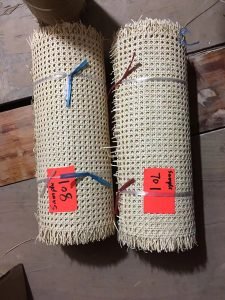
Наполните ванну, большой таз или даже чистую мусорную корзину теплой (не горячей) водой. Полностью погрузите отрезанный кусок ротанговой плетенки. Оставьте замачиваться на 10–15 минут. Вы почувствуете разницу — сухой ротанг жесткий и хрупкий, а замоченный ротанг мягкий и гибкий, как плотная ткань. Не передерживайте. Оставление ротанга в воде на несколько часов может ослабить волокна и вызвать обесцвечивание.
После замачивания достаньте ротанг и разложите его на чистом полотенце. Аккуратно сверните полотенце вокруг него, чтобы впитать излишки воды. Ротанг должен быть влажным, но не мокрым.
Техники резки
Всегда используйте острые ножницы или канцелярский нож 9. Режьте по линиям сетки плетения, а не посередине нити. Это предотвращает распушивание. Если вам нужен определенный размер, измерьте и отметьте карандашом на сухом ротанге перед замачиванием. Отметки будут видны и после замачивания.
Для изогнутых разрезов используйте маленькие острые ножницы и следуйте естественным линиям плетения как можно ближе. Если нить все же распушится, оберните небольшой кусочек прозрачной ленты вокруг обрезанного конца перед установкой. Ленту можно удалить позже или спрятать под отделкой.
Способы крепления
Различные проекты требуют различных способов крепления. Вот разбивка:
Скобы (рекомендуется для мебели): Используйте ручной степлер или пневматический степлер 10 со скобами 6–10 мм. Начните с центра одного края и двигайтесь наружу, натягивая ротанг по мере продвижения. Затем сделайте противоположный край. Затем два оставшихся края. Это обеспечивает равномерное натяжение.
Горячий клей (хорошо подходит для небольшого декора): Нанесите тонкую линию горячего клея вдоль края вашей рамы или сосуда. Немедленно вдавите ротанг в клей. Держите 10 секунд. Горячий клей быстро застывает, поэтому работайте небольшими участками. Он идеально подходит для ваз, коробок и подносов.
Мелкие гвозди или шпильки (для постоянных установок): Используйте гвоздезабивной пистолет с гвоздями 15–20 мм. Это самый прочный метод для дверц шкафов и встроенных панелей. Закройте головки гвоздей декоративной планкой для аккуратного вида.
Клей-расплав для утюга (для начинающих): Поместите ротанг с клеевой основой на вашу поверхность. Накройте тонкой тканью. Прогладьте горячим утюгом в течение 10–15 секунд на каждый участок. Дайте остыть. Этот метод хорошо работает на плоских поверхностях, но плохо справляется с изгибами.
Отделка и обработка краев
После того, как ротанг закреплен и полностью высох, обрежьте излишки ножницами. Для придания законченного вида приклейте тонкую полоску ротанговой нити или деревянную отделку вдоль краев. Это скроет скобы, головки гвоздей и необработанные срезы. Вы также можете нанести легкий слой прозрачного матового полиуретанового спрея для защиты ротанга от пыли и влаги. Работайте в хорошо проветриваемом помещении при использовании аэрозольных покрытий.
Устранение распространенных проблем
- Морщины или провисания: Тростник был недостаточно натянут во время установки или был слишком сухим. Замочите снова и закрепите заново.
- Трещины или расщепление: Тростник был недостаточно замочен или был согнут слишком сильно. Используйте более длительное время замачивания для тугих изгибов.
- Пожелтение со временем: Это естественное старение. Если вы хотите предотвратить это, нанесите прозрачное покрытие с защитой от УФ-излучения. Некоторым клиентам нравится состаренный вид — он добавляет характер.
- Удаление неудачного проекта: Аккуратно подденьте скобы плоской отверткой. Растворите горячий клей спиртом. Тростник с клеевой основой можно медленно снять с помощью строительного фена на низкой температуре.
Примечания по безопасности
Работайте в хорошо проветриваемом помещении при использовании горячего клея, аэрозольной краски или полиуретана. Осторожно обращайтесь с влажным тростником — он скользкий. Держите острые инструменты подальше от детей. Если вы красите раму черной аэрозольной краской для контраста (очень популярный современный вид), делайте это на улице или в гараже с открытой дверью и наденьте простую пылезащитную маску.
Заключение
Тростниковая сетка из ротанга — один из самых полезных материалов для самостоятельного изготовления, который вы можете использовать: доступный, возобновляемый и бесконечно универсальный. Начните с простой обертки вазы или фоторамки, затем переходите к обновлению мебели и изготовлению светильников на заказ. Выберите правильный сорт, правильно замочите, надежно закрепите, и ваши проекты будут выглядеть профессионально и прослужат долгие годы.
Сноски
1. Объясняет, что такое тростниковая сетка из ротанга и ее применение в современном интерьере. ↩︎
2. Официальная страница IKEA с описанием серии мебели Brimnes для хранения дома. ↩︎
3. Очерчивает основные принципы и эстетику скандинавского дизайна интерьера. ↩︎
4. Дает исчерпывающее определение и функциональность акустической пены для звукоизоляции. ↩︎
5. Определяет макраме-шнур и обсуждает его различные типы и применение в рукоделии. ↩︎
6. Определяет тростниковую сетку и упоминает классический шестиугольный дизайн. ↩︎
7. Объясняет ротанг как вид лазающей пальмы и его традиционное использование. ↩︎
8. Описывает состав синтетического ротанга, отличия от натурального ротанга и преимущества. ↩︎
9. Объясняет, что такое канцелярский нож, его применение и основные правила безопасности. ↩︎
10. Детализирует механизм и работу пневматического степлера для крепления материалов. ↩︎
 English
  Español de México
  العربية
  Deutsch
  Français
  Русский