
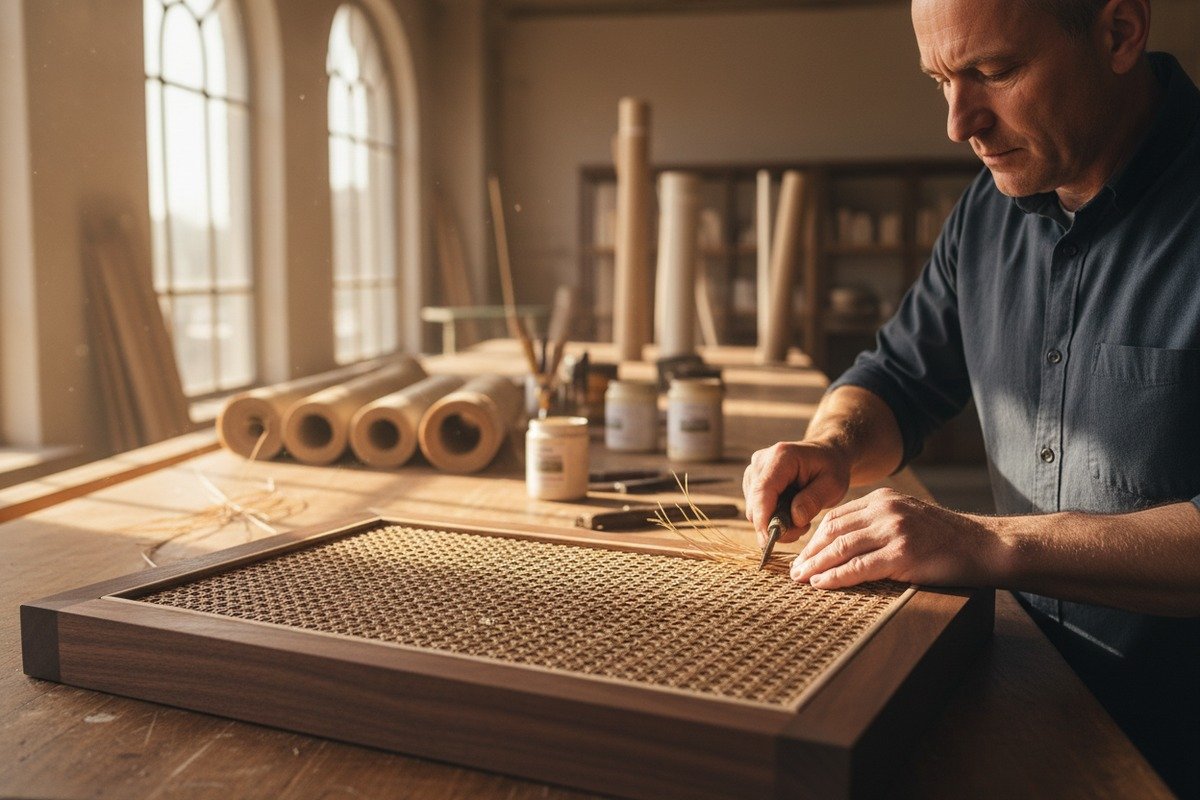
Годы работы наших линий по переработке ротанга научили нас одному ясно: не все натуральные материалы могут обеспечить ту точность, которую требуют изделия ручной работы высокого класса. предел прочности на растяжение 1. Многие мастера и производители мебели сталкиваются с непостоянным качеством, деформацией и материалами, которые трескаются в середине проекта. Разочарование реально, особенно когда клиент ожидает безупречных результатов.
Да, натуральная ротанговая циновка отлично подходит для изготовления высококачественных поделок. Ее исключительная гибкость, прочность на растяжение, органическая текстура и теплая эстетика делают ее идеальным материалом для элитной домашней мебели, декоративных акцентов и ремесленных проектов при условии правильного выбора и подготовки.
Но одной лишь пригодности недостаточно для успеха. аутентичная органическая текстура 2. Сорт ротанга, узор плетения, поставщик, с которым вы сотрудничаете, и ваши методы подготовки играют решающую роль. Позвольте мне подробно рассказать о каждой критической детали ниже.
Когда мы сортируем ротанг на нашем индонезийском перерабатывающем предприятии, разница между классом А и более низкими классами видна за секунды. прозрачность цепочки поставок 3. Тем не менее, многие покупатели получают неоднородные партии, потому что они не знают, на что обращать внимание. Этот разрыв между ожиданиями и поставкой ежегодно обходится бизнесу в тысячи долларов. шестиугольная открытая ротанговая сетка 4.
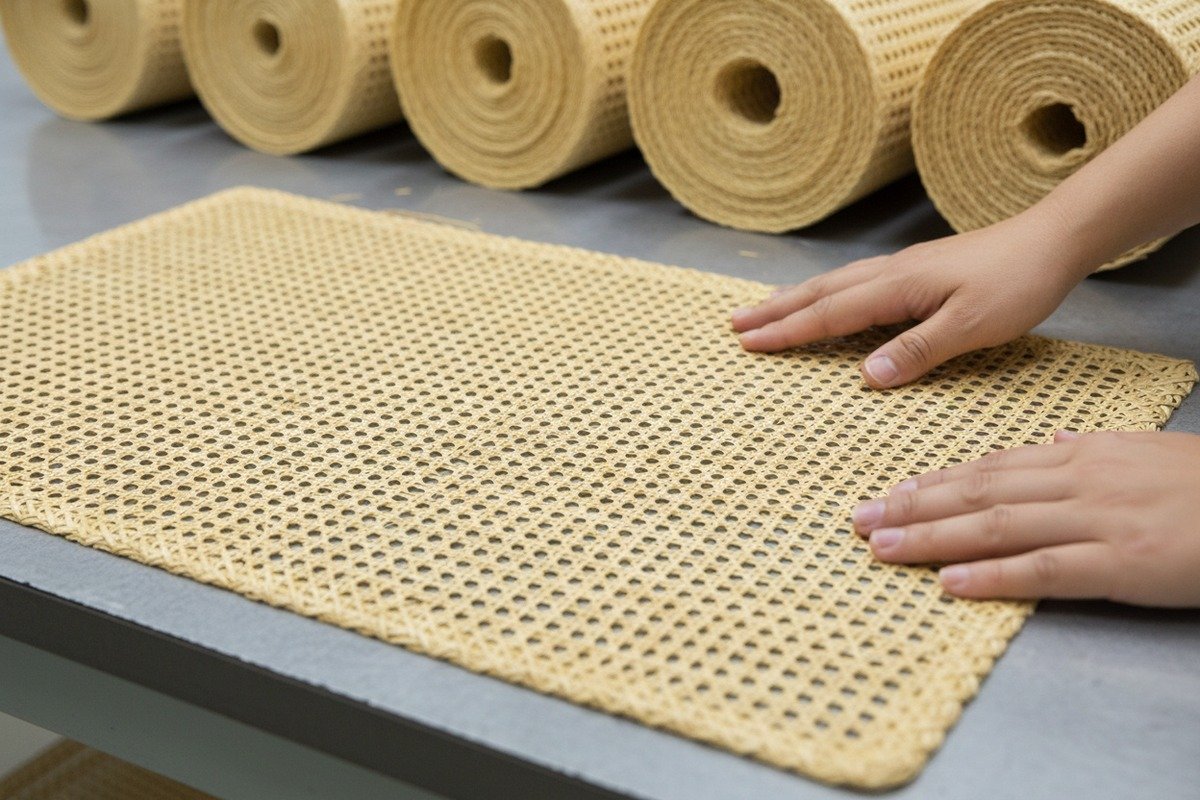
Вы можете определить премиальное ротанговое полотно класса А, проверив равномерную ширину прядей, постоянный цветовой тон, гладкую поверхность без синяков или морщин, высокую гибкость без трещин и плотное натяжение плетения. Материал класса А должен легко сгибаться без расщепления и не иметь темных пятен или признаков плесени.
Визуальный осмотр — ваша первая линия обороны.
Самый простой способ начать — использовать глаза. Ротанговая сетка класса А имеет чистую, ровную поверхность. Каждая нить должна быть примерно одинаковой ширины — обычно от 2 до 4 мм для тонкой сетки. Цвет должен быть однородным светло-бежевым или соломенно-желтым. Темные пятна указывают на неправильную сушку или воздействие плесени во время хранения. Морщины на отдельных нитях означают, что ротанг был согнут или поврежден перед плетением.
Возьмите рулон или лист. Он должен быть гладким на ощупь, а не шероховатым или с занозами. Проведите пальцем по поверхности. Премиальная сетка имеет тонкий естественный блеск от внешней кожи лозы ротанга. Если он кажется сухим и шероховатым, материал, вероятно, был пересушен или плохо обработан.
Тест на гибкость
Это то, что мы всегда демонстрируем, когда клиенты посещают наш склад. Возьмите небольшой участок сетки и аккуратно согните его. Сетка класса А будет плавно изгибаться. Она не треснет и не издаст щелкающего звука. Материал более низкого качества часто ломается по линии сгиба, потому что нити либо слишком сухие, либо имеют внутренние повреждения от грубого обращения.
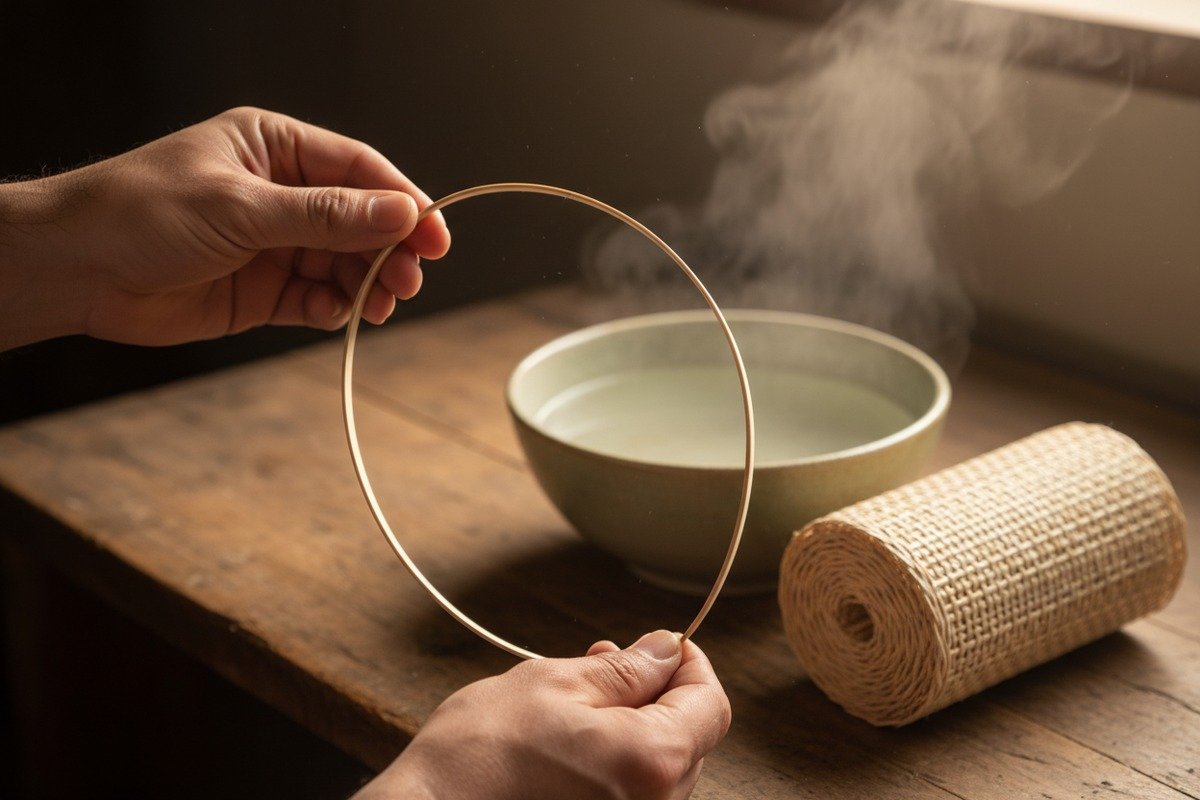
Замачивание образца в теплой воде на 15-20 минут — еще один надежный тест. Премиальный ротанг становится очень податливым после замачивания. Он должен ощущаться почти как влажная ткань — мягкий и легко поддающийся формовке. Если он все еще остается жестким или начинает распушаться после замачивания, качество не соответствует классу А.
Таблица сравнения классов
| Характеристика | Сорт А | Сорт B | Сорт C |
|---|---|---|---|
| Постоянство ширины нити | Однородная (±0,5 мм) | Небольшое отклонение (±1 мм) | Заметное изменение (±2 мм+) |
| Текстура поверхности | Гладкий, естественный блеск | Небольшая шероховатость | Шероховатый, с занозами |
| Однородность цвета | Ровный соломенно-бежевый | Небольшие различия в цвете | Темные пятна, обесцвечивание |
| Гибкость (сухой) | Сгибается без трещин | Незначительное сопротивление | Легко трескается или ломается |
| Гибкость (пропитанный) | Очень гибкий, похожий на ткань | Умеренная гибкость | Жесткий или распускающийся |
| Дефекты | Нет | Случайные ушибы | Частые морщины, разрывы |
| Рекомендуемое использование | Высококачественные изделия ручной работы, роскошная мебель 5 | Стандартная мебель, проекты среднего класса | Бюджетные предметы, тренировочные изделия |
Проверьте натяжение плетения
На плетеных листах натяжение плетения имеет огромное значение. В тесьме класса А каждое пересечение тугое и равномерное. Не должно быть свободных нитей или зазоров. Свободное плетение со временем приводит к провисанию, что портит внешний вид любого изделия ручной работы. Поднесите лист к свету. Узор — будь то шестиугольный, квадратный или ромбовидный — должен идеально повторяться по всему листу.
На нашем предприятии мы пропускаем каждый плетеный лист через контроль качества перед скручиванием. Мы проверяем не менее пяти точек на каждом листе на натяжение плетения и равномерность нитей. Это тот процесс, о котором следует спросить у вашего поставщика.
Почему мне следует выбрать натуральный ротанг вместо синтетических материалов для дизайна моей элитной мебели?
Наша производственная команда ежедневно работает как с натуральным ротанговым тростником, так и с синтетическим ротангом из ПЭ. Мы видим сильные и слабые стороны каждого вблизи. Но когда клиент говорит нам, что создает люксовую линейку, мы почти всегда направляем его к натуральному ротангу — и причины выходят за рамки просто внешнего вида.
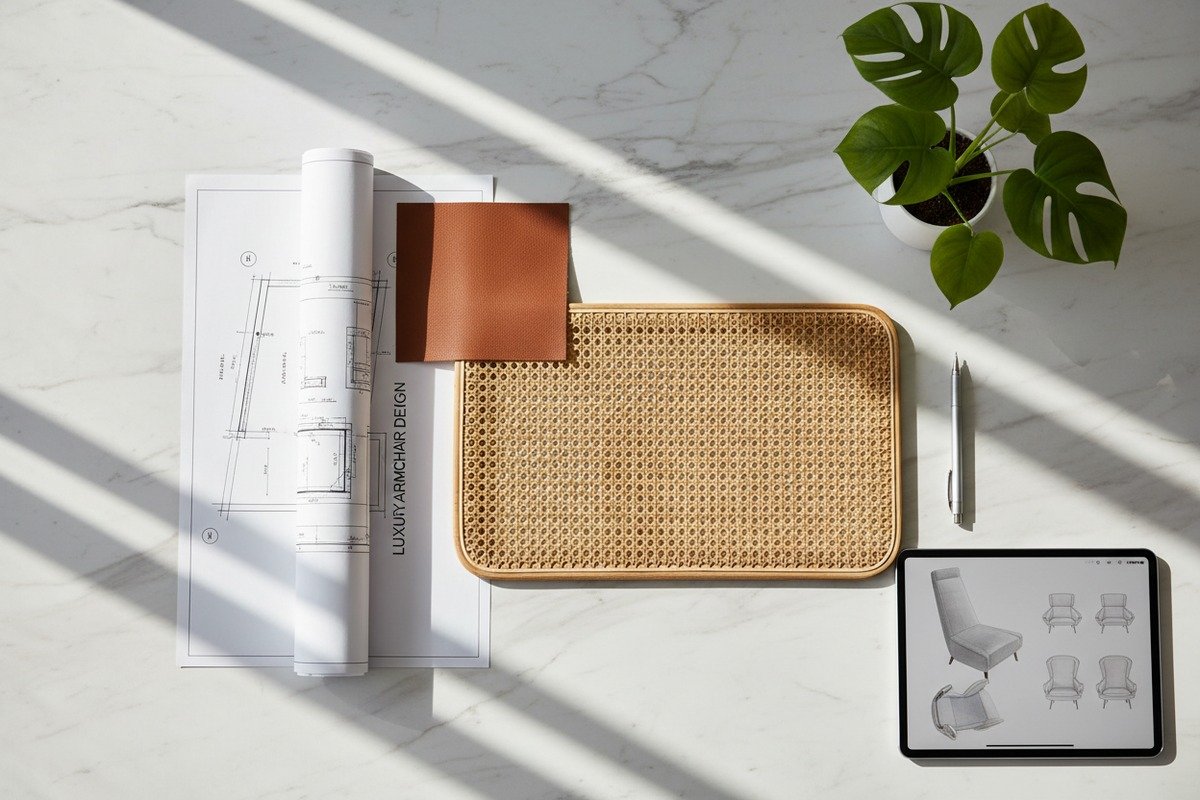
Вам следует выбирать натуральный ротанг для элитной мебели, поскольку он предлагает аутентичную органическую текстуру, со временем приобретает красивую патину, полностью биоразлагаем и обеспечивает превосходную воздухопроницаемость. Эти качества создают ощущение премиальности, которое синтетические материалы просто не могут воспроизвести, что делает натуральный ротанг идеальным для высококлассных интерьеров.
Эстетическая разница неоспорима
Натуральный ротанг обладает характером. Каждая нить несет в себе тонкие вариации оттенка и текстуры, которые исходят от самого растения. Эта органическая неравномерность придает мебели из ротанга теплоту. Синтетический ротанг из ПЭ, напротив, производится так, чтобы выглядеть однородно. Хотя однородность имеет свое место, покупатели предметов роскоши и дизайнеры интерьеров обычно ищут что-то, что кажется живым и сделанным вручную.
Со временем натуральный ротанг приобретает патину — легкое углубление цвета и блеск поверхности, которые появляются от использования и возраста. Этот процесс старения ценится в кругах роскоши. Думайте об этом как о коже, которая становится лучше с годами. Синтетический ротанг не стареет изящно. Он выцветает под воздействием УФ-излучения и становится хрупким.
Экологичность важна для ваших покупателей
Рынок элитной мебели резко изменился. Сегодняшние покупатели высокого класса заботятся о том, откуда берутся материалы. Натуральный ротанг — это возобновляемым ресурсом 7. Лозы растут как лианы в тропических лесах, в основном в Индонезии, и их можно собирать, не убивая растение. Ротанг регенерирует. В конце срока службы натуральный ротанг является полностью биоразлагаемый 8. Он возвращается в землю.
Синтетический ротанг изготавливается из полиэтилена или ПВХ. Он производится из нефти. Он не биоразлагается. Для брендов, позиционирующих себя как экологически сознательные или устойчивые, использование синтетических материалов в люксовой линейке создает противоречие, которое заметят искушенные покупатели.
Сравнение характеристик
| Свойство | Натуральная ротанговая тесьма 9 | Синтетический ротанг из полиэтилена | Натуральное бамбуковое плетение |
|---|---|---|---|
| Текстура | Органический, теплый, слегка неоднородный | Однородный, пластикоподобный | Жесткий, гладкий |
| Старение | Приобретает патину | Выцветает, становится хрупким | Желтеет, может трескаться |
| Биоразлагаемость | Полностью биоразлагаемый | Не биоразлагаемый | Биоразлагаемый |
| Гибкость | Высокая гибкость при замачивании | Умеренная гибкость | Низкая гибкость |
| Воздухопроницаемость | Отличный (открытое плетение) | Умеренная | Низкий |
| Устойчивость к УФ-излучению | Низкая (рекомендуется для использования в помещении) | Высокий | Умеренная |
| Влагостойкость | Низкая или умеренная | Высокий | Низкий |
| Лучшее применение | Предметы интерьера класса люкс для помещений, изделия ручной работы | Уличная мебель | Конструктивные элементы |
| Вес | Очень легкий | Легкий | Тяжелее |
| Ремонтопригодность | Легко восстановить или залатать | Трудно ремонтировать | Трудно ремонтировать |
Когда синтетика имеет смысл — и когда нет
Буду честен. Синтетический ротанг имеет явные преимущества для уличной мебели. Он устойчив к дождю, ультрафиолетовому излучению и перепадам температур. Если ваша продукция будет стоять на террасе или у бассейна, синтетика — практичный выбор.
Но предметы роскоши ручной работы и мебель для помещений находятся в контролируемой среде. Они не подвергаются воздействию дождя или сильного солнца. В этих условиях слабости натурального ротанга — чувствительность к влаге и выцветание под воздействием УФ-лучей — становятся неактуальными. А его сильные стороны — текстура, красота с течением времени, воздухопроницаемость и экологичность — сияют.
Мы поставляли натуральную ротанговую тесьму на мебельные фабрики в Нидерландах, Испании и Австралии, которые производят исключительно элитные коллекции для помещений. Их отзывы единодушны: клиенты платят больше за натуральный материал. Материал оправдывает цену.
Воздухопроницаемость и биофильный дизайн
Открытая плетеная структура натурального ротанга способствует циркуляции воздуха. Это не просто функциональное преимущество — это связано с растущим движением биофильного дизайна 10. Биофильный дизайн приносит природные элементы в помещения для улучшения самочувствия. Ротанговая тесьма на дверцах шкафов, изголовьях кроватей и перегородках создает визуальное тепло и связь с природой, что глубоко резонирует с состоятельными потребителями.
Открытая сетка также делает ротанговую тесьму удивительно функциональной для современных домов. Звук легко проходит через нее, что делает ее идеальной для скрытия умных домашних динамиков или других устройств за декоративными панелями, не блокируя их функцию.
Как найти надежного оптового партнера, который будет обеспечивать стабильное качество ротанга для моего бизнеса?
За годы работы мы видели, как новые покупатели обращались к трем или четырем поставщикам, прежде чем найти партнера, которому они могут доверять. Схема почти всегда одна и та же: первый образец выглядит отлично, но оптовый заказ прибывает с неравномерным цветом, неплотным плетением или поврежденной упаковкой. Последовательность — самое сложное, что можно найти в торговле ротангом.
Чтобы найти надежного оптового поставщика ротанга, вам следует оценить прозрачность их цепочки поставок, запросить несколько партий образцов перед заключением сделки, убедиться, что они владеют перерабатывающими мощностями или напрямую управляют ими, проверить их экспортную историю в нескольких странах и подтвердить их систему классификации качества с документированными стандартами для материалов класса А.
Почему прозрачность цепочки поставок имеет значение
Стебель ротанга начинает свой путь в индонезийских тропических лесах. Он проходит через сборщиков, очистителей, сушильщиков, ткачей и, наконец, экспортеров. На каждом этапе качество может ухудшаться. Надежный оптовый партнер должен быть в состоянии четко и конкретно объяснить, откуда берется их ротанг, как он обрабатывается и кто отвечает за каждый этап.
Мы инвестировали в собственный завод по переработке ротанга в Индонезии именно потому, что контроль над источником — единственный гарантированный способ поддерживать последовательность. При оценке поставщика спросите их напрямую: владеете ли вы или управляете ли вы своим перерабатывающим предприятием? Если они полностью полагаются на сторонних субпоставщиков, риск вариативности качества значительно возрастает.
На что обратить внимание при выборе поставщика
Вот практический контрольный список, которым мы делимся с новыми клиентами:
- Владение фабрикой или прямое управление: Поставщик должен контролировать как минимум один этап производства.
- Документированная система классификации: Запросите их письменные стандарты качества. Класс А должен иметь конкретные, измеримые критерии.
- Последовательность образцов: Запросите образцы из трех разных производственных партий, а не только из одной. Сравните их бок о бок.
- Опыт экспорта: Запросите список стран, в которые они экспортируют. Поставщик, поставляющий продукцию на несколько требовательных рынков (ЕС, США, Австралия), прошел проверку строгими импортными стандартами.
- Стандарты упаковки: Ротанг уязвим к влаге и давлению во время транспортировки. Спросите об их методах упаковки — двойная обертка, влагозащитные барьеры и прочные картонные коробки имеют значение.
- Отзывчивость в общении: Хороший партнер отвечает быстро и четко. Проверьте их коммуникацию, прежде чем вкладывать деньги.
Оценочная карта поставщика
| Критерии оценки | Идеальный балл (10) | Тревожный сигнал (ниже 5) |
|---|---|---|
| Владеет/управляет перерабатывающим предприятием | Прямое владение или долгосрочная аренда | Полностью полагается на спотовые закупки из неизвестных источников |
| Письменные стандарты оценки качества | Подробный документ с измеримыми критериями | Расплывчатые описания, такие как "хорошее качество", без конкретики |
| Согласованность образцов в разных партиях | Менее 5% отклонений по цвету и ширине | Заметные различия между образцами |
| Опыт экспорта | 5+ стран, 3+ года | Отсутствие экспортной истории или только на одном рынке |
| Качество упаковки | Двойная упаковка, влагостойкие, усиленные коробки | Однослойная упаковка, без защиты от влаги |
| Скорость коммуникации | Ответ в течение 24 часов с четкими ответами | Медленные, расплывчатые или уклончивые ответы |
| Послепродажная поддержка | Четкая политика возврата/замены | Отсутствие политики или нежелание обсуждать |
Построение долгосрочных отношений
Найти поставщика — это только начало. Построение партнерских отношений требует времени и целенаправленных усилий. Начните с небольшого пробного заказа. Тщательно проверьте его. Предоставьте подробные отзывы — как положительные, так и отрицательные. Надежный партнер отреагирует на ваши отзывы и скорректирует свой процесс.
В нашей компании каждому клиенту назначается выделенный менеджер по работе с клиентами. Этот человек отслеживает каждый заказ от производства до отгрузки и связывается после доставки. Такая структура гарантирует, что проблемы будут выявлены на ранней стадии и быстро устранены. При оценке потенциального партнера спросите, предлагают ли они выделенную поддержку или просто обрабатывают заказы анонимно.
Цена важна, но она никогда не должна быть вашим единственным критерием. Самый дешевый поставщик редко бывает самым надежным. Ищите конкурентоспособные цены в рамках определенного уровня качества. Партнер, предлагающий материал класса А по справедливой, стабильной цене, гораздо ценнее, чем тот, кто предлагает самые низкие цены, но поставляет материал класса B или C.
Каковы наилучшие способы включить различные плетения из ротанга в мои уникальные ремесленные проекты?
Работая с ремесленниками и дизайнерами мебели более чем в дюжине стран, мы видели, как правильный узор плетения может превратить простой проект во что-то поистине выдающееся. Но выбор плетения — это не только внешний вид, он влияет на структурную целостность, гибкость и общее ощущение готового изделия.
Лучшие способы включить различные плетения из ротанга включают сочетание шестиугольного открытого плетения с воздушными, декоративными панелями, использование плотного плетения корзинкой для несущих поверхностей, таких как сиденья стульев, применение ромбовидных мотивов для визуальных акцентных элементов и комбинирование нескольких узоров в одном проекте для создания глубины и контраста в ваших ремесленных дизайнах.
Понимание основных типов плетения
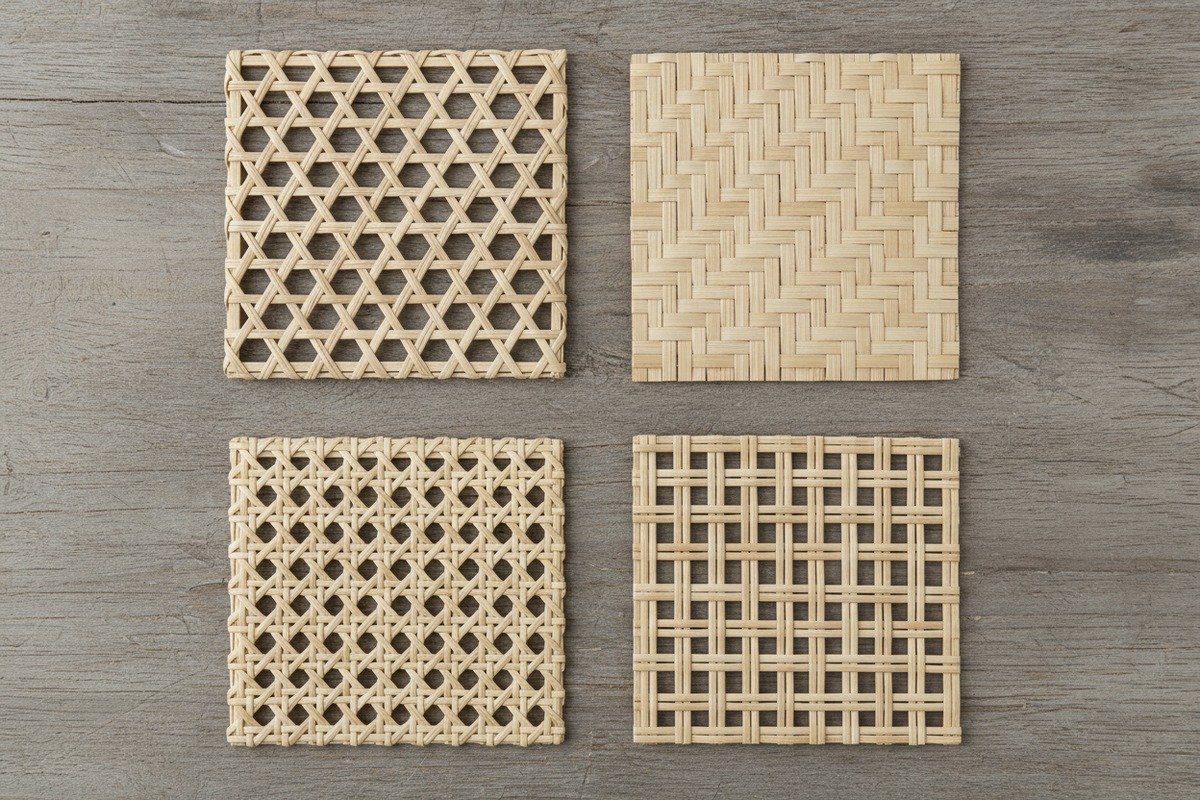
Не вся ротанговая тесьма плетется одинаково. Каждый узор имеет свои отличительные характеристики, подходящие для различных применений. Вот краткий обзор наиболее распространенных типов:
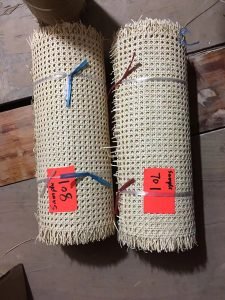
- Шестиугольное открытое плетение (традиционное плетение): Это классический узор, который вы видите на винтажных стульях. Он легкий, дышащий и элегантный. Лучше всего подходит для декоративных панелей, дверок шкафов и сидений легкого использования.
- Квадратная сетка (открытая сетка): Просто и современно. Открытая структура делает его идеальным для перегородок, абажуров и декоративных экранов, где вы хотите, чтобы свет и воздух проходили.
- Плотное плетение "корзинка" (плотное плетение): Плотное и прочное. Этот узор выдерживает значительный вес, что делает его идеальным для сидений стульев, столешниц скамеек и оснований подносов.
- Ромбовидный мотив: Более сложный, декоративный узор. Он добавляет визуальную сложность и хорошо работает как акцент — например, вставки для изголовья кровати, обрамленное настенное искусство или передние панели ящиков.
Сочетание плетения с функцией
Ошибкой многих мастеров является выбор плетения исключительно по внешнему виду. Внешний вид, конечно, важен. Но функция должна быть на первом месте. Шестиугольное открытое плетение красиво смотрится на сиденье стула, но оно быстрее провиснет при интенсивном ежедневном использовании, чем плотное плетение "корзинка". Плотное плетение на абажуре блокирует слишком много света и сводит на нет его назначение.
Вот простое правило, которым мы делимся с нашими клиентами: открытые плетения для декоративных и легких применений, закрытые плетения для структурных и несущих применений.
Советы по подготовке к работе с различными плетениями
Независимо от узора, правильная подготовка имеет решающее значение. Всегда замачивайте натуральную ротанговую тесьму в теплой воде на 15-20 минут перед работой. Это смягчает волокна и делает материал податливым. После замачивания тесьму легко резать, придавать форму и натягивать на каркасы.
Когда тесьма высохнет, она немного сжимается. Это естественное усадка создает плотное, барабанное натяжение на каркасах — именно то, что вам нужно для профессионального результата. Избегайте чрезмерного замачивания. Если оставить ротанг в воде более чем на 30 минут, волокна могут стать слишком мягкими и потерять свою структурную целостность.
Кастомизация и творческие техники
Одна из тенденций, которая стремительно набирает обороты, — это использование натуральных красителей и морилок для ротанговой сетки. Хотя натуральный соломенно-бежевый цвет вне времени, окрашивание позволяет мастерам подбирать конкретные цветовые палитры. Натуральные пигменты, такие как морилка из грецкого ореха, чайный отвар или индиго, могут создавать красивые, землистые тона, не нарушая органический характер материала.
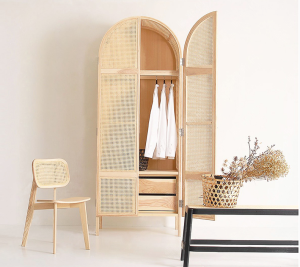
Другой творческий подход — комбинирование нескольких узоров плетения в одном изделии. Например, шкаф может иметь шестиугольный ротанг на дверцах и плотное плетение «корзинка» на нижней полке. Этот контраст добавляет визуальный интерес и демонстрирует мастерство.
Стоит также упомянуть апсайклинг. Многие мастера теперь используют ротанговую сетку, чтобы вдохнуть новую жизнь в старую мебель — заменяя изношенные тканевые панели на винтажных стульях или добавляя вставки из ротанга в простые деревянные двери. Это идеально соответствует движению за устойчивое развитие и придает каждому изделию уникальную историю.
Влажность и условия работы
Поддерживайте в рабочей зоне умеренную влажность. Идеальное содержание влаги в ротанге во время изготовления составляет от 8% до 16%. Слишком сухой материал трескается. Слишком влажный может привести к появлению плесени на готовом изделии. Если вы работаете в очень сухом климате, слегка опрыскивайте сетку водой по мере работы. Во влажной среде обеспечьте хорошую вентиляцию и дайте дополнительное время для сушки после установки.
С правильным плетением, надлежащей подготовкой и немного творческого видения натуральная ротанговая сетка может превратить любое ремесленное изделие из обычного в экстраординарное. Материал вознаграждает терпение и внимание к деталям результатами, которые сохраняются годами.
Заключение
Натуральная ротанговая сетка — проверенный материал для высококачественных ремесленных изделий, если вы используете ротанг класса А, выбираете правильное плетение и сотрудничаете с последовательным, надежным поставщиком.
Сноски
1. Авторитетное определение и объяснение прочности на растяжение в материалах. ↩︎
2. Исследует привлекательность и интеграцию натуральных текстур в дизайне. ↩︎
3. Обсуждает важность и преимущества прозрачности цепочки поставок. ↩︎
4. Описывает характеристики и применение шестиугольного открытого плетения из ротанга. ↩︎
5. Обсуждает текущие тенденции и материалы в дизайне элитной мебели. ↩︎
6. Объясняет классификацию натурального ротангового плетения по сортам, включая критерии сорта А. ↩︎
7. Заменил HTTP 403 авторитетным определением возобновляемых ресурсов из Википедии. ↩︎
8. Предоставляет список и объяснение различных биоразлагаемых материалов. ↩︎
9. Комплексное руководство по свойствам и применению натурального ротангового тростникового плетения. ↩︎
10. Объясняет концепцию и принципы движения биофильного дизайна. ↩︎
 English
  Español de México
  العربية
  Deutsch
  Français
  Русский