
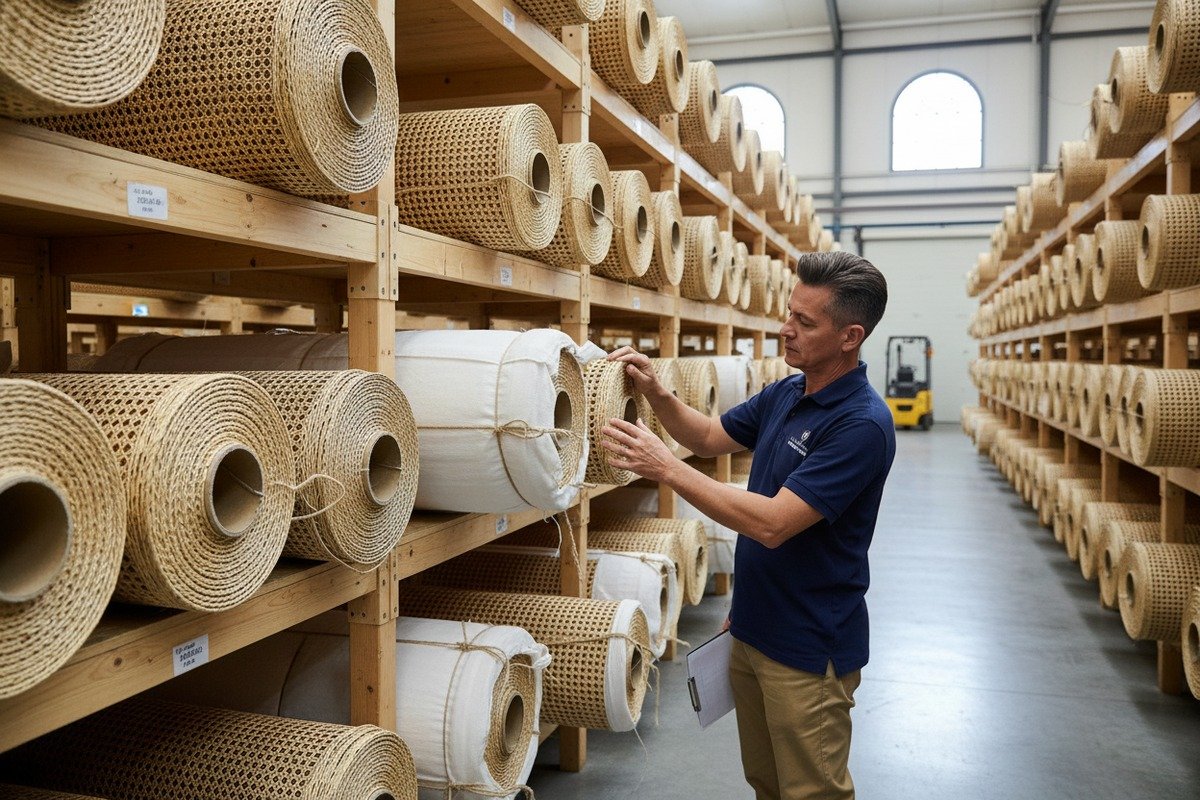
Мы отправили ротанговая сетка 1 поставляется в более чем 30 стран с наших заводов в Фошане и Индонезии, и самая частая жалоба, которую мы слышим от новых покупателей, касается не узора плетения или цвета — а повреждений во время хранения. Трещины по краям, пятна плесени и деформированные листы могут превратить красивый рулон натурального ротанга в дорогостоящий брак. тканый полипропилен 2. Проблема особенно остро ощущается, когда оптовики покупают оптом и хранят рулоны неделями или месяцами перед перепродажей или использованием в производстве. Если вы когда-либо разворачивали кусок ротанговой тесьмы и обнаруживали, что она хрупкая, обесцвеченная или кишит крошечными жучками, вы знаете, как это расстраивает.
Для правильного хранения рулонов ротанговой сетки храните их в прохладном, сухом месте при температуре 60–75°F и относительной влажности 40–60%, скручивайте их свободно вокруг прочных трубок, оборачивайте дышащей тканью и проверяйте каждые 30 дней на наличие плесени, вредителей или хрупкости.
Ниже мы подробно рассмотрим каждый критический фактор — температуру, влажность, штабелирование, упаковку и проверку — чтобы вы могли защитить свои инвестиции и сохранить каждый рулон в идеальном состоянии.
Каковы идеальные уровни температуры и влажности для хранения моего ротангового плетения?
Наши складские команды как в Фошане, так и в Индонезии круглосуточно отслеживают климатические данные, потому что даже кратковременный скачок влажности может испортить целый поддон ротанговой тесьмы. Многие покупатели не осознают, что ротанг гигроскопичен 3— он постоянно поглощает и выделяет влагу из воздуха. Это единственное свойство является первопричиной большинства проблем при хранении.
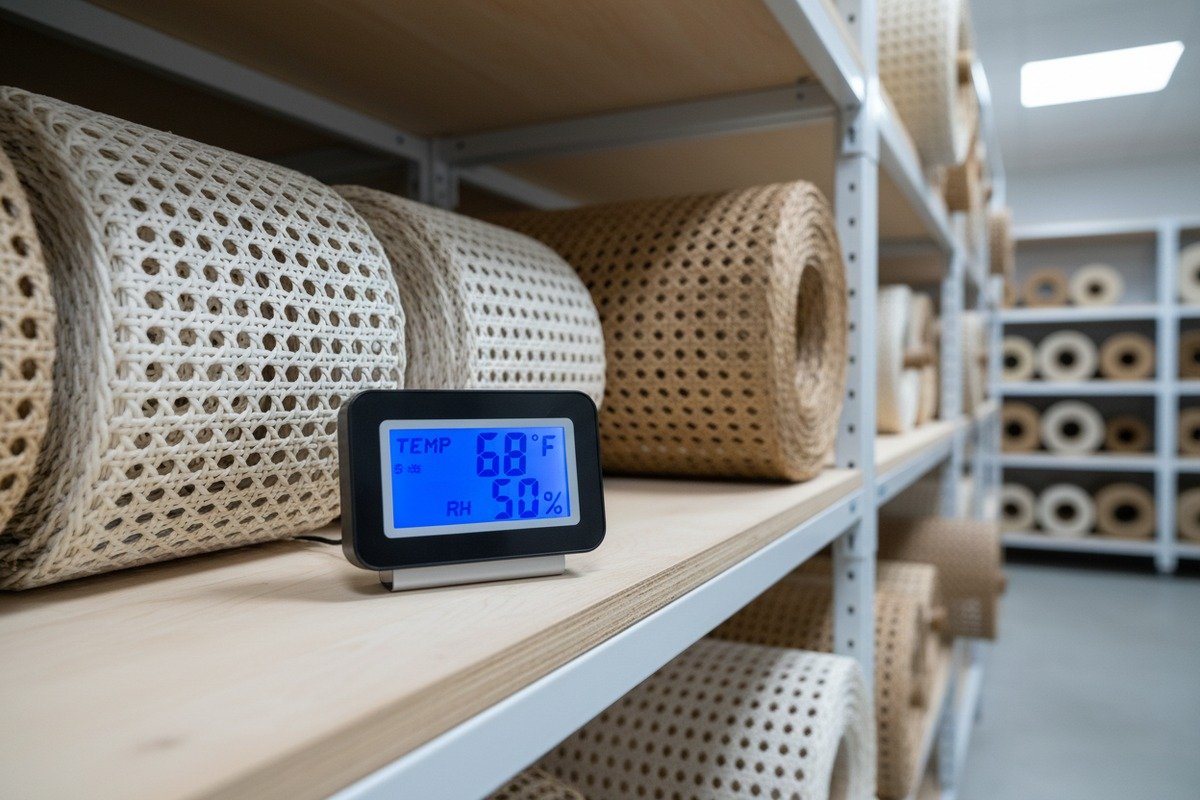
Идеальная среда для хранения ротанговой сетки — 60–75°F (15–24°C) при относительной влажности 40–60%. Температура ниже 50°F вызывает жесткость волокон, а влажность выше 70% в течение нескольких дней приводит к росту плесени и деформации.
Почему ротанг так быстро реагирует на влагу
Ротанговая тесьма изготавливается из очищенной коры лиан ротанга, тропической вьющейся пальмы 4. Клеточная структура этих волокон создана природой для поглощения воды. Когда влажность поднимается выше 70%, волокна набухают. Когда она падает ниже 30%, они сжимаются и трескаются. Это постоянное расширение и сжатие вызывает деформацию, расщепление и, в конечном итоге, поломку.
На нашем производстве мы сушим ротанговую тесьму до содержание влаги 5 содержания влаги около 10–12%. Это идеальный диапазон. Если условия хранения повышают или понижают это содержание влаги, начинаются повреждения.
Краткий справочник по температуре и влажности
| Условие | Диапазон | Влияние на ротанг |
|---|---|---|
| Идеальная температура | 60–75°F (15–24°C) | Волокна остаются гибкими и стабильными |
| Слишком холодно | Ниже 50°F (10°C) | Волокна затвердевают, риск растрескивания при разматывании |
| Слишком жарко | Выше 90°F (32°C) | Ускоренное высыхание, хрупкость, выцветание цвета |
| Идеальная влажность | 40–60% относительной влажности | Оптимальный баланс влаги, нет риска образования плесени |
| Слишком сухо | Ниже 30% относительной влажности | Растрескивание, расщепление, истирание по краям |
| Слишком влажно | Выше 70% относительной влажности | Рост плесени, коробление, затхлый запах, привлечение вредителей |
Практичные инструменты для контроля климата
Вам не нужно высокотехнологичное оборудование. Базовый цифровой гигрометр 6 стоит менее 15 долларов и дает точные показания. Поместите один рядом с вашим запасом ротанга на уровне полки — не на стене через комнату. Если вы находитесь во влажном регионе, таком как прибрежный Юго-Восточная Азия или южные Соединенные Штаты, простой осушитель может поддерживать вашу зону хранения в нужном диапазоне. Для сухого климата подойдет увлажнитель с холодным паром.
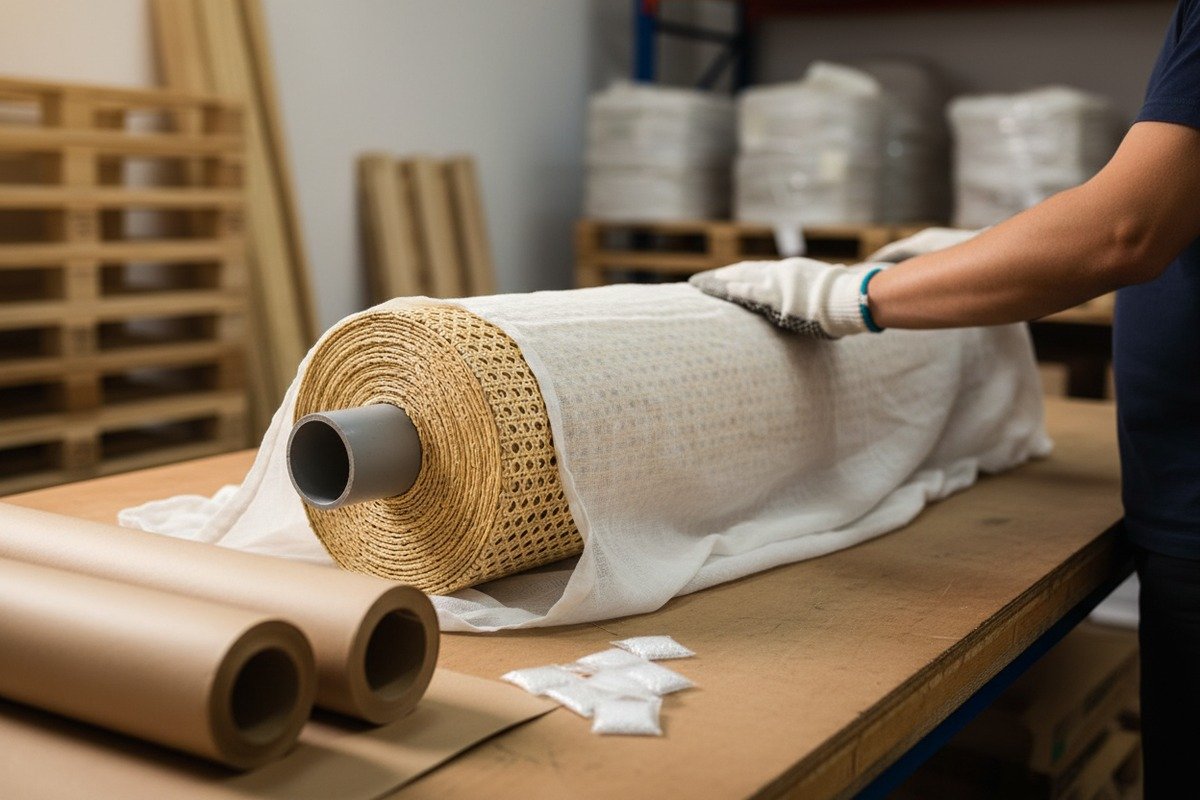
Мы также рекомендуем многоразовые пакеты с силикагелем 7 помещенные внутрь каждого завернутого рулона. Они смягчают небольшие колебания влажности и легко перезаряжаются в духовке. Избегайте хранения рулонов непосредственно на бетонных полах или у наружных стен, так как оба передают влагу и холод. Вместо этого используйте поддоны или деревянные полки.
Солнечный свет и источники тепла
Прямой солнечный свет — еще один тихий враг. Ультрафиолетовые лучи 8 обесцвечивает натуральный золотистый цвет ротанговой сетки в течение нескольких недель. Они также неравномерно высушивают волокна, из-за чего одна сторона рулона становится хрупкой, а другая остается гибкой. Держите рулоны подальше от окон, мансардных окон и источников тепла, таких как радиаторы или трубы горячего водоснабжения.
Как мне укладывать или располагать мои ротанговые рулоны, чтобы они не деформировались?
Когда мы готовим оптовые поставки для наших мебельных фабрик-клиентов в Нидерландах, Испании и Австралии, способ укладки рулонов внутри контейнера так же важен, как и климат. Мы видели, как совершенно хорошая сетка прибывала к месту назначения смятой, телескопической или с постоянными складками из-за плохой укладки.
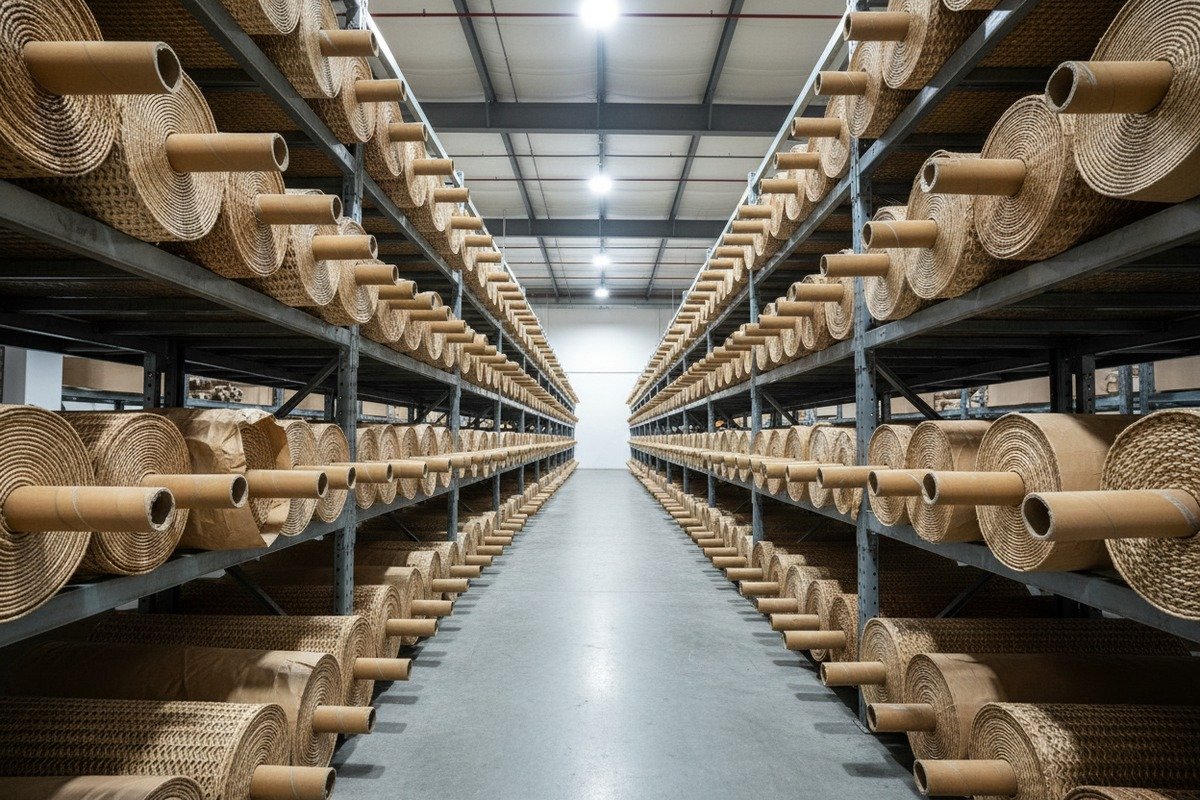
Храните ротанговые циновки в рулонах горизонтально на прочных полках, поддерживаемых картонными или ПВХ трубами диаметром не менее 3–4 дюймов. Никогда не ставьте более трех рулонов друг на друга без разделителей и избегайте сильных изгибов или сжатия, вызывающих постоянные складки.
Сердечник имеет значение
Каждый рулон нуждается в сердечнике. Если ваши рулоны прибыли без него, вставьте картонную или ПВХ трубу перед хранением. Труба предотвращает сжатие центра, что приводит к образованию складок, которые не исчезнут. Мы используем трубы диаметром 3–4 дюйма (7,5–10 см) на наших фабриках. Любой меньший диаметр заставляет ротанг принимать тугой изгиб, который со временем может привести к растрескиванию плетения.
Для длительного хранения более нескольких недель ПВХ трубы лучше, чем картонные, потому что они устойчивы к влаге и не сжимаются под весом.
Горизонтальное против вертикального хранения
| Положение при хранении | Плюсы | Минусы |
|---|---|---|
| Горизонтальное (на боку) | Равномерное распределение веса, отсутствие телескопирования, легкий доступ | Занимает больше места на полке |
| Вертикальное (стоя) | Экономит место на полу | Гравитация тянет внутренние слои вниз, вызывая телескопирование и повреждение краев |
| Подвешивание на стержне | Отсутствие сжатия, хороший воздушный поток | Требует прочной опоры, непрактично для тяжелых рулонов |
Мы всегда рекомендуем горизонтальное хранение. Когда рулоны стоят вертикально, гравитация медленно тянет внутренние слои вниз. Это называется телескопированием — концы рулона неравномерно смещаются, и плетение искажается. Размещение рулонов на боку полностью исключает этот риск.
Правила штабелирования
Если вам необходимо штабелировать рулоны, ограничьте стопку максимум тремя рулонами. Поместите плоский разделитель — лист бескислотного картона или кусок дышащей ткани — между каждым рулоном. Это предотвратит отпечатывание узора плетения одного рулона на другом под весом верхних рулонов.
Никогда не кладите тяжелые предметы на ротанговые рулоны. Даже коробка с фурнитурой, простоявшая на рулоне несколько дней, может оставить постоянное плоское пятно.
Расстояние для циркуляции воздуха
Оставляйте не менее 4–6 дюймов пространства между рулонами, а также между рулонами и стенами. Хорошая циркуляция воздуха предотвращает образование влажных карманов. Если вы плотно упакуете рулоны на полке, центральные рулоны будут получать меньше воздуха, и плесень может развиться незамеченной.
Советы по обращению
Всегда обращайтесь с рулонами чистыми, сухими руками или хлопчатобумажными перчатками. Масла с кожи могут оставлять пятна на светлом натуральном тростнике. При перемещении рулонов поддерживайте их по всей длине. Не хватайтесь за один конец и не позволяйте остальному свисать — вес может растянуть и исказить плетение.
Какой тип защитной упаковки следует использовать, чтобы защитить мои рулоны ротанговой тесьмы от пыли?
Наша упаковочная команда оборачивает каждый исходящий рулон, и мы протестировали десятки материалов за эти годы. Неправильная обертка может нанести такой же ущерб, как и полное отсутствие обертки. Однажды у нас был клиент в Саудовской Аравии, который переупаковывал рулоны в толстую пластиковую пленку для складского хранения. В течение месяца внутри образовался конденсат, и плесень уничтожила 15% партии.
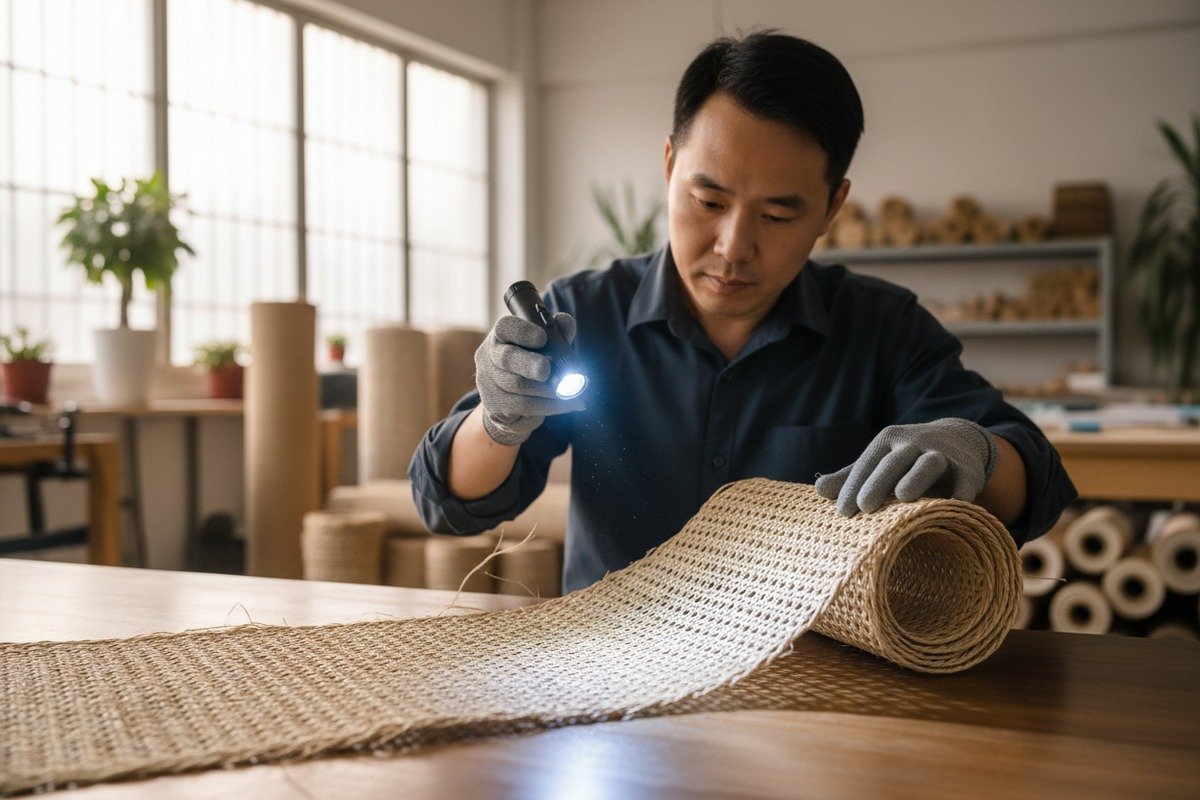
Используйте дышащие упаковочные материалы, такие как неотбеленная муслиновая ткань, бескислотная папиросная бумага или тканый полипропиленовый материал, для защиты рулонов ротанговой трости от пыли, обеспечивая при этом циркуляцию воздуха. Избегайте герметичной пластиковой пленки, которая задерживает влагу и способствует росту плесени.
Выбор правильного упаковочного материала
Не все покрытия одинаковы. Ключевое требование — воздухопроницаемость. Ротанг должен постоянно выделять небольшое количество водяного пара. Обертка, блокирующая этот обмен, создает микроклимат внутри рулона, который приводит к образованию плесени.
| Упаковочный материал | Воздухопроницаемость | Защита от пыли | Стоимость | Лучше всего подходит для |
|---|---|---|---|---|
| Неотбеленная муслиновая ткань | Отличная | Отличная | Низкий – Средний | Долгосрочное хранение, большие рулоны |
| Кислотоустойчивая папиросная бумага | Хорошая | Хорошая | Низкий | Прокладка между рулонами, краткосрочное |
| Тканые полипропиленовые (ПП) мешки | Хорошая | Отличная | Низкий | Транспортировка и складское хранение |
| Крафт-бумага | Умеренная | Хорошая | Очень низкий | Краткосрочный, бюджетный вариант |
| Пластиковая стрейч-пленка | Нет | Отличная | Низкий | Никогда не рекомендуется для ротанга |
| Вакуумные пакеты | Нет | Отличная | Средний | Только для небольших, полностью высохших рулонов |
Как обернуть рулон шаг за шагом
Начните с того, что убедитесь, что рулон полностью высох. Если он был намочен по какой-либо причине, дайте ему высохнуть на воздухе в течение как минимум 24 часов в хорошо проветриваемом месте перед упаковкой. Затем выполните следующие шаги:
- Поместите рулон на чистую поверхность.
- Если края среза открыты, закрепите их полоской малярной ленты с низким уровнем адгезии, чтобы предотвратить распушивание. Избегайте клейких лент с сильным клеем — они могут вытянуть волокна при удалении.
- Разложите кусок муслиновой ткани или бескислотной папиросной бумаги, достаточно большой, чтобы покрыть весь рулон.
- Свободно оберните рулон вокруг тростника. Не затягивайте его.
- Подогните или завяжите концы. Используйте хлопчатобумажную бечевку или резинки — не пластиковые стяжки, которые могут повредить края.
- Поместите 2–3 многоразовых пакетика с силикагелем внутрь обертки перед закрытием.
- Обозначьте снаружи размеры рулона, тип узора и дату хранения.
Примечание о добавках, отпугивающих вредителей
Поместите внутрь обертки небольшой кедровый блок или мешочек с сушеной лавандой. Оба являются естественными репеллентами от насекомых и не оставят химических следов на вашем тростнике. Избегайте нафталиновых шариков — они содержат нафталин, который может оставить запах, трудноудаляемый с натуральных волокон.
Для клиентов в тропических регионах или регионах с высокой влажностью мы иногда рекомендуем помещать обернутый рулон внутрь внешней тканой полипропиленовой сумки с несколькими дополнительными пакетиками силикагеля. Это обеспечивает двойной слой защиты без ущерба для воздухопроницаемости.
Защита от света
Даже обернутые рулоны следует хранить вдали от окон и флуоресцентных ламп. Если в вашем складском помещении есть верхнее освещение, которое горит в течение длительного времени, рассмотрите возможность накрытия стеллажей тканевым занавесом. УФ-излучение выцветает натуральный ротанг из его теплого золотистого оттенка до тусклого, бледно-желтого.
Как часто мне следует проверять свой оптовый запас ротанга на предмет хрупкости или вредителей?
Управление тремя фабриками и координация работы более чем 30 партнерских мастерских означает, что мы управляем большим количеством запасов ротанга. Один урок, который мы усвоили на собственном горьком опыте в самом начале, заключался в том, что повреждения не заявляют о себе громко. К тому времени, когда вы увидите плесень на поверхности рулона, она уже часто распространилась внутри. К тому времени, когда вы заметите крошечные выходные отверстия от жуков, личинки уже несколько недель питались.
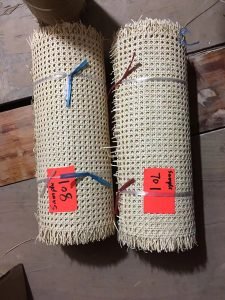
Проверяйте свои рулоны ротанговой циновки на складе не реже одного раза в 30 дней. Ищите пятна плесени, затхлый запах, хрупкость, дыры от насекомых и труху (мелкую древесную пыль). Выявляйте проблемы на ранней стадии, и большинство рулонов еще можно спасти легким увлажнением или целенаправленной обработкой.
На что обращать внимание при каждой проверке
Тщательная проверка занимает всего несколько минут на рулон. Вам не нужно специальное оборудование — только хорошее освещение, чистые руки и ваш нос. Вот что следует проверить:
Плесень и грибок: Ищите белые, зеленые или черные пятна, особенно на внутренних слоях, ближайших к центральной трубке. Понюхайте рулон. Затхлый, землистый запах означает, что плесень присутствует, даже если вы ее еще не видите.
Хрупкость: Аккуратно согните небольшой участок на краю рулона. Здоровый ротанг должен гнуться без трещин. Если он легко ломается или трескается, содержание влаги слишком низкое. Легкое опрыскивание дистиллированной водой с последующим 24-часовым высушиванием на воздухе часто может восстановить гибкость.
Активность вредителей: Ищите крошечные круглые отверстия (диаметром 1–2 мм) в прутьях тростника. Это выходные отверстия от жуков-точильщиков 9 или жуков-аннобиид. Также проверьте наличие трухи — мелкой порошкообразной пыли, которая осыпается с зараженных волокон. Если вы обнаружите активное заражение, немедленно изолируйте пораженные рулоны и обработайте их или утилизируйте, чтобы предотвратить распространение.
Изменение цвета: УФ-излучение проявляется в виде неравномерного осветления. Повреждение влагой часто проявляется в виде темных пятен от воды или пожелтения.
Структурная целостность: Убедитесь, что рулон не сдвинулся, не провис и не образовал плоских участков из-за давления.
Частота проверок в зависимости от продолжительности хранения
При краткосрочном хранении всего несколько дней или пару недель обычно достаточно одной проверки до и после. Но при более длительном хранении регулярные проверки необходимы. Мы рекомендуем следующее расписание:
- Еженедельно в течение первого месяца хранения в новой среде, так как именно в это время проявляются большинство проблем, связанных с климатом.
- Ежемесячно при постоянном хранении в стабильном, климатически контролируемом помещении.
- После любого погодного явления такого как сильный дождь, наводнение или волна жары, которые могут изменить условия в помещении.
Что делать при обнаружении повреждений
Плесень: Удалите пораженный рулон из группы. Разверните его и дайте высохнуть в сухом, проветриваемом месте. Поверхностную плесень аккуратно счистите мягкой сухой щеткой и протрите тканью, смоченной в слабом растворе уксуса и воды (соотношение 1:4). Не замачивайте тростник. Дайте ему полностью высохнуть перед повторной упаковкой.
Хрупкость: Слегка опрыскайте рулон дистиллированной водой из распылителя. Не замачивайте его. Дайте ему впитать влагу в течение нескольких часов, затем снова проверьте гибкость. Как только он станет эластичным, дайте ему высохнуть на ощупь и снова упакуйте со свежими пакетиками силикагеля.
Вредители: Немедленно изолируйте рулон. При небольшом заражении замораживание рулона при температуре 0°F (−18°C) в течение 72 часов убивает личинок и яйца. При сильном заражении, может потребоваться 10 профессиональная фумигация. Выбросьте сильно поврежденные рулоны и проверьте все соседние запасы.
Ведение учета
Мы ведем простой журнал для каждого поддона на нашем складе: дата получения, показание влажности при поступлении, даты инспекций и любые выявленные проблемы. Это помогает нам выявлять закономерности. Например, если в определенном углу склада постоянно возникают проблемы с плесенью, мы знаем, что там нужно улучшить циркуляцию воздуха. Для небольших запасов подойдет простая электронная таблица или даже чек-лист на папке.
Заключение
Правильное хранение ротанговой сетки сводится к контролю климата, поддержанию структуры рулона, выбору дышащей упаковки и регулярным проверкам. Если вы правильно учтете эти четыре фактора, ваши рулоны останутся гибкими, чистыми и готовыми к использованию на долгие годы.
Сноски
1. Заменено на подробное руководство по ротанговой сетке. ↩︎
2. Описывает свойства и применение ткани из плетеного полипропилена. ↩︎
3. Детализирует гигроскопичность ротанга и его взаимодействие с влагой. ↩︎
4. Описывает ротанг как тропическую лиану и его естественную среду обитания. ↩︎
5. Заменено статьей, объясняющей важность содержания влаги в древесине. ↩︎
6. Определяет, что такое цифровой гигрометр и как он измеряет влажность. ↩︎
7. Заменено статьей, объясняющей, как работает силикагель-осушитель внутри упаковки. ↩︎
8. Обсуждает влияние ультрафиолетового излучения на натуральные волокна и материалы. ↩︎
9. Предоставляет информацию о жуках-точильщиках, распространенных вредителях, сверлящих древесину. ↩︎
10. Заменено статьей, объясняющей профессиональный процесс фумигации. ↩︎
 English
  Español de México
  العربية
  Deutsch
  Français
  Русский