
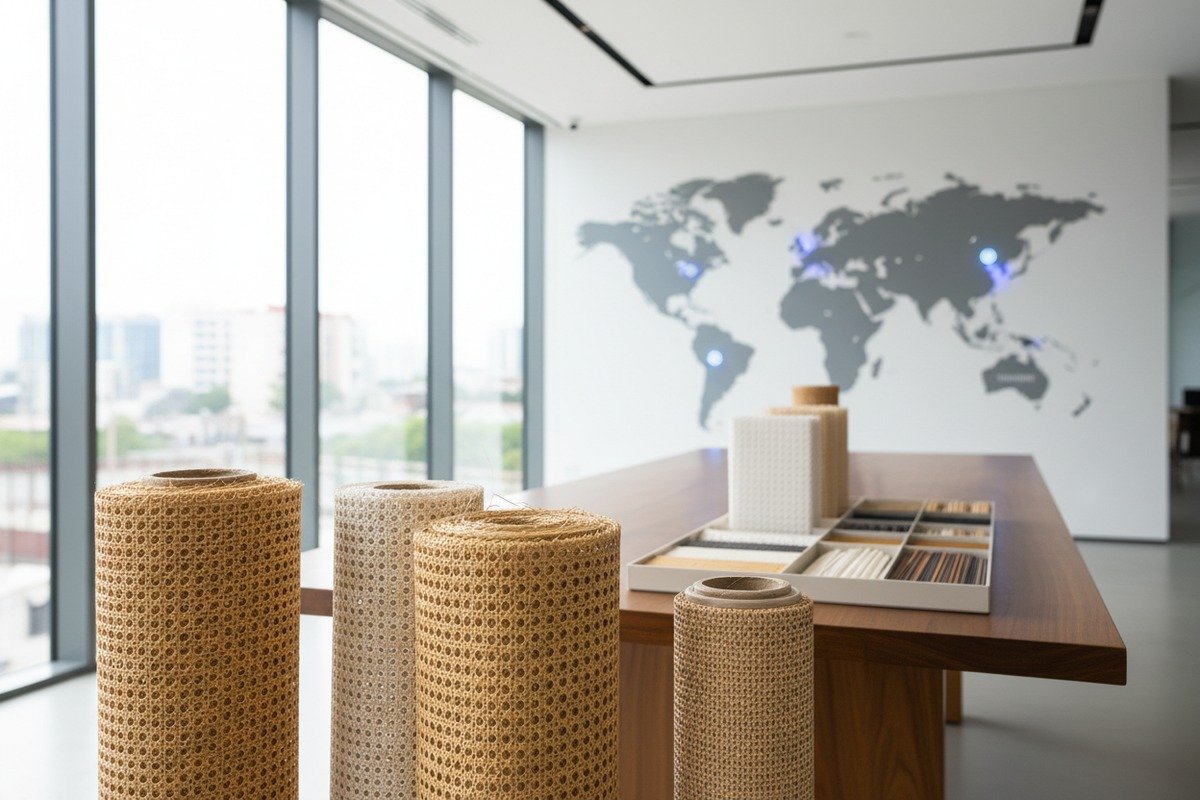
Найти подходящий производственный центр для ротанговая сетка 1 может быть непросто, когда так много поставщиков заявляют о высоком качестве, но демонстрируют нестабильные результаты. Работая на собственном предприятии по переработке ротанга в Индонезии и трех фабриках в Фошане, мы на собственном опыте убедились, как география влияет на качество продукции, цены и надежность. B2B платформы 2. Многие покупатели тратят месяцы, гоняясь за поставщиками в разных странах, только чтобы в итоге получить плетенку, которая трескается, обесцвечивается или рвется под нагрузкой.
Основными производственными центрами для закупки ротанговой сетки являются Индонезия, Китай и Вьетнам. Индонезия поставляет сырье из ротанга высочайшего качества. Китай, особенно Фошань, лидирует в крупномасштабном производстве и экспорте. Вьетнам предлагает конкурентоспособные цены при растущих стандартах качества. Вместе эти три региона доминируют в глобальной цепочке поставок ротанговой сетки.
Каждый центр играет свою роль в цепочке поставок. экспортная документация 3. управление цепочками поставок 4 Понимание этих различий поможет вам выбрать правильного партнера, избежать дорогостоящих ошибок и получить именно тот сорт, который вам нужен. Давайте разберемся, что делает каждый регион уникальным и как уверенно принимать решения о закупках.
Почему мне следует закупать ротанговую сетку из Индонезии, а не из других производственных центров?
Когда мы много лет назад инвестировали в собственное предприятие по переработке ротанга в Индонезии, это было потому, что ни одна другая страна не могла сравниться по качеству сырья, поступающего оттуда. тропических лесах 5. Многие покупатели начинают поиск на Alibaba или Google и в итоге путаются из-за похожих на вид продуктов по совершенно разным ценам. Основная причина почти всегда — происхождение самого сырого ротанга.
Индонезия является ведущим мировым поставщиком сырья из ротанга, предлагая превосходную прочность волокна, естественную гибкость и устойчивое использование. Закупка в Индонезии гарантирует доступ к ротангу класса А, который другие центры, такие как Китай и Вьетнам, часто импортируют в качестве основного материала перед переработкой в готовую сетку.
Почему Индонезия лидирует по качеству сырого ротанга
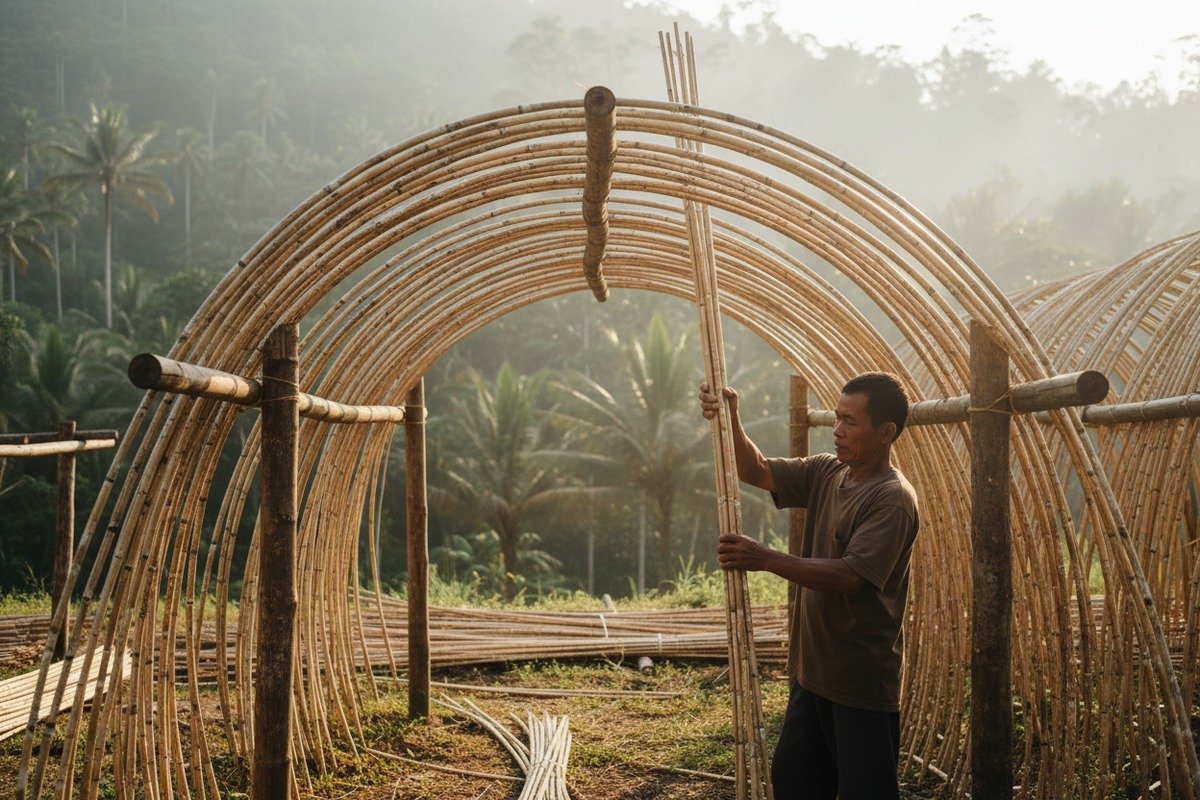
Тропические леса Индонезии обеспечивают идеальный климат для пальм ротанга. Сочетание влажности, осадков и условий почвы производит ротанг с более длинными волокнами и большей предел прочности на растяжение 6. Это важно, потому что плетенка из ротанга должна быть достаточно прочной, чтобы выдерживать вес человека, и при этом достаточно гибкой, чтобы обернуть деревянные каркасы без растрескивания.
На нашем индонезийском предприятии мы вручную отбираем сырой ротанг перед его поступлением на перерабатывающую линию. Не каждая стебель проходит отбор. Лучший ротанг имеет одинаковый диаметр, минимальное количество шрамов и плотную структуру волокон. Эти характеристики напрямую связаны с условиями выращивания, поэтому индонезийский ротанг ценится выше.
Преимущество устойчивости
Сбор ротанга в Индонезии гораздо менее разрушителен, чем лесозаготовка. Ротанг — это лазающая пальма. Его сбор не требует вырубки деревьев. На самом деле, выращивание ротанга 7 дает местным сообществам экономические стимулы для сохранения лесов, а не для их расчистки. Для покупателей, которые продают экологичную или устойчивую мебель, эта история происхождения является мощной и подлинной.
Индонезия против других центров: краткое сравнение
| Фактор | Индонезия | Китай | Вьетнам |
|---|---|---|---|
| Основная роль | Поставщик сырья | Производство и экспорт | Производство и реэкспорт |
| Качество ротанга | Натуральный ротанг высшего сорта | Зависит от импортного материала | Зависит от импортного материала |
| Показатели устойчивости | Сильный — стимул для сохранения лесов | Умеренная | Умеренная |
| Производство готовой тесьмы | Ограничено | Доминирующий | Выращивание |
| Цена на сырье | Конкурентоспособная у источника | Выше из-за импортных расходов | Выше из-за импортных расходов |
Когда закупать напрямую из Индонезии
Если вы мебельной фабрикой 8 который сам занимается плетением, покупка сырого ротанга или полуобработанного тростника напрямую из Индонезии может снизить затраты. Вы избегаете наценки посредников, которую добавляют китайские или вьетнамские фабрики. Однако, если вам нужны готовые рулоны тесьмы, готовые к установке, одна Индонезия может быть не лучшим вариантом. Вот где вступают в игру производственные центры, такие как Фошань.
Ключевой вывод прост. Индонезия — это место, где лучшее ротанговое волокно начинает свой путь. Каждый другой центр в той или иной степени зависит от индонезийского материала. Знание этого дает вам преимущество в переговорах и помогает задавать правильные вопросы об источнике материала.
Как найти надежную фабрику ротанга в Фошане для управления моими потребностями в оптовых поставках?
За последнее десятилетие мы наладили партнерские отношения с более чем 30 фабриками в районе Наньхай города Фошань. Мы знаем, какие из них выполняют заказы в срок, а какие экономят на качестве. Для покупателей, ищущих поставщиков из-за рубежа, найти надежную фабрику в Фошане без местных знаний может быть похоже на азартную игру. В городе сотни предприятий, связанных с ротангом, но не все из них одинаковы.
Чтобы найти надежную фабрику по производству ротанга в Фошане, проверьте их производственные мощности посредством аудита фабрики, запросите физические образцы перед размещением оптовых заказов, проверьте историю экспортной документации и отдавайте предпочтение фабрикам с вертикально интегрированными операциями, которые контролируют качество от поступления сырья до окончательной упаковки и отгрузки.
Почему Фошань доминирует в производстве ротанга
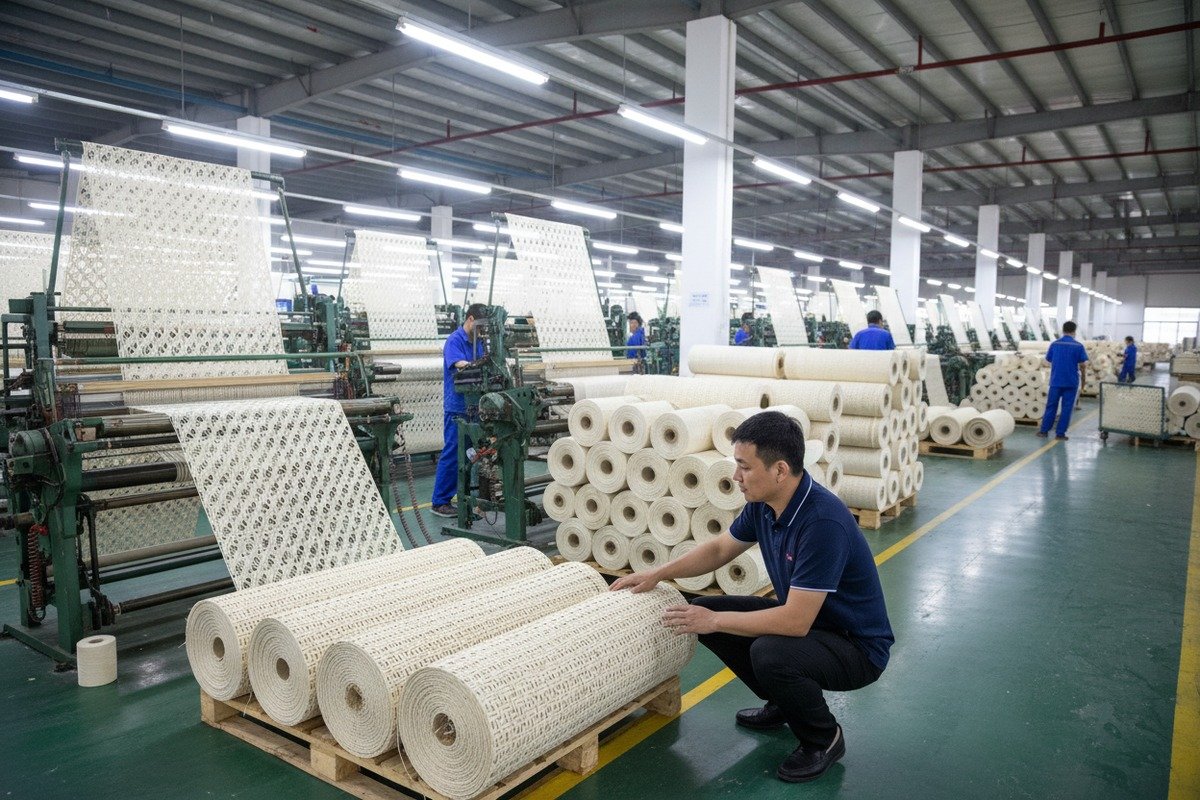
Фошань, расположенный в провинции Гуандун, превратился в столицу производства ротанга в Китае. Город выигрывает от отличного доступа к портам, большого пула квалифицированных рабочих и десятилетий инфраструктуры мебельной промышленности. Фабрики здесь могут выполнять заказы от нескольких сотен метров до контейнерных партий полотна различных узоров.
Что отличает Фошань, так это вертикальная интеграция. Лучшие фабрики импортируют сырой ротанг из Индонезии, обрабатывают его путем варки, отбеливания и обработки от плесени, плетут из него ротанговое полотно и упаковывают для экспорта — все под одной крышей. Этот контроль над каждым этапом означает меньше неожиданностей с качеством для вас.
Пошаговое руководство по поиску подходящей фабрики
Шаг 1: Начните с B2B-платформ. Alibaba и Made-in-China предлагают множество поставщиков ротанга из Фошаня. Фильтруйте по категориям "проверенный поставщик" и "торговая гарантия", чтобы сузить поиск.
Шаг 2: Запросите образцы. Никогда не соглашайтесь на оптовый заказ, основываясь только на фотографиях. Закажите образцы желаемых узоров — будь то сетка с открытыми шестиугольниками, плотное квадратное плетение или ромбовидный узор — и протестируйте их физически на гибкость, однородность цвета и прочность нитей.
Шаг 3: Спросите об источнике сырья. Фабрика, которая закупает ротанг класса А из Индонезии, с большей вероятностью произведет качественное полотно, чем та, которая использует смешанные или неизвестные источники.
Шаг 4: Проведите заводской визит или аудит третьей стороной. Если вы не можете посетить Фошань лично, наймите инспекционную компанию для проверки производственных линий, условий труда рабочих и процессов контроля качества. 9.
Шаг 5: Проверьте экспортную историю. Запросите таможенную документацию или рекомендации от предыдущих международных покупателей. Фабрика с хорошей экспортной историей на рынки, такие как США, Европа или Австралия, уже соответствует строгим стандартам.
На что обратить внимание на фабрике в Фошане
| Критерии | Что это вам говорит |
|---|---|
| Вертикально интегрированные операции | Они контролируют качество от начала до конца |
| Собственная команда по контролю качества | Дефекты выявляются до отгрузки |
| Возможности работы с несколькими шаблонами | Они могут удовлетворить разнообразные потребности в продукции |
| Установки для защиты от плесени и отбеливания | Правильная обработка продлевает срок службы изделия |
| Варианты индивидуальной упаковки | Они понимают экспортную логистику |
| Экспортные лицензии и документация | Они легальны и опытны |
Распространенные ошибки, которых следует избегать
Некоторые предприятия в Фошане — это торговые компании, замаскированные под фабрики. Они принимают ваш заказ, передают производство в самую дешевую доступную мастерскую и добавляют свою наценку. Тесьма поступает с непостоянным натяжением плетения, цветовыми различиями между рулонами или неадекватной упаковкой, которая приводит к повреждению во время транспортировки.
Другой риск — это фабрики, которые смешивают ротанг класса А и класса Б в одном заказе. Первые несколько рулонов выглядят идеально. Остальные — нет. Вот почему важен постоянный контроль качества, а не только проверки перед отправкой.
В нашей штаб-квартире в Наньхае мы решаем эти проблемы, осуществляя собственный контроль качества на каждом этапе производства. Мы также предлагаем покупателям возможность посетить наши партнерские фабрики и увидеть производство своими глазами. Прозрачность создает доверие, а доверие — долгосрочный бизнес.
Какие различия в качестве я встречу при закупке ротанга из разных регионов мира?
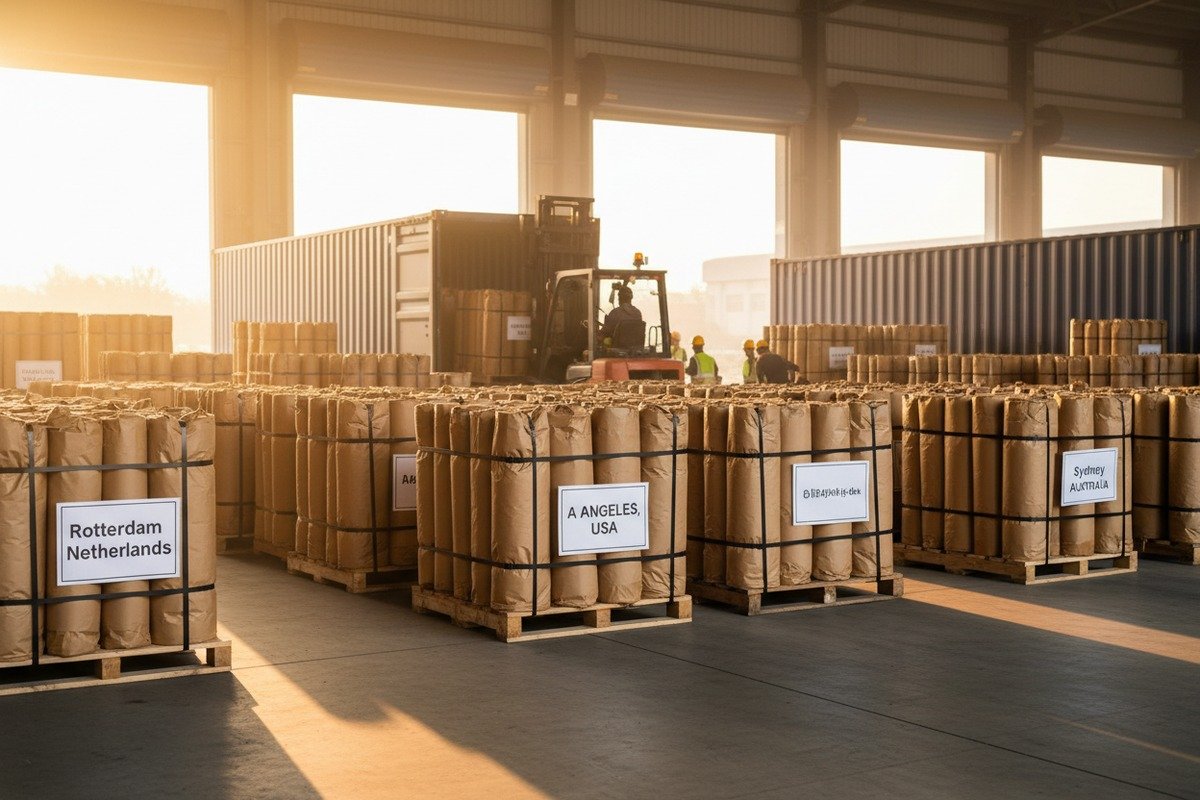
Когда мы отправляем ротанговую тесьму клиентам в Нидерланды, Австралию и США, ожидания по качеству различаются, но жалобы на непостоянство почти всегда одинаковы. Один покупатель из Испании однажды получил партию от другого поставщика, где половина рулонов имела золотистый оттенок, а другая половина — сероватый. Такое несоответствие может испортить производственную партию и повредить репутации вашего бренда.
Различия в качестве в зависимости от регионов заготовки ротанга включают вариации в прочности волокна, однородности цвета, равномерности плетения, устойчивости к плесени и стандартах обработки. Индонезийский необработанный ротанг предлагает самые прочные волокна. Китайские фабрики предоставляют наиболее однородные готовые изделия. Вьетнамские поставщики обеспечивают хорошее качество по конкурентоспособным ценам, но могут различаться между производителями.
Понимание переменных качества
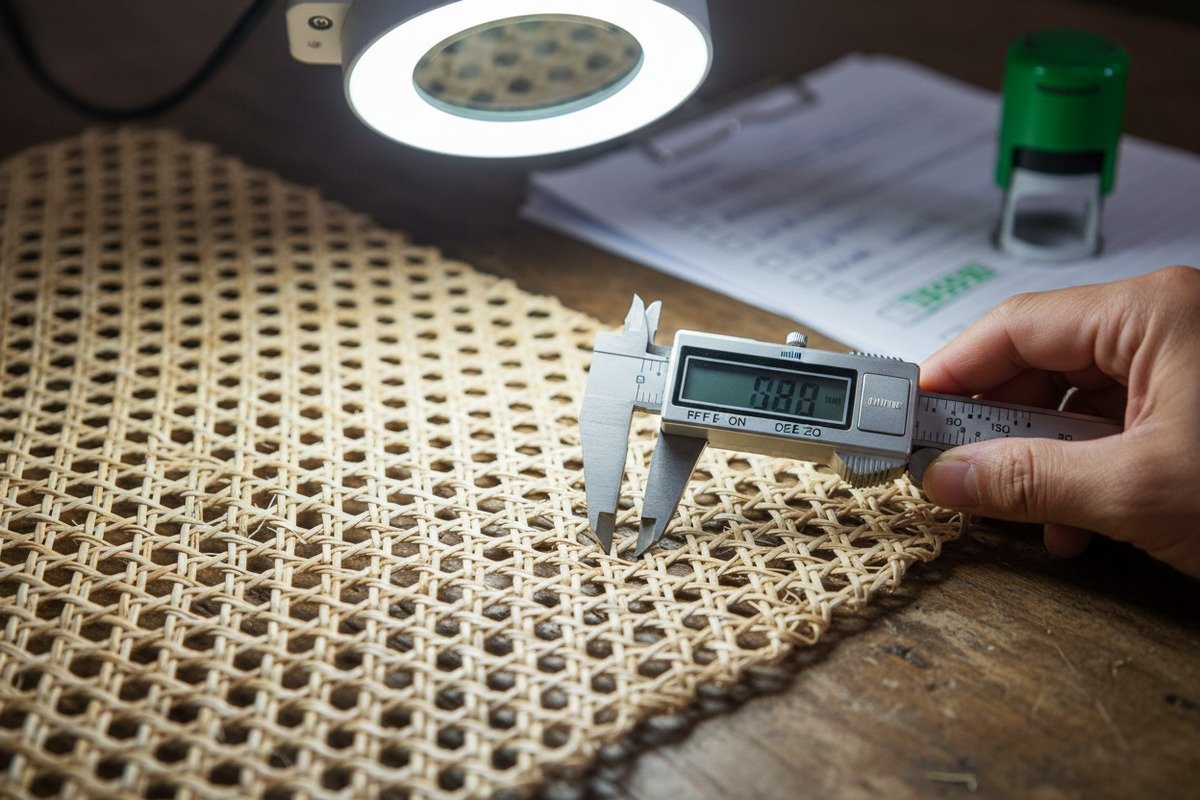
Качество ротанговой тесьмы — это не только ее внешний вид. Оно включает в себя множество измеримых факторов, которые влияют на производительность, долговечность и внешний вид с течением времени. Вот ключевые переменные:
Прочность волокна. Это определяет, сможет ли тесьма выдерживать вес без провисания или разрыва. Индонезийские ротанговые волокна, как правило, самые прочные из-за условий их выращивания.
Однородность цвета. Натуральный ротанг различается по цвету. Но хорошая обработка — правильное отбеливание, варка и сушка — минимизирует различия между рулонами. Китайские фабрики с современным оборудованием, как правило, производят наиболее однородный цвет.
Однородность плетения. Ручное плетение тесьмы всегда имеет небольшие отличия. Машинное плетение создает более плотные и однородные узоры. Лучшие фабрики сочетают оба метода — ручной отбор нитей в сочетании с точностью механического плетения.
Качество обработки. Сырой ротанг подвержен плесени, особенно во влажном климате. Правильная обработка против плесени, покрытия, устойчивые к УФ-излучению, и влагозащитные барьеры продлевают срок службы изделия. Фабрики, пропускающие эти этапы, производят более дешевую, но менее долговечную тесьму.
Сравнение качества по регионам
| Фактор качества | Индонезия (сырье) | Китай (Фошань) | Вьетнам | Малайзия/Филиппины |
|---|---|---|---|---|
| Прочность волокна | Отличная | Хорошая - Отличная | Хорошая | Умеренная |
| Однородность цвета | Варьируется (менее обработанное) | Высокая (продвинутая обработка) | От умеренного до высокого | Умеренная |
| Однородность плетения | Н/Д (сырье) | Высокая (с помощью машины) | От умеренного до высокого | Умеренная |
| Обработка от плесени | Базовый | Продвинутый | Хорошая | Базовый |
| Устойчивость к УФ-излучению | Минимальный | Доступно | Доступно | Минимальный |
| Ценовой сегмент | Низкий (сырой) | От среднего до высокого | Конкурентоспособный | Переменный |
Натуральный против синтетического: растущее различие
Некоторые китайские фабрики теперь производят синтетические ротанговые циновки 10 который имитирует внешний вид натурального ротанга. Эти пластиковые альтернативы обладают преимуществами в устойчивости к влаге и ультрафиолетовому излучению. Они хорошо подходят для наружного или полунаружного применения. Однако им не хватает аутентичного ощущения, тепла и ремесленного характера, которые обеспечивает натуральный ротанг. Для элитной мебели и проектов дизайна интерьера натуральный ротанг остается предпочтительным выбором.
Отбеленная сетка из ротанга — еще один вариант, который стоит рассмотреть. Отбеливание создает более светлый, более однородный внешний вид, но может ослабить волокна, если сделать это чрезмерно. Лучшие производители балансируют эстетическую привлекательность и структурную целостность в процессе отбеливания.
Как проверить качество перед покупкой
Попросите у поставщика пробные рулоны. Проверьте следующие моменты:
- Согните прядь вокруг острого угла. Она должна гнуться без трещин.
- Поднесите рулон к свету. Рисунок плетения должен выглядеть равномерным по всей поверхности.
- Понюхайте сетку. Сильный химический запах указывает на чрезмерную обработку. Затхлый запах указывает на плохое высыхание.
- Сравните два рулона рядом. Цвет должен совпадать.
По нашему опыту доставки в более чем десяток стран, покупатели, которые тратят время на тестирование перед заказом, избегают самых дорогих ошибок. Заказ образца стоимостью $50 может сэкономить вам $5000 на отклоненных поставках.
Как мне убедиться, что выбранный мной производственный центр может обеспечить требуемое качество ротанга класса А?
Мы получаем этот вопрос почти от каждого нового клиента, особенно от менеджеров по закупкам, которых обманули предыдущие поставщики. Один клиент из Турции рассказал нам, что заказывал плетеный материал "Класса А" у трех разных поставщиков. Каждый из них поставил разный уровень качества. Проблема была не в нечестности, а в отсутствии универсального стандарта классификации в индустрии ротанга.
Чтобы обеспечить качество ротанга класса А, установите четкие спецификации с вашим поставщиком, включая диаметр волокна, количество нитей на метр, диапазон цветов, пороговые значения прочности на разрыв и требования к обработке. Запрашивайте сертифицированные отчеты об испытаниях, проводите инспекции перед отгрузкой и начинайте с пробных заказов, прежде чем переходить к полным объемам контейнеров.
Определите "Класс А" в письменной форме
В индустрии ротанга нет единого международного стандарта классификации, как в производстве стали или древесины. То, что одна фабрика называет "Классом А", может быть "Классом Б" другой фабрики. Именно поэтому вы должны определить свои собственные спецификации качества в письменной форме перед размещением любого заказа.
Ваш лист спецификаций должен включать:
- Диапазон диаметра нити (например, 2,0–2,5 мм)
- Допуск по цвету (предоставьте физический или цифровой эталон цвета)
- Рисунок плетения и размер ячейки (точные размеры)
- Минимальная прочность на растяжение (измеряется в ньютонах или килограммах)
- Требования к обработке (противогрибковый, защита от УФ-излучения, уровень отбеливания)
- Спецификации упаковки (длина рулона, защитная обертка, прочность картона)
Когда мы начинаем работать с новым клиентом, мы вместе проходим каждый из этих пунктов. Мы составляем соглашение о спецификациях продукта, которое подписывают обе стороны. Этот документ становится эталоном для каждой проверки.
Внедрение многоступенчатого процесса контроля качества
Опора на одну финальную проверку рискованна. Проблемы с качеством, начинающиеся с выбора сырья, накапливаются на каждом последующем этапе. Лучший подход использует несколько контрольных точек.
| Этап проверки | Что проверить | Кто должен это делать |
|---|---|---|
| Прием сырья | Качество волокна, диаметр, содержание влаги | Команда контроля качества фабрики |
| Постобработка | Однородность цвета, устойчивость к плесени, гибкость | Команда контроля качества фабрики |
| Плетение | Соответствие рисунка, натяжение нити, количество дефектов | Руководители линий |
| Предварительная упаковка | Общий внешний вид, точность измерений | Команда контроля качества или сторонний инспектор |
| Перед отгрузкой | Случайная выборка, целостность упаковки, маркировка | Сторонний инспектор или представитель покупателя |
Используйте услуги сторонних инспекций
Если вы не можете посетить фабрику лично, наймите стороннюю инспекционную компанию. Компании, такие как SGS, Bureau Veritas или небольшие специализированные фирмы, работают по всему Фошаню и могут проводить инспекции от вашего имени. Стоимость невелика по сравнению с риском получения дефектной партии.
Мы приветствуем сторонних инспекторов на всех наших объектах. На самом деле, мы поощряем это. Покупатели, которые самостоятельно проверяют качество, как правило, становятся долгосрочными партнерами, поскольку они укрепляют доверие к процессу.
Начинайте с малого, масштабируйте постепенно
Никогда не размещайте заказ на полный контейнер у нового поставщика с первой попытки. Начните с пробного заказа — даже всего несколько рулонов. Оцените продукт в своей мастерской. Протестируйте его на своих мебельных каркасах. Проверьте, как он работает через несколько недель использования. Если все соответствует вашим стандартам, постепенно увеличивайте объем.
Такой подход защищает ваш денежный поток и дает вам возможность вести переговоры. Поставщик, который знает, что вы его тестируете, будет прилагать максимум усилий. Поставщик, который отказывается от пробного заказа, подает красный флаг.
Постройте долгосрочные отношения
Самые надежные цепочки поставок строятся на отношениях, а не на сделках. По возможности посещайте своего поставщика. Открыто делитесь отзывами. Платите вовремя. Взамен вы получите приоритетное планирование производства, лучшие цены на крупные заказы и предварительное уведомление об изменении цен на сырье.
В нашей штаб-квартире в Фошане мы предоставляем выделенных менеджеров по работе с ключевыми клиентами. Они знают спецификации каждого клиента, предпочтительные узоры и графики отгрузки. Такой уровень персонализации достигается только благодаря долгосрочным партнерским отношениям.
Заключение
Успешный поиск ротанговой циновки означает понимание того, что предлагает каждый производственный центр. Индонезия предоставляет лучшее сырье. Фошань обеспечивает масштаб производства и стабильность. Вьетнам предлагает конкурентоспособные альтернативы. Четко определите свои стандарты качества, тщательно проверьте поставщиков и наладьте долгосрочные партнерские отношения, чтобы обеспечить ротанговую циновку класса А, которую требует ваш бизнес.
Сноски
1. Объясняет, что такое ротанговая циновка и ее происхождение как плетеного материала. ↩︎
2. Объясняет, что такое B2B-платформы и их роль в деловых операциях. ↩︎
3. Представляет авторитетный обзор распространенных экспортных документов и их назначение. ↩︎
4. Представляет исчерпывающее определение и компоненты управления цепочками поставок. ↩︎
5. Описывает значение и характеристики тропических лесов Индонезии. ↩︎
6. Определяет прочность на растяжение как свойство материала и ее измерение. ↩︎
7. Объясняет методы устойчивого выращивания ротанга и их экологические преимущества. ↩︎
8. Представляет обзор мебельной промышленности и ее процессов. ↩︎
9. Детализирует важность и внедрение контроля качества в производстве. ↩︎
10. Объясняет, что такое синтетический ротанг, его свойства и универсальность в дизайне. ↩︎


 English
  Español de México
  العربية
  Deutsch
  Français
  Русский