
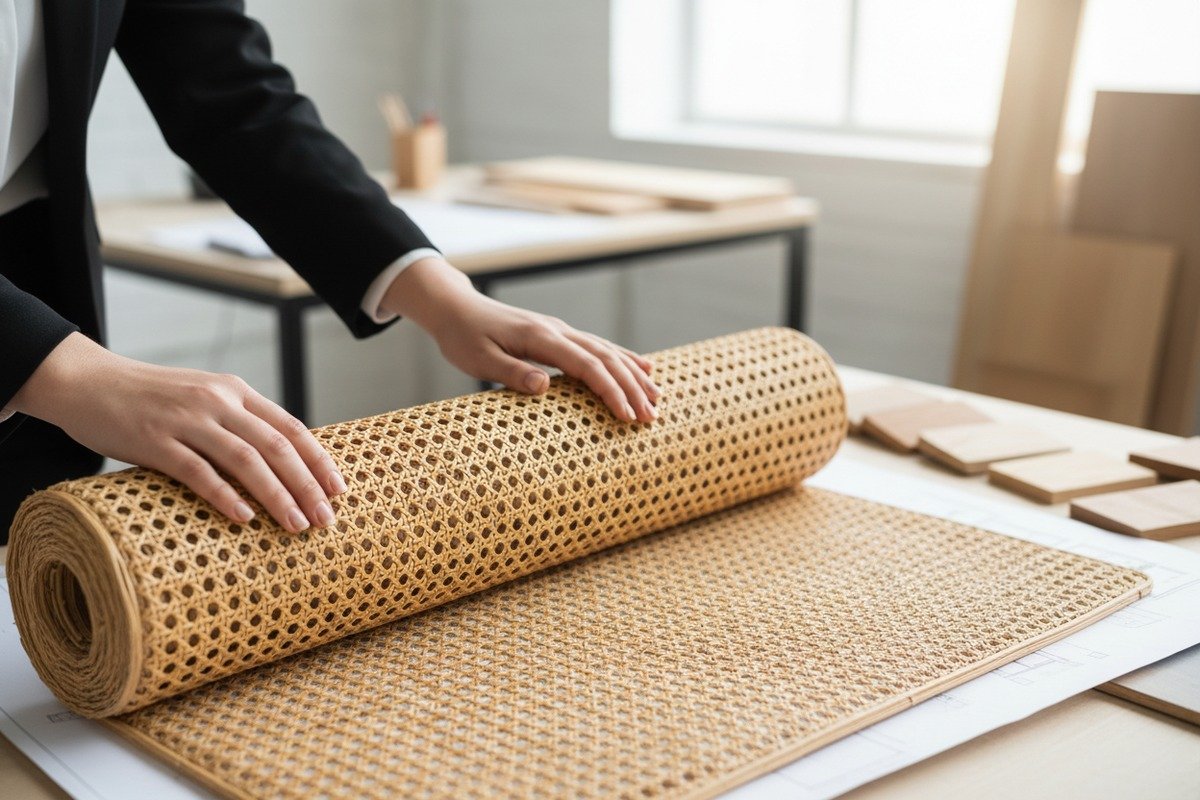
Каждую неделю наша служба поддержки клиентов получает фотографии от покупателей с одним и тем же вопросом: “Что-то не так с моим ротангом?” натурального ротангового плетения 1 Эти темные пятна и изменение цвета от медового до коричневого вызывают настоящее беспокойство, особенно у менеджеров по закупкам, размещающих свой первый оптовый заказ.
Да, черные пятна и изменение цвета являются совершенно нормальными для натурального ротангового плетения. Эти органические особенности обусловлены естественной структурой волокон пальмы ротанга и не являются дефектами. Они отражают подлинный характер настоящего ротанга и ожидаются для всех, кроме самых высококачественных сортов.
Но это не значит, что каждое темное пятно безвредно. естественная структура волокон пальмы ротанга 2. Некоторые пятна сигнализируют о повреждении влагой или плесени. Знание различий защитит ваши инвестиции. Давайте подробно рассмотрим, на что следует обращать внимание, что допускается для каждого сорта и как управлять ожиданиями в вашей цепочке поставок.
Почему на моем ротанговом плетении появляются черные пятна и неравномерный цвет?
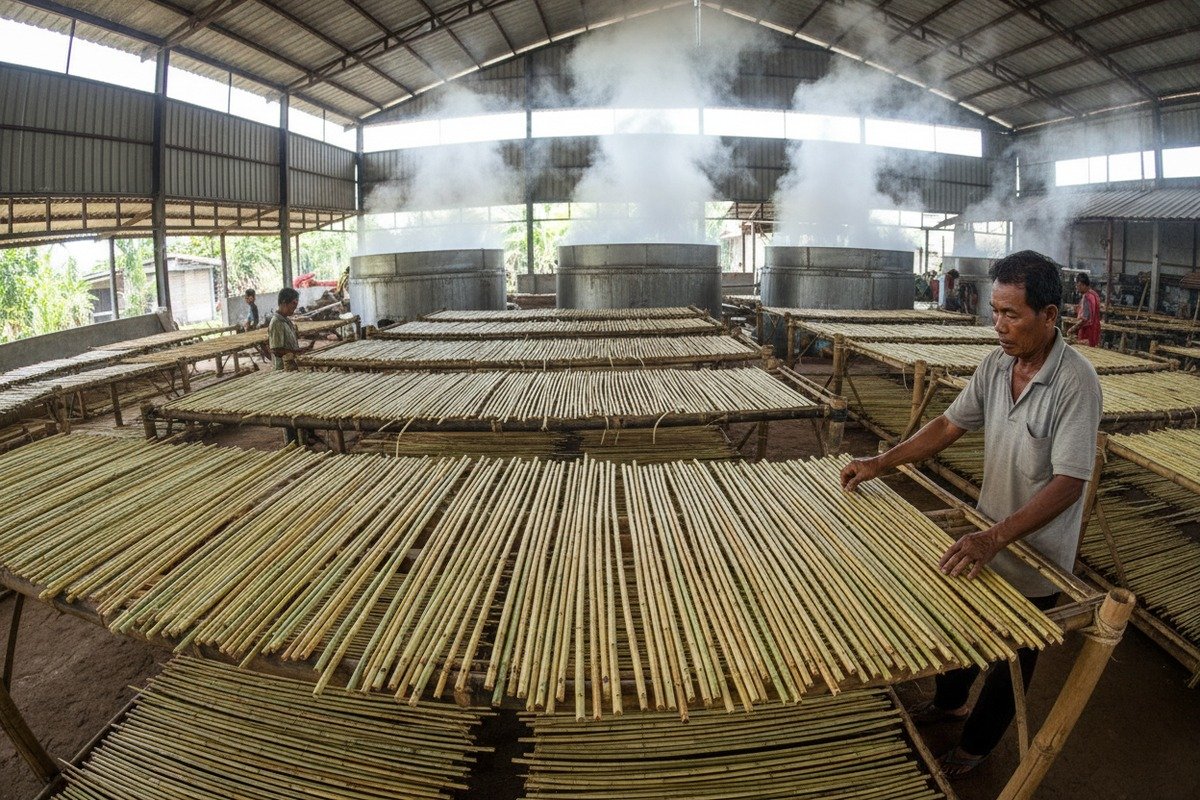
Когда мы впервые начали обрабатывать сырой ротанг на нашем индонезийском предприятии, даже наши собственные инспекторы по качеству задавались вопросом о темных пятнах на свежеочищенной трости. этапы кипячения и сушки 3. Правда нас удивила. Большинство этих пятен уже были внутри растения до его сбора.
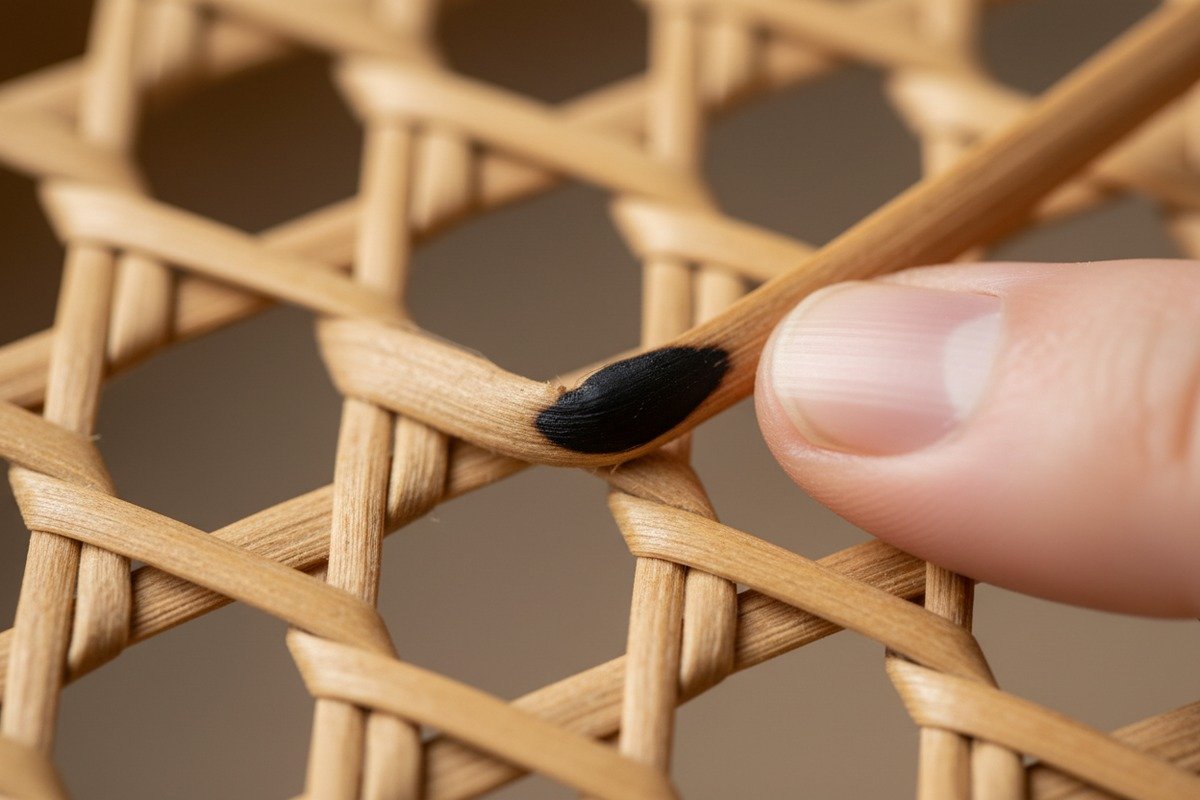
Черные пятна на ротанговом плетении возникают из-за естественной пигментации внешней кожицы ротанговой пальмы, воздействия окружающей среды во время роста и легкой карамелизации на этапах кипячения и сушки при производстве. Неравномерные цвета отражают различия в плотности натуральных волокон по всей лозе.
Откуда берутся черные пятна?
Пальмы ротанга растут 4 в густых тропических лесах Индонезии. В течение их 7–10-летнего цикла роста лозы сталкиваются с насекомыми, минеральными отложениями в почве и различным солнечным освещением. Все это оставляет следы на внешней оболочке. Когда мы собираем и кипятим трость, эти следы становятся видимыми в виде небольших темных пятен. UV exposure 5.
Сам процесс кипячения также играет роль. Кипячение смягчает ротанг для очистки и уничтожает потенциальных вредителей. Но тепло вызывает легкую карамелизацию натуральных сахаров в трости. Это создает тонкие коричневые или черные пятна, особенно там, где волокно плотнее.
Почему цвета меняются от рулона к рулону
Нет двух одинаковых лоз ротанга, растущих в одинаковых условиях. Лоза, растущая в полутени, дает более светлую, зеленоватую трость. Лоза на полном солнце дает более глубокие золотистые оттенки. Когда мы очищаем и сушим эти лозы, различия в цвете становятся постоянными.
Даже в пределах одного рулона плетеного полотна можно увидеть переходы от бледно-соломенного желтого до теплого песочно-бежевого. Это связано с тем, что ткачи используют полоски из нескольких обработанных лоз для создания одного листа.
Обработка, влияющая на внешний вид
| Этап переработки | Влияние на цвет | Влияние на пятна |
|---|---|---|
| Кипячение | Слегка затемняет общий тон | Может усиливать существующие естественные пятна |
| Сушка на солнце | Создает золотисто-желтые оттенки | Минимальное влияние |
| Машинная сушка | Более однородный бледный цвет | Минимальное влияние |
| Чистка | Раскрывает внутренние цветовые вариации | Выявляет скрытую пигментацию |
| Опаливание | Сглаживает поверхность, легкое потемнение | Может добавлять крошечные следы подгорания |
| Отбеливание | Осветляет и выравнивает тон | Уменьшает видимость пятен |
Наша производственная команда в Фошане отслеживала эти закономерности на тысячах рулонов. Вывод прост: естественная вариация цвета заложена в материал на каждом этапе. Отбеливание может уменьшить ее, но оно также изменяет аутентичный вид, который многие дизайнеры специально хотят.
Пятна плесени против естественных пятен
Вот критическое различие. Естественные пигментные пятна плоские, встроены в волокно и на ощупь гладкие. Пятна плесени находятся на поверхности, ощущаются слегка приподнятыми или пушистыми и часто имеют затхлый запах. Если потереть пятно плесени влажной тканью, оно может размазаться. Естественное пятно — нет.
Плесень развивается, когда ротанг хранится во влажных условиях выше 70% относительной влажности 6 без надлежащей вентиляции. Это проблема хранения и транспортировки, а не производственный дефект. Мы всегда советуем покупателям немедленно осматривать поставки по прибытии и хранить рулоны в сухих, хорошо проветриваемых помещениях.
Как определить, означают ли эти цветовые вариации, что мой ротанг низкого качества?
Во время выставок и посещений фабрик менеджеры по закупкам часто держат два образца ротанга рядом и предполагают, что более белый и гладкий образец всегда "лучше". По нашему опыту экспорта в более чем дюжину стран, такое предположение обходится покупателям дорого — потому что ответ полностью зависит от предполагаемого использования.
Вариации цвета сами по себе не указывают на низкое качество. Качество ротанга определяется системой оценки (от A до D), которая оценивает эластичность, гладкость поверхности, частоту трещин и однородность волокон. Незначительные изменения цвета присутствуют даже в материале класса А, в то время как сильная шероховатость и плохая гибкость сигнализируют о действительно более низких классах.
Понимание системы оценки ротанга
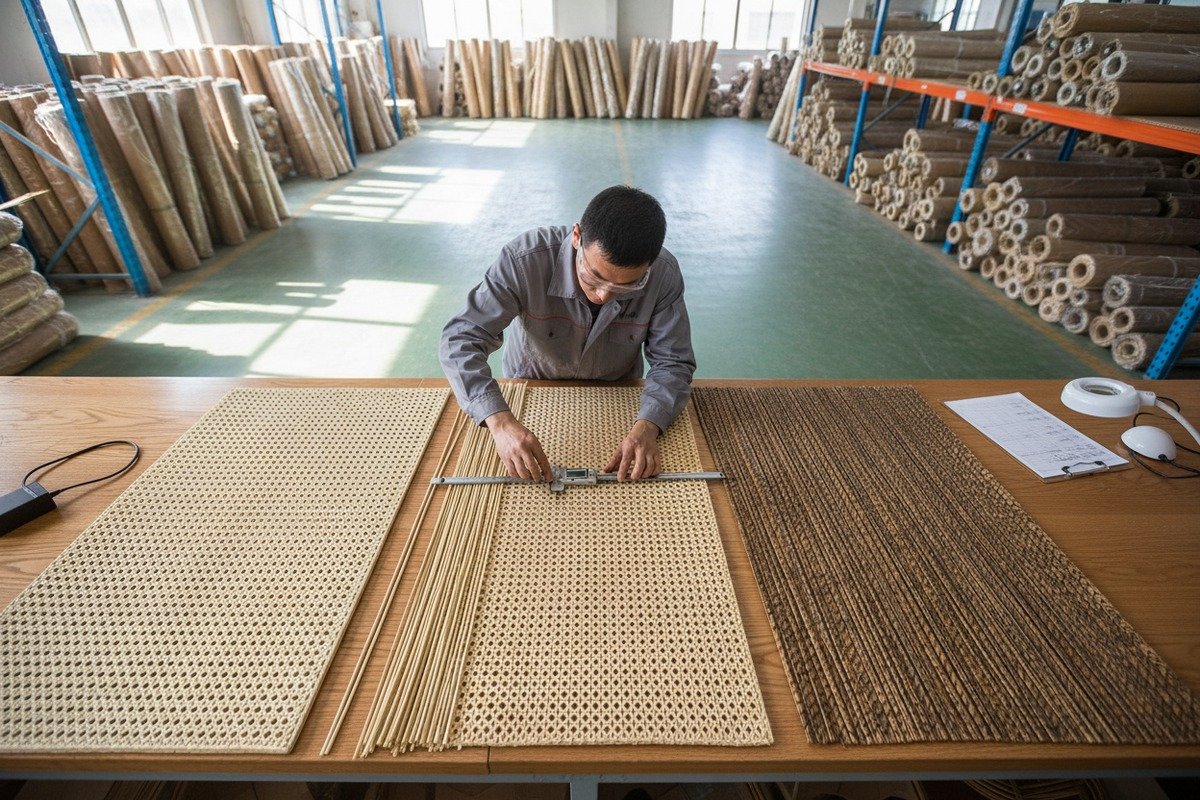
Международная торговля ротангом использует четырехступенчатую систему оценки. система оценки ротанга 7 Каждый класс имеет определенные визуальные и структурные характеристики. Вот как они распределяются:
| Сорт | Текстура поверхности | Однородность цвета | Эластичность | Типичные дефекты | Лучшее применение |
|---|---|---|---|---|---|
| A-класс | Очень гладкий, тонкий | Наиболее однородный, более белый тон | Отличный, очень гибкий | Практически без дефектов | Мебель высокого класса, реставрация, премиальные DIY |
| B-класс | Слегка грубее | Незначительные изменения цвета | Хорошая гибкость | Небольшие трещины, случайные пятна | Мебель среднего класса, видимые применения |
| C-класс | Заметно грубый | Выраженная вариативность | Средний | Частые пятна, видимые трещины | Бюджетная мебель, невидимые панели |
| D-класс | Самая грубая отделка | Самый неровный | Плохой, хрупкий | Много дефектов, грубые края | Дешевые изделия, тренировочный материал |
Что на самом деле тестировать
Цвет — это лишь одна из точек данных. Когда мы отправляем образцы для торговли потенциальным покупателям, мы всегда рекомендуем три практических теста:
Тест на изгиб. Возьмите одну прядь и согните ее на 90 градусов. Ротанг класса А возвращается без трещин. Ротанг класса D ломается или расщепляется.
Ощущение поверхности. Проведите пальцем по плетению. Ротанг класса А после обжига ощущается почти шелковистым. Более низкие сорта цепляются за шероховатости и торчащие волокна.
Тест на запах. Свежий, чистый ротанг слабо пахнет сухой травой. Кислый или затхлый запах указывает на проблемы с влажностью при хранении, независимо от класса.
Когда вариация цвета на самом деле является тревожным сигналом
Бывают ситуации, когда цвет сигнализирует о реальной проблеме. Если весь рулон показывает большие, неправильные темные пятна — не маленькие точки, а широкое обесцвечивание — это может означать, что ротанг был неправильно высушен. Неравномерная сушка создает слабые зоны, которые трескаются под нагрузкой.
Также обратите внимание на рулоны, которые чрезвычайно белые и однородные. Агрессивное отбеливание обеспечивает визуальную однородность, но удаляет натуральные масла из волокна. Это со временем делает ротанг хрупким. Мы видели, как отбеленный ротанг трескался в течение нескольких месяцев на мебели, которая используется ежедневно.
Идеальное состояние ротанга — это материал с легкой вариацией цвета, теплым натуральным оттенком и гладкой гибкостью. Это свидетельствует о правильной обработке без излишнего воздействия.
Выбор сорта для обычного применения
Большинству наших оптовых покупателей не нужен сорт А для каждого проекта. Менеджер по закупкам, заказывающий ротанг для вставок в дверцы шкафа, например, часто считает сорт В вполне подходящим, поскольку плетение находится за стеклом или в утопленных панелях. Экономия бюджета на сорт А для видимых панелей изголовья кровати или сидений стульев имеет больший финансовый смысл.
Какие шаги я могу предпринять, чтобы минимизировать несоответствия цветов в моих оптовых поставках ротанга?
Когда мы готовим заказы для оптовых поставщиков мебельных материалов в Нидерландах или Австралии, единообразие цвета всегда находится в числе их главных забот. За годы совершенствования наших процессов наша производственная команда разработала практический подход, который уравновешивает реальность натурального материала с коммерческими ожиданиями.
Чтобы минимизировать несоответствия цветов, запрашивайте поставки одной партией, четко указывайте требуемый сорт, запрашивайте одобрение фотографий перед отправкой и храните полученные товары в климатически контролируемых помещениях. Сообщайте приемлемый диапазон цветов, используя физические образцы, а не цифровые изображения, чтобы согласовать ожидания с вашим поставщиком.
Работайте с поставщиком до производства
Самый эффективный шаг происходит до того, как будет сплетена первая рулонная ткань. Отправьте своему поставщику физический образец цветового диапазона, который вы считаете приемлемым. Цифровые фотографии меняют цвет в зависимости от экранов и освещения. Физический эталон устраняет двусмысленность.
В нашей штаб-квартире в Фошане мы храним эталонные образцы от каждого крупного покупателя. Когда поступает их следующий заказ, наше индонезийское предприятие сверяет его с этими сохраненными образцами. Эта простая система значительно сократила количество жалоб на цвет по нашим экспортным заказам.
Указывайте поставку из одной партии
Ротанг, собранный в одной лесной зоне и обработанный в одном производственном окне, будет иметь наиболее однородный цвет. Когда поставщики смешивают партии из разных периодов сбора урожая или регионов, цветовые сдвиги увеличиваются.
Спросите своего поставщика: "Может ли этот заказ быть выполнен из одной производственной партии?" Не каждый поставщик может гарантировать это для очень крупных заказов, но эта просьба четко сигнализирует о ваших ожиданиях по качеству.
Чек-лист предпродажной инспекции
Перед отправкой со склада структурированная инспекция выявляет проблемы на ранней стадии. Вот что мы рекомендуем покупателям проверить:
| Пункт проверки | Что проверить | Критерии приемки/отклонения |
|---|---|---|
| Диапазон цветов | Сравнить с утвержденным образцом | Отклонить, если >20% рулонов выходят за пределы утвержденного диапазона |
| Черные пятна | Плоские, вдавленные, гладкие на ощупь | Принимать естественные пятна; отклонять пятна плесени, выступающие/пушистые |
| Поверхностные трещины | Тест на изгиб случайных полосок | Принимать поверхностные царапины; отклонять сквозные трещины |
| Запах | Тест на запах затхлости | Отклонить любой рулон с кислым или плесневым запахом |
| Края рулона | Проверить на распушение или разрыв | Незначительное распушение допустимо; рваные края отклоняются |
| Упаковка | Влагозащитный барьер, вентиляционные отверстия | Отклонить, если упаковка влажная или запечатана без вентиляции |
Хранение и обращение после доставки
Даже идеально отсортированный ротанг может иметь проблемы с цветом после доставки, если условия хранения неверны. Храните рулоны в помещении с относительной влажностью 40–60% и температурой от 15 до 30°C. Избегайте прямых солнечных лучей, которые вызывают окисление и потемнение в течение нескольких дней.
Укладывайте рулоны горизонтально на поддоны, а не прямо на бетонные полы. Бетон передает влагу вверх. Поместите влагозащитный лист между поддоном и первым слоем рулонов.
Роль отбеливания и отделки
Некоторые покупатели запрашивают отбеленный ротанг для максимальной однородности цвета. Наше предприятие предлагает эту опцию, но мы всегда обсуждаем компромиссы. Отбеливание эффективно осветляет цвет, но немного снижает эластичность волокна. Для декоративных панелей, которые не будут нести нагрузку, отбеленный ротанг подходит хорошо. Для сидений стульев или конструктивного плетения мы рекомендуем вместо этого ротанг натуральной отделки класса А.
Компромиссный вариант — легкое отбеливание: достаточно, чтобы выровнять основные различия в тонах, не полностью удаляя волокно. Этот подход удовлетворяет покупателей, которые хотят более чистый вид, сохраняя при этом естественную прочность материала.
Стоит ли мне беспокоиться о долговечности ротанговой оплетки с естественными темными пятнами?
Один из самых частых вопросов, который мы слышим от отделов закупок мебельных фабрик, заключается в том, ослабляют ли эти темные пятна материал. Это справедливое опасение: если что-то выглядит иначе, возможно, оно ведет себя иначе. Мы провели собственные внутренние испытания на нашем перерабатывающем предприятии, чтобы выяснить это.
Естественные темные пятна не влияют на долговечность плетения из ротанга. Эти пигментные пятна носят косметический характер, встроены в структуру волокна и не оказывают измеримого влияния на прочность на растяжение или гибкость. Долговечность ротанга зависит от его сорта, надлежащей обработки и ухода после установки, а не от наличия естественных цветовых отметин.
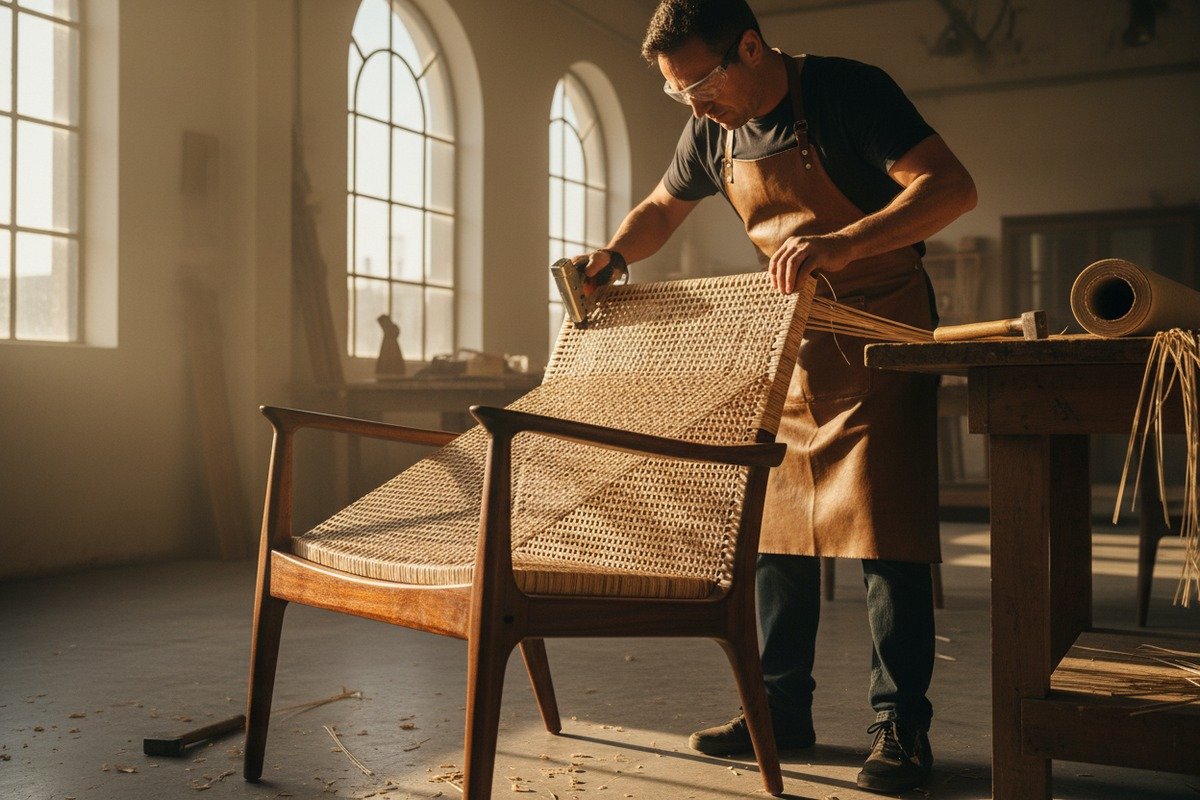
Структурная целостность не зависит от цвета пятен
Темные пятна на ротанге возникают из-за локальной концентрации танинов и минералов, поглощенных во время роста. Эти вещества распределены по всему волокну. Пятно — это просто место, где концентрация немного выше. Оно не создает слабое место больше, чем веснушка ослабляет человеческую кожу.
Когда мы проводим испытания на растяжение полосок ротанга — растягивая их до разрыва — полоски с естественными пятнами разрываются в той же точке, что и полоски без пятен того же сорта. Точка отказа всегда определяется плотностью волокна и содержанием влаги, а не пигментацией поверхности.
Что на самом деле влияет на долговечность ротанга
Понимание реальных факторов долговечности помогает покупателям сосредоточить свой контроль качества на том, что действительно важно:
Воздействие влаги. Постоянная влажность выше 70% со временем ослабляет ротанг. Волокна впитывают воду, набухают и в конечном итоге разрушаются. Вот почему ротанг лучше всего подходит для использования в помещении, если только он не обработан влагостойкими покрытиями.
Воздействие УФ-излучения. Прямой солнечный свет вызывает окисление. Ротанг темнеет, становится хрупким и теряет гибкость. Ротанг в помещении, расположенный у окон, следует защищать стеклом с УФ-фильтром или шторами.
Механические нагрузки. Ротанг обладает отличной предел прочности на растяжение 8 по отношению к своему весу. Но многократное резкое сгибание в одном и том же месте — например, сиденье стула, прогибающееся по переднему краю — в конечном итоге приведет к усталостному растрескиванию. Правильная поддержка каркаса распределяет эту нагрузку.
Красота естественной патины
Вот что со временем научились ценить наши постоянные покупатели. За месяцы и годы ротанг приобретает теплую патину. Первоначальный бледно-соломенный оттенок углубляется до насыщенного медово-золотого. Естественные пятна сливаются с этим более глубоким тоном и становятся почти невидимыми.
Эта патина — не деградация. Это поверхностное изменение цвета, вызванное мягким окислением и поглощением масел при нормальном использовании. Мебельщики в движениях ваби-саби и биофилического дизайна 9 активно ищут этот стареющий характер. Он сигнализирует об аутентичности так, как синтетический ротанг просто не может воспроизвести.
Натуральный ротанг против синтетического: перспектива долговечности
Некоторые покупатели рассматривают переход на синтетический ротанг, чтобы полностью избежать цветовых вариаций. Это разумный выбор для наружного применения. Но для мебели, используемой в помещении, натуральный ротанг предлагает явные преимущества.
Натуральный ротанг дышит. Он обеспечивает циркуляцию воздуха через плетеные панели, уменьшая скопление влаги за дверцами шкафов или изголовьями кроватей. Синтетический ротанг — обычно изготавливаемый из полиэтилена или ПВХ — не дышит и может задерживать влагу у деревянных каркасов, что со временем может привести к гниению древесины.
Натуральный ротанг также стареет грациозно. Синтетический ротанг сохраняет свой первоначальный цвет годами, а затем внезапно выцветает или становится меловым, когда УФ-деградация достигает критической точки. Нет постепенного, привлекательного процесса старения.
Советы по уходу для максимального продления срока службы
Уход за ротангом прост. Регулярно протирайте пыль мягкой щеткой или пылесосьте с помощью насадки-щетки. Для более тщательной очистки протрите тканью, смоченной в слабом мыльном растворе, а затем немедленно высушите. Никогда не замачивайте ротанг. Избегайте химических чистящих средств, которые удаляют натуральные масла и ускоряют хрупкость.
Один или два раза в год нанесите тонкий слой льняное масло 10 или специального кондиционера для ротанга. Это восполняет натуральные масла, сохраняет гибкость и улучшает развивающуюся патину. Наши покупатели в сухом климате, таком как Саудовская Аравия и Австралия, считают этот шаг особенно важным.
Заключение
Черные пятна и цветовые вариации натурального ротанга — это подлинные черты, а не дефекты. Понимание маркировки, правильный осмотр и правильное хранение превращают эти органические характеристики из источника беспокойства в признак подлинного качества, которое синтетические альтернативы просто не могут сравниться.
Сноски
1. Дает общий обзор ротангового плетения. ↩︎
2. Объясняет ботанические основы естественных характеристик ротанга. ↩︎
3. Подробно описывает этапы производства, влияющие на внешний вид ротанга. ↩︎
4. Описывает естественную среду обитания и условия роста ротанга. ↩︎
5. Объясняет, как ультрафиолетовое излучение влияет на срок службы и внешний вид ротанга. ↩︎
6. Объясняет важность контроля влажности при хранении ротанга. ↩︎
7. Эта страница WikiEducator содержит подробное объяснение систем и критериев маркировки ротанга. ↩︎
8. Предоставляет техническую информацию о прочности материала ротанга. ↩︎
9. Википедия предоставляет исчерпывающий обзор эстетики и принципов Ваби-саби. ↩︎
10. Предлагает распространенный продукт для ухода и сохранения ротанга. ↩︎
 English
  Español de México
  العربية
  Deutsch
  Français
  Русский