
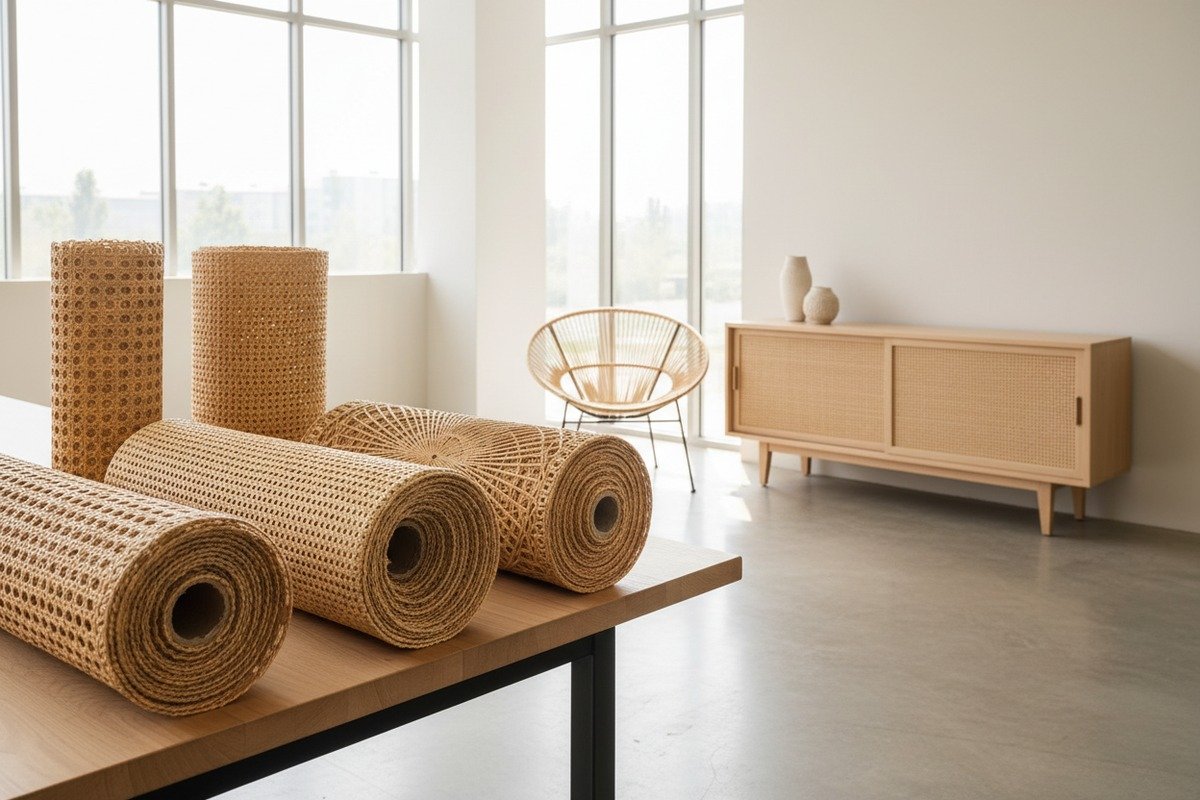
За годы работы наших производственных линий по производству ротанга 1 в Фошане и Индонезии, один вопрос постоянно возникает у каждой мебельной фабрики и оптового продавца, с которым мы работаем: какой узор подходит для какого проекта? Это звучит просто, но выбор неправильного плетения может означать пустые траты материала, недовольных конечных потребителей и дорогостоящие переделки. Разочарование реально — особенно когда вы закупаете оптом, и одно несоответствие может повлиять на всю производственную партию.
Лучший узор плетения из ротанга зависит от конкретного применения. Шестиугольное открытое плетение подходит для дверок шкафов и декоративных панелей. Плотное близкое плетение и радиоузоры лучше всего подходят для сидений с высокой нагрузкой. Декоративное радиоплетение украшает интерьеры высокого класса. Качество материала определяет долговечность всех узоров.
Ниже мы разберем самые популярные узоры плетения из ротанга по реальным сценариям использования. Независимо от того, управляете ли вы мебельной фабрикой, оптовой торговлей строительными материалами или занимаетесь закупками для крупных интерьерных проектов, это руководство поможет вам подобрать правильный узор для правильной работы — каждый раз.
Как выбрать лучший узор плетения из ротанга для дверей моего шкафа и гардероба?
Когда мы отправляем плетеную сетку для шкафов производителям мебели по всей Европе и на Ближнем Востоке, выбор узора — это первый разговор, который у нас происходит. Неправильный выбор не просто выглядит некрасиво — он может деформироваться, провисать или не сочетаться с окружающими деревянными элементами. Такое несоответствие стоит денег и доверия.
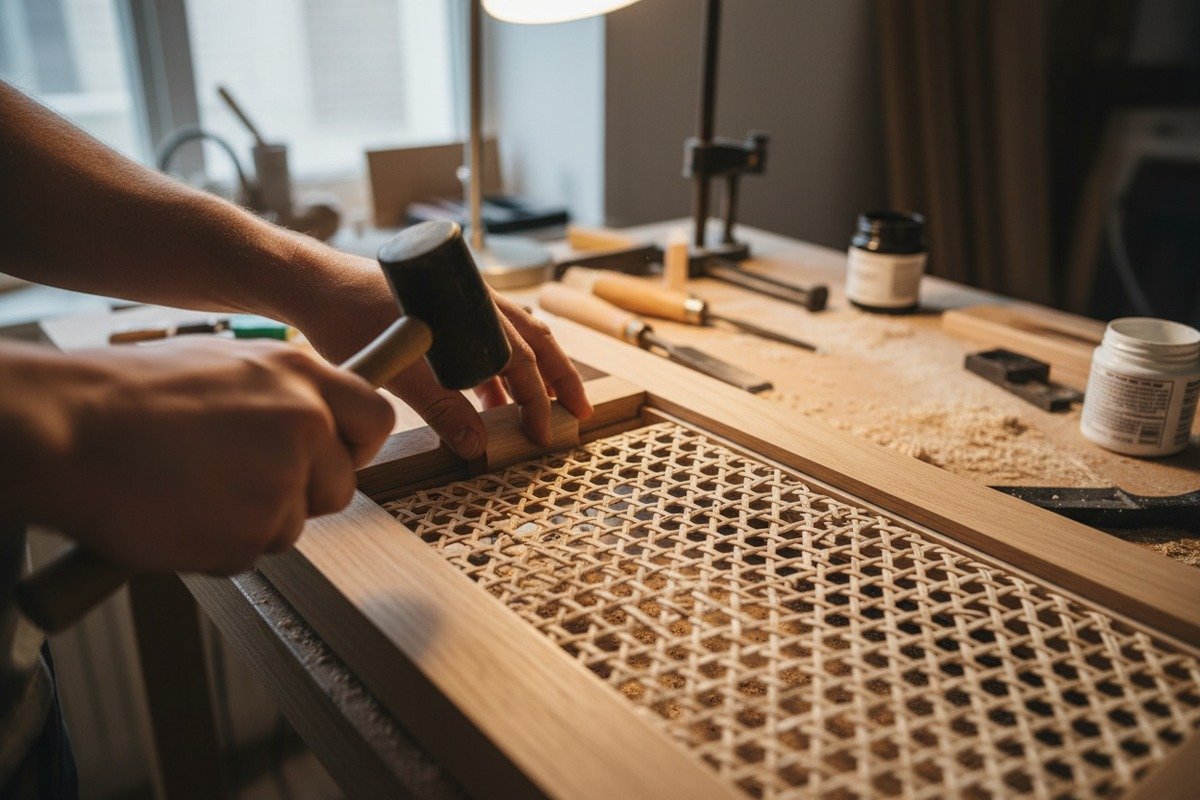
Для дверей шкафов и гардеробных шестиугольная (восьмиугольная) открытая сетка является лучшим выбором, поскольку она обеспечивает баланс между визуальной прозрачностью, циркуляцией воздуха и структурной стабильностью. Сетка "радио" предлагает более плотную, геометрическую альтернативу для современной мебели. Оба узора аккуратно устанавливаются в фрезерованные рамы и хорошо сохраняют натяжение с течением времени.
Почему шестиугольное плетение доминирует в применении для шкафов
Шестиугольная плетеная сетка 2 создает восьмиугольные полые формы, которые пропускают свет и воздух. Это важно для шкафов. Закрытые пространства нуждаются в вентиляции для предотвращения скопления влаги 3. Открытая сетка также позволяет заглянуть внутрь — дизайнерское решение, которое любят многие кухни в скандинавском и богемном стиле.
С нашего производства мы знаем, что этот узор требует дополнительного ручного этапа. Рабочие сначала плетут квадратную основу, а затем вставляют диагональные полосы ротанга под углом 45 градусов. Этот дополнительный этап увеличивает стоимость, но визуальный эффект значителен. Узор ловит свет так, как плоское плетение просто не может.
Когда радио-плетение имеет больше смысла
Плетение "радио" 4 использует простую сетку "над и под", образуя квадратные отверстия. Это самый простой в производстве узор, что снижает цену. Для современных минималистичных шкафов чистая квадратная сетка создает структурированный вид, который хорошо сочетается с прямолинейной фурнитурой и матовыми покрытиями.
Мы часто рекомендуем радио-плетение клиентам, которым нужны большие объемы по конкурентоспособным ценам. Более простой производственный процесс означает более короткие сроки выполнения заказов и более стабильное качество по всей длине рулонов.
Сравнение узоров для дверей шкафов и гардеробов
| Характеристика | Шестиугольное (восьмиугольное) плетение | Радио (квадратное) плетение |
|---|---|---|
| Визуальный стиль | Классический, органический, воздушный | Геометрический, современный, структурированный |
| Воздухообмен | Высокий — большие открытые пространства | Умеренный — меньшие отверстия |
| Сложность производства | Выше (добавлены диагональные полосы) | Ниже (простая сетка) |
| Стоимость за квадратный метр | Средняя или высокая | Низкая или средняя |
| Лучший стиль шкафа | Богемный, мид-сенчури, прибрежный | Минималистичный, скандинавский, современный |
| Светопропускание | Высокий | Умеренная |
Практические советы по установке
Оба узора поставляются в рулонах или плоских листах. Для дверок шкафов плетение обычно приклеивается и запрессовывается в фрезерованный паз в раме дверцы. Мы советуем нашим клиентам делать глубину канавки рамы не менее 5 мм для надежного крепления. Предварительное замачивание натурального ротанга на 15–20 минут делает его более податливым и легким для запрессовки в паз без растрескивания.
Одна ошибка, которую мы часто видим: покупатели выбирают узор, который слишком открыт для дверок шкафа, где важна защита от пыли. Если в шкафу будут храниться одежда, рассмотрите возможность сочетания шестиугольного плетения с задней тканевой панелью. Это сохранит визуальную привлекательность, добавив функциональный барьер от пыли.
Какие плотные узоры из ротанга мне следует использовать для сидений стульев для тяжелых условий эксплуатации?
Каждые несколько месяцев мы получаем образцы из мебельных фабрик с вопросом, почему их сиденья для стульев вышли из строя через несколько месяцев. В девяти случаях из десяти проблема связана с выбором узора — использовалось открытое декоративное плетение там, где требовалось плотное, несущее нагрузку плетение. Последствия — провисание сидений, поломка нитей и гарантийные случаи.
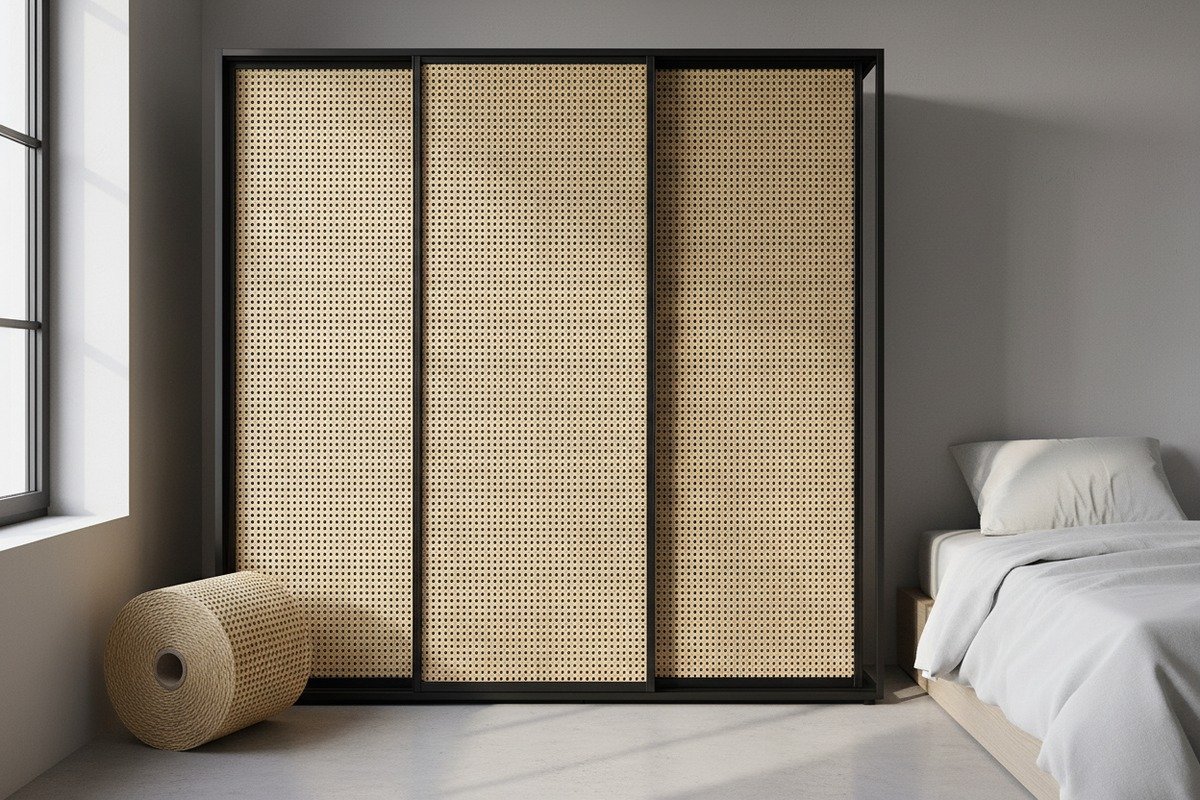
Для сидений стульев для тяжелых условий эксплуатации лучшим выбором являются плотно сплетенные плетеные полотна и плотные узоры плетения «радио». Их плотная, переплетающаяся структура нитей равномерно распределяет вес тела, сопротивляется провисанию со временем и обеспечивает механическую прочность, которую узоры с открытым плетением просто не могут обеспечить для сидений.
Понимание распределения нагрузки в плетеных сиденьях
Сиденье стула должно выдерживать динамические нагрузки 5 — не только статическую нагрузку, но и смещения, прыжки и повторяющиеся циклы напряжения. Плотные узоры работают, потому что каждая нить разделяет нагрузку с соседними. В плотно сплетенном узоре переплетение «один над одним» создает поверхность, похожую на ткань, где сила распределяется по всей панели.
Узоры с открытым плетением, такие как шестиугольное плетение, концентрируют напряжение на меньшем количестве точек контакта. За недели ежедневного использования эти точки растягиваются и в конечном итоге ломаются. Мы протестировали это в нашем собственном центре. Сиденье с плотным плетением, рассчитанное на 120 кг, выдержало более 50 000 циклов сидения в нашем испытании на прочность. Эквивалентная шестиугольная панель показала видимое провисание уже после 8 000 циклов.
Роль узора "7" в сиденьях для тяжелых условий эксплуатации
Узор плетения из ротанга "7" имеет долгую историю применения в несущих конструкциях. В Китае в 1990-х годах он широко использовался в качестве спальных матов — выдерживая полный вес тела часами каждую ночь. Узор состоит из полос, сплетенных под углом 90 градусов в конфигурации, которая спереди напоминает цифру 7.
Эта взаимосвязанная геометрия делает его чрезвычайно устойчивым к боковым смещениям. Для обеденных и офисных стульев, где пользователи часто двигаются и поворачиваются, узор "7" лучше сохраняет свою форму, чем стандартная радио-сетка.
Сравнение прочности узоров для сидений
| Узор | Максимальная нагрузка (прибл.) | Сопротивление провисанию | Лучшее применение для сидений | Уровень обслуживания |
|---|---|---|---|---|
| Плотное плетение | Высокая (100–150 кг) | Отличная | Обеденные стулья, офисные стулья | Низкий |
| "Ротанговое плетение "7" | Высокая (100–140 кг) | Отличная | Обеденные стулья, скамейки | Низкий |
| Плотное плетение "Радио" | Средне-высокая (80–120 кг) | Хорошая | Акцентные стулья, приставные сиденья | Средний |
| Шестиугольное открытое плетение | Низко-средняя (50–80 кг) | Плохая | Только спинки стульев (не сиденья) | Средний |
| Елочка | Средняя (70–110 кг) | Хорошая | Декоративные сиденья, стулья для редкого использования | Средний |
Натуральные против синтетических материалов для долговечности сидений
Для сидений стульев, в частности, выбор материала имеет такое же значение, как и узор. Натуральный ротанг обладает хорошими предел прочности на растяжение 6 но уязвим к перепадам влажности. В сухом климате натуральный ротанг может стать хрупким. Во влажных условиях он размягчается. Синтетическая ротанговая тесьма из полиэтилена 7 обеспечивает стабильную работу в широком диапазоне температур и влажности.
Мы рекомендуем синтетическую тесьму с плотным плетением для уличных обеденных стульев и сидений для ресторанов. Для домашнего использования внутри помещений натуральный ротанг с плотным плетением обеспечивает аутентичный вид и ощущение, которое предпочитают многие конечные потребители. Ключ в том, чтобы подобрать материал к окружающей среде.
Техники армирования
Даже при правильном плотном узоре, сиденья для тяжелых условий эксплуатации выигрывают от надлежащей поддержки снизу. основа из фанеры или МДФ 8 с вентиляционными отверстиями, расположенная под ротанговой тесьмой, добавляет структурную поддержку, не жертвуя естественной эстетикой. Многие из наших клиентов из европейских мебельных фабрик используют этот многослойный подход для сидений контрактного класса.
Могу ли я использовать декоративные узоры радиоволн для моих элитных дизайн-проектов интерьера?
Мы работаем с дизайнерами интерьеров и поставщиками строительных материалов на таких рынках, как Нидерланды, Испания и Дубай. Их проекты требуют материалов, которые выглядят премиально и безупречно работают. Самый частый вопрос, который они задают, заключается в том, может ли ротанговая тесьма — материал, традиционно используемый для уличной мебели — выдержать конкуренцию в роскошных пространствах.
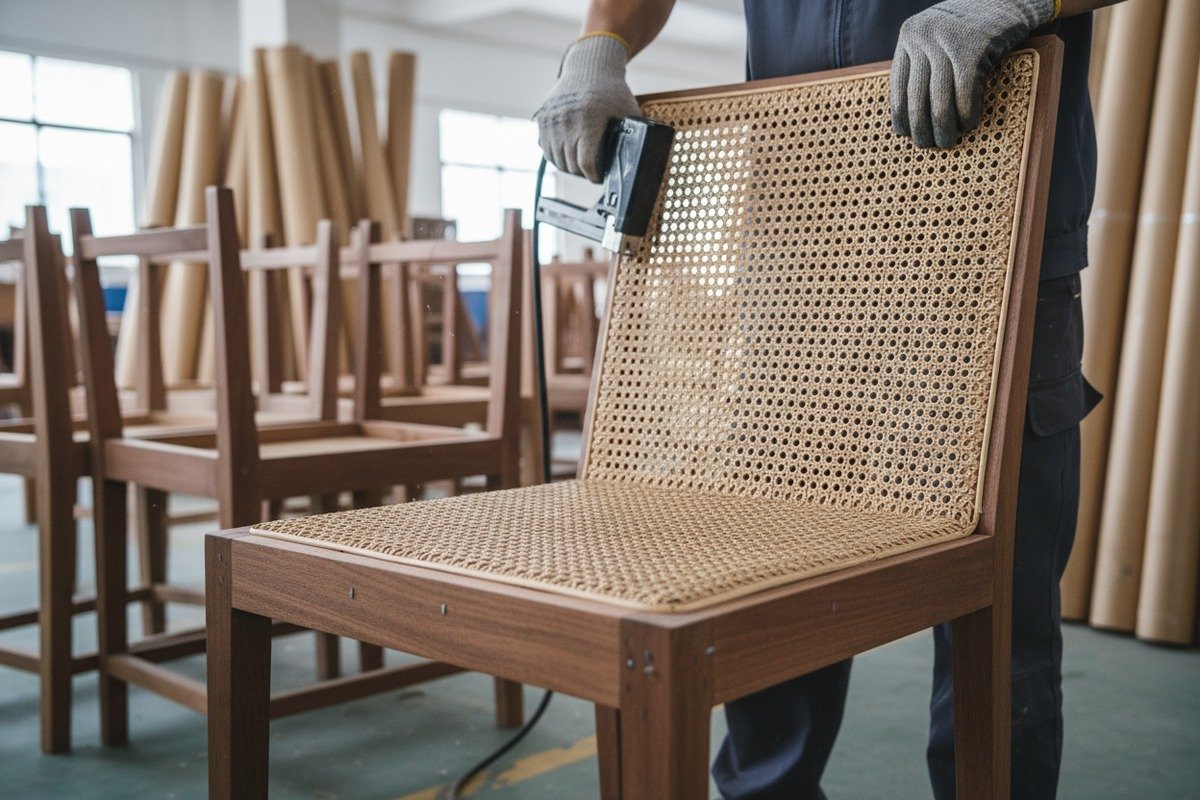
Да, декоративные узоры радио-плетения отлично подходят для элитного дизайна интерьера. Их чистые геометрические линии дополняют роскошную минималистичную и современную эстетику. В сочетании с качественным натуральным ротангом теплых оттенков или окрашенным на заказ, радио-плетение выводит на премиальный дизайнерский уровень настенные панели, межкомнатные перегородки, потолочные элементы и эксклюзивную мебель.
Почему радио-плетение подходит для роскошных пространств
Привлекательность радио-плетения в высококлассном дизайне обусловлена его дисциплинированной геометрией. Квадратный сетчатый узор кажется продуманным и изысканным — очень отличающимся от деревенского вида свободного шестиугольного плетения. При установке в виде больших панелей на акцентных стенах или раздвижных дверях, радио-плетение создает тонкую текстуру, которая прекрасно играет с окружающим освещением.
Наши клиенты в Дубае и Саудовской Аравии часто выбирают отбеленную или осветленную радио-плетенку для современных интерьеров. Процесс отбеливания осветляет естественный соломенный тон до мягкого кремового или почти белого оттенка, который безупречно сочетается с мрамором, светлым деревом и нейтральными цветовыми палитрами. Мы обрабатываем это на нашем предприятии в Индонезии, где условия отбеливания и сушки обеспечивают наиболее стабильный цвет.
За пределами стен: неожиданные применения
Высококлассные дизайнеры выводят тростниковую сетку на территории, которые большинство людей не ожидали бы. Вот некоторые применения, для которых мы поставляли материалы в недавних проектах:
- Потолочные панели в вестибюлях бутик-отелей — радио-плетенка, натянутая на подвесные каркасы, создает теплые, текстурированные потолки, смягчающие акустику.
- Разделители для комнаты в просторных роскошных апартаментах — структурированная сетка обеспечивает визуальное разделение, не блокируя свет.
- Решетки динамиков и медиа-шкафы — открытая сетка пропускает звук, скрывая электронику за экраном из натурального материала.
- Фасады мебели на заказ — фасады ящиков и дверцы буфетов, обтянутые радио-плетенкой, добавляют тактильный интерес к лакированной или окрашенной мебели.
Варианты индивидуального цвета и отделки
Одним из преимуществ, которые мы предлагаем благодаря нашей производственной цепочке, является индивидуализация цвета. Натуральный ротанг имеет зеленоватые и желтоватые оттенки. Но для высококлассных проектов дизайнерам часто нужны определенные оттенки. Путем контролируемого окрашивания, отбеливания или плетения из смешанных материалов мы производим тростниковую сетку в цветах от угольно-серого до теплого орехового и чистого белого.
| Вариант отделки | Процесс | Лучший стиль дизайна | Влияние на срок выполнения |
|---|---|---|---|
| Натуральный (зеленоватый) | Без обработки — в сыром виде | Богемный, тропический, органический | Нет |
| Натуральный (желтоватый) | Легкая сушка на солнце | Мид-сенчури, прибрежный | Минимальный |
| Отбеленный / Белый | Химическое отбеливание + сушка | Современный минимализм, скандинавский | +3–5 дней |
| Морилка (орех/темный) | Нанесение красителя + герметизация | Индустриальная, современная роскошь | +5–7 дней |
| Индивидуальный цвет | Плетение из различных материалов или распыление | Индивидуальный / специфичный для бренда | +7–14 дней |
Преимущества акустического и биофильного дизайна
Часто упускаемое из виду преимущество ротангового плетения в интерьерах — его акустические свойства. Панели с более плотным радио-плетением, особенно при установке с воздушным зазором позади них, обеспечивают тонкое звукопоглощение. Это делает их функциональными, а не просто декоративными, в домашних офисах, медиа-комнатах и гостиных открытой планировки.
С точки зрения биофильного дизайна 9, натуральный ротанг привносит органичную текстуру в городскую среду. Исследования в области дизайна интерьера последовательно показывают, что натуральные материалы улучшают самочувствие жильцов 10. Ротанговая сетка — один из самых экономичных способов внедрения этого биофильного элемента в больших масштабах, особенно в коммерческих гостиничных проектах, где требуется отделка больших поверхностей.
Критерии качества для элитных проектов
Не вся ротанговая сетка подходит для роскошных интерьеров. Вот что мы советуем нашим премиальным клиентам:
- Однородность нитей — равномерная ширина и толщина по всему рулону.
- Однородность цвета — отсутствие пятен или неравномерного отбеливания.
- Плотное натяжение плетения — отсутствие свободных нитей или зазоров в сетке узора.
- Аккуратные края — ровно обрезанные края рулона, которые не будут распускаться во время установки.
- Классификация класса А — материал высшего качества с минимальными естественными дефектами.
Мы классифицируем каждый рулон, покидающий наше производство. Для элитных проектов мы рекомендуем исключительно класс А. Цена за квадратный метр выше, но визуальный результат полностью ее оправдывает.
Как качество ротангового материала влияет на производительность выбранных мной узоров?
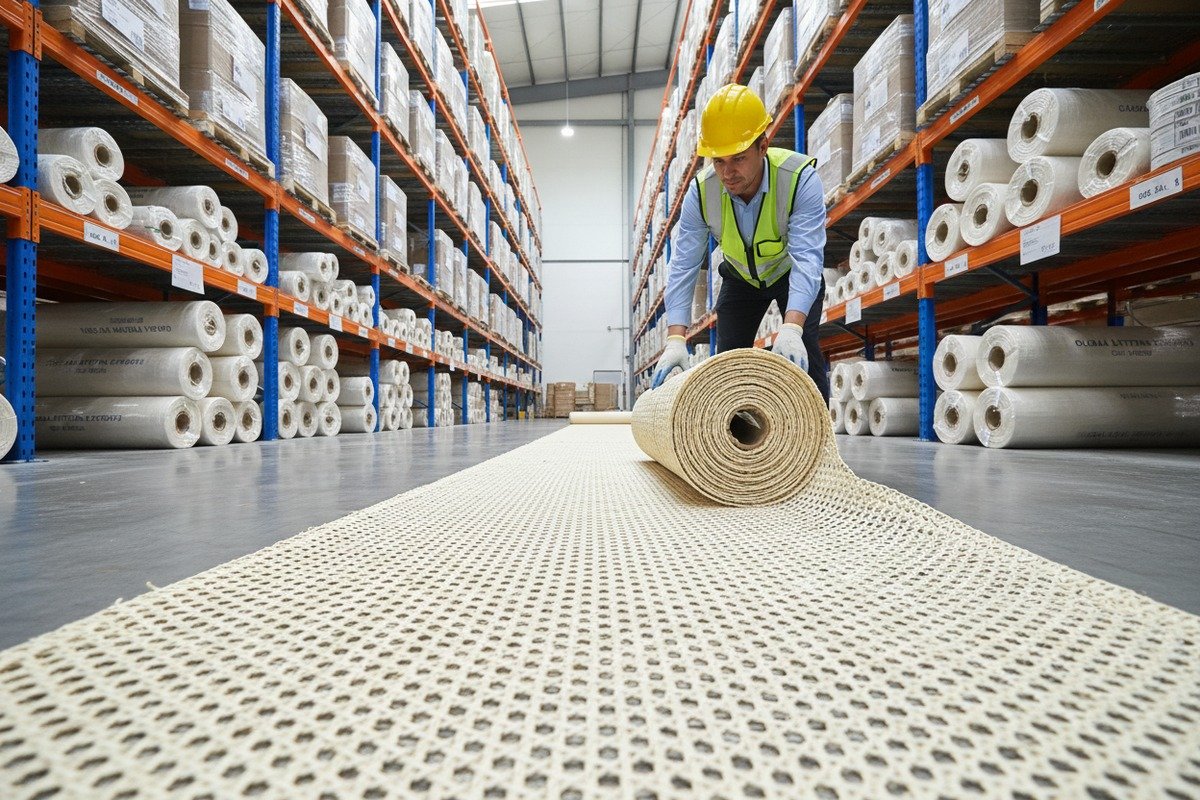
За три десятилетия поставок ротанга по всему миру мы видели, как один и тот же узор прекрасно работает с материалами премиум-класса и терпит неудачу с низкосортным сырьем. Многие покупатели уделяют большое внимание выбору узора и игнорируют качество материала. Это дорогостоящая ошибка — потому что лучший дизайн плетения в мире не может компенсировать слабый, хрупкий или непоследовательный сырой ротанг.
Качество материала напрямую определяет долговечность, внешний вид и срок службы любого плетеного ротангового полотна. Высококачественный натуральный ротанг с равномерной шириной нитей, правильным содержанием влаги и однородным цветом производит полотно, устойчивое к провисанию, растрескиванию и обесцвечиванию. Материал низкого качества приводит к преждевременному выходу из строя независимо от выбранного узора.
Что определяет "качество" ротанга?
Качество начинается с источника. Пальмы ротанга растут по всей Юго-Восточной Азии, но условия выращивания, время сбора урожая и методы обработки сильно различаются. На нашем перерабатывающем предприятии в Индонезии мы отбираем ротанг, собранный со зрелых растений — обычно в возрасте от 7 до 10 лет. Молодые растения дают более тонкую, слабую кору, которая неравномерно расщепляется в процессе обработки.
После сбора урожая внешняя кора отделяется и расщепляется на полосы. Этот процесс расщепления имеет решающее значение. Квалифицированные рабочие производят полосы одинаковой ширины — обычно от 2 мм до 4 мм, в зависимости от требуемого узора. Неравномерное расщепление создает полосы, ширина которых отличается даже на 0,5 мм, и эта небольшая разница накапливается по всей плетеной панели. Результатом является неровная поверхность, видимые зазоры и снижение структурной целостности.
Влажность и ее скрытое влияние
Ротанг — натуральный материал. Он поглощает и выделяет влагу в зависимости от окружающей среды. Правильно обработанный ротанг имеет влажность от 10% до 14%. Ниже 10% материал становится хрупким. Выше 14% он становится слишком мягким и подверженным плесени.
Мы контролируем влажность с помощью калиброванного процесса сушки на нашем предприятии. Только сушка на солнце ненадежна — она зависит от погодных условий и дает непоследовательные результаты. Мы используем комбинацию контролируемой внутренней сушки и мониторинга влажности для стабильного достижения целевого диапазона.
Для покупателей это важно, потому что неправильно высушенная тростниковая сетка будет вести себя непредсказуемо после установки. В помещениях с кондиционированием воздуха (обычных на Ближнем Востоке и в Юго-Восточной Азии) избыточно влажный ротанг будет сжиматься и отходить от каркасов. Во влажном климате без контроля климата избыточно сухой ротанг будет поглощать влагу, набухать и коробиться.
Система классификации и что означает каждая категория
Не все поставщики используют одну и ту же систему классификации, но вот структура, которую мы применяем:
| Сорт | Однородность нитей | Однородность цвета | Дефекты поверхности | Рекомендуемое применение |
|---|---|---|---|---|
| Класс А (Премиум) | Отлично — ±0,2 мм отклонение | Высокий — равномерный тон по всей рулону | Минимальный — менее 2 на м² | Мебель высокого класса, роскошные интерьеры, экспорт на рынки с высокими требованиями к качеству |
| Класс B (Стандарт) | Хороший — отклонение ±0,5 мм | Умеренный — незначительное изменение тона | Приемлемый — 3–5 на м² | Мебель среднего класса, бытовые шкафы, оптовая торговля общего назначения |
| Класс C (Эконом) | Допустимый — отклонение ±1,0 мм | Низкий — заметные цветовые пятна | Обычный — 6+ на м² | Бюджетная мебель, закрытые конструкции, задние панели |
Натуральный против синтетического: взгляд с точки зрения качества
Синтетическая ротанговая сетка из ПЭ устраняет многие переменные, связанные с натуральными материалами. Она не впитывает влагу, не меняет цвет со временем и не имеет разброса в ширине нитей. Для наружного применения, сред с высокой влажностью и коммерческих помещений с интенсивным использованием синтетика является прагматичным выбором.
Однако синтетический ротанг не может воспроизвести органическое тепло, тонкие цветовые вариации и тактильные ощущения натурального ротанга. В элитных жилых и гостиничных проектах клиенты неизменно выбирают натуральный ротанг из-за этих сенсорных качеств — и они готовы платить премию за материал класса А.
Наша рекомендация зависит от конечного использования:
- Мебель и декор для жилых помещений внутри помещений — Натуральный сорт А или сорт В
- Уличная мебель и зоны у бассейна — Синтетический ПЭ
- Мебель для ресторанов и отелей — Синтетический или натуральный сорт А с защитным покрытием
- Стеновые и потолочные панели — Натуральный сорт А для видимых инсталляций; сорт В для частично скрытых применений
Сохранение качества при упаковке и транспортировке
Качество не заканчивается за воротами завода. То, как упакована и отправлена тростниковая сетка, определяет, достигнет ли она пригодного для использования состояния. Мы оборачиваем рулоны пленкой, препятствующей проникновению влаги, помещаем их в жесткие картонные тубы и укладываем в коробки с амортизирующим материалом. Для контейнерных перевозок на дальние рынки, такие как США, Австралия и Европа, мы добавляем пакетики с силикагелем для контроля влажности внутри контейнера.
Мы видели, как конкуренты отправляют тростниковую сетку в простых пластиковых пакетах без контроля влажности. К тому времени, когда она достигает порта назначения — иногда после 30-40 дней в море — материал впитал влагу, покрылся пятнами плесени или деформировался. Для менеджера по закупкам, ответственного за качество, это кошмар. Это одна из главных проблем, которую упоминают наши клиенты, когда переходят к нам от других поставщиков.
Долговечность: Качество окупается
Плотная тростниковая панель сорта А на обеденном стуле может прослужить 10-15 лет при минимальном уходе. Панель сорта С в том же применении может показать видимый износ через 2-3 года. Разница в первоначальной стоимости между сортами обычно составляет 15-25%. Стоимость замены — включая работу, время простоя и недовольство клиентов — в несколько раз выше.
Когда мы консультируем наших оптовых клиентов и партнеров-производителей мебели, мы всегда рассматриваем качество как уравнение общей стоимости. Самый дешевый материал за квадратный метр редко оказывается самым дешевым вариантом за весь срок службы изделия.
Заключение
Выбор правильного узора плетения из ротанга — это не угадывание, а техническое решение, которое уравновешивает эстетику, структурные потребности и качество материала. Подберите узор к применению, инвестируйте в материал соответствующего класса, и ваши проекты будут прекрасно служить долгие годы.
Сноски
1. Объясняет этапы обработки ротанга из сырья. ↩︎
2. Описывает характеристики и применение шестиугольного плетения из ротанга. ↩︎
3. Подчеркивает важность вентиляции для предотвращения накопления влаги в шкафах. ↩︎
4. Определяет радио-плетение и его распространенное использование в мебели и дизайне. ↩︎
5. Дает техническое определение динамических нагрузок и их влияния на конструкции. ↩︎
6. Новый URL предоставляет исчерпывающее определение и объяснение прочности на растяжение из авторитетного источника. ↩︎
7. Детализирует свойства и преимущества синтетического ротанга из полиэтилена. ↩︎
8. Сравнивает свойства фанеры и МДФ, имеющие отношение к изготовлению мебели. ↩︎
9. Новый URL предоставляет исчерпывающий обзор биофильного дизайна из авторитетного источника. ↩︎
10. Обсуждает, как природные элементы в дизайне положительно влияют на благополучие человека. ↩︎
 English
  Español de México
  العربية
  Deutsch
  Français
  Русский