
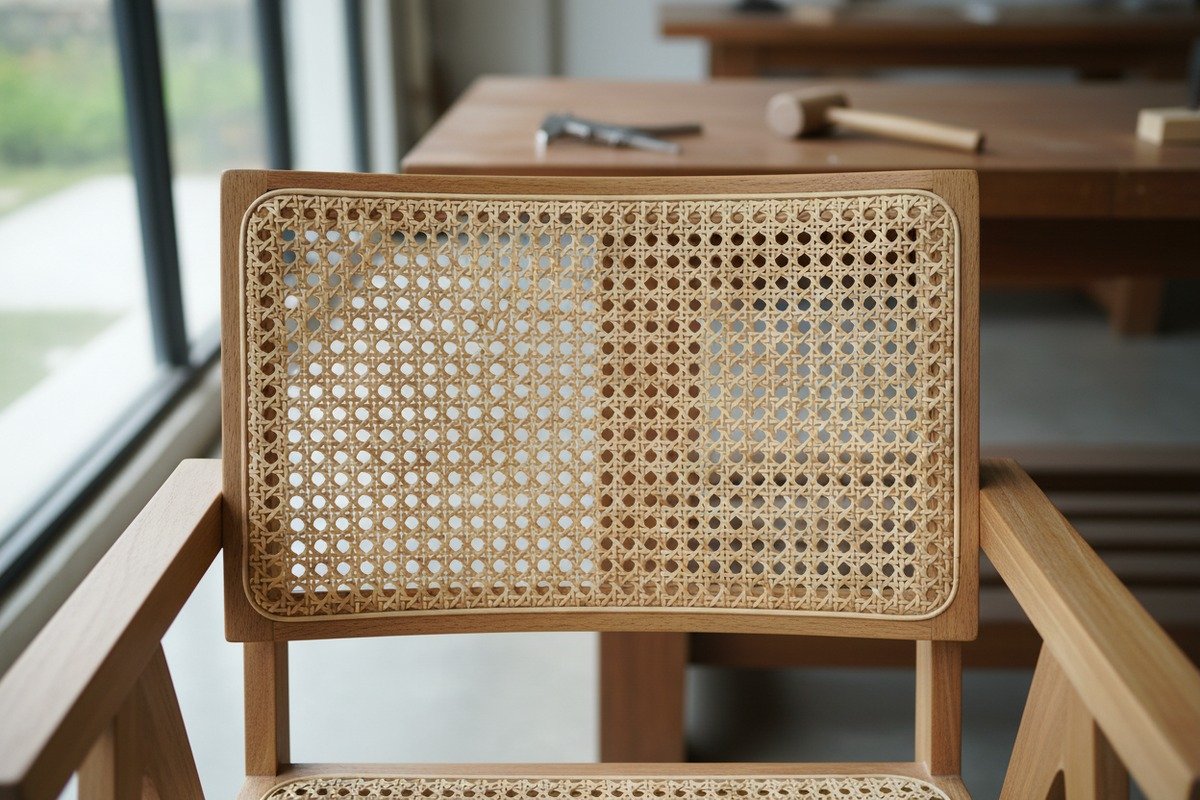
Каждую неделю наша служба поддержки клиентов получает один и тот же разочарованный вопрос от производителей мебели и оптовиков по всему миру. Они установили красивую натурального ротангового плетения 1 — и через несколько дней она провисла.
Чтобы натуральная ротанговая сетка оставалась плоской и без морщин после установки, ее необходимо правильно замочить перед монтажом, обеспечить равномерное натяжение при креплении скобами, контролировать среду сушки и использовать ротанг класса А. Эти четыре шага работают вместе, чтобы обеспечить плотное, профессиональное и долговечное покрытие.
В этой статье подробно рассматривается каждый шаг. Независимо от того, управляете ли вы мебельной фабрикой в Таиланде или магазином по поставке материалов в Европе, приведенные ниже методы сэкономят вам время, деньги и переделки. Давайте пройдемся по процессу от замачивания до окончательной сушки.
Как долго следует замачивать натуральную ротанговую циновку перед установкой, чтобы предотвратить ее провисание в будущем?
Одна из самых распространенных ошибок, которую мы видим у покупателей, впервые посещающих наш склад, — это пропуск замачивания или слишком долгое замачивание. Оба крайних случая вызывают проблемы, которые проявляются через несколько дней после установки.
Замочите натуральную ротанговую сетку в теплой воде на 30-60 минут перед установкой. Это сделает волокна достаточно гибкими, чтобы их можно было растягивать и располагать без растрескивания. По мере высыхания ротанга после установки он естественным образом сжимается и натягивается, создавая тугую, без морщин поверхность.
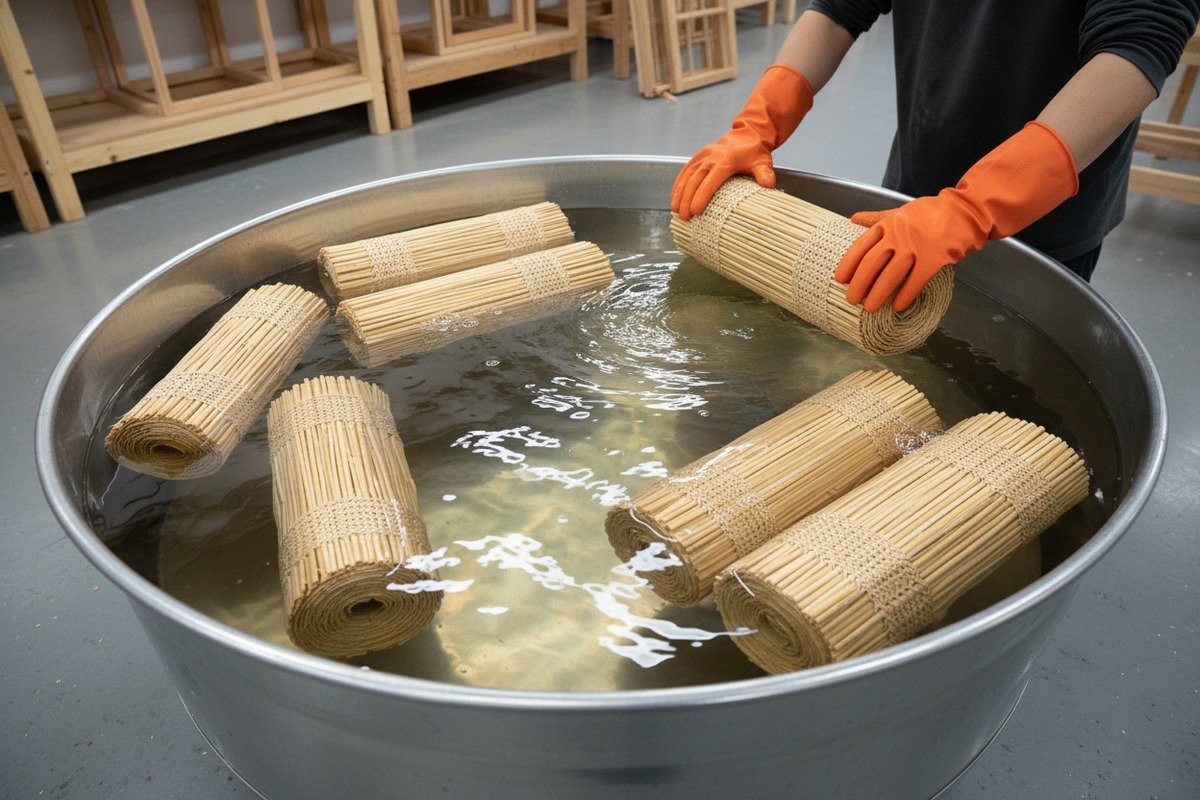
Почему замачивание имеет значение
Ротанговая трость происходит из тропических джунглей 2. Он процветает во влажности. После сбора, обработки и транспортировки материал теряет большую часть своей первоначальной влаги. Сухая трость жесткая и хрупкая. Если вы попытаетесь растянуть ее на каркасе без замачивания, она треснет или будет сопротивляться правильному натяжению.
Замачивание вновь вводит влагу в волокна. Тростник становится гибким и податливым. Вы можете тянуть его, перемещать и разглаживать морщины во время установки. Затем, по мере высыхания, он сжимается. Это сжатие — ваш лучший друг — оно плотно притягивает плетение к каркасу.
Правильная температура воды
Используйте теплую воду, а не горячую. Горячая вода может ослабить натуральные волокна 3 и смыть масла, которые сохраняют гибкость тростника. Холодная вода работает, но ей требуется гораздо больше времени, чтобы проникнуть в волокна. Теплая вода — около 30–40°C — это идеальный вариант.
Как долго — это слишком долго?
Чрезмерное замачивание — реальный риск. Если оставить тростниковую сетку в воде более чем на 90 минут, волокна впитают слишком много влаги. Это приведет к чрезмерному расширению. При высыхании сжатие может быть неравномерным, что приведет к деформации или искажению вместо гладкой, плоской поверхности.
| Продолжительность замачивания | Результат | Рекомендуется? |
|---|---|---|
| Менее 15 минут | Тростник все еще жесткий, с ним трудно работать | Нет |
| 30–60 минут | Гибкий, легко растягивается, плотно высыхает | Да |
| 60–90 минут | Очень гибкий, немного выше риск чрезмерного расширения | Использовать с осторожностью |
| Более 90 минут | Перенасыщенный, неравномерное высыхание и возможное коробление | Нет |
Акклиматизируйте перед замачиванием
Вот совет, который многие упускают из виду. Перед замачиванием дайте сухой тростниковой сетке постоять в помещении, где будет производиться установка, в течение 24–48 часов. Это позволит материалу адаптироваться к местной температуре и влажности. Когда мы отправляем рулоны с нашего завода в Фошане клиентам в сухом климате, таком как Саудовская Аравия или Испания, материал прибывает с содержание влаги 4 приспособленным к нашему влажному складу. Резкое замачивание без акклиматизации может вызвать шок у волокон.
Акклиматизация дает тростнику базовый уровень. Затем замачивание добавляет контролируемую влагу поверх этого базового уровня. Результат — более предсказуемая усадка и более ровная поверхность.
Быстрый тест
После замачивания аккуратно согните небольшой уголок сетки. Он должен гнуться без трещин и ощущения кашицеобразности. Если он трескается, замочите его дольше. Если он кажется чрезмерно мягким и вялым, вы зашли слишком далеко. Стремитесь к текстуре плотного, влажного полотенца.
Какие методы я могу использовать, чтобы мои ротанговые ремни оставались тугими и без морщин во время процесса скрепления скобами?
Благодаря многолетнему обучению наших заводских рабочих и консультированию оптовых клиентов мы узнали, что техника установки имеет такое же значение, как и качество материала. Идеально замоченная кусок тростника класса А все равно может сморщиться, если вы неправильно его закрепите.
Чтобы раттан оставался натянутым во время прибивания скобами, начните с центра одного края и двигайтесь наружу. Крепко, но равномерно натяните ротанг через раму, сначала закрепляя противоположные стороны. Используйте степлер с подходящим размером скоб и поддерживайте постоянное натяжение, чтобы избежать сморщивания или провисания.
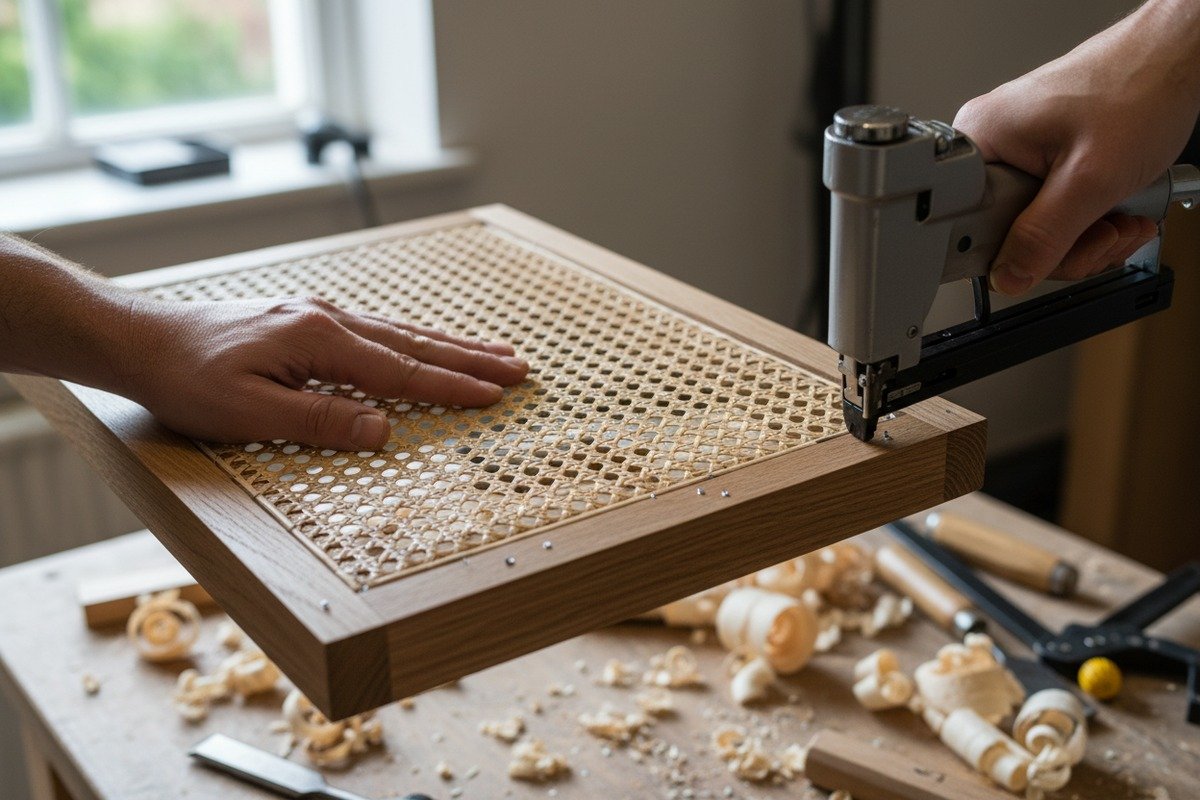
Метод от центра к краям
Никогда не начинайте скреплять скобами с угла. Углы создают неравномерное натяжение, которое распространяется по всей панели. Вместо этого сначала закрепите центр одного края. Затем перейдите к центру противоположного края, натягивая тростник. Далее сделайте то же самое для оставшихся двух краев. Как только все четыре центральные точки закреплены, двигайтесь наружу к углам, чередуя стороны.
Этот метод равномерно распределяет натяжение. Это тот же принцип, который используется при натяжении холста для живописи 5. Равномерное, сбалансированное усилие от центра предотвращает сминание или провисание любой области.
Выбор правильного размера скобы
Скоба должна быть достаточно длинной, чтобы надежно удерживать деревянную раму, но не настолько длинной, чтобы расколоть тонкие рамы. Для большинства мебельных применений хорошо подходят скобы размером 8–10 мм. Если рама из мягкой древесины, берите скобы немного длиннее. Рамы из твердой древесины лучше удерживают более короткие скобы.
| Материал рамы | Рекомендуемая длина скобы | Примечания |
|---|---|---|
| Мягкая древесина (сосна, тополь) | 10–12 мм | Более мягкой древесине нужны более длинные скобы для лучшего сцепления |
| Твердая древесина (дуб, бук) | 8–10 мм | Плотная древесина надежно удерживает скобы |
| МДФ или фанера | 10 мм | Убедитесь, что скобы полностью проникают, не расщепляя материал |
Сколько натяжения достаточно?
Это вопрос, который мы чаще всего слышим от новых клиентов. Натягивайте тростник до тех пор, пока узор плетения не выпрямится и не станет равномерным. Вы не должны видеть никаких складок или волн на поверхности. Но не тяните так сильно, чтобы плетение исказилось или отверстия в узоре вытянулись в овалы.
Хорошая визуальная проверка: проведите линейкой по поверхности. Тростник должен лежать ровно на линейке без зазоров или выпуклостей.
Техника паза и шпонки
Для более чистой и профессиональной отделки — особенно на дверцах шкафов и изголовьях кроватей — рассмотрите метод паза и шпонки вместо поверхностного скрепления скобами. Это включает в себя фрезерование канавки (паза) по периметру проема рамы, вдавливание тростниковой сетки в канавку, а затем фиксацию ее деревянной шпонкой и клеем.
Этот метод полностью скрывает точку крепления. Он также распределяет удерживающую силу по всему периметру, а не по отдельным точкам крепления скобами. Результат — более равномерное натяжение и более гладкий внешний вид.
Избегание распространенных ошибок
Не торопитесь. Дайте намокшему тростнику отдохнуть на раме минуту перед скреплением скобами. Это позволит ему естественно улечься на место. Также держите рядом распылитель. Если тростник начнет высыхать во время длительной установки, слегка опрыскайте его, чтобы сохранить гибкость.
Работайте в помещении с умеренной влажностью. Очень сухие помещения приведут к слишком быстрому высыханию тростника во время установки, делая его жестким до завершения скрепления скобами.
Как управлять условиями сушки, чтобы установленный ротанг оставался ровным по мере его усадки?
Когда наша экспортная команда отправляет тростниковую сетку клиентам в Нидерланды или Австралию, мы всегда предоставляем рекомендации по сушке после установки. Многие красивые инсталляции портятся не из-за плохой установки скобами, а из-за небрежных условий сушки.
После установки дайте ротанговой сетке высохнуть естественным образом в прохладном, хорошо проветриваемом помещении вдали от прямых солнечных лучей, обогревателей и вентиляционных отверстий кондиционера. Контролируемая, равномерная сушка позволяет ротангу равномерно сжаться, создавая плоскую, тугую поверхность без трещин и деформации.
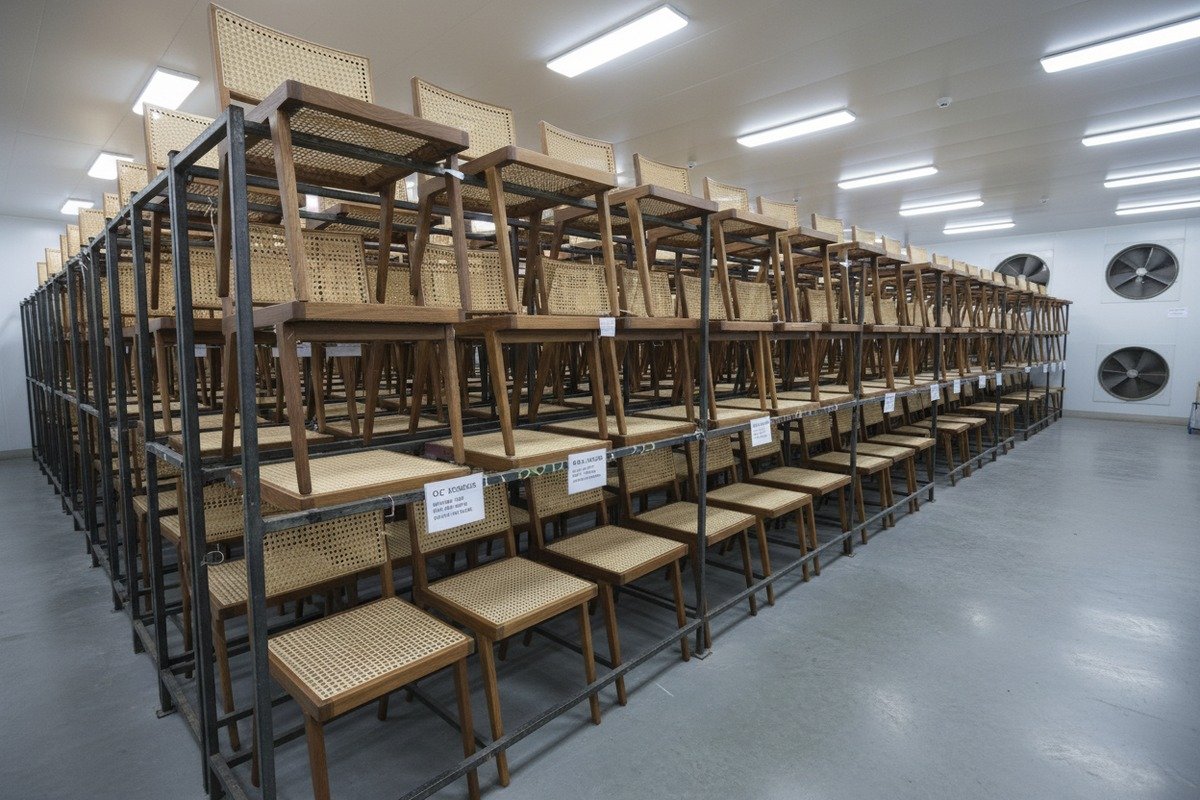
Наука, стоящая за сушкой
Ротанговая трость гигроскопична 6. Он постоянно впитывает и выделяет влагу. Когда вы устанавливаете влажную трость, она начинает терять влагу в окружающий воздух. По мере потери влаги волокна сжимаются. Если это сжатие происходит равномерно по всей поверхности, вы получаете красивую плоскую панель. Если это происходит неравномерно — одна сторона высыхает быстрее другой — вы получаете складки, волны и искажения.
Цель проста: создать условия, способствующие медленному и равномерному высыханию.
Чего следует избегать при сушке
Прямые солнечные лучи — главный враг. Солнечный луч, попадающий на один участок свежеустановленной трости, высушит эту область гораздо быстрее, чем затененные участки. Результатом является неравномерное натяжение и видимое коробление.
Обогреватели, радиаторы и вентиляционные отверстия кондиционеров создают ту же проблему. Они направляют сухой воздух непосредственно на трость, ускоряя потерю влаги в отдельных участках.
| Опасность при сушке | Почему это вызывает проблемы | Решение |
|---|---|---|
| Прямые солнечные лучи | Неравномерный нагрев вызывает локальное быстрое высыхание | Закройте шторы или жалюзи на период сушки |
| Обогреватели и радиаторы | Потоки сухого тепла слишком быстро удаляют влагу | Отодвиньте мебель от источников тепла |
| Вентиляционные отверстия кондиционеров | Направленный поток воздуха высушивает одну область быстрее | Перенаправьте вентиляционные отверстия или временно закройте их |
| Комнаты с очень низкой влажностью | Общая быстрая потеря влаги вызывает хрупкость | Используйте увлажнитель для поддержания влажности 40–60% |
| Герметичные помещения без циркуляции воздуха | Запертая влага способствует образованию плесени | Откройте окно или используйте небольшой вентилятор на низкой скорости |
Идеальные условия сушки
Стремитесь к комнатной температуре от 18°C до 25°C. Влажность должна быть в пределах 40% и 60%. Хорошая циркуляция воздуха имеет важное значение, но избегайте прямых сквозняков на тростник. Потолочный вентилятор на низкой скорости работает хорошо. Откройте окно с противоположной стороны комнаты от установленного изделия.
Сушка обычно занимает от 12 до 24 часов, в зависимости от толщины тростника и условий окружающей среды. Вы узнаете, что тростник высох, когда он станет твердым на ощупь и издаст легкий "щелчок", когда вы щелкнете по нему пальцем.
Долгосрочное управление окружающей средой
После того, как тростник высохнет, ваша работа не закончена. Постоянное управление окружающей средой имеет решающее значение.
Зимой системы отопления в помещении резко снижают влажность. Это может привести к тому, что уже установленный тростник станет хрупким и треснет. А увлажнитель для всей комнаты 7 решает эту проблему. По нашему опыту отправки клиентам в Россию и Северную Европу, этот единственный шаг предотвращает большинство жалоб после установки.
Летом высокая влажность может привести к тому, что установленный тростник впитает влагу и провиснет. Кондиционеры или осушители поддерживают уровень в норме.
Кондиционирование после сушки
После полного высыхания и уплотнения тростника нанесите легкий слой масла на нижнюю сторону. Лимонное масло, апельсиновое масло 8, или разбавленное мыло Murphy's Oil Soap хорошо работают. Это кондиционирует волокна и замедляет будущий обмен влаги с окружающей средой. Делайте это каждые шесть месяцев для достижения наилучших результатов.
Нанесите масло на безворсовую ткань. Используйте легкую руку — вы хотите питать волокна, а не насыщать их. Дайте маслу впитаться в течение нескольких часов, прежде чем использовать мебель в обычном режиме.
Устранение небольшого провисания позже
Если ротанг со временем немного провисает, вы иногда можете восстановить натяжение без повторной установки. Слегка опрыскайте заднюю сторону ротанга водой из распылителя. Дайте ему высохнуть на воздухе естественным образом. По мере высыхания волокна снова сжимаются. Затем нанесите легкий слой лимонного или апельсинового масла.
Это работает только в том случае, если в плетении нет сломанных нитей. Если ротанг поврежден, замена будет лучшим вариантом.
Почему выбор ротанга класса А важен для моего проекта для поддержания гладкой и профессиональной отделки?
Управление тремя фабриками — включая наш собственный завод по переработке ротанга в Индонезии — дает нам возможность наблюдать за всем спектром качества. Мы видим каждый сорт, от безупречного сорта А до бракованного материала. Разница не косметическая. Она структурная.
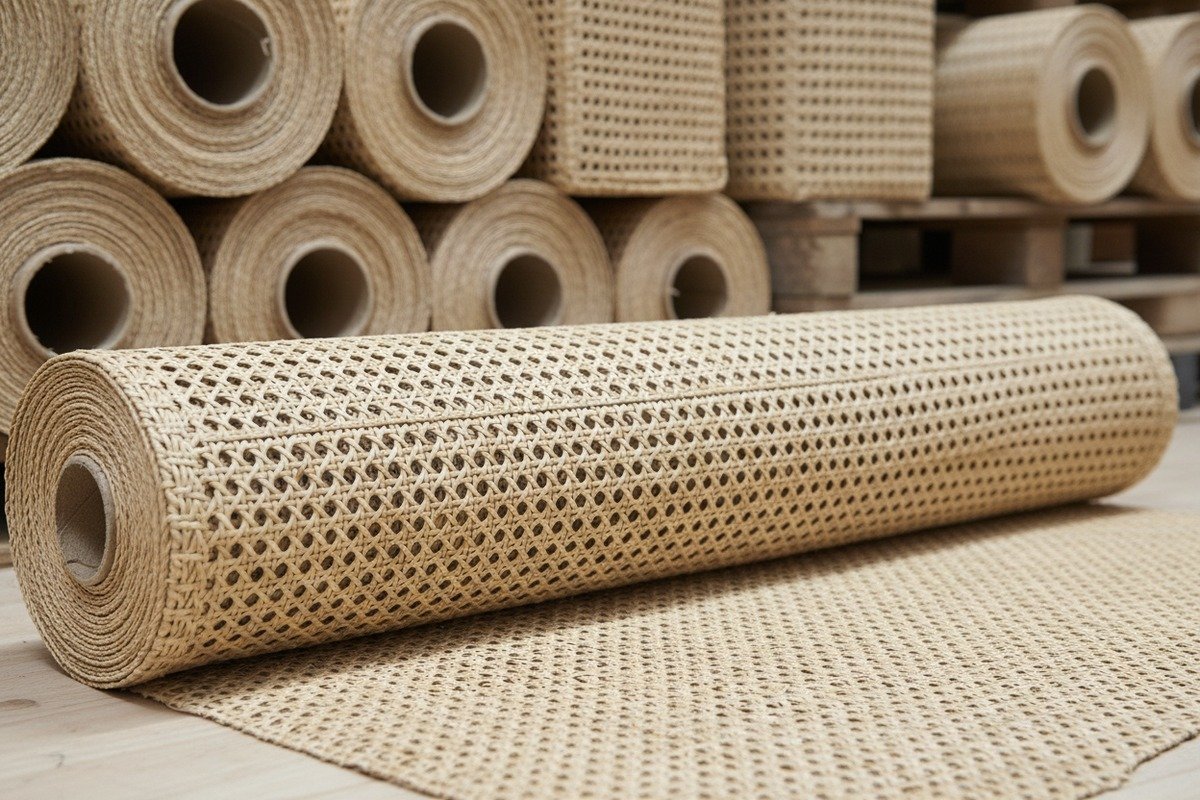
Ротанговая циновка класса А отличается равномерной толщиной волокон, постоянной плотностью плетения и минимальным количеством естественных дефектов. Эти качества гарантируют, что циновка растягивается, сжимается и сохраняет натяжение равномерно по всей поверхности, что необходимо для достижения и поддержания плоской поверхности без морщин с течением времени.
Что делает ротанг "классом А"?
Сорт А — это не просто маркетинговая этикетка. Он относится к конкретным, измеримым характеристикам сырого ротанга и готовой плетеной тесьмы. Волокна собирают с зрелых пальм ротанга, которые дают более толстые, более однородные нити. Плетение выполняется под строгим контролем качества с равномерным расстоянием и однородным натяжением.
В более низких сортах используется более молодой или тонкий ротанг. Волокна различаются по диаметру. Некоторые нити узловатые или треснувшие. Плетение может иметь зазоры или неравномерные узоры. Эти дефекты не только визуальные — они создают слабые места, где тесьма растягивается неравномерно, что приводит к провисанию и морщинам.
Сравнение классов
| Характеристика | Сорт А | Сорт B | Сорт C |
|---|---|---|---|
| Толщина волокна | Однородный по всей поверхности | Небольшое отклонение | Заметные отклонения |
| Плотность плетения | Последовательный, тугой | В основном стабильный | Местами неровный |
| Дефекты поверхности | Минимально или отсутствует | Случайные узелки или пятна | Частые дефекты |
| Однородность цвета | Ровный, естественный тон | Небольшие различия в цвете | Пятнистый или размытый |
| Предел прочности на разрыв | Высокое, равномерное сопротивление натяжению | Умеренная | Переменные, более слабые участки |
| Плоскостность после установки | Отличная | Хорошо при аккуратной установке | Трудно достичь |
| Ценовой диапазон | Премиум | Средний | Бюджет |
Почему качество влияет на плоскостность
Представьте себе ротанговую сетку как сеть из крошечных веревок, сплетенных вместе. Если каждая веревка имеет одинаковый диаметр и гибкость, они все одинаково реагируют на влагу и натяжение. Когда вы их замачиваете, они равномерно расширяются. Когда они высыхают, они равномерно сжимаются. Результатом является идеально плоская поверхность.
Теперь представьте, что некоторые из этих веревок тонкие, а некоторые толстые. Тонкие больше растягиваются во время установки. Они также больше сжимаются во время сушки. Толстые сопротивляются растяжению и меньше сжимаются. Это несоответствие создает карманы провисания и натяжения по всей поверхности — видимые как морщины и волны.
Скрытая стоимость дешевого тростника
Дешевый тростник заманчив. Он может быть на 30% - 50% дешевле за рулон. Но скрытые расходы быстро накапливаются. Мебельные фабрики, использующие тростник класса C, сообщают о более высоком проценте брака, большем количестве переделок и большем количестве жалоб клиентов. Стоимость труда по переделке провисающей панели часто превышает экономию на более дешевом материале.
Наши клиенты, которые являются менеджерами по закупкам — люди, как Рану в Таиланде, которые управляют большими заказами — узнали это на собственном опыте. Стабильность качества является их главной заботой. Им нужно, чтобы каждый рулон работал одинаково каждый раз. Класс А обеспечивает такую стабильность. Более низкие классы — это азартная игра.
Советы по поиску
При оценке поставщика запрашивайте образцы перед размещением оптового заказа. Осмотрите плетение при ярком свете. Ищите равномерное расстояние, однородный цвет волокна и отсутствие видимых трещин или тонких участков. Аккуратно согните угол — тростник класса А должен плавно сгибаться, не ломаясь и не расщепляясь.
Также спросите об источнике сырого тростника. Индонезийский ротанг 9 обычно считается золотым стандартом благодаря идеальным условиям выращивания в стране и давним традициям переработки тростника. Наше предприятие в Индонезии дает нам прямой контроль над выбором сырья, что позволяет нам поддерживать стабильное качество продукции класса А на протяжении всего производственного цикла.
Соответствие сорта применению
Не каждый проект требует класса А. Для задних панелей, которые не будут видны, может быть достаточно класса B или даже класса C. Но для любой поверхности, которую увидят и к которой прикоснутся — сидений стульев, изголовьев кроватей, дверок шкафов, перегородок комнат — класс А является обязательным, если вы хотите получить ровный, профессиональный и долговечный результат.
Заключение
Сохранение плоской и свободной от морщин натуральной ротанговой тростниковой сетки сводится к четырем основным принципам: правильное замачивание, тщательное скрепление скобами, контролируемая сушка и материал класса А. Освойте их, и каждая установка будет выглядеть профессионально.
Сноски
1. Представляет собой всесторонний обзор ротанговой тростниковой сетки. ↩︎
2. Объясняет естественную среду обитания и характеристики ротанга. ↩︎
3. Заменено авторитетной страницей Википедии, определяющей натуральные волокна. ↩︎
4. Объясняет важность поглощения влаги натуральными волокнами. ↩︎
5. Заменено авторитетным образовательным ресурсом от Khan Academy по натяжке холста. ↩︎
6. Объясняет свойства натуральных волокон по поглощению влаги. ↩︎
7. Подробно описывает преимущества и функции бытовых увлажнителей воздуха. ↩︎
8. Объясняет использование цитрусовых масел для кондиционирования и полировки древесины. ↩︎
9. Подчеркивает роль Индонезии в производстве и устойчивом использовании ротанга. ↩︎
10. Заменено авторитетным академическим источником, определяющим качество ротанга класса А. ↩︎
 English
  Español de México
  العربية
  Deutsch
  Français
  Русский