
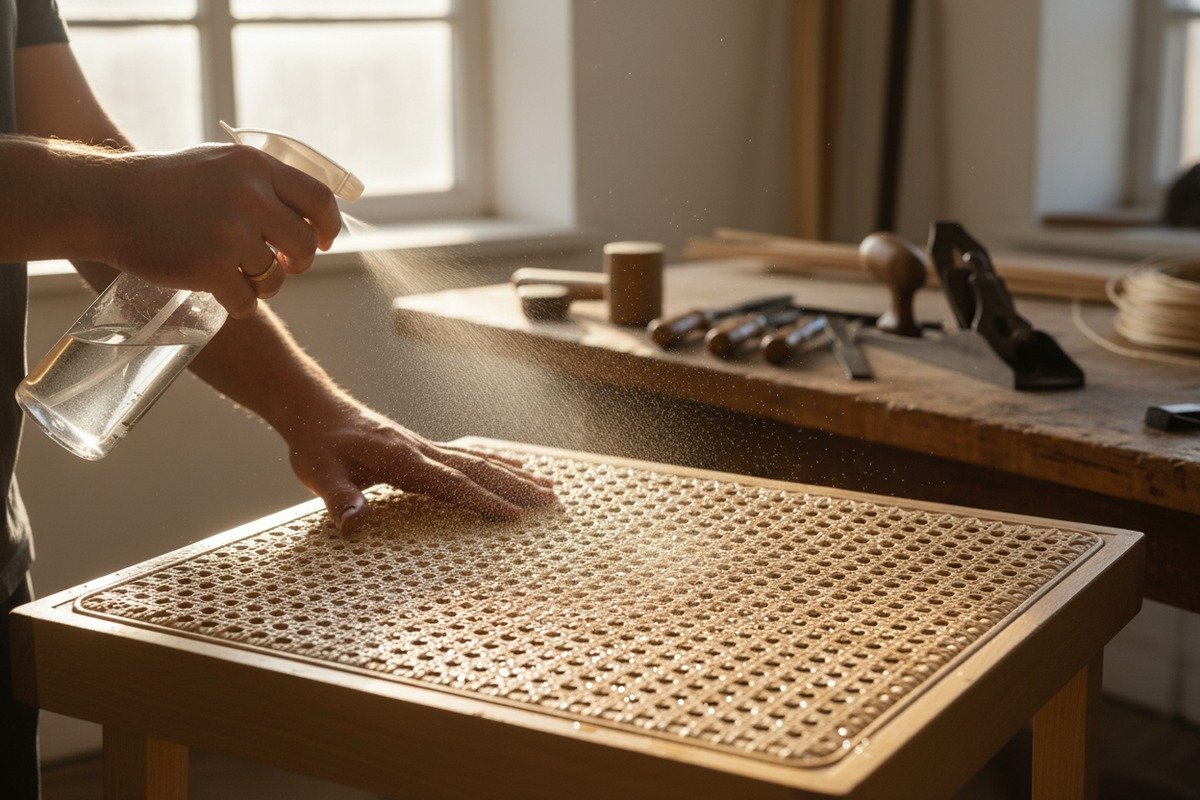
Каждую неделю наша служба поддержки клиентов получает звонки от покупателей, которые только что установили красивую ротанговую сетку, только чтобы увидеть, как она провисает через несколько дней. Это расстраивает, и кажется, что деньги потрачены впустую.
Чтобы исправить провисшую натуральную ротанговую сетку, смочите всю поверхность теплой водой с помощью губки или распылителя, а затем дайте ей высохнуть на воздухе в течение 24 часов. Волокна набухают при намокании и сжимаются при высыхании, снова натягивая сетку. При стойком провисании укрепите каркас или полностью замените сетку.
Ниже мы подробно рассмотрим каждую причину, каждое исправление и каждый метод предотвращения, чтобы ваши ротанговые изделия оставались натянутыми и красивыми долгие годы. Давайте пройдемся по деталям шаг за шагом.
Почему моя натуральная ротанговая сетка провисает сразу после установки?
Мы постоянно получаем этот вопрос от мебельных фабрик и оптовиков, которые покупают у нас с производственных линий. Сетка выглядела идеально при доставке, но после установки она висит свободно. Паника реальна, но решение обычно простое.
Натуральная ротанговая циновка провисает после установки в основном потому, что волокна впитывают влагу из окружающей среды и расширяются. Если циновка не была предварительно замочена перед установкой или если влажность в помещении высокая, материал ослабевает, а не натягивается. Правильное замачивание и контролируемая сушка в большинстве случаев решают эту проблему.
Понимание гигроскопичности ротанга
Ротанг — это живой материал, даже после обработки. Он поглощает и выделяет влагу из окружающего воздуха. Это называется гигроскопичным поведением 1. Когда влажность повышается, волокна ротанга набухают и удлиняются. Когда влажность падает, они сжимаются и уплотняются. Этот естественный цикл на самом деле делает ротанг таким прочным и поддающимся ремонту по сравнению с синтетическими аналогами.
Проблема возникает, когда этот цикл работает против вас. Если вы устанавливаете сухую ротанговую сетку во влажном помещении, волокна поглощают влагу из воздуха, расширяются и провисают. Если вы устанавливаете предварительно замоченную сетку и даете ей высохнуть в контролируемой среде, происходит обратное — она красиво натягивается.
Распространенные ошибки при установке
Исходя из нашего опыта поставок ротанговой сетки на мебельные фабрики в более чем 15 стран, мы выявили наиболее частые ошибки при установке:
| Ошибка | Что происходит | Как избежать |
|---|---|---|
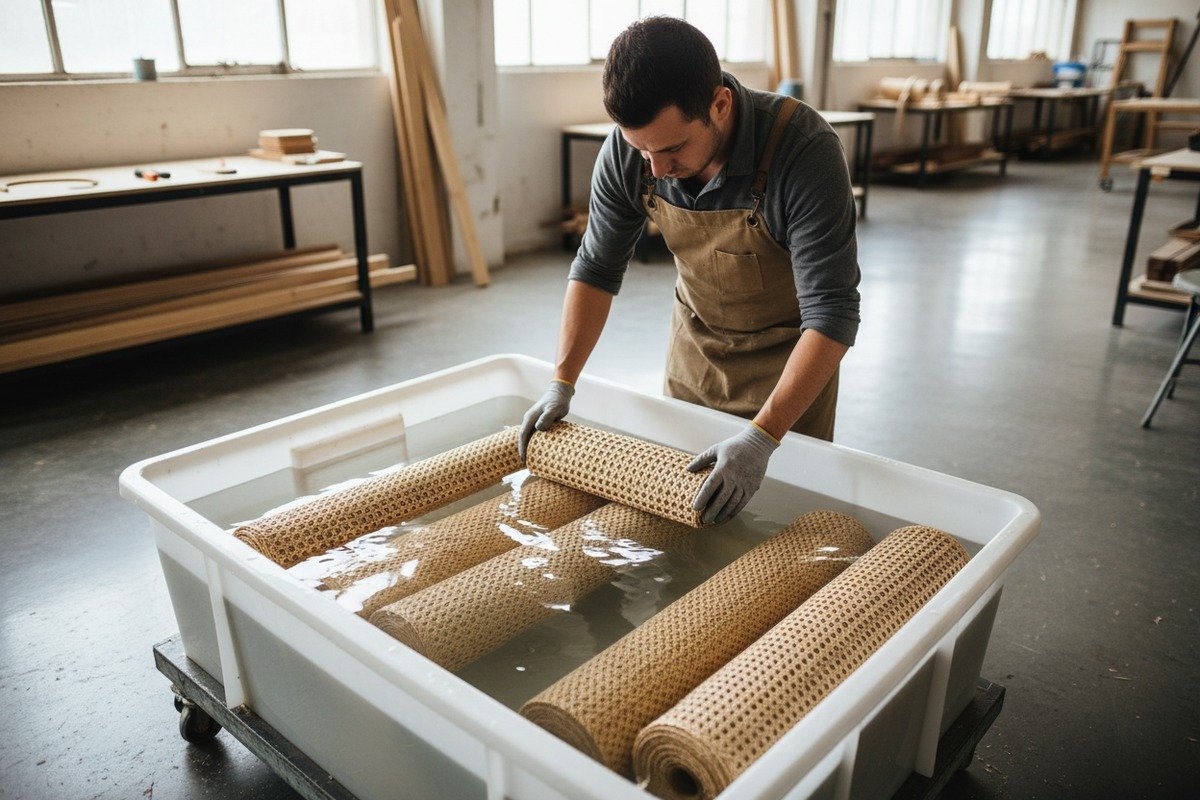
| Пропуск предварительного замачивания | Сетка сохраняет свое текущее натяжение и провисает при изменении влажности | Замочите сетку в теплой воде на 30–60 минут перед установкой |
| Чрезмерное замачивание более 4 часов | Волокна становятся слишком мягкими, плетение искажается, и сетка растягивается необратимо | Ограничьте замачивание 30 минутами для стандартной тесьмы, до 4 часов максимум для толстых сортов |
| Установка во влажном помещении | Волокна расширяются после установки и создают видимое провисание | Устанавливайте в помещении с 40–60% влажности относительной влажности 2, или используйте осушитель |
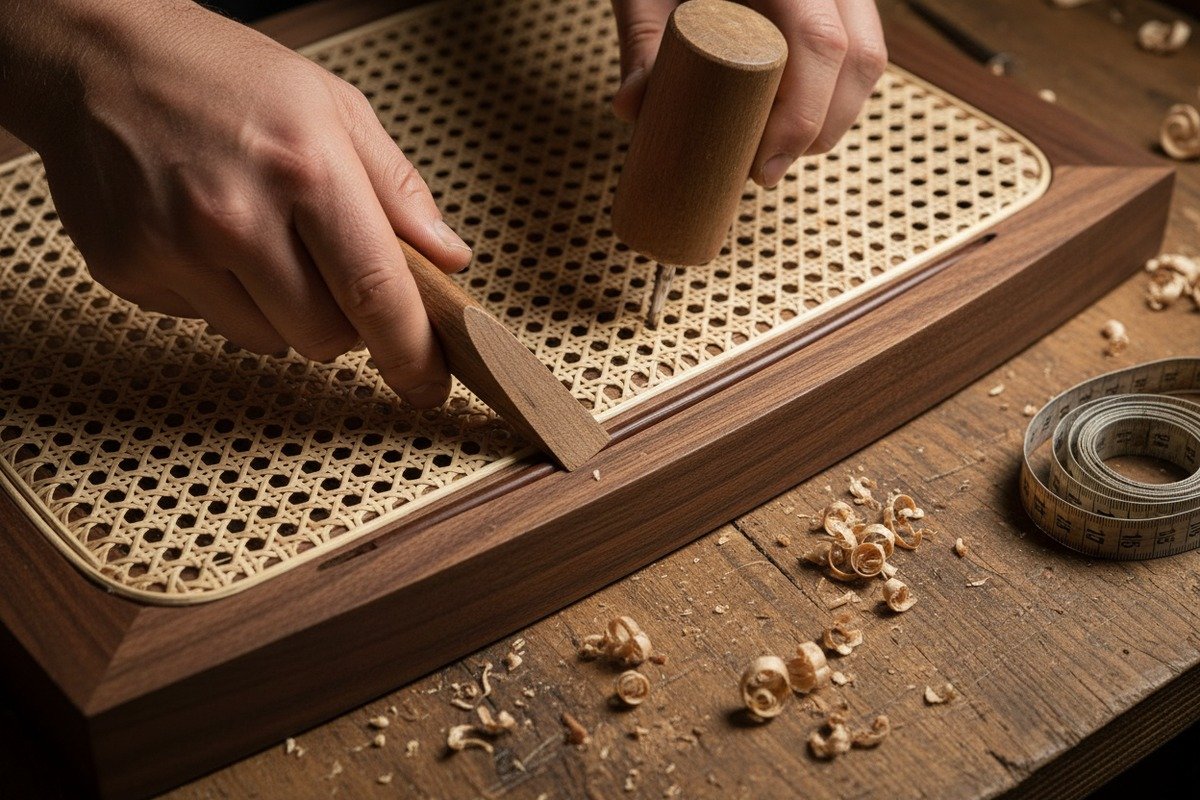
| Использование неправильного размера шнура | Тесьма не удерживается надежно в пазу, что позволяет боковое смещение | Сопоставьте ширину шнура с шириной паза — распространенные размеры: 1/8", 1/4" и 3/8" размер шнура 3 |
| Немедленное нанесение лака или шеллака | Запечатывает влагу внутри волокон, предотвращая естественное сжатие | Подождите не менее 48 часов перед нанесением любого покрытия и используйте только дышащие варианты |
Правило предварительного замачивания
Вот критический момент, который многие упускают. Когда вы замачиваете ротанговую тесьму перед установкой, волокна находятся в состоянии максимального расширения. Вы устанавливаете их в этом расширенном состоянии. Затем, по мере высыхания тесьмы в течение 24 часов, волокна сжимаются. Это сжатие создает натянутую, барабанообразную поверхность, которую вы хотите получить.
Если вы пропустите предварительное замачивание, вы установите тесьму в ее сухом, сжатом состоянии. Любая влага, которую она впитает впоследствии, вызовет расширение — а расширение означает провисание. Это самая распространенная причина провисания после установки.
Осмотр рамы и паза
Прежде чем винить сетку, проверьте каркас мебели. Искривленный или неровный паз не будет равномерно удерживать шнур. Если одна часть паза шире другой, сетка может соскользнуть и вызвать локальное провисание. Проведите пальцем по пазу перед установкой. Он должен быть равномерным по ширине и глубине. Отшлифуйте любые шероховатости.
Могу ли я использовать воду или тепло, чтобы подтянуть ослабленную ротанговую сетку?
Когда наши клиенты в Нидерландах и Австралии сообщают о провисании через несколько месяцев после установки, первое, что мы рекомендуем, — это самое простое решение. Вам не нужны специальные инструменты. Вам не нужно снимать сетку. Вам нужна только вода и терпение.
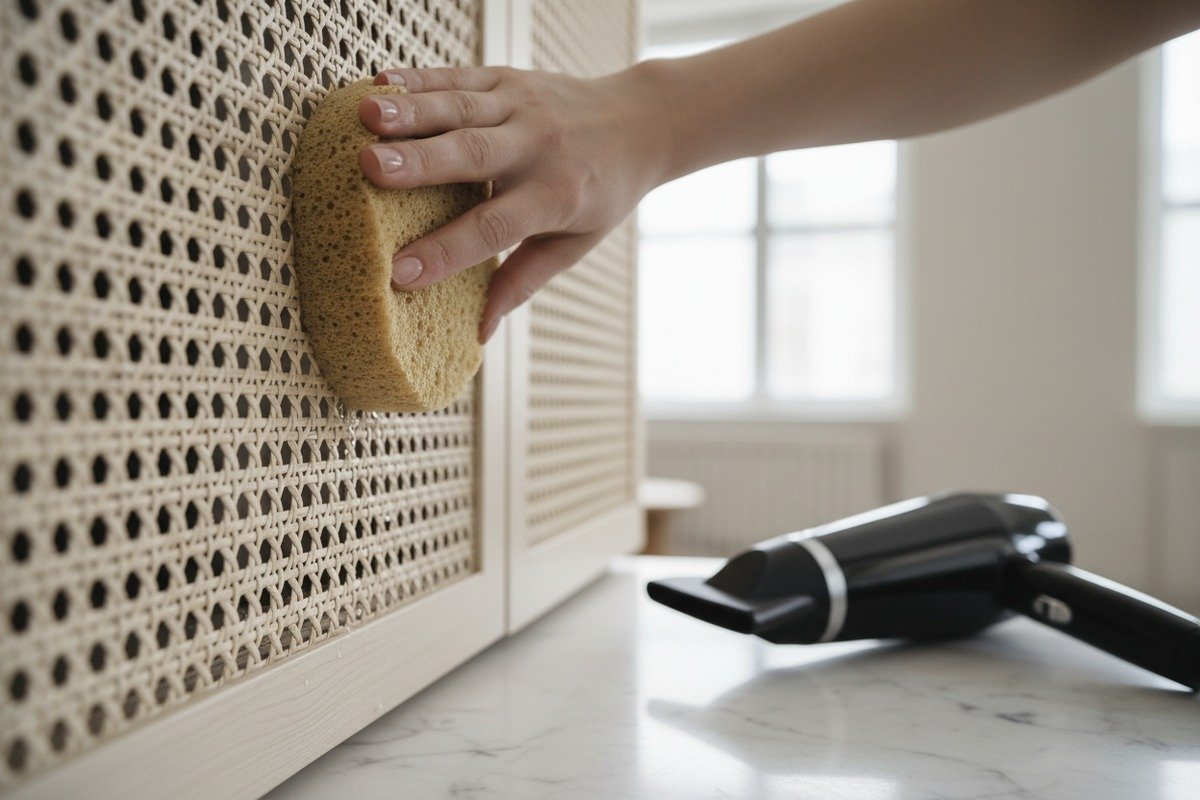
Да, вы можете подтянуть ослабленную ротанговую сетку, используя теплую воду и естественную сушку на воздухе. Смочите всю поверхность сетки — спереди и сзади — губкой или распылителем, затем дайте ей высохнуть в течение 24 часов. Фен, расположенный на расстоянии 10 сантиметров, может ускорить процесс, но естественная сушка дает наиболее стабильные результаты.
Метод с водой: шаг за шагом
Это основной способ ремонта при незначительном или умеренном провисании. Вот как это сделать правильно:
- Переверните мебель вверх дном, если это возможно. Нижняя сторона ротанговой сетки менее изношена и более пористая, поэтому она лучше впитывает воду.
- Используйте чистую губку, смоченную в теплой воде. Не горячей — теплой. Горячая вода может повредить волокна и ослабить структуру плетения.
- Равномерно пропитайте всю поверхность сетки. Не просто смачивайте провисшие участки. Неравномерное смачивание создает неравномерное натяжение, что приводит к новым проблемам.
- Переверните мебель обратно и смочите также верхнюю поверхность.
- Поместите мебель в хорошо проветриваемое место, вдали от прямых солнечных лучей.
- Подождите 24 часа. Не садитесь на нее. Не кладите на нее ничего. Дайте волокнам сделать свою работу.
Метод с нагревом: когда его использовать
Фен может ускорить высыхание, но это второстепенный инструмент. Используйте его только после того, как сетка будет полностью пропитана водой. Держите фен примерно в 10 сантиметрах от поверхности. Постоянно перемещайте его — никогда не фокусируйтесь на одном месте. Примерно 10 минут равномерного нагрева могут привести к заметному натяжению.
Однако существует риск. Чрезмерное или концентрированное тепло может сделать ротанг хрупким. Это также может привести к неравномерному высыханию, что вызывает деформацию. Мы рекомендуем метод нагрева только тогда, когда вам нужны более быстрые результаты, и вы не можете ждать полных 24 часов.
Сравнение методов: вода против нагрева против комбинированных методов
| Метод | Время сушки | Эффективность натяжения | Уровень риска | Лучше всего подходит для |
|---|---|---|---|---|
| Только вода (сушка на воздухе) | 24 часа | Высокий | Очень низкий | Все уровни провисания, регулярное обслуживание |
| Только фен (без предварительного смачивания) | 10–15 минут | Очень низкий | Средний | Не рекомендуется использовать отдельно |
| Вода + фен | 2–4 часа | Средне-высокая | Низко-средняя | Когда время ограничено |
| Вода + плоский груз сверху | 24–36 часов | Очень высокая | Очень низкий | Упорное или повторяющееся провисание |
А как насчет пара?
Некоторые спрашивают об использовании отпаривателя для одежды. Пар может работать, но им труднее управлять. Концентрированное тепло и влага могут перенасытить определенные участки. Если вы должны использовать пар, держите отпариватель в движении и держите его на расстоянии не менее 15 сантиметров от поверхности. Мы обычно не рекомендуем пар для начинающих.
Предостережение относительно отделки
Если ваша ротанговая тесьма была покрыта шеллаком, лаком или любой другой недышащей отделкой, водный метод не будет работать хорошо. Эти покрытия блокируют впитывание влаги. Волокна не могут набухать, поэтому они не могут сжиматься и уплотняться во время сушки. Это одна из причин, по которой мы всегда советуем нашим покупателям оставлять натурального ротангового плетения 4 необработанным или использовать только легкие, дышащие кондиционеры.
Если тесьма уже запечатана, вам может потребоваться аккуратно отшлифовать поверхность, чтобы нарушить герметичность, прежде чем наносить воду. Это деликатная работа — действуйте осторожно, чтобы не повредить weave pattern 5.
Как убедиться, что приобретенный мной ротанговый материал не провиснет при интенсивном использовании?
Работа трех фабрик, включая наш собственный завод по переработке ротанга в Индонезии, научила нас тому, что не весь ротанг одинаков. Сорт, плотность плетения и толщина волокна — все это определяет, как тесьма ведет себя под нагрузкой. сорт ротанга 6 Выбор неправильного сорта для вашего применения — это как использование картона там, где вам нужна фанера.
Чтобы предотвратить провисание при интенсивном использовании, выбирайте натуральную ротанговую циновку класса А с плотным плетением и более толстыми волокнами. Ротанг класса А имеет меньше дефектов, более однородную плотность волокон и лучшую структурную целостность. Сочетайте ваш выбор с правильным узором плетения для предполагаемого применения с нагрузкой.
Понимание классов ротанга
Сортировка ротанга основана на качестве волокна, его однородности и внешнем виде. Вот что обычно означает каждый сорт на практике:
| Сорт | Качество волокна | Однородность цвета | Структурная прочность | Лучшее применение |
|---|---|---|---|---|
| Класс А (Премиум) | Одинаковая толщина, без расщеплений и узлов | Светлый, натуральный блонд до светло-загорелого | Высокий — выдерживает постоянные нагрузки | Сиденья стульев, изголовья кроватей, мебель для интенсивного использования |
| Класс B (Стандарт) | Незначительные вариации толщины, случайные мелкие сучки | В основном однородный с небольшими вариациями цвета | Средний — подходит для умеренных нагрузок | Дверцы шкафов, декоративные панели, легкие сиденья |
| Класс C (Эконом) | Видимые дефекты, местами более тонкие волокна | Заметное изменение цвета | Низкий — лучше всего подходит только для декоративного использования | Стеновые панели, перегородки, поделки |
Важен тип плетения
Тип плетения так же важен, как и класс. Более плотное плетение распределяет вес по большему количеству волокон, снижая нагрузку на каждую отдельную нить. Открытые шестиугольные узоры выглядят красиво, но не идеальны для сидений стульев, которые будут ежедневно выдерживать 70–100 кг.
Для сидений интенсивного использования мы рекомендуем плотные узоры плетения, такие как плотный ромбовидный мотив или тугое плетение «корзинка». Эти узоры имеют больше точек контакта на квадратный сантиметр, что означает лучшее распределение нагрузки и меньшую провисание со временем.
Диаметр волокна и обработка
Более толстые волокна лучше сопротивляются растяжению, чем тонкие. диаметр волокна 7 Когда наш перерабатывающий завод в Индонезии подготавливает сырой ротанг, тростник расщепляется, строгается и калибруется до определенной толщины. Плетение из полос тростника шириной 2,5 мм превосходит плетение из полос шириной 1,5 мм в любом случае, когда требуется несущая способность.
Спросите своего поставщика о ширине полос тростника перед покупкой. Если они не могут вам сказать, это тревожный сигнал. Авторитетные производители отслеживают эти характеристики, поскольку они напрямую влияют на производительность.
Соответствие сорта применению
Именно здесь многие покупатели ошибаются. Они выбирают класс B или C из-за более низкой цены, а затем используют его для обеденных стульев, на которых сидят три раза в день. Через несколько месяцев плетение провисает. Решение — не больше водной обработки, а выбор правильного класса с самого начала.
Если ваш проект включает сиденья или любую поверхность, которая регулярно несет вес, инвестируйте в класс A. Разница в первоначальной стоимости невелика по сравнению со стоимостью рабочей силы по повторному плетению стула через шесть месяцев. Для декоративных применений — таких как инкрустация шкафов или настенные панно — классы B и C работают отлично и предлагают лучшую ценность.
Тестирование перед оптовой закупкой
Если вы оптовик или производитель мебели, всегда запрашивайте образцы перед оформлением крупного заказа. Протестируйте образец, замочив его, установив на тестовую раму и приложив вес на несколько дней. Наблюдайте, как он реагирует на изменения влажности в вашем местном климате. Этот простой тест может сэкономить тысячи на возвратах и переделках.
Каковы лучшие способы поддерживать натяжение в моих проектах из ротанговой мебели?
За годы поставок материалов из ротанга на рынки от Испании до Саудовской Аравии мы наблюдали, как идентичные изделия служат пять лет в одном климате и пятнадцать в другом. Разница почти всегда сводится к текущему обслуживанию, а не к первоначальному качеству.
Лучшие способы сохранить натяжение ротанговой мебели включают ежемесячное опрыскивание водой для поддержания гидратации волокон, поддержание влажности в помещении в пределах 40–60%, использование подушек для равномерного распределения веса, избегание прямых солнечных лучей и источников тепла, а также регулярный осмотр на предмет ослабленных прядей, которые следует переклеить до того, как они усугубятся.
Ежемесячный график опрыскивания
Самая простая и эффективная привычка ухода — ежемесячное опрыскивание. Используйте обычный распылитель для растений, наполненный чистой водой комнатной температуры. Слегка опрыскайте плетение из ротанга с обеих сторон. Замачивать его не нужно — достаточно мелкого распыления, чтобы волокна оставались увлажненными и гибкими.
В засушливом климате — например, на Ближнем Востоке или во внутренних районах Австралии — опрыскивайте каждые две недели. В естественно влажных регионах — например, в прибрежных районах Юго-Восточной Азии — достаточно одного раза в месяц или даже реже. Цель — предотвратить полное высыхание волокон, которое делает их хрупкими и лишает их способности возвращаться в натянутое состояние.
Контроль влажности в помещении
Если ваша мебель из ротанга находится в помещении, а гигрометр 8 это выгодное вложение. Эти простые устройства измеряют влажность в помещении. Поддерживайте показания между 40% и 60%. Ниже 40% ротанг высыхает и становится хрупким. Выше 60% он впитывает избыточную влагу и провисает.
Зимой системы отопления значительно снижают влажность в помещении. Небольшой увлажнитель в комнате с вашей ротанговой мебелью может существенно помочь. Летом кондиционирование воздуха также может чрезмерно высушивать воздух. Следите и регулируйте.
Стратегии распределения веса
Концентрированный вес — враг ротангового плетения. Человек весом 80 кг, сидящий на обеденном стуле, оказывает весь свой вес на небольшую площадь. Со временем это растягивает волокна в этой зоне. Подушки очень помогают — не только для комфорта, но и потому, что они распределяют нагрузку по более широкой поверхности.
Для скамеек и диванов поощряйте равномерное сидение, а не всегда сидение в одном и том же месте. Вращение подушек также помогает равномерно распределить износ по всему плетению.
Осмотр и ранний ремонт
Проверяйте ротанговое плетение каждые несколько месяцев на предмет ослабленных или порванных нитей. Одна ослабленная нить может привести к гораздо большей проблеме, если ее не устранить. Когда вы обнаружите ослабленную нить, нанесите небольшое количество ПВА клей для дерева 9 или традиционного мездрового клея в месте соединения. Аккуратно прижмите нить обратно на место и дайте ей высохнуть в течение нескольких часов перед использованием.
Чек-лист долгосрочной защиты
Вот основные привычки, которые защищают ротанговое плетение в долгосрочной перспективе:
- Никогда не ставьте ротанговую мебель под прямые солнечные лучи на длительное время. Ультрафиолетовые лучи 10 разрушают натуральные волокна.
- Держите ротанг подальше от источников тепла, таких как радиаторы, камины и вентиляционные отверстия отопления.
- Не ставьте тяжелые предметы на ротанговые поверхности, когда они не используются.
- Очистите мягкой щеткой или пылесосом на низкой мощности, чтобы удалить пыль с плетения.
- Наносите натуральный кондиционер для ротанга один или два раза в год для дополнительной защиты волокон.
- Избегайте синтетических или нефтесодержащих полиролей, которые могут засорить волокна и препятствовать обмену влаги.
Когда следует обратиться к профессионалу
Если сетка из ротанга сильно провисла, а многократные водные процедуры не восстановили натяжение, или если вы видите трещины и хрупкость вместе с провисанием, может потребоваться профессиональное переплетение. Опытный мастер по плетению может удалить старую сетку и шнур, очистить канавку и установить новый материал за несколько часов. Это особенно выгодно для антикварной или дорогой мебели, где сама рама стоит того, чтобы ее сохранить.
Для производителей мебели и оптовиков наличие запасных рулонов соответствующей сетки и шнура устраняет задержки при необходимости ремонта. Мы поставляем нарезанные по заказу длины именно для этой цели, чтобы наши клиенты могли быстро реагировать на гарантийные случаи или проекты по реставрации, не дожидаясь недель для нового поступления.
Заключение
Провисание сетки из ротанга поддается ремонту и часто предотвратимо. Выбирайте правильный сорт, устанавливайте ее влажной и поддерживайте регулярным опрыскиванием. Ваша мебель из ротанга отблагодарит вас десятилетиями использования.
Сноски
1. Определяет гигроскопическое поведение и то, как материалы притягивают и удерживают влагу. ↩︎
2. Заменил HTTP 404 авторитетным государственным источником по относительной влажности. ↩︎
3. Заменил HTTP 404 выделенным руководством по подбору шнура. ↩︎
4. Объясняет, что такое сетка из ротанга и ее материальные свойства. ↩︎
5. Заменил HTTP 403 статьей, подробно описывающей типы плетения из ротанга для мебели. ↩︎
6. Детализирует систему классификации ротанга по качеству и характеристикам. ↩︎
7. Исследует, как диаметр волокна влияет на механические свойства ротанга. ↩︎
8. Объясняет, что такое гигрометр и как он используется для измерения уровня влажности. ↩︎
9. Объясняет, что такое клей ПВА и его распространенные применения в деревообработке. ↩︎
10. Описывает, как УФ-излучение со временем разрушает натуральные волокна и материалы. ↩︎


 English
  Español de México
  العربية
  Deutsch
  Français
  Русский