
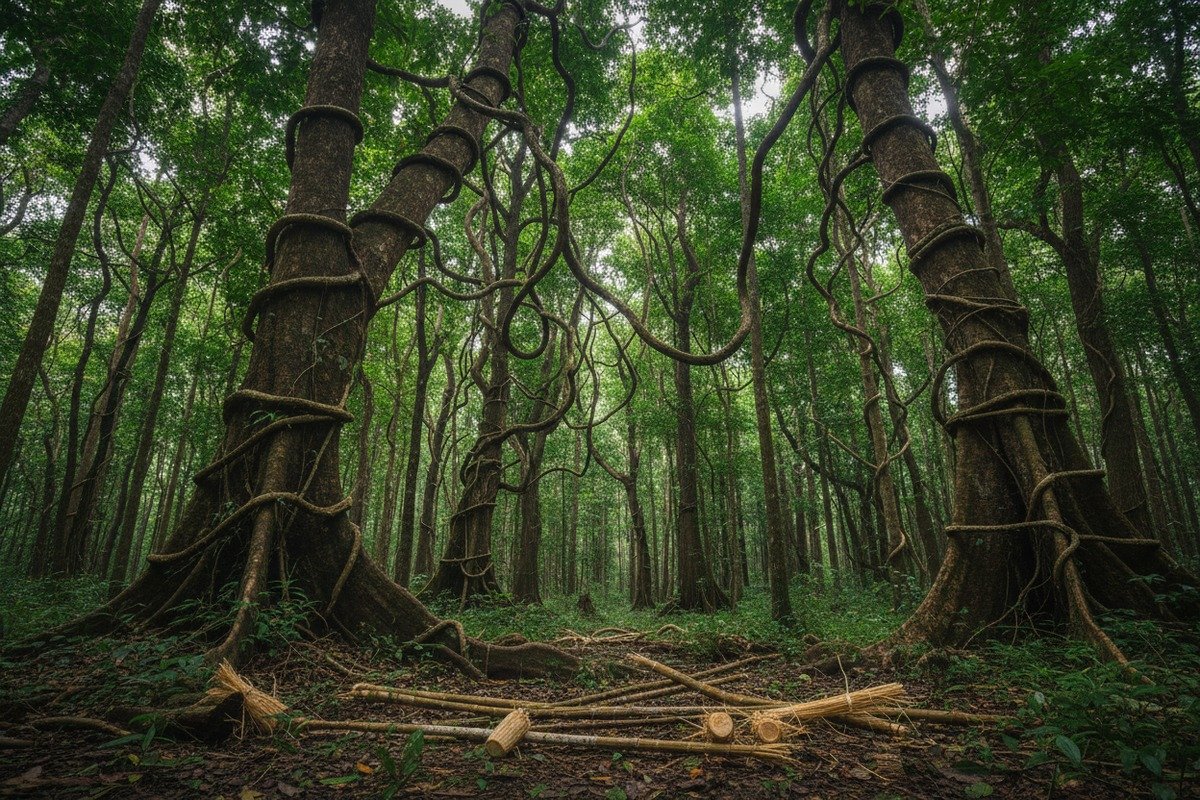
Каждую неделю на нашем производстве в Фошане мы обрабатываем тысячи метров ротанговой сетки — и каждую неделю покупатели задают нам один и тот же вопрос.
Производство натурального ротангового плетения обычно имеет низкий уровень воздействия на окружающую среду. Ротанг — быстрорастущая, биоразлагаемая лиана, созревающая за 5–7 лет, не требующая синтетических удобрений и способствующая сохранению лесов при ответственном сборе. Однако существуют риски, связанные с чрезмерным сбором, выбросами от традиционной обработки и химической обработкой во время отбеливания.
Правда в том, что ротанг находится на интересном перекрестке между эко-героем и потенциальным экологическим риском. Этикетки Лесного попечительского совета (FSC) 1. Ниже мы подробно рассмотрим все аспекты — от проверки устойчивого сбора до воздействия на биоразнообразие — чтобы вы могли принимать обоснованные решения для вашего бизнеса.
Как я могу убедиться, что мой натуральный ротанговый плетеный материал собран экологически устойчивым способом?
Когда мы начали закупать сырой ротанг на нашем собственном перерабатывающем предприятии в Индонезии, отследить каждый стебель до его лесного происхождения оказалось сложнее, чем мы ожидали. ванны с перекисью водорода 2.
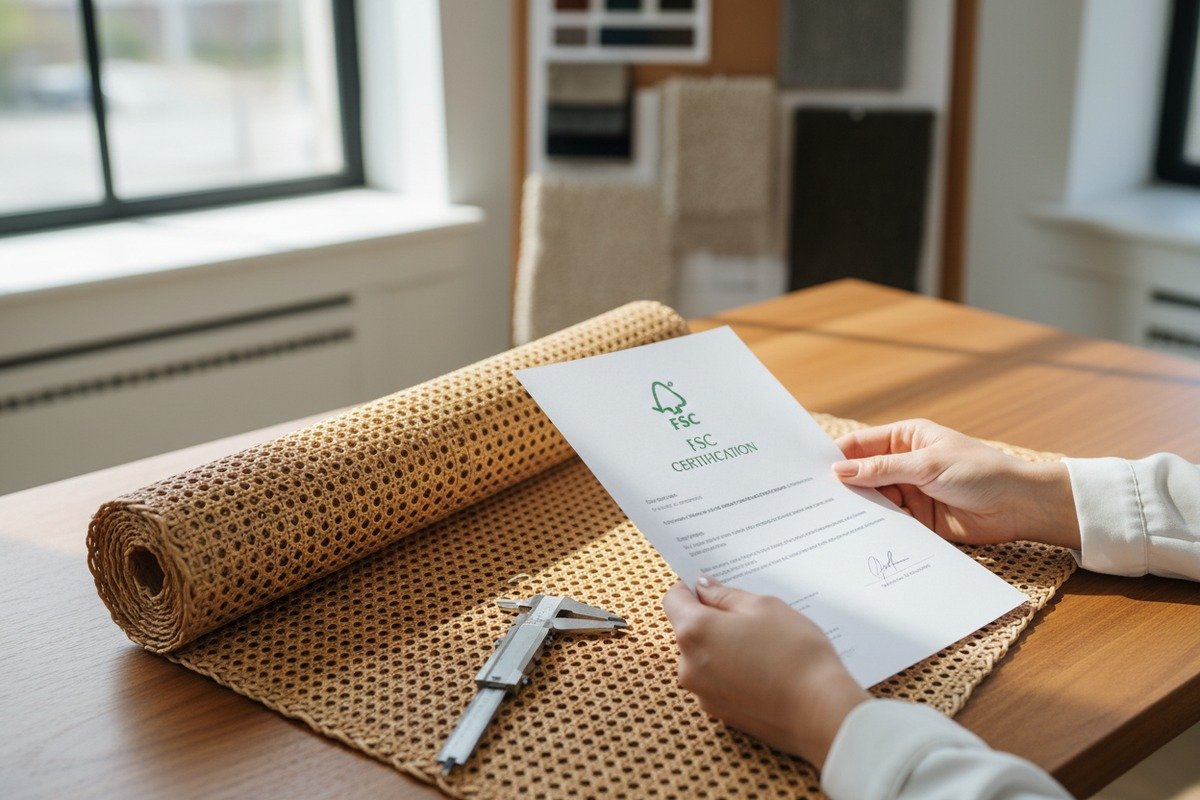
Вы можете проверить устойчивость сбора, запросив сертификаты поставщика, проверив наличие этикеток Лесного попечительского совета (FSC), запросив документацию по отслеживанию, ведущую к конкретным регионам сбора, и подтвердив, что ваш поставщик соблюдает регулируемые правительством циклы вырубки, которые позволяют полностью восстановить ротанг.
Почему прослеживаемость важна как никогда
Ротанг — это лазающая пальмовая лиана. Он растет под пологом тропических лесов Юго-Восточной Азии. В отличие от лиственных деревьев, которым требуется 30–80 лет для созревания, ротанг готов к сбору урожая всего за 5–7 лет. Такая скорость делает его возобновляемым. Но "возобновляемый" не означает автоматически "устойчивый"."
Без надлежащего контроля сборщики могут опустошить территорию. Корневые системы выживают, но окружающая экосистема страдает. Молодые лианы срезаются слишком рано. Местная дикая природа теряет пути для лазания. Лесной полог остается нетронутым, но подлесок повреждается.
Вот почему проверка имеет значение. Вот что мы рекомендуем проверять при оценке поставщика:
Ключевые этапы проверки
| Метод проверки | Что следует запросить | Почему это важно |
|---|---|---|
| Сертификация FSC или PEFC | Номер сертификата и срок действия | Подтверждает независимый аудит практики лесоуправления третьей стороной. |
| Государственные разрешения на сбор урожая | Региональные лицензии на лесозаготовку или сбор урожая от Министерства окружающей среды Индонезии | Обеспечивает соблюдение национальных норм, включая запрет на экспорт необработанного ротанга в 2011 году |
| Записи о прослеживаемости поставщиков | Документация, связывающая готовую тесьму с конкретными местами сбора урожая | Предотвращает смешивание материалов, полученных устойчивым и неустойчивым способом |
| Доказательства партнерства с сообществом | Соглашения с местными сообществами сборщиков | Указывает на справедливые трудовые практики и экономические стимулы для защиты лесов |
| Документация цикла восстановления | Записи, показывающие графики ротации сбора урожая | Доказывает, что ротангу предоставляется достаточно времени (5–7 лет) для восстановления перед повторным сбором урожая |
Индонезийский фактор
Индонезия является крупнейшим производителем ротанга в мире. С 2011 года страна запретила экспорт необработанного, непереработанного ротанга. Этот закон вынудил больше переработки происходить внутри страны. Из нашего опыта работы на предприятии там мы видим преимущества на собственном опыте. Местные работники получают квалифицированную работу. Контроль качества улучшается, поскольку переработка происходит ближе к источнику. А сам запрет действует как слой защиты окружающей среды — он препятствует быстрой, небрежной заготовке, направленной на быструю экспортную прибыль.
Но запрет также увеличил расходы. Индонезийский ротанг премиального качества. Он обладает превосходной прочностью и более насыщенным цветом. Более дешевые альтернативы из Вьетнама или некоторых частей Китая иногда не проходят испытания на долговечность, что означает больше отходов в долгосрочной перспективе.
Что на самом деле означает "Сертифицированный"
Не все сертификаты одинаковы. Некоторые поставщики заявляют об "экологичности" без какого-либо подтверждения третьей стороной. Мы всегда советуем нашим B2B клиентам — мебельным фабрикам, оптовым поставщикам материалов, менеджерам по закупкам — запрашивать конкретные номера сертификатов, которые они могут проверить самостоятельно. Например, подлинность сертификата FSC можно проверить онлайн через базу данных FSC. Если поставщик колеблется предоставить эту информацию, это тревожный сигнал.
Итог: устойчивое снабжение поддается проверке. Для этого нужно просто задавать правильные вопросы и не принимать расплывчатые заверения.
Используются ли в отбеливании и обработке моего ротанга какие-либо вредные химикаты?
Наша производственная команда потратила два года на совершенствование процесса отбеливания, чтобы исключить использование агрессивных химических веществ — и результаты удивили даже нас.
Некоторые предприятия по переработке ротанга по-прежнему используют фумигацию диоксидом серы, ванны с перекисью водорода или методы отверждения дизельным топливом, которые выделяют выбросы и загрязняют воду. Однако современные производители, заботящиеся об окружающей среде, теперь используют обесцвечивание без химикатов или с низким содержанием химикатов, естественную сушку на солнце и обработку против плесени, которые не выделяют летучих органических соединений.
Понимание технологической цепочки
Превращение сырой лозы ротанга в чистую, однородную оплетку, которую вы видите в мебели, включает несколько этапов. Каждый этап несет свои экологические последствия.
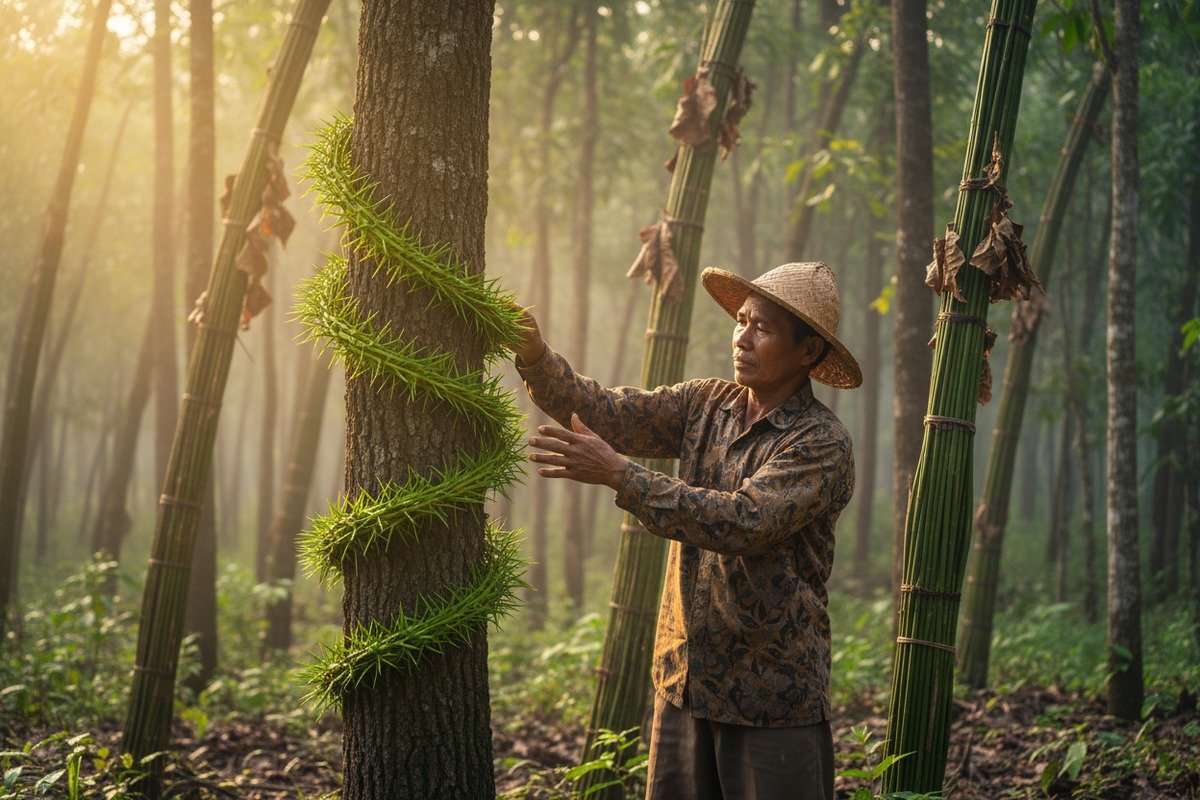
Этап 1: Очистка. Внешний слой стебля ротанга снимается с пальмы ротанга. Это в основном механический процесс. Он производит органические отходы — стружку и пыль — которые биоразлагаемы. Воздействие на окружающую среду здесь минимально.
Этап 2: Сушка и выдержка. Именно здесь исторически возникают проблемы. Традиционные методы включают кипячение стеблей ротанга в дизельном масле. методы обработки дизельным маслом 3 Масло помогает сохранить материал и придает ему гибкость. Но обработка дизельным маслом приводит к выбросам углерода в воздух и может загрязнять близлежащие источники воды, если отработанное масло сливается вместо переработки. На нашем индонезийском предприятии мы отказались от обработки дизельным маслом много лет назад. Естественная сушка на воздухе и контролируемая обработка паром позволяют добиться аналогичных результатов без загрязнения.
Этап 3: Отбеливание. Сырой ротанг имеет естественный светло-коричневый или коричневый цвет. Многие покупатели хотят более светлые, однородные оттенки. Традиционное отбеливание использует соединения серы. Современные методы используют слабые растворы перекиси водорода или вообще обходятся без отбеливания. Ключевой вопрос для покупателей: спросите у своего поставщика, соответствует ли их отбеленный ротанг стандартам качества воздуха в помещениях 4.
Шаг 4: Обработка от плесени. Ротанг — это органический материал. Во влажных условиях на нем может развиваться плесень. Некоторые производители применяют химические фунгициды. Лучшие альтернативы используют натуральные пищевые антиплесневые средства, которые безвредно разлагаются.
Сравнение химической обработки
| Метод обработки | Используемые химикаты | Экологический риск | Современная альтернатива |
|---|---|---|---|
| Отверждение дизельным топливом | Нефтепродукты | Выбросы в атмосферу, загрязнение воды | Отверждение паром, естественная сушка на воздухе |
| Фумигация диоксидом серы 5 | Газ SO₂ | Токсичные пары, опасность для дыхания рабочих | Перекись водорода или отделка без отбеливателя |
| Химическая обработка фунгицидами | Синтетические биоциды | Остатки на готовом продукте, сток воды | Пищевые натуральные противогрибковые средства |
| Отделка синтетическим лаком | Смолы, выделяющие ЛОС | Загрязнение воздуха в помещениях, медленное биоразложение | Натуральные восковые или масляные покрытия, варианты без покрытия |
Вопрос о ЛОС
Летучие органические соединения 6 представляют серьезную проблему для мебели, используемой в помещениях. Когда ротанговое полотно покрывается синтетическими лаками или отделочными материалами, оно может выделять ЛОС в течение нескольких месяцев. Это особенно важно для покупателей в ЕС, США и Австралии, где действуют строгие нормы по качеству воздуха в помещениях.
Мы тестируем наше готовое полотно на выбросы ЛОС в рамках контроля качества. Для наших клиентов, являющихся мебельными фабриками или поставщиками строительных материалов, мы предоставляем отчеты об испытаниях, подтверждающие соответствие таким стандартам, как CARB Phase 2 7 или европейский EN 717. Если ваш текущий поставщик не может предоставить аналогичную документацию, ротанг может содержать химические остатки от обработки.
Что запросить у вашего поставщика
1. Запросите паспорт безопасности материала (MSDS) 2. для готового продукта. Спросите конкретно, использовалась ли обработка дизельным маслом. Спросите об отбеливателе. Это несложные вопросы, но они отличают ответственных производителей от тех, кто экономит на всем. По нашему опыту поставок в Нидерланды, Испанию, США и Австралию, покупатели, которые задают эти вопросы заранее, избегают дорогостоящих проблем с соблюдением нормативных требований в дальнейшем. 8 3. Традиционные методы обработки ротанга с использованием дизельного масла могут выделять вредные выбросы и загрязнять воду, если отходы не утилизируются должным образом.
Как мой выбор натуральных ротанговых материалов влияет на биоразнообразие тропических лесов?
8. Ротанг как хранитель леса.
Ответственно собранный ротанг поддерживает биоразнообразие тропических лесов, предоставляя местным сообществам экономические стимулы для защиты нетронутых лесов, а не для их вырубки под сельское хозяйство. Однако чрезмерный сбор без циклов восстановления повреждает подлесок, сокращает источники пищи для диких животных и нарушает вертикальную связь, от которой зависят лазающие животные.
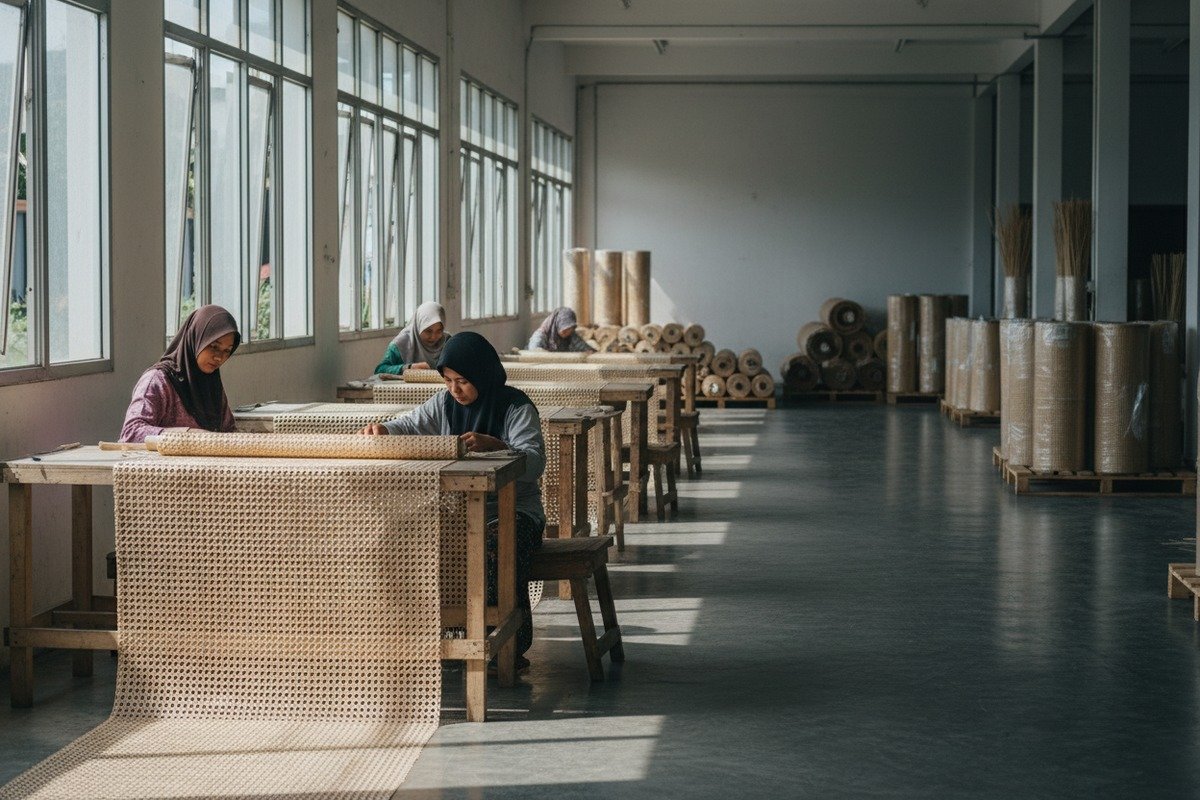
9. Вот основной аргумент в пользу ротанга: он растет только внутри существующих лесов. В отличие от пальмового масла, каучука или сои, для которых требуется сплошная вырубка, ротангу нужна тень и опорная структура зрелых деревьев. Сообщество, которое зарабатывает на жизнь ротангом, имеет прямую финансовую заинтересованность в сохранении леса.
10. Это не теоретические рассуждения. Исследования в Юго-Восточной Азии показывают, что в регионах с активной экономикой, основанной на сборе ротанга, уровень обезлесения ниже, чем в регионах без нее. Лес становится источником дохода, а не препятствием для сельского хозяйства.
11. Проблема чрезмерной эксплуатации.
12. Но вот и обратная сторона. Когда спрос резко возрастает — как это произошло в последние годы из-за глобальной тенденции к натуральным, богемным интерьерам — сборщики сталкиваются с давлением, чтобы собирать больше и быстрее. Лианы ротанга служат физическими путями для древесных животных, таких как приматы, белки и обитающие на деревьях рептилии. Удалите слишком много лиан, и эти животные потеряют возможность перемещаться между кронами деревьев.
13. Молодой ротанг также обеспечивает пищу. Несколько видов производят плоды, которые едят птицы и мелкие млекопитающие. Срезание молодых лиан до плодоношения лишает экосистему источника пищи.
14. Риски монокультуры.
15. Наблюдается растущая тенденция к созданию плантаций ротанга — специально отведенных участков, где ротанг выращивается, а не собирается в дикой природе. На первый взгляд, это кажется положительным. Это снижает давление на дикие леса. Но монокультурное выращивание ротанга несет в себе собственные риски для биоразнообразия:
There is a growing trend toward rattan plantations — dedicated plots where rattan is farmed rather than wild-harvested. On the surface, this seems positive. It reduces pressure on wild forests. But monoculture rattan farming carries its own biodiversity risks:
- Одновидовые посадки привлекают меньше видов насекомых, чем разнообразные подлески лесов.
- Они более уязвимы к вспышкам вредителей и болезням.
- Они не поддерживают сложную структуру среды обитания, которую обеспечивает дикий ротанг.
Самая здоровая модель, основанная на том, что мы видим в полевых условиях, — это управляемый сбор дикорастущего сырья в сочетании с обогатительной посадкой — добавлением саженцев ротанга в существующие леса для дополнения естественного возобновления.
Влияние на биоразнообразие в общих чертах
| Подход к сбору урожая | Влияние на биоразнообразие | Долгосрочное здоровье лесов |
|---|---|---|
| Управляемый сбор дикорастущего сырья с ротацией | Положительное — сохраняет структуру леса, поддерживает коридоры для диких животных | Сильное — леса остаются нетронутыми и экономически ценными |
| Неуправляемый чрезмерный сбор урожая | Отрицательное — устраняет пути миграции диких животных, сокращает источники пищи, повреждает подлесок | Слабое — деградация лесов приводит к снижению экосистемных услуг |
| Монокультурные плантации ротанга | Смешанное — снижает нагрузку на дикие леса, но уменьшает сложность среды обитания | Умеренный — зависит от интеграции с окружающим естественным лесом |
| Обогатительная посадка в естественных лесах | Сильно положительный — дополняет дикие популяции без изменения среды обитания | Сильный — повышает как экономическую отдачу, так и экологическое разнообразие |
Что могут сделать покупатели
Как менеджер по закупкам или оптовый продавец мебельных материалов, ваши решения о закупках оказывают обратное влияние на цепочку поставок. Выбор поставщиков, которые закупают продукцию в управляемых лесах — и уплата справедливой цены за эту закупку — напрямую поддерживает биоразнообразие. Мы видели, как это работает. Когда наши клиенты указывают на ротанговую пальму, полученную из устойчивых источников, это укрепляет экономическое обоснование сохранения лесов на уровне сообщества.
И наоборот, постоянное стремление к самой низкой цене создает давление, которое заставляет сборщиков идти на уловки — буквально. Они собирают более молодые лианы, переходят в неуправляемые районы и пропускают периоды восстановления. Краткосрочная экономия достигается за счет долгосрочных экологических издержек.
Могу ли я позиционировать свою мебель как экологически чистую, если использую натуральную ротанговую плетенку?
Мы помогли сотням мебельных фабрик и оптовых продавцов по всей Европе, на Ближнем Востоке и в Северной Америке разработать свои линейки продуктов — и этот вопрос возникает почти в каждом разговоре.
Вы можете достоверно продавать мебель с натуральным ротанговым плетением как экологически чистую, если вы проверите устойчивость источников, подтвердите отсутствие химикатов или низкое содержание химикатов при обработке и убедитесь, что конечный продукт биоразлагаем. Однако, делая общие заявления о "зелености" без документальных доказательств, вы рискуете обвинениями в гринвошинге и регуляторными штрафами на таких рынках, как ЕС и США.
Заявление об экологичности: что на самом деле требуется
"Экологически чистый" не является регулируемым термином на большинстве рынков. Это делает его как легким для использования, так и опасным при неосторожном использовании. Директива ЕС по зеленым заявлениям 9, ожидается, что вступит в полную силу в ближайшие годы, потребует от компаний подтверждать экологические заявления проверяемыми доказательствами. Руководство Федеральной торговой комиссии США по "зеленым" товарам 10 уже содержит рекомендации против расплывчатых или вводящих в заблуждение экологических маркетинговых заявлений.
Так что вопрос не только в том, "Является ли ротанг экологически чистым?" Настоящий вопрос: "Могу ли я это доказать?"
Создание обоснованного экологически чистого заявления
Вот практическая структура, которой мы делимся с нашими B2B-клиентами:
1. Документируйте свою цепочку поставок. Знайте, где был собран ротанг, кем и по какому плану управления. Мы предоставляем эту документацию в стандартном порядке для наших клиентов, экспортирующих в Нидерланды, Австралию и США.
2. Подтвердите методы обработки. Получите письменное подтверждение — или, что еще лучше, отчеты сторонних испытаний — показывающие, какие химикаты использовались или не использовались. Результаты тестирования ЛОС особенно важны для мебели для помещений.
3. Проверьте биоразлагаемость. Натуральный, необработанный ротанг на 100% биоразлагаем. Он разлагается, не оставляя вредных остатков. Это реальное, проверяемое преимущество перед пластиковыми аналогами из ротанга. Но если ваша ротанговая оплетка была покрыта синтетическим лаком, заявление о биоразлагаемости ослабевает.
4. Сравнивайте честно. Ротанговая оплетка имеет явные преимущества перед многими альтернативами. Используйте фактические сравнения, а не расплывчатые заявления о превосходстве.
Натуральный ротанг против альтернативных материалов
| Материал | Возобновляемый | Биоразлагаемый | Риск VOC | Углеродный след | Долговечность |
|---|---|---|---|---|---|
| Натуральная ротанговая циновка | Да (цикл 5–7 лет) | Да (100%) | Низкий (при отсутствии обработки) | Низкий (легкий, минимальная обработка) | Умеренный (уязвим к влаге/УФ-излучению) |
| Пластик/синтетический ротанг | Нет (на основе нефти) | Нет | От умеренного до высокого | Высокий (производство и добыча сырья) | Высокий (устойчив к погодным условиям) |
| Шпон из твердых пород дерева | Медленный (цикл 30–80 лет) | Да | Умеренный (отделка) | От умеренного до высокого | Высокий |
| Бумажный шнур/плетёная бумага | Да (при использовании из управляемых лесов) | Да | Низкий | Низкий или умеренный | Низкий (хрупкий во влажном состоянии) |
| Cotton webbing | Да (но требует много воды) | Да | Низкий | Умеренный (сельскохозяйственные ресурсы) | Умеренная |
Эта таблица — пример честного сравнения, которое повышает доверие конечных потребителей и проходит проверку регулирующих органов.
Ловушка "зеленого камуфляжа"
Одна ошибка, которую мы часто видим: мебельный бренд использует натуральное плетение из ротанга на одной панели стула, сочетает его с МДФ, синтетическим клеем и пенополиуретаном, а затем маркирует все изделие как "экологичное" из-за компонента из ротанга. Это вводит в заблуждение. Часть из ротанга может быть действительно устойчивой, но продукт в целом — нет.
Лучший подход: конкретно выделить компонент из ротанга. Скажите "с натуральным плетением из ротанга, полученным из устойчивых источников", вместо того чтобы маркировать весь продукт как "зеленый". Это более точно, более обоснованно и более надежно для потребителей, которые все больше осведомлены об экологических заявлениях.
Уход продлевает экологическую выгоду
Один недооцененный аспект устойчивости — срок службы изделия. Ротанг, за которым правильно ухаживают — держат подальше от прямых солнечных лучей и избыточной влаги, периодически протирают влажной тканью — может служить десятилетиями. Каждый год, когда изделие из ротанга остается в использовании, это год, который оно не попадает на свалку. Мы всегда рекомендуем нашим клиентам включать инструкции по уходу в свои готовые изделия. Этот небольшой шаг значительно продлевает экологическую выгоду от выбора натурального ротанга.
Заключение
Натуральное плетение из ротанга — один из самых подлинно устойчивых материалов, доступных мебельной промышленности — при условии ответственного получения, обработки и маркетинга. Ключ к успеху — проверка, прозрачность и честное общение на каждом этапе цепочки поставок.
Сноски
1. Официальный сайт для сертификации FSC и устойчивого лесопользования. ↩︎
2. Redox обсуждает применение пероксида водорода, его устойчивость и экологические преимущества. ↩︎
3. Документ ФАО посвящен обработке ротангового масла, отбеливанию, консервации и связанным с этим экологическим проблемам. ↩︎
4. Агентство по охране окружающей среды США (EPA) предоставляет исчерпывающую информацию о качестве воздуха в помещениях, его влиянии на здоровье и факторах, влияющих на него, служа авторитетным источником стандартов и рекомендаций по качеству воздуха в помещениях. ↩︎
5. CDC предоставляет информацию о воздействии на здоровье и рисках, связанных с воздействием диоксида серы. ↩︎
6. EPA предоставляет информацию о ЛОС и их влиянии на качество воздуха в помещениях и здоровье. ↩︎
7. Калифорнийский совет по воздушным ресурсам (CARB) подробно описывает правила выбросов формальдегида для изделий из древесины. ↩︎
8. OSHA объясняет паспорта безопасности (ранее MSDS) и их важность для химической безопасности. ↩︎
9. Официальная страница Европейской комиссии, посвященная Директиве о зеленых заявлениях для борьбы с гринвошингом. ↩︎
10. Официальное руководство FTC, помогающее маркетологам избегать вводящих в заблуждение экологических заявлений. ↩︎
 English
  Español de México
  العربية
  Deutsch
  Français
  Русский