
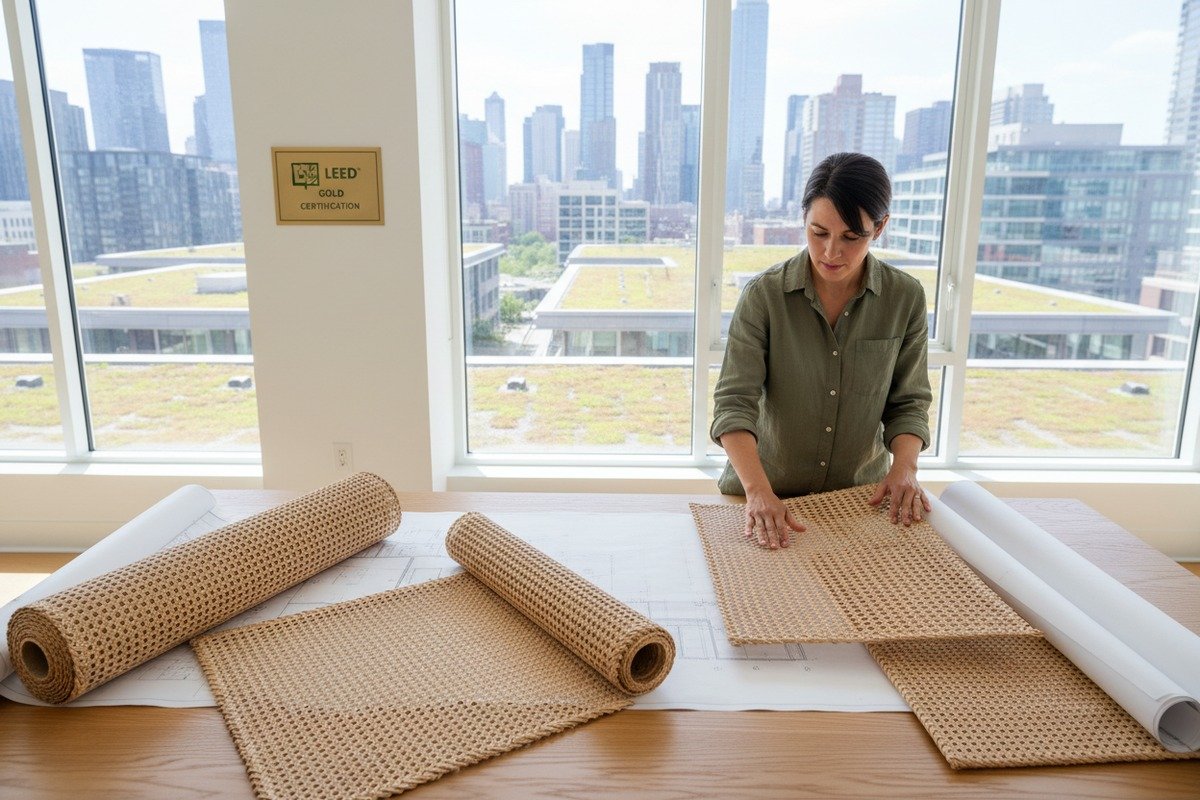
Каждый год мы отправляем сотни контейнеров натуральной ротанговой сетки с нашего производственного предприятия в Индонезии, и архитекторы и менеджеры по закупкам постоянно задают один и тот же вопрос: может ли этот материал действительно помочь получить баллы за экологичное строительство? низкая воплощенная энергия 1? Это справедливый вопрос. Заявления об экологичности строительных материалов могут быть туманными, и никто не хочет инвестировать в продукт, только чтобы обнаружить, что он не влияет на сертификацию. Разрыв между “натуральным” и “сертифицированным экологичным” реален, и это расстраивает проектные группы по всему миру.
Да, натуральное плетение из ротанга может внести значительный вклад в усилия по сертификации экологичного строительства, такие как LEED и BREEAM. Его быстрая возобновляемость, отсутствие ЛОС, низкая энергоемкость и биоразлагаемость соответствуют нескольким категориям кредитов, хотя проверенное устойчивое снабжение и надлежащая документация остаются важными для получения конкретных баллов.
Ниже мы подробно рассмотрим, как натуральный ротанг способствует получению рейтингов экологичного строительства, на какие баллы он может претендовать, где все еще существуют пробелы и что вам нужно от вашего поставщика, чтобы обосновать это документально. Давайте приступим.
Могу ли я получить баллы LEED, используя натуральное ротанговое плетение в своих проектах дизайна интерьера?
Когда мы готовим пакеты документации по материалам для наших B2B клиентов в США и Европе, первой системой, о которой они спрашивают, является LEED. Они хотят знать, приведет ли спецификация ротанговой сетки для мебельных панелей, потолочных покрытий или мебельных компонентов к получению реальных баллов в рейтинге.
Натуральная ротанговая сетка может способствовать получению баллов LEED в категориях «Материалы и ресурсы» (быстро возобновляемые материалы, низкий воплощенный углерод) и «Качество внутренней среды» (низкие выбросы ЛОС), но для получения баллов требуется документация об эквивалентном FSC-источнике и доказательство соответствия проекту от вашего поставщика.
Понимание категорий баллов LEED для ротанга
LEED v4.1, текущая доминирующая структура, организует баллы по категориям. Натуральный ротанг не имеет отдельной выделенной строки для баллов. Вместо этого он может набирать баллы в нескольких категориях при надлежащем документировании. Ключевыми категориями являются Материалы и ресурсы 2 (MR) и Качество внутренней среды (EQ).
В рамках кредита MR: Раскрытие информации о строительных продуктах и оптимизация, ротанг может принести баллы, если поставщик предоставит Экологические декларации продукции 3 (EPD) или продемонстрирует ответственное снабжение. В рамках кредита EQ: Материалы с низким уровнем выбросов, присущие натуральному ротангу свойства с нулевым содержанием ЛОС дают ему явное преимущество перед панелями из инженерной древесины или пластиковыми альтернативами.
Где ротанг занимает место в таблице баллов LEED
| Категория кредитов LEED v4.1 | Соответствующий кредит | Как ротанг соответствует требованиям | Максимальное количество баллов |
|---|---|---|---|
| Материалы и ресурсы | Источники сырья | Сертификация FSC или эквивалентная система отслеживания происхождения ротанга | 2 |
| Материалы и ресурсы | Раскрытие информации о строительных материалах | Отчет EPD или отчет производителя о прозрачности | 2 |
| Качество внутренней среды 4 | Материалы с низким уровнем выбросов | Нулевое содержание ЛОС; отсутствие выделения газов | 3 |
| Инновации | Инновационный кредит | Биофильный дизайн 5 Интеграция с использованием натурального ротанга | 1 |
Пробел в документации
Вот честная правда с нашей стороны. Мы работаем напрямую со сборщиками ротанга в Калимантане и Сулавеси. Мы можем проследить происхождение нашего материала до конкретных лесных сообществ. Но ротанг пока не имеет общепризнанной маркировки сертификации, как FSC сертифицирует древесину. Это означает, что вашему рецензенту LEED могут потребоваться дополнительные доказательства.
На практике работает предоставление письма от поставщика с указанием места сбора, данных о цикле роста (наш ротанг созревает за 5–7 лет), методов обработки (ручное плетение или с помощью машин, без химической обработки) и логистики транспортировки. Некоторые из наших клиентов в Нидерландах и Австралии успешно использовали этот пакет документов для удовлетворения требований кредитов MR.
Реальное применение
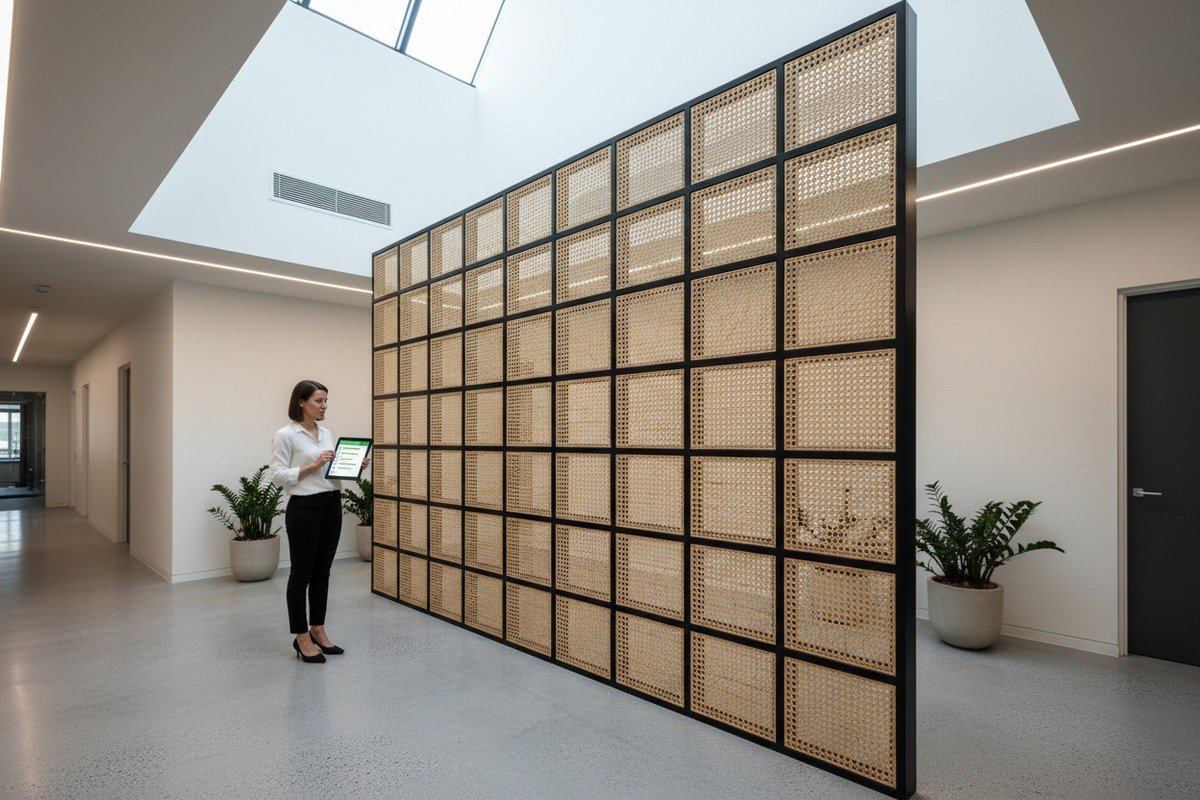
Рассмотрите вариант отделки офиса уровня LEED Platinum. Штаб-квартира самой USGBC использовала напольное покрытие из дуба, сертифицированного FSC, чтобы получить кредиты MR. Плетеная сетка из ротанга, применяемая для перегородок или потолочных экранов, может следовать той же логике. Материал быстро возобновляется, легкий (снижает выбросы при транспортировке) и не требует химической отделки. Это измеримые, документируемые преимущества.
Ключевой вывод таков: ротанг может принести кредиты LEED, но вы не можете просто установить его и ожидать, что баллы появятся сами собой. Вам нужен поставщик, который предоставит документацию. С нашего завода мы теперь включаем лист данных об устойчивости с каждым оптовым заказом именно по этой причине.
Как возобновляемость моего источника ротанга способствует моему рейтингу экологичного строительства?
С нашего предприятия по переработке ротанга в Индонезии мы видим полный цикл роста своими глазами. Лозы ротанга поднимаются сквозь тропический лесной полог, достигая зрелости для сбора урожая гораздо быстрее, чем любые древесные породы. Эта скорость имеет огромное значение для рейтингов экологичного строительства.
5–7-летний цикл роста ротанга классифицирует его как быстро возобновляемый ресурс, что является критически важным фактором для систем экологичного строительства, таких как LEED, BREEAM и WELL. В отличие от твердых пород древесины, которым требуется 20–30 лет, ротанг быстро восстанавливается без вырубки лесов, что напрямую способствует возобновляемости и получению кредитов за ответственное снабжение.
Что делает ротанг "быстро возобновляемым"?
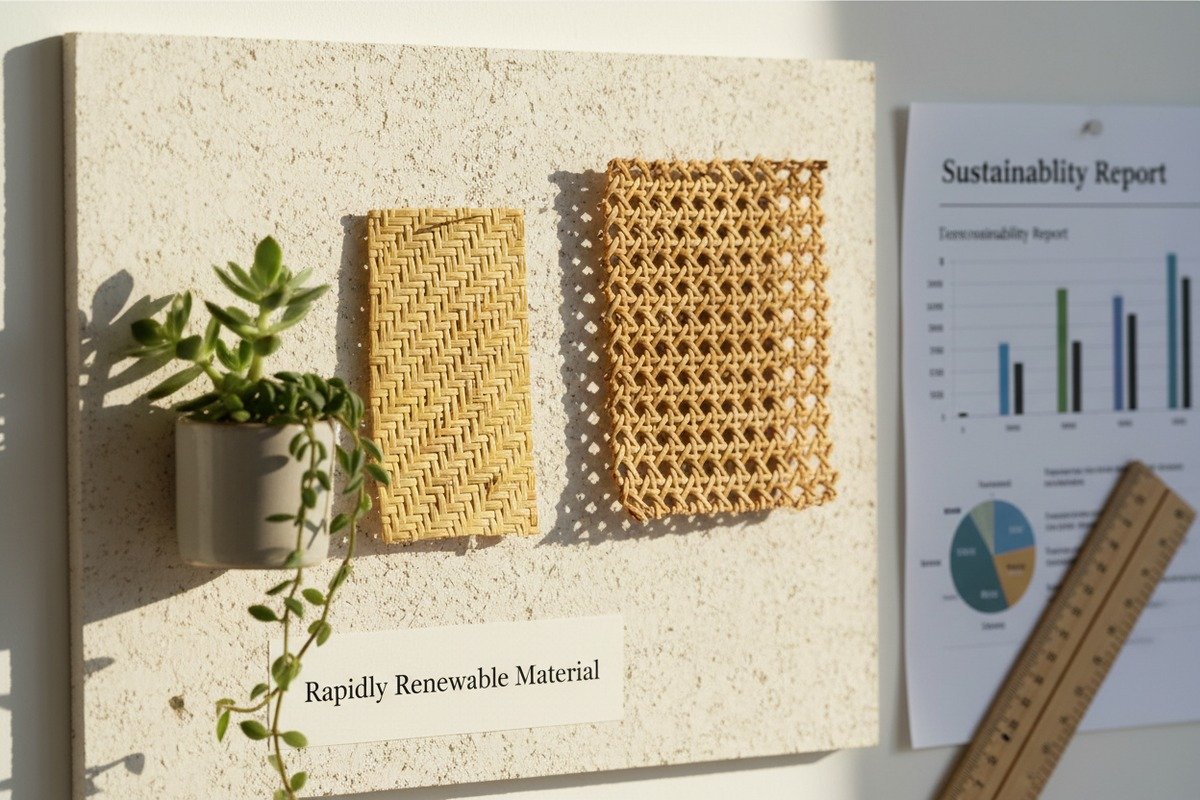
Системы рейтингов экологичного строительства определяют быстро возобновляемые материалы 7 как те, которые собираются в течение 10 лет или менее. Ротанг полностью соответствует этому определению. Большинство коммерческих видов ротанга созревают за 5–7 лет. Сравните это с дубом (60–80 лет), тиком (25–40 лет) или даже бамбуком (3–5 лет для некоторых видов, но требующих другой обработки).
Важное отличие заключается в том, как собирают ротанг. Это лиана, а не дерево. Сборщики срезают лозу, а корневая система остается живой. Лесной полог остается нетронутым. Никакой сплошной вырубки. Пересадка не требуется. Это принципиально отличается от заготовки древесины, и оценщики экологичного строительства признают это различие.
Таблица сравнения циклов роста
| Материал | Рост до сбора урожая | Влияние сбора урожая на лес | Требуется пересадка | Статус быстро возобновляемого ресурса |
|---|---|---|---|---|
| Натуральный ротанг | 5–7 лет | Нет (только срезание лозы) | Нет (отрастает от корня) | Да |
| Бамбук | 3–5 лет | Минимальное (сбор урожая пучками) | Нет (корневище отрастает) | Да |
| Дуб твердый | 60–80 лет | Высокое (валка деревьев) | Да | Нет |
| Тик | 25–40 лет | От умеренного до высокого | Да | Нет |
| Сосна плантационная | 15–25 лет | Умеренная | Да | Нет |
Поглощение углерода и сохранение лесов
Существует вторичная выгода, которую проектные группы часто упускают из виду. Выращивание ротанга на самом деле стимулирует сохранение лесов. Ротанг не может расти без полога деревьев-хозяев. У общин, собирающих ротанг, есть прямая экономическая причина сохранять леса. Это создает положительную обратную связь: чем выше спрос на ротанг, тем больше лесов охраняется.
Для продвинутого учета углерода в проектах экологичного строительства биогенный углерод, хранящийся в натуральной ротанговой сетке, поддается количественной оценке. Материал поглощает CO2 во время фазы роста и сохраняет его в строительном компоненте на протяжении всего срока службы. Когда здание в конечном итоге выводится из эксплуатации, ротанг биоразлагаем и может вернуться в биологический цикл без выделения синтетических загрязнителей.
Как это переводится в рейтинговые баллы
В BREEAM категория «Материалы» (Mat 01) оценивает воздействие на окружающую среду на протяжении всего жизненного цикла, включая истощение ресурсов. Быстро возобновляемый материал, такой как ротанг, получает здесь высокие оценки. В LEED раздел MR Credit: Sourcing of Raw Materials вознаграждает проекты, использующие материалы на биологической основе с короткими циклами сбора урожая.
Мы видели, как менеджеры по закупкам мебельных фабрик в Турции и Испании начали запрашивать нашу документацию по возобновляемости специально для коммерческих интерьеров, оцененных по BREEAM. Тенденция очевидна: оценщики хотят получить фактические данные о циклах роста, методах сбора урожая и прозрачности цепочки поставок. Наша команда теперь включает информационный бюллетень о возобновляемости с графиками циклов роста и описаниями практики сбора урожая в качестве стандарта.
Суть в том, что возобновляемость ротанга — это не просто маркетинговое заявление. Это измеримый, документируемый атрибут, который напрямую учитывается в алгоритмах оценки экологичного строительства. Но материал необходимо сочетать с проверенными данными об источнике. Рулон ротанговой сетки без происхождения — это просто рулон сетки. Рулон с документированным происхождением, циклом сбора урожая и информацией о цепочке поставок — это актив для экологичного строительства.
Помогут ли свойства натурального ротанга с низким содержанием ЛОС соответствовать экологическим стандартам моего проекта?
На нашей производственной линии в Фошане мы обрабатываем ротанговую сетку без химических клеев, синтетических покрытий или формальдегидных обработок. Это не специальное экологичное улучшение. Это просто то, как изготавливается натуральная ротанговая сетка. И оказывается, это имеет большое значение для стандартов качества воздуха в помещениях.
Натуральное ротанговое плетение не выделяет летучих органических соединений (ЛОС), поскольку оно не подвергается химической обработке в процессе производства. Это присущее свойство напрямую поддерживает кредиты по качеству внутренней среды в LEED, BREEAM и WELL Building Standard, помогая проектам соответствовать строгим пороговым значениям для материалов с низким уровнем выбросов без дополнительного тестирования или обработки.
Почему ЛОС важны в экологичном строительстве
Летучие органические соединения — это химические вещества, которые выделяются из строительных материалов при комнатной температуре. Они вызывают головные боли, раздражение дыхательных путей и долгосрочные проблемы со здоровьем. Распространенные источники включают краски, клеи, изделия из древесины (МДФ, фанера с мочевиноформальдегидными связующими), виниловые напольные покрытия и материалы на основе пластмасс.
Стандарты экологичного строительства устанавливают строгие ограничения на выбросы ЛОС. LEED v4.1 EQ Credit: Low-Emitting Materials требует, чтобы процент всех внутренних продуктов соответствовал определенным пороговым значениям ЛОС. WELL Building Standard 8 идет дальше, требуя постоянного мониторинга качества воздуха и тестирования материалов.
Натуральный ротанг против распространенных альтернатив
Здесь натуральный ротанг имеет явное, измеримое преимущество. Дело не в том, что ротанг был обработан для снижения содержания ЛОС. У него их просто никогда не было. Материал представляет собой внешнюю оболочку ротанговой пальмы, расщепленную, высушенную и сплетенную. Без смол. Без связующих. Без синтетических покрытий.
| Материал | Типичные выбросы ЛОС | Химическая обработка | Влияние на качество воздуха в помещении |
|---|---|---|---|
| Натуральная ротанговая тесьма | Ноль | Не требуется | Положительное (нет выделения газов) |
| МДФ / ДСП | Высокое (формальдегид) | Связующие на основе мочевино-формальдегидных смол | Отрицательное (постоянное выделение газов) |
| Пластиковый ротанг (ПВХ/ПЭ) | Умеренная | Пластификаторы, УФ-стабилизаторы | Умеренная обеспокоенность |
| Фанера (интерьерная) | Умеренная | Клей на основе фенолформальдегидных смол | Умеренная обеспокоенность |
| Массив твердой древесины (необработанный) | Очень низкий | Дополнительные покрытия могут добавлять ЛОС | В целом положительный |
Регулирование влажности: Недооцененное преимущество
Натуральный ротанг гигроскопичен. Он пассивно поглощает и выделяет влагу. На практике это означает, что ротанговые плетеные панели, установленные в помещениях, помогают сглаживать колебания влажности. Это не драматический эффект, но он измерим и способствует показателям комфорта жильцов.
Стандарт WELL Building Standard v2 включает в себя раздел "Тепловой комфорт" и раздел "Влажность". Пассивное регулирование влажности ротангом поддерживает оба. У нас были архитекторы из Австралии и ОАЭ, которые выбирали нашу плетенку для потолочных панелей отчасти по этой причине. Материал дышит. Пластиковый ротанг — нет.
Воздухопроницаемость и биофильный дизайн
Существует также эстетическое и психологическое измерение. Биофильный дизайн — практика включения природных элементов в построенную среду — все чаще признается в системах "зеленого строительства". Баллы LEED за инновации могут быть получены за стратегии биофильного дизайна. Натуральный ротанг с его видимой органической текстурой и теплыми оттенками — это хрестоматийный биофильный материал.
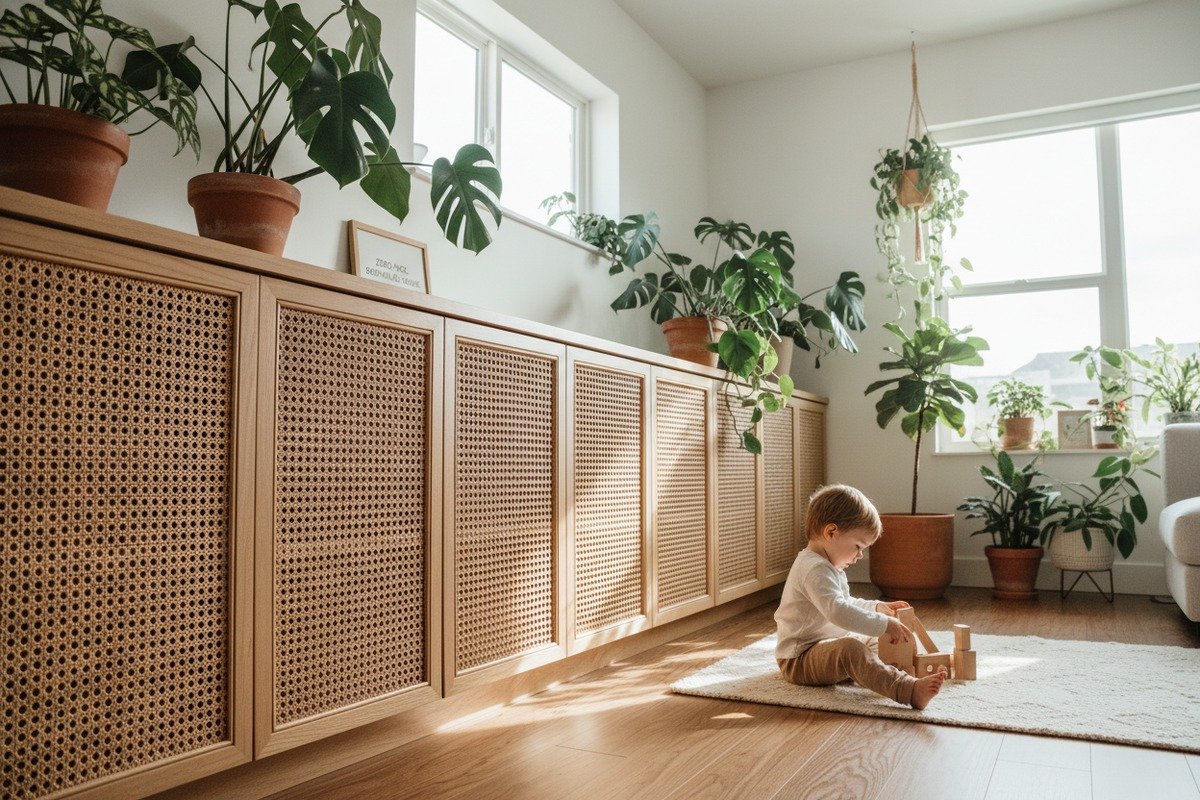
С практической точки зрения, использование натурального ротанга для вставок в шкафы, перегородок или декоративных настенных панелей одновременно решает две задачи. Он соответствует требованию к материалам с низким уровнем выбросов и способствует стратегиям биофильного дизайна. Это редкая возможность "два в одном" в мире "зеленого строительства".
На что обратить внимание
Одно предостережение: если вы нанесете на натуральный ротанг синтетическое покрытие, морилку или герметик, вы можете добавить ЛОС и свести на нет это преимущество. Мы рекомендуем клиентам, которым нужны цветовые решения, рассмотреть наши полуотбеленные или натурально окрашенные варианты ротанга вместо нанесения химических морилок после установки. Это сохраняет целостность материала с нулевым содержанием ЛОС, при этом предлагая эстетическую гибкость.
Могу ли я полагаться на оценку жизненного цикла натурального ротанга для повышения рейтинга устойчивости моего здания?
Когда мы проводим собственные внутренние сравнения между натуральным ротангом и синтетическими альтернативами, которые мы также поставляем, показатели жизненного цикла рассказывают убедительную историю. От добычи сырья до утилизации в конце срока службы натуральный ротанг неизменно превосходит синтетические варианты по показателям воздействия на окружающую среду. Но вопрос в том, примут ли оценщики "зеленого строительства" эту историю.
Оценка жизненного цикла (LCA) натурального ротангового плетения показывает низкую встроенную энергию, минимальные выбросы при переработке, длительный срок службы и полную биоразлагаемость по окончании срока службы. Эти характеристики могут улучшить показатели устойчивости в системах LEED, BREEAM и других системах, при условии, что данные будут задокументированы посредством деклараций экологических характеристик продукции или эквивалентных сторонних оценок.
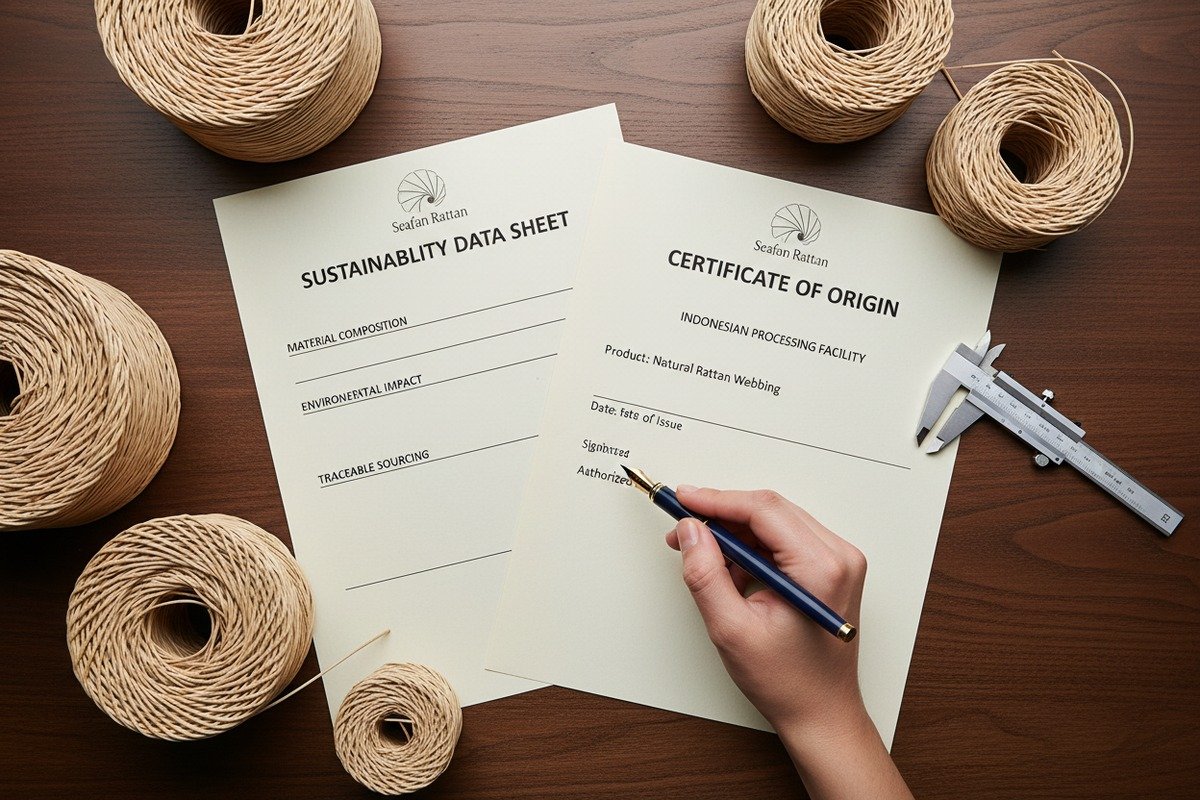
Четыре этапа жизненного цикла ротанга
Понимание полного жизненного цикла помогает прояснить, где ротанг получает свои экологические преимущества.
Этап 1: Добыча сырья. Ротанг добывается в тропических лесах Индонезии, в основном на Калимантане и Сулавеси. Добыча ведется вручную. Рабочие срезают зрелые лианы ручными инструментами. Тяжелой техники нет, нет сплошных вырубок и нарушения почвенного покрова. Энергозатраты на этом этапе практически равны нулю ископаемого топлива.
Этап 2: Обработка и производство. На нашем индонезийском предприятии добытый ротанг очищается, сушится (стандартно — на солнце), а внешняя оболочка расщепляется для изготовления плетеной сетки. Плетение выполняется вручную или с помощью низкоэнергетического машинного оборудования. Химическая обработка не применяется. Весь процесс генерирует минимальное количество отходов, поскольку обрезки используются для изготовления мелких изделий или компостируются.
Этап 3: Фаза использования. Натуральная ротанговая сетка, при правильной установке в помещении, служит 10–20 лет и более. Она не требует химических средств для ухода. Она не ухудшает качество воздуха в помещении. Она обеспечивает пассивное регулирование влажности. На этом этапе биогенный углерод, хранящийся в ротанге, остается секвестрированным.
Этап 4: Конец жизненного цикла. Натуральный ротанг на 100% биоразлагаем. Его можно компостировать, повторно использовать или сжигать для получения энергии без выделения токсичных выбросов. Его также можно разобрать из мебели или панелей и повторно использовать в новых проектах, поддерживая модели циркулярной экономики.
Сравнение жизненного цикла: Натуральный ротанг против альтернатив
| Этап жизненного цикла | Натуральная ротанговая тесьма | Пластиковый ротанг (ПЭ/ПВХ) | МДФ-панель |
|---|---|---|---|
| Сырье | Возобновляемая лиана, ручная добыча | Получено из нефти | Древесная щепа + формальдегидная смола |
| Энергия при переработке | Очень низкая (сушка на солнце, ручное плетение) | Высокая (экструзия, формование) | Высокая (прессование, химическое склеивание) |
| Выбросы ЛОС при использовании | Ноль | Низкий или умеренный | Высокий (выделение формальдегида) |
| Срок службы (в помещении) | 10–20+ лет | 15–25 лет | 10–15 years |
| Конец срока службы | Биоразлагаемый, компостируемый | Свалка или переработка (ограниченно) | Свалка (не подлежит переработке из-за смол) |
| Углеродный след | Углеродно-отрицательный (биогенное хранение) | Углеродно-положительный (ископаемые выбросы) | Углеродно-положительный (обработка + транспортировка) |
Проблема EPD
Здесь мы должны быть откровенны. По состоянию на 2025 год не существует широко доступной, проверенной третьей стороной Декларации экологических характеристик продукта (EPD) специально для натурального ротангового плетения. EPD являются золотым стандартом для документирования жизненного цикла (LCA) в системах экологичного строительства. Без нее проектные группы должны полагаться на данные, предоставленные производителем, которые имеют меньший вес для оценщиков.
В настоящее время мы сотрудничаем с консультантами по устойчивому развитию для разработки данных, готовых для EPD, для наших основных продуктов из ротангового плетения. Это пробел в масштабах всей отрасли. Ротанг не имеет такой институциональной инфраструктуры сертификации, которую древесина создавала десятилетиями через FSC и PEFC. Но основополагающие данные об экологических характеристиках сильны. Материалу просто нужны лучшие системы документирования.
Практические шаги для проектных групп
Если вы выбираете натуральный ротанг для проекта с экологической сертификацией, мы рекомендуем следующее:
- Запросите у поставщика паспорт данных по устойчивому развитию, включающий информацию о цикле роста, методе сбора урожая, энергозатратах на переработку и расстоянии транспортировки.
- Уточните, имеет ли поставщик сертификацию FSC по цепочке поставок или эквивалентную проверку этичного происхождения.
- Задокументируйте статус материала как не содержащего ЛОС и его биоразлагаемость для подачи заявок на кредиты EQ и MR.
- Если вы стремитесь к получению сертификата BREEAM Mat 01, используйте данные поставщика для заполнения модуля оценки воздействия на жизненный цикл.
- Учитывайте содержание биогенного углерода в материале для продвинутого учета углерода в проектах с нулевым выбросом углерода.
История жизненного цикла натурального ротанга действительно сильна. Проблема не в производительности, а в документации. По мере развития отрасли и роста спроса со стороны проектов экологичного строительства мы ожидаем появления специализированных сертификатов и EPD для ротанга. До тех пор проактивное сотрудничество между поставщиком и клиентом является лучшим путем вперед.
Заключение
Натуральная ротанговая сетка — это действительно прочный материал для сертификации экологичного строительства 9, но для полного раскрытия его потенциала в таких системах, как LEED и BREEAM 10. , требуется надлежащая документация и проверенное происхождение. Работайте с поставщиком, который предоставляет данные, и кредиты последуют.
Сноски
1. Определяет и обсуждает материалы с низкой встроенной энергией в строительстве. ↩︎
2. Официальная страница категории кредитов LEED по материалам и ресурсам. ↩︎
3. Официальный сайт экологических деклараций продукции (EPD), объясняющий их назначение и стандарты. ↩︎
4. Официальная страница категории кредитов LEED по качеству внутренней среды. ↩︎
5. Известный ресурс, подробно описывающий паттерны биофильного дизайна. ↩︎
6. EPA предоставляет информацию о ЛОС и их влиянии на качество воздуха в помещениях. ↩︎
7. Объясняет быстро возобновляемые материалы в контексте зеленого строительства, включая циклы сбора урожая. ↩︎
8. Официальный сайт WELL Building Standard, посвященный здоровью и благополучию человека. ↩︎
9. Официальный сайт LEED, крупной системы сертификации зеленого строительства. ↩︎
10. Официальный сайт BREEAM, ведущего метода оценки устойчивости зданий. ↩︎
 English
  Español de México
  العربية
  Deutsch
  Français
  Русский