
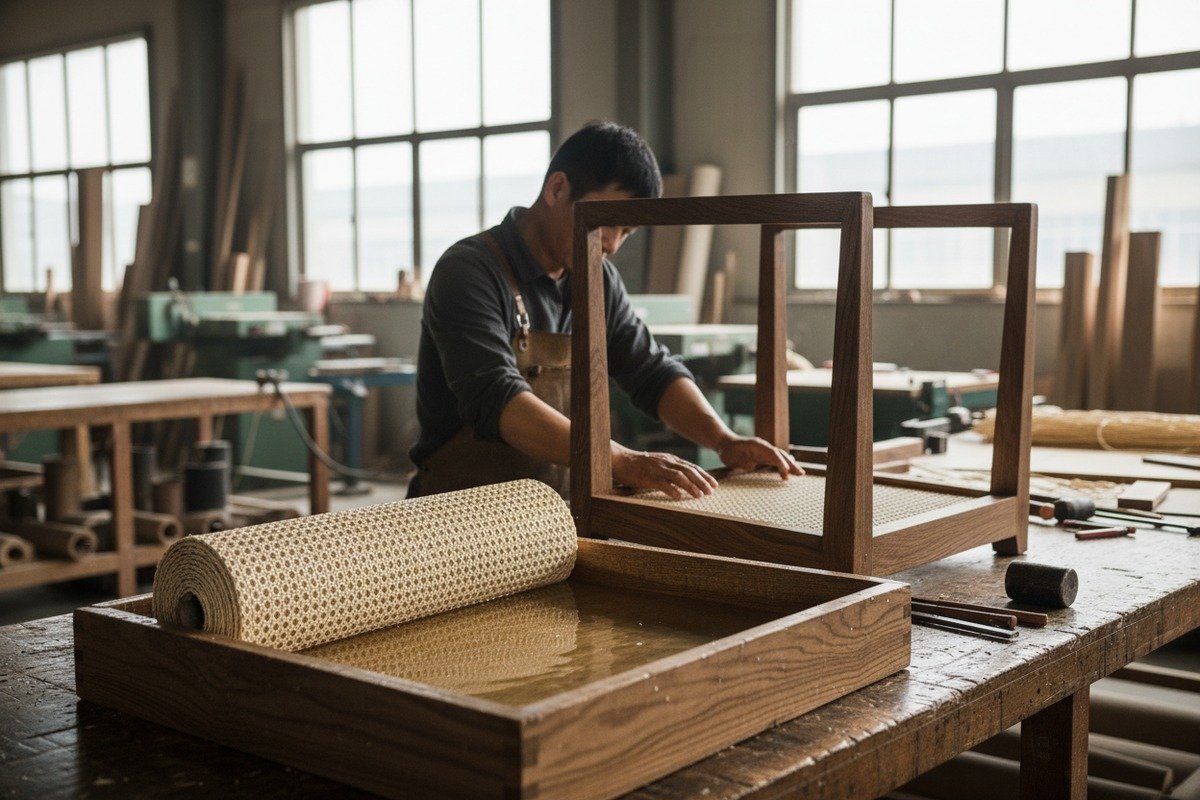
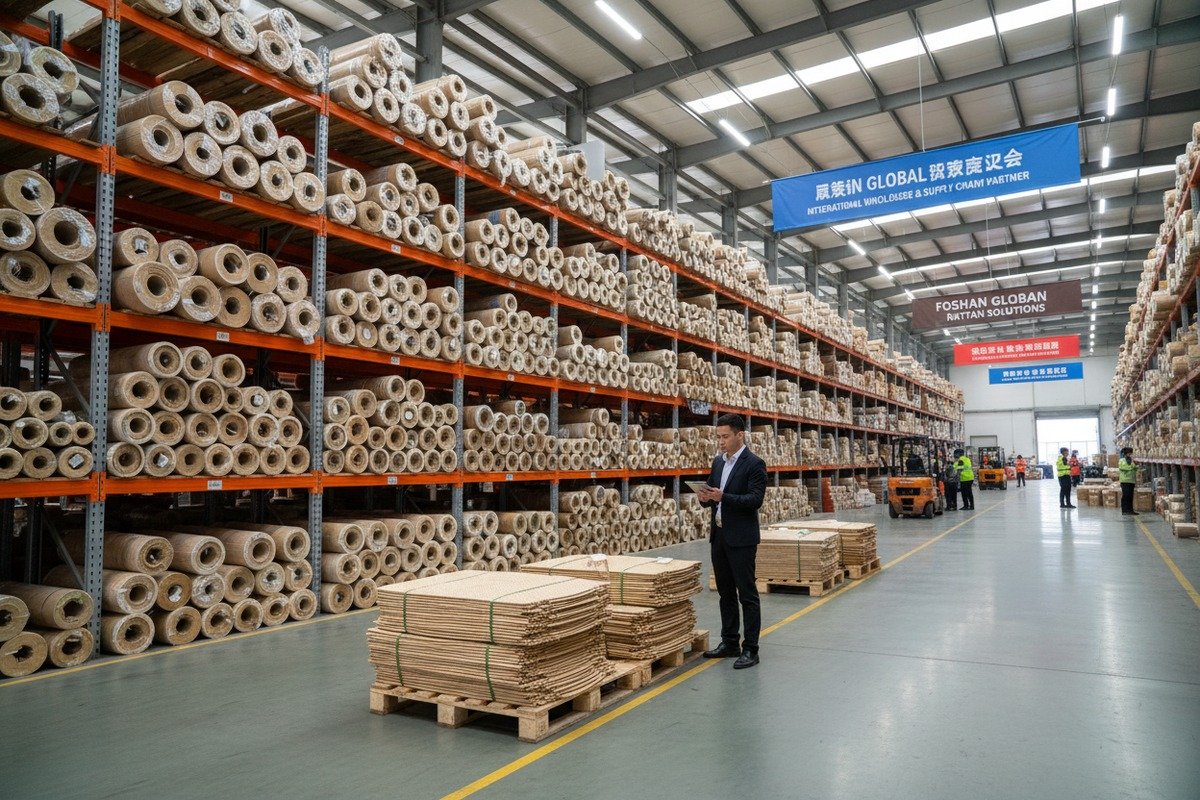
Mismatched materials, sagging webbing, and cracked frames—these are nightmares we see every week on our production floor in Foshan.
To pair rattan cane webbing with wooden frames, soak the webbing in warm water for 15–30 minutes, cut it 2–3 cm larger than the frame, secure it using staples, splines, or adhesive depending on your frame type, and let it dry naturally to achieve a tight, lasting finish.
This guide walks you through installation, wood selection 1, tension techniques, and weave pattern choices. Whether you run a furniture factory or a materials wholesale business, you will find practical answers below.
How do I properly install rattan cane webbing into my wooden furniture frames?
We ship rattan webbing to over 20 countries, and the number one question our clients ask before their first order is about installation. Wrong methods cause waste, frustration, and unhappy end customers.
To install rattan cane webbing properly, soak it in warm water for 15–30 minutes, stretch it across the wooden frame starting from the center, secure it with staples or a spline-and-groove system, trim the excess, and allow it to dry naturally so it shrinks into a taut surface.
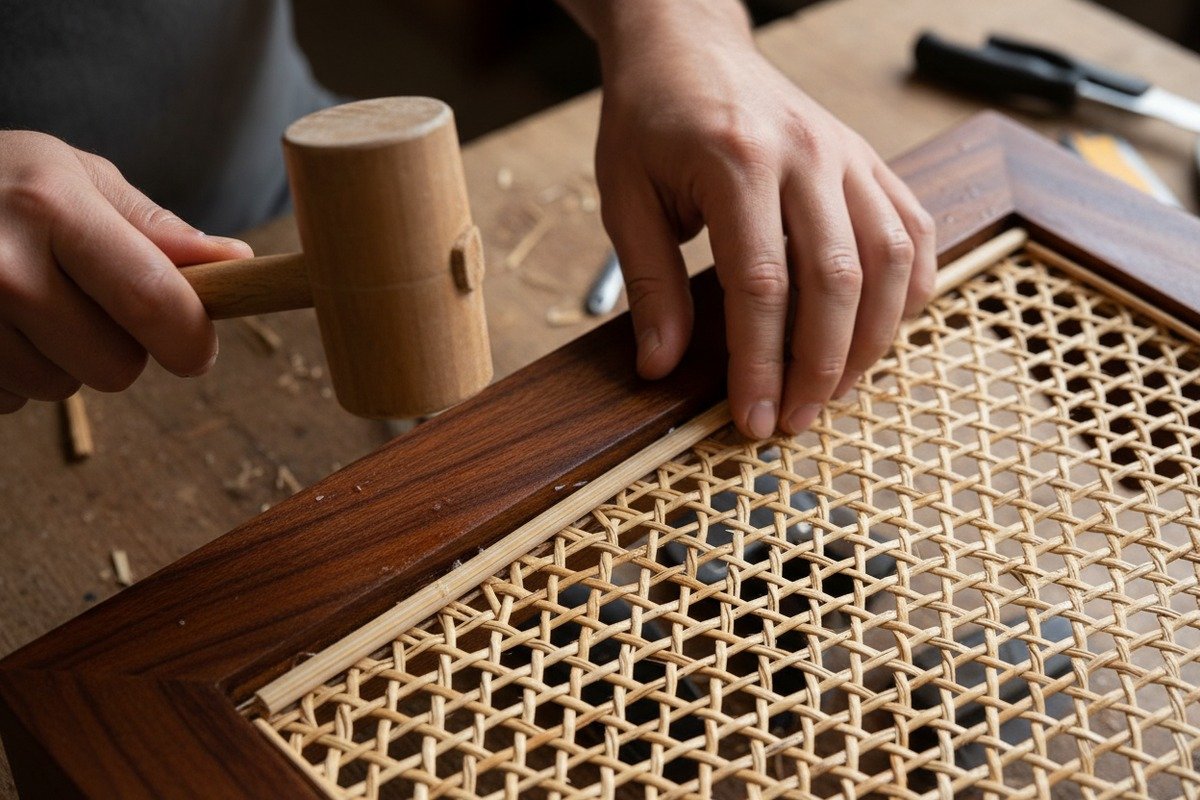
Шаг 1: Подготовьте материалы
Before you touch the webbing, get your workspace ready. Lay the wooden frame flat on a clean surface. Clamp it down if possible. This prevents warping during the gluing process. Measure the inside dimensions of the frame opening. Then cut your rattan webbing 2–3 cm larger on every side. This extra material gives you room to grip, adjust, and secure.
Step 2: Soak the Webbing
Submerge the cut piece in warm water. Aim for 15–30 minutes. The water softens the natural cane fibers 2 and makes them flexible. Do not soak longer than 30 minutes. Over-soaking weakens the strands and can darken the color. In our factory, we use a timer to keep batches consistent.
Step 3: Choose Your Securing Method
There are five main ways to attach webbing to a frame. Each suits a different project type.
| Метод | Лучше всего подходит для | Skill Level | Необходимые инструменты |
|---|---|---|---|
| Wrap, Glue & Staple | Beginners, flat frames | Легко | Staple gun, wood glue |
| Rear-Mounted with Trim | Cabinet backs, door panels | Easy–Medium | Staple gun, trim strips, nails |
| Rebate Installation | Professional furniture | Средний | Chisel or router, trim, nails |
| Router Groove with Spline 3 | High-end chairs, durable panels | Medium–Hard | Router, cane spline, wood glue, mallet |
| Direct Panel Adhesion | Flat decorative panels | Средний | Contact adhesive |
Запрет wrap, glue, and staple method is the fastest. Place the wet webbing over the frame opening. Fold the edges around the frame's top. Apply a thin line of wood glue. Then staple from the center outward. This keeps tension even and prevents wrinkles.
Запрет router groove with spline method delivers the best results for chairs and high-end furniture. A groove is routed around the frame opening. You press the wet webbing into the groove. Then you push a cane spline on top using a mallet. Add a thin bead of wood glue for extra hold.
Step 4: Trim and Finish
Once secured, use a sharp utility knife to trim excess webbing. Cut close to the staple line or groove. If you want a cleaner look, add decorative wood trim over the raw edges. This hides staples and gives a polished result.
Step 5: Dry Naturally
Let the webbing dry in a cool room with indirect light. As it dries, rattan shrinks. This natural shrinkage is what creates that perfectly taut surface. Never use a heat gun or place the piece in direct sunlight. Forced drying causes warping and cracking.
Which types of wood are most compatible with my rattan webbing projects?
When we source timber for sample frames at our Foshan facility, the wood species matters just as much as the webbing quality. A beautiful weave on a poor frame is a recipe for returns.
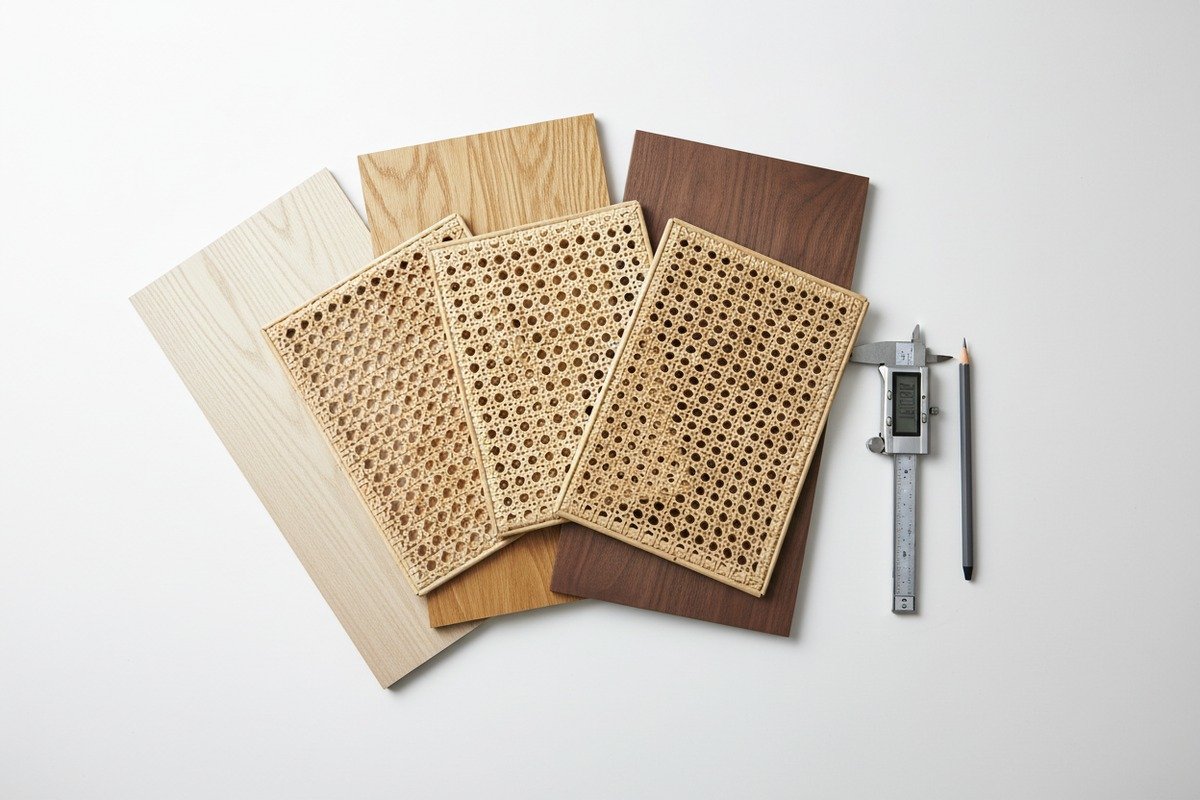
Hardwoods like oak, ash, beech, and teak are most compatible with rattan webbing projects because they hold staples firmly, accept routed grooves cleanly, and resist warping. Lighter woods like maple or birch offer a modern contrast, while darker woods like walnut create a richer, traditional aesthetic.
Why Wood Choice Matters
Rattan webbing exerts constant tension on the frame. If the wood is too soft, staples pull out. If it warps easily, the webbing loosens. If the grain is too rough, it tears the cane where it wraps around edges. The right wood resists all three problems.
Hardwoods vs. Softwoods
Hardwoods are the clear winner for most rattan projects. Janka hardness 5 They are dense, stable, and durable. Softwoods like pine can work for decorative panels with low tension, but they are not ideal for chairs or high-use items.
| Wood Species | Hardness (Janka) | Best Use with Rattan | Aesthetic Match |
|---|---|---|---|
| Oak | 1,290 lbf | Chair frames, cabinet doors | Classic, warm grain |
| Ash | 1,320 lbf | Dining chairs, headboards | Light, clean look |
| Beech | 1,300 lbf | Bentwood frames, panels | Smooth, subtle grain |
| Teak | 1,070 lbf | Outdoor furniture | Rich golden tone |
| Walnut | 1,010 lbf | Accent panels, sideboards | Dark, luxurious |
| Maple | 1,450 lbf | Modern cabinet doors | Pale, contemporary |
| Pine | 690 lbf | Low-tension decorative panels | Rustic, budget-friendly |
Matching Color and Tone
Natural rattan webbing has a light beige to straw yellow tone. It pairs beautifully with almost any wood. However, the contrast level changes the mood of the piece.
Light woods like birch and maple create a Scandinavian, minimalist feel. The tones blend softly. Dark woods like walnut and mahogany produce a high-contrast, traditional feel. The rattan pattern pops against the rich background. Medium woods like oak and teak sit in the middle, offering a warm, balanced look that suits most interiors.
Sustainability Considerations
For an enhanced sustainable design, pair rattan cane webbing with reclaimed wood, bamboo, or FSC-certified timber frames 6. Many of our European clients—especially from the Netherlands and Spain—specifically request sustainably sourced materials. Rattan is already a fast-growing, renewable resource. Matching it with responsibly harvested wood completes the eco-friendly story.
Избегайте этих распространенных ошибок
Do not use untreated softwood for outdoor rattan projects. It absorbs moisture and swells, loosening the webbing. Do not pair rattan with heavily lacquered or painted wood if you plan to use adhesive—the glue will not bond properly. Sand the contact areas first.
How can I ensure my rattan webbing stays tight and durable on a wooden frame?
Loose webbing is the complaint we hear most from first-time buyers. After processing thousands of orders across our three factories, we have learned that tightness depends on preparation, method, and aftercare—not just material quality.
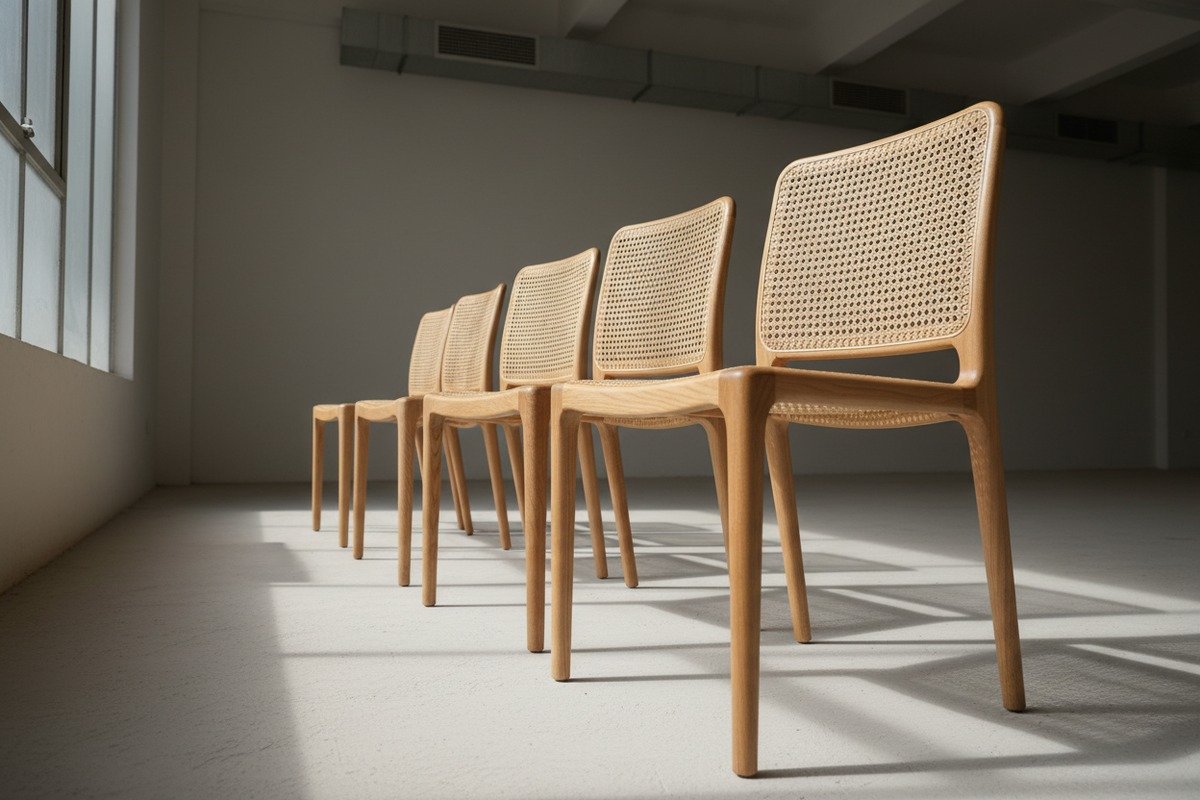
To keep rattan webbing tight and durable, always soak it before installation, secure it from the center outward with even tension, use the groove-and-spline method for heavy-use pieces, allow it to dry naturally, and maintain it by keeping it away from excessive humidity and direct heat.
The Science Behind Tightness
Rattan is a natural fiber. When soaked, it absorbs water and expands. When it dries, it contracts. This contraction is what pulls the webbing taut after installation. If you skip the soaking step, you miss this natural tightening effect entirely. The webbing stays loose from day one.
Tension During Installation
Start securing the webbing at the center of one side. Pull gently and staple or press into the groove. Move to the opposite side, pull again, and secure. Then do the remaining two sides. Work outward from the center toward the corners. This cross-pattern approach distributes tension evenly. If you start from a corner, the webbing bunches and wrinkles in the middle.
Choosing the Right Securing Method for Durability
Not all methods are equal in long-term performance.
| Securing Method | Tension Retention | Durability Rating | Рекомендуемое использование |
|---|---|---|---|
| Staple only | Умеренная | ★★★☆☆ | Decorative panels, light-use items |
| Glue + Staple | Хорошая | ★★★★☆ | Cabinet doors, headboards |
| Groove + Spline | Отличная | ★★★★★ | Chair seats, high-use furniture |
| Contact Adhesive | Переменный | ★★★☆☆ | Flat panels (humidity-sensitive) |
For anything that bears weight—like a dining chair seat—we always recommend the groove-and-spline method. It locks the webbing mechanically. Even if the glue weakens over years, the spline holds.
Common Causes of Sagging
Sagging happens for specific, preventable reasons. The webbing was not soaked long enough. The frame was not flat during installation. The staples were placed too far apart. The wood was too soft to hold fasteners. Or the finished piece was exposed to high humidity or direct heat.
Long-Term Maintenance Tips
Keep rattan webbing away from prolonged direct sunlight. UV rays dry out the fibers over time and make them brittle. In dry climates, lightly mist the webbing with water once every few months. This keeps it supple. In humid climates, ensure good air circulation around the piece. Trapped moisture can loosen adhesive bonds.
If a section sags after years of use, you can often re-tighten it. Mist the area with warm water, let it soak in for a few minutes, and allow it to dry again. The fibers will contract and pull tight once more.
A Note on Synthetic vs. Natural
Наша synthetic rattan matting 7—which mimics natural cane with durable plastic fibers—does not require soaking and is not affected by humidity. It holds its tension permanently. However, it lacks the organic warmth and subtle variations that make natural rattan so appealing. The choice depends on your project priorities: longevity and weather resistance favor synthetic; aesthetics and sustainability favor natural.
How do I select the right weave pattern to complement my wooden frame design?
Weave pattern selection is where function meets art. On our production floor, we see clients agonize over this choice more than any other. The pattern changes the entire character of the finished piece.
Select your rattan weave pattern based on the frame's style and intended use: classic hexagonal open-mesh suits mid-century and bohemian designs, dense square basketweave complements modern and minimalist frames, and intricate diamond motifs pair best with traditional or statement furniture pieces.
Understanding Common Weave Patterns
Rattan cane webbing comes in many patterns, but three dominate the market.
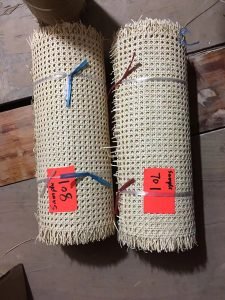
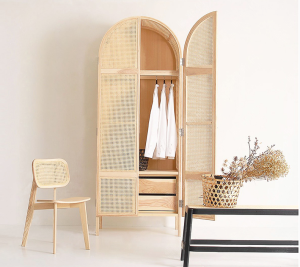
Hexagonal open-mesh (radio weave) features an airy, six-sided pattern. Light passes through it easily. This makes it ideal for cabinet doors, room dividers, and lampshades. It has a distinctly mid-century modern feel.
Квадратное плетение "корзинка" uses a tight, grid-like pattern. It is denser and stronger. This pattern works well for chair seats and backs where you need both visual solidity and structural support.
Ромбовидный мотив creates a complex geometric pattern. It is the most decorative of the three and pairs beautifully with ornate or traditional wooden frames.
Matching Pattern to Frame Style
The frame's design language should guide your pattern choice. A sleek, straight-edged frame with minimal detailing calls for a simple pattern. An ornate, carved frame can handle a busier weave.
Here is a quick reference:
| Frame Style | Рекомендуемый рисунок | Effect |
|---|---|---|
| Mid-century modern | Шестиугольная сетка 8 | Airy, retro, light |
| Scandinavian minimalist | Квадратное плетение "корзинка" 9 | Clean, understated |
| Bohemian / eclectic | Шестиугольная сетка | Relaxed, textured |
| Traditional / classic | Ромбовидный мотив | Elegant, detailed |
| Industrial | Dense square weave | Contrast with metal accents |
| Coastal / tropical | Open hexagonal or loose weave | Breezy, natural |
Consider the Application
The function of the piece also narrows your options. Chair seats need dense, strong weaves. A purely decorative panel behind a bed headboard can use any open pattern. Cabinet doors benefit from semi-open patterns that allow airflow—important for storing items that need ventilation.
Light and Shadow Effects
One creative trick we see more designers using: LED strip lighting behind open-mesh rattan panels. The hexagonal pattern casts beautiful geometric shadows on surrounding walls. This transforms a simple cabinet or room divider into an ambient light feature. The effect works best with open weaves and fails with dense patterns that block light.
Bleached vs. Natural Color
Our bleached rattan cane webbing offers a lighter, more uniform appearance. It pairs especially well with white-painted or light-colored frames for a clean, coastal look. Natural unbleached webbing has more color variation—straw yellow, warm beige, cream tones. These organic variations add character and suit rustic or bohemian frames.
Pattern Scale and Frame Size
Large frames can handle bold, wide-patterned weaves without looking busy. Small frames—like individual cabinet door panels—look better with finer, tighter patterns. A large hexagonal mesh on a small door can look disproportionate. Scale matters.
When in doubt, order samples. We always encourage our wholesale clients to request small swatches of different patterns before committing to a bulk order. Holding the webbing against your actual frame is the most reliable way to judge the pairing.
Заключение
Pairing rattan cane webbing with wooden frames comes down to four things: proper installation, the right wood, good tension, and a matching weave pattern. Get these right, and your project will look professional and last for years.
Сноски
1. Discusses critical factors for selecting wood for furniture projects. ↩︎
2. Provides comprehensive information on rattan’s natural properties and uses. ↩︎
3. Explains the spline joint technique used in woodworking for strength. ↩︎
4. Defines rattan cane webbing and its production process. ↩︎
5. Explains the Janka scale for measuring wood hardness and resistance to wear. ↩︎
6. Defines FSC-certified timber and its importance for sustainable sourcing. ↩︎
7. Explains what synthetic rattan is and its composition from plastic resins. ↩︎
8. Original URL is now working and features open hexagonal rattan webbing. ↩︎
9. Provides information on basket weaving techniques, including square patterns. ↩︎
 English
  Español de México
  العربية
  Deutsch
  Français
  Русский