
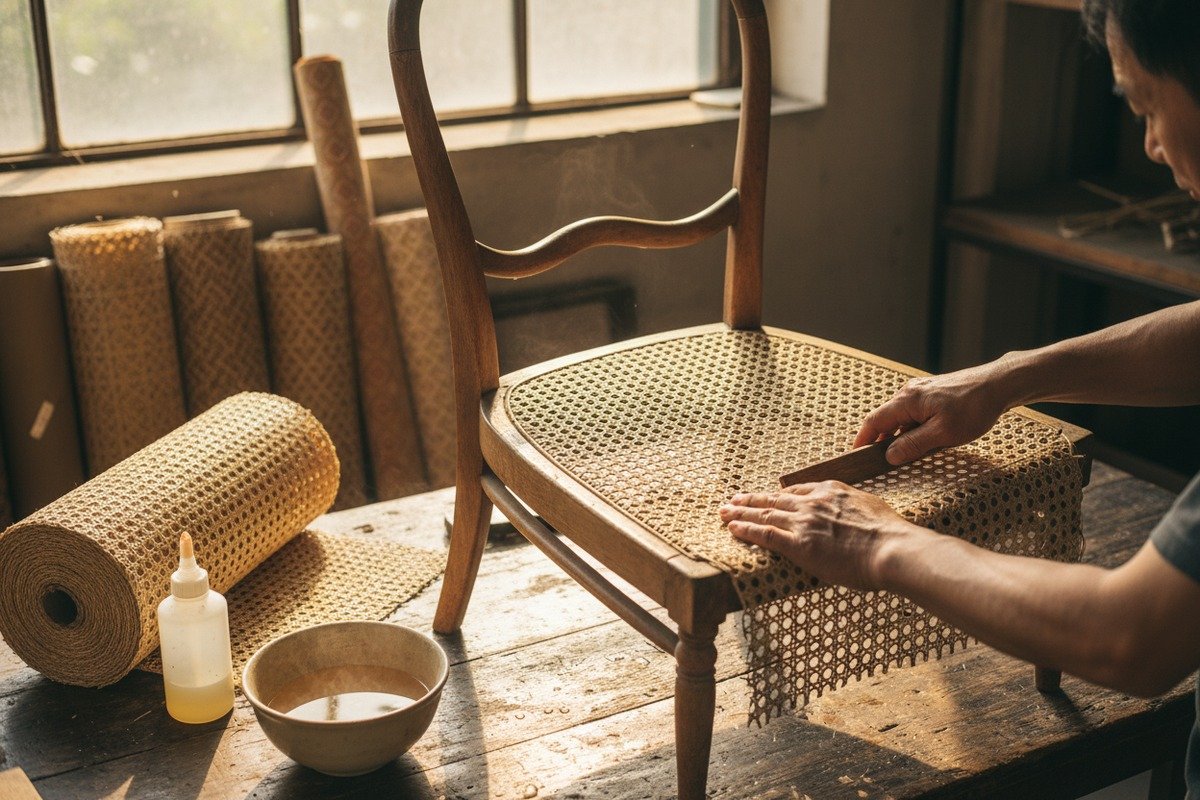
Every week, our production floor in Foshan receives photos from buyers who just picked up a beautiful vintage rattan chair at a flea market — only to find the cane seat sagging or broken rattan palm 1. The frame is solid. The design is timeless. But the webbing tells a different story. It’s a common pain point, and it stops many restorers before they even start.
To refurbish a vintage rattan chair with natural cane webbing, you need to assess the frame, remove the old damaged cane, soak new cane webbing in warm water for flexibility, press it into the groove, secure it with a reed spline and glue, and let it dry for 24 hours to tighten properly.
This guide walks you through every step — from choosing the right grade of cane webbing to installing it like a pro, finding a reliable wholesale supplier, and advising your customers on long-term care. Let’s get into it.
How do I choose the best grade of natural cane webbing for my vintage chair restoration?
When we ship cane webbing to furniture restorers in the US, Australia, and Europe, the most frequent question is about grading. Not all cane webbing is the same. Choosing the wrong grade leads to early sagging, cracking, or a mismatch with the chair's original look.
The best grade of natural cane webbing for vintage restoration is Grade A, which features uniform strand thickness, consistent color, minimal knots, and tight weave structure. It offers the highest durability and most authentic appearance for classic rattan chair refurbishment projects.
Understanding Cane Webbing Grades
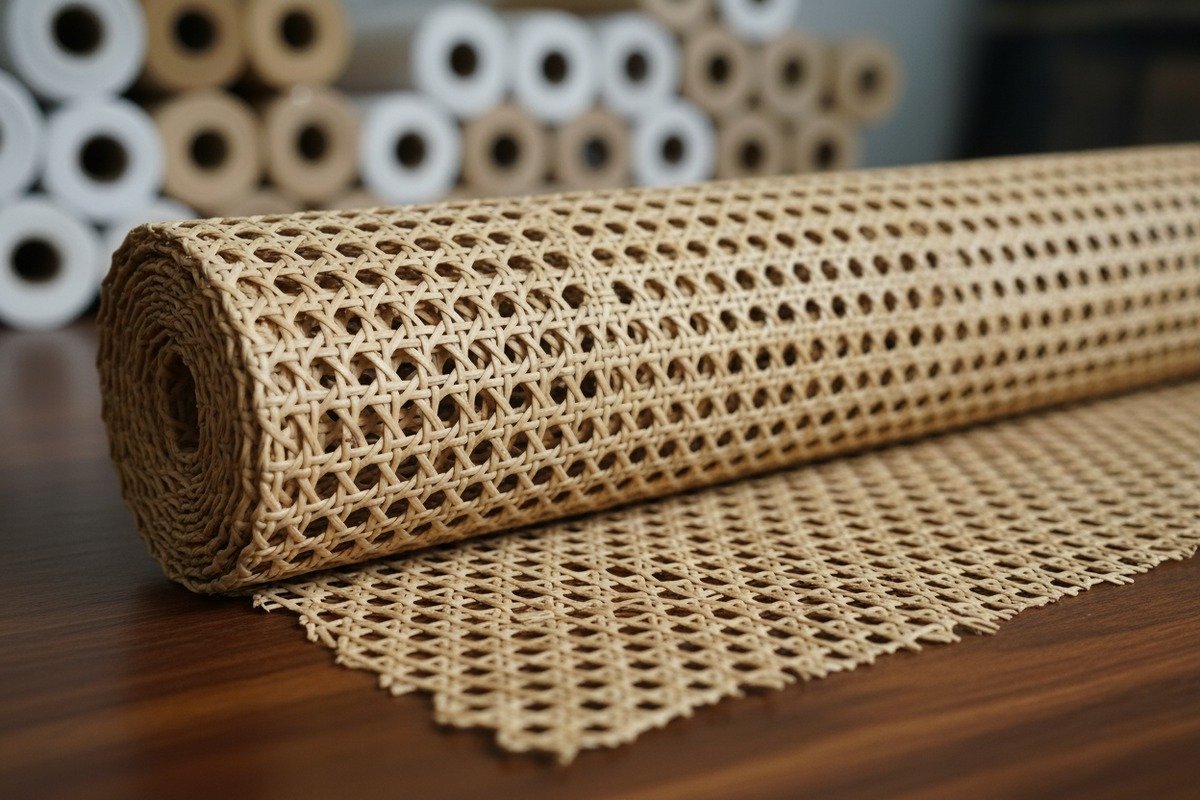
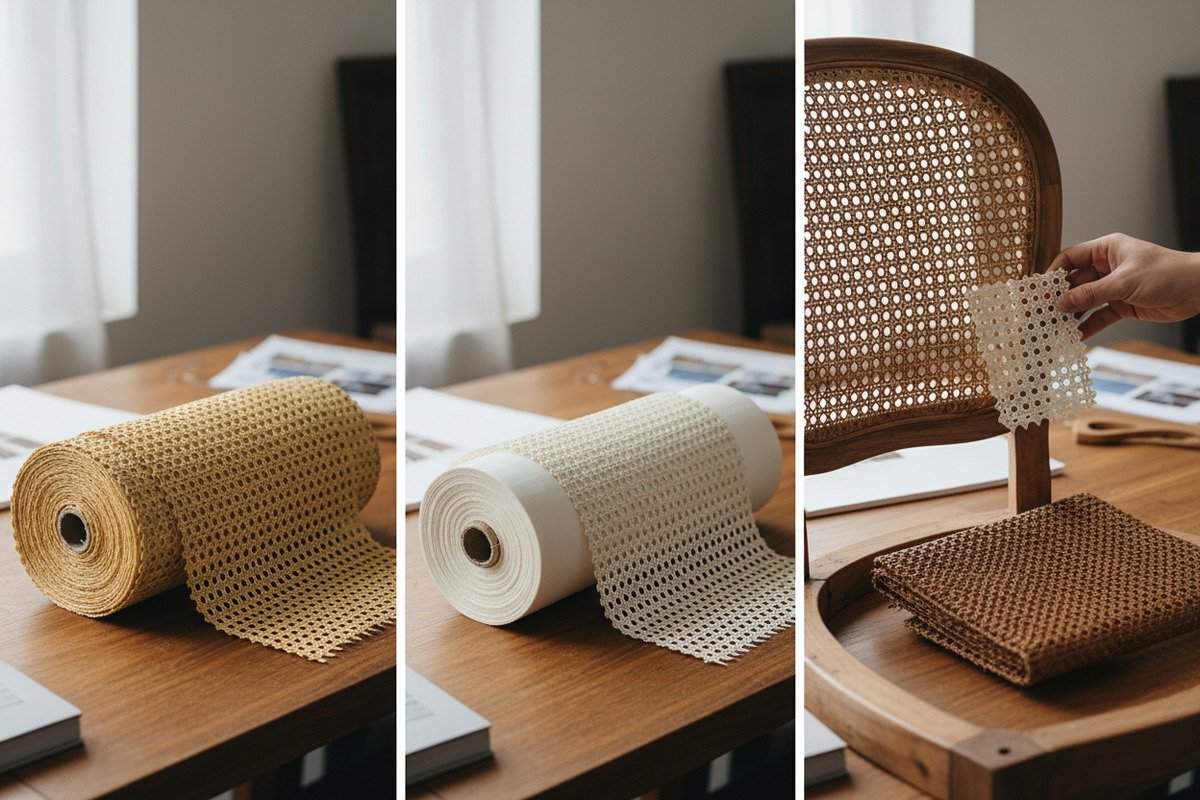
Natural cane webbing 2 comes from the outer bark of the rattan palm. The quality depends on how it's harvested, processed, and woven. In our rattan processing facility in Indonesia, we sort raw cane into grades based on several factors.
Grade A cane has smooth, even strands. The color is consistent — a warm straw yellow or light beige. There are very few knots or blemishes. This grade works best for visible furniture surfaces where appearance matters.
Grade B cane is slightly less uniform. You might see minor color variation or a few more knots. It's still functional and durable. Many restorers use it for pieces that will be painted or for the underside of seats.
Grade C cane has noticeable imperfections. It works for practice projects or hidden structural areas, but not for high-end restorations.
Matching the Weave Pattern to Your Chair
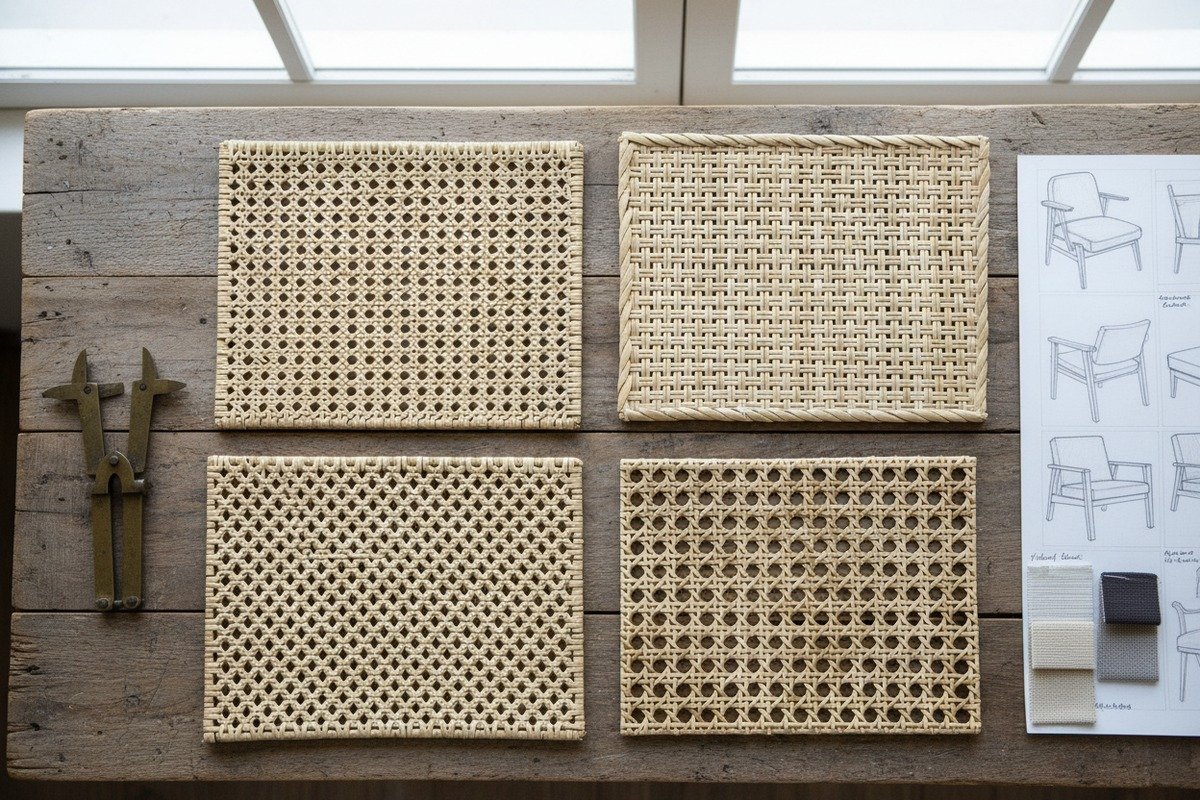
Vintage rattan chairs use different weave patterns. You need to identify the original pattern before ordering replacement webbing. Here are the most common types:
| Тип плетения | Описание | Лучший сценарий использования |
|---|---|---|
| Hexagonal Open Cane 3 | Six-way hand-woven pattern with open holes | Traditional Victorian and Edwardian chairs |
| Close Woven / Basketweave 4 | Tight, interlocking weave with no gaps | Mid-century modern seats and backs |
| Ромбовидный мотив | Diagonal weave creating diamond shapes | Bohemian and coastal-style furniture |
| Открытая квадратная сетка | Simple perpendicular weave with square openings | Casual dining chairs, decorative panels |
Color and Finish Considerations
Natural cane webbing comes in several tones. The most common are light beige, sandy tan, and straw yellow. Bleached rattan cane webbing offers a lighter, more contemporary look. Some restorers experiment with tea or coffee dyes for a warmer, aged tone.
If your vintage chair has darkened over time, a brand-new light cane may look out of place. In that case, you can lightly stain the new webbing or choose an unbleached variety that naturally carries a deeper hue. Avoid synthetic dyes if you want to keep the restoration authentic. Natural plant-based dyes 5 work well and are more eco-friendly.
Width and Roll Size
Cane webbing comes in rolls of varying widths. Measure your chair seat opening carefully. Add at least one inch on each side for overlap into the groove. Standard roll widths range from 18 inches to 36 inches. For bulk refurbishment projects, wider rolls reduce waste.
When we prepare orders for furniture factories and wholesalers, we always recommend confirming groove width too. The шпунта из тростника 6 must fit snugly. A mismatch here causes the webbing to loosen over time.
What are the professional steps I should follow to install new rattan mesh correctly?
Over the years, our team has trained dozens of furniture factory workers on proper cane webbing installation. The process is straightforward, but small mistakes — like skipping the soaking step or using the wrong glue — can ruin hours of work.
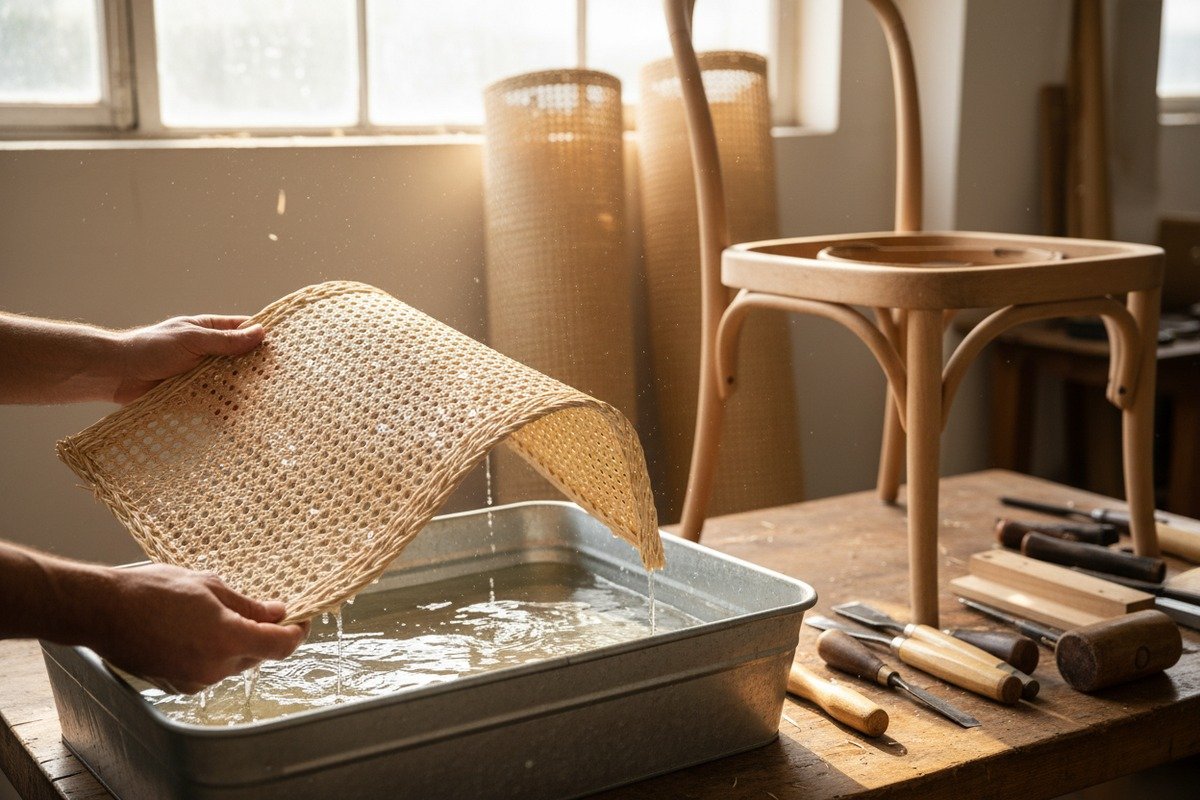
To install new rattan mesh correctly, remove the old cane and clean the groove, soak the new webbing and spline in warm water for 30 minutes, center the webbing over the opening, press it into the groove using wedges, apply glue, tap in the spline, trim excess, and let it dry for 24 hours.
Step 1: Remove the Old Cane and Clean the Groove
Start by flipping the chair over. Use a utility knife or chisel to carefully pry out the old reed spline from the groove. Work slowly. You don't want to chip or damage the groove channel. Once the spline is out, pull the old cane webbing free.
Scrape out any remaining old glue and debris from the groove. A small flathead screwdriver works well here. The groove must be completely clean for the new spline to seat properly.
Step 2: Inspect and Repair the Frame
Before installing new webbing, check the chair frame. Look for cracks, loose joints, or missing feet. Fix any splits with PVA wood glue 7. Clamp joints and let them dry for at least 24 hours. Sand rough areas smooth. Add gliders or felt pads to the feet to prevent future ground abrasion.
Step 3: Measure and Cut the Webbing
Measure the seat opening. Cut the cane webbing so it extends at least one inch beyond the groove on all sides. This extra material gives you something to grip when pressing the webbing into the channel. Also measure the groove width and select the matching spline diameter.
Step 4: Soak the Webbing and Spline
Submerge the cut cane webbing and reed spline in warm water for 20 to 30 minutes. Some thicker materials need up to 60 minutes. The water makes the fibers pliable. Dry cane cracks. This step is non-negotiable.
Step 5: Press the Webbing Into the Groove
Lay the damp webbing over the seat opening. Center it so the weave pattern is straight and even. Using a cane webbing tool or wooden wedges, press the webbing into the front groove first. Then do the back. Then the sides. Keep the webbing taut but not overstretched.
| Installation Step | Необходимый инструмент | Требуемое время |
|---|---|---|
| Remove old cane and spline | Utility knife, chisel, screwdriver | 15–30 минут |
| Clean groove | Screwdriver, sandpaper | 10–15 минут |
| Frame repair (if needed) | PVA glue, clamps, sandpaper | 24 hours drying |
| Soak webbing and spline | Basin of warm water | 20–60 minutes |
| Press webbing into groove | Webbing tool or wooden wedges | 20–30 минут |
| Glue and set spline | White PVA or hide glue, rubber mallet | 15–20 минут |
| Trim excess and dry | Sharp knife, 24 hours undisturbed | 24 часа |
Step 6: Glue and Insert the Spline
Run a thin bead of white PVA glue or hide glue along the groove. Do not use yellow wood glue — it's too rigid and can crack the cane over time. Press the damp spline into the groove on top of the webbing. Use a rubber mallet to gently tap it into place. Work your way around the entire seat.
Step 7: Trim and Dry
Use a sharp utility knife to trim the excess webbing flush with the outer edge of the groove. Be careful not to cut the spline. Let the chair sit undisturbed for at least 24 hours. As the cane dries, it shrinks and tightens across the frame. This natural tension is what gives the seat its strength and bounce.
Распространенные ошибки, которых следует избегать
Do not rush the soaking. Insufficiently soaked cane will crack when you press it into the groove. Do not use excessive glue — it can seep through the weave and leave visible marks. And never stretch the cane too aggressively. It should be snug, not drum-tight, because it will tighten further as it dries.
How can I find a reliable wholesale supplier to ensure consistent quality for my bulk refurbishment projects?
Running a refurbishment business means you can't afford quality surprises. We hear this from purchasing managers all the time — one batch of webbing is perfect, and the next looks completely different. Consistency is everything when your reputation depends on the finished product.
To find a reliable wholesale cane webbing supplier, look for manufacturers with their own rattan processing facilities, request Grade A samples before ordering in bulk, verify export experience to your region, confirm quality control procedures, and establish clear specifications for strand thickness, color, and weave pattern.
Why Supplier Selection Matters for Bulk Projects
When you refurbish 10 or 50 chairs at a time, you need every sheet of webbing to look and perform the same. Minor variations in strand diameter or color can be visible side-by-side on matching dining chairs. A good supplier understands this. They grade their output, control содержание влаги 8, and maintain batch consistency.
From our experience exporting to over a dozen countries, the biggest pain point for bulk buyers is not price — it's inconsistency. A slight shift in weave density between orders can mean redoing entire seats.
What to Look For in a Supplier
Here are the key factors to evaluate:
| Критерии оценки | Что проверить | Почему это важно |
|---|---|---|
| Own processing facility | Do they control raw material sorting? | Direct control means better consistency |
| Sample availability | Can they send Grade A samples first? | You verify quality before committing |
| Опыт экспорта | Have they shipped to your region before? | Reduces customs and logistics issues |
| Packaging quality | Is the webbing roll-packed to avoid creasing? | Poor packing causes permanent folds |
| Гибкость минимального объема заказа | Can they accommodate smaller trial orders? | Lets you test before scaling up |
| Communication speed | Do they respond within 24 hours? | Fast communication prevents delays |
Questions to Ask Before Placing a Bulk Order
Ask for the specific grade of the cane. Ask about the origin of the rattan — Indonesian rattan is widely regarded as the highest quality due to the climate and species available. Ask how they handle color sorting. Request photos of recent production runs. And always ask about packaging — cane webbing shipped in flat bundles without proper protection will arrive creased and unusable.
Построение долгосрочных отношений
The best supplier relationships are built on clear communication and repeat orders. Share your exact specifications upfront. Provide feedback on every shipment. Over time, a good supplier will learn your standards and adjust production accordingly. At our Foshan headquarters, we assign dedicated account managers to our repeat wholesale clients precisely for this reason.
Consider visiting the factory if possible. Seeing the raw material storage, the weaving process, and the quality inspection area tells you more than any catalog ever will.
Тревожные сигналы, на которые стоит обратить внимание
Be cautious of suppliers who can't provide samples. Avoid those who quote unusually low prices without explaining why. And steer clear of middlemen who don't have direct access to the production line — they add cost and reduce accountability.
What maintenance tips should I provide to my customers to keep their refurbished rattan furniture looking new?
After we ship thousands of meters of cane webbing each month, we know the story doesn't end at installation. Our wholesale clients often ask us for care guides they can pass along to their end customers. Good aftercare advice reduces complaints and builds trust in your refurbishment service.
Advise customers to keep refurbished rattan chairs away from direct sunlight and heat sources, dust regularly with a soft brush, periodically mist the cane with water in dry climates to prevent brittleness, and avoid placing heavy or sharp objects directly on the webbing to extend its lifespan significantly.
The Biggest Threats to Cane Webbing
Natural cane webbing is strong but not indestructible. The three main enemies are excessive dryness, direct UV exposure 9, and moisture overload. Understanding these helps your customers take simple preventive steps.
In dry climates or heated indoor environments, cane fibers lose moisture and become brittle. Over time, this leads to cracking and breakage. On the other hand, constant dampness — like placing a rattan chair in a bathroom or on a wet patio — causes mold growth and fiber rot.
Direct sunlight fades the natural color and weakens the fibers. A chair placed next to a south-facing window will degrade much faster than one in a shaded area.
Simple Daily and Weekly Care
Tell your customers to dust the chair weekly with a soft-bristle brush or a vacuum with a brush attachment. This prevents dirt and grime from building up in the weave. For a deeper clean every month or two, wipe the cane with a cloth dampened in warm, mildly soapy water. Rinse with a clean damp cloth and let it air dry completely.
The Moisture Misting Trick
This is perhaps the most valuable tip you can share. In dry seasons or air-conditioned rooms, lightly mist the cane webbing with a plant mister once every few weeks. Use plain warm water. The moisture rehydrates the fibers and keeps them flexible. This one habit alone can add years to the life of a refurbished seat.
Do not over-mist. The webbing should feel slightly damp to the touch, not wet. And always allow it to air dry before sitting on it.
Чего следует избегать
Heavy, concentrated weight damages cane. Standing on a cane seat will break it. Pets with sharp claws can tear strands. Placing hot dishes or wet glasses directly on cane surfaces causes staining and warping. Encourage customers to use cushions for everyday seating — this distributes weight evenly and reduces direct wear on the webbing.
Quick Repair Tips for Minor Damage
If a single strand breaks or frays, it doesn't mean the whole seat needs replacing. A small dot of super glue on a frayed end stops it from unraveling further. For a single broken strand, a thin replacement piece of soaked cane can be woven in and glued at the ends. These micro-repairs are fast, affordable, and preserve the original installation.
Share these tips with your customers in a simple printed card or a follow-up email. It shows professionalism and keeps your refurbished pieces looking great for years. When the furniture lasts, your customers come back — and they refer others.
Заключение
Refurbishing vintage rattan chairs with natural cane webbing is a rewarding craft that combines sustainability, skill, and smart sourcing. Choose the right grade, follow proven installation steps, partner with a consistent supplier, and share proper care tips with your customers. If you need reliable cane webbing in bulk, visit www.rattanwholesaler.com or reach out to our team directly.
Сноски
1. Describes the rattan palm plant, its origin, and growth. ↩︎
2. Explains what natural cane webbing is and its characteristics. ↩︎
3. Details the hexagonal open cane weave pattern and its use. ↩︎
4. Explains the characteristics and applications of close woven cane webbing. ↩︎
5. Found an authoritative Wikipedia page defining ‘natural dyes’, with a strong emphasis on plant sources. ↩︎
6. Defines reed spline and its function in securing cane webbing. ↩︎
7. Explains the properties and benefits of PVA glue for woodworking. ↩︎
8. Found an authoritative and comprehensive Wikipedia page defining ‘water content’ (moisture content) in materials, including wood. ↩︎
9. Defines UV degradation and its effects on materials. ↩︎
10. Offers a historical overview of rattan furniture and its popularity. ↩︎

 English
  Español de México
  العربية
  Deutsch
  Français
  Русский