
Do you want to add beautiful cane webbing to your furniture or decor? Affixing it correctly ensures a professional and lasting finish.
Properly attaching cane webbing to wood involves a few crucial steps that ensure its durability and a neat appearance.
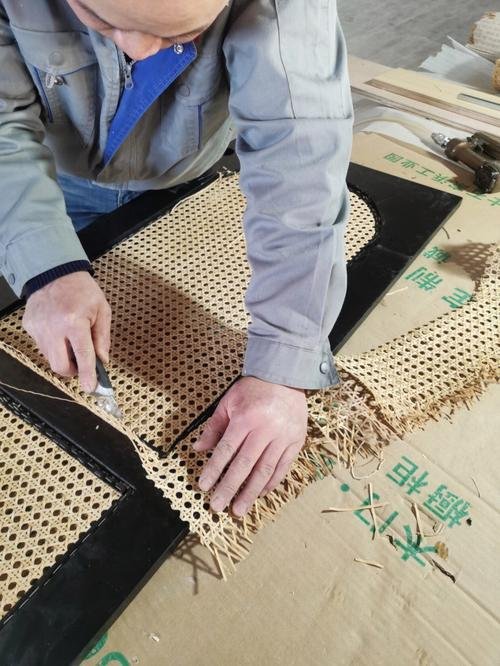
I have seen countless projects where cane webbing has been either perfectly integrated or poorly attached. The key to success often lies in the details of the process. I help my customers, like Jacky, the furniture maker, understand how to best work with the material that my factories provide.
1 Introduction
Тростниковая оплетка1 is a beautiful natural material used to add texture and intricate patterns to furniture and decorative items. It is flexible when wet and tightens as it dries.
This unique property makes it ideal for upholstery projects, cabinet door inserts, and various DIY crafts.
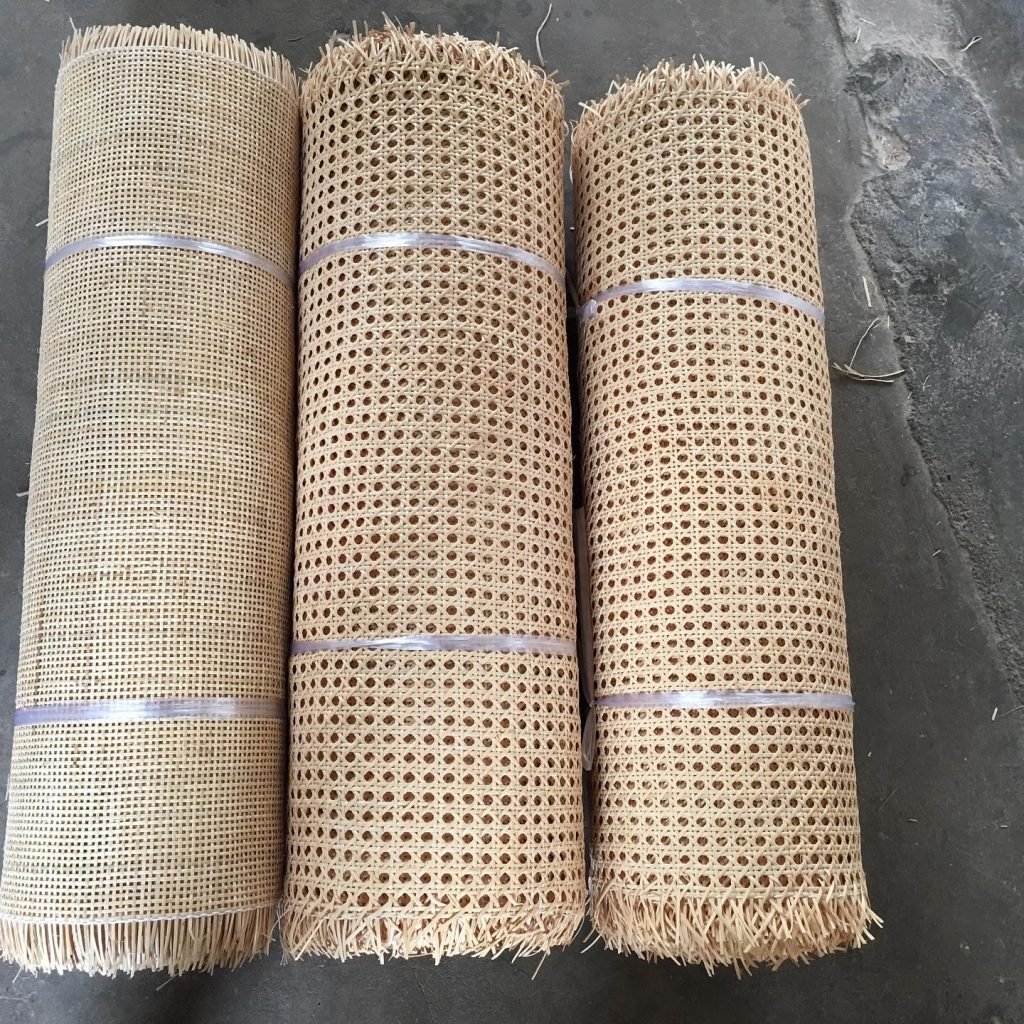
Cane webbing has been a popular material for centuries. Its open weave allows for ventilation and a light, airy feel. My factories supply натурального тростникового полотна2, which is a type of rattan product. Since 2018, we have also developed plastic rattan cane webbing in many colors, which works well too, especially for outdoor use. Understanding how to work with the material, particularly how it reacts to water, is key to success.
2 The Tools You Need
Before you start, gather all the necessary tools. Having everything ready will make the process smoother and more efficient.
You will need common crafting and woodworking tools to ensure a clean and secure attachment.
[rattan cane webbing for furniture making](https://leisuretouchrattan.com/everything-about-rattan-cane-webbing/)3
When preparing to attach cane webbing, just like any good project, preparation is important. I always advise my customers to have all their tools ready before they start. This includes:
- Sharp scissors or a utility knife: For cutting the webbing.
- A staple gun: An electric or pneumatic one is best for strong hold.
- Staples: Choose staples appropriate for wood.
- Plastic sheeting or a large basin: For soaking the webbing.
- Measuring tape: For accurate cuts.
- Pencil: For marking cuts.
- Soft cloths: For wiping excess water.
- Wood glue (white latex glue): For reinforcing edges.
- Wooden splines or decorative trim: To cover staples and finish the edges.
- Hammer: To tap in splines or trim.
Having these tools ensures you can move through each step without interruption.
3 Attach Cane Webbing to Wood
Attaching cane webbing to wood correctly ensures a taut, smooth, and professional finish4. The process involves precise cutting, soaking, careful stapling, and proper finishing.
Following these steps closely will yield the best results for your project, preventing sagging or uneven application.
This is where the magic happens. The unique properties of cane webbing mean it needs special handling. For Adel, the wholesaler, giving these instructions to his customers ensures no material is wasted. And for Jacky, these steps are crucial for efficient production.
3.1 Step 1: Cut the cane webbing
Measure the opening where the cane webbing will be attached. Cut the webbing, leaving an extra 1 to 2 inches on all sides.
This extra margin allows for easier handling and stapling, and you will trim it later. Always measure twice and cut once.
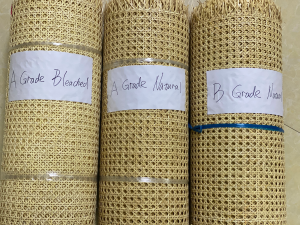
It is important to cut the webbing slightly larger than the opening. This excess material gives you something to hold onto while stapling and ensures you have enough to pull taut. I often advise cutting along the weave lines for a cleaner edge, though it will be covered later.
3.2 Step 2: Soak 30 minutes of saltwater
Submerge the cut cane webbing in warm water, adding a tablespoon of salt, for at least 30 minutes. The salt helps the fibers to relax.
Soaking makes the webbing pliable, allowing it to stretch easily. As it dries, it will shrink and tighten, creating a taut surface.
This is the most critical step for natural cane webbing. The warm water makes the rattan fibers soft and flexible. When it dries, it naturally shrinks and tightens, creating that perfectly taut surface you want. I sometimes tell customers to soak it longer, even up to an hour, for thicker webbing or if they want maximum tension. This step is only for natural cane webbing. Our plastic rattan cane webbing does not need soaking, which makes it faster to work with.
3.3 Step 3: Staple around the edges
Remove the damp webbing from the water and lightly blot it with a towel. Starting from the middle of one side, begin stapling the webbing to the wooden frame.
Pull the webbing firmly but gently as you staple, working your way towards the corners. Use plenty of staples for a secure hold.
Working one side at a time, moving from the center outwards, helps to distribute the tension evenly. Jacky’s factory uses pneumatic staple guns for speed and consistency. For DIYers, a good electric staple gun will also work. Make sure the staples are driven all the way into the wood so they do not protrude.
3.4 Step 4: Trimming
Once the cane webbing is fully stapled and secure, use a sharp utility knife to trim off the excess material around the stapled edges.
Cut as close as possible to the staples, ensuring a clean and neat edge that will be covered by the next step.
Accuracy here is important for a clean finish. The goal is to remove any fabric that extends beyond the staple line, leaving only the webbing that is securely attached.
3.5 Step 5: Add white latex
Apply a thin bead of white latex glue (PVA glue) along the stapled edge where the webbing meets the wood. This further secures the webbing and prevents fraying.
The glue acts as an extra layer of adhesion, strengthening the bond between the cane webbing and the wooden frame.
This step is an extra layer of reinforcement. It makes the bond even stronger and prevents the edges from fraying over time, especially with the expansion and contraction of the natural material.
3.6 Step 6: Reinforce the wooden strips
Once the glue is dry, carefully attach decorative wooden strips or splines over the stapled edges. Use wood glue and small brad nails or a pin nailer to secure the strips.
These strips cover the staples, provide a finished look, and offer additional reinforcement to the cane webbing.
This is the final touch that gives the project a professional look. The wooden strips not only hide the staples but also contribute to the overall tension of the webbing. Peter, the hotel designer, always ensures this finishing step is done perfectly for his projects to achieve a high-end look.
Заключение
Affixing cane webbing to wood requires careful steps of soaking, stapling tightly, trimming, gluing, and finally covering with wooden strips. This process ensures a beautiful, taut, and lasting result for your project.
- Explore the benefits of Cane webbing to enhance your furniture design with its unique texture and durability. ↩
- Learn about the production and applications of natural cane webbing to inspire your next DIY project. ↩
- Explore this link to learn about the benefits and techniques of using rattan cane webbing in your furniture projects. ↩
- Discover techniques and tips for achieving a flawless finish in your woodworking projects. ↩

 English
  Español de México
  العربية
  Deutsch
  Français
  Русский