
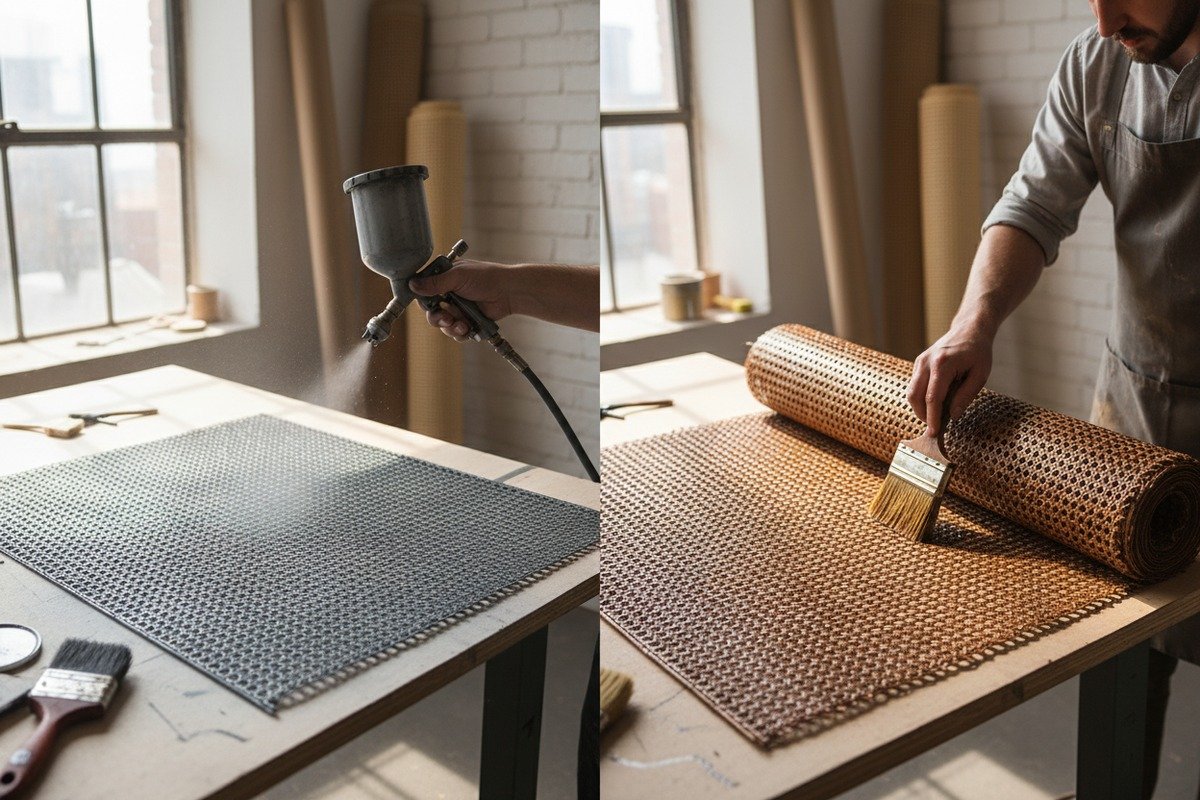
Every week, our sales team fields the same question from furniture factories and wholesalers across three continents: can ротанговая сетка 1 take a custom color finish without falling apart?
Yes, you can paint or stain rattan cane webbing for custom furniture. Spray painting offers fast, even coverage for opaque color, while oil-based staining preserves the natural texture and breathability of the cane. Proper preparation and one-side-only application are critical to long-term durability.
Below, we break down every step—from surface prep to final topcoat—so you can confidently customize rattan webbing for any project. Let’s get into the details.
How do I properly stain or paint rattan cane webbing for my custom furniture projects?
Having shipped hundreds of rattan webbing rolls to furniture makers in the US, Australia, and Europe, we know firsthand that the finishing method you choose shapes the final product's look and lifespan. Many buyers worry about ruining expensive cane material with the wrong technique.
To properly stain rattan cane webbing, use an oil-based stain applied with a soft-bristle brush to the bottom side first, letting it soak through. For painting, use thin spray coats on the visible side only. Always clean the webbing, mask surrounding wood, and test on a scrap piece first.
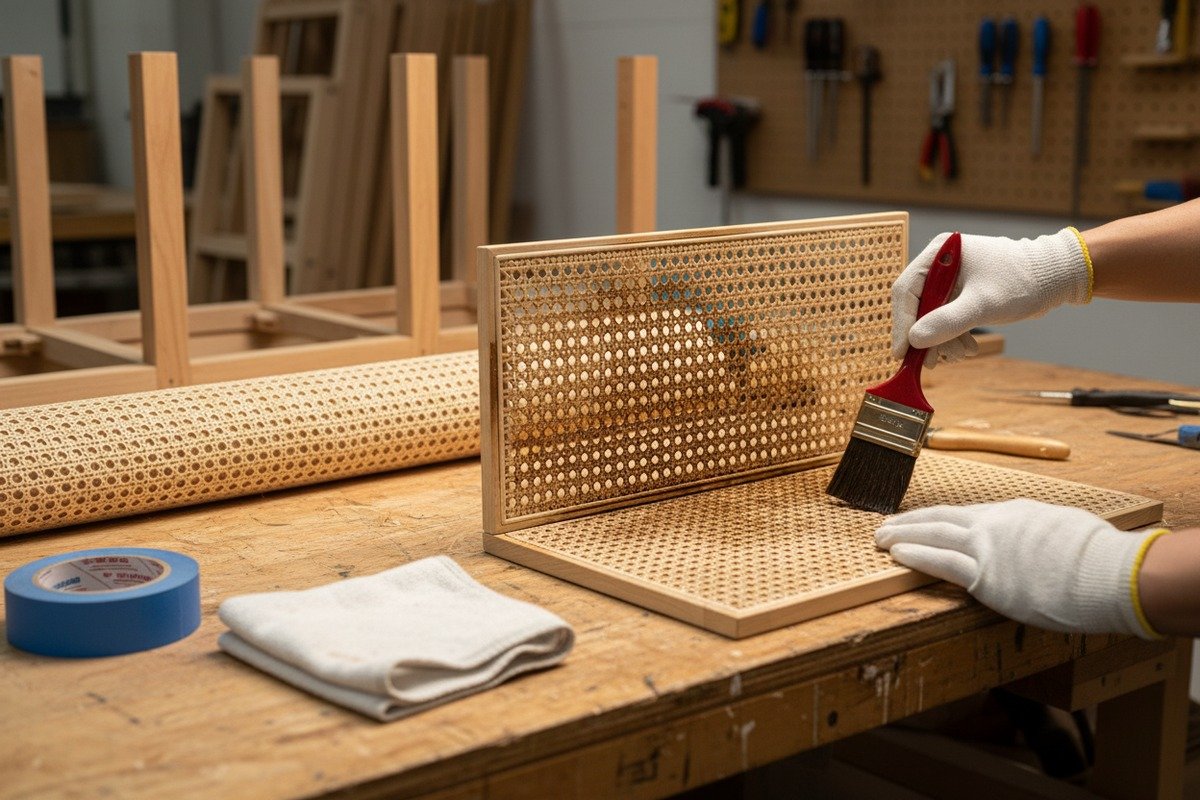
Painting Rattan Cane Webbing: The Spray Method
Spray painting is the fastest route to a solid, opaque color on cane webbing. It works well for both pre-installed panels and loose sheet webbing. Here is a simple process:
- Clean the surface. Wipe down the webbing with a damp cloth. Remove dust, oils, and debris.
- Mask everything else. Use painter's tape and plastic sheeting to protect wood frames, hardware, and any areas you don't want painted.
- Trim stray fibers. Use caning nippers or small scissors to clip loose strands. These catch paint and create blobs.
- Наносите тонкие слои. Hold the spray can 10–12 inches away. Apply two to three light passes rather than one heavy coat. Let each layer dry before adding the next.
- Front side only. Do not flip the panel and paint the back. Rattan breathes through its backside. Blocking that airflow traps moisture and causes brittleness over time.
Popular spray paint options include Rustoleum paint-and-primer combos and Krylon all-surface sprays. For furniture factories looking for a more refined finish, all-in-one mineral paints like Sand Castle Silk offer self-leveling properties that reduce visible brush or spray marks.
Staining Rattan Cane Webbing: The Oil-Based Method
Staining is ideal when you want the natural weave pattern to show through. Oil-based stains penetrate rattan fibers more deeply than water-based alternatives. Here is the approach we recommend to our wholesale clients:
- Start with the bottom. Flip the webbing or furniture piece. Apply stain to the underside with a soft nylon or polyester brush.
- Let it soak. The stain will wick through the fibers and appear on the top side. This creates even color distribution without heavy top-side application.
- Wipe the top. Once stain shows through, lightly wipe the visible surface to remove excess. You can add more stain, but you cannot take it away.
- Dry and cure. Follow the label's recommended drying time. Avoid sitting on or pressing the surface for three to five days.
Painting vs. Staining: Quick Comparison
| Характеристика | Spray Painting | Oil-Based Staining 2 |
|---|---|---|
| Coverage | Opaque, hides grain | Translucent, shows weave |
| Применение | Spray can or sprayer | Мягкая щетка |
| Sides to coat | Front only | Bottom first, wipe top |
| Drying time | 30–60 min per coat | 4–8 hours, cure 3–5 days |
| Лучше всего подходит для | Bold color changes | Natural, toned looks |
| Approximate cost | ~$10 per can | ~$15–20 per quart |
The Whitewash Alternative
If you want something between paint and stain, try whitewashing. Dilute latex or oil-based paint with water at a 1:1 ratio. Brush it on, then wipe most of it off immediately. This leaves a translucent film that brightens the cane without hiding its texture. Avoid acrylic paint for whitewash—it does not wipe off evenly.
Will applying a custom finish affect the long-term durability of my rattan webbing?
Through our own rattan processing facility in Indonesia and testing labs in Foshan, we have tracked how different finishes perform on cane webbing over months and years of real-world use. Durability is the number one concern our B2B buyers raise.
A properly applied custom finish will not significantly harm rattan webbing's durability. Oil-based stains preserve breathability and flexibility, while paint adds a protective layer against UV and moisture. However, coating both sides traps moisture inside the fibers, which leads to cracking and breakage over time.
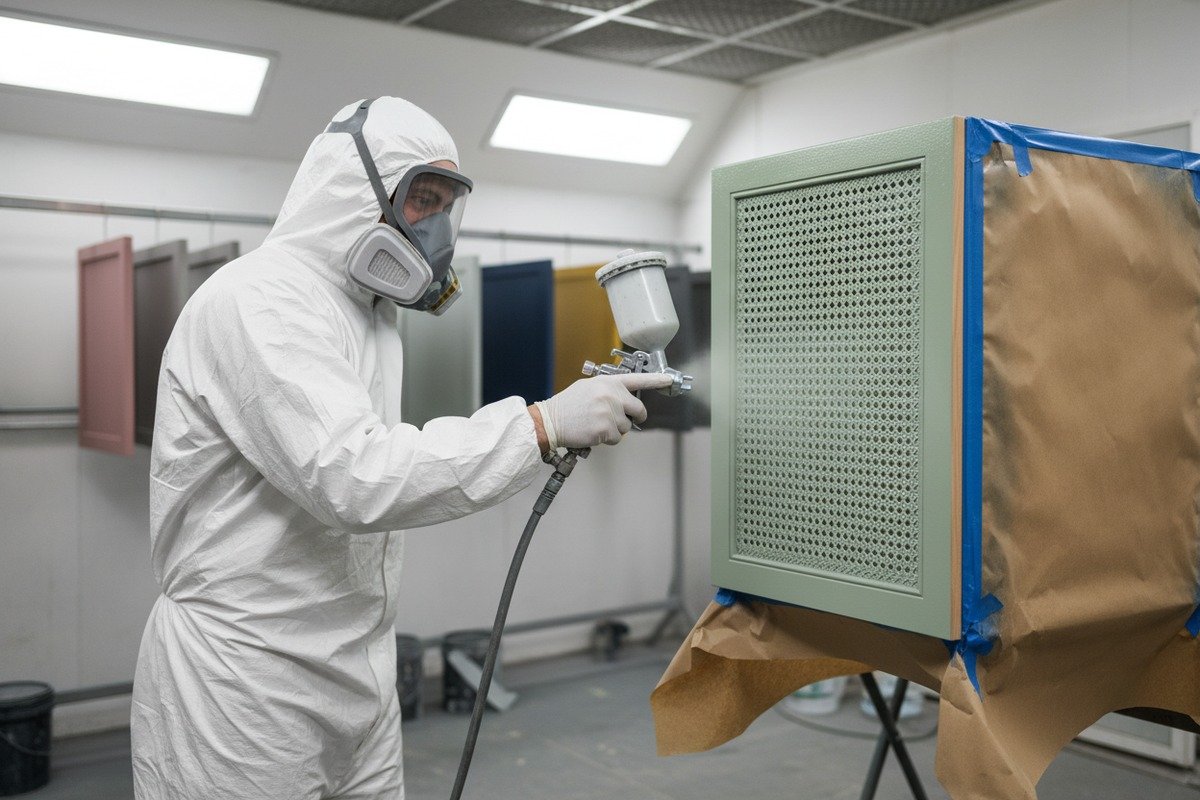
Why Breathability Matters
Ротанг — это натуральный материал 3. It absorbs and releases moisture from the environment. This is what keeps it flexible. When you seal both sides with paint or a thick finish, you block this moisture exchange 4. The cane dries out from the inside. Over weeks or months, it becomes brittle. Strands snap. The weave loosens.
This is the single most important rule: only finish the visible side. Leave the back uncoated so the cane can breathe.
How Different Finishes Affect Lifespan
| Тип отделки | Breathability Impact | Flexibility Retention | УФ-защита 5 | Ожидаемый срок службы |
|---|---|---|---|---|
| Oil-based stain (one side) | Минимальный | Высокий | Низкий – Средний | 5–10+ лет |
| Spray paint (one side) | Умеренная | Средний | Средний–Высокий | 3–7 лет |
| Lacquer topcoat 6 | Умеренный–Высокий | Средний | Высокий | 4–8 years |
| Wax finish 7 | Низкий | Высокий | Низкий | 2–4 years (reapply) |
| Both sides painted | Сильная стадия | Очень низкий | Высокий | 1–3 years before cracking |
Protective Topcoats
After staining, many furniture makers apply a thin wax or lacquer topcoat for added protection. Wax is easy to reapply and keeps the cane supple. Lacquer provides a harder shell against wear and moisture. Both are valid, but lacquer slightly reduces breathability compared to wax.
For spray-painted cane, most all-in-one spray products include a built-in primer and sealant. You typically do not need a separate topcoat unless the piece will face heavy use or outdoor exposure.
Факторы окружающей среды
Humidity plays a big role. In dry climates, stained rattan holds up well because there is less moisture to trap. In tropical or humid regions, the breathability factor becomes even more critical. Our clients in Thailand and the Philippines tend to prefer oil-based stains over paint for this exact reason.
Direct sunlight fades untreated rattan within a year or two. A UV-resistant spray paint or a stain followed by a UV-blocking topcoat extends the color life significantly. If you are building furniture for sun-exposed rooms, factor this into your finish choice.
Maintenance Tips
- Wipe stained cane with a damp cloth every few weeks.
- Reapply wax topcoats every six to twelve months.
- Avoid harsh chemical cleaners. Use mild oil soap instead.
- Keep finished rattan away from direct heat sources like radiators.
What is the best way to prepare my cane webbing so the paint doesn't peel?
When we ship rattan webbing rolls to furniture factories, we always include handling notes—because even the best paint job fails if the surface isn't properly prepared. Peeling paint is the most common complaint we hear from first-time DIY finishers.
The best preparation involves cleaning the cane webbing with a damp cloth, trimming loose fibers, lightly sanding only the surrounding wood frame (never the cane itself), masking off non-webbing areas, and testing your chosen paint or stain on a small scrap piece before committing to the full panel.
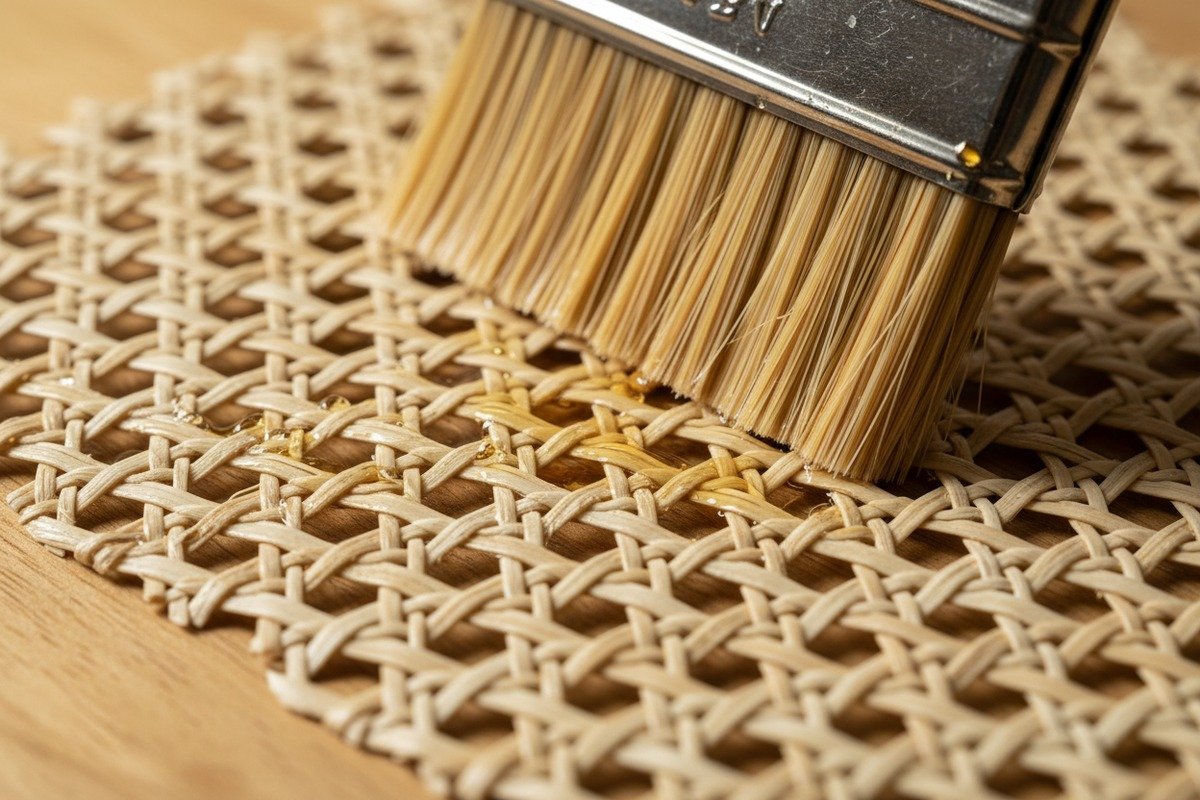
Step-by-Step Preparation Guide
Good prep takes about 20 to 30 minutes per panel. It is the difference between a finish that lasts years and one that flakes within months.
Step 1: Clean thoroughly. Use a slightly damp cloth or a soft brush to remove all dust, dirt, and oils from the webbing surface. Let it dry completely. Residual moisture under paint is the top cause of peeling.
Step 2: Trim stray fibers. Natural cane webbing always has a few loose strands poking out of the weave. These catch paint and create unsightly bumps. Use sharp caning nippers or fine scissors to trim them flush.
Step 3: Sand the wood frame only. If your webbing is already installed in a furniture frame, lightly sand the wood with 220-grit sandpaper. This helps paint grip the frame. Do not sand the cane itself. Sanding cane damages the outer bark layer and weakens the fibers.
Step 4: Mask and protect. Apply painter's tape along all edges where cane meets wood. Cover any hardware, glass, or upholstery with plastic sheeting. This step takes the most time but gives you professional results.
Step 5: Test on scrap. Always apply your chosen product to a small piece of leftover webbing first. Check for color accuracy, absorption rate, and drying behavior. You can add more product, but you cannot remove it once absorbed.
Common Preparation Mistakes
| Ошибка | Why It's a Problem | How to Avoid It |
|---|---|---|
| Sanding the cane surface | Removes protective outer bark, weakens fibers | Only sand wood frames, never the cane |
| Skipping the cleaning step | Dust and oil prevent adhesion | Wipe with damp cloth, let dry fully |
| Using wet webbing | Trapped moisture causes peeling and mold | Wait until bone dry before finishing |
| Not testing on scrap | Color may look different than expected | Always test first, adjust technique |
| Over-taping in humidity | Tape adhesive weakens, paint bleeds | Work in low-humidity conditions |
Should You Sand Cane Webbing at All?
This is a debated topic. Some online tutorials suggest light sanding of the cane to improve stain absorption. In our experience supplying Grade A, AA, and premium webbing to dozens of furniture factories, we advise against it. The outer surface of rattan cane has a natural smooth bark that holds finish well without sanding. Sanding exposes the softer inner pith, which absorbs unevenly and weakens the strand.
If you want better stain absorption, the oil-based soak-through method (apply to the bottom, let it wick to the top) achieves deep penetration without damaging the surface. This approach works far better than sanding for consistent color.
Pre-Installation vs. Post-Installation Prep
For loose sheet webbing that hasn't been installed yet, prep is easier. You can lay it flat on a protected surface, finish it, let it cure, then install it. This is the method most custom furniture makers prefer because it allows even coating and easy handling.
For already-installed webbing on chairs or cabinet doors, you work in place. Masking becomes more important. Spray application is preferred over brushes because you can reach into recessed panels without disturbing the weave tension.
Can I achieve a high-end look by staining different grades of rattan material?
At our Foshan headquarters, we stock rattan webbing in multiple grades—from budget export quality to premium Grade AA. One of the most frequent questions from our European and American wholesale clients is whether staining can elevate a lower-grade material to look like a premium product.
Yes, staining can significantly improve the appearance of mid-range rattan webbing, but it cannot fully replicate the uniformity and fiber quality of premium-grade material. Higher grades absorb stain more evenly due to consistent strand thickness and fewer natural blemishes, producing a more refined, high-end result.

Понимание классов ротанга
Not all rattan cane webbing is the same. The grade reflects the quality of the raw cane poles, the consistency of the strands, and the tightness of the weave. Here is a simplified breakdown:
- Grade A / Standard: Functional, minor color variation, occasional thinner strands. Good for painted projects where the weave is partially hidden.
- Grade AA / Premium: Uniform strand thickness, even color, tight weave. Ideal for staining because the finish appears consistent across the entire surface.
- Отбеленный: Chemically lightened to a pale cream. Accepts lighter stain colors beautifully but may show slight chemical residue that affects very dark stains.
How Grade Affects Stain Results
When you apply an oil-based stain to Grade A webbing, the thinner strands absorb more product and appear darker. Thicker strands absorb less and stay lighter. This creates a mottled, uneven look. Some designers like this rustic effect. Others do not.
Grade AA webbing has more consistent strand diameters. The stain absorbs at a uniform rate across the panel. The result is a clean, even tone that looks intentional and polished. For high-end furniture brands and interior design projects, this difference matters.
Bleached rattan starts from a lighter base color. This means you have a wider range of achievable stain colors, from honey gold to espresso brown. However, the bleaching process can slightly alter fiber porosity 8. We recommend testing stain on a bleached scrap before committing.
Can Staining Replace Grade?
Honestly, no. Staining enhances what is already there. It does not fix structural inconsistencies, loose weave patterns, or broken strands. If you are building furniture for retail or high-end residential projects, start with the best grade you can afford. Then use stain to achieve the exact color your client wants.
That said, for DIY upcycling projects and mid-market furniture, staining Grade A webbing produces excellent results. The slight color variation can even add character that appeals to bohemian and rustic design aesthetics.
Trending Stain Techniques for 2025–2026
The current market shows strong demand for several staining approaches:
- Honey-tone staining on natural rattan for mid-century modern revival pieces.
- Dark walnut or espresso staining on premium Grade AA for contemporary luxury cabinetry.
- Whitewash over bleached cane for coastal and Scandinavian design projects.
- Fabric dye immersion for deeply saturated colors that maintain cane flexibility—an emerging technique among boutique furniture makers.
Color and Lighting Interaction
Your finish choice should account for the room's lighting. Lighter stain colors amplify the airy, open feel of cane webbing. They work well in bright, sun-filled spaces. Darker stain tones introduce grounding contrast and sophistication. They pair with moody interiors, dark wood furniture, and accent lighting.
For our wholesale clients, we often ship sample swatches of different grades with various stain applications. This helps their end customers visualize the final product before committing to a large order.
Eco-Friendly Finish Options
The market is shifting toward low-VOC and water-based gel stains 9. While oil-based remains the standard for rattan absorption, newer gel formulations sit on the surface longer before penetrating. This gives you more working time and more control over the final shade. They also produce fewer fumes, making them safer for indoor workshop use.
Natural finishes like mineral oil and linseed oil 10 offer another eco-friendly path. They do not change the cane color dramatically—more of a warm enhancement—but they nourish the fibers and add a subtle sheen without any synthetic chemicals.
Заключение
Painting and staining rattan cane webbing opens up endless custom furniture possibilities—just respect the material's need to breathe, prep your surface well, and choose the right grade for your project goals.
Сноски
1. Explains what rattan cane webbing is, its origins, and key characteristics. ↩︎
2. Details the composition, application, and benefits of oil-based wood stains compared to water-based. ↩︎
3. Authoritative source providing a definition and examples of natural materials. ↩︎
4. Explains how natural fibers manage moisture vapor through hygroscopic absorption and its impact. ↩︎
5. Discusses how UV protection in coatings shields wood from sun damage and extends its lifespan. ↩︎
6. Describes lacquer as a modern, durable, fast-drying wood finish with protective qualities. ↩︎
7. Explains what a wax finish is, its application, and benefits for protecting wood furniture. ↩︎
8. Defines fiber porosity and its dependence on fiber arrangement and void space in textile materials. ↩︎
9. Highlights the health and environmental benefits of low VOC and water-based wood stains. ↩︎
10. Compares the properties and uses of mineral oil and linseed oil as wood finishes. ↩︎

 English
  Español de México
  العربية
  Deutsch
  Français
  Русский