
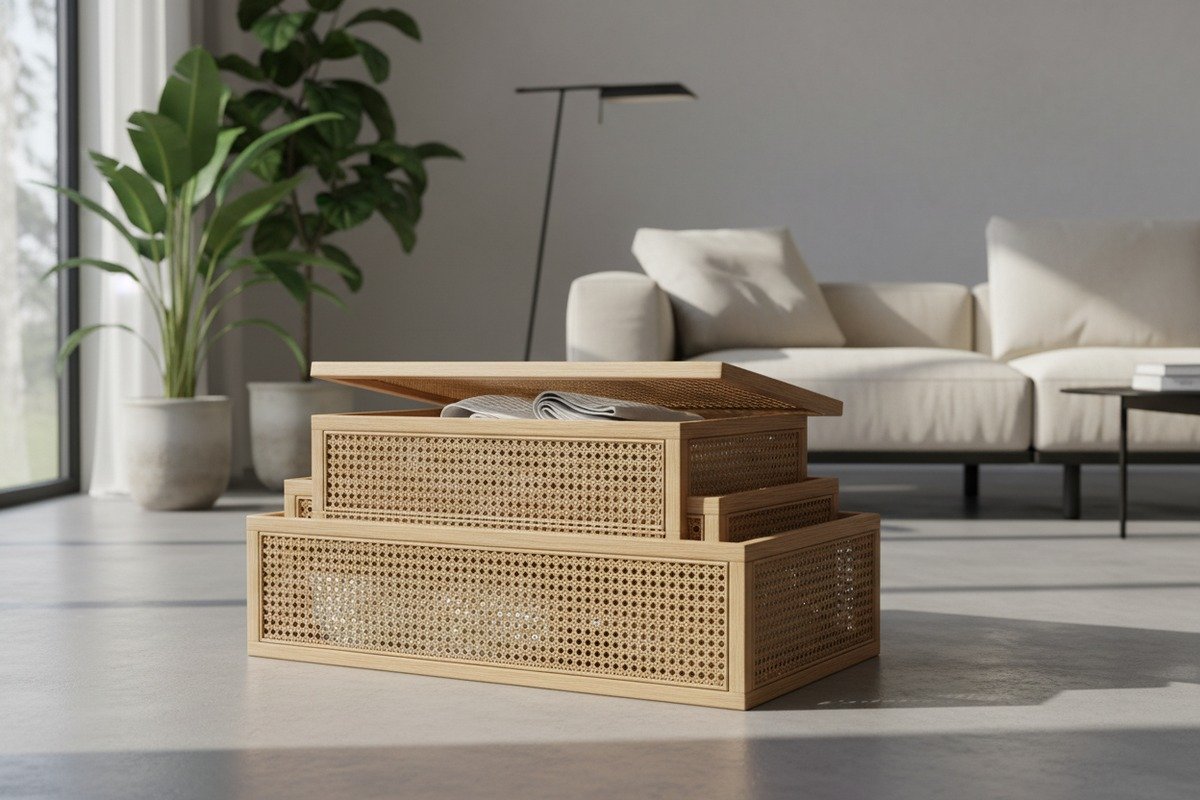
Every year, our production team in Foshan fields dozens of inquiries from furniture factories asking the same thing: can rattan cane webbing really hold up in storage applications?
Yes, natural rattan cane webbing works exceptionally well for storage baskets and boxes. Its flexible yet durable woven structure provides breathability, lightweight strength, and organic beauty. Paired with a rigid frame and proper moisture management, rattan webbing creates premium indoor storage products that last for years.
But the answer deserves more detail. Below, we break down durability, quality sourcing, market competitiveness, and custom sizing so you can make an informed decision for your next production run.
Is natural rattan cane webbing durable enough for my heavy-duty storage baskets?
When we run stress tests on our rattan webbing sheets before shipping containers to clients in the US and Australia, durability is always the first checkpoint we evaluate.
Natural rattan cane webbing is durable enough for most indoor heavy-duty storage baskets when combined with a solid wood or rattan pole frame. Treated rattan resists sagging and wear, withstands daily use for years, and gains a beautiful darkening patina over time rather than degrading.
Understanding Rattan's Natural Strength
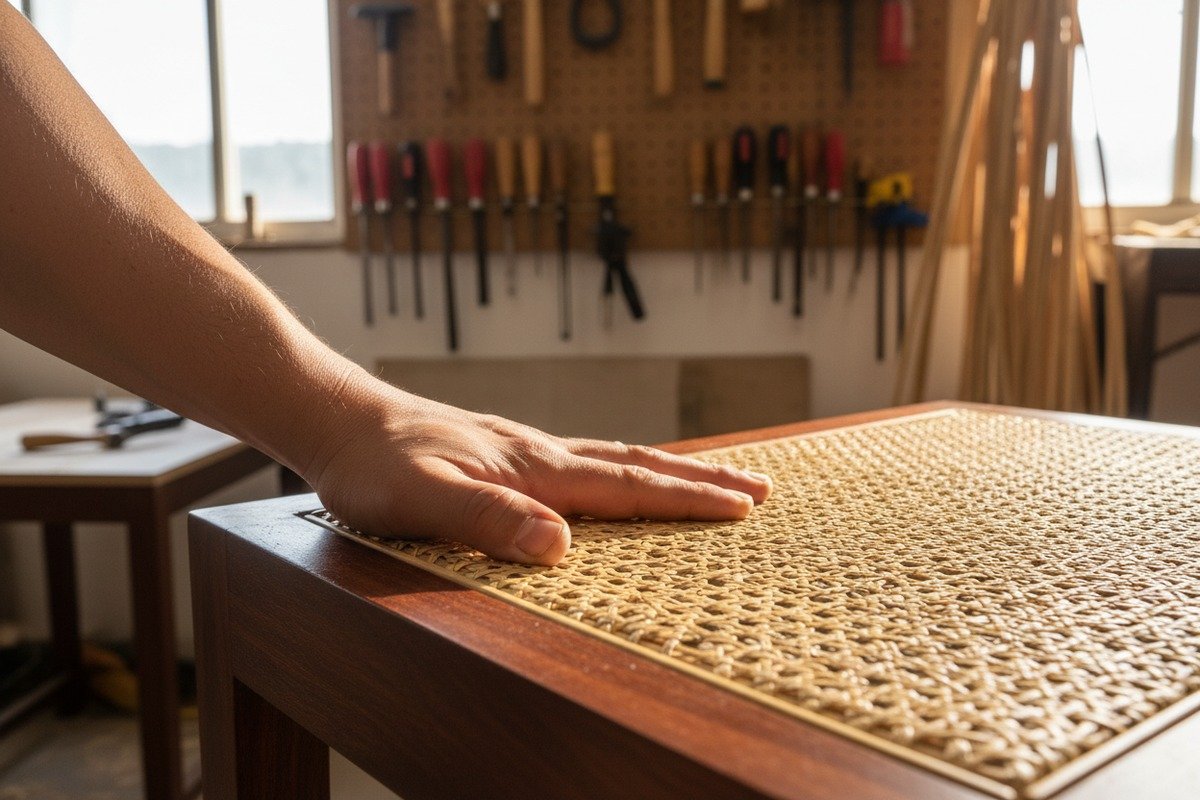
Сетка из ротанга производится из внешней коры rattan palm 1. Workers peel this bark into thin strips. Then they weave these strips into sheets. The result is a material that is both flexible and surprisingly tough. Unlike bamboo, which is hollow and rigid, rattan is solid and pliable. This makes it ideal for wrapping around frames and holding shape under load.
The key factor is how the webbing is processed. At our Indonesian processing facility, raw rattan goes through boiling, drying, and mildew-proofing 2 stages. Each step adds to the final product's resilience. Boiling kills pests and softens the fibers. Controlled drying locks in the right moisture content. Mildew-proofing guards against fungal growth. After this treatment chain, the webbing can handle repeated stress without cracking or splitting.
What Affects Durability in Storage Use?
Several factors determine how well rattan webbing performs in a storage basket or box:
- Frame support. Rattan webbing alone will sag under heavy loads. Always pair it with a rigid frame made from rattan poles, hardwood, or plywood.
- Плотность плетения. A tight basketweave or dense diamond pattern holds more weight than an open hexagonal weave.
- Moisture exposure. Rattan is гигроскопична 3. Too much humidity causes warping. Too little causes brittleness. Indoor use is best.
- Finish and coating. A light coat of linseed oil or lacquer 4 seals the fibers and extends lifespan.
Rattan Webbing vs. Common Alternatives for Storage
| Характеристика | Натуральная ротанговая тесьма | Синтетический ротанг из полиэтилена | Paper-Based Webbing |
|---|---|---|---|
| Долговечность | High (with frame support) | Very high (weather-resistant) | Низкая или умеренная |
| Weight Capacity | От умеренной до высокой | Высокий | Низкий |
| Воздухопроницаемость | Отличная | Умеренная | Хорошая |
| Aesthetic Appeal | Warm, organic patina | Uniform, plastic feel | Natural look, less texture |
| Indoor/Outdoor Use | Только для помещений | В помещении и на улице | Только для помещений |
| Экологичность | Биоразлагаемый, возобновляемый | На основе пластика, не биоразлагаемый | Recyclable, biodegradable |
| Уход | Occasional oiling | Wipe clean | Avoid moisture entirely |
From our experience exporting to over a dozen countries, the most common complaint about rattan webbing in storage applications is not breakage. It is warping from improper storage conditions. Keep your finished products in climate-controlled environments, and the material will perform well under daily loads.
A Note on Load Limits
No published quantitative load-capacity data exists for standard rattan cane webbing sheets. However, qualitative evidence from furniture applications is strong. Chair seats woven with the same webbing support adult body weight daily for years. A storage basket holding linens, toys, or office supplies faces far less stress. The bottom line is simple: rattan webbing on a solid frame can handle heavy-duty indoor storage with confidence.
How can I ensure consistent quality when sourcing rattan webbing for my box manufacturing?
One pain point we hear repeatedly from purchasing managers like our long-term client Ranoo in Thailand is this: quality varies wildly between shipments from different suppliers.
To ensure consistent quality, inspect for uniform weave tension, proper moisture content, and flexibility without brittleness. Work with suppliers who control their own processing facilities, provide Grade A sample approvals before bulk orders, and maintain standardized boiling, drying, and finishing protocols across every production batch.
Key Quality Indicators to Check
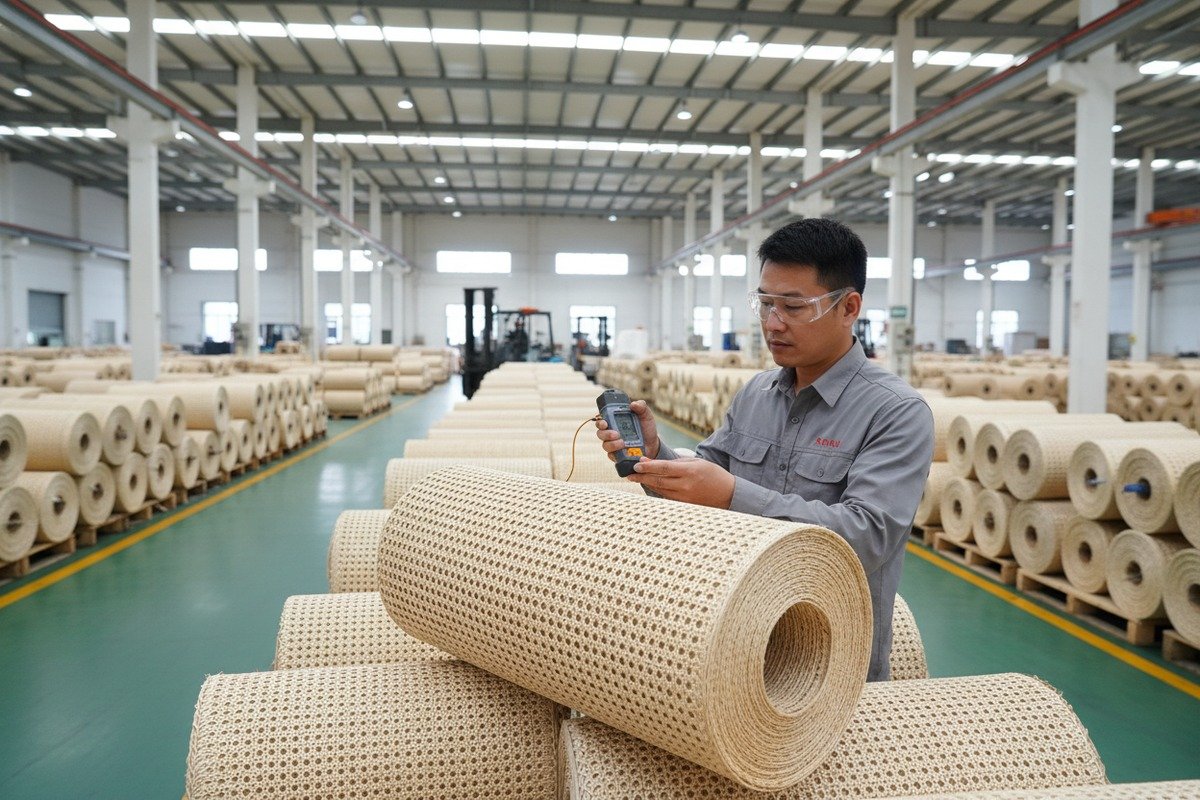
Quality in rattan webbing is not abstract. It comes down to measurable, observable traits. Here is what our quality control team checks before every shipment leaves our warehouse:
- Weave tension uniformity. Pull gently on different areas of the sheet. The resistance should feel the same everywhere. Uneven tension means sloppy weaving, and that leads to warping over time.
- Flexibility test. Bend a dry strip gently. It should flex without snapping. Brittle strips indicate over-drying or old stock.
- Однородность цвета. Natural rattan ranges from light beige to sandy tan. Sheets in the same order should match closely in tone. Major color variation signals mixed raw material batches.
- Surface smoothness. Run your hand across the weave. Good webbing feels smooth with no splinters or rough patches. Poorly processed rattan will snag fabric and scratch skin.
- Содержание влаги. The webbing should not feel damp or overly dry. Proper moisture content prevents mold during shipping and brittleness during use.
Common Quality Problems and Their Causes
| Quality Issue | Root Cause | Prevention Strategy |
|---|---|---|
| Uneven weave pattern | Inconsistent strip width or unskilled weavers | Source from factories with trained workers and strip-cutting machines |
| Brittle or cracking strips | Over-drying or aged raw material | Verify processing dates; request moisture content reports |
| Mold or mildew spots | Insufficient drying or poor storage | Demand mildew-proofing treatment; inspect packaging for ventilation |
| Color mismatch across rolls | Mixed rattan species or harvest batches | Request single-batch production for large orders |
| Fraying edges | Poor trimming after weaving | Specify clean-cut edges in purchase specs |
Building a Reliable Supply Chain
From running three factories and coordinating with over 30 partner facilities, we have learned that consistency comes from control. Here are practical steps for buyers:
- Visit the factory. If possible, audit the processing line. Check the soaking tanks, drying racks, and weaving stations.
- Request pre-production samples. Approve a physical sample before each bulk order. Do not rely on photos alone.
- Set clear specifications. Put weave pattern, strip width, sheet dimensions, moisture content range, and packaging requirements in writing.
- Establish inspection checkpoints. Agree on third-party inspection or video inspection at three stages: raw material intake, post-weaving, and pre-packing.
- Start with a trial order. Before committing to a full container, test with a smaller batch to evaluate real-world performance in your production line.
The rattan cane used for webbing typically comes from medium-diameter rattan palms, around 1 to 2 inches thick, such as the Rotin Tohiti variety 5. Knowing your raw material source helps you predict quality outcomes. Suppliers who own or closely manage their rattan plantations and processing plants in Indonesia or Southeast Asia tend to deliver more consistent results than middlemen.
Will using natural cane webbing help me stay competitive in the furniture material market?
Our sales data from the past three years tells a clear story: orders for natural rattan cane webbing have grown steadily, driven by the global push toward sustainable, biophilic interior design.
Yes, natural cane webbing strengthens your competitive position. Consumer demand for eco-friendly, biodegradable materials is surging. Rattan's renewable growth cycle, organic aesthetic, warm texture, and lightweight shipping profile give manufacturers and wholesalers a clear edge over synthetic alternatives in the current furniture material market.
The Sustainability Advantage
Rattan is one of the fastest-growing natural fibers on the planet. It grows in tropical forests without requiring replanting after harvest. The plant regenerates from its root system. This makes it far more sustainable than timber and dramatically more eco-friendly than petroleum-based synthetic rattan.
For furniture material wholesalers and building material suppliers, this matters. End consumers in Europe, North America, and Australia increasingly ask about material origins. Retailers want to label products as "natural" and "biodegradable." Rattan cane webbing checks both boxes without any greenwashing risk.
Additionally, rattan webbing is lightweight. A full container of natural webbing weighs significantly less than an equivalent volume of solid wood panels or synthetic sheets. Lower shipping weight means lower freight costs and reduced carbon emissions 7 per unit. For buyers in the Netherlands, Spain, or the US, this translates to both cost savings and a stronger sustainability narrative.
Aesthetic and Design Trends Working in Your Favor
Запрет biophilic design movement 8, which brings natural materials and textures into indoor spaces, continues to grow. Rattan's warm beige-to-tan color palette, organic weave patterns, and tactile surface fit perfectly into this trend. Storage baskets and boxes made with natural cane webbing look premium. They photograph well for e-commerce. They appeal to the Instagram-driven home decor market.
The DIY and furniture restoration boom also fuels demand. Crafters and small businesses buy rattan webbing rolls to upcycle old furniture, build custom storage, and create handmade home accessories. This broadens your customer base beyond traditional furniture factories.
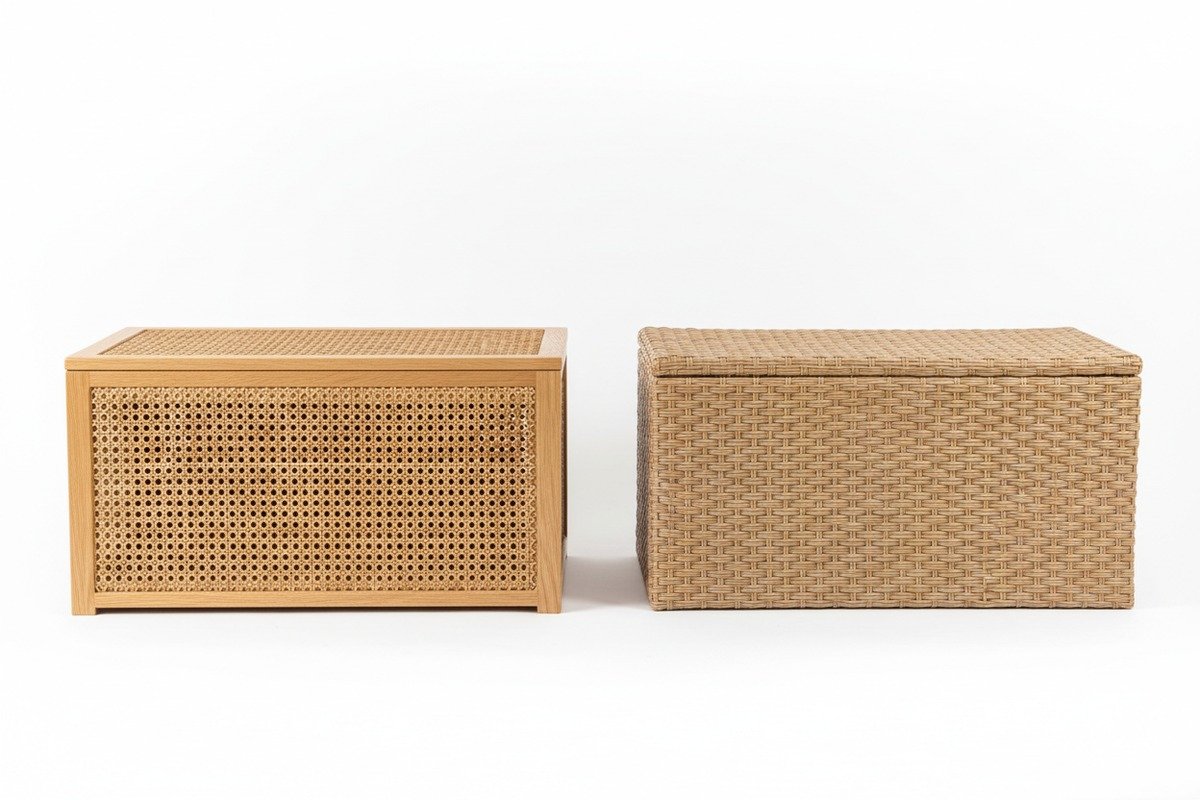
Natural vs. Synthetic: A Market Positioning Comparison
| Market Factor | Натуральная ротанговая тесьма | Синтетический ротанг из полиэтилена |
|---|---|---|
| Consumer Perception | Premium, artisanal, eco-conscious | Practical, budget-friendly |
| Ценовой сегмент | От среднего до высокого | От низкого до среднего |
| Sustainability Story | Strong (renewable, biodegradable) | Weak (plastic-based) |
| Design Versatility | Multiple weave patterns, natural color variation | Uniform colors, consistent look |
| Target Market | Eco-conscious homeowners, boutique retailers, designers | Mass-market outdoor furniture |
| Shipping Cost | Lower (lightweight) | Higher (denser material) |
| Longevity Narrative | Ages beautifully with patina | Degrades visually over time, may crack in cold weather |
Paper-Based Webbing: Friend or Foe?
A newer alternative, paper-based webbing, is gaining traction. It offers flexibility and a natural look at a lower cost. However, it lacks the durability and structural integrity of real rattan. For storage baskets that need to hold weight and last years, paper webbing falls short. It works for decorative accents and lightweight applications only.
From a competitive standpoint, offering natural rattan positions your product line above paper-based alternatives without the environmental baggage of synthetics. You occupy the premium-but-justified middle ground that today's market rewards.
Repair and Longevity as Selling Points
One often-overlooked advantage of natural cane webbing is repairability. If a section of a basket or box gets damaged, it can be rewoven or patched. This is impossible with molded synthetic products. For brands marketing sustainability and longevity, this repair-friendly quality is a powerful differentiator. Heirloom-quality storage pieces that develop a rich patina over the years tell a story that disposable alternatives never can.
Can I order custom sizes of rattan webbing to fit my specific storage box designs?
When we first started working with furniture factories in Turkey and Greece, almost every client needed non-standard sheet dimensions to match their unique box and basket molds.
Absolutely. Reputable rattan webbing suppliers offer custom sizing for width, length, and even weave pattern to match your specific storage box designs. Custom orders require clear specifications, sample approval, and minimum order quantities, but they allow you to create perfectly fitted products without material waste.
How Custom Sizing Works
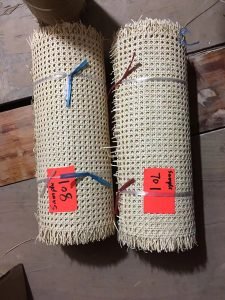
Natural rattan cane webbing is typically produced in standard roll widths, commonly ranging from 45 cm to 90 cm, and sold by the meter or in fixed-length rolls. For storage box manufacturing, these standard sizes may not align with your specific product dimensions. That is where custom orders come in.
Here is the general process we follow at our facilities:
- You provide specifications. This includes the desired width, length, weave pattern (hexagonal, octagonal, basketweave, diamond, open square grid), strip width, and any finishing requirements.
- We produce a sample. Our weavers create a sample panel matching your specs. We ship it for your physical inspection.
- You approve and place the order. Once approved, we schedule production. Custom orders typically require a minimum order quantity (MOQ) 9, which varies by complexity.
- Quality checks run throughout. We inspect at weaving, trimming, and packing stages to ensure every sheet matches the approved sample.
- Packaging is tailored. We can roll, fold, or flat-pack webbing based on your warehouse and production line requirements.
Preparation Tips for Using Custom Webbing
Before attaching rattan webbing to your storage box frames, proper preparation is essential:
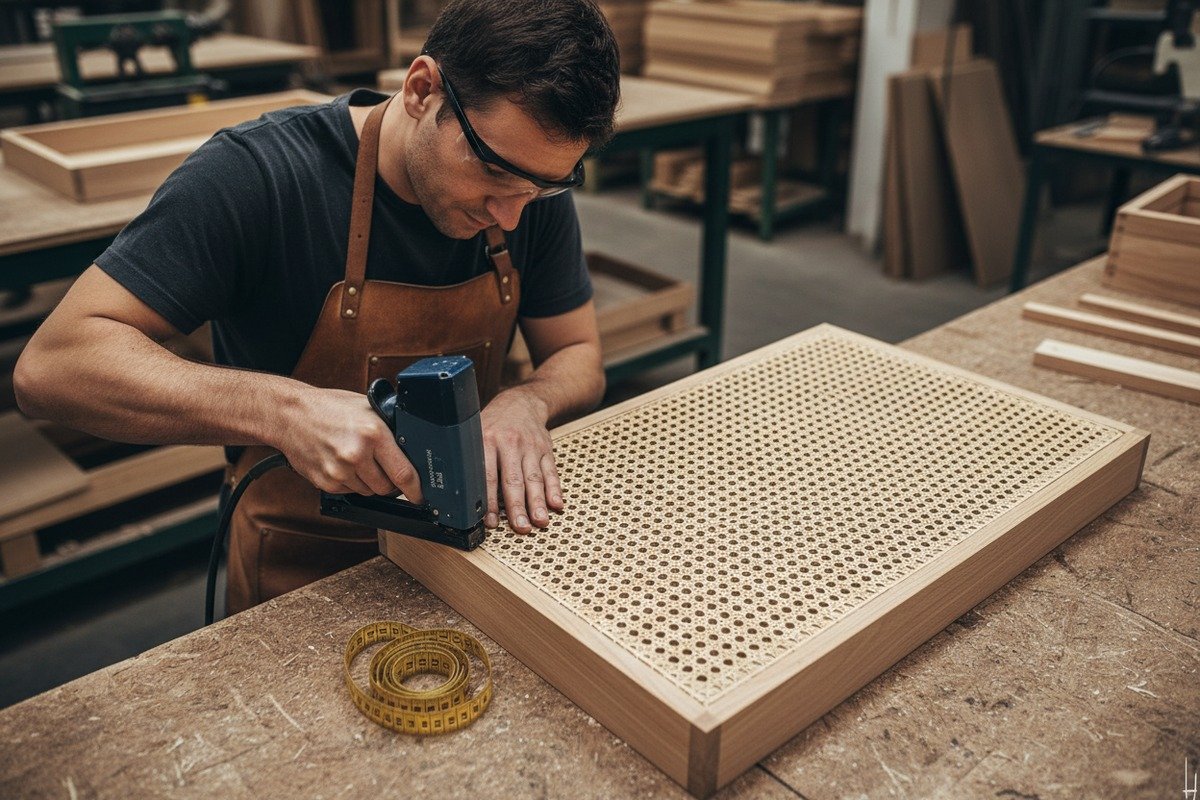
- Soak the webbing in warm water for 15 to 20 minutes. This restores pliability and makes the material easy to stretch over frames without cracking.
- Cut with sharp tools. Use sharp scissors or a utility knife. Always allow 1 to 2 cm of overlap for stapling or gluing.
- Attach while damp. The webbing tightens as it dries, creating a drum-tight fit on your frame.
- Apply finish after drying. Once the webbing is fully dry (2 to 3 hours minimum), apply a thin coat of linseed oil, mineral oil, or a diluted Murphy's soap solution to protect the surface.
Weave Patterns and Their Best Storage Applications
Different weave patterns serve different purposes. Choosing the right one affects both aesthetics and function.
| Тип плетения | Визуальный стиль | Воздухопроницаемость | Structural Rigidity | Best Storage Use |
|---|---|---|---|---|
| Мелкий восьмиугольник 1/2 дюйма | Classic, traditional | Высокий | Умеренная | Decorative baskets, linen storage |
| Плотный ромбовидный узор | Geometric, modern | Низкий | Высокий | Heavy-duty boxes, lidded trunks |
| Плотное плетение «корзинка» | Clean, uniform | Низкий | Очень высокая | Toy storage, utility boxes |
| Открытая шестиугольная | Airy, bohemian | Очень высокая | Низкий | Display baskets, plant holders |
| Открытая квадратная сетка | Minimalist, contemporary | Очень высокая | Низкий | Electronics storage (heat dissipation) |
Scaling from Simple to Complex
For buyers new to rattan webbing, we recommend starting with a simple project. A rectangular tray with a plywood base and rattan webbing sides is an easy first product. It requires minimal tools: a staple gun, sharp scissors, a soaking basin, and a small brush for oiling.
Once you are comfortable, you can scale up to more complex designs. Lidded boxes with hinged rattan panels. Modular stacking baskets. Woven trunks with reinforced corners. Each step builds on the same core skills: soaking, cutting, attaching, and finishing.
For high-volume manufacturing, the key is working closely with your webbing supplier to lock in consistent custom sizes. This eliminates cutting waste on your production floor. It speeds up assembly. And it ensures every finished product looks identical, which is critical for retailers who expect uniformity on their shelves.
One practical tip from our production line: always order 5 to 10 percent extra webbing per batch. Natural materials have minor variations. Having a small buffer prevents production delays if a sheet has an imperfection that requires replacement.
Заключение
Natural rattan cane webbing is a proven, versatile material for storage baskets and boxes. With the right frame, proper treatment, consistent sourcing, and custom sizing, it delivers durability, beauty, and market appeal that synthetic alternatives 10 simply cannot match.
Сноски
1. Provides a general overview of rattan palms. ↩︎
2. Reference 2. ↩︎
3. Reference 3. ↩︎
4. Discusses common finishing treatments for rattan furniture. ↩︎
5. Describes a specific variety of rattan used in furniture. ↩︎
6. Reference 8. ↩︎
7. Reference 7. ↩︎
8. Provides a general definition and overview of biophilic design. ↩︎
9. Defines and explains the concept of minimum order quantity. ↩︎
10. Compares natural rattan to synthetic PE rattan. ↩︎
 English
  Español de México
  العربية
  Deutsch
  Français
  Русский