
Choisir le bon cannage de siège de chaise peut transformer un meuble. Mais avec autant d'options, comment choisir le meilleur ?
Le meilleur cannage de siège de chaise dépend de l'utilisation de la chaise. Différents matériaux et motifs offrent différents niveaux de confort, d'apparence et de durabilité.
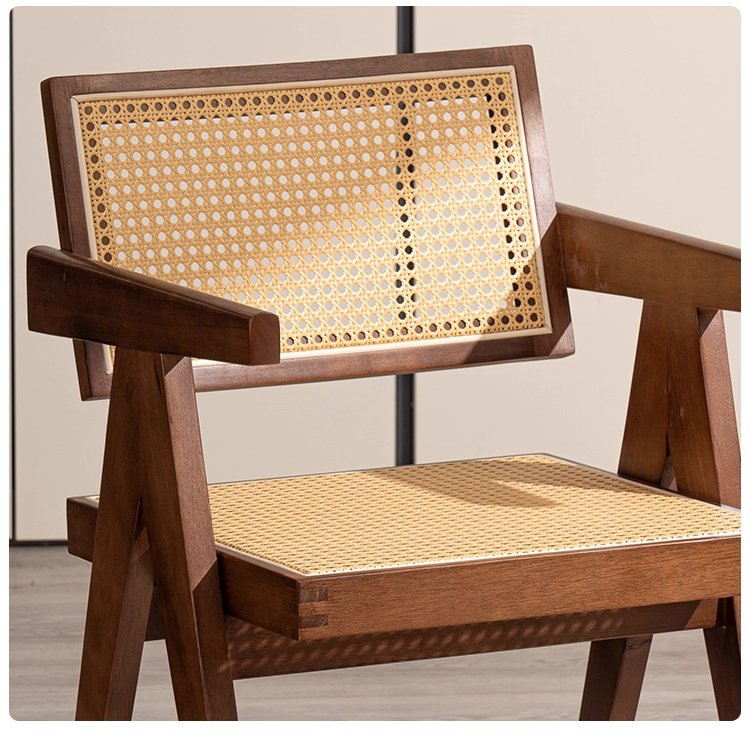
D'après mon expérience, la sélection d'un siège de chaise implique plus que l'esthétique. Cela nécessite de connaître les matériaux et les motifs disponibles. Ces connaissances garantissent la durabilité, le confort et l'aspect général que vous souhaitez pour vos meubles.
Quel matériau utilisez-vous pour tresser un siège de chaise ?
De nombreux matériaux différents peuvent être utilisés pour tresser un siège de chaise. Le choix dépend souvent de l'aspect désiré, de la durabilité et du coût.
Les matériaux courants comprennent les fibres naturelles comme le rotin, le cannage et la paille, ainsi que des options synthétiques comme le rotin PE1 et divers cordages.
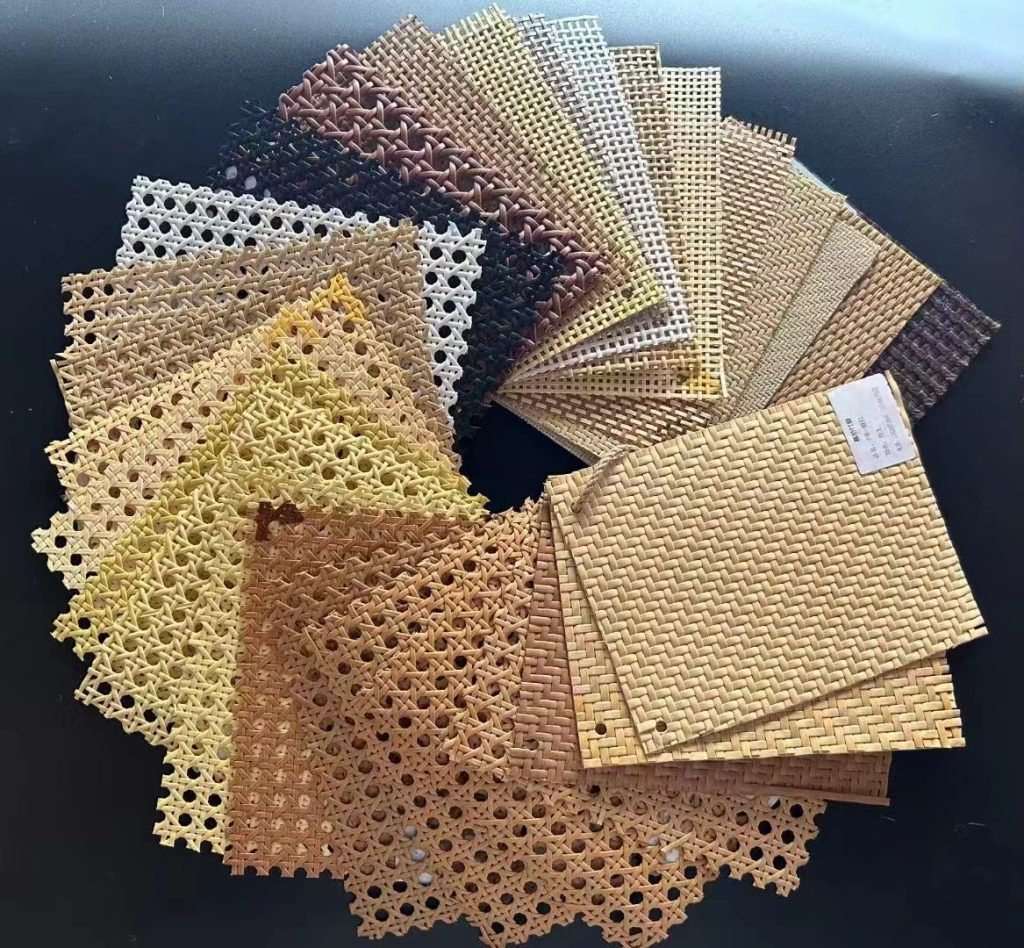
Lorsque j'aide les fabricants et les designers de meubles, l'une des premières questions concerne toujours les matériaux. Chaque matériau a ses propres forces et faiblesses. Par exemple, le cannage naturel est beau et respirant, parfait pour une chaise d'intérieur classique. Cependant, il ne convient pas à une utilisation en extérieur. Pour les chaises d'extérieur, je recommande souvent le rotin PE. Il est fabriqué à partir de plastique, il résiste donc parfaitement aux éléments. D'autres matériaux comme la corde de papier ou même des lanières de cuir peuvent créer des textures et des motifs uniques. Mes usines fournissent du cannage de rotin, qui est un choix populaire pour les sièges de chaise car il est solide mais flexible. Nous fabriquons également du cannage en rotin PE dans de nombreuses couleurs pour les meubles d'extérieur. Il est important de faire correspondre le matériau à l'usage de la chaise. Par exemple, une chaise de salle à manger robuste nécessite un tressage plus durable qu'un fauteuil décoratif.
Comment appelle-t-on le tressage sur les chaises ?
Le tressage sur les chaises est généralement appelé "cannage2" ou "vannerie". Cependant, ces termes font référence à des techniques et des matériaux spécifiques. Les comprendre aide à distinguer ce que vous voyez.
"Le "cannage" désigne généralement les motifs réalisés avec du cannage de rotin. La "vannerie" est un terme plus large pour tout meuble tressé.
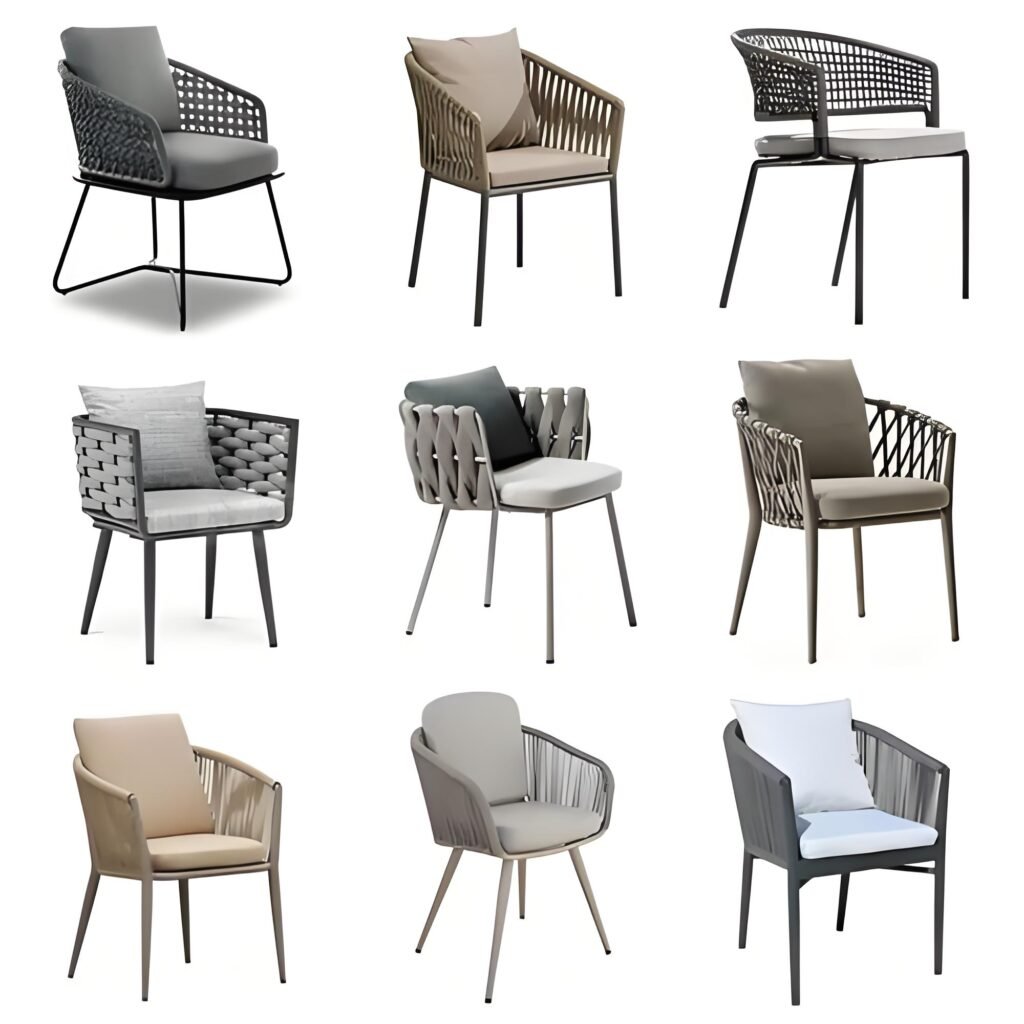
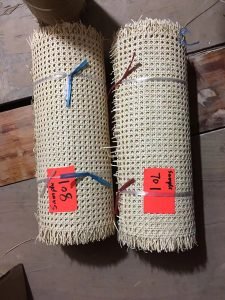
Dans le commerce, nous utilisons des termes spécifiques pour décrire le tressage de chaises. Le "cannage" est souvent utilisé pour les motifs traditionnels à tissage ouvert que l'on trouve sur de nombreuses chaises anciennes. Ceci est généralement fait avec du cannage de rotin. Il donne un siège très élégant et respirant. La "vannerie" est un terme plus général pour les meubles fabriqués par tressage. Cela peut inclure tout, des épais poteaux de rotin tressés dans un cadre de chaise au tressage plus fin utilisé pour les sièges et les dossiers. Mon usine produit du cannage de rotin, qui est une feuille de rotin pré-tressée. Cela permet aux fabricants de meubles d'appliquer plus facilement ces sièges tressés classiques. Nous proposons également désormais divers types de sangles synthétiques, qui entrent également dans la catégorie "vannerie" car elles sont tressées dans des styles similaires aux matériaux naturels. Je conseille toujours à mes clients d'être précis sur le matériau qu'ils souhaitent, pas seulement sur le style de tressage, afin d'éviter toute confusion.
Qu'est-ce qu'un siège en rotin ?
Un siège en rotin est un siège de chaise fabriqué à partir de parties de la plante de rotin. Il peut s'agir de tiges de rotin pleines, de fines lamelles de rotin, ou de sangles de rotin pré-tissées.
Les sièges en rotin sont connus pour leur aspect naturel, leur durabilité et leur légère flexibilité. Ils offrent une surface d'assise confortable et respirante.
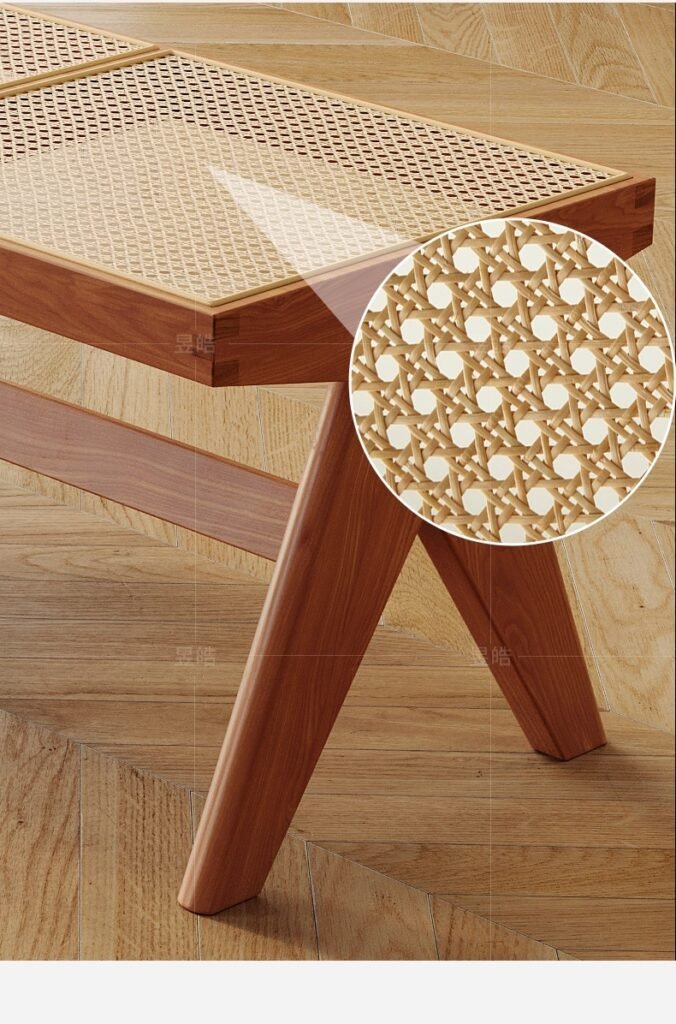
Un siège en rotin peut être fabriqué de plusieurs façons. Par exemple, certaines chaises ont des sièges fabriqués à partir de sangles de rotin finement tressées. C'est un style très populaire pour les chaises car il est respirant et solide. D'autres sièges en rotin3 peuvent être fabriqués à partir du cœur de rotin plus épais, tressé serré. Le choix de la partie du rotin affecte la sensation et l'aspect du siège. J'ai vu de nombreux designs où le rotin est utilisé. Mon entreprise fournit diverses formes de rotin pour le tressage de sièges, y compris le cœur de rotin et le rotin. Nous fournissons également des sangles de rotin, qui sont des feuilles tissées prêtes à l'emploi. Cela permet aux fabricants de meubles de créer rapidement de beaux et durables sièges en rotin. Les sièges en rotin conviennent à un usage intérieur. Ils apportent une touche naturelle et chaleureuse à n'importe quelle pièce.
1 Qu'est-ce que le tressage de sièges de chaise ?
Le tressage de sièges de chaise est un artisanat où les matériaux sont entrelacés pour former une surface d'assise. Il offre confort, soutien et contribue au design de la chaise.
Cette technique est utilisée depuis des siècles, s'adaptant aux nouveaux matériaux et styles au fil du temps. Elle peut être réalisée à la main ou à la machine.
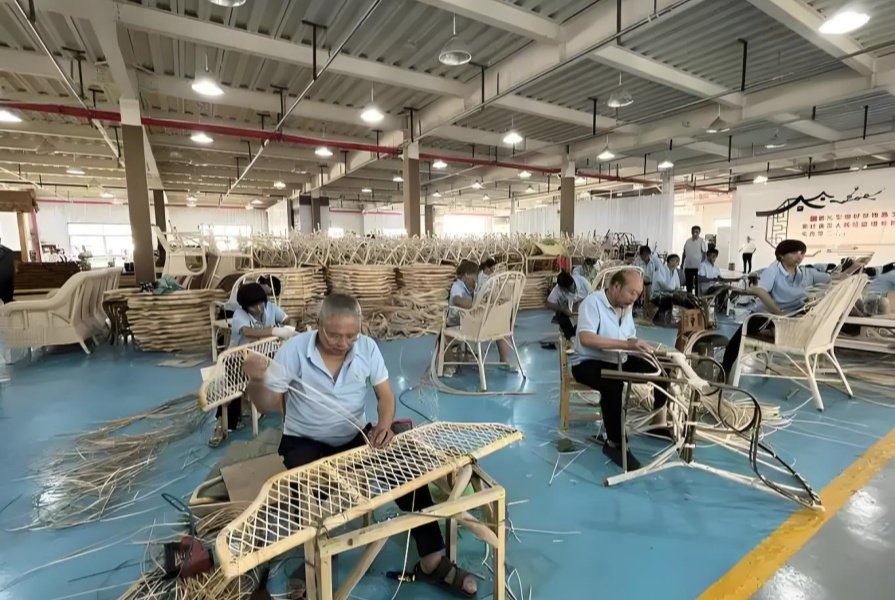
Le tressage de sièges de chaise est plus qu'une simple fabrication de siège. C'est une forme d'art. La façon dont les matériaux se croisent crée des motifs et de la solidité. Du point de vue d'un fournisseur, nous constatons que différents types de tressage ont un impact à la fois sur le coût et sur l'aspect final d'une chaise. Par exemple, les sièges tressés à la main sont souvent plus longs à réaliser et donc plus chers. Les sangles fabriquées à la machine, comme certaines de nos feuilles de sangles de rotin, peuvent être produites plus rapidement et avec des motifs plus constants. Cela aide les usines de meubles à maintenir leurs coûts bas tout en offrant une esthétique classique. Le choix du tressage affecte profondément le confort de la chaise et sa ventilation, ce qui est important, surtout dans les climats plus chauds. Comprendre la technique exacte aide les clients à savoir s'ils achètent une pièce véritablement faite à la main ou une pièce produite en usine avec une esthétique similaire.
2 Matériaux de tressage de sièges de chaise
Les matériaux utilisés pour le tressage de sièges de chaise sont cruciaux pour la solidité, l'aspect et la sensation de la chaise. Chaque matériau a des propriétés uniques qui influencent son utilisation optimale.
Choisir le bon matériau garantit que le siège est suffisamment durable pour son usage et qu'il correspond au style de la chaise.
Lorsque je conseille Jacky, le responsable des achats de meubles de Thaïlande, sur les matériaux, je détaille toujours les options. Nous proposons une large gamme de matériaux, chacun adapté à différentes applications.
2.1 Matériaux de tressage en canne4
Le tressage en canne utilise l'écorce extérieure de la liane de rotin, connue sous le nom de rotin ou d'écorce de rotin. Elle est fine, solide et a une finition lisse et brillante.
La canne est réputée pour sa durabilité et sa sensation aérée, souvent vue dans les motifs classiques à tissage ouvert. Elle est très populaire pour les meubles traditionnels.
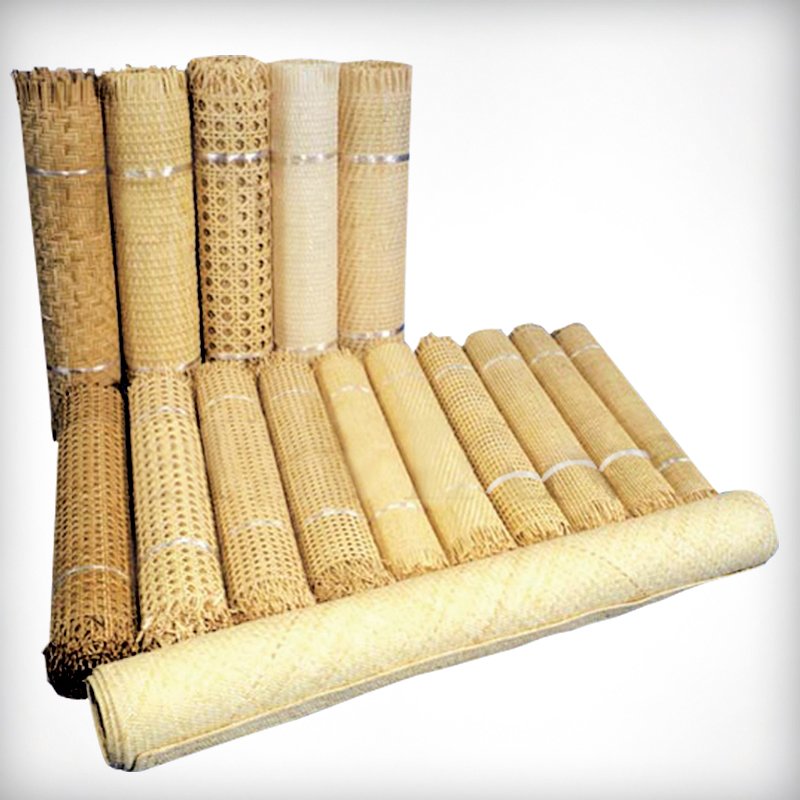
Le rotin est l'un de mes matériaux préférés à fournir. Il provient de la partie extérieure de la tige de rotin. Il est léger, résistant et souple. Nous le transformons en fines lamelles. Ces lamelles sont ensuite utilisées pour tisser des motifs complexes. Il en résulte un siège très respirant. Nous fournissons du rotin de haute qualité, excellent pour les conceptions de chaises classiques ou modernes. Il est parfait pour les chaises de salle à manger ou les chaises d'appoint qui nécessitent une touche d'élégance naturelle. Il est durable pour une utilisation en intérieur mais nécessite une protection contre l'humidité pour assurer sa longévité.
2.2 Matériaux de tissage en rotin PE5
Le rotin PE, ou rotin polyéthylène, est un matériau synthétique fabriqué à partir de plastique. Il est conçu pour imiter l'aspect du rotin naturel mais avec des caractéristiques améliorées.
Le rotin PE est très résistant aux rayons UV, à l'humidité et aux changements de température. Cela le rend idéal pour les meubles d'extérieur et les meubles très sollicités.
Le rotin PE a révolutionné le mobilier d'extérieur. Contrairement au rotin naturel, le rotin PE peut être mouillé et rester au soleil sans dommage. Mes usines ont développé plus de 10 variétés de sangles en rotin PE de qualité extérieure depuis 2025. Ce matériau réduit considérablement les coûts de main-d'œuvre pour nos clients car il permet le tissage à la machine au lieu d'un tissage manuel extensif. Il est également disponible dans de nombreuses couleurs et motifs. Peter, le concepteur de projets hôteliers aux Maldives, utilise souvent notre rotin PE pour les meubles de villégiature en raison de sa durabilité et de son faible entretien dans les climats chauds et humides.
2.3 Matériaux de tissage en osier
"Osier" est un terme désignant la méthode de tissage, pas un matériau unique. Cependant, il fait souvent référence à des matériaux comme le saule, le jonc ou même des tiges de rotin plus grosses lorsqu'ils sont tissés.
Ces matériaux, lorsqu'ils sont tissés selon la technique de l'osier, créent des meubles connus pour leur aspect tissé classique.
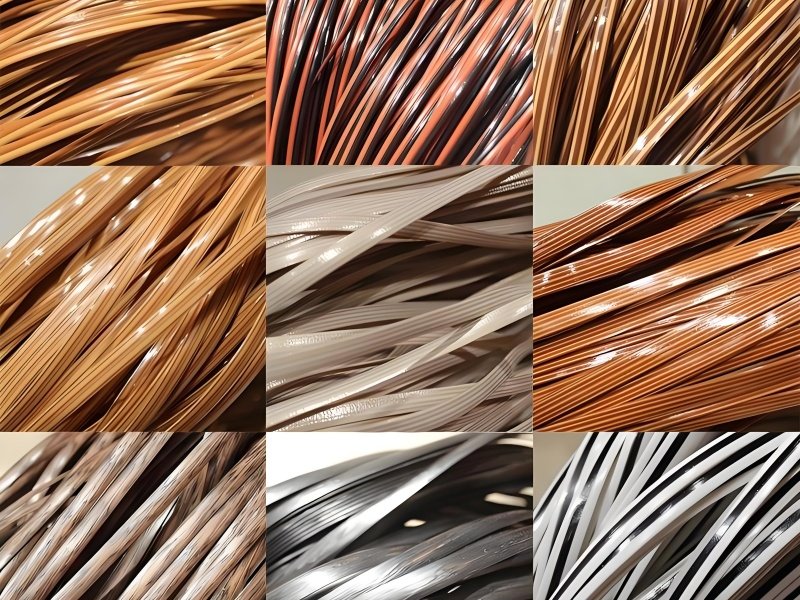
Lorsque Adel, notre grossiste d'Iran, parle de "matériaux d'osier", il entend par là tout matériau qui peut être tissé dans le style de l'osier. Bien que le rotin naturel soit souvent utilisé, d'autres sources gagnent en popularité. Certains matériaux sont plus épais, produisant un aspect plus rustique. Certains permettent des tissages plus serrés, offrant plus de soutien. Nous fournissons diverses formes de rotin adaptées au tissage en osier, que nos clients utilisent pour créer des meubles diversifiés. La résistance du produit final dépend du matériau choisi et de la densité du tissage.
2.4 Matériaux de tissage en corde de papier6
La corde de papier, ou cordon danois, est fabriquée à partir de fibres de papier torsadées. Elle crée une surface tissée lisse, durable et aux lignes épurées.
La corde de papier est populaire dans les designs minimalistes et scandinaves. Elle est solide et offre un siège ferme mais confortable.
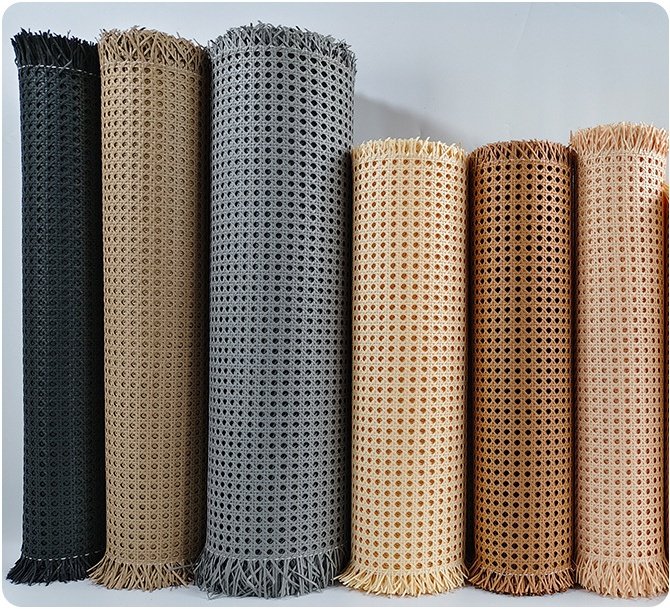
Le tissage en corde de papier, souvent appelé tissage en cordon danois, est connu pour son aspect épuré et moderne. Il est fabriqué à partir de papier spécialement traité, torsadé en un cordon solide. Ce matériau est étonnamment durable et crée un motif uniforme très élégant. Nous avons constaté une demande croissante pour ce style, en particulier de la part des designers recherchant une esthétique minimaliste sophistiquée. C'est un excellent choix pour les sièges d'intérieur où des lignes épurées et une surface lisse sont souhaitées.
2.5 Matériaux de tissage en cuir
Le tissage en cuir utilise des lanières de cuir pour créer un siège de chaise. Il est très durable, luxueux et vieillit magnifiquement.
Les sièges en cuir offrent une texture unique et un aspect haut de gamme. Ils sont très solides et peuvent résister à une utilisation intensive au fil du temps.
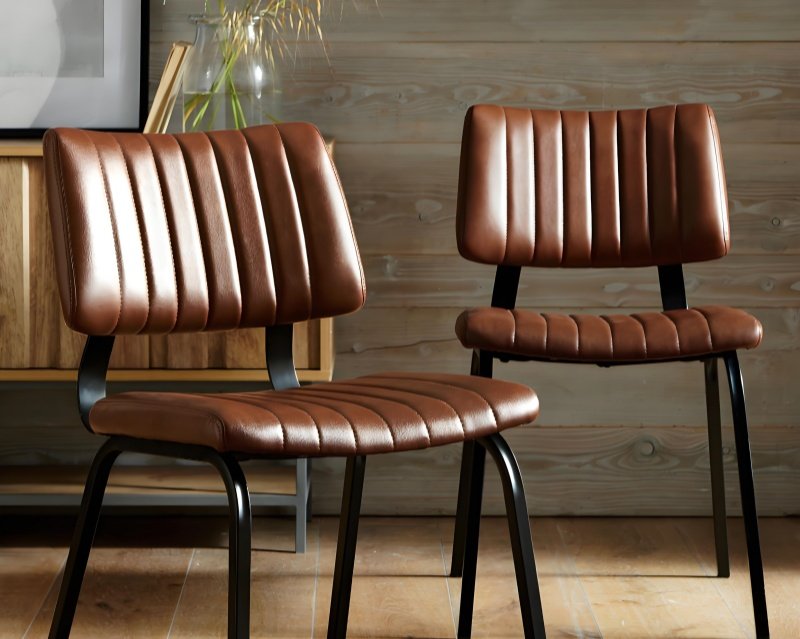
Le tressage en cuir ajoute une touche de luxe à une chaise. Il est incroyablement durable et développe une belle patine avec le temps. Bien que nous travaillions principalement avec du rotin, j'ai vu des projets magnifiques où des lanières de cuir sont tressées dans des cadres en rotin. Cette combinaison offre un mélange unique de chaleur naturelle et d'élégance sophistiquée. Elle nécessite du cuir de bonne qualité et des artisans qualifiés pour le tresser correctement. C'est une option haut de gamme pour les meubles de luxe.
2.6 Matériaux de tressage en coton
Le tressage en coton utilise des cordes ou des lanières de coton pour créer un siège de chaise. Il offre une sensation plus douce et plus textile par rapport aux matériaux plus durs.
Les sièges en coton peuvent être confortables et disponibles dans une variété de couleurs. Ils ont généralement une esthétique plus décontractée ou bohème.
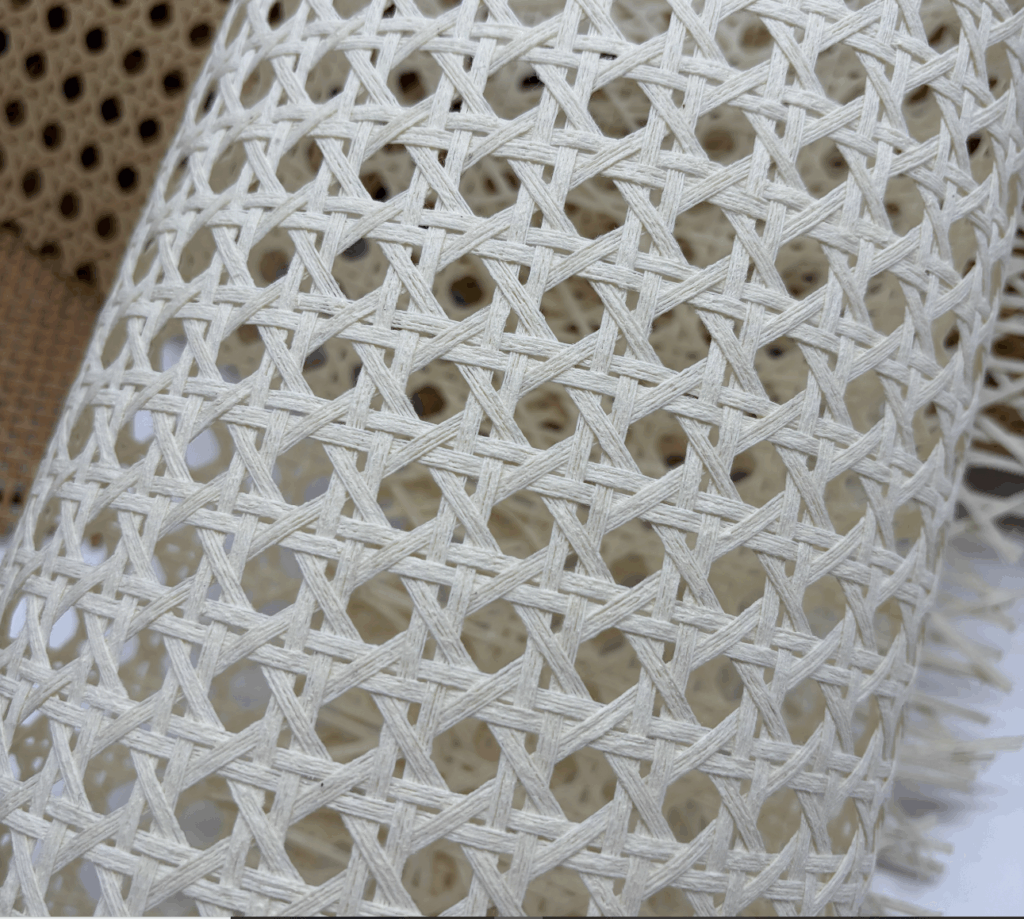
Le tressage en coton crée un siège plus doux. Il peut être teint dans de nombreuses couleurs, ouvrant ainsi de nombreuses possibilités de conception. Il est souvent utilisé pour un look plus décontracté ou bohème. Bien qu'il offre du confort, le coton pourrait ne pas être aussi durable que le rotin ou le rotin PE pour une utilisation intensive. Il convient mieux aux chaises d'appoint ou aux pièces décoratives où une utilisation fréquente n'est pas la principale préoccupation.
3 Motifs de tressage de siège de chaise
Le motif du tressage a un impact considérable sur la résistance, le confort et l'esthétique de la chaise. Différents motifs créent des qualités visuelles et tactiles distinctes.
Choisir le bon motif combine l'attrait du design avec la performance fonctionnelle.
Lorsque nos clients choisissent du cannage en rotin, ils choisissent également un motif de tressage. Nous proposons plusieurs motifs populaires, chacun avec ses propres caractéristiques. Le motif affecte la façon dont la lumière passe, le confort du siège et sa solidité.
3.1 Tressage hexagonal
Le tressage hexagonal, également connu sous le nom de cannage classique, forme un motif hexagonal avec de petits trous octogonaux. C'est l'un des motifs les plus traditionnels et reconnaissables.
Ce motif est respirant, flexible et offre un bon soutien. Il est largement utilisé pour les dossiers et les sièges de chaises.
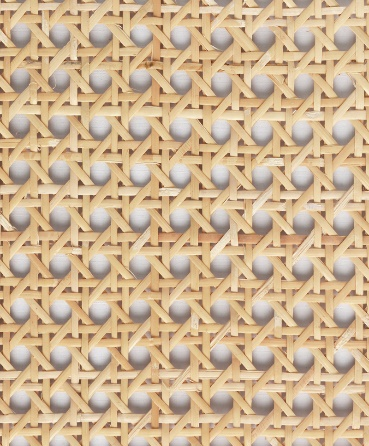
Le motif hexagonal est le type de cannage en rotin que nous vendons le plus. C'est un motif très traditionnel. Il est solide et respirant. Il a un aspect classique et élégant. De nombreux fabricants de meubles choisissent ce motif pour les chaises de salle à manger et les inserts de meubles. Il est très polyvalent.
3.2 Tressage radio
Le tressage radio présente des lignes droites et parallèles de matériau, souvent avec de petites attaches transversales pour les maintenir en place. Il offre un look plus moderne et minimaliste.
Ce motif offre une esthétique épurée et une bonne circulation de l'air. Il est populaire dans les designs de meubles contemporains.
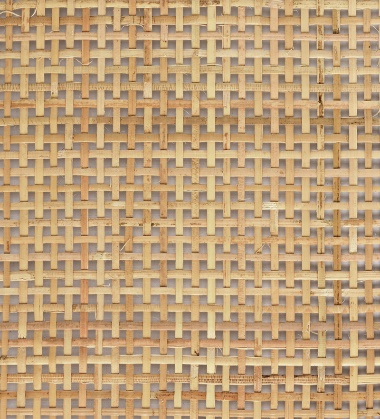
Le tissage radio est un motif plus simple avec des lignes droites. Il donne un aspect très épuré et moderne. Il est souvent utilisé dans les designs contemporains où un minimum de détails est préféré. Il est toujours solide et permet une bonne circulation de l'air.
3.3 Tissage à chevrons
Le tissage à chevrons crée un motif en V, ressemblant au squelette d'un poisson. C'est un tissage texturé et visuellement intéressant.
Ce motif ajoute une touche sophistiquée et offre un bon soutien. Il est moins courant mais très distinctif.
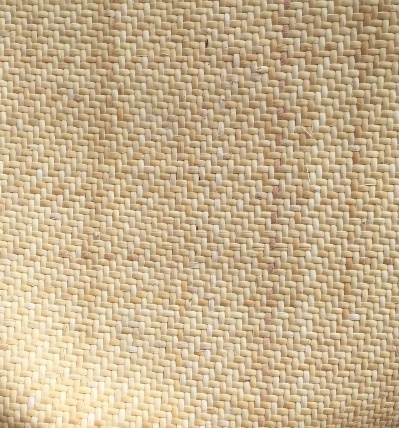
Le chevrons est un motif plus complexe et décoratif. Il crée un design en zigzag qui attire le regard. Il est très solide et durable. Nous l'avons vu utilisé dans des meubles personnalisés qui veulent se démarquer. Il ajoute une touche haut de gamme.
3.4 Tissage serré
Le tissage serré utilise un matériau tissé étroitement ensemble, sans espaces ni trous. Cela crée une surface solide et opaque.
Ce motif offre un maximum de soutien et de couverture. Il est souvent utilisé pour les sièges de chaises pleines ou les panneaux décoratifs.
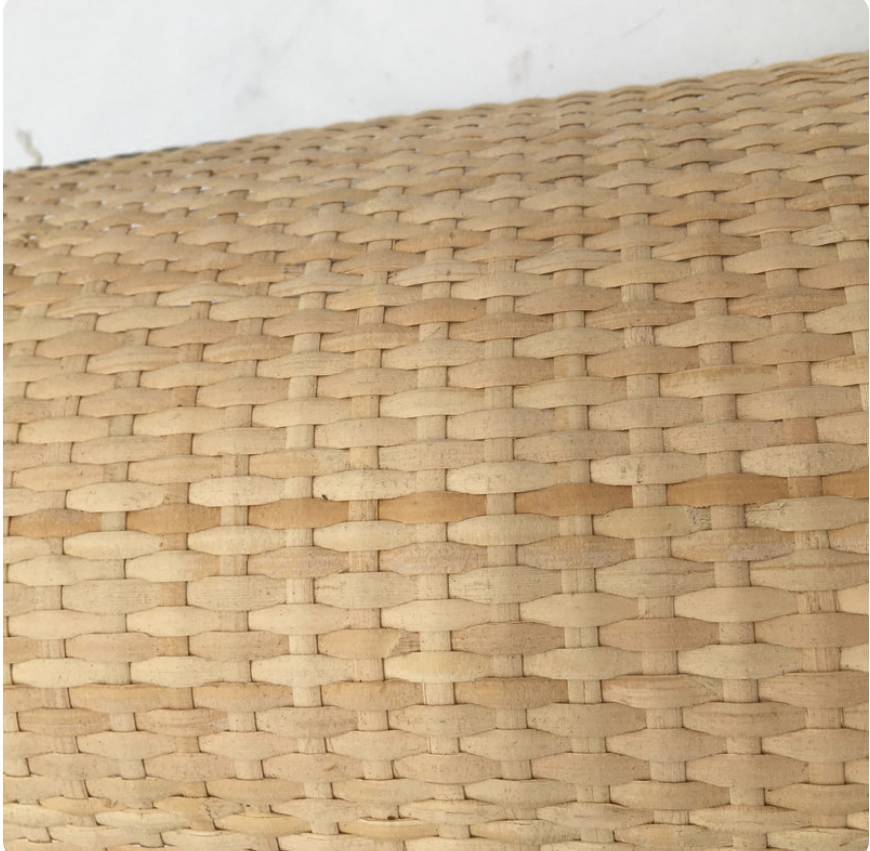
Quand Adel a besoin d'une surface très solide, je recommande le tissage serré. Ce motif n'a pas de trous, il offre donc une couverture complète et un soutien maximal. Il est souvent utilisé lorsque la respirabilité n'est pas une préoccupation, ou lorsqu'un aspect lisse et solide est souhaité pour le siège ou d'autres parties du meuble.
3.5 Tissage à motif losange
Le tissage à motif losange crée une série de formes de losanges par son entrelacement. C'est un design plus ornemental et classique.
Ce motif ajoute de l'élégance et du détail au siège de la chaise. On le voit souvent dans les meubles plus décoratifs ou de style vintage.
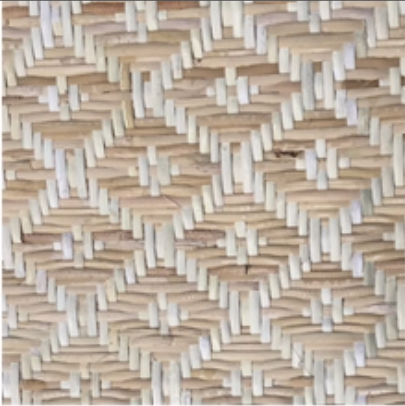
Le motif losange ajoute une touche d'élégance classique. Il est plus complexe que certains tissages simples. Ce motif est souvent choisi pour les meubles de style patrimonial ou pour les designs qui souhaitent une apparence plus luxueuse.
3.6 Tissage en corde danoise
Le tissage en corde danoise utilise une corde de papier spécifique, généralement tissée en motif panier ou enveloppe. Il est connu pour ses lignes épurées et sa durabilité.
Ce motif crée un look intemporel et minimaliste ainsi qu'un siège ferme et confortable. C'est une caractéristique du design moderne du milieu du siècle.
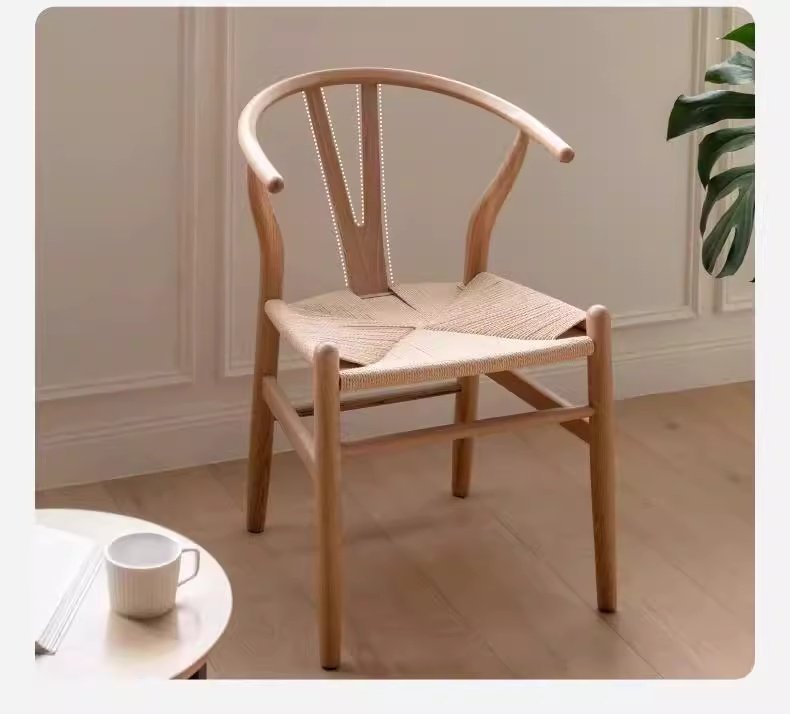
Le tressage en cordon danois est très populaire pour les meubles de style scandinave. Il crée une surface tendue, lisse et très durable. Il est souvent tressé à la main, ce qui contribue à sa valeur. Nous fournissons les matières premières qui peuvent être utilisées pour ce type de tressage, garantissant une qualité constante pour le produit fini.
Conclusion
Choisir le bon tressage de siège de chaise implique de comprendre à la fois les matériaux et les motifs. Cette connaissance garantit le confort, la durabilité et un beau produit final. Du rotin naturel au rotin PE moderne, les options sont nombreuses, chacune offrant des avantages uniques pour vos besoins en mobilier.
-
Découvrez pourquoi le rotin PE est privilégié pour le mobilier d'extérieur en raison de sa durabilité et de sa résistance aux intempéries. ↩
-
Explorez ce lien pour comprendre l'art du cannage, son histoire et comment il améliore l'esthétique des meubles. ↩
-
Explorez les avantages des sièges en rotin, y compris leur durabilité et leur esthétique naturelle, pour améliorer vos choix de meubles. ↩
-
Explorez les avantages des matériaux de tressage en canne, connus pour leur durabilité et leur esthétique classique, parfaits pour des designs de meubles intemporels. ↩
-
Découvrez pourquoi le rotin PE change la donne pour le mobilier d'extérieur, offrant durabilité et faible entretien dans divers climats. ↩
-
Découvrez comment le tressage de corde de papier crée une esthétique moderne et minimaliste, parfaite pour les sièges d'intérieur contemporains. ↩
 English
  Español de México
  العربية
  Deutsch
  Français
  Русский