
Confondez-vous parfois le bambou et le rotin lorsque vous pensez à des meubles ou à du design ? Beaucoup de gens le font, mais ce sont en fait des matériaux très différents.
Le bambou est une herbe creuse à croissance rapide, tandis que le rotin provient de la partie solide des lianes de palmier rotin. Ils ont des structures et des utilisations différentes.
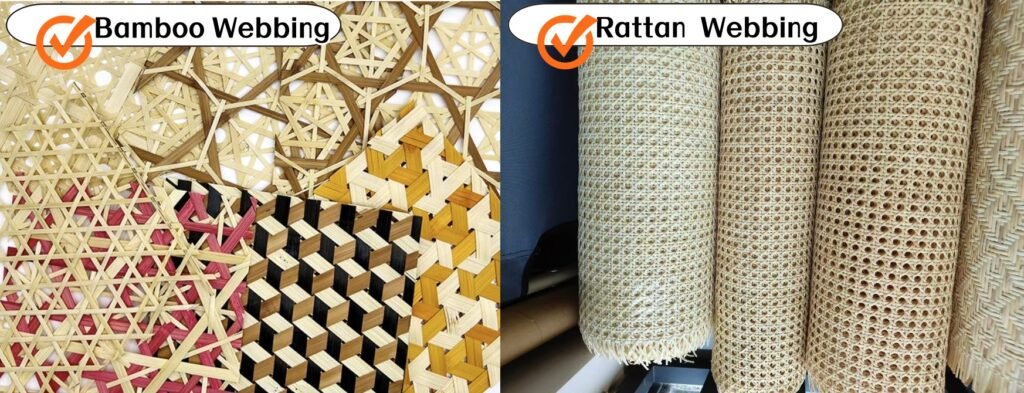
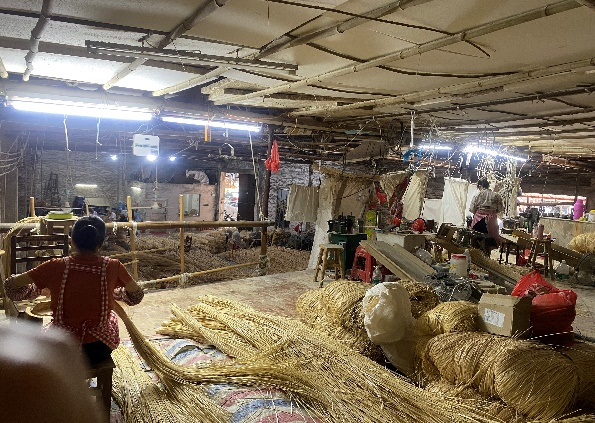
En tant que responsable ici chez SeaFan Rattan, j'aide souvent mes clients à comprendre ces différences. Nous travaillons avec ces matériaux depuis 1995. Des clients comme Jacky, qui fabrique des meubles, et Peter, qui conçoit des hôtels, ont besoin de le savoir. Je vous en dirai plus à ce sujet.
Le rotin et le bambou sont-ils identiques ?
Pensez-vous que le rotin et le bambou sont la même plante ou le même matériau ? Non, ils ne sont pas identiques ; ils proviennent de types de plantes complètement différents.
Le rotin est une longue liane solide issue d'un palmier. Le bambou est une herbe à tige creuse. Ils poussent différemment et ont des forces différentes.
-
Famille de plantes
Le rotin fait partie de la famille des palmiers. Il pousse en grimpant sur d'autres plantes. Bambou1 est un type d'herbe. Il pousse droit et très rapidement.
-
Structure physique
L'intérieur du rotin est plein. Cela nous permet de le plier lorsqu'il est chaud et le rend idéal pour les cadres de meubles. Nous pouvons également peler sa peau extérieure pour en faire des lanières fines. Le bambou est creux à l'intérieur, comme un tuyau. Il est très résistant lorsqu'il est utilisé droit, mais il est difficile à plier en courbes complexes. Il n'est pas bon pour faire des motifs tissés très fins.
-
Disponibilité et coût
Depuis 2018, l'Indonésie n'autorise pas le rotin brut à quitter le pays. Cela signifie qu'il n'y a pas assez de rotin brut en Chine, et son prix est très élevé. Le bambou, en revanche, pousse très vite et est en grande quantité en Chine. Cela rend le bambou beaucoup moins cher et plus facile à obtenir. Cette différence d'approvisionnement a un impact important sur les prix.
| Caractéristique | Rotin (Cannage) | Bambou |
|---|---|---|
| Type de plante | Palmier grimpant (lianescente) | Herbe géante |
| Structure interne | Pleine | Creuse, segmentée |
| Capacité de flexion | Élevée (une fois étuvée) | Faible (très rigide) |
| Usage courant | Cadres de meubles, surfaces tressées | Éléments structurels, panneaux décoratifs |
| Source principale | Indonésie | Chine |
| Statut de coût actuel | Élevé, offre limitée | Faible, offre abondante |
Le rotin est-il fait de bambou ?
Pensez-vous que le matériau appelé "cannage" provient du bambou ? Non, ce n'est pas correct. Le cannage est en fait fabriqué à partir de la plante de rotin2.
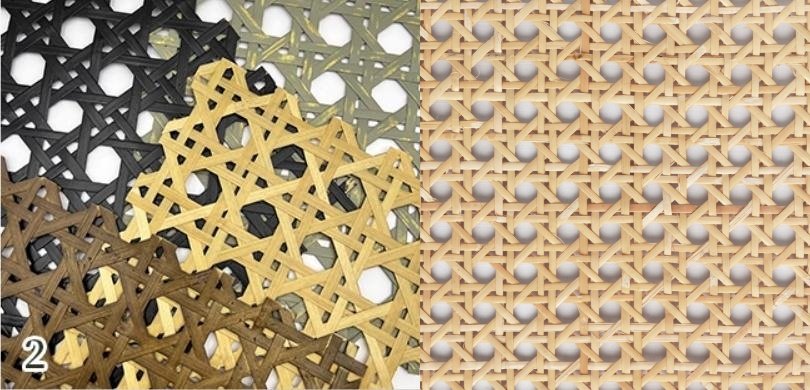
Le cannage ne provient pas du bambou. Il est fabriqué à partir de la peau extérieure de la plante de rotin. Cette peau est coupée en fines lanières puis tissée en motifs.
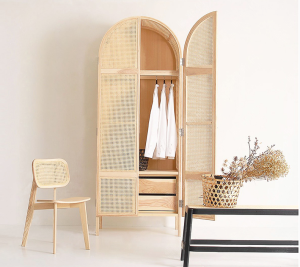
Quand nous parlons de "cannage", nous entendons presque toujours le cannage tissé. C'est le matériau tissé que vous voyez sur les chaises ou les portes d'armoires. Il provient du rotin. J'explique souvent cela à des personnes comme Adel, qui a besoin de connaître la source exacte de ses matériaux. Le terme "cannage" désigne la fine couche extérieure de la plante de rotin. Nous retirons cette couche extérieure, la coupons en fines lanières, puis tissons ces lanières en motifs.
-
Ce qu'est le cannage
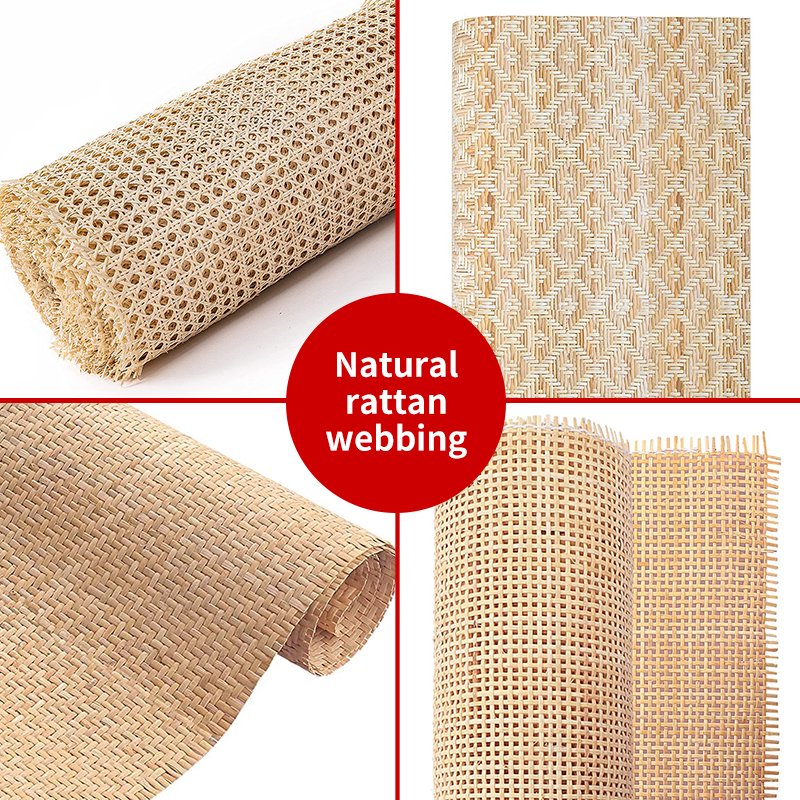
"Le "cannage" est un produit spécifique du rotin. C'est la partie extérieure, solide et flexible, de la plante de rotin. Elle est retirée et coupée en longs morceaux fins. Ces morceaux sont ensuite utilisés pour fabriquer des feuilles tissées, appelées cannage tissé.
-
Difficulté avec le bambou
La structure du bambou est creuse et segmentée. Il n'est pas facile d'obtenir du bambou le même type de fines lanières longues et flexibles qui conviennent au tissage fin comme le cannage traditionnel. Si le bambou est transformé en lanières, elles sont généralement plus dures et ne se tissent pas dans les motifs serrés et ouverts du cannage naturel.
-
Qualités de tissage
Le cannage de rotin est très bon pour le tissage car il devient très flexible lorsqu'il est mouillé. Cela nous aide à le tendre lors du tissage. En séchant, il devient ferme et solide. Les lanières de bambou n'ont pas cette même qualité, elles ne sont donc pas idéales pour le tissage fin et traditionnel du cannage. Nous fabriquons du cannage en bambou, mais il a un aspect différent et une sensation différente.
–
Lequel est le meilleur, le rotin ou le bambou ?
Essayez-vous de décider si le cannage ou le rotin est "meilleur" pour votre projet ? La vérité est que le "cannage" est une partie et un produit du "rotin", ils ne sont donc pas vraiment comparés comme des plantes distinctes.
"Le "cannage" désigne la surface tissée fabriquée à partir de la peau extérieure du rotin. Le "rotin" est la plante entière utilisée pour les cadres complets ou les pièces transformées. Le "meilleur" choix dépend de vos besoins spécifiques en matière de conception.

En tant que fournisseur, j'aide des clients comme Jacky à trouver le meilleur matériau pour leurs meubles. Les termes sont parfois utilisés de manière confuse. Le rotin est le matériau végétal de base. Le cannage est un type de produit fabriqué à partir de rotin.
–
-
Rotin pour la structure
Si vous avez besoin de construire le cadre principal d'un meuble, comme les pieds ou les bras d'une chaise, vous utiliseriez des tiges de rotin. Ces tiges sont solides et peuvent être pliées pour créer des meubles robustes. -
Cannage pour les surfaces
Si vous avez besoin d'une surface flexible et respirante, comme l'assise d'une chaise ou l'insert d'une porte d'armoire, alors le cannage en rotin tressé est le bon matériau. Il est léger et offre un look classique. Il est souvent utilisé pour la décoration également. -
Grades de qualité du rotin
Nous divisons le rotin naturel en quatre qualités : A, B, C et D. La qualité A est la meilleure et la plus chère. La qualité C est un bon choix pour la fabrication de chaises car elle est suffisamment solide et coûte moins cher. Elle peut présenter quelques marques verdâtres, c'est pourquoi elle est moins chère, mais elle convient bien aux meubles qui seront peints en foncé. La qualité D est la meilleure pour la décoration, comme les motifs muraux, car elle n'est pas assez solide pour les meubles qui supportent du poids.
–
Qu'est-ce qui est le plus cher, le bambou ou le rotin ?
Vous vous demandez quel matériau vous coûtera le plus cher, le bambou ou le rotin ? Le rotin naturel est généralement plus cher que le bambou.
Le rotin naturel est plus cher car son approvisionnement est limité en raison de problèmes d'approvisionnement et d'interdictions d'exportation. Le bambou est moins cher car il pousse rapidement et est très abondant, surtout en Chine.
J'ai vu les prix beaucoup changer au cours de mes années dans ce métier.
-
Augmentation du prix du rotin
Depuis 2018, le gouvernement indonésien a cessé de laisser sortir le rotin brut de son pays. Cela a causé un gros problème pour les usines comme la mienne en Chine, qui ont besoin de matières premières. Pour cette raison, le prix de tous les produits en rotin a beaucoup augmenté. De nombreux clients, comme Peter, n'ont pas pu utiliser le rotin pour leurs projets car il est devenu trop cher.
-
Abordabilité du bambou
Le bambou est différent. Il pousse très vite et la Chine en possède beaucoup. Cela signifie qu'il y a un approvisionnement constant et que son prix reste bas. C'est aussi un matériau très durable.
-
Nos solutions pour le coût
Comme le rotin naturel est devenu si cher, nous avons commencé à fabriquer du cannage en rotin plastique. Il coûte environ la moitié du prix du cannage en rotin naturel. Nous l'avons également décliné en de nombreuses couleurs pour répondre aux besoins des clients. Le rotin naturel et le bambou peuvent être traités efficacement avec nos métiers à tisser. Cela permet de maintenir les coûts de production bas pour les deux types de cannage.
–
Seafan Rattan Webbing & Seafan Bamboo Webbing ?
Vous recherchez un fournisseur fiable de cannage en rotin ou en bambou ? Chez SeaFan Rattan, nous proposons une large gamme des deux.
SeaFan Rattan, qui est l'usine Baizhao Rattan Cane Webbing, fabrique du cannage en rotin naturel et du cannage en bambou. Nous veillons à ce que nos produits répondent aux besoins des fabricants de meubles et des designers.
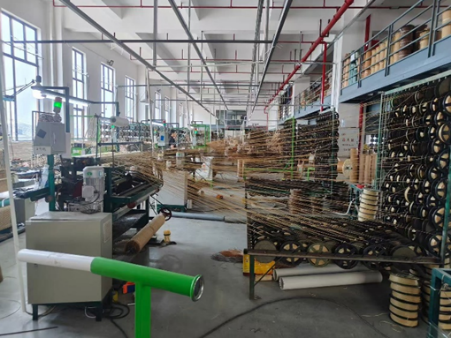
Mon usine, Baizhao Rattan Cane Webbing Factory, est située à Nanhai, en Chine. Nous fabriquons du cannage depuis 1995. Nanhai est une ville très célèbre pour les produits en rotin en Chine.
–
-
Notre expertise
Nous sommes experts en cannage en rotin. Nous connaissons également très bien tous les matériaux en rotin et les meubles en rotin. Nous avons de bonnes relations avec de nombreuses usines ici. Vous pouvez nous dire ce dont vous avez besoin, et nous pouvons le trouver ou le fabriquer pour vous. Nous aidons des clients comme Jacky à obtenir les bons matériaux pour leurs meubles et Peter à trouver des designs uniques pour ses projets hôteliers. -
Fourniture naturelle de rotin
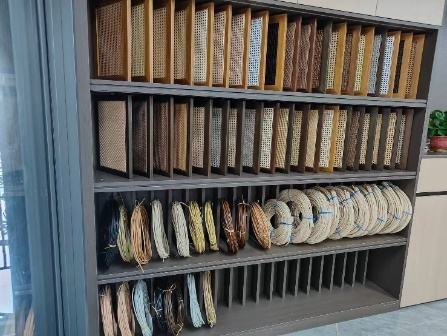
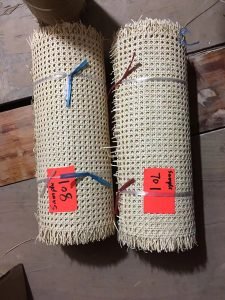
Même avec l'interdiction du rotin brut d'Indonésie, nous pouvons toujours fournir des produits en rotin. Pour de nombreuses petites commandes, la Chine est le meilleur endroit pour acheter. Nous avons cinq usines partenaires pour les sangles en rotin, nous pouvons donc également gérer de grosses commandes. Nous avons également de nombreuses tailles de sangles en rotin en stock.
-
Nouvelles options en plastique et d'extérieur
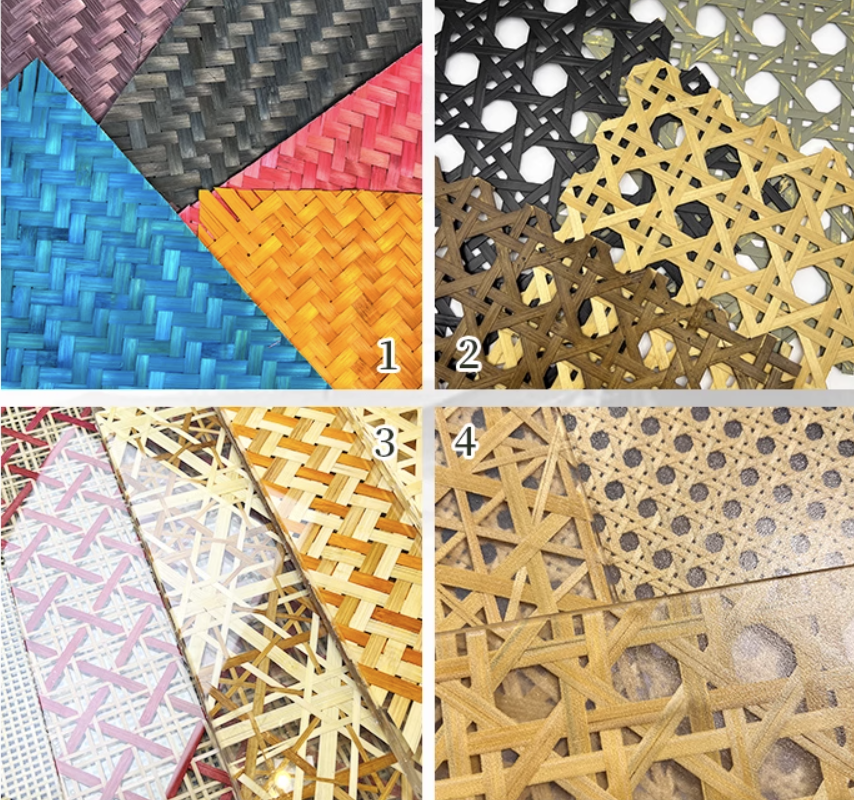
Nous avons deux grandes usines dédiées aux sangles en rotin plastique. Elles s'étendent sur plus de 3000 mètres carrés et disposent de nombreuses machines. Nous avons plus de 20 motifs et 15 couleurs. Nous développons de nouveaux produits chaque année. Depuis 2025, nous proposons plus de 10 types de sangles en rotin plastique sans danger pour une utilisation en extérieur. C'est un énorme avantage pour les fabricants de meubles d'extérieur, car cela peut permettre d'économiser jusqu'à 80% sur le coût du tressage à la main. Nous proposons également des sangles en bambou et des mélanges de rotin avec du bois, du verre ou de l'aluminium.
Chez SeaFan, nous proposons des solutions complètes pour tous les besoins en fibres naturelles, des options de rotin haut de gamme aux options de bambou économiques.
Notre usine de Foshan produit :
-
Plus de 20 motifs de sangles en rotin
-
Plus de 15 couleurs de rotin plastique
-
Plus de 10 types de sangles d'extérieur
-
Tissages hybrides personnalisés bambou/rotin
Avantages clés pour les acheteurs comme Adel :
✓ Approvisionnement unique – Tous les matériaux en fibres naturelles
✓ Contrôle qualité – Système de classement rigoureux
✓ Innovation – La nouvelle sangle en plastique permet d'économiser 80% de main-d'œuvre
✓ Disponibilité en stock – Malgré les pénuries de rotin
✓ Solutions personnalisées – Mélangez les matériaux pour des résultats optimaux
Conclusion
Comprendre les caractéristiques distinctes du bambou et du rotin est essentiel pour choisir le bon matériau pour vos projets, en équilibrant résistance, apparence et coût.
 English
  Español de México
  العربية
  Deutsch
  Français
  Русский