
L'importation de règles, de cannage en rotin, de nattes en rotin et de cœurs en rotin de Chine et de spécifications personnalisées peut ralentir les projets. Je mets d'abord en place des documents clairs, puis j'adapte le maillage, les largeurs, les couleurs et le support à votre construction.
Vous avez besoin d'un identifiant d'entreprise, des détails du destinataire et des taxes, des codes SH et d'un fichier d'importation clair. Je personnalise la densité du maillage, les largeurs, les couleurs et le support des panneaux. Je fournis également des échantillons, des nuanciers et des délais de livraison et des MOQ clairs pour le cannage en plastique personnalisé.
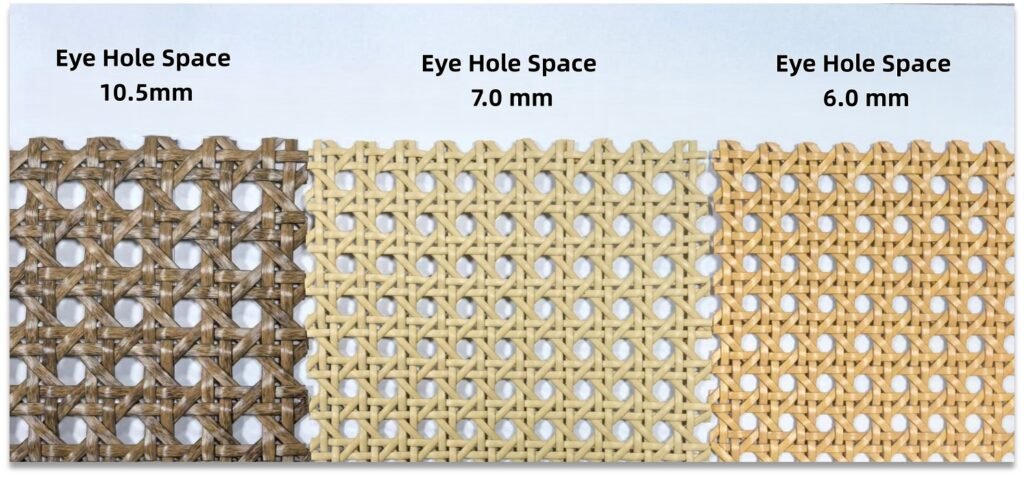
Je partagerai les bases d'importation que j'utilise avec les nouveaux acheteurs. Ensuite, j'expliquerai les choix de maillage et de support personnalisés, le délai de livraison et le MOQ pour le cannage en plastique personnalisé, mon processus d'approbation des échantillons et la manière dont les frais d'outillage ou de configuration s'appliquent aux tissages spéciaux.
Puis-je demander une maille, des largeurs, des couleurs ou un support personnalisés pour les panneaux et les portes ?
Les équipes de conception souhaitent des looks précis et une installation soignée. Je construis selon les spécifications et simplifie les approbations.
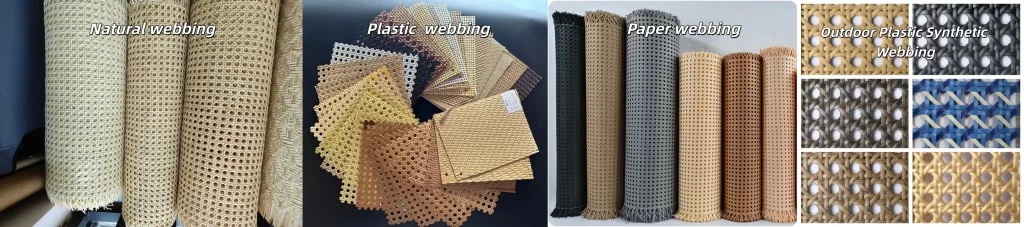
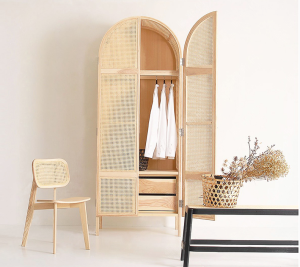
Oui. J'accepte la densité de maille personnalisée1, largeurs spéciales, couleurs teintées ou masterbatch, et choix de support. Je fabrique des panneaux de cannage en rotin, des tissages rotin + bambou, et du cannage en rotin associé à du bois, du verre ou de l'aluminium pour les portes et les armoires.
Plongez plus profondément : Options par matériau, qualité et application
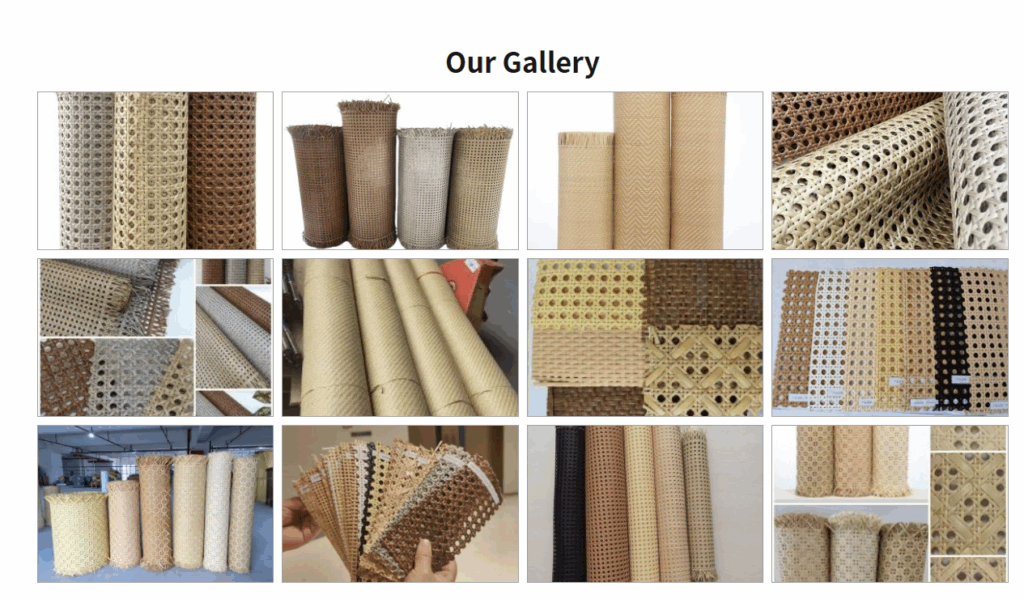
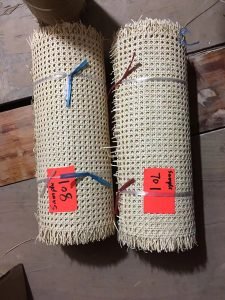
Je fournis le cannage en rotin naturel2 en hexagone classique, maillage ouvert, chevrons et tissages panier. Je propose des largeurs standard de 45, 60, 70 et 90 cm, et je coupe des largeurs spéciales sur demande. Pour la couleur sur le rotin naturel, je propose un vernis transparent, miel, noyer, noir et des teintures personnalisées. Je guide également les choix de qualité : Qualité B pour les panneaux de face propres, Qualité C pour les sièges et dossiers de chaises teintés foncés où la résistance et le prix comptent ; la Qualité A est une face premium, et la Qualité D est uniquement pour la décoration. Pour le cannage en rotin plastique, je propose des gammes intérieures et extérieures avec des couleurs masterbatch. Je peux assortir les neutres d'hôtel et les tons de projets audacieux. Pour le support, je stratifie le cannage sur du contreplaqué, du MDF, des cadres en bois massif, du verre ou de l'aluminium. J'étiquette chaque pièce avec la largeur, le code du motif, le code couleur et le lot afin que vos menuisiers alignent rapidement les pièces. Ces constructions conviennent aux chaises, portes d'armoires, têtes de lit, séparateurs de pièces et éléments muraux qui nécessitent des spécifications répétables et des délais de livraison stables.
Quel est le délai de livraison et le MOQ pour les motifs et couleurs de cannage en plastique personnalisés ?
Délai de livraison : 15-30 jours
MOQ : 50 ROULEAUX
Peut des motifs et couleurs de cannage en plastique personnalisés
Les plastiques personnalisés nécessitent une mise en place et un contrôle des couleurs. Je maintiens un MOQ clair et des délais de livraison honnêtes.
Les couleurs et motifs plastiques personnalisés prennent 25 à 40 jours. Le MOQ typique est de 200 à 300 kg par couleur/motif. Les gammes UV extérieures se situent dans la fourchette haute. Les couleurs claires peuvent nécessiter des lots plus importants pour la stabilité des couleurs.
Plongez plus profondément : Pourquoi le MOQ et le délai de livraison changent
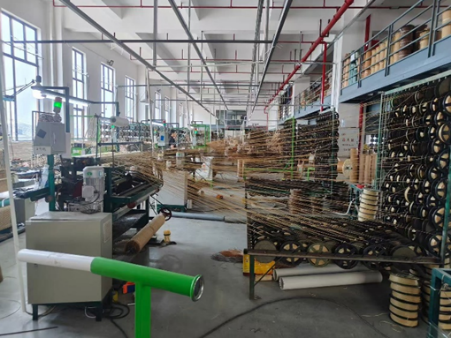
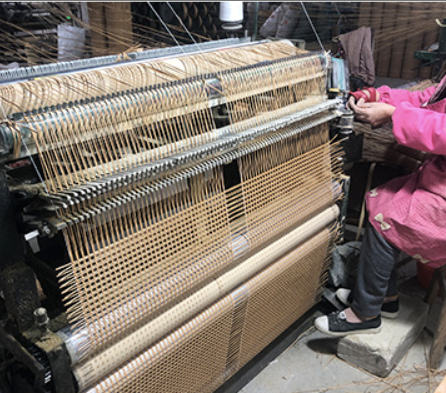
Je fabrique du cannage plastique personnalisé sur des métiers à tisser automatiques en utilisant une nouvelle couleur masterbatch. Je fixe le MOQ à 200-300 kg par couleur/motif pour maintenir la cohérence des couleurs et réduire les déchets. Les couleurs standard sont terminées en 25-30 jours après approbation. Les nouveaux tissages qui nécessitent des changements de guide ou des rubans mélangés peuvent atteindre 35-40 jours. Les gammes extérieures utilisent des packages UV et une résine résistante à la chaleur ; j'ajoute 3 à 5 jours pour confirmer les tests. Les tons sable clair, crème ou blanc nécessitent des tolérances de couleur plus strictes et se situent souvent à 300 kg pour maintenir le delta E dans la cible. Je peux expédier un lot précoce de panneaux pour des séances photo ou des présentations en salle d'exposition pendant que le solde est terminé. J'aligne également les mélanges de cartons par largeur sur votre nomenclature afin que votre équipe coupe moins et gagne du temps. Ce plan maintient un coût juste, une couleur stable et des calendriers prévisibles pour les projets hôteliers et les lancements de vente au détail.
Fournirez-vous des échantillons de pré-production3 et des échantillons de couleurs4 pour approbation ?
Les approbations évitent les surprises ultérieures. J'envoie des échantillons et des pièces de pré-production avant le début de la production en vrac.
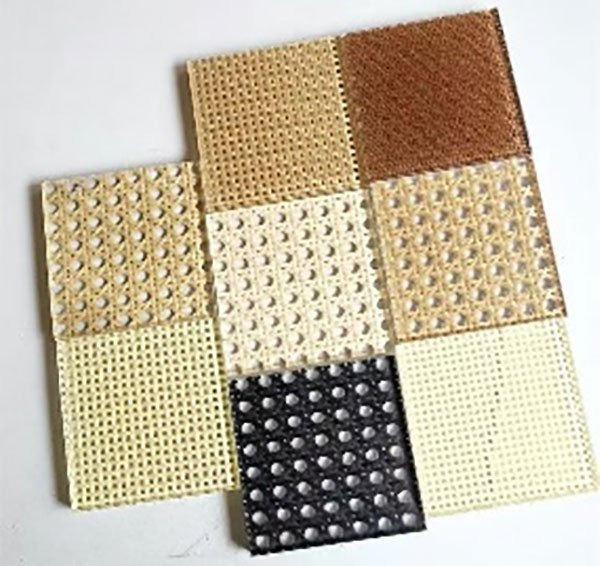
Oui. Je fournis des échantillons de laboratoire, des échantillons de tissage, et échantillons de pré-production3. Vous signez la carte de référence, et je verrouille la production sur la couleur approuvée et le maillage avec une tolérance de lot claire.
Plongez plus profondément : Étapes d'échantillonnage et contrôles de qualité
Je suis une simple boucle en trois étapes. Étape 1 : vous partagez Pantone/RAL ou une puce physique, plus le maillage et la largeur cibles. J'envoie deux bains de laboratoire sur des bandes plates et un échantillon tissé dans le motif final. Étape 2 : vous marquez la couleur approuvée, notez l'éclairage (D65) et confirmez la finition de surface. J'enregistre les valeurs Lab* et la tolérance delta E sur la référence. Étape 3 : je lance un petit lot de pré-production et j'envoie une coupe comme pièce d'approbation finale. Je la joins au COA avec les données du lot. Votre entrepôt vérifie les arrivages sous D65 et compare à la référence. Je conserve des doublons de toutes les références pour les commandes répétées. Pour le rotin naturel, j'ajoute des échantillons de teinture sur les qualités B et C afin que vous puissiez voir les différences de tons entre les bases. Ce flux maintient la couleur et le maillage constants entre les usines et garantit que les commandes répétées correspondent à votre première livraison.
Comment les frais d'outillage ou de mise en place s'appliquent-ils aux tissages personnalisés ?
Les tissages spéciaux nécessitent des guides et du temps de métier. Je devis les outillages clairement et répartis les coûts sur le volume.
Les tissages personnalisés peuvent entraîner des frais d'outillage ou de mise en place uniques. Je renonce ou réduis les frais lorsque votre volume total est élevé. J'indique les frais sur la PI et je conserve l'outil pour vos futures productions.
Plongez plus profondément : Qu'est-ce qui déclenche les frais et comment je les gère
L'outillage s'applique lorsque je change les guides de métier, ajoute des roues de motif ou coupe de nouveaux lisières pour des largeurs spéciales. Les simples changements de couleur ne nécessitent pas d'outillage ; ils nécessitent seulement un nouveau mélange maître. Les nouveaux motifs nécessitent des jeux de guides et un réglage de la machine, que je facture comme des frais uniques. Si votre prévision couvre plusieurs productions, j'amorti les frais et je réduis le coût unitaire à partir du deuxième lot. La coupe de largeur spéciale pour le rotin naturel nécessite une nouvelle lisière et une inspection supplémentaire, je peux donc facturer des frais de mise en place minimes pour couvrir les gabarits de coupe et le temps de contrôle qualité. Je stocke vos outils avec des codes de projet et je bloque des créneaux de métier pour les commandes répétées, ce qui réduit les délais futurs et stabilise la tension du tissage. Tous les frais apparaissent en texte clair sur la PI avec la date, le code du motif et les notes de stockage, afin que votre équipe puisse budgétiser sans surprises cachées.
Conclusion
Vous avez besoin de documents d'importation clairs et d'un plan personnalisé précis. Je prends en charge le maillage, les largeurs, les couleurs et le support personnalisés, je fournis des échantillons, je fixe des MOQ et des délais raisonnables, et j'explique l'outillage afin que les coûts restent prévisibles.
- Comprendre la densité du maillage personnalisé peut améliorer vos projets de conception, garantissant précision et qualité dans vos installations. ↩
- Explorer les avantages du cannage en rotin naturel peut vous aider à faire des choix éclairés pour vos besoins de conception, combinant esthétique et fonctionnalité. ↩
- Comprendre les échantillons de pré-production peut aider à garantir la qualité et la cohérence de vos commandes. ↩ ↩
- Explorer le rôle des échantillons de couleurs peut améliorer la précision de votre conception et la satisfaction de vos clients. ↩
 English
  Español de México
  العربية
  Deutsch
  Français
  Русский