
Cannage de meubles en rotin : Le guide ultime du design 2025 pour une élégance naturelle
Qu'est-ce que le cannage de meubles en rotin ?
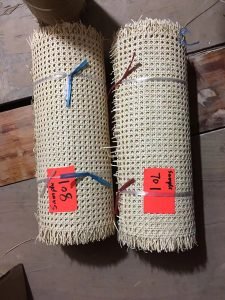
Cannage en rotin pour meubles est un matériau tissé fabriqué à partir de la peau extérieure de la liane de rotin, une plante grimpante tropicale originaire d'Asie et d'Afrique. Ce matériau durable, flexible et léger est utilisé depuis des siècles pour fabriquer des chaises, des têtes de lit et des accents décoratifs.
La cannage est connue pour son motif distinct en nid d'abeille, qui offre à la fois un soutien structurel et un charme esthétique. En 2025, les décorateurs d'intérieur plébiscitent le cannage pour son aspect naturel, sa production écologique et son attrait intemporel.
L'origine et l'histoire du cannage
L'histoire du cannage en rotin remonte à l'Égypte ancienne et à l'Asie, où les artisans ont découvert la polyvalence de la liane pour fabriquer des meubles durables. La technique s'est propagée par les routes commerciales vers l'Europe à l'époque coloniale, donnant naissance à l'emblématique “ chaise cannée de Vienne ”.”
Aujourd'hui, le cannage a évolué pour devenir un symbole d'artisanat et de durabilité, alliant techniques traditionnelles et design contemporain.
Pourquoi le cannage de meubles en rotin est tendance en 2025
Le facteur durabilité
Les consommateurs sont de plus en plus soucieux de l'environnement. Le cannage, étant biodégradable et renouvelable, correspond parfaitement à cet état d'esprit. Il est sourcé de manière responsable et traité avec un minimum de produits chimiques, réduisant ainsi l'impact environnemental.
La Fusion Bohème et Minimaliste
Les tendances intérieures comme le Japandi, le Scandi-Boho et le Tropical Moderne ont alimenté le retour du cannage. Son ton neutre et sa texture naturelle complètent les meubles minimalistes et les espaces organiques, ce qui en fait un choix de prédilection pour les designers à la recherche d'une esthétique calme et terreuse.
Types de cannage utilisés dans les meubles en rotin
Motifs en cannage ouvert vs cannage fermé
- Maille ouverte: Offre une structure respirante et aérée, idéale pour les dossiers de chaise et les portes d'armoire.
- Cannage fermé: Tissage plus dense pour un soutien plus solide, couramment utilisé dans les sièges et les têtes de lit.
Cannage naturel vs synthétique
- Naturel Cannage: Fabriqué à partir de rotin véritable ; offre une texture authentique et des variations de couleur.
- Rotin synthétique: Fabriqué à partir de résine ou de plastique ; plus résistant à l'eau, parfait pour les meubles d'extérieur.
Avantages de l'utilisation du cannage en rotin pour meubles
Durabilité et flexibilité
Le cannage en rotin est incroyablement résistant mais flexible, capable de résister à une utilisation quotidienne. Il s'adapte naturellement au poids du corps, garantissant un confort et une rétention de forme à long terme.
Conception légère et respirante
Les meubles en cannage sont faciles à déplacer et permettent la circulation de l'air, ce qui les rend idéaux pour les climats chauds ou les espaces humides.
Applications courantes du cannage dans les meubles
Chaises et sièges
Des chaises de salle à manger aux fauteuils à bascule, le cannage ajoute une touche d'élégance classique et de confort ergonomique.
Armoires et buffets
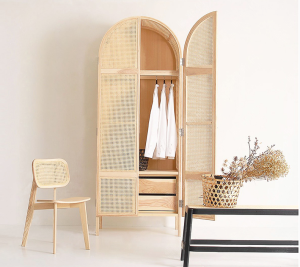
Les portes d'armoire incrustées de cannage offrent un contraste de texture et un intérêt visuel dans les intérieurs modernes.
Têtes de lit et panneaux muraux
Le cannage apporte de la chaleur aux chambres et aux salons, créant des points focaux doux.
Comment choisir un cannage de qualité pour meubles
Caractéristiques clés à vérifier avant d'acheter
- Motif uniforme et tension de tissage constante
- Surface lisse sans échardes ni décoloration
- Résistance à l'humidité et bonne élasticité
Fournisseurs et marques recommandés
Pensez aux détaillants en ligne réputés comme Frank’s Cane and Rush Supply ou Cane World, connus pour leurs feuilles de canne de haute qualité et leurs kits de bricolage.
Étape par étape : Comment remplacer le cannage dans les meubles
Outils dont vous aurez besoin
- Couteau utilitaire
- Baguette de cannage
- Marteau et ciseau
- Bol d'eau pour tremper le cannage
- Mètre ruban
Guide d'installation DIY
- Retirez délicatement l'ancien cannage à l'aide du ciseau.
- Trempez la nouvelle cannage dans l'eau pendant 30 minutes.
- Insérez le cannage dans la rainure, puis insérez la latte avec de la colle.
- Coupez l'excédent de cannage et laissez sécher toute la nuit.
Ce processus de bricolage restaure les meubles vintage à une fraction du coût.
Conseils d'entretien pour la longévité
Méthodes de nettoyage et de conservation
Essuyez avec un chiffon doux et humide mensuellement. Évitez de tremper. Appliquez une légère huile pour meubles deux fois par an pour maintenir l'élasticité.
Erreurs courantes à éviter
- N'exposez jamais le cannage à la lumière directe du soleil pendant de longues périodes.
- Évitez de surcharger les sièges en cannage.
- N'utilisez pas de détergents agressifs ; ils affaiblissent les fibres.
Inspirations de design utilisant le cannage en rotin pour meubles
Intérieurs scandinaves
Associez le bois clair aux textures de cannage pour une ambiance aérée et minimaliste.
Designs côtiers et tropicaux
Mélangez avec du bambou ou du lin pour des espaces de type complexe.
Maisons de luxe modernes
Combinez des accents de rotin avec des cadres métalliques pour une fusion sophistiquée de tradition et de modernité.
Coût du cannage de meubles en rotin
Gamme de prix par matériau et type
| Type | Prix (par pied) | Meilleure utilisation |
|---|---|---|
| Maille ouverte naturelle | $3–$7 | Chaises d'intérieur |
| Cannage fermé | $5–$9 | Têtes de lit, armoires |
| Rotin synthétique | $6–$12 | Meubles d'extérieur |
Où acheter des feuilles de rotin de qualité
Vous pouvez trouver du cannage de première qualité sur Etsy, Amazon, ou dans des magasins spécialisés comme Frank’s Cane Supply.
Impact environnemental de la production de cannage
Pratiques de récolte écologiques
Le rotin pousse rapidement, se régénérant en 5 à 7 ans, ce qui en fait l'un des plus matériaux naturels durables disponible.
Recyclabilité et élimination
Le cannage est 100% biodégradable. Lorsqu'il est éliminé correctement, il se décompose naturellement sans laisser de résidus nocifs.
FAQ sur le cannage de meubles en rotin
1. Le cannage en rotin est-il imperméable ?
Le rotin naturel n'est pas entièrement imperméable mais peut résister à l'humidité s'il est correctement scellé. Le cannage synthétique est plus adapté à une utilisation en extérieur.
2. Quelle est la durée de vie du cannage ?
Avec des soins appropriés, le rotin naturel peut durer 10–15 ans ou plus.
3. Puis-je peindre ou teindre le cannage ?
Oui, mais utilisez une peinture ou une teinture respirante pour préserver sa flexibilité.
4. Les meubles en cannage sont-ils bons pour une utilisation en extérieur ?
Oui, s'ils sont traités ou fabriqués à partir de cannage synthétique. Évitez l'exposition directe à la pluie.
5. Quelle est la meilleure façon de nettoyer les meubles en cannage ?
Utilisez une solution de savon doux, une brosse douce et évitez de tremper le tissage.
6. Où puis-je acheter des fournitures de cannage en ligne ?
Sources fiables incluent Amazon, Etsy, et Frank’s Cane Supply.
Conclusion
Le cannage pour meubles en rotin se marie magnifiquement à l'artisanat traditionnel et aux tendances de design modernes. Léger, durable et intemporel — parfait pour les propriétaires soucieux de l'environnement à la recherche d'élégance et de confort.
Que vous restauriez des pièces vintage ou que vous aménagiez un espace minimaliste, le cannage est un investissement à la fois esthétique et harmonieux pour l'environnement.
 English
  Español de México
  العربية
  Deutsch
  Français
  Русский