
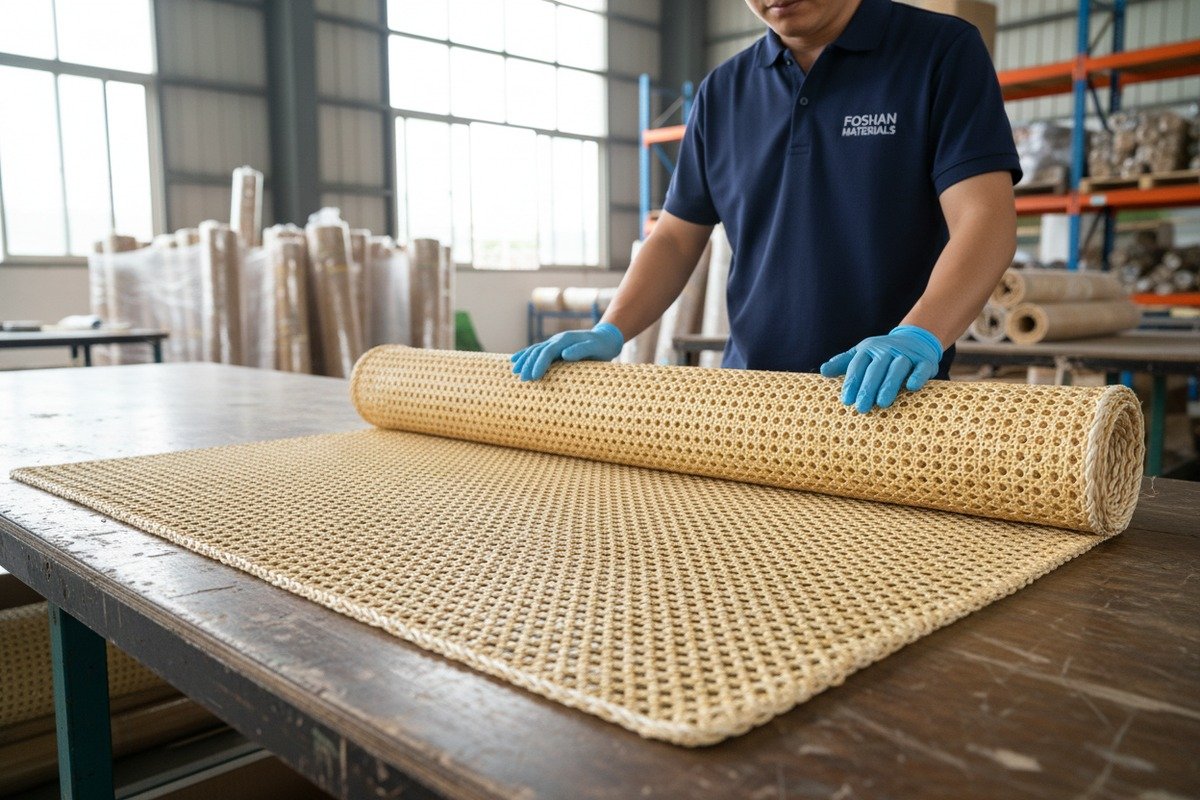
Chaque semaine, notre équipe de contrôle qualité 1 à Foshan inspecte des centaines de cannage rotin 2 rouleaux avant qu'ils ne soient expédiés dans le monde entier. La question que nous entendons le plus souvent de la part des usines de meubles et des grossistes est toujours la même : ces quelques brins cassés sont-ils un défaut, ou simplement une partie du matériau ? C'est une préoccupation légitime, et la réponse n'est pas noire ou blanche.
Les brins occasionnellement cassés dans le cannage en rotin sont normaux car le rotin est un matériau végétal naturel présentant des variations inhérentes. Cependant, des cassures fréquentes ou groupées indiquent une fabrication défectueuse, des matières premières de qualité inférieure ou une mauvaise manipulation pendant la production, ce qui franchit la ligne d'un véritable problème de qualité.
Cet article explique exactement comment faire la différence les forêts tropicales 3. Nous examinerons les causes des ruptures de brins, quand elles sont importantes sur le plan structurel, quels critères de qualité définir avec votre fournisseur et comment gérer les problèmes mineurs pendant la production. Allons-y.
Comment distinguer les caractéristiques naturelles du rotin des défauts de qualité réels dans mon cannage ?
Lorsque nous avons commencé à former de nouveaux inspecteurs dans notre usine de traitement en Indonésie, ce fut la leçon la plus difficile à enseigner. Le rotin naturel a un aspect imparfait par nature. Les brins varient en couleur. L'épaisseur change légèrement. De petits nœuds apparaissent. Mais quelque part dans ce spectre, le "caractère" devient "défaut", et connaître la limite vous fait gagner du temps, de l'argent et évite les disputes avec votre fournisseur.
Les caractéristiques naturelles du rotin incluent de légères variations de couleur, des différences mineures de texture de surface et des irrégularités de brins isolés. Les défauts de qualité réels se manifestent par des cassures groupées, des points d'assemblage faibles, une tension de tissage incohérente ou des brins cassants qui se rompent sous une légère pression — ceux-ci nécessitent un rejet ou un reclassement.
Comprendre la nature organique du rotin
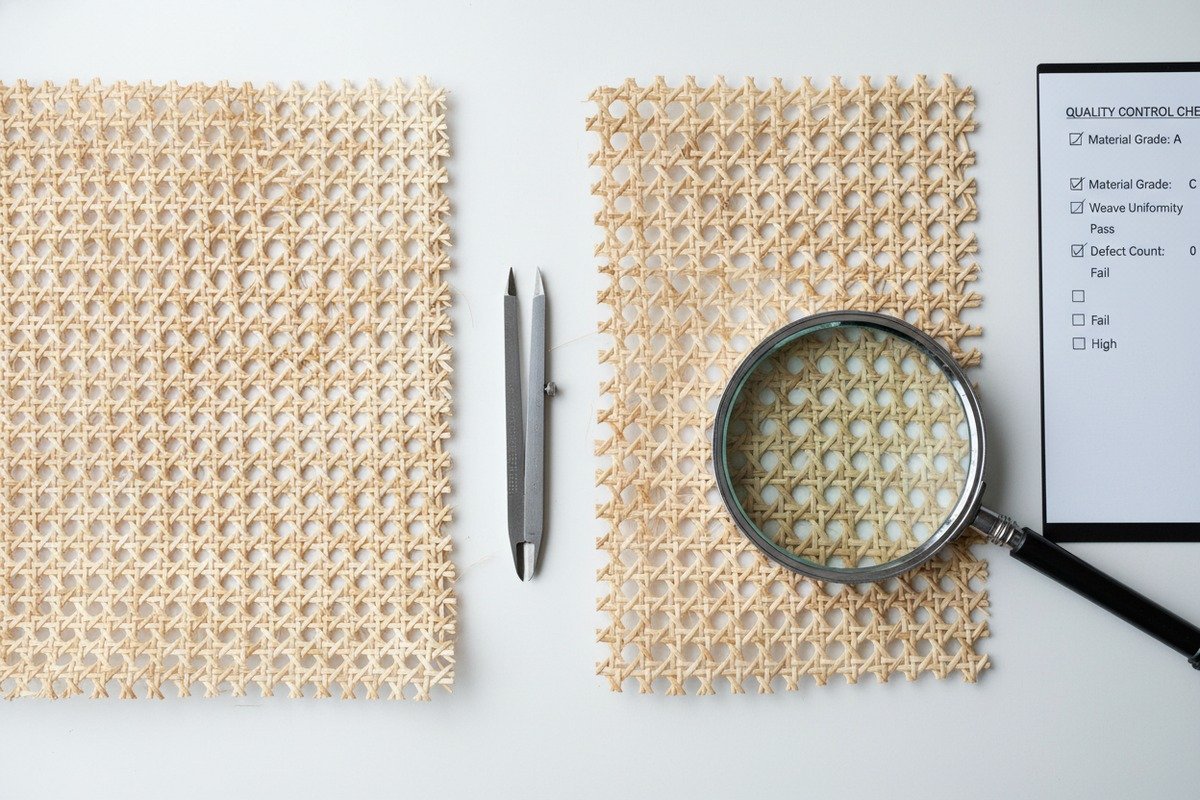
La sangle en rotin provient de l' écorce extérieure des palmiers rotins 4. Ces palmiers poussent dans les forêts tropicales d'Indonésie, de Malaisie et des Philippines. Chaque liane est différente. L'âge à la récolte, les conditions de croissance et même la position sur la liane affectent la résistance et l'apparence de l'écorce.
Lorsque notre équipe écorce le rotin brut en Indonésie, nous trions par diamètre, flexibilité et qualité de surface. Même après un tri minutieux, deux brins ne sont jamais identiques. Ce n'est pas un défaut. C'est la nature de travailler avec un matériau biodégradable d'origine végétale 5.
Voici un tableau de référence pratique que nos inspecteurs utilisent :
| Caractéristique | Naturel (Acceptable) | Défaut (Rejeté) |
|---|---|---|
| Variation de couleur | Légères variations entre le crème, le jaune paille, le beige clair | Taches sombres, traces de moisissure, décoloration inégale |
| Épaisseur des brins | Variation mineure dans ±0,3 mm | Zones fines visibles, sections fines comme du papier |
| Texture de surface | Petites crêtes naturelles, légère sensation fibreuse | Fissures, couches qui s'écaillent, éclats rugueux |
| Brins cassés | Isolés, 1 à 2 par mètre carré | Groupés, 5+ par mètre carré |
| Points de jonction | Lisses, serrés, presque invisibles | Desserrés, bombés, espaces visibles |
| Tension du tissage | Uniforme avec une légère souplesse | Sections lâches, affaissées, espacement irrégulier |
Le Facteur de Jonction
Une chose que beaucoup d'acheteurs ne réalisent pas, c'est que les lanières de rotin ne sont pas infiniment longues. Elles doivent être jointes pendant le tressage. Dans les processus de tissage à la main comme la technique traditionnelle "LaHua", des ouvriers qualifiés assemblent des lanières plus courtes en les superposant dans le tissage. Une bonne jonction est presque invisible. Une mauvaise jonction crée un point faible qui se casse facilement.
Lorsque vous déroulez une nouvelle feuille de cannage, vérifiez d'abord les points de jonction. Passez vos doigts sur la surface. Si les jonctions sont serrées et à fleur de peau, le rouleau est bien fait. Si vous sentez des bosses ou voyez des chevauchements lâches, ce rouleau causera des problèmes lors de l'installation.
Micro-fissures : Le Risque Caché
Certaines faiblesses des brins sont invisibles au premier abord. Micro-fissures 6 peuvent se former pendant les étapes de séchage ou de polissage de la fabrication. Ces minuscules fissures peuvent ne pas apparaître avant que la toile ne soit tendue sur un cadre de meuble ou exposée à des changements d'humidité. Avec le temps, les fissures se propagent et le brin se casse, apparemment de nulle part.
C'est pourquoi nous effectuons des tests de flexibilité 7 sur des échantillons aléatoires de chaque lot. Un brin de rotin sain se plie sans se fissurer. Un brin compromis se fend ou se fracture au point de pliure. Si votre fournisseur ne peut pas vous montrer son processus de test, c'est un signal d'alarme.
Les fils cassés mineurs compromettent-ils l'intégrité structurelle des meubles que je fabrique ?
Cette question revient dans presque tous les audits d'usine que nous effectuons avec nos clients B2B. Un responsable des achats voit un brin cassé, s'inquiète des réclamations de garantie et souhaite une réponse claire. Nous comprenons. Votre réputation est en jeu avec chaque meuble que vous expédiez.
Les brins cassés mineurs et isolés dans le cannage en rotin ne compromettent généralement pas l'intégrité structurelle car le motif tissé répartit la charge sur des centaines de brins interconnectés. Cependant, les cassures près des bords, aux points de contrainte ou en amas affaiblissent le panneau et peuvent entraîner un affaissement, une déchirure ou une défaillance prématurée en utilisation normale.
Comment les motifs tissés répartissent la contrainte
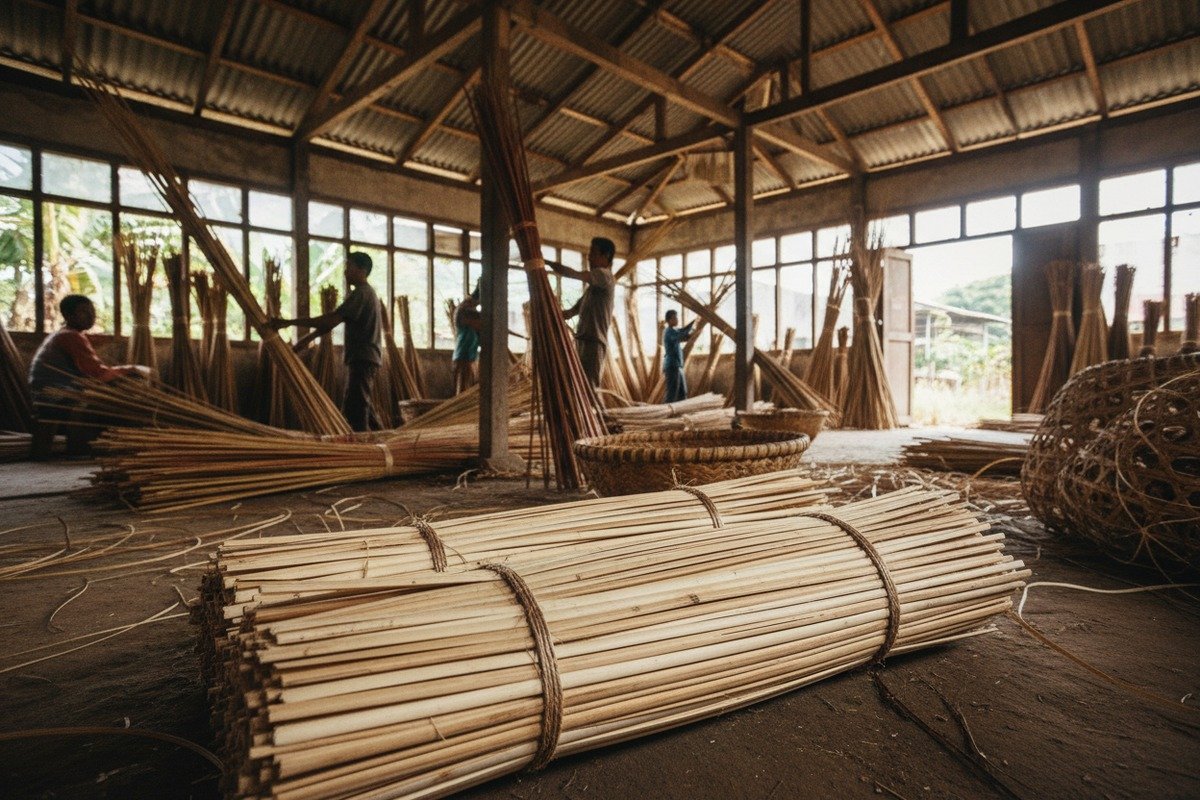
La toile de rotin fonctionne comme un filet. Chaque brin partage la charge avec ses voisins. Dans un motif motif hexagonal à mailles ouvertes 8, par exemple, six brins convergent à chaque jonction. Si un brin se casse, les cinq restants tiennent toujours. Le panneau reste intact.
Les motifs de tissage carré sont encore plus indulgents. La construction serrée, alternant dessus et dessous, bloque les brins en place. Une seule rupture ne défait pas la zone environnante.
Le vrai danger survient lorsque plusieurs ruptures se regroupent dans une zone. Trois ou quatre brins cassés dans un rayon de 10 cm créent un point faible. Sous le poids d'une personne qui s'assoit, ce point faible peut s'étirer, s'affaisser ou se déchirer.
L'emplacement est plus important que le nombre
L'endroit où la rupture se produit est plus important que leur nombre. Voici une répartition :
| Emplacement de la rupture | Niveau de risque | Action recommandée |
|---|---|---|
| Centre du panneau | Faible à Moyen | Moniteur ; réparer si visible |
| Bord (à moins de 2 cm du cadre) | Élevé | Couper et réagrafer, ou remplacer la section |
| Près d'un point de jonction | Élevé | Renforcer ou rejeter le panneau |
| Jonction d'angle | Très élevé | Remplacer entièrement le panneau |
| Aléatoire, espacé uniformément | Faible | Accepter comme variation normale |
Les bords subissent le plus de contraintes lors de l'installation. Ils sont tirés, agrafés et étirés autour du cadre. Un brin cassé près du bord n'a pas de brins voisins d'un côté pour partager la charge. Il devient un point de déchirure.
Tests en conditions réelles de notre chaîne de production
Nous avons testé cela en interne l'année dernière. Notre équipe a pris 50 panneaux de rotin hexagonal de qualité A. Chaque panneau présentait 1 à 3 brins cassés isolés dans des zones non critiques. Nous les avons installés sur des cadres de chaises standard et avons effectué 10 000 cycles assis-debout simulant 5 ans d'utilisation quotidienne. Pas un seul panneau n'a échoué au point de rupture. Toutes les défaillances que nous avons observées (seulement 2 sur 50) se sont produites à la ligne d'agrafage sur le cadre, pas à la rupture du brin.
Cela a confirmé ce que nous savions déjà par expérience : les ruptures mineures et isolées dans la zone de champ du panneau sont cosmétiques, pas structurelles.
Mais voici le bémol. Si vous fabriquez des meubles haut de gamme pour le marché européen ou australien, même les ruptures cosmétiques peuvent entraîner des retours. Votre client final attend la perfection. Donc, même si la structure est intacte, la norme visuelle est importante. C'est pourquoi nous classons nos sangles en niveaux : AAA pour les marchés premium, A et B pour les applications de milieu de gamme et économiques.
Quelles normes de qualité dois-je exiger de mon grossiste pour éviter de recevoir des rouleaux avec des cassures excessives ?
Au fil des ans, nous avons travaillé avec des grossistes des Pays-Bas, d'Espagne, d'Arabie Saoudite, de Thaïlande et de dizaines d'autres pays. Ceux qui ont le moins de plaintes sont ceux qui établissent des normes de qualité claires et écrites avant que la première commande ne soit expédiée. Ceux qui s'appuient sur des accords verbaux ou des termes vagues comme "bonne qualité" finissent par avoir des litiges.
Demandez des spécifications écrites couvrant le nombre maximum de fils cassés autorisés par mètre carré, les tolérances d'uniformité du tissage, les normes de qualité des épissures, les plages d'humidité et les exigences d'emballage. Demandez l'approbation d'échantillons avant les commandes en gros et insistez sur une inspection par un tiers ou une documentation photographique de chaque lot avant expédition.
Définir un seuil de rupture
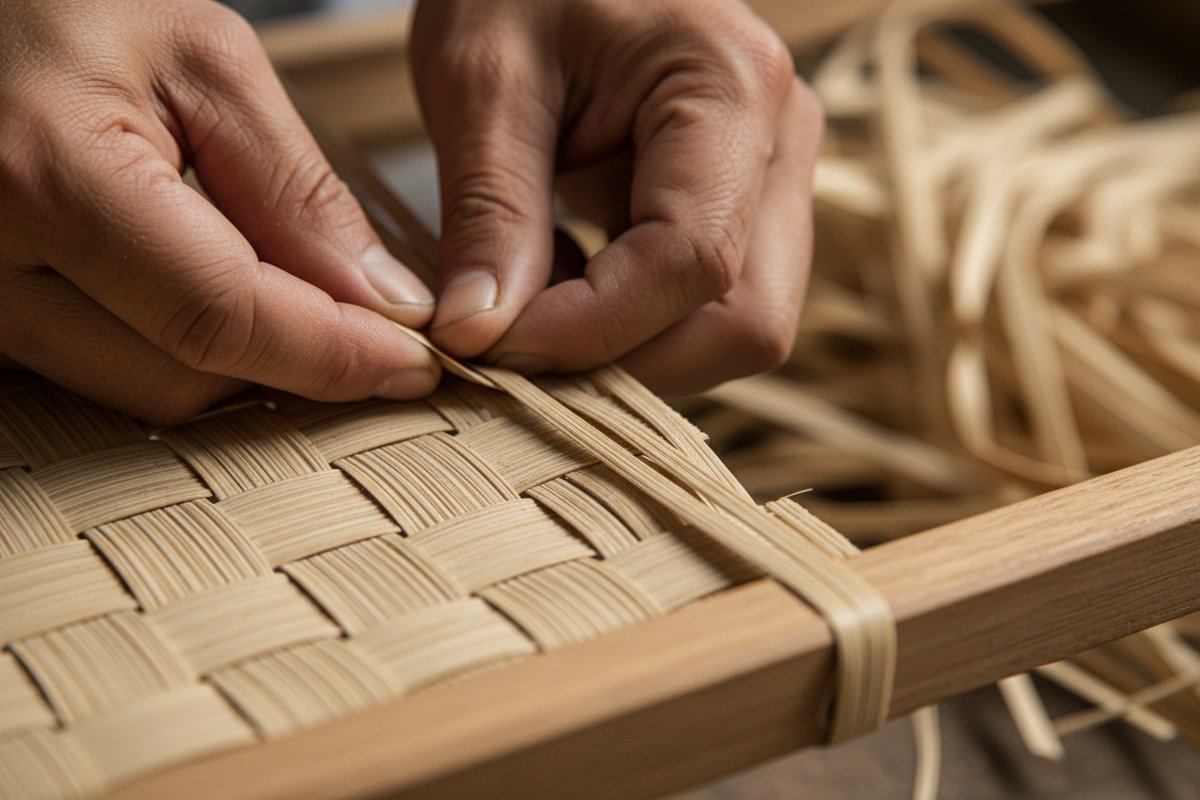
La première chose dont vous avez besoin est un chiffre. Combien de brins cassés par mètre carré allez-vous accepter ? Il n'existe pas de norme ISO universelle pour les taux de rupture de la sangle en rotin, vous devez donc définir votre propre référence en fonction de votre marché.
Voici le système de classement que nous utilisons chez Seafan Rattan, que nous avons développé au cours de plus d'une décennie d'expérience à l'exportation :
| Note | Max de brins cassés par m² | Visibilité des épissures | Uniformité de la couleur | Marché cible |
|---|---|---|---|---|
| AAA (Premium) | 0–1 | Invisible | Très cohérent | Meubles européens, australiens haut de gamme |
| AA (Standard) | 2–3 | À peine visible | Variation mineure | Meubles milieu de gamme, marché américain |
| A (Économie) | 4–5 | Visible mais serré | Variation modérée | Meubles économiques, panneaux décoratifs |
| B (Utilité) | 6+ | Peut être lâche | Variation plus large | Bricolage, artisanat, installations temporaires |
Si votre produit final se vend plus de 500 £, vous devriez exiger la qualité AAA ou AA. Si vous fabriquez des écrans décoratifs pour cafés ou restaurants, la qualité A peut être tout à fait acceptable.
Spécifications clés à inclure dans votre contrat d'achat
Mettez ces éléments par écrit :
- Brisures de brins maximales: Indiquez le nombre par mètre carré et précisez si les bris de bord comptent séparément des bris de champ.
- Densité du tissage: Spécifiez le nombre de brins par pouce ou par 10 cm pour le motif choisi.
- Teneur en humidité: Le rotin naturel doit être expédié à 8–12 % d'humidité. la teneur en humidité 9. Trop sec, il devient cassant. Trop humide, il moisit.
- Dimensions des rouleaux: Confirmez la largeur, la longueur et si le rouleau comprend des lisières (bords finis) ou des bords bruts.
- Emballage: Exigez des mandrins en carton, un emballage plastique et des boîtes extérieures rigides. Les rouleaux mal emballés sont écrasés pendant le transport en conteneur, ce qui provoque des bris.
- Traitement anti-moisissure: Pour les expéditions vers des climats humides, exiger un traitement anti-moisissure sans soufre appliqué après le tissage.
Le processus d'inspection avant expédition
Nous fournissons une documentation photo et vidéo de chaque lot avant qu'il ne quitte notre entrepôt de Foshan. Bon nombre de nos clients de longue date en Turquie et aux Pays-Bas envoient également leurs propres inspecteurs ou engagent des agences de contrôle qualité tierces.
Une bonne inspection avant expédition devrait couvrir :
- Contrôle visuel de la surface de chaque rouleau pour détecter les cassures, les taches et les défauts de tissage.
- Test de flexibilité sur des échantillons aléatoires : plier un brin à 90 degrés et vérifier l'absence de fissures.
- Vérification des dimensions de la largeur, de la longueur et de la maille.
- Lecture de l'humidimètre en trois points par rouleau.
- Contrôle de l'intégrité de l'emballage avant scellage.
Si votre fournisseur résiste à l'une de ces étapes, considérez cela comme un signal d'alarme. Les fabricants réputés accueillent favorablement l'inspection car elle réduit les retours et renforce la confiance.
Puis-je réparer les petites cassures de brins pendant la production, ou est-ce un signe que j'ai besoin d'une meilleure qualité de rotin ?
Lorsque nos clients aux Philippines et en Inde ont commencé à commander en volume, ils nous ont posé cette question constamment. Ils trouvaient quelques brins cassés par rouleau et voulaient savoir s'ils devaient réparer, retourner ou améliorer. La réponse honnête dépend de la fréquence, de l'emplacement et de votre flux de production.
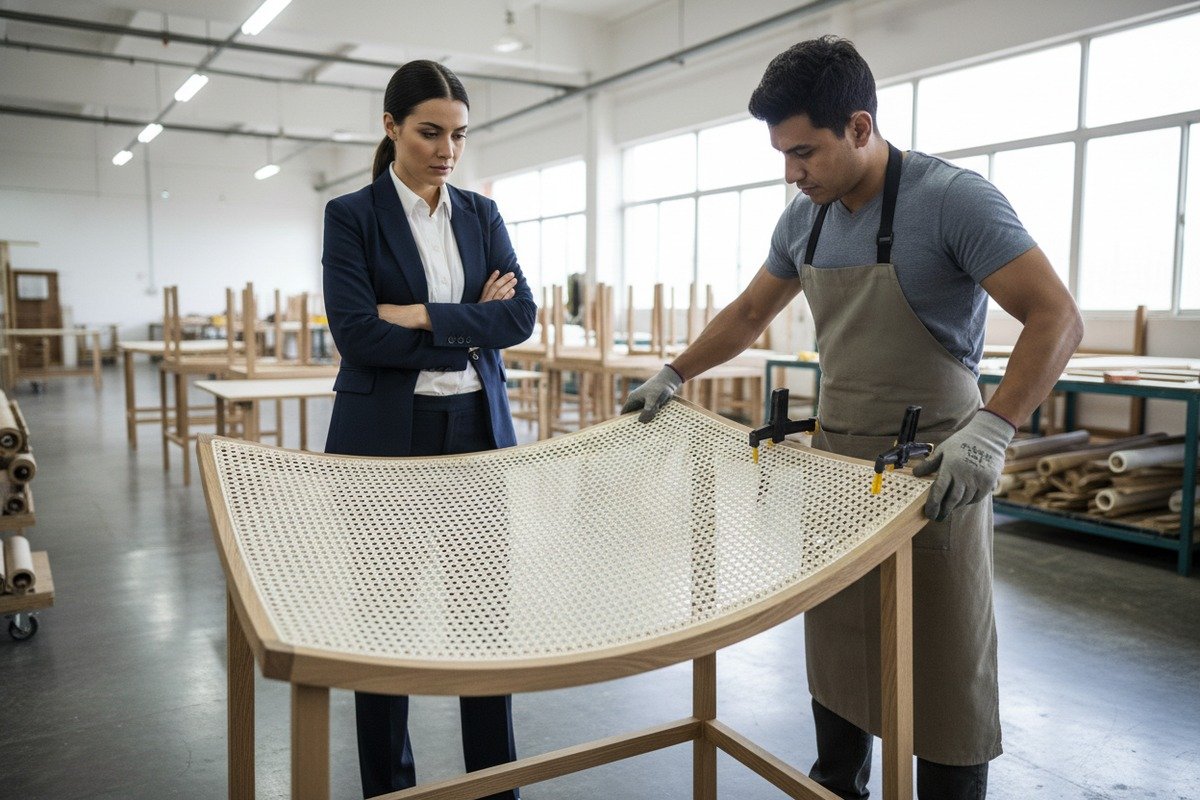
De petites ruptures de fils isolées peuvent être réparées pendant la production à l'aide de techniques telles que le remmaillage, le collage avec de la colle PVA, ou la coupe et le rentrage des extrémités lâches dans le tissage. Mais si vous passez plus de 5 minutes par panneau pour les réparations, la qualité du matériau est trop faible pour votre application et vous devriez passer à une catégorie supérieure.
Techniques de réparation rapide qui fonctionnent
Pour le brin occasionnellement cassé, ces méthodes sont éprouvées dans des environnements de production :
Rentrer et couper. Si un brin se casse proprement, rentrez les deux extrémités lâches dans le tissage à l'aide d'un outil à lame plate. Coupez l'excédent avec des ciseaux pointus. Les brins environnants maintiennent les extrémités rentrées en place. Cela prend environ 30 secondes et est invisible une fois le panneau installé dans un cadre.
Renforcement à la colle PVA. Appliquez une minuscule goutte de colle PVA de qualité bois au point de rupture. Aplatissez le brin et laissez sécher pendant 10 minutes. La colle PVA sèche claire et flexible, elle n'assouplira donc pas la zone ni ne décolorera le rotin. N'utilisez pas de super glue, elle sèche rigide et crée un point cassant qui se fissurera à nouveau.
Retissage. Pour les cassures dans les zones visibles sur les meubles haut de gamme, coupez le brin cassé jusqu'aux deux points de jonction les plus proches. Tissez un brin de remplacement de même largeur et couleur. Cela demande de l'habileté et prend 5 à 10 minutes par réparation. Cela ne vaut la peine que sur des pièces de grande valeur.
Quand les réparations coûtent plus cher que la mise à niveau
Voici un calcul simple. Si vos ouvriers passent en moyenne 3 minutes à réparer chaque brin cassé, et que chaque rouleau contient 5 cassures à réparer, cela représente 15 minutes de main-d'œuvre par rouleau. Même à des tarifs de main-d'œuvre modestes, cela s'accumule rapidement sur les grosses commandes.
Comparez cela à la différence de prix entre la sangle de qualité A et la sangle de qualité AA. Dans notre tarification, l'écart est généralement de 10 à 15 % par rouleau. Si le coût de la main-d'œuvre des réparations dépasse cette prime, la mise à niveau est le choix évident.
Considérez également le coût caché de l'incohérence. Lorsque les ouvriers s'arrêtent constamment pour réparer les cassures, leur rythme de production en souffre. La production par équipe diminue. Et les réparations humaines, aussi habiles soient-elles, introduisent de légères différences visuelles qu'un client final à l'œil vif peut remarquer.
Le facteur de trempage
De nombreuses cassures de brins sont en fait causées, ou révélées, pendant l'étape de trempage avant l'installation. La sangle en rotin naturel doit être trempée dans de l'eau tiède pendant 15 à 30 minutes pour devenir suffisamment souple pour être étirée sur un cadre. Si vous trempez trop longtemps, les fibres s'affaiblissent. Si vous ne trempez pas assez, la sangle est trop rigide et les brins se cassent lorsque vous les tendez.
Nous recommandons de tremper à 30-40°C pendant exactement 20 minutes. Retirez le panneau, laissez-le égoutter pendant 2 minutes et installez-le immédiatement pendant qu'il est encore souple. Si vous découvrez plus de 3 cassures pendant ce processus sur un seul panneau, la qualité de la matière première est probablement en cause, pas votre technique.
Naturel vs. Synthétique : L'alternative sans cassure
Certains de nos clients commerciaux, en particulier ceux qui fournissent des hôtels et des restaurants, sont passés à Sangle en rotin synthétique PE 10 pour les applications à fort trafic. Le webbing synthétique ne présente aucune rupture de brin, une couleur uniforme et résiste à l'humidité et aux dommages causés par les UV. Il manque également de chaleur, de respirabilité et de beauté organique qui rendent le rotin naturel spécial.
Nous fournissons les deux. Pour la plupart des fabricants de meubles, le rotin naturel reste le choix préféré pour son aspect et son toucher authentiques. L'essentiel est de faire correspondre la qualité à l'application, et non d'abandonner les matériaux naturels à cause de quelques ruptures réparables.
Conclusion
Les brins cassés dans le webbing de rotin font partie du travail avec un matériau naturel, mais ils ne devraient jamais être votre normalité. Définissez des normes claires, connaissez vos qualités, inspectez chaque lot et faites correspondre la qualité du matériau à votre marché. Lorsque vous le faites, quelques imperfections naturelles deviennent un signe d'authenticité, pas un signe de problème.
Notes de bas de page
1. Remplacé par une page Wikipédia fournissant une définition générale du contrôle qualité, qui implique implicitement une équipe, car le lien d'origine était une erreur 403. ↩︎
2. Fournit un aperçu complet du rotin en tant que matériau et de ses utilisations. ↩︎
3. Remplacé par une page Wikipédia offrant un aperçu complet des forêts tropicales, car le lien d'origine était une erreur 403. ↩︎
4. Décrit l'origine botanique et les caractéristiques des palmiers rotin. ↩︎
5. Définit les produits biodégradables et leur pertinence environnementale. ↩︎
6. Explique les microfissures (micro-fissures) dans les matériaux et leur formation. ↩︎
7. Couvre diverses méthodes de test des matériaux, y compris les évaluations de flexibilité. ↩︎
8. Illustre diverses techniques textiles, y compris les motifs de tissage en maille ouverte. ↩︎
9. Remplacé par une page Wikipédia fournissant une définition générale de la teneur en eau (teneur en humidité), car le lien d'origine était une erreur 404. ↩︎
10. Fournit des informations sur le polyéthylène, le matériau utilisé dans le rotin synthétique. ↩︎
 English
  Español de México
  العربية
  Deutsch
  Français
  Русский