
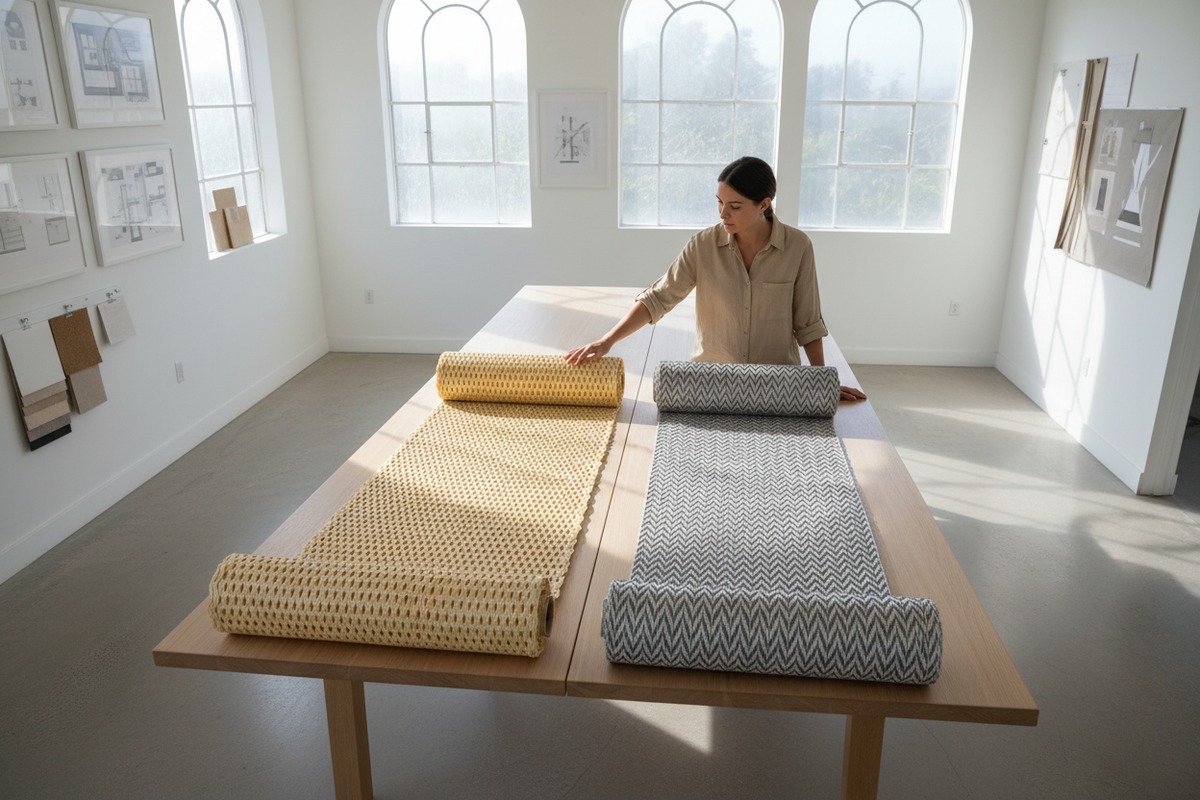
Chaque semaine, notre équipe commerciale chez Seafan Rattan répond à la même question des usines de meubles et des grossistes d'Europe, d'Asie du Sud-Est et du Moyen-Orient : dois-je opter pour le naturel ou le synthétique ?
Le cannage en rotin naturel offre une texture organique authentique, un attrait écologique et une respirabilité supérieure pour les meubles d'intérieur, tandis que le cannage en rotin synthétique offre une durabilité résistante aux intempéries, un faible entretien et une qualité constante pour une utilisation en extérieur et commerciale. Votre choix idéal dépend de l'application, du climat et des priorités budgétaires.
Les deux matériaux ont de réels atouts et de réelles limites. polypropylène (PP) 1. Ce guide analyse tous les aspects — de la durabilité et du coût à l'esthétique et à la durabilité — afin que vous puissiez faire le bon choix pour votre prochaine commande. Plongeons dans le vif du sujet.
Comment choisir entre le rotin naturel et le rotin synthétique pour mes projets de mobilier d'extérieur ?
Nous expédions cannage rotin 2 des meubles de patio en Thaïlande, en Australie et au Moyen-Orient chaque mois. La question du climat extérieur se pose dans presque toutes les premières conversations. le nid d'abeille hexagonal ouvert 3.
Pour décider entre le rotin naturel et le rotin synthétique pour le mobilier d'extérieur, évaluez votre climat local, votre capacité d'entretien et les attentes de vos clients cibles. Le rotin synthétique l'emporte dans les environnements pluvieux, humides et riches en UV, tandis que le rotin naturel convient aux espaces extérieurs abrités dans des conditions douces et sèches.

Commencez par votre climat
Le climat est le facteur le plus important. Le rotin naturel est un fibre végétale 4. Il absorbe l'humidité, gonfle par temps humide et se fissure sous une exposition prolongée. exposition aux UV 5. D'après notre expérience d'exportation vers le Moyen-Orient et l'Asie du Sud-Est, le rotin naturel utilisé à l'extérieur sans abri dure rarement plus d'un à deux ans. Le rotin synthétique — généralement fabriqué à partir de polyéthylène (PE) 6 ou de polypropylène (PP) — résiste à toutes ces forces. Il ne se fissure pas, ne se décolore pas et ne moisit pas, même après des années d'exposition directe au soleil et à la pluie.
Nous avons eu un client de longue date à Phuket, en Thaïlande, qui avait initialement commandé du cannage en rotin naturel pour des chaises de patio de complexe hôtelier. En huit mois, le cannage présentait des fissures et une décoloration visibles. Il est passé à notre cannage synthétique en PE, et ces mêmes chaises sont toujours en service trois ans plus tard.
Tenez compte de votre budget d'entretien
Le rotin naturel demande de l'entretien. Vous devez le sceller, le stocker pendant les tempêtes et le nettoyer régulièrement. Le rotin synthétique ? Un chiffon humide et du savon doux. C'est tout. Pour les projets commerciaux comme les hôtels et les restaurants, les coûts de main-d'œuvre d'entretien s'accumulent rapidement.
Adaptez le matériau aux attentes des clients
Certains clients finaux souhaitent l'aspect chaleureux et organique du vrai rotin — avec ses imperfections. D'autres veulent de la constance, de l'uniformité et aucun entretien. Connaissez votre acheteur.
| Facteur | Rotin naturel | Rotin synthétique |
|---|---|---|
| Résistance aux UV | Faible — se décolore et se fissure | Élevé — PE stabilisé aux UV |
| Résistance à l'humidité | Faible — absorbe l'eau, risque de moisissure | Élevé — imperméable |
| Entretien | Élevé — étanchéité, stockage intérieur | Faible — essuyer |
| Durée de vie en extérieur | 1–2 ans sans protection | 5 à 10 ans et plus |
| Meilleur climat | Sec, doux, abrité | Tous — y compris tropicaux et côtiers |
L'option hybride
Une tendance croissante que nous observons dans notre usine est la conception de meubles hybrides. Certains fabricants utilisent un cadre synthétique avec des accents en rotin naturel dans les zones abritées. Cela offre la durabilité extérieure là où cela compte le plus, et l'aspect organique haut de gamme là où les clients peuvent l'apprécier.
Le résultat : si vos meubles seront exposés à la pluie, à l'humidité ou au soleil intense, le synthétique est l'investissement le plus sûr. S'il s'agit d'un porche couvert ou d'une terrasse sèche dans un climat doux, le naturel peut convenir — mais seulement avec un entretien constant.
Quel matériau offre la meilleure durabilité à long terme pour la fabrication de mes meubles haut de gamme ?
Lorsque nous effectuons des tests de durabilité dans notre usine de traitement en Indonésie, l'écart entre le rotin naturel et le rotin synthétique devient très clair dans des conditions de stress.
Pour la fabrication de meubles haut de gamme, la meilleure durabilité à long terme dépend de l'usage. Le rotin synthétique surpasse le rotin naturel en résistance structurelle, résistance aux intempéries et durée de vie pour les pièces d'extérieur. Le rotin naturel excelle en durabilité intérieure, offrant des décennies de service lorsqu'il est correctement entretenu dans des environnements contrôlés.
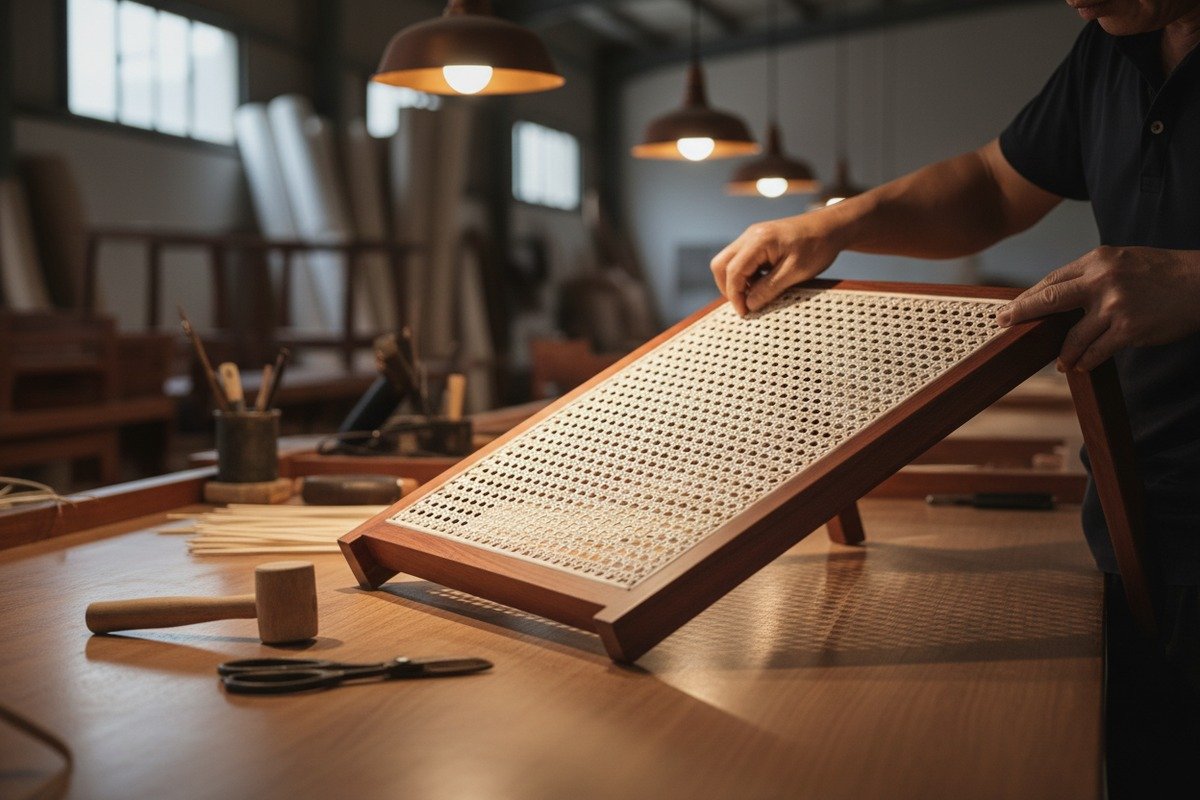
Comprendre ce que signifie réellement la "durabilité"
La durabilité n'est pas une seule chose. Elle comprend la résistance aux intempéries, la résistance à l'usure, l'intégrité structurelle et la réparabilité. Décomposons chacun d'eux.
Résistance aux intempéries : Le rotin synthétique est le grand gagnant. Les matériaux PE et PP n'absorbent pas l'eau, ne se fissurent pas sous les UV et ne favorisent pas la croissance des moisissures. Le rotin naturel, en revanche, est hygroscopique – il absorbe l'humidité de l'air. Dans les usines humides d'Asie du Sud-Est, nous avons vu des sangles en rotin naturel mal stockées développer des taches de moisissure en quelques semaines.
Résistance à l'usure : Pour les sièges d'intérieur, le rotin naturel se comporte bien avec le temps. Il s'adoucit à l'usage, épouse la forme du corps et développe une patine chaleureuse. De nombreuses chaises anciennes en rotin ont 50 à 100 ans et sont toujours fonctionnelles. Le rotin synthétique conserve sa forme de manière rigide mais ne développe pas le même caractère.
Intégrité structurelle : Le cœur du palmier rotin est épais et solide – idéal pour les cadres de meubles. La canne extérieure, utilisée pour le cannage, est plus fine et plus souple. Le cannage synthétique égale ou dépasse la canne naturelle en résistance à la traction 7, en particulier dans les applications à grande portée comme les dossiers de chaises et les têtes de lit.
Réparabilité : Un avantage caché pour le naturel
Voici quelque chose que de nombreux acheteurs négligent. Le cannage en rotin naturel peut être réparé par des artisans qualifiés. Un brin cassé peut être retissé. Un siège affaissé peut être recanné. Le cannage synthétique, une fois endommagé, est beaucoup plus difficile à réparer de manière transparente. Pour les marques de meubles de luxe qui offrent des garanties à vie ou des services de restauration, le rotin naturel a un réel avantage ici.
Comparaison de la durabilité par application
| Application | Meilleur choix | Pourquoi |
|---|---|---|
| Chaises de patio extérieures | Synthétique | Imperméable, sans entretien |
| Chaises de salle à manger intérieures | Naturel | Confort, patine, réparabilité |
| Mobilier de hall d'hôtel | Synthétique | Fort trafic, nettoyage facile |
| Restauration d'antiquités | Naturel | Correspondance authentique des matériaux |
| Inserts de porte d'armoire | Naturel | Respirabilité, chaleur esthétique |
| Chaises longues de piscine | Synthétique | Résistance au chlore et aux éclaboussures |
La règle des 80/20 sur le marché actuel
Les données de l'industrie suggèrent qu'environ 80 à 90 % des meubles d'extérieur en rotin utilisent désormais des matériaux synthétiques. Le changement a été spectaculaire depuis 2020, entraîné par l'essor des espaces de vie extérieurs à domicile. Mais pour le luxe intérieur et les pièces artisanales, le rotin naturel conserve sa position premium. Notre usine produit les deux, et nous constatons une demande croissante pour chacun, mais dans des canaux différents.
En bref, la "meilleure durabilité" dépend entièrement de l'endroit où se trouve le meuble. À l'extérieur, le synthétique gagne haut la main. À l'intérieur, la longévité du rotin naturel est prouvée par des siècles d'utilisation.
Comment la différence de prix entre le rotin naturel et le rotin PE affectera-t-elle mes marges de gros ?
La gestion de trois usines et la collaboration avec plus de 30 installations partenaires à Foshan nous donnent une vision claire du coût réel, pas seulement du prix unitaire, mais du coût total de possession.
L'écart de prix entre le rotin naturel et le rotin synthétique en PE a un impact sur les marges de gros par le biais du coût initial des matériaux, de la responsabilité d'entretien, des taux de retour et de la durée de vie du produit. Le rotin naturel a un prix d'achat au mètre inférieur mais un coût total plus élevé en raison des exigences de soins, tandis que le synthétique coûte plus cher au départ mais offre une protection de marge plus solide à long terme.
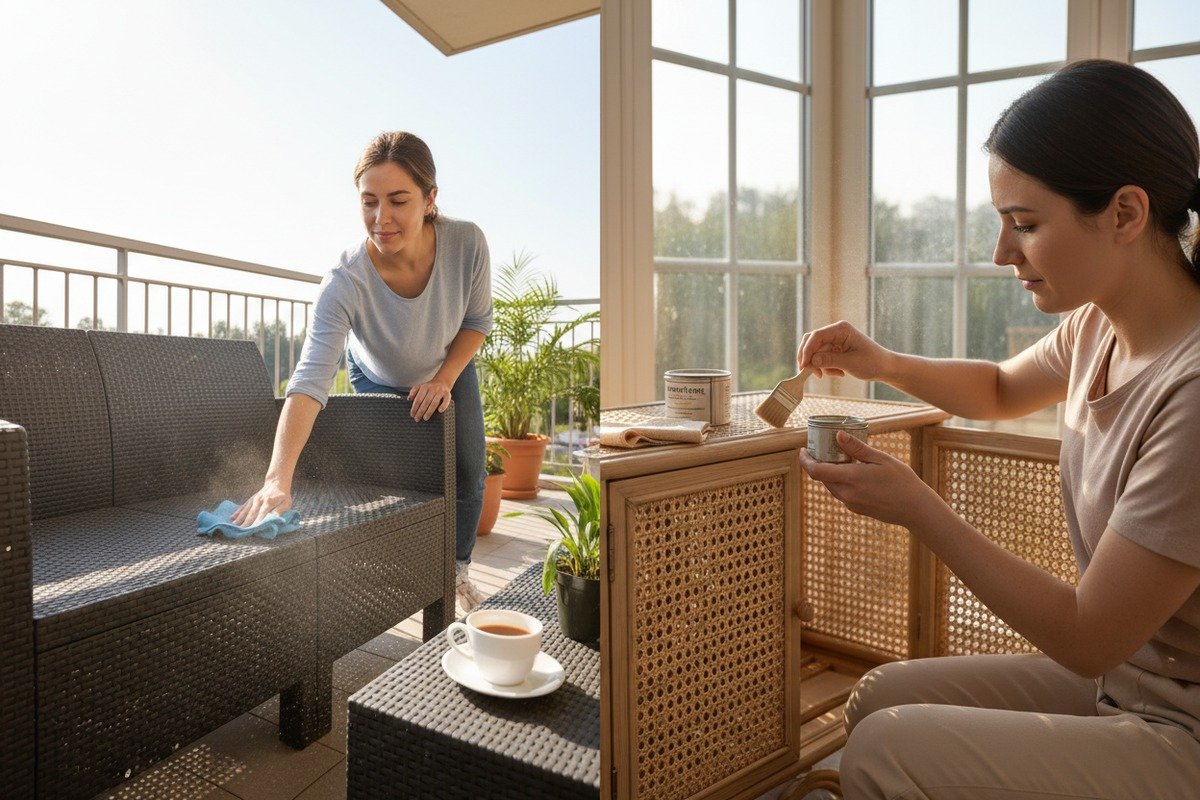
Répartition du coût des matières premières
La cannage en rotin naturel est généralement moins cher au mètre carré au point d'achat. La matière première provient de palmiers rotin cultivés en Indonésie, en Malaisie et aux Philippines. Notre propre usine de traitement du rotin en Indonésie nous donne un accès direct à ces chaînes d'approvisionnement. Le cannage synthétique en PE coûte plus cher à produire en raison de l'extrusion du polymère, des additifs stabilisateurs UV et des machines de tissage de précision impliquées.
Mais le prix d'achat n'est qu'un point de départ.
Coût total de possession
Pour les acheteurs en gros et les usines de meubles, le coût total de possession (TCO) 8 raconte la vraie histoire. Les produits en rotin naturel nécessitent une protection d'emballage plus importante (emballage contrôlé en humidité, caisses rigides), génèrent des taux de retour et de réclamations plus élevés sur les marchés humides, et peuvent nécessiter des instructions d'entretien pour le client et des accessoires tels que des kits de scellement.
Le rotin synthétique s'expédie plus facilement, se stocke sans contrôle climatique et génère presque zéro réclamation de garantie liée à la dégradation du matériau.
| Facteur de coût | Rotin naturel | Rotin synthétique PE |
|---|---|---|
| Prix unitaire par m² | Plus bas | Plus élevé (15–40 % de plus) |
| Coût d'expédition et d'emballage | Plus élevé (protection contre l'humidité) | Standard |
| Taux de garantie / retour | Plus élevé (réclamations liées au climat) | Très faible |
| Coût d'entretien par l'utilisateur final | Dépense supplémentaire de 20–30 % sur la durée de vie | Presque zéro |
| Durée de vie du produit (extérieur) | 1–2 ans | 5 à 10 ans et plus |
| Fréquence de remplacement | Élevé | Faible |
| Impact global sur la marge | Marges plus faibles à long terme | Marges plus fortes à long terme |
Stratégie de prix pour les grossistes
Si vous approvisionnez des usines de meubles d'intérieur en Europe ou aux États-Unis, le rotin naturel peut générer d'excellentes marges. La valeur perçue du rotin authentique et écologique permet des prix de détail élevés, et l'application intérieure évite les problèmes de durabilité qui érodent les marges par le biais des retours.
Si vous approvisionnez les marchés de meubles d'extérieur — en particulier dans les régions tropicales ou côtières — le synthétique est le choix sûr pour la marge. Le coût initial plus élevé est compensé par des problèmes après-vente quasi nuls et des cycles de vie de produits plus longs, ce qui signifie moins de réapprovisionnements pour les remplacements et plus de réapprovisionnements pour de nouveaux projets.
Une note sur la tarification de volume
À notre échelle, nous offrons des prix compétitifs sur les sangles naturelles et synthétiques. Lorsque les clients commandent en gros — disons 2 000 m² et plus — l'écart par unité entre le naturel et le synthétique se réduit considérablement. Nous encourageons nos partenaires grossistes à demander des échantillons et des devis pour les deux, puis à modéliser le coût total de possession pour leur marché spécifique avant de s'engager.
Les acheteurs les plus avisés avec lesquels nous travaillons ne se contentent pas de comparer les prix ligne par ligne. Ils calculent l'image globale de la marge, y compris la logistique, les retours et la satisfaction client. C'est là que la vraie différence se révèle.
Notre équipe de développement de produits passe beaucoup de temps à comparer les motifs de tissage, les tons de couleur et les finitions de texture entre nos gammes naturelles et synthétiques. Cette question devient personnelle pour nous car nous sommes fiers des deux.
Vous pouvez obtenir un aspect haut de gamme très proche avec des sangles synthétiques de haute qualité, mais il ne sera pas identique au rotin naturel. Les tissages modernes en PE reproduisent de manière convaincante les motifs classiques comme le réseau hexagonal ouvert et le tissage panier, mais la variation de couleur organique du rotin naturel, sa texture fibreuse mate et sa chaleur tactile restent difficiles à reproduire entièrement en plastique.
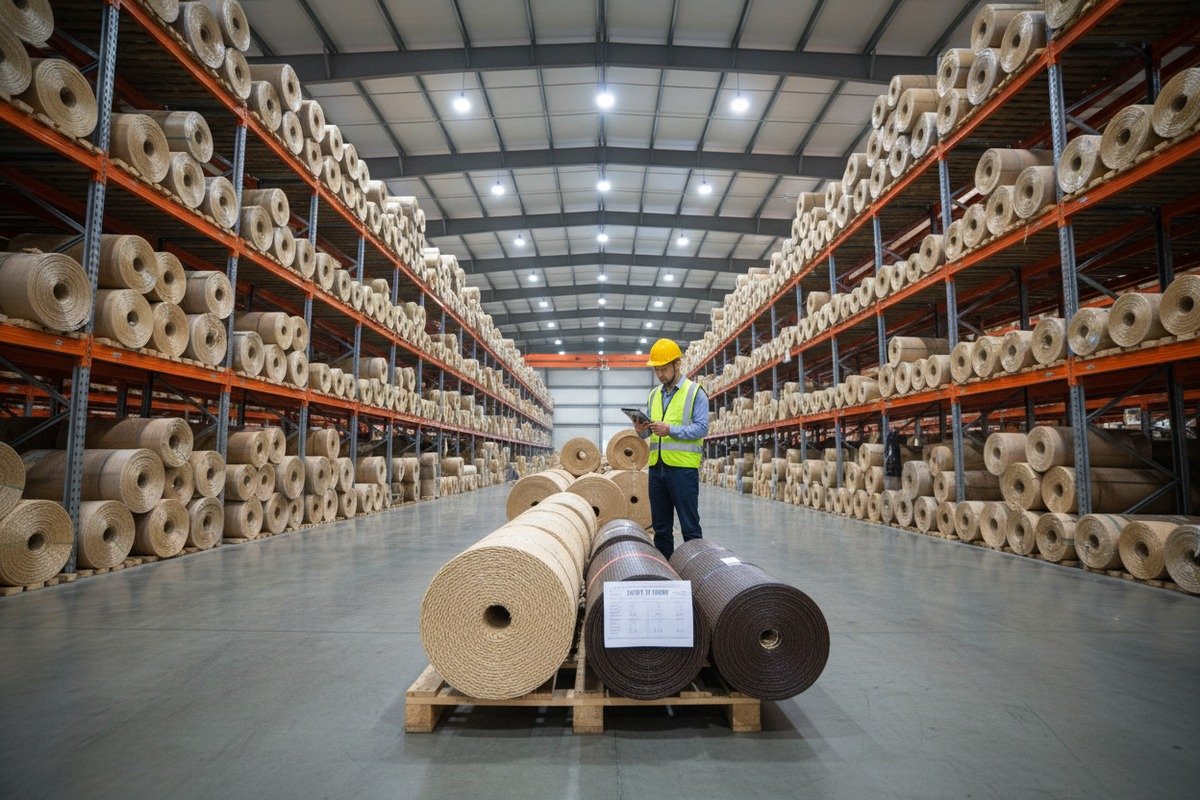
Là où le synthétique s'en sort très bien
Le rotin synthétique moderne a fait beaucoup de chemin. Les sangles en PE d'aujourd'hui peuvent reproduire des motifs complexes — vagues en chevrons, motifs en losanges, tissages radio classiques — avec une précision remarquable. La palette de couleurs s'étend maintenant bien au-delà du brun de base. Nous produisons des synthétiques dans des tons beige chaud, jaune paille, crème, et même des teintes vives teintes sur mesure que le rotin naturel ne peut tout simplement pas offrir.
À une distance de trois pieds ou plus, un panneau de sangle synthétique bien fait peut être presque indiscernable du naturel. C'est pourquoi de nombreuses chaînes hôtelières et designers de restaurants spécifient désormais le synthétique pour les meubles d'intérieur et d'extérieur sans sacrifier l'esthétique haut de gamme dont ils ont besoin.
Là où le rotin naturel gagne toujours
De près, la différence devient claire. Le rotin naturel présente des irrégularités inhérentes — de subtils changements de couleur au sein d'une même brin, de légères variations d'épaisseur, une surface mate douce qui est chaude au toucher. Ces "imperfections" sont en fait ce qui donne au rotin naturel son caractère luxueux. Les architectes d'intérieur travaillant sur des projets résidentiels haut de gamme, des éco-hôtels et des espaces boutique insistent souvent sur le naturel pour cette raison.
Le rotin naturel respire aussi. Dans les portes d'armoires et les espaces clos, cette respirabilité empêche les odeurs de moisi et ajoute une valeur fonctionnelle que le synthétique ne peut égaler. Pour les dossiers de chaises de salle à manger, l'élasticité naturelle offre un léger jeu qui s'adapte à l'utilisateur au fil du temps. Le synthétique conserve sa forme plus rigidement — soutenant, mais moins personnel.
L'écart d'identification
Pour les acheteurs préoccupés par les affirmations d'authenticité, il existe des méthodes d'identification simples. Le rotin naturel présente des incohérences de couleur et des irrégularités de tissage lors d'une inspection rapprochée. La texture est fibreuse et légèrement rugueuse. Lors d'un test de combustion, le rotin naturel brûle en cendres avec une fumée blanche ou grise. Le synthétique fond et produit une fumée noire ou verte avec un résidu plastique. Ce sont des outils de contrôle qualité importants pour les responsables des achats qui doivent vérifier les expéditions entrantes.
La tendance vers les synthétiques "d'aspect authentique"
L'une des tendances les plus passionnantes que nous observons en 2025 est le développement de synthétiques en PE recyclé qui imitent intentionnellement les subtiles imperfections du rotin naturel. Ces matériaux de nouvelle génération utilisent des couleurs mélangées et des largeurs de brin légèrement variées pour créer un aspect plus organique. Ce ne sont pas des répliques parfaites, mais elles réduisent considérablement l'écart — et elles plaisent aux acheteurs soucieux de l'environnement qui souhaitent l'histoire de durabilité du plastique recyclé combinée à un aspect naturel.
Considération de la qualité de l'air intérieur
Un avantage souvent négligé du rotin naturel : il contribue à une meilleure qualité de l'air intérieur. Les fibres végétales naturelles émettent moins les composés organiques volatils (COV) 9 que certains matériaux synthétiques. Pour les projets résidentiels et hôteliers axés sur la santé, cela peut être un argument de vente significatif.
Pour la plupart des applications commerciales et extérieures, la sangle synthétique d'aujourd'hui offre un aspect haut de gamme qui satisfait la grande majorité des clients finaux. Mais pour les projets intérieurs de luxe où le toucher, la texture et l'authenticité comptent le plus, le rotin naturel reste la référence.
Conclusion
Le choix entre le cannage en rotin synthétique et naturel dépend de votre application spécifique, de votre climat, de votre budget et des attentes de vos clients. Les deux matériaux ont mérité leur place dans la fabrication de meubles modernes. Le synthétique domine les projets extérieurs et commerciaux pour sa durabilité et son faible entretien. Le rotin naturel conserve sa position de choix dans le luxe intérieur, le design éco-responsable et l'artisanat. Chez Seafan Rattan, nous produisons et fournissons les deux, car le meilleur choix est toujours celui qui convient à votre projet. Contactez notre équipe au www.rattanwholesaler.com pour demander des échantillons et des prix pour votre prochaine commande.
Notes de bas de page
1. Page Wikipedia faisant autorité sur le polypropylène. ↩︎
2. Explique ce qu'est le cannage en rotin, son origine et son utilisation. ↩︎
3. Décrit un motif de tissage courant utilisé dans le cannage. ↩︎
4. Définit la fibre végétale comme une source de matière naturelle. ↩︎
5. Source faisant autorité (OMS) définissant les rayons UV et leurs effets. ↩︎
6. Page Wikipedia faisant autorité sur le polyéthylène. ↩︎
7. Définit la résistance à la traction comme la capacité d'un matériau à résister à la rupture sous tension. ↩︎
8. Page Wikipedia faisant autorité sur le coût total de possession. ↩︎
9. Définit les COV et leur pertinence pour la qualité de l'air intérieur. ↩︎


 English
  Español de México
  العربية
  Deutsch
  Français
  Русский