
Какие предварительные условия мне необходимо выполнить для импорта ротанговой циновки, ротангового мата и ротанговой сердцевины из Китая, и каков статус вашего наличия на складе для обычных товаров?
Я вижу два риска: медленное оформление импортных документов и пустые полки, когда начинается ваш сезон. Сначала я оформляю документы, затем фиксирую скользящий запас.
Вам потребуется идентификатор бизнеса, данные грузополучателя и налоговые данные, коды ТН ВЭД и стандартные импортные документы. Я держу на складе готовые к отгрузке товары популярных натуральных плетеных узоров и пластиковой тесьмы, а также ротанговые сердечники обычных диаметров для отправки в течение 3–5 дней.
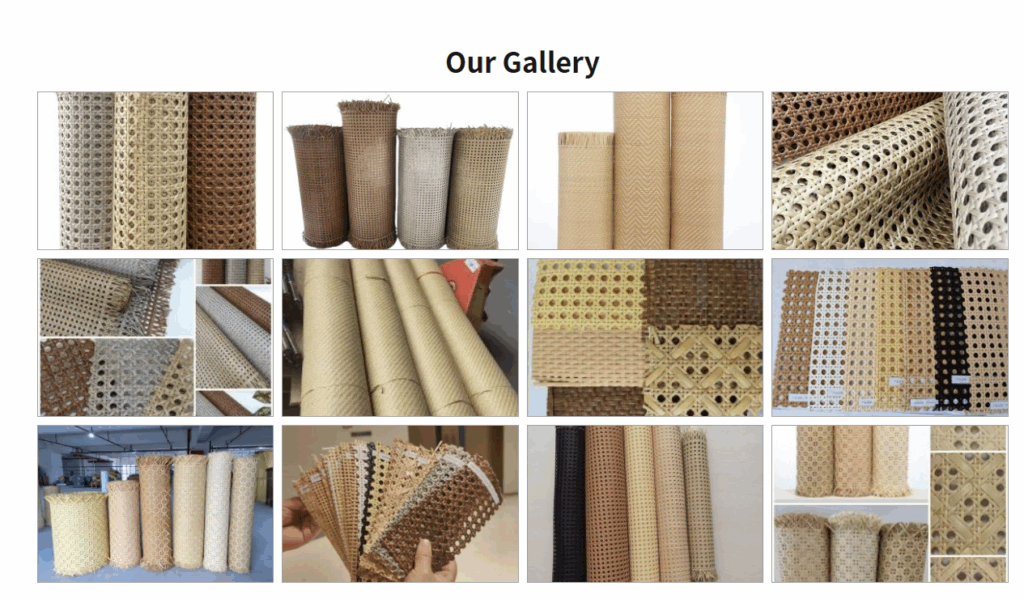
Я покажу основы импорта, которые использую с новыми покупателями. Затем я перечислю, какие SKU отправляются в течение 3–5 дней, как зарезервировать товар для сезонов, как я использую скользящие прогнозы для избежания дефицита и как часто я пополняю запасы самых продаваемых товаров.
Какие популярные узоры и ширины готовы к отгрузке в течение 3–5 дней?
Проекты задерживаются, когда вы неделями ждете обычные SKU. Я держу быстро оборачивающиеся товары, чтобы ваша линия продолжала работать.
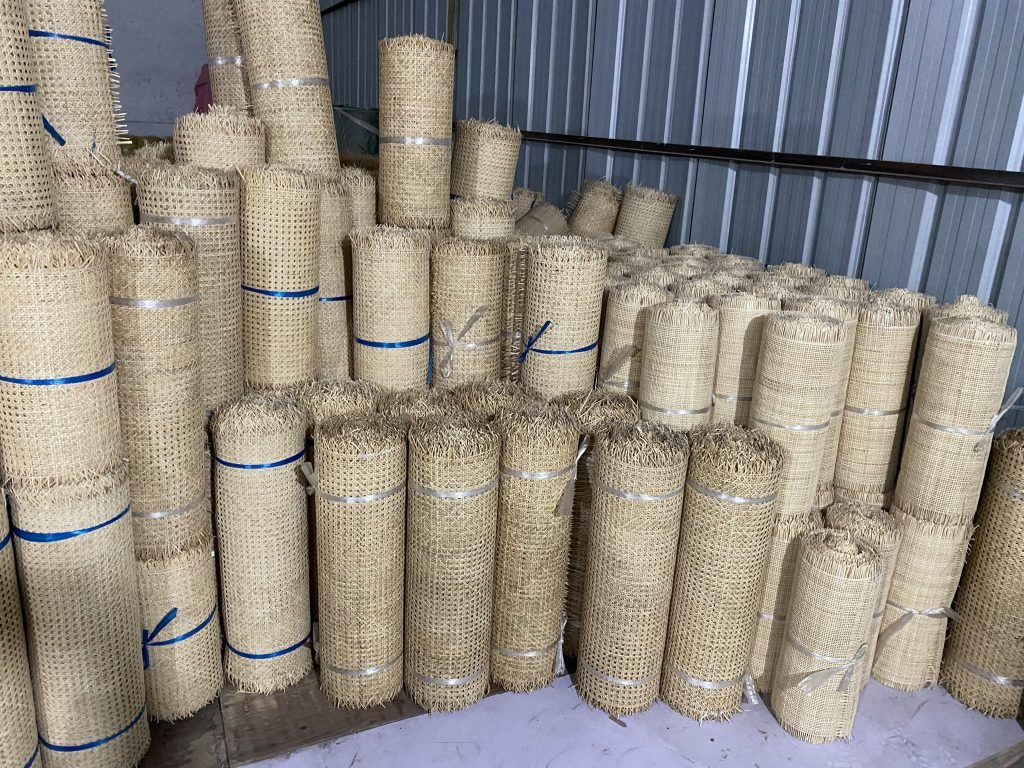
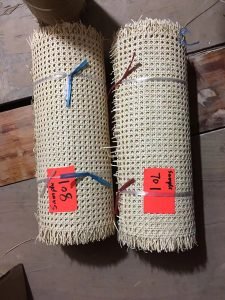
Я держу на складе натуральную плетеную тесьму шириной 45/60/70/90 см классических узоров и пластиковую тесьму более чем 20 узоров в 10–15 цветах. Я также держу на складе ротанговые сердечники диаметром от 2,0 до 5,0 мм для сидений и креплений.
Углубиться: Быстро оборачивающиеся SKU, сорта и поток отгрузки
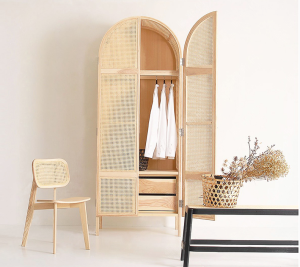
Я держу классическую плетеную тесьму с шестиугольным узором шириной 45, 60, 70 и 90 см, сортов B для лицевых панелей и C для темных сидений и спинок, когда прочность имеет первостепенное значение. Я также предлагаю тонкую сетку, "елочку" и плетеные узоры для шкафов и дверей. С 2018 года я добавил больше цветов в натуральных оттенках и держу гостиничные нейтральные цвета, такие как медовый, ореховый, песочный и черный. Для пластиковой плетеной тесьмы из ротанга я держу более 20 узоров шириной от 45 до 120 см, как для помещений, так и для улицы. В 2025 году я добавил более 10 пластиков с наружным покрытием с УФ- и термостойкостью1, и я держу готовые отчеты об испытаниях. Мои ротанговые сердечники охватывают диаметры от 2,0 до 5,0 мм с шагом 0,25 мм, полированные и неполированные. Я выбираю из готового инвентаря и отправляю в течение 3–5 дней после оплаты и бронирования. Я готовлю счет-фактуру, упаковочный лист, коды ТН ВЭД и, при необходимости, заметки о фумигации. Я маркирую коробки шириной, сортом, узором и партией, чтобы ваша команда могла начать плетение в тот же день, когда товар прибудет.
Могу ли я зарезервировать товар для моего сезонного производственного графика?
Сезонные пики сильно бьют. Я блокирую инвентарь заранее, чтобы ваши линии не останавливались.
Да. Я предлагаю резервирование на 4–12 недель. Я держу ваш узор/ширину и размеры сердечников, отправляю по вашему графику и пополняю запасы за вашими резервами, чтобы покрытие оставалось безопасным.
[^2]](https://rattanwholesaler.com/wp-content/uploads/2025/08/step-10000006.png "Сезонное резервирование запасов")
Углубиться: Окна резервирования, условия депозита и планы выпуска
Я планирую резервы в простом календаре. Вы делитесь еженедельным или ежемесячным планом производства с учетом потребностей вашего председателя, кабинета и панели. Я маркирую ваши SKU на моем складе с датами начала и окончания. Я держу натуральное плетение из тростника по узору и ширине, пластиковое плетение по цвету/узору и сердцевину из ротанга по диаметру. Обычно я беру небольшой депозит, чтобы зафиксировать резерв. Я освобождаю товар волнами, соответствующими вашим слотам доставки, чтобы вы не переполняли склад. Если спрос резко возрастает, я увеличиваю производство того же узора и цвета и ставлю его в первую очередь за вашей резервацией. Я предоставляю вам простую панель управления: в наличии, зарезервировано и доступно к отгрузке. Я добавляю страховой запас для бестселлеров за две недели до пика. Если вам нужно поменять цвета или ширину в середине сезона, я корректирую резервацию, сохраняя общее количество единиц неизменным. Этот план сокращает срочные перевозки, снижает отходы и поддерживает ваших плотников и ткачей в стабильном ритме.
Предоставляете ли вы скользящие прогнозы, чтобы помочь мне избежать дефицита?
Дефицит возникает, когда никто не смотрит вперед. Я работаю по вашему плану и обновляю его еженедельно.
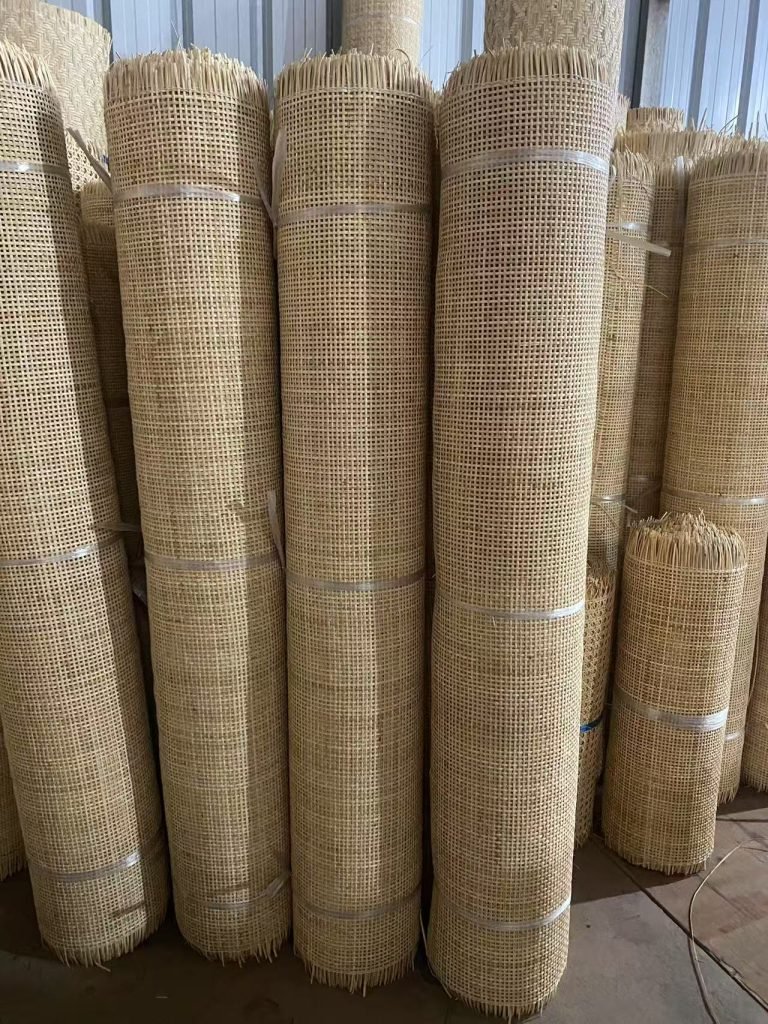
Да. Я использую скользящие прогнозы на 8–12 недель. Мы сравниваем ваш спрос с моими запасами и незавершенным производством, заблаговременно выявляем пробелы и ускоряем производство для покрытия пиков.
Углубиться: Каденс прогнозирования, Видимость незавершенного производства2, и Правила буферизации3
Я провожу еженедельную проверку прогноза, ориентированную на ваши SKU. Вы отправляете простую таблицу с предстоящими заказами, ожидаемыми датами отгрузки и любыми установками в отелях или акциями. Я распределяю спрос по трем категориям: в наличии, незавершенное производство и входящие бронирования. Я устанавливаю Правила буферизации4 по позициям: пластиковое плетение хранится 3–4 недели, так как производительность станков быстрая; натуральное плетение из тростника хранится 4–6 недель из-за сортировки и контроля цвета; сердцевина из ротанга хранится 2–3 недели, так как линии диаметра быстро меняются. Когда мы видим пробел, я увеличиваю производство для точного узора/ширины или диаметра и заблаговременно бронирую время на станке. Если проект отеля меняет цвет, я перемещаю запасы в пределах той же цветовой гаммы, чтобы сохранить даты. Каждую пятницу я делюсь файлом со светофорной индикацией, чтобы ваша команда видела зеленый (безопасно), желтый (внимание) и красный (действие). Этот цикл предотвращает срочную авиаперевозку в последнюю минуту и защищает вашу прибыль от каждой сборки.
Как часто вы пополняете запасы самых продаваемых SKU?
Бестселлеры никогда не должны заканчиваться. Я провожу фиксированные циклы и добавляю страховой запас5 перед пиками.
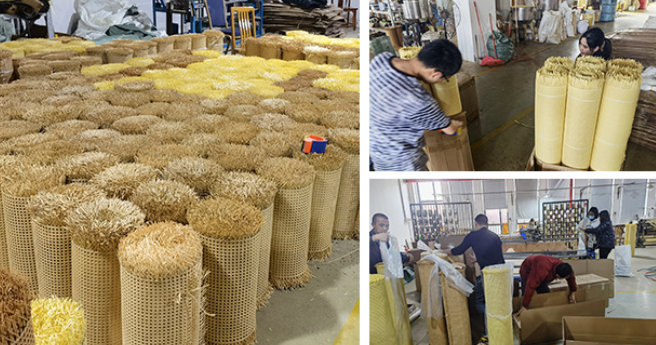
Я пополняю запасы пластикового плетения каждые 2–3 недели и натурального плетения из тростника каждые 3–4 недели. Я пополняю запасы сердцевины из ротанга еженедельно. Я добавляю страховой запас5 перед праздниками и крупными проектами в отелях.
Углубиться: Каденс по позициям, страховой запас5, и обработка исключений
Пластиковое плетение из ротанга и тростника работает на автоматических станках с быстрой сменой цвета, поэтому я планирую циклы по 2–3 недели для бестселлеров и держу запасные слоты на станках для внезапных заказов. Натуральное плетение из тростника требует сортировки, очистки и отделки, поэтому я использую циклы по 3–4 недели и группирую по ширине, чтобы поддерживать стабильное качество лицевой поверхности. Сердцевина из ротанга пополняется еженедельно, так как линии диаметра быстро меняются, а упаковка проста. Я отслеживаю три сигнала: темп повторных заказов, изменения прогноза и сезонные маркеры. Когда я вижу всплеск, я добавляю страховой запас5 равный 25–40% от среднего недельного спроса на соответствующие SKU. Если поставки сырого тростника сокращаются, я сначала защищаю зарезервированные заказы и перемещаю незарезервированные заказы на следующий слот. Я держу альтернативные линии готовыми для пластикового плетения и поддерживаю варианты сортов для натурального тростника: Сорт B для светлой лицевой поверхности, Сорт C для темных стульев с морилкой, где важна прочность, а стоимость остается низкой. Все коробки несут коды партии и даты, чтобы вы могли использовать FIFO и поддерживать постоянство цвета и сорта во всех сборках.
Заключение
Вам нужны чистые импортные документы и четкий план запасов. Я поддерживаю товары с доставкой за 3–5 дней, резервирую запасы для сезонов, составляю скользящие прогнозы и пополняю запасы самых продаваемых товаров в сжатые сроки.
-
Изучение этой темы проинформирует вас о долговечности и производительности продуктов, предназначенных для наружного использования, что крайне важно для уличной мебели. ↩
-
Понимание видимости незавершенного производства может повысить эффективность вашей цепочки поставок и улучшить планирование производства. ↩
-
Изучение правил буферизации может помочь вам оптимизировать уровни запасов и сократить задержки в производственном процессе. ↩
-
Изучение этой ссылки предоставит информацию о лучших практиках резервирования запасов, гарантируя бесперебойную работу вашего производства в пиковые сезоны. ↩
-
Понимание страхового запаса крайне важно для поддержания уровней запасов и предотвращения дефицита, особенно во время пикового спроса. ↩ ↩ ↩ ↩
 English
  Español de México
  العربية
  Deutsch
  Français
  Русский