
Пробелы в соответствии останавливают поставки и проекты. Я исправляю импортные документы и предоставляю проверенные материалы с четкими файлами соответствия ЕС/США.
Вам нужен идентификатор бизнеса, данные грузополучателя и налоговые данные, коды ТН ВЭД и чистые импортные документы. Я предоставляю заявления REACH, RoHS и Prop 65, когда это применимо. Я также предоставляю результаты испытаний ЛОС, формальдегида и фталатов для натуральных и пластиковых ремней, а также файлы отслеживания для аудита.
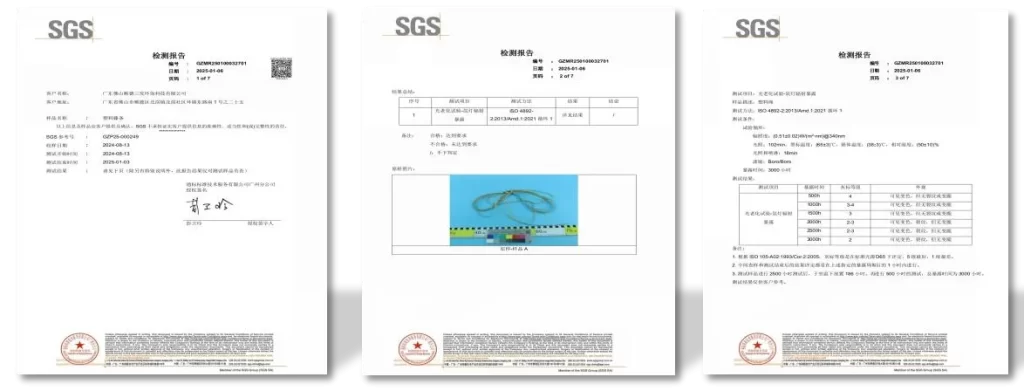
Я покажу основы импорта, которые я использую с новыми покупателями. Затем я объясню, как я выдаю заявления REACH/RoHS/Prop 65, каким пределам ЛОС и формальдегида соответствуют мои покрытия, как пластиковые ремни и покрытия соответствуют рекомендациям по контакту с пищевыми продуктами или кожей, и как я управляю отслеживанием для аудита.
Могу ли я получить заявления о соответствии REACH, RoHS или California Prop 65?
Покупателям требуется четкое, подписанное соответствие. Я предоставляю заявления и отчеты об испытаниях, которые вы можете сохранить.
Да. Я выдаю Декларации REACH SVHC1, RoHS для пластиковых линий и Предупреждения Prop 652 или заявления о безопасном использовании на основе результатов испытаний. Я прилагаю лабораторные отчеты и подписанное письмо о соответствии для вашей документации.
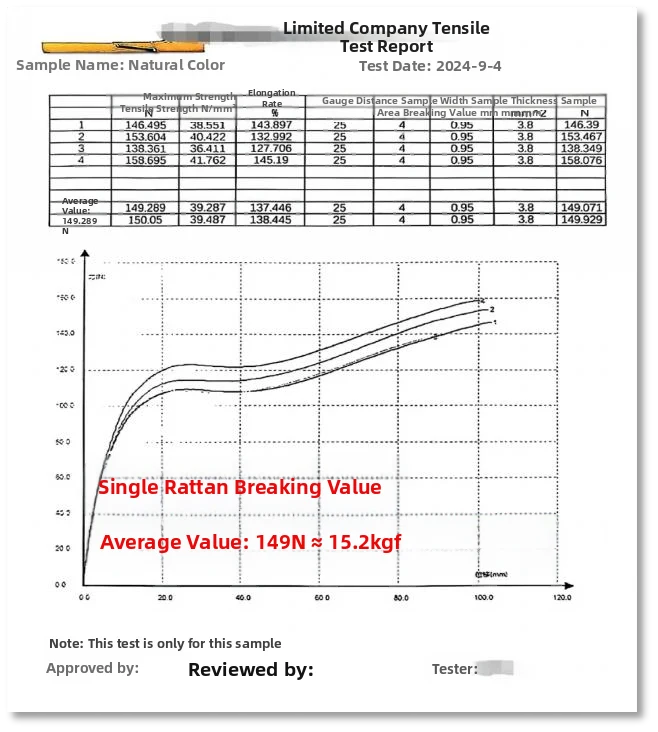
Углубимся: Область применения, материалы и комплект документов
Я разделяю соответствие по материалам. Натуральные ротанговые ремни, ротанговые циновки, ротанговая сердцевина и тростник для стульев являются растительными и обычно освобождаются от RoHS. Я по-прежнему проверяю покрытия, морилки и клеи на соответствие спискам REACH SVHC и химикатам Prop 65. Для пластиковых ротанговых ремней я использую компаунды без ПВХ или с низким содержанием фталатов по запросу. Я предоставляю RoHS для ограниченных тяжелых металлов и провожу скрининг REACH SVHC, чтобы подтвердить отсутствие перечисленных веществ выше 0,11%. Когда покрытие или цвет требуют специальной смолы, я провожу сторонние испытания перед производством. Ваш комплект документов включает подписанную декларацию, сводку лабораторных испытаний, картирование партий и примечания по уходу. Это удовлетворит вашего розничного продавца или аудитора проекта и сократит задержки на таможне или в отделе контроля качества.
Каким пределам ЛОС, формальдегида или фталатов соответствуют ваши покрытия?
Правила качества воздуха в помещениях важны для домов и отелей. Я соответствую строгим Пределы ЛОС и формальдегида3 и контроль фталатов.
Мои прозрачные покрытия и морилки соответствуют низким показателям ЛОС и классу формальдегида E1/E0 при использовании на панелях. Пластиковая тесьма по запросу использует фталаты, не содержащие фталатов, или ≤0,1% с ограниченным содержанием фталатов, с прилагаемыми отчетами.
[^3]](https://rattanwholesaler.com/wp-content/uploads/2025/09/20250915161159-1024x609.png "Отделка с низким содержанием ЛОС и соответствие требованиям по формальдегиду")
Углубиться: Отделка, классы и периодичность тестирования
Я сохраняю отделку простой на натуральном ротанге. Многие заказы отправляются в сыром виде, только с легкой очисткой и УФ- или прозрачным покрытием на водной основе. Когда вам нужны панели, я использую низко-ЛОС покрытия на водной основе и клеи, соответствующие классам формальдегида E1 или E0 для изготовления панелей. По запросу я могу предоставить отчет о камерном испытании на ЛОС. Для пластиковой тесьмы из ротанга я выбираю составы без добавления тяжелых металлов и предлагаю варианты без фталатов. Если вам нужно соответствовать Prop 65 по фталатам, я подтверждаю это с помощью сторонней лаборатории. Я тестирую начальные партии цвета и отделки, затем повторно тестирую ежеквартально или при смене смолы, цветовой мастербатча или клея. Я отмечаю пределы и результаты в COA с кодами партий, чтобы ваша команда по соблюдению требований могла быстро подать заявку на розничные или гостиничные проекты.
Соответствуют ли пластиковые ремни и покрытия рекомендациям по контакту с пищевыми продуктами или кожей?
Руки ежедневно касаются спинок стульев и дверных панелей. Я выбираю безопасные поверхности и предоставляю рекомендации по контакту.
Да. Моя пластиковая тесьма и покрытия соответствуют общим требованиям безопасности при контакте с кожей4. Для зон контакта с пищевыми продуктами я использую специальные составы и покрытия и предоставляю миграционные тесты5 , когда ваш проект в них нуждается.
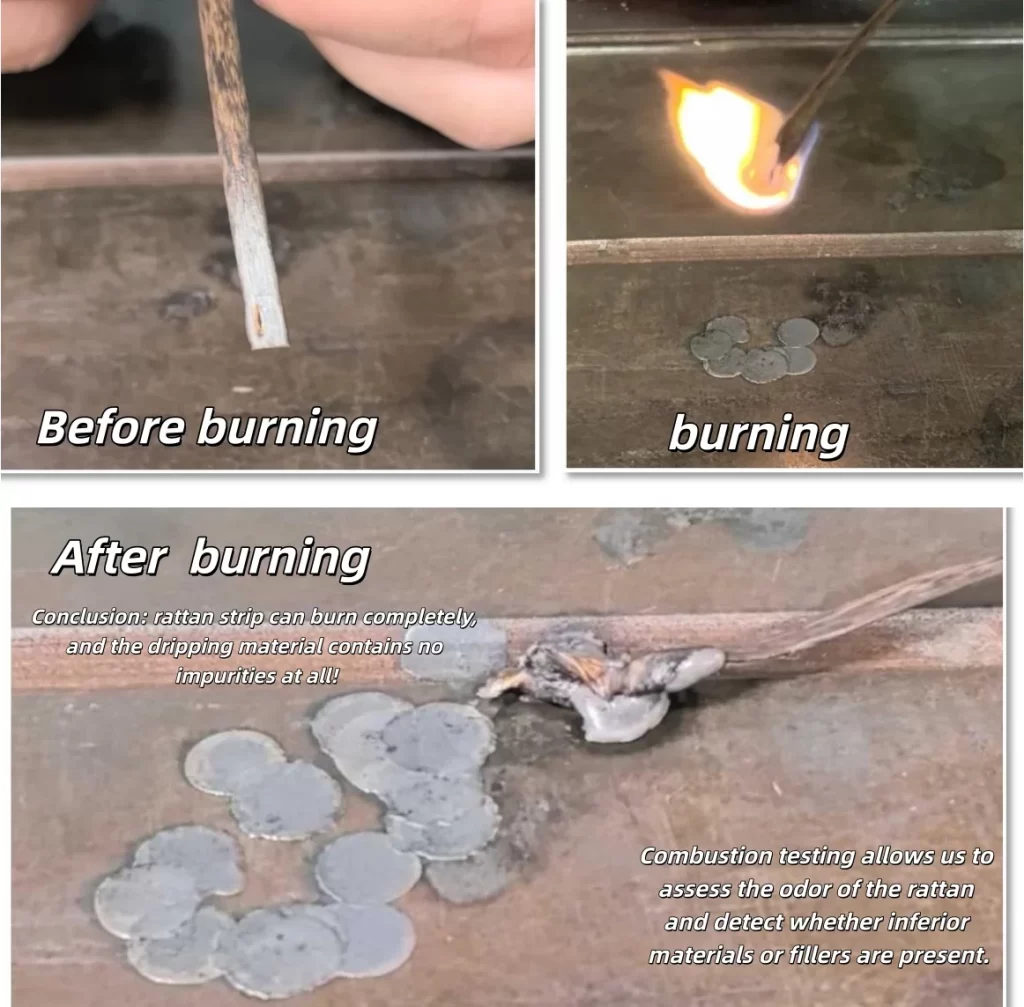
Углубиться: Классы контакта, миграционные тесты5, и варианты использования
Большая часть мебели предназначена для контакта с кожей, а не с пищевыми продуктами. Я выбираю гладкие покрытия, которые проходят тесты на запах и базовые проверки на контакт с кожей. Если ваша конструкция контактирует с пищей, например, подносы или стойки кафе, я переключаюсь на пластиковые составы и герметики, подходящие для контакта с пищевыми продуктами. Я провожу миграционные тесты5 тесты в соответствии с общими стандартами и предоставляю информацию о пределах для основных элементов и общей миграции. Для изголовьев кроватей в отелях, спинок стульев и дверц шкафов достаточно рекомендаций по контакту с кожей. Для перегородок в ресторанах рядом с зоной приготовления пищи мы подтверждаем отсутствие выделения поверхностных частиц и низкое содержание ЛОС. Я маркирую коробки с указанием класса контакта, чтобы установщики использовали правильные детали в нужных местах. Такой подход обеспечивает высокий комфорт, низкий уровень запаха и четкое соблюдение требований в проектах гостиничного и розничного бизнеса.
Как вы управляете отслеживанием для аудита соответствия?
Аудиторы хотят данные. Я отслеживаю каждую партию, чтобы вы могли быстро доказать соответствие требованиям.
Я использую партийные коды, лоты материалов и образцы для хранения. Я храню сертификаты анализа, лабораторные отчеты и заявления поставщиков, связанные с каждой партией. Я предоставляю файл отслеживания, который связывает коробки с данными испытаний.
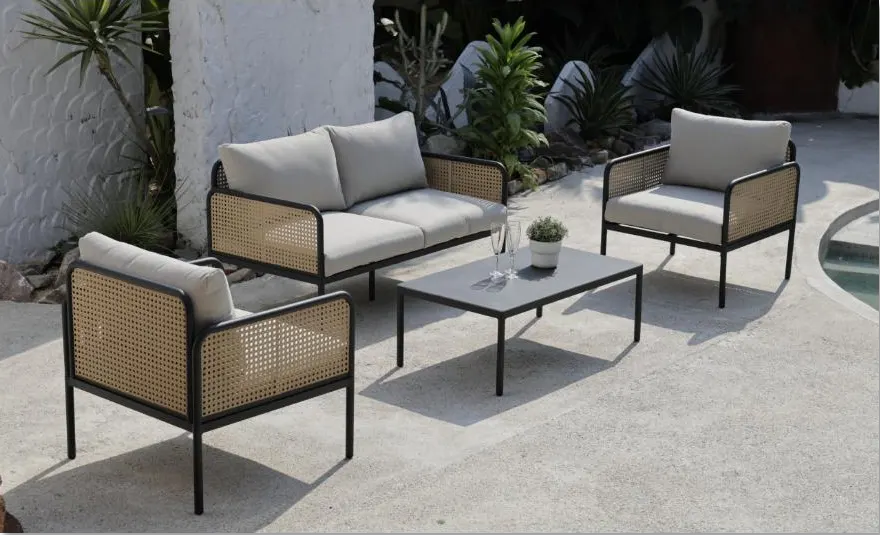
Погрузитесь глубже: контроль партий, записи и этапы аудита
Я присваиваю код партии каждому лоту плетения и отделки. Код связан с лотом сырья, партией смолы или морилки и цветом мастербатча. Я храню образцы натурального ротанга, полос пластиковой тесьмы и готовых панелей. Я храню сертификаты анализа, заявления REACH/RoHS/Prop 65, отчеты по ЛОС/формальдегиду и тесты на фталаты под тем же кодом. На этикетке каждой коробки указана партия, чтобы ваш склад мог быстро изолировать или выпустить товар. Для аудитов я предоставляю простой пакет: список партий, сводки испытаний, заявления и фотографии образцов для хранения. Если возникает вопрос, я отслеживаю затронутые коробки и подтверждаю воздействие по коду и дате. Я повторно тестирую, когда поставщики меняются или когда мы обновляем линейки наружного пластика. Это упрощает вашу работу по обеспечению соответствия и защищает поставки от задержек.
Заключение
Вам нужны чистые импортные документы и соответствие требованиям для аудита. Я предоставляю заявления REACH/RoHS/Prop 65, отделку с низким содержанием ЛОС и классы E1/E0, безопасные пластиковые компаунды и полную прослеживаемость партий по стандартам ЕС/США.
-
Понимание заявлений REACH SVHC имеет решающее значение для соответствия требованиям на рынке ЕС, обеспечивая безопасность и соблюдение законодательства. ↩
-
Изучение предупреждений Prop 65 помогает вам понять юридические требования к безопасности потребителей в Калифорнии, что необходимо для доступа на рынок. ↩
-
Понимание предельных значений ЛОС и формальдегида имеет решающее значение для обеспечения безопасного качества воздуха в помещениях в домах и отелях. ↩
-
Изучение безопасности при контакте с кожей помогает гарантировать, что материалы, используемые в мебели, безопасны для повседневного использования, повышая доверие потребителей. ↩
-
Понимание тестов на миграцию имеет решающее значение для обеспечения безопасности материалов, контактирующих с пищевыми продуктами, что делает этот ресурс бесценным для соответствия требованиям. ↩ ↩ ↩
 English
  Español de México
  العربية
  Deutsch
  Français
  Русский