
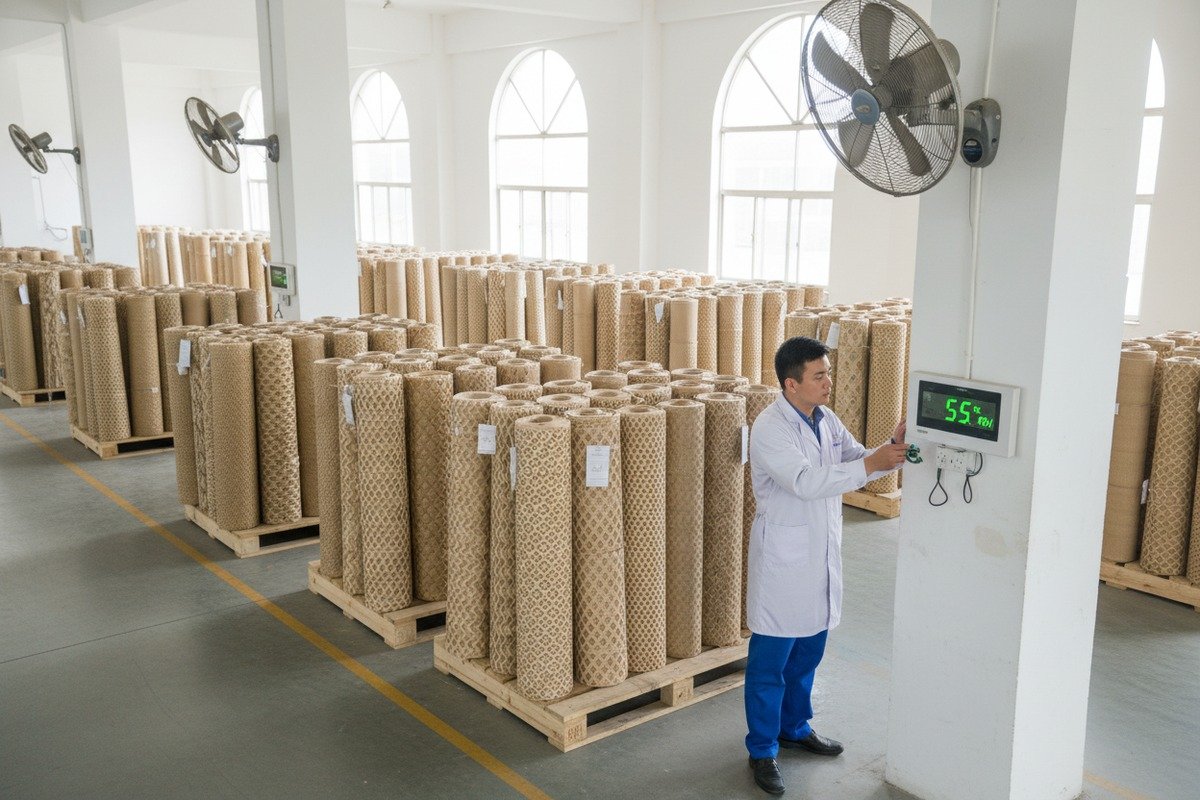
Каждый год, когда начинается Сезон дождей сливы 1 , наши складские команды переходят в режим повышенной готовности, потому что одна неделя пренебрежения может испортить целые поддоны красивых натурального ротангового плетения 2.
Чтобы предотвратить появление плесени на натуральном ротанговом плетении в сезон дождей, необходимо поддерживать влажность на складе ниже 60%, наносить защитные герметики или натуральные масляные покрытия до начала сезона, обеспечивать постоянный приток воздуха вокруг хранящихся рулонов и использовать влагонепроницаемую упаковку для всех отгрузок и хранения.
В этом руководстве мы подробно расскажем о точных шагах, которые мы используем на наших собственных объектах, и поделимся практическими советами, на которые ежегодно полагаются наши глобальные покупатели полиуретановые герметики 3. Независимо от того, храните ли вы ротанг оптом или продаете его в розницу, эти методы спасут ваш инвентарь.
Как правильно хранить мой ротанговый тростник оптом, чтобы избежать повреждения влагой на моем складе?
Когда мы впервые открыли наш завод по переработке ротанга в Индонезии, мы потеряли почти 15% наших запасов в первый влажный сезон просто потому, что недооценили, как быстро плесень распространяется по пористым натуральным волокнам. пакетики с силикагелем 4.
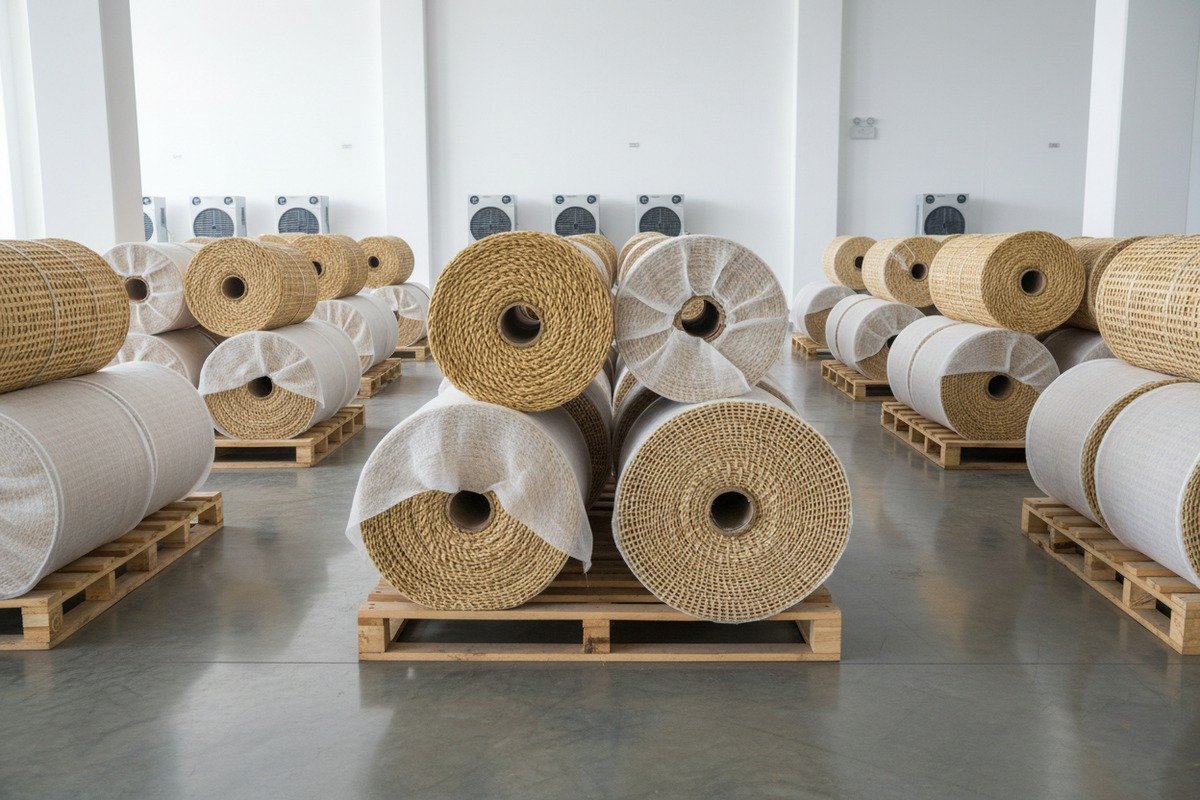
Храните ротанговую циновку оптом на приподнятых поддонах на высоте не менее 15 см от земли, в хорошо вентилируемом складе с влажностью 40-60%. Используйте дышащие тканевые чехлы вместо герметичного пластика и держите рулоны подальше от наружных стен, чтобы предотвратить повреждение от конденсата.
Почему влажность на складе — ваш главный враг
Споры плесени повсюду. Им нужны только две вещи для роста: влага и органический источник пищи. Натуральная ротанговая сетка обеспечивает им идеальный источник пищи. Во время сезона дождей сливы влажность окружающей среды часто достигает 80-95%. Это значительно выше порога в 60-70%, при котором плесень начинает активно развиваться.
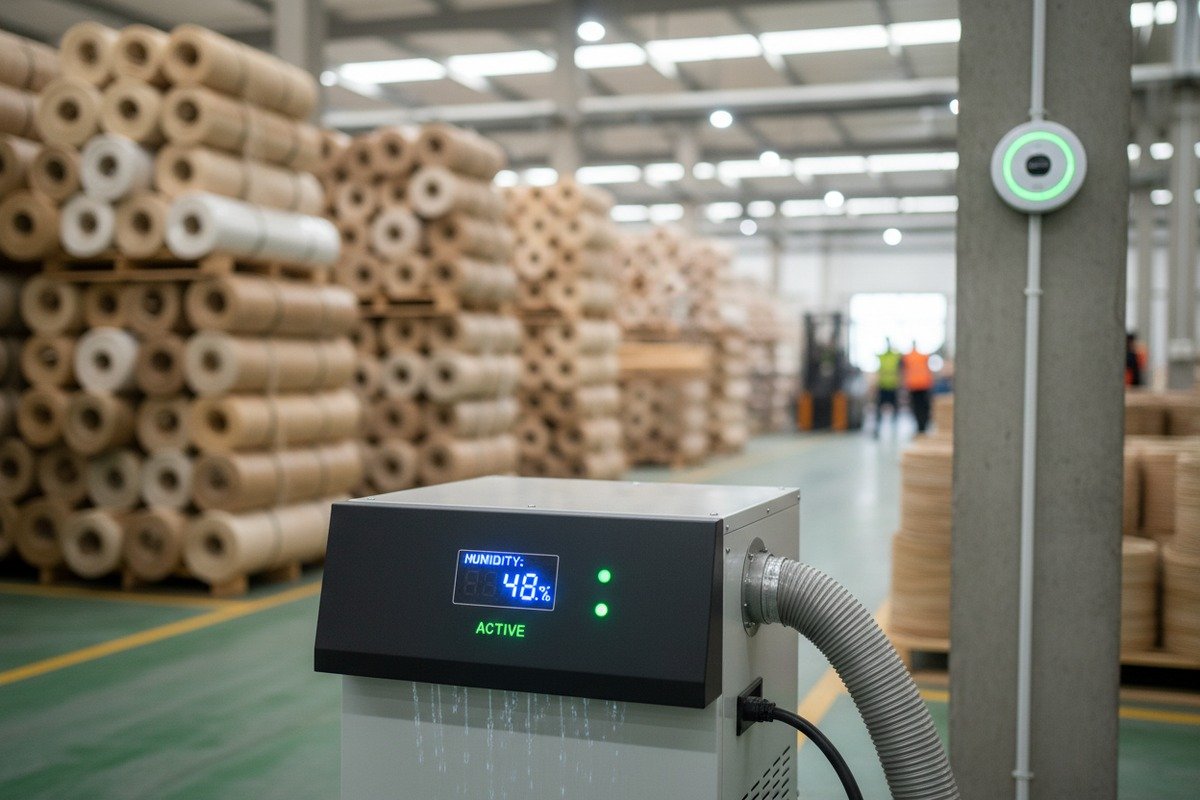
На наших складах в Фошане мы используем промышленные осушители 5 24 часа в сутки с середины мая до конца июня. Мы также используем настенные гигрометры в нескольких точках каждого здания. Если влажность в любой зоне поднимается выше 60%, срабатывает сигнализация, и привозятся дополнительные осушители.
Высота и циркуляция воздуха: два не подлежащих обсуждению условия
Никогда не ставьте рулоны ротанга прямо на бетонный пол. Бетон потеет во влажную погоду. Даже тонкий слой влаги на поверхности пола может впитаться в нижние слои вашей ротанговой сетки в течение нескольких часов. Мы используем пластиковые или деревянные поддоны, которые поднимают все на высоту не менее 15 см над землей.
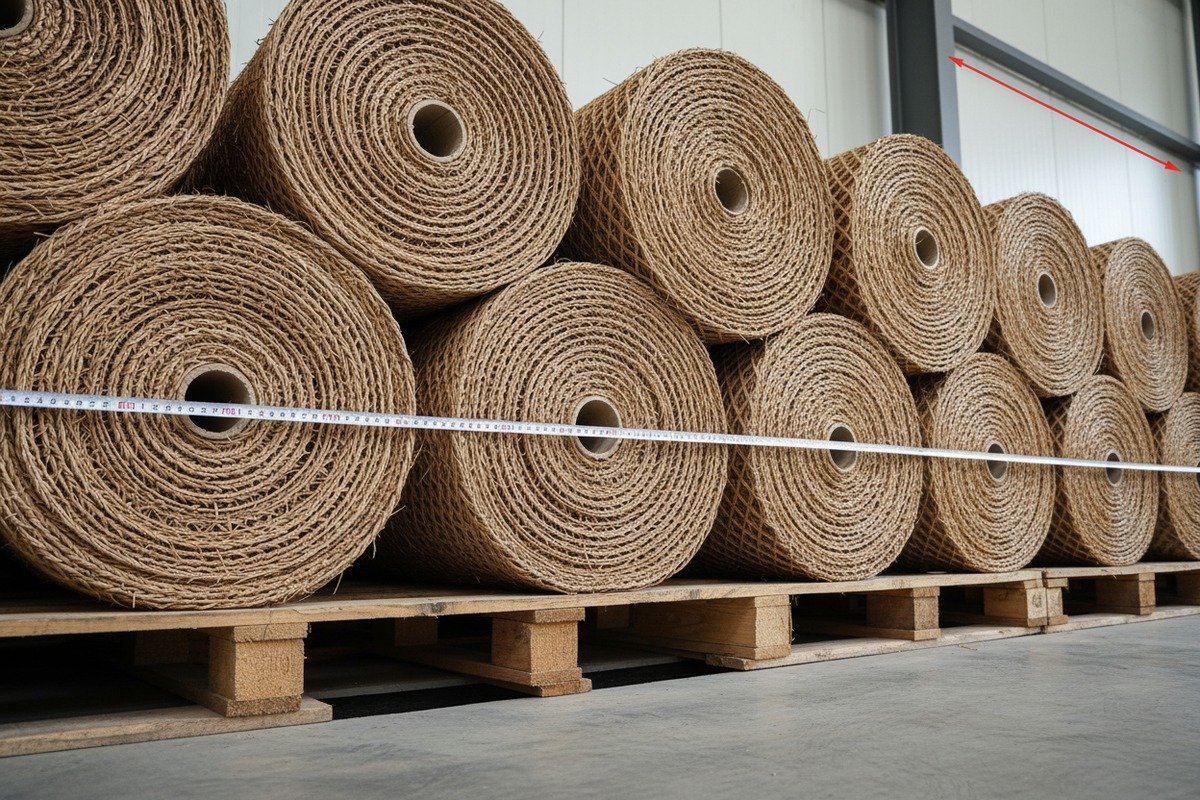
Циркуляция воздуха так же важна. Слишком плотная укладка рулонов блокирует циркуляцию воздуха. Мы оставляем минимальный зазор в 10 см между каждым рулоном и не менее 30 см между любой стопкой и ближайшей стеной.
Упаковочные материалы: дышащие против герметичных
Здесь многие заведующие складами совершают дорогостоящую ошибку. Они оборачивают ротанг в пластиковую пленку, думая, что это защищает от влаги. На самом деле, любая скопившаяся внутри пленки влажность создает парниковый эффект. В таких условиях плесень бурно развивается.
Используйте дышащие тканевые чехлы или нетканые полипропиленовые листы 6. Они пропускают воздух, но при этом защищают от пыли и небольших брызг.
| Фактор хранения | Рекомендуемая практика | Распространенная ошибка |
|---|---|---|
| Контакт с полом | Поднимайте на поддонах ≥15 см | Размещение непосредственно на бетоне |
| Уровень влажности | Поддерживайте 40-60% относительной влажности | Отсутствие мониторинга влажности |
| Зазоры для циркуляции воздуха | ≥10 см между рулонами, ≥30 см от стен | Плотно прилегающее штабелирование к стенам |
| Материал покрытия | Дышащие тканевые или нетканые чехлы | Герметичная пластиковая пленка |
| Мониторинг | Гигрометры + ежедневные визуальные проверки | Только сезонный осмотр |
Умные технологии для современных складов
В 2025 году умные осушители со встроенными датчиками влажности и управляемыми через приложение вентиляторами стали очень доступными. Мы установили Датчики окружающей среды на основе Интернета вещей 7 во всех трех наших заводских корпусах в прошлом году. Эти датчики передают данные в реальном времени на панель управления. Если какая-либо зона превышает наш порог влажности, система автоматически увеличивает мощность осушителя и включает потолочные вентиляторы.
Для покупателей, управляющих небольшими складскими помещениями, даже базовый цифровой гигрометр за $40 в паре с портативным осушителем может снизить частоту появления плесени до 70%.
Какие методы лечения я могу использовать, чтобы предотвратить образование плесени на моих изделиях из натурального ротанга?
За годы работы наша команда НИОКР протестировала десятки видов обработки натурального ротанга, от традиционных льняное масло 8 до современных полиуретановых герметиков, и результаты определили, как мы подготавливаем каждую партию, покидающую наш завод.
Наиболее эффективные методы предотвращения плесени для натурального ротанга включают нанесение льняного или минерального масла для защиты от влаги, использование легкого полиуретанового верхнего покрытия в качестве защитного барьера и протирание поверхностей растворами уксуса или гвоздичного масла в качестве натуральных противогрибковых средств перед началом влажного сезона.
Натуральные масла: экологически чистая первая линия обороны
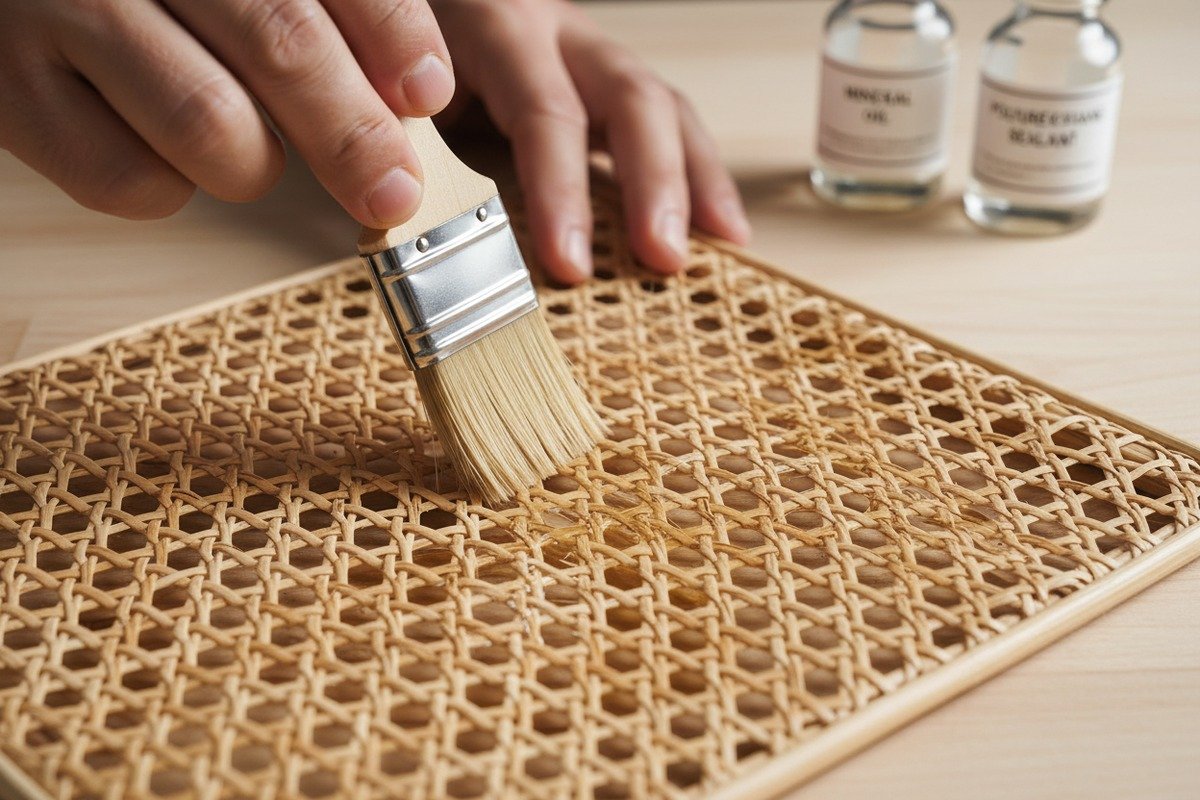
Натуральные масла, такие как льняное масло, минеральное масло и лимонное масло, проникают в волокна ротанга. Они заполняют микроскопические поры, которые в противном случае поглощали бы влагу из воздуха. В наших испытаниях образцы ротанга, обработанные маслом, показали на 15-20% лучшую сохранность гибкости и значительно меньшее поглощение влаги по сравнению с необработанными образцами после 30-дневного воздействия влажности 85%.
Вот как мы рекомендуем наносить масло:
- Очистите поверхность ротанга сухой мягкой щеткой.
- Нанесите тонкий слой льняного или минерального масла с помощью безворсовой ткани.
- Дайте ему впитаться в течение 20-30 минут.
- Сотрите излишки масла.
- Дайте высохнуть в течение 24 часов в хорошо проветриваемом помещении.
Не наносите слишком много масла. Слишком много масла на поверхности притягивает пыль, которая удерживает влагу, что снова приводит к появлению плесени.
Химические герметики: когда вам нужна максимальная защита
Для покупателей в регионах с чрезвычайно высокой влажностью — например, в прибрежных районах Юго-Восточной Азии, странах Персидского залива или на юго-востоке США — легкое покрытие полиуретаном или шеллаком обеспечивает более прочный барьер. Полиуретан может снизить поглощение влаги до 50%.
Однако есть компромисс. Химические герметики снижают естественную воздухопроницаемость ротанга. Для декоративной оплетки, которая будет использоваться в помещении с климат-контролем, это обычно нормально. Для оплетки, используемой в уличной мебели, лучше всего подходит гибридный подход: масляная основа плюс очень тонкое покрытие лаком.
Противогрибковые салфетки и спреи
Новая тенденция, набирающая популярность среди наших европейских и австралийских клиентов, — использование натуральных противогрибковых растворов в качестве профилактических салфеток. Гвоздичное масло, масло чайного дерева и белый уксус обладают доказанными противогрибковыми свойствами.
| Тип обработки | Снижение влажности | Скорость уничтожения плесени | Частота повторного нанесения | Лучше всего подходит для |
|---|---|---|---|---|
| Льняное масло | Умеренное (15-20%) | Низкое (только профилактическое) | Каждые 6-12 месяцев | Декоративная тесьма для помещений |
| Минеральное масло | Умеренное (15-20%) | Низкое (только профилактическое) | Каждые 6-12 месяцев | Общего назначения |
| Полиуретановое покрытие | Высокая (до 50%) | Нет (только барьер) | Каждые 1-2 года | Влажная среда |
| Разбавленный спрей с уксусом | Низкий | Высокая (90% поверхностной плесени) | Ежемесячно в сезон дождей | Профилактика перед сезоном |
| Раствор гвоздичного масла | Низкий | Высокий | Ежемесячно в сезон дождей | Покупатели, заботящиеся об экологии |
Гибридный подход, который мы рекомендуем
Основываясь на многолетних отзывах клиентов и наших собственных заводских испытаниях, мы рекомендуем двухэтапный процесс подготовки к сезону дождей:
Шаг 1: Нанесите слой льняного или минерального масла за две недели до сезона дождей. Это восстанавливает гибкость волокон и заполняет поры.
Шаг 2: За неделю до сезона протрите все поверхности разбавленным раствором гвоздичного масла или уксуса (1 часть уксуса на 4 части воды). Это создает на поверхности противогрибковый барьер.
Эта комбинация сохраняет естественный вид и ощущение ротанга, обеспечивая при этом реальную защиту от плесени. Она также соответствует растущему спросу среди наших клиентов в Нидерландах и Испании на экологически чистые, нетоксичные методы обработки.
Как проверить, использует ли мой поставщик влагостойкую упаковку для моих международных отгрузок?
Мы отправляем плетеную ленту из ротанга более чем в дюжину стран, и одна из самых распространенных жалоб, которую мы слышим от новых покупателей, заключается в том, что упаковка их предыдущего поставщика развалилась во время транспортировки, особенно на морских маршрутах, проходящих через тропические зоны.
Проверьте влагозащитную упаковку, запросив фотографии фактического процесса упаковки, проверив наличие пакетов с силикагелем внутри каждого комплекта, подтвердив использование влагозащитной крафт-бумаги или обертки с полиэтиленовой подкладкой и попросив поставщика предоставить индикаторные карты влажности внутри контейнера, которые меняют цвет, если условия превышают безопасные уровни.
На что обратить внимание перед отправкой груза
Доверяй, но проверяй. Это правило, которого мы придерживаемся с нашими собственными партнерскими фабриками, и это правило, которому мы призываем всех покупателей следовать и в отношении нас. Перед отправкой любого груза с нашего предприятия в Фошане мы отправляем покупателям подробный фотоотчет об упаковке. Он включает:
- Крупные планы упаковочных материалов
- Фотографии, показывающие пакеты с силикагелем, помещенные в связки
- Изображения карты индикаторов влажности 9 размещенные внутри контейнера
- Снимок запечатанного контейнера с видимым номером пломбы
Если ваш текущий поставщик не предоставляет такой уровень документации, попросите его. Хороший поставщик выполнит это без колебаний.
Ключевые компоненты упаковки для влажной транспортировки
Морские контейнеры могут испытывать резкие перепады температуры и влажности. Контейнер, загруженный в прохладную погоду, может "потеть" изнутри при движении через тропические воды. Этот "дождевой" конденсат капает на груз и может просочиться через неадекватную упаковку.
Вот основные компоненты упаковки:
Влагопоглотители: Пакеты с силикагелем или хлоридом кальция поглощают избыточную влагу внутри герметичной упаковки. Для стандартного поддона ротанговой ленты мы используем минимум 500 г осушителя на кубический метр.
Влагозащитная обертка: Стандартной крафт-бумаги недостаточно. Для ценных грузов мы используем крафт-бумагу с полиэтиленовым покрытием (PE-lined) или пакеты с алюминиевым ламинированием в качестве влагозащитного барьера.
Карты индикатора влажности: Эти маленькие карточки меняют цвет с синего на розовый, когда влажность превышает установленный порог (обычно 30%, 40% или 50%). Когда покупатель открывает контейнер, быстрый взгляд на карточку сообщает ему, были ли условия безопасными во время транспортировки.
Вопросы, которые следует задать поставщику
Вот контрольный список, который вы можете использовать при оценке практики упаковки любого поставщика ротанга:
| Пункт проверки | Что спросить | Красный флажок при отсутствии |
|---|---|---|
| Пакеты с осушителем | Сколько граммов на поддон/контейнер? | Осушитель вообще не используется |
| Упаковочный материал | Используется ли PE-подкладка или только стандартная крафт-бумага? | Обертка из однослойной газеты |
| Индикаторы влажности | Размещены ли карточки внутри контейнера? | Поставщик с ними не знаком |
| Фотографии упаковки | Можете ли вы прислать фотографии упаковки перед отправкой? | Отказ или расплывчатые обещания |
| Облицовка контейнера | Контейнер облицован или оснащен осушителем? | Нет контроля влажности на уровне контейнера |
| Паллетирование | Продукты подняты внутри контейнера? | Продукты стоят на голом полу контейнера |
Что мы делаем по-другому в Seafan Rattan
Поскольку мы управляем собственным перерабатывающим предприятием в Индонезии и собственными складами в Фошане, мы контролируем качество от сырья до запечатанного контейнера. Каждый рулон ротанговой тесьмы высушивается до безопасного содержания влаги (ниже 12%) перед упаковкой. Затем мы дважды упаковываем в дышащие внутренние слои и влагозащитный внешний слой. Внутрь помещаются пакеты с силикагелем. Карты индикатора влажности размещаются снаружи каждого поддона и внутри двери контейнера.
Для покупателей, таких как Рану из Таиланда, который регулярно заказывает ротанговую тесьму и общается через WhatsApp, мы отправляем обновления упаковки в режиме реального времени с фотографиями, отмеченными временем. Такой уровень прозрачности дает менеджерам по закупкам уверенность в том, что заказанное ими прибудет в идеальном состоянии.
Какие лучшие методы очистки мне следует использовать, если на моем ротанговом плетении появится плесень?
Несмотря на все наши профилактические меры, иногда плесень все же появляется. По нашему опыту работы с покупателями во влажном климате от Филиппин до Флориды, раннее обнаружение и быстрые действия отличают спасаемый продукт от полной потери.
Если на ротанговой сетке появился плесень, сначала вынесите ее в хорошо проветриваемое место и смахните рыхлые споры мягкой щеткой. Затем очистите поверхность разбавленным раствором белого уксуса или перекисью водорода, слегка промойте влажной тканью и тщательно высушите с помощью вентиляторов или осушителя — никогда не запечатывайте и не храните ее снова, пока она полностью не высохнет.
Шаг 1: Изолируйте и оцените ущерб
Как только вы заметите плесень — обычно видимую как белые, зеленые или черные пятна, иногда сопровождающиеся затхлым запахом — удалите пораженный предмет из остального инвентаря. Плесень распространяется через воздушные споры. Один зараженный плесенью рулон, оставленный на полке, может заразить весь склад в течение нескольких дней.
Переместите пораженный ротанг в открытое, хорошо проветриваемое место. На открытом воздухе под навесом — идеально, если позволяет погода. Внимательно осмотрите. Плесень только на поверхности или проникла в волокна? Поверхностная плесень (белый или светло-зеленый налет) почти всегда спасаема. Глубокая черная плесень, которая разрушила структуру волокон, может потребовать профессионального восстановления или утилизации.
Шаг 2: Сухая чистка щеткой
Используйте щетку с мягкой щетиной или пылесос с насадкой-щеткой для удаления свободных спор плесени. Делайте это осторожно. Волокна ротанга прочные, но могут треснуть, если слишком сильно тереть. Работайте в одном направлении вдоль плетения.
Всегда надевайте респиратор во время этого шага. Споры плесени являются раздражителем для дыхательных путей.
Шаг 3: Выберите чистящее средство
Здесь возникает спор между уксусом, отбеливателем и перекись водорода 10 . У каждого есть свои плюсы и минусы.
Белый уксус — наша главная рекомендация. Смешайте одну часть белого уксуса с четырьмя частями воды. Нанесите мягкой тканью или распылителем. Уксус убивает примерно 90% поверхностных видов плесени и безопасен для волокон ротанга. Он также нетоксичен и не оставляет вредных остатков.
Перекись водорода (раствор 3%) — хороший компромисс. Он эффективно убивает плесень без повреждающего волокна действия отбеливателя. Нанесите его непосредственно, оставьте на 10 минут, затем протрите.
Отбеливатель — это крайняя мера. Он убивает практически все споры плесени при контакте. Однако разбавленный отбеливатель (1 часть отбеливателя на 10 частей воды) может ослабить и обесцветить натуральные волокна ротанга. Мы рекомендуем отбеливатель только для сильных заражений, когда альтернативой является выбрасывание предмета.
Шаг 4: Тщательно промойте и высушите
После чистки протрите поверхность чистой, слегка влажной тканью, чтобы удалить остатки раствора. Затем полностью высушите ротанг. Этот шаг абсолютно критичен. Если вы храните ротанг, который даже слегка влажный, плесень вернется в течение нескольких дней.
Используйте вентиляторы, направленные непосредственно на изделие. Если у вас есть осушитель, включите его в той же комнате. Избегайте прямых солнечных лучей в течение длительного времени. Хотя УФ-излучение убивает споры плесени, длительное воздействие солнца делает ротанг хрупким и может вызвать растрескивание.
На нашем заводе мы используем специальную сушильную камеру с контролируемой температурой (25-30°C) и низкой влажностью (ниже 40%) для любых изделий, прошедших обработку от плесени. Мы стремимся к минимальному времени сушки в 48 часов перед повторной упаковкой или отправкой.
Шаг 5: Обработка после чистки
Когда ротанг полностью высохнет, нанесите легкий слой льняного масла или минерального масла, чтобы восстановить баланс влаги в волокнах. Затем протрите антигрибковым средством (разбавленное масло гвоздики или уксус), чтобы предотвратить повторное появление.
Когда следует обратиться к профессионалу
Если плесень глубоко проникла в ротанг, делая волокна мягкими, губчатыми или хрупкими, может потребоваться профессиональное восстановление. Некоторые реставраторы используют паровую обработку в сочетании с профессиональными антигрибковыми герметиками, которые проникают глубже любых бытовых средств.
Для оптовых партий мы советуем нашим клиентам установить порог. Если более 20% рулона глубоко поражено, обычно выгоднее заменить его, чем восстанавливать.
Заключение
Защита натурального ротангового плетения в сезон дождей сводится к контролю влажности, применению правильных методов обработки, проверке качества упаковки и быстрым действиям при появлении плесени.
Сноски
1. Объясняет сезонное погодное явление, влияющее на хранение ротанга в Восточной Азии. ↩︎
2. Предоставляет полное определение и детали о натуральном ротанговом плетении. ↩︎
3. Объясняет химическую обработку, используемую для максимальной защиты от влаги, и ее свойства. ↩︎
4. Описывает ключевой компонент для поглощения избыточной влаги в упаковке. ↩︎
5. Подробно описывает оборудование, используемое для контроля влажности на крупных складах. ↩︎
6. Описывает материал, используемый для воздухопроницаемых чехлов для хранения, и его свойства. ↩︎
7. Объясняет современные технологии для мониторинга окружающей среды в режиме реального времени на складах. ↩︎
8. Авторитетный и всеобъемлющий обзор льняного масла. ↩︎
9. Объясняет визуальный инструмент для мониторинга уровня влажности во время транспортировки и хранения. ↩︎
10. Объясняет, как перекись водорода убивает плесень, как ее использовать, а также ее эффективность и ограничения. ↩︎
 English
  Español de México
  العربية
  Deutsch
  Français
  Русский