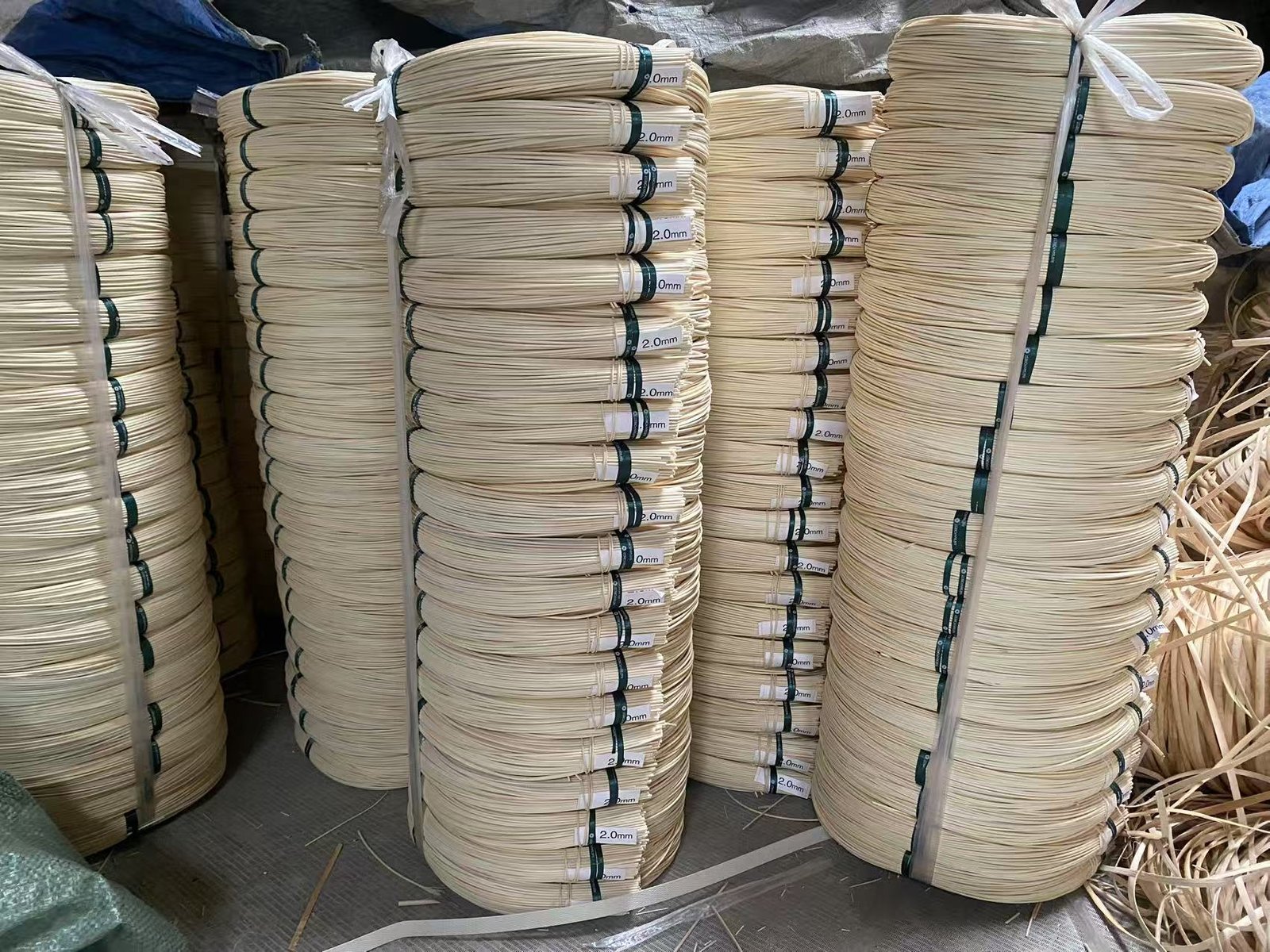
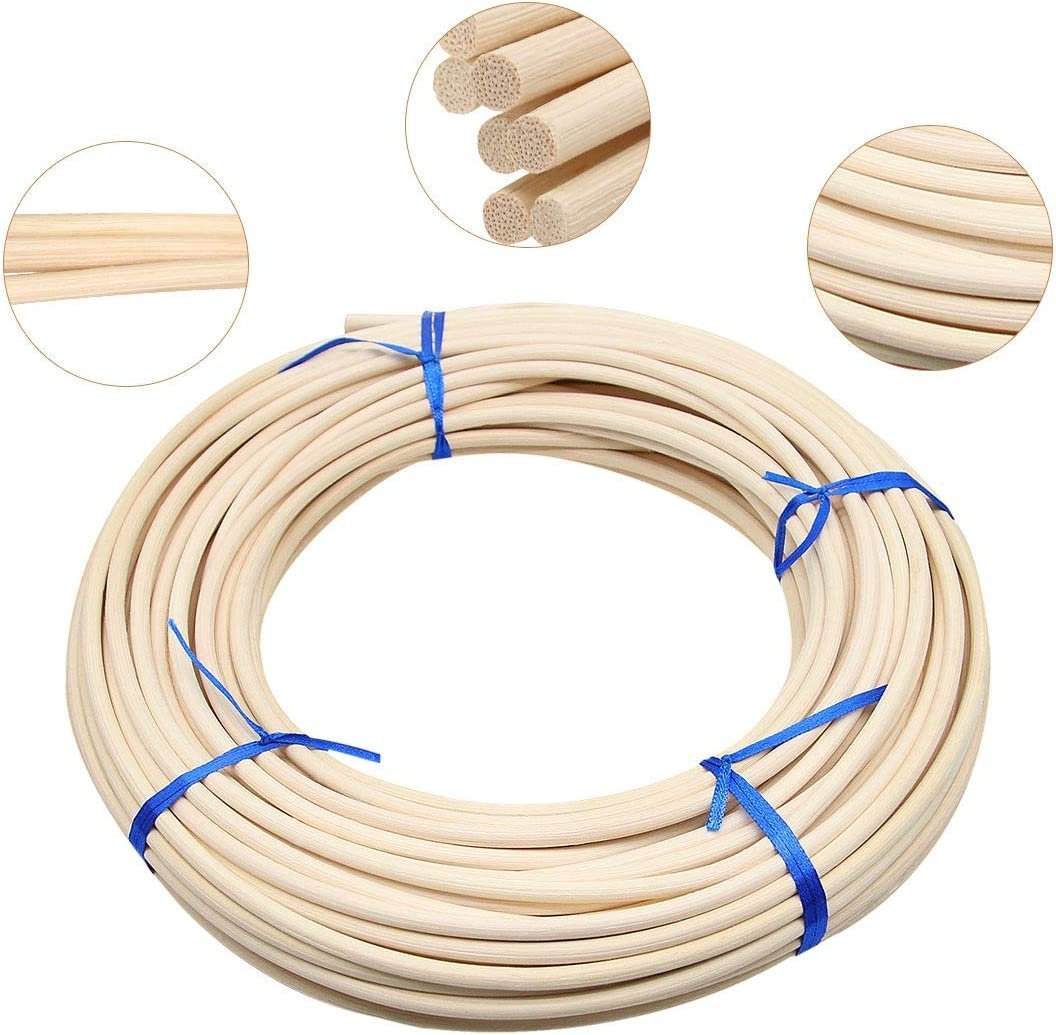
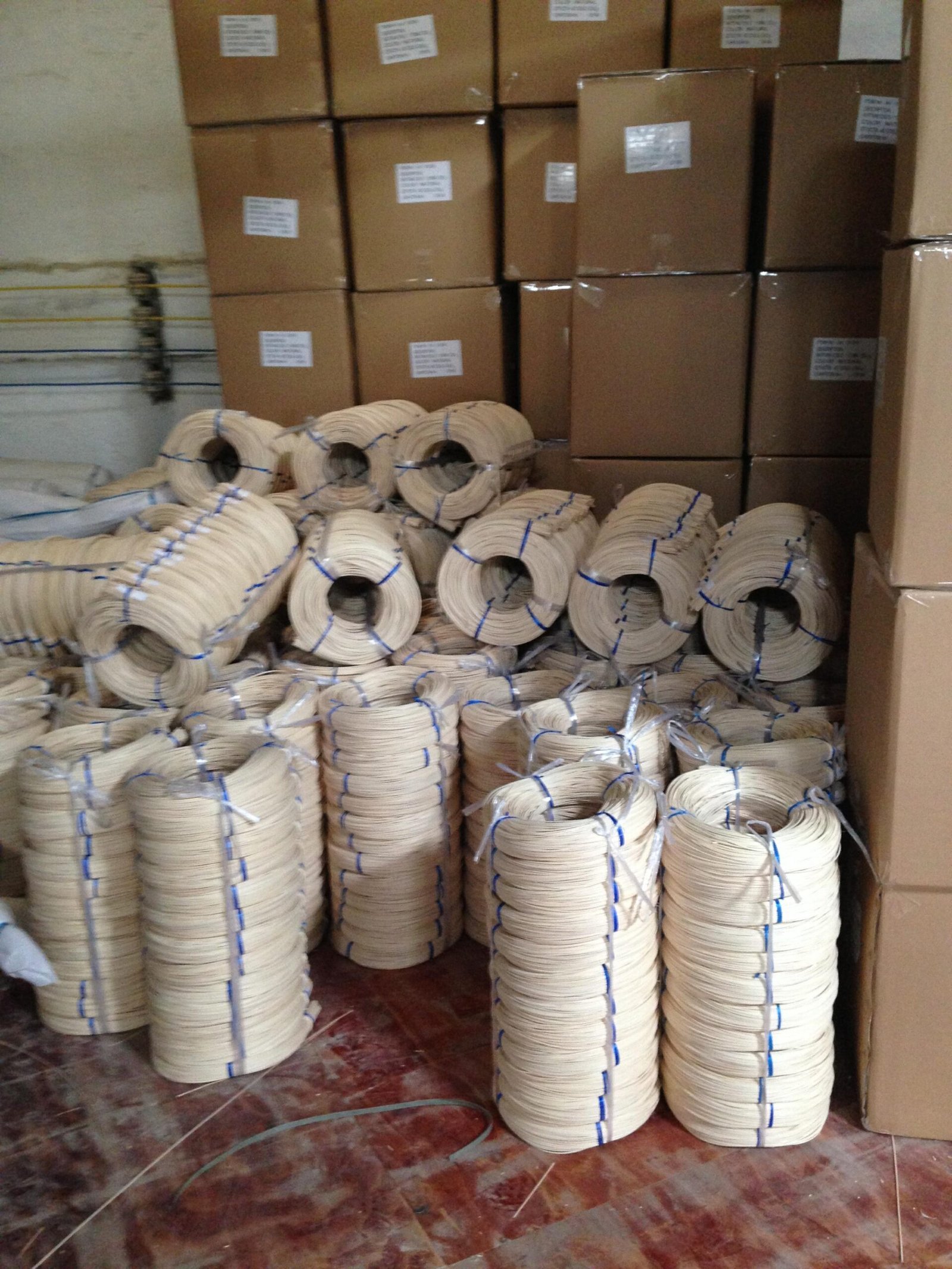
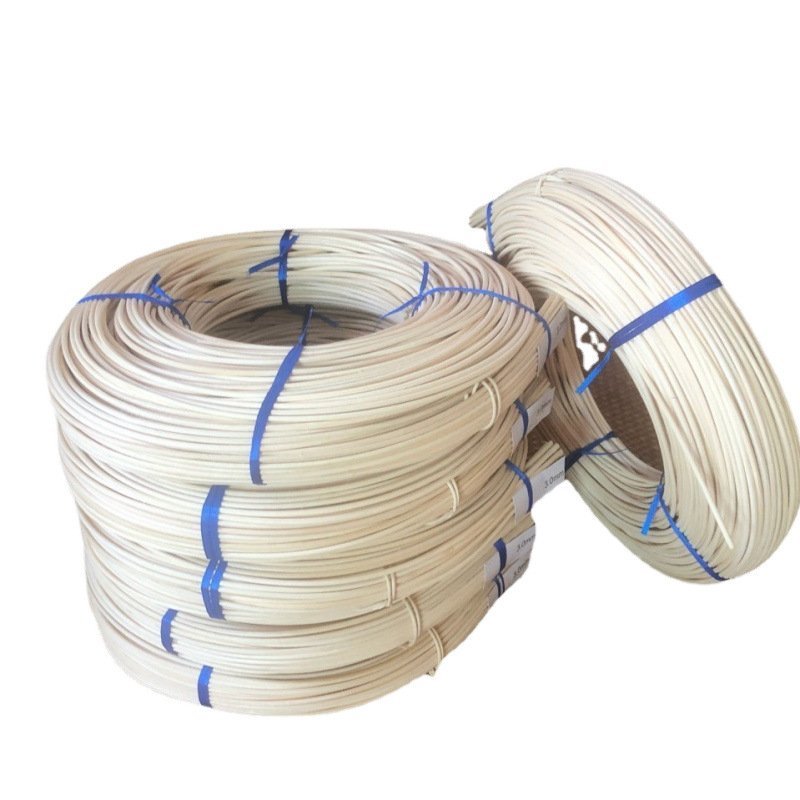
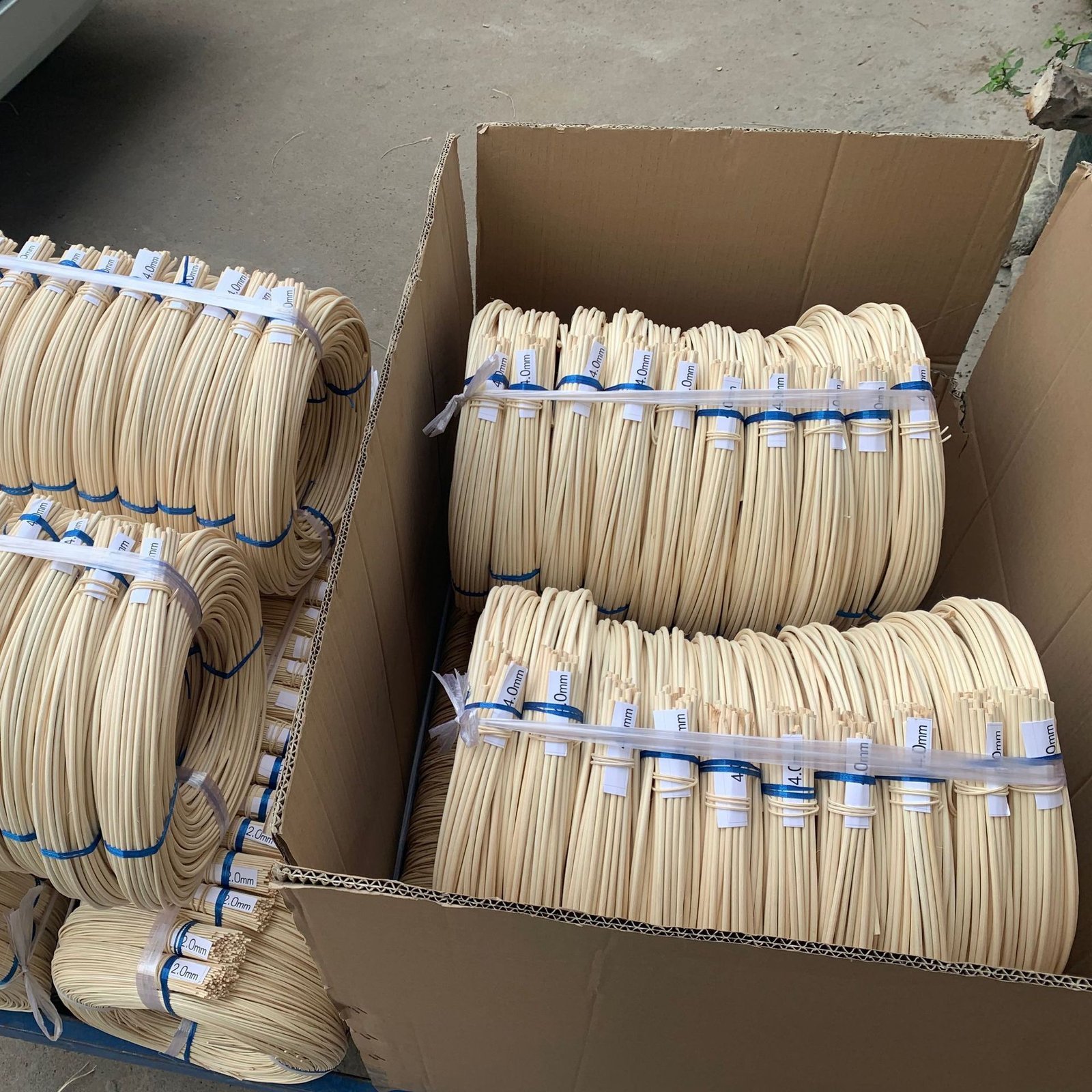
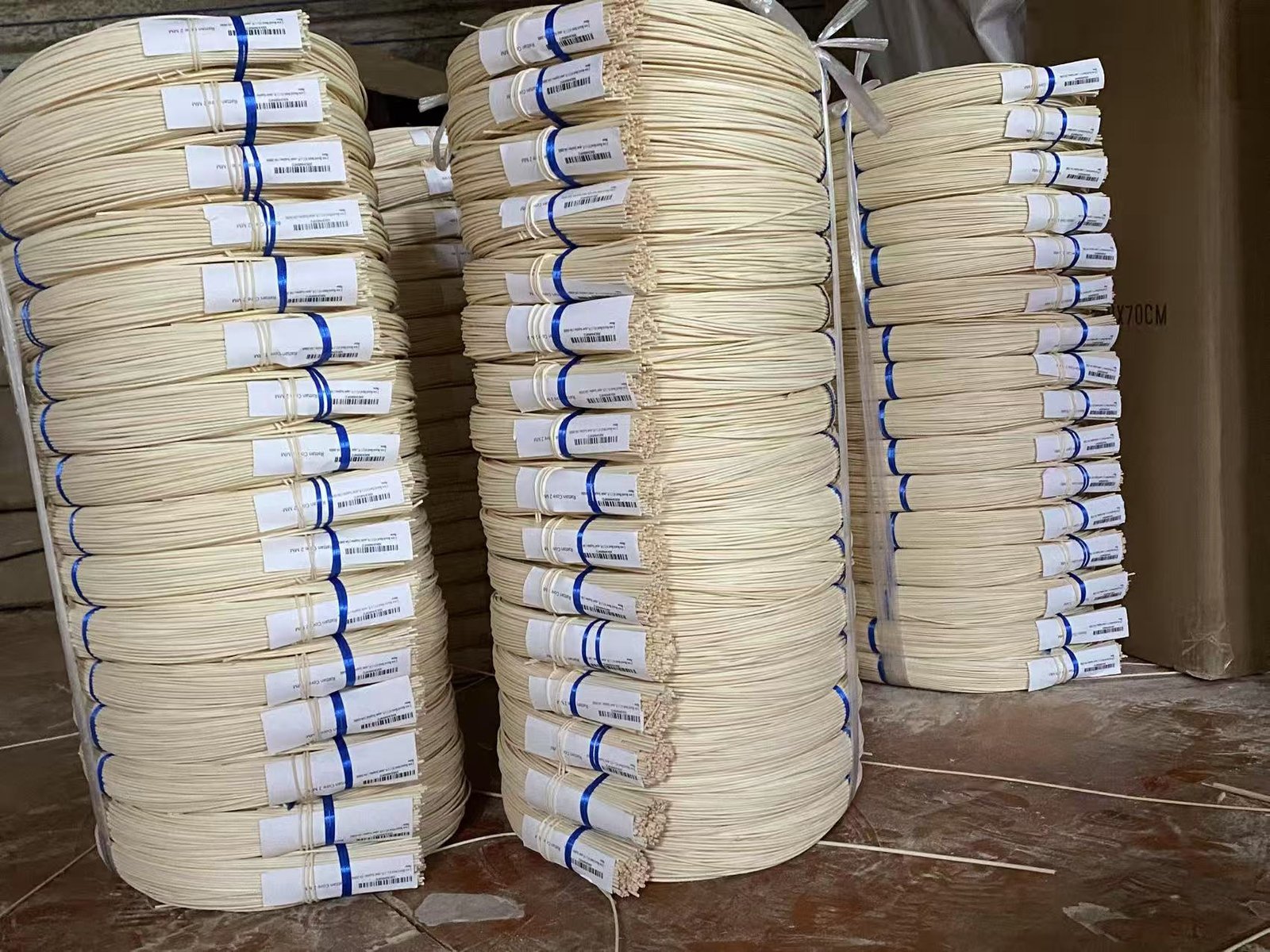
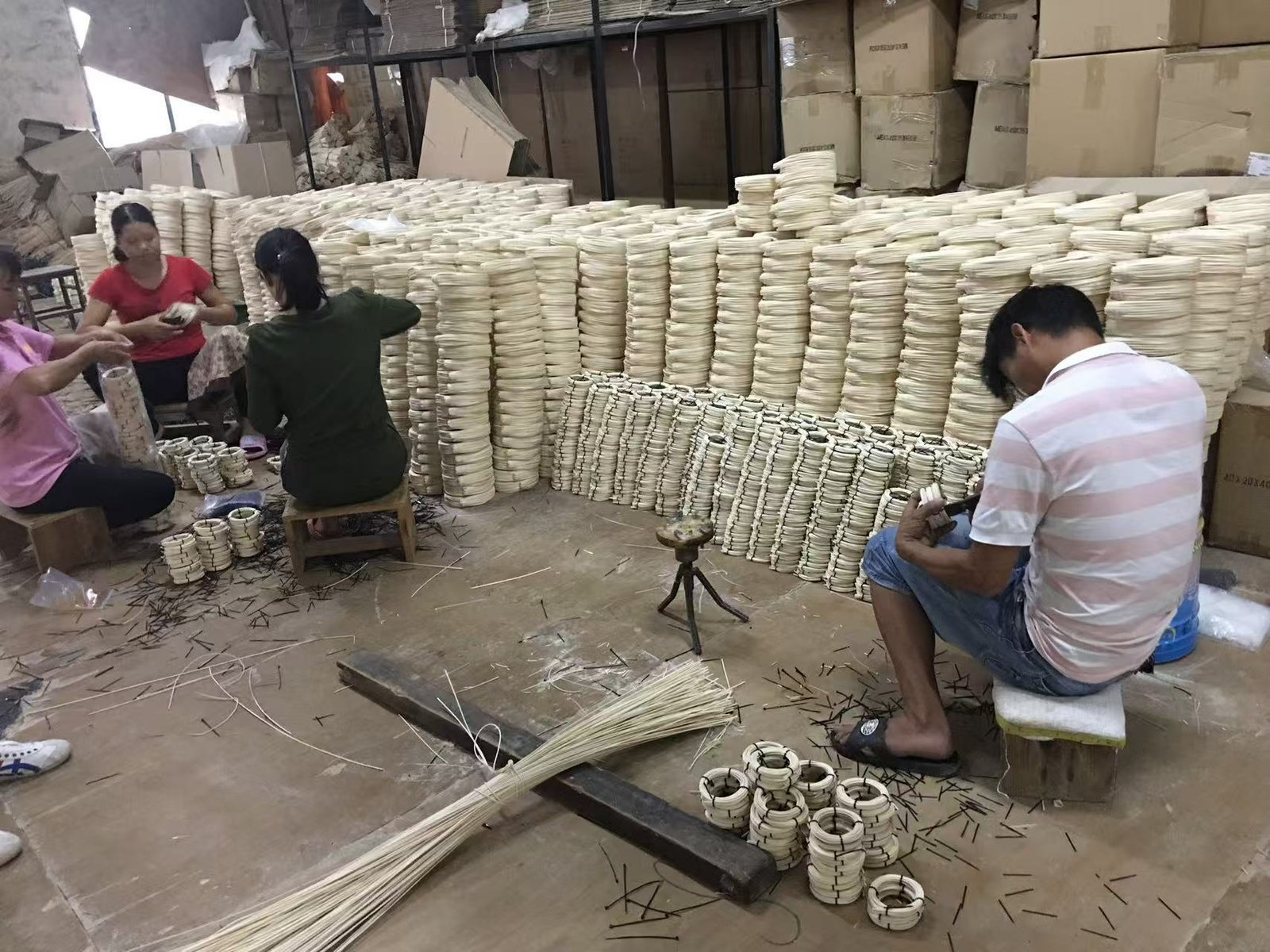
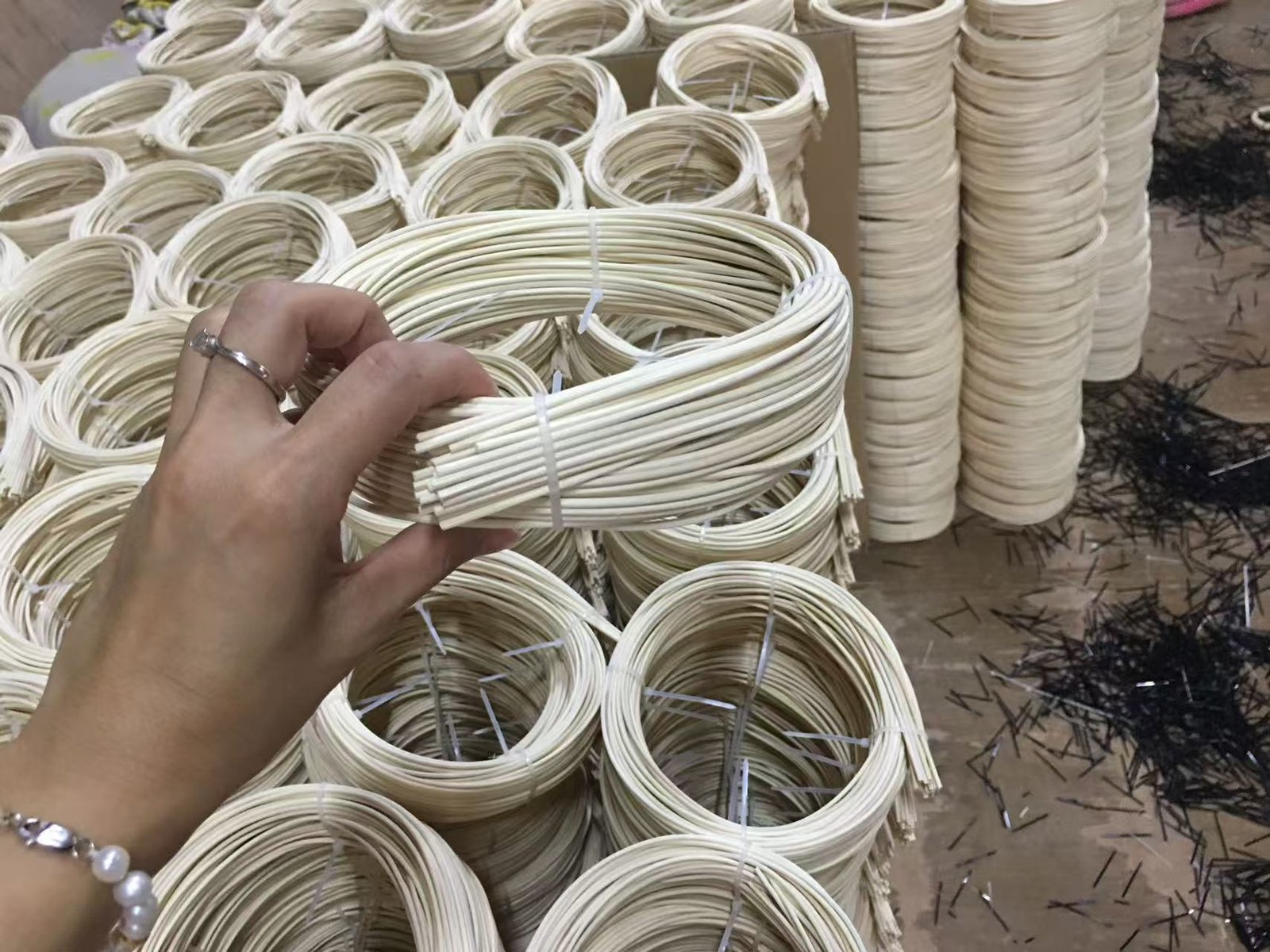
توريد مواد طبيعية
مدور، ومسطح، ومسطح فوق مدور
خيارات لمختلف التطبيقات
خيارات تغليف على شكل لائف أو مستقيم
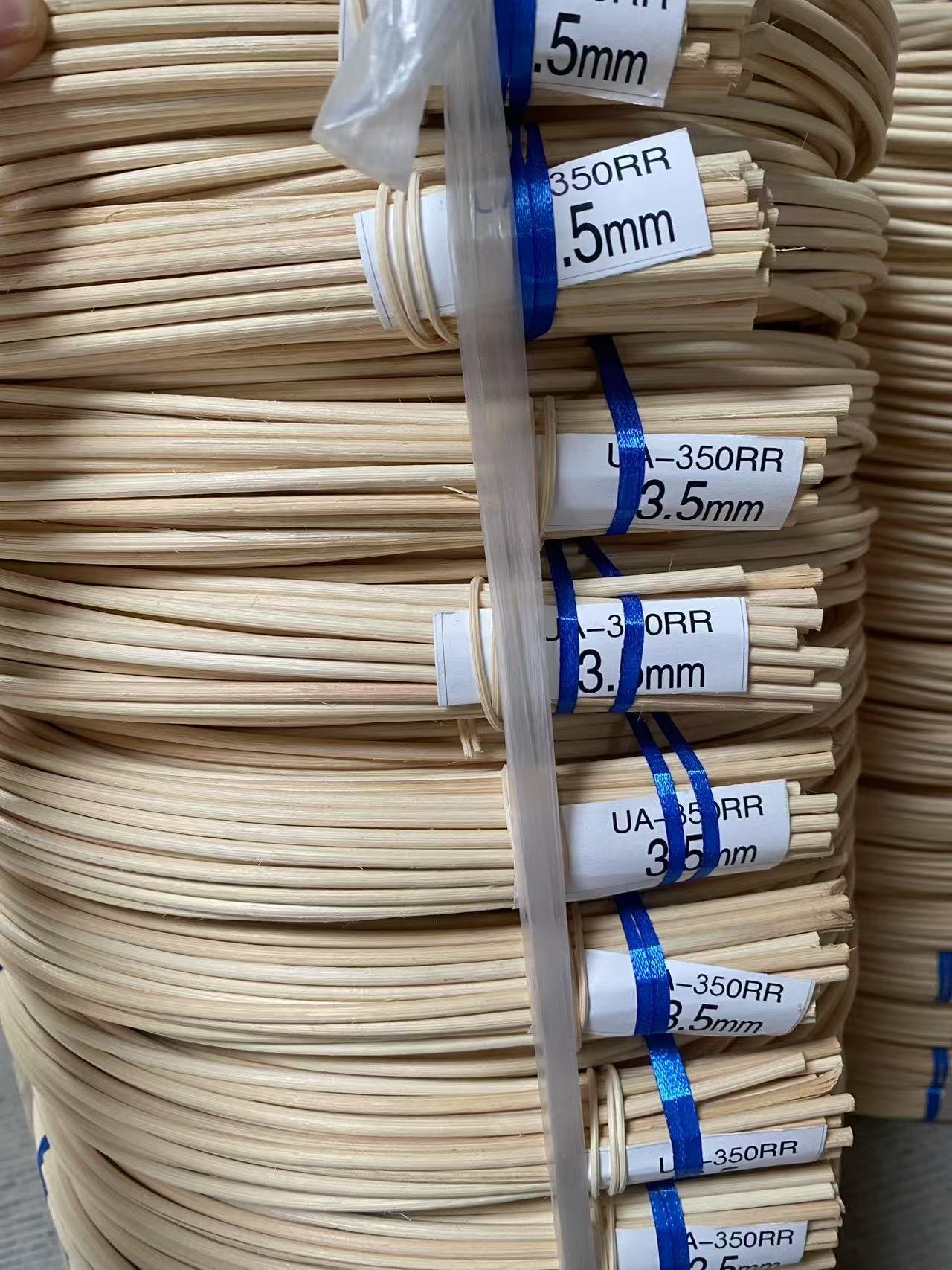
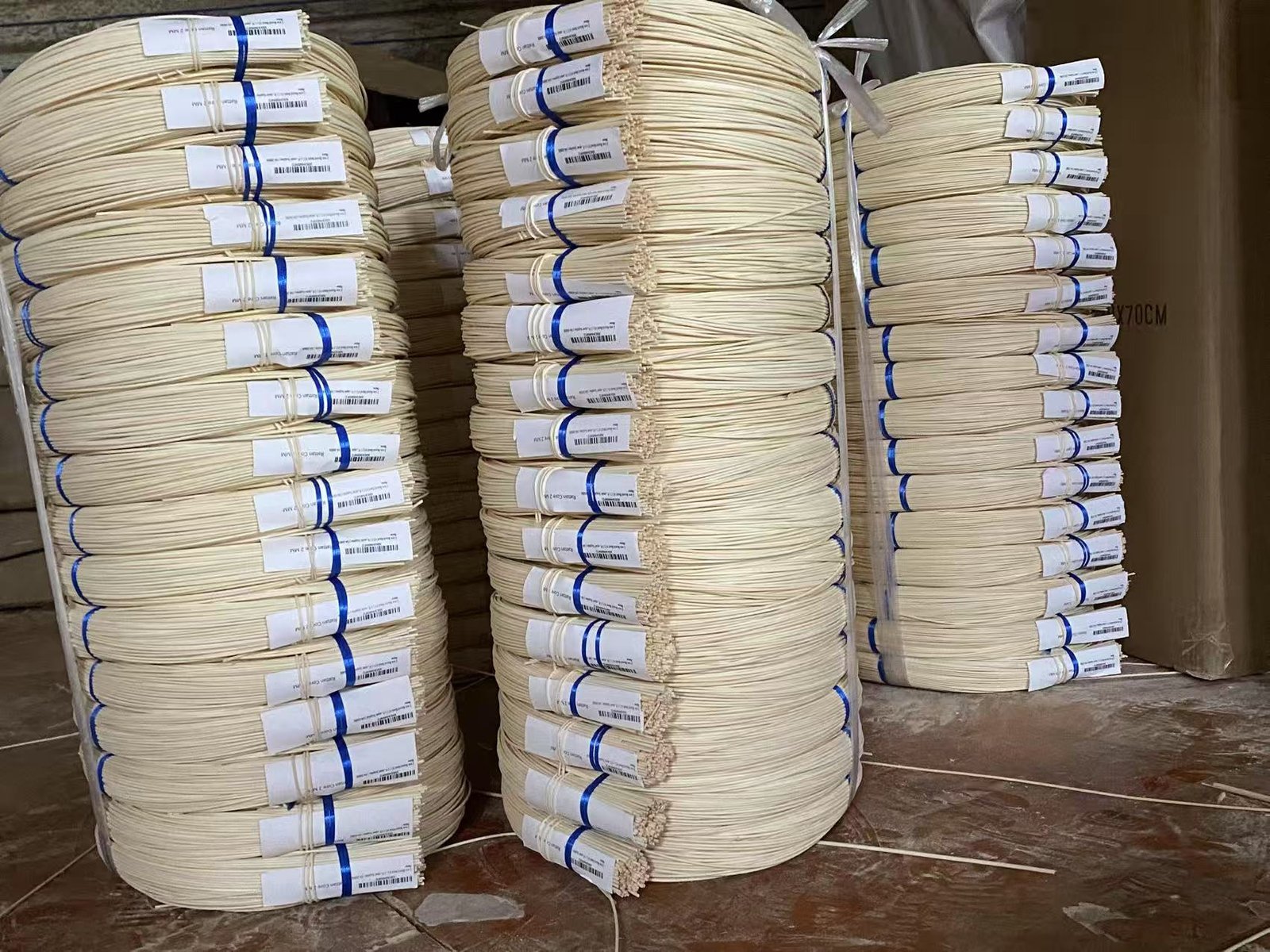
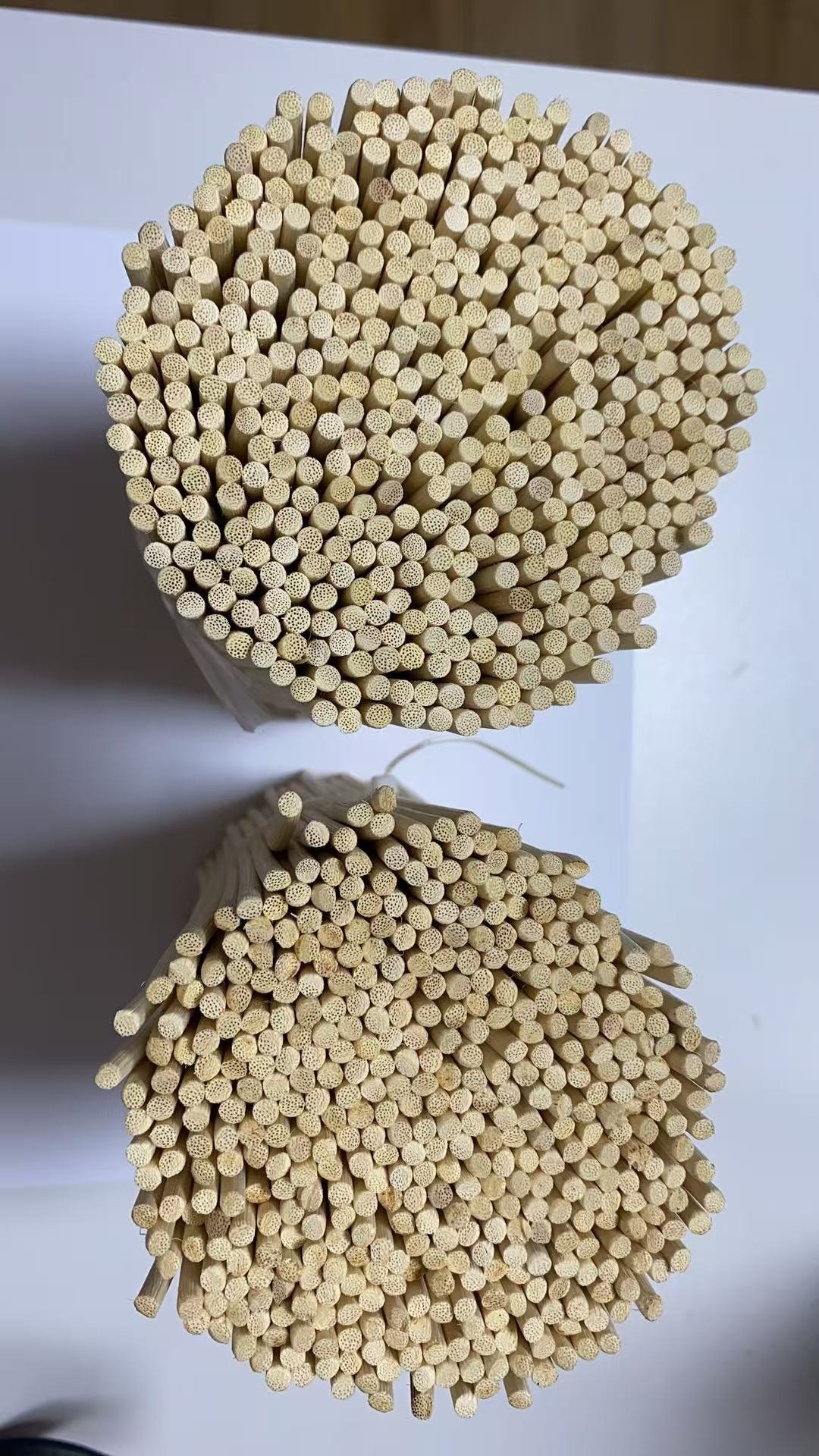
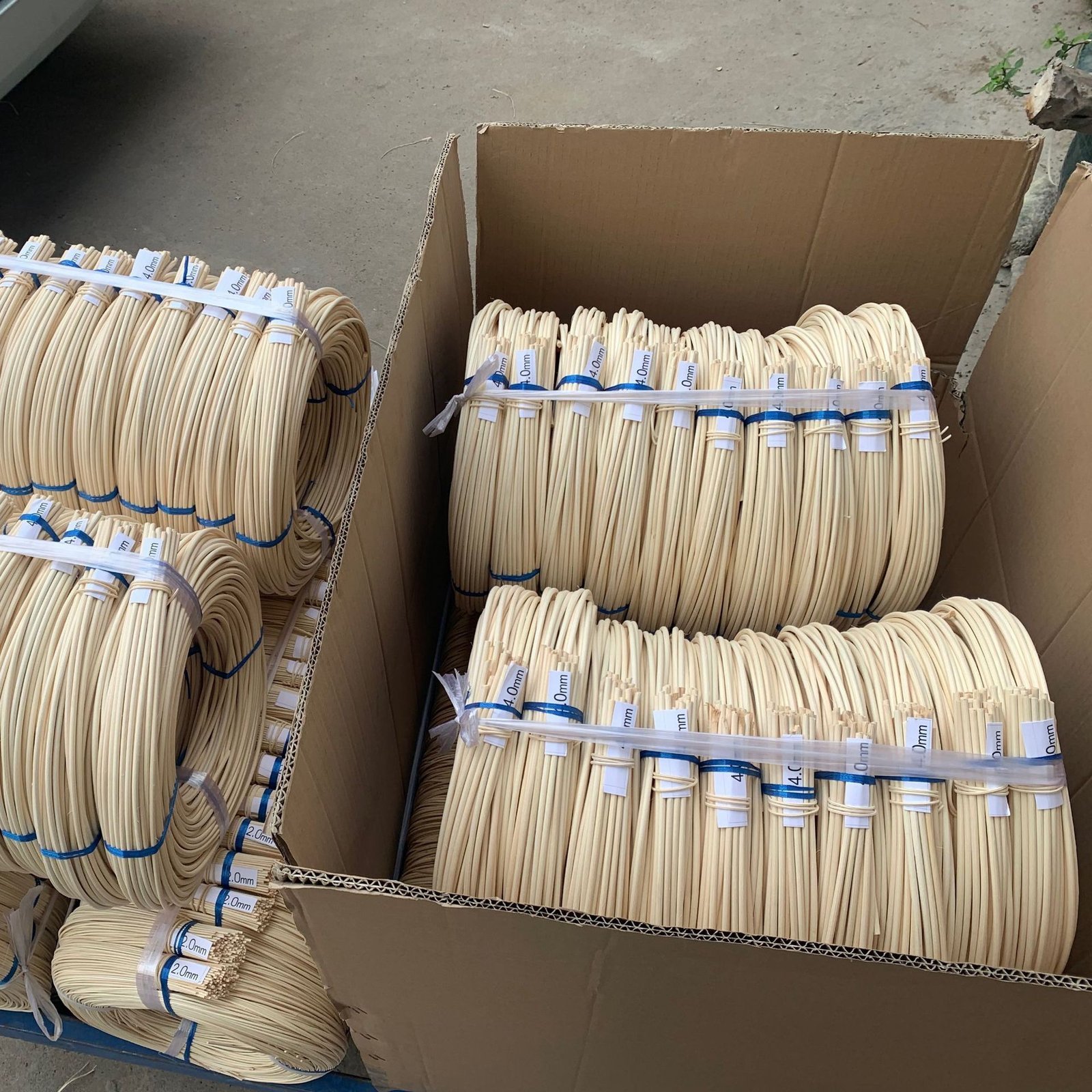
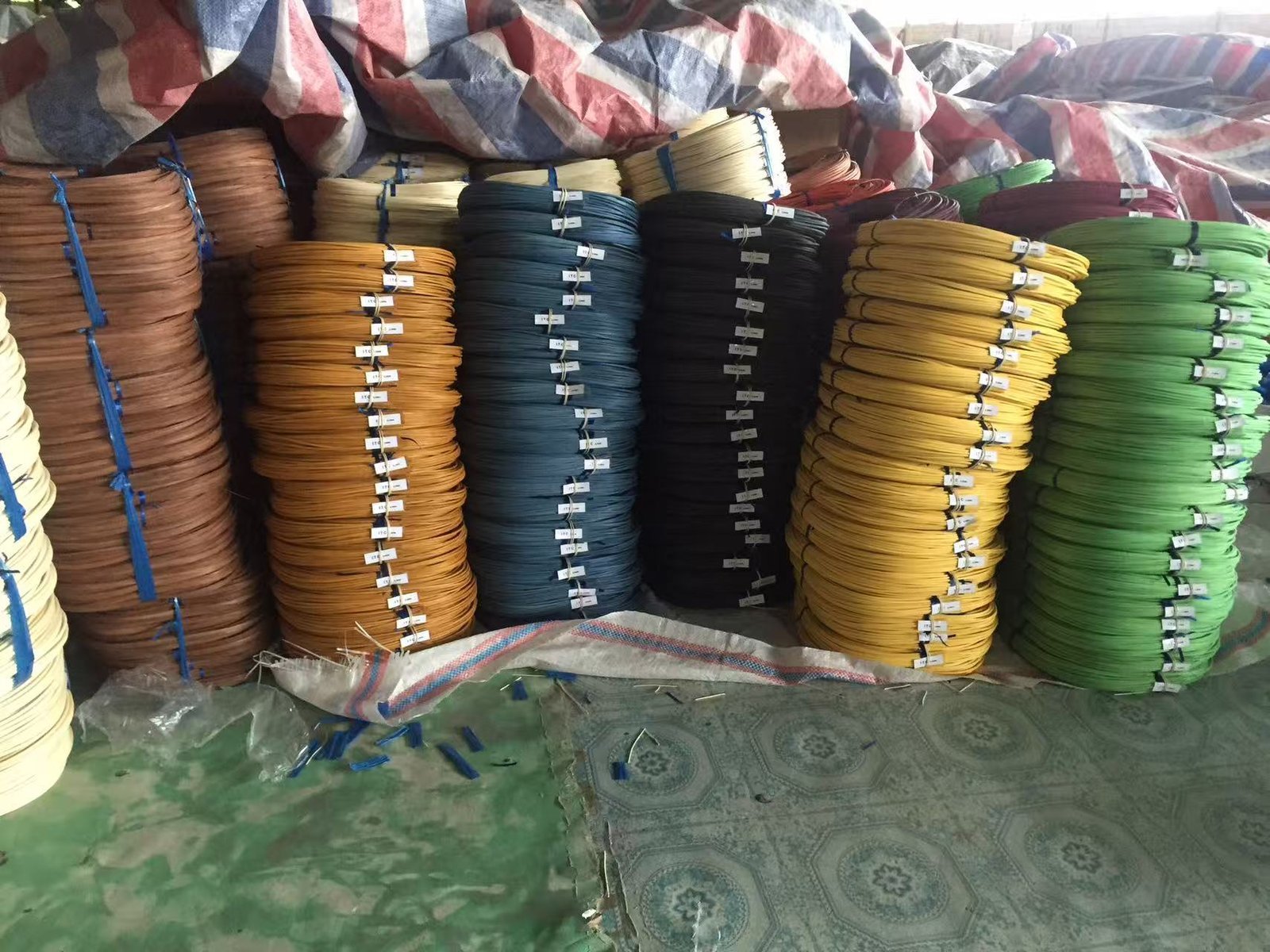
لب خيزران مدور مرن لنسيج الأثاث، وصناعة السلال، والتربيط، والتطبيقات الهيكلية.
| المادة | Indonesian Rattan |
|---|---|
| Grade | AA / AB / C / D |
| حجم | Ø 1.5، 2.0، 2.25، 2.5، 3.0، 4.0، 5.0 و 6–12 مم |
| الوزن | 500 جرام / لفة |
| Color | Natural |
| الحد الأدنى للطلب | 10 كجم / 20 لفة |
مقاعد وظهور الكراسي · الألواح · النسيج الديكوري · التربيط · المكونات الهيكلية
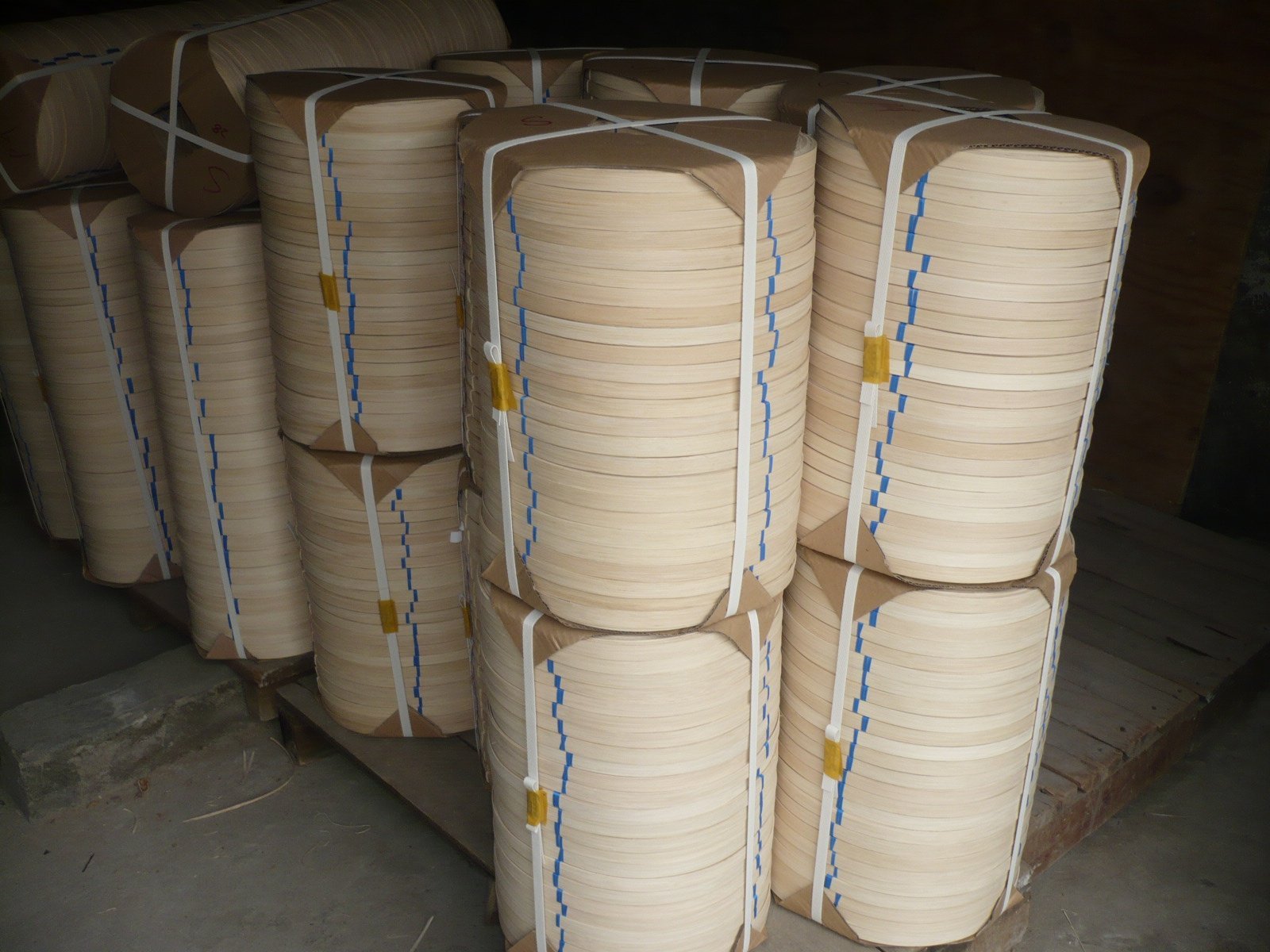
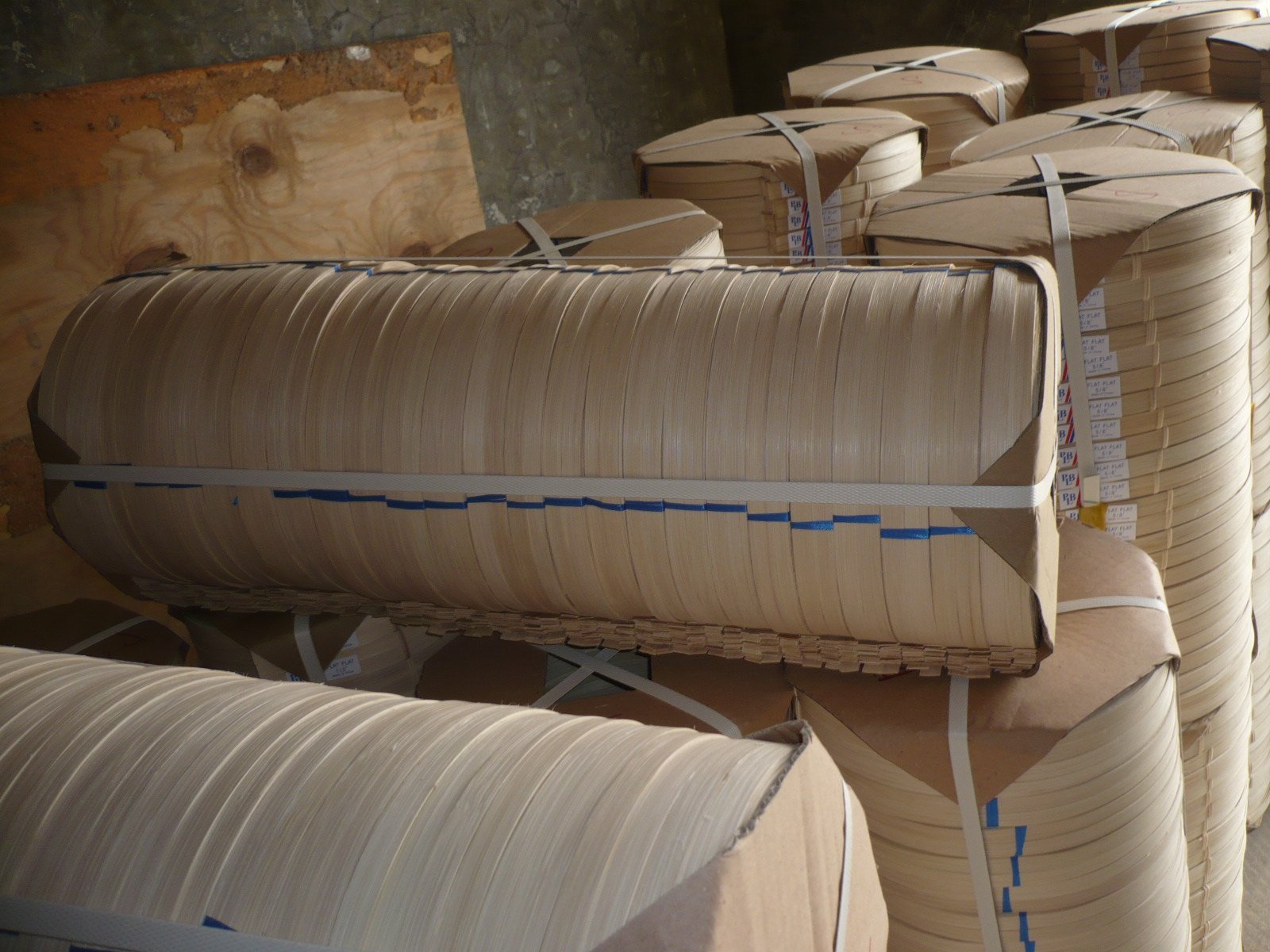
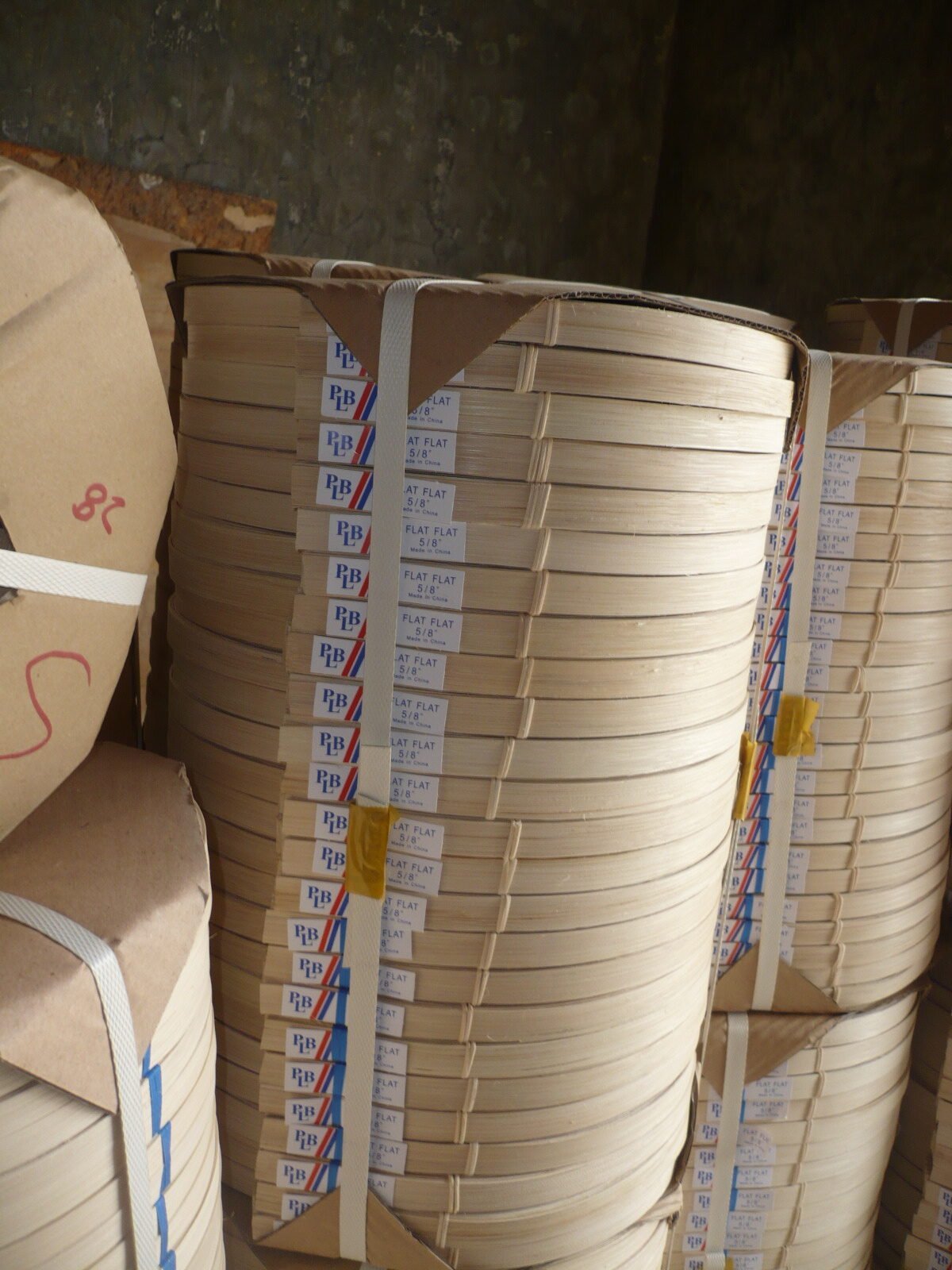
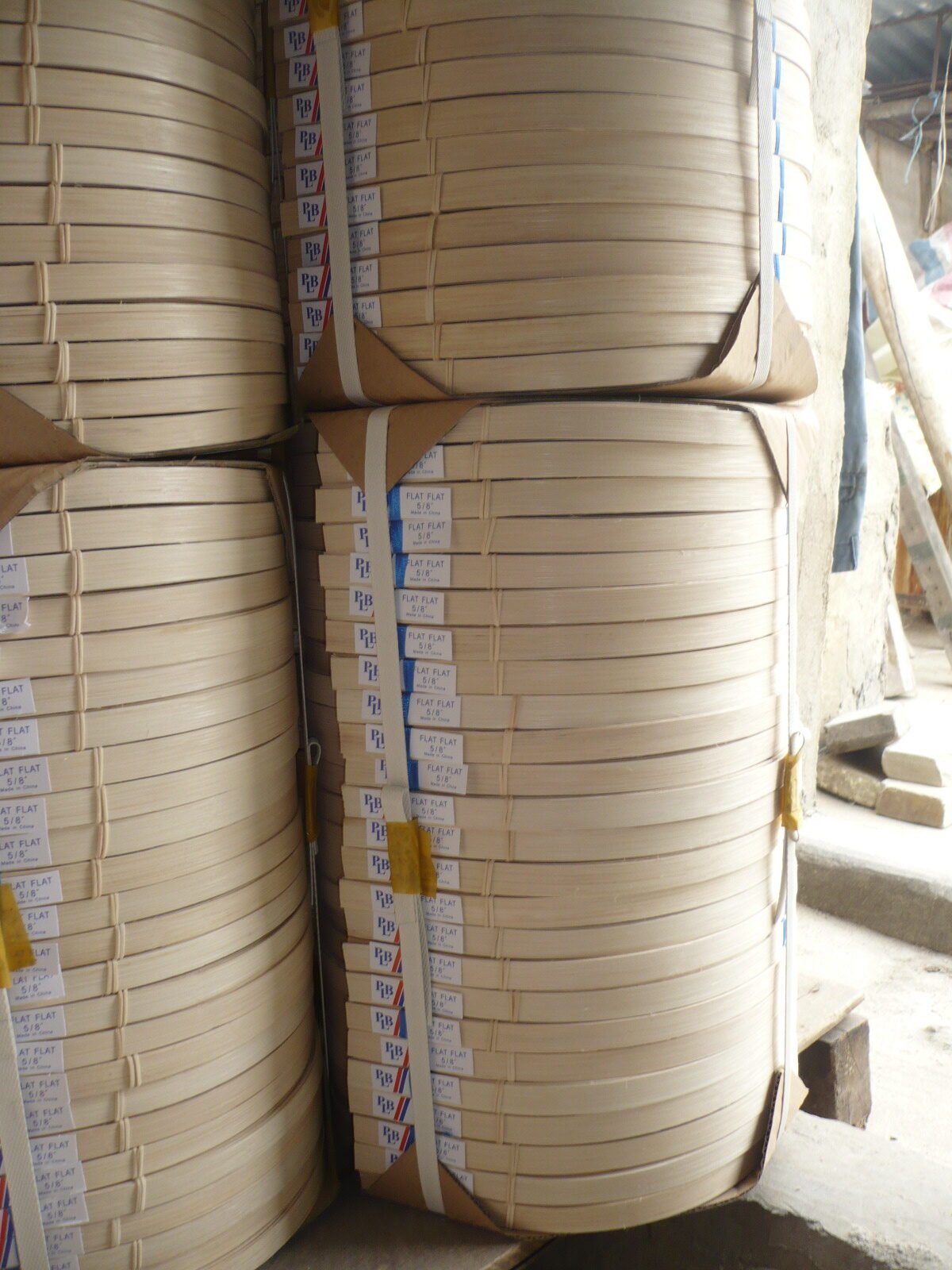
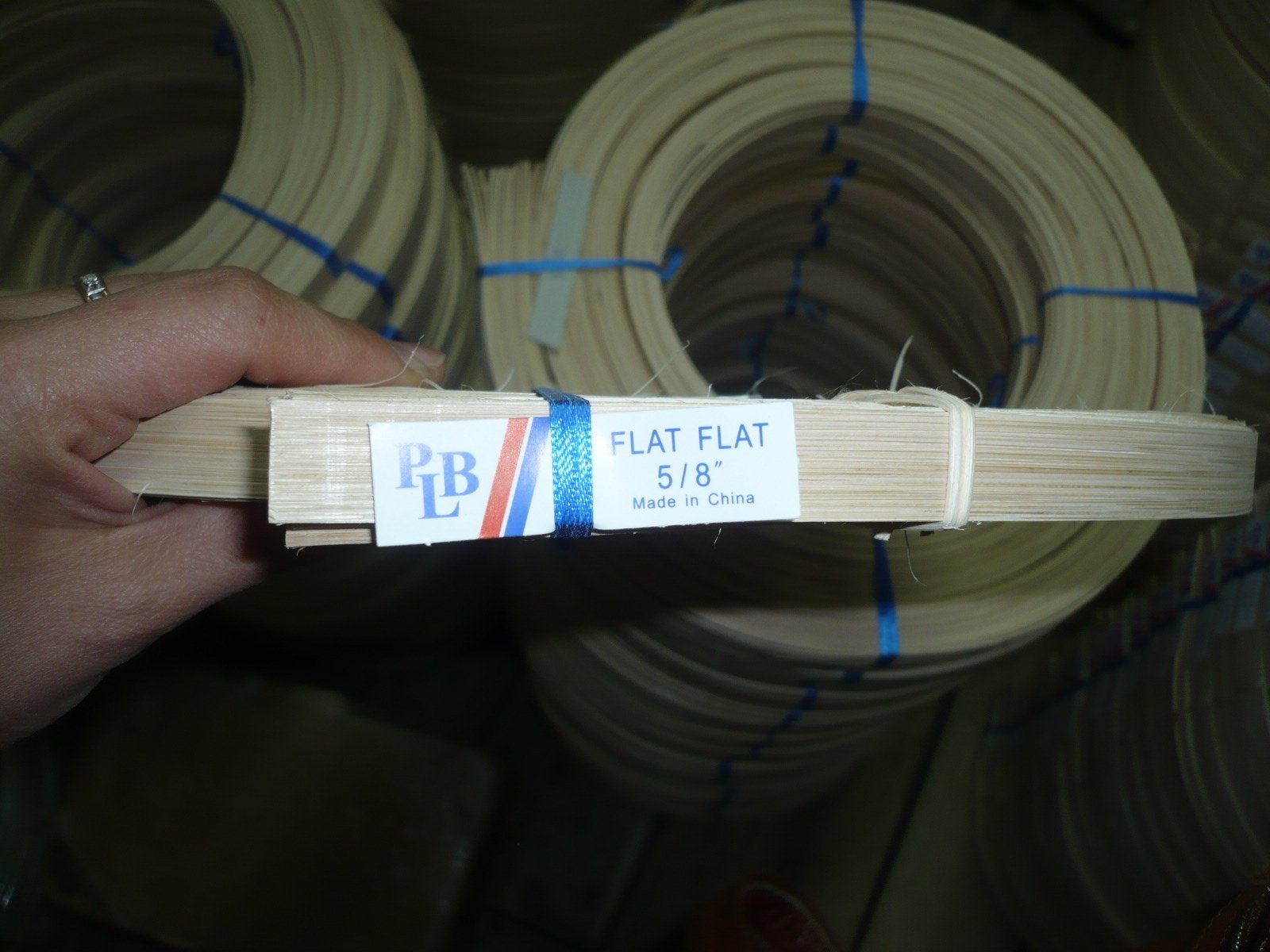
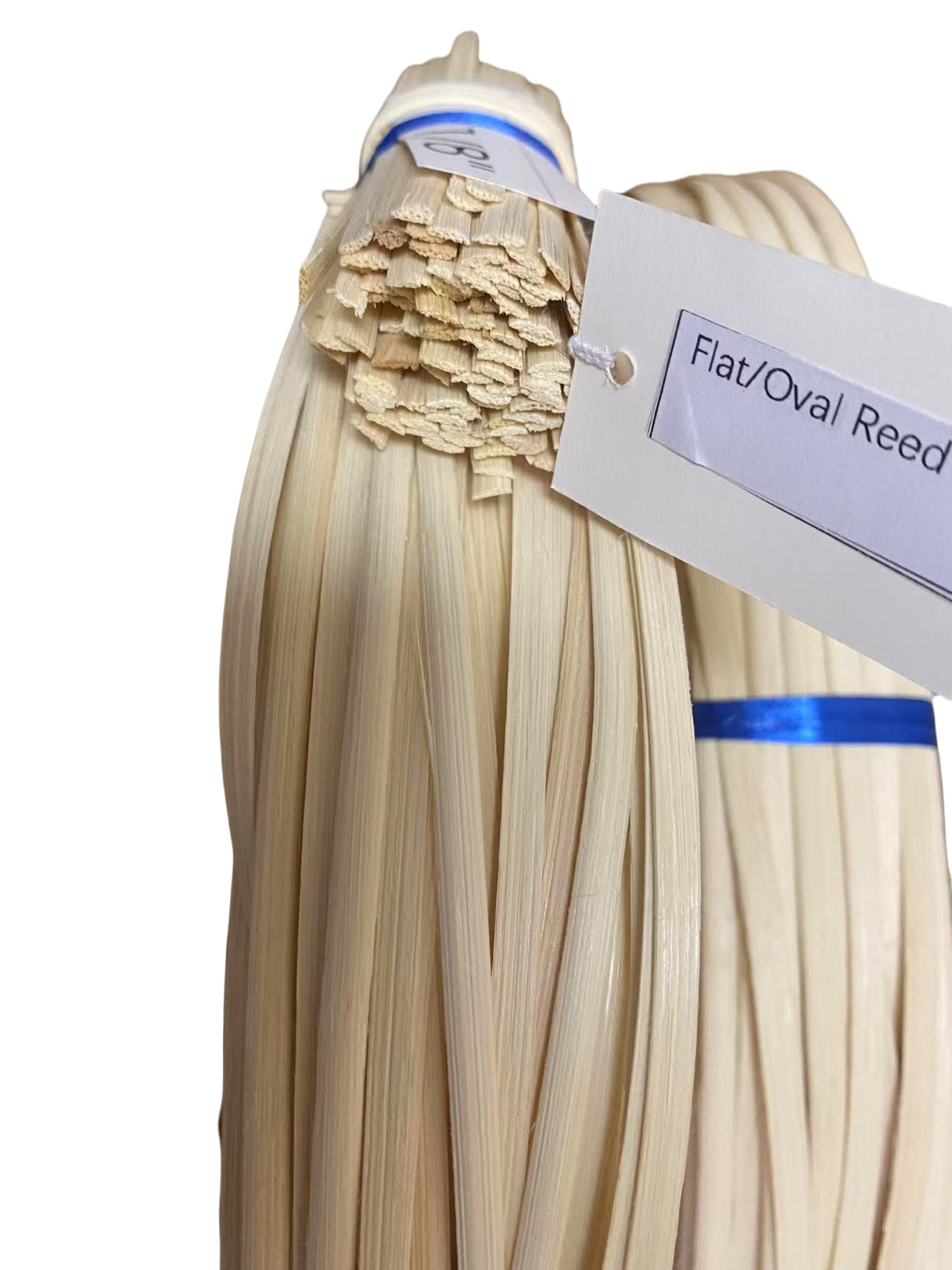
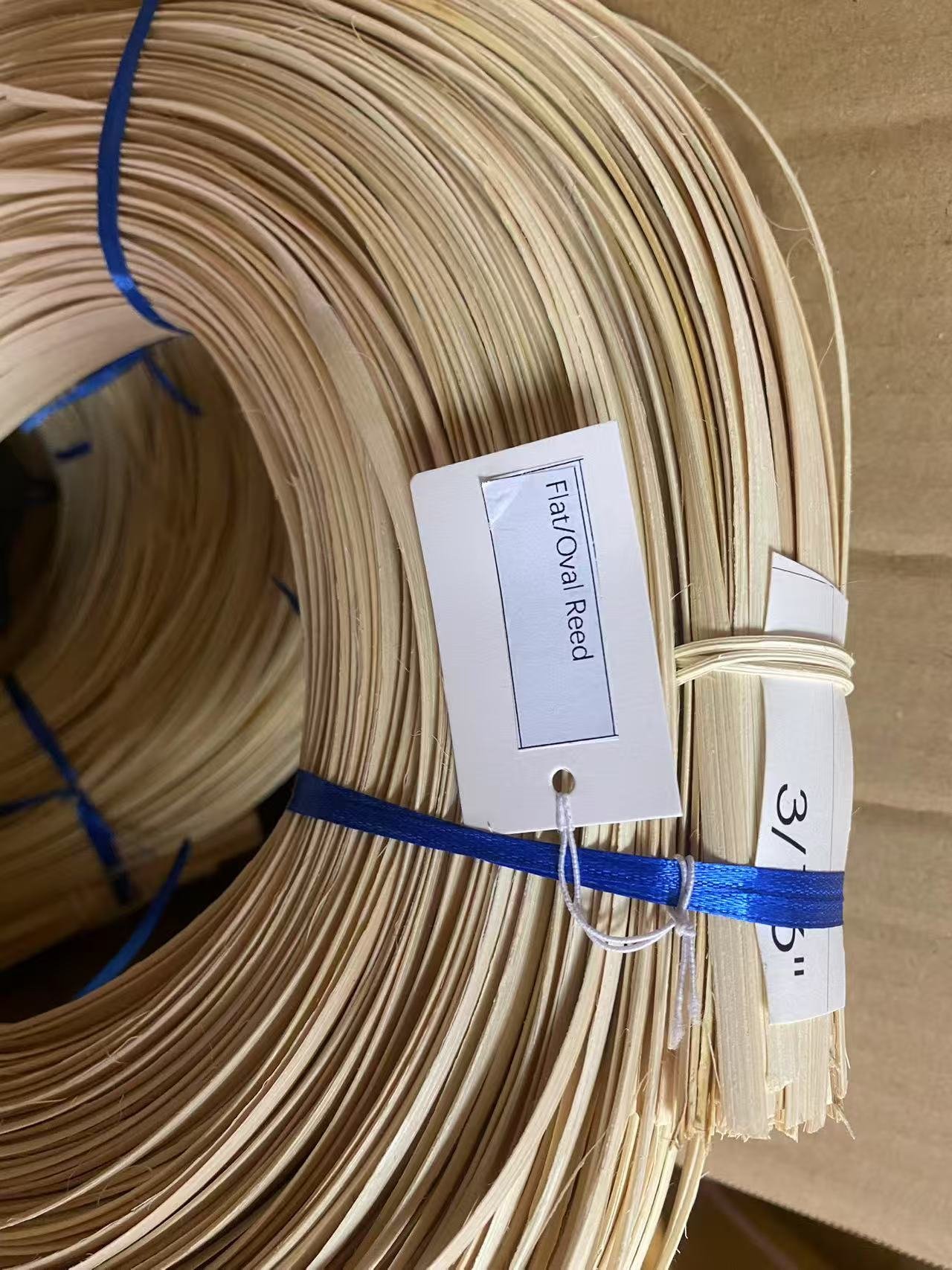
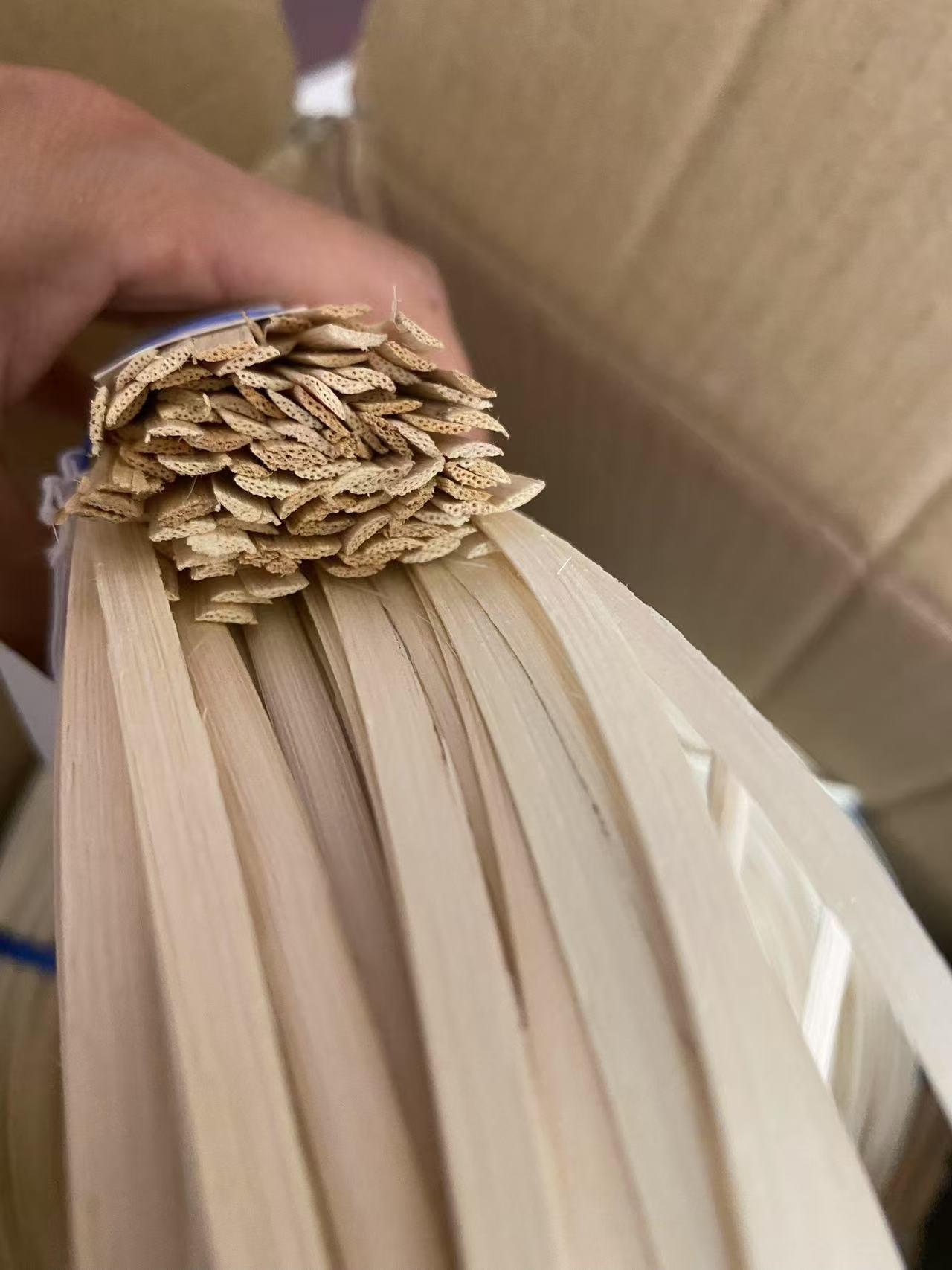
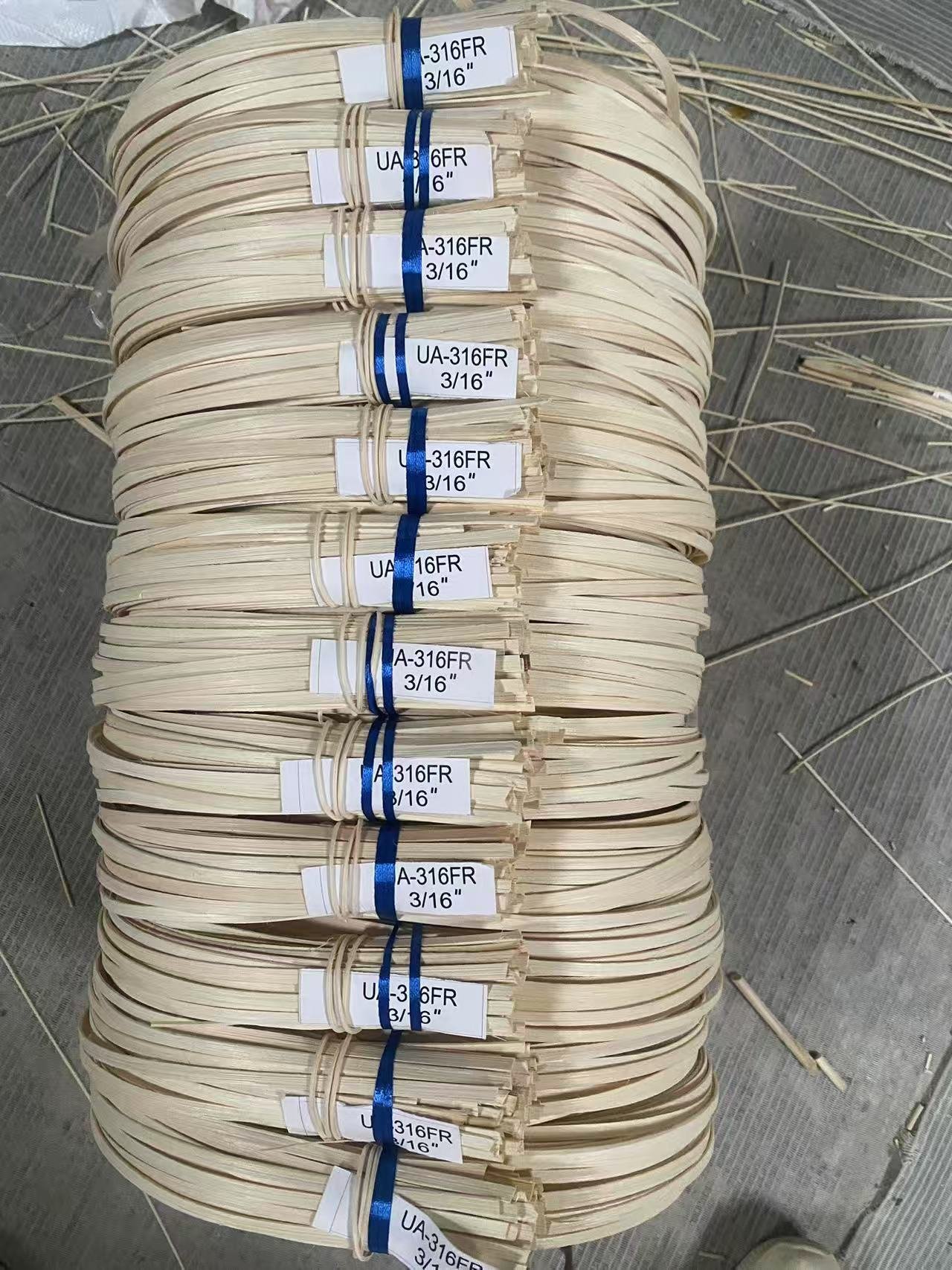
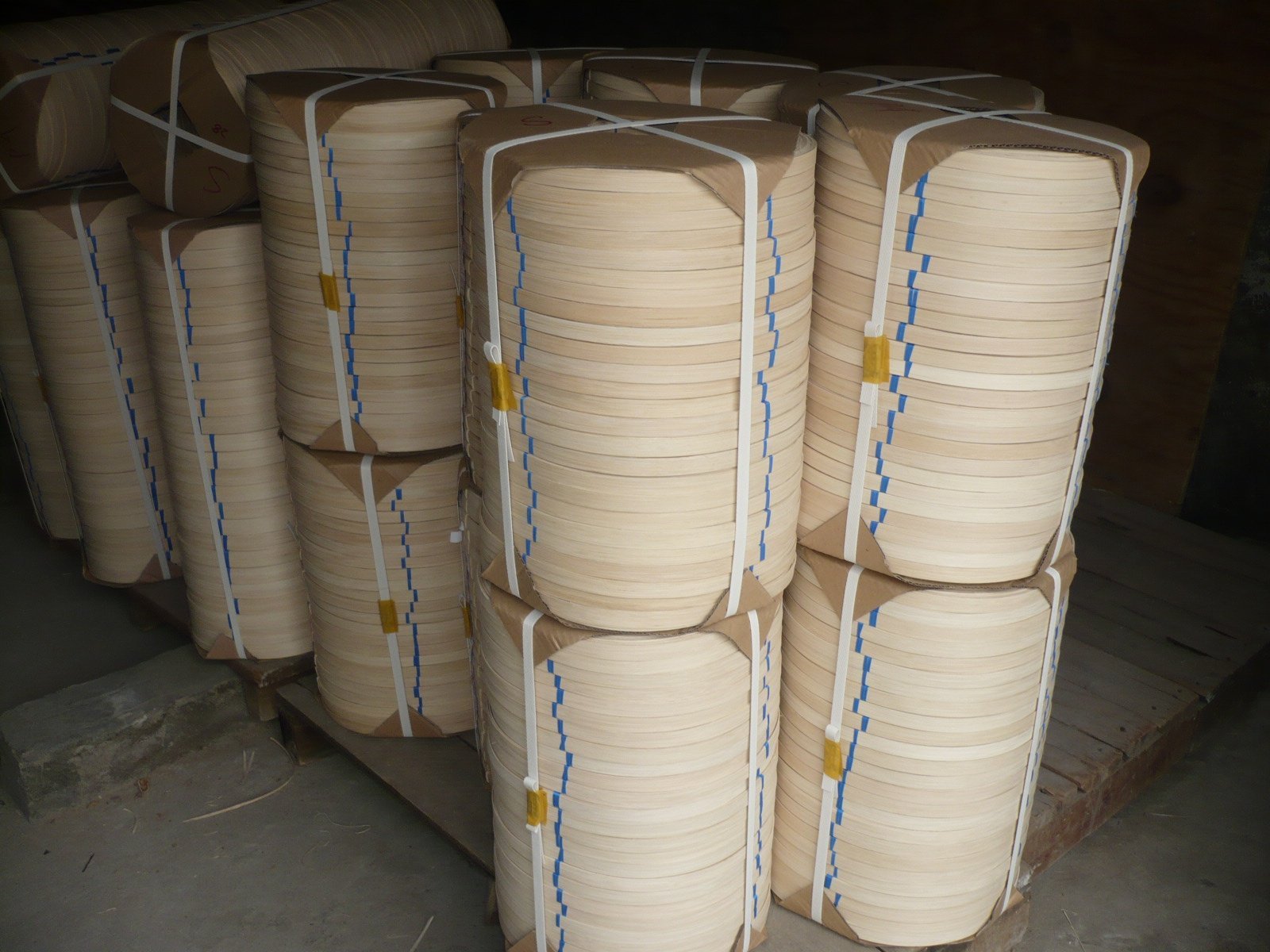
لب خيزران مسطح للنسيج، والتغليف، والسلال، ومنتجات التخزين، والتطبيقات الديكورية.
| المادة | Indonesian Rattan |
|---|---|
| Grade | AA / AB / C / D |
| الوزن | 500 جرام / لفة |
| Color | Natural |
| الحد الأدنى للطلب | 10 كجم / 20 لفة |
نسيج السلال · تغليف الأثاث · منتجات التخزين · الحرف الديكورية
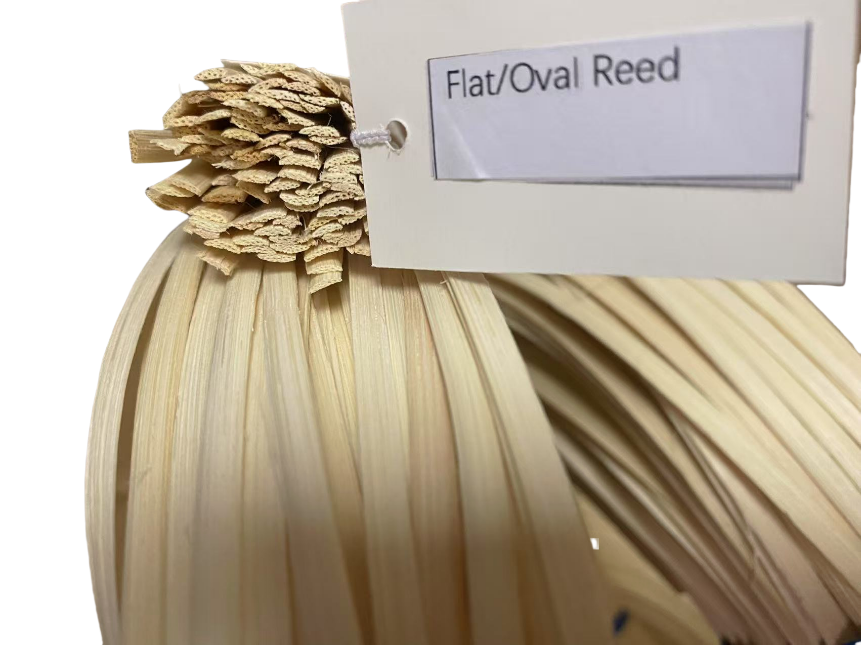
مقطع عرضي مسطح فوق مدور لإطارات الأثاث، والمقابض، والحواف الهيكلية، وتطبيقات نسيج مختارة.
| المادة | Indonesian Rattan |
|---|---|
| Grade | AA / AB / C / D |
| الوزن | 500 جرام / لفة |
| Color | Natural |
| الحد الأدنى للطلب | 10 كجم / 20 لفة |
إطارات الأثاث · المقابض · الإطارات الدائرية · الحواف الهيكلية · نسيج مختار
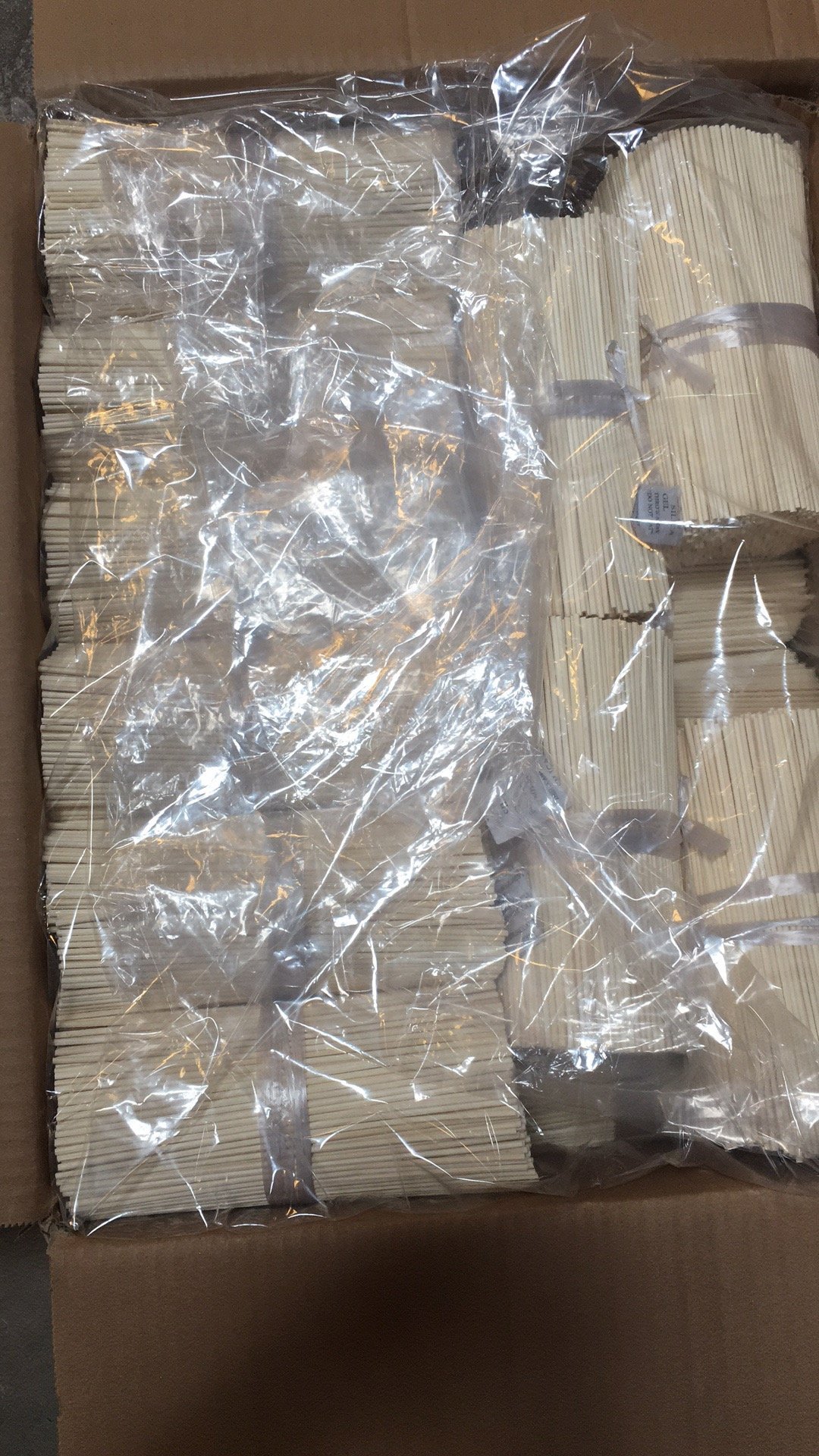
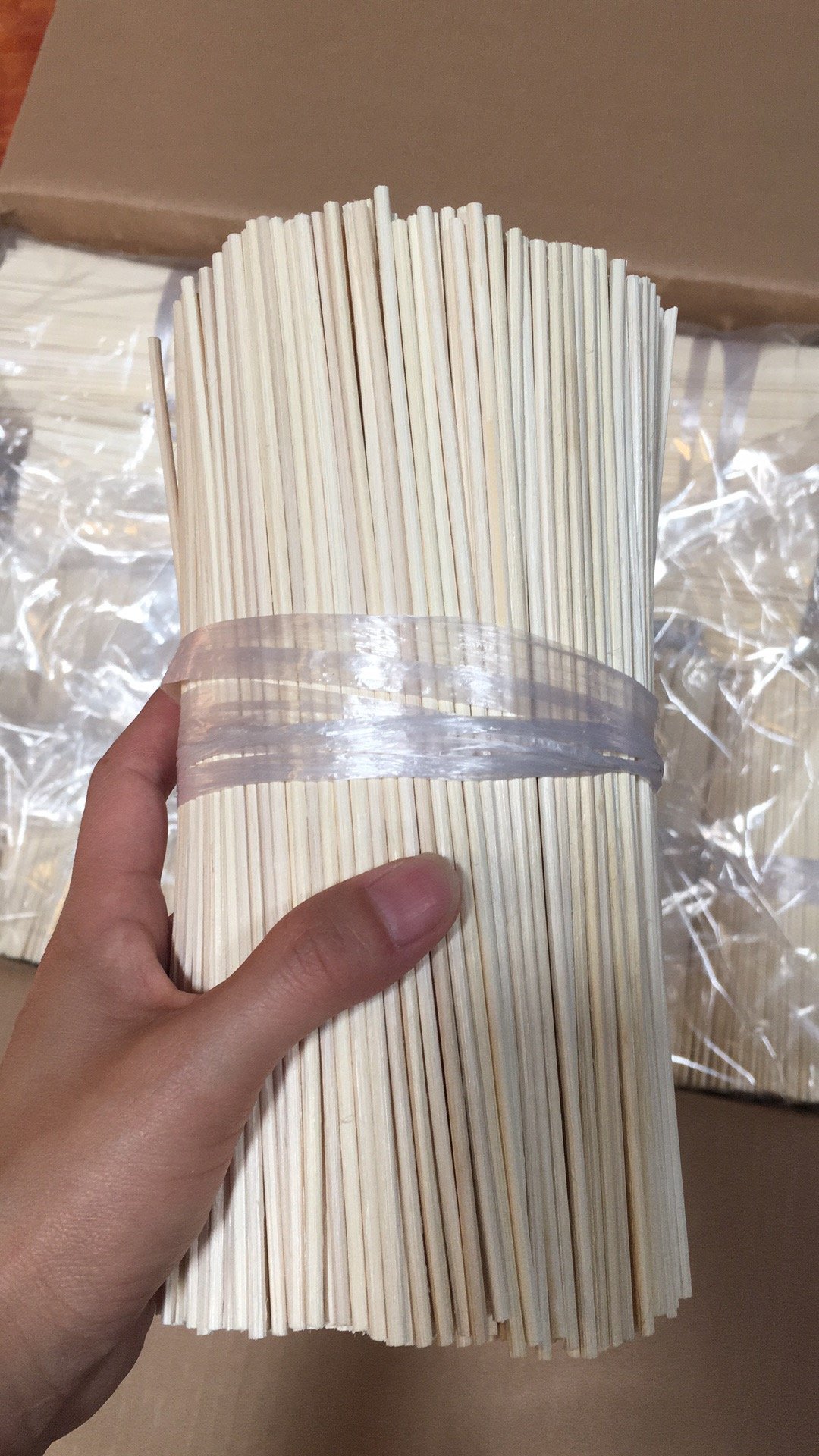
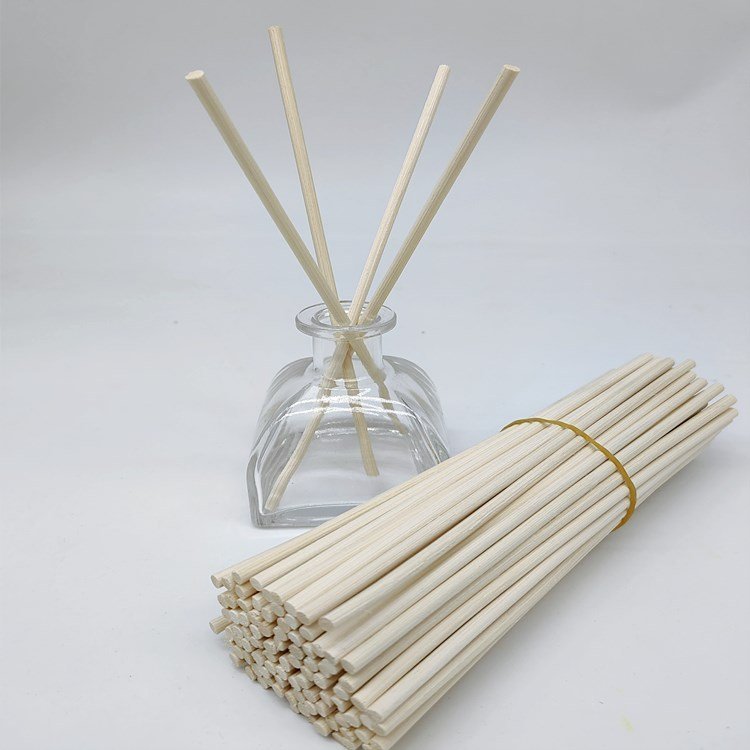
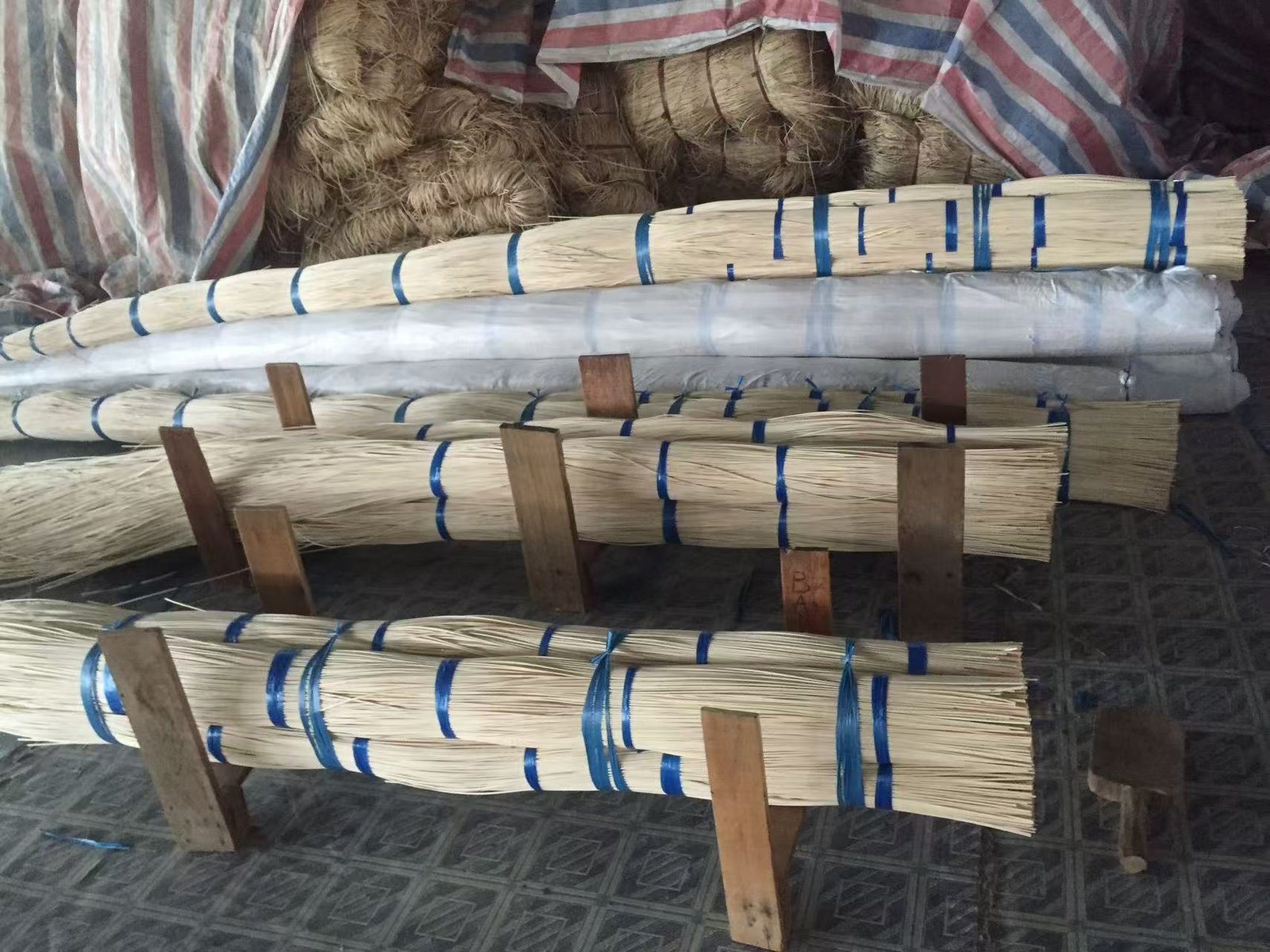
أعواد خيزران طبيعية مستقيمة لموزعات العطور، ومنتجات تعطير الجو، والتطبيقات الديكورية.
| المادة | Indonesian Rattan |
|---|---|
| حجم | Ø 2.25، 3، 4 و 5 مم |
| Color | طبيعي / مبيض / أسود |
| الحد الأدنى للطلب | 50 كجم |
موزعات العطور بالأعواد · منتجات تعطير الغرف · أعواد العطر · الاستخدام الديكوري
اللب المستدير هو مادة زخرفية طبيعية تستخدم في نسج الأثاث، ونسج الحرف اليدوية، وأعواد الناشر، وديكورات المنزل، وما إلى ذلك، مما يعزز جودة المنتج ويزيد أيضًا من جمال النسيج.
تم تصميم الروطان المسطح واللب المسطح لجلب المتانة والأناقة لترميم الأثاث، والحرف اليدوية التي تصنعها بنفسك، والتصميم الداخلي. سواء كنت تقوم بتحديث الكراسي القديمة، أو إنشاء لوحات زخرفية، فإنها توفر مزيجًا مثاليًا من القوة.
اللب المسطح الطبيعي من الروطان هو حل رائع ومتين لتصميم الأثاث وترميمه. هذه المادة المصنوعة من الروطان الأصلي تجمع بين الجاذبية التقليدية للألياف الطبيعية والقوة المعززة.
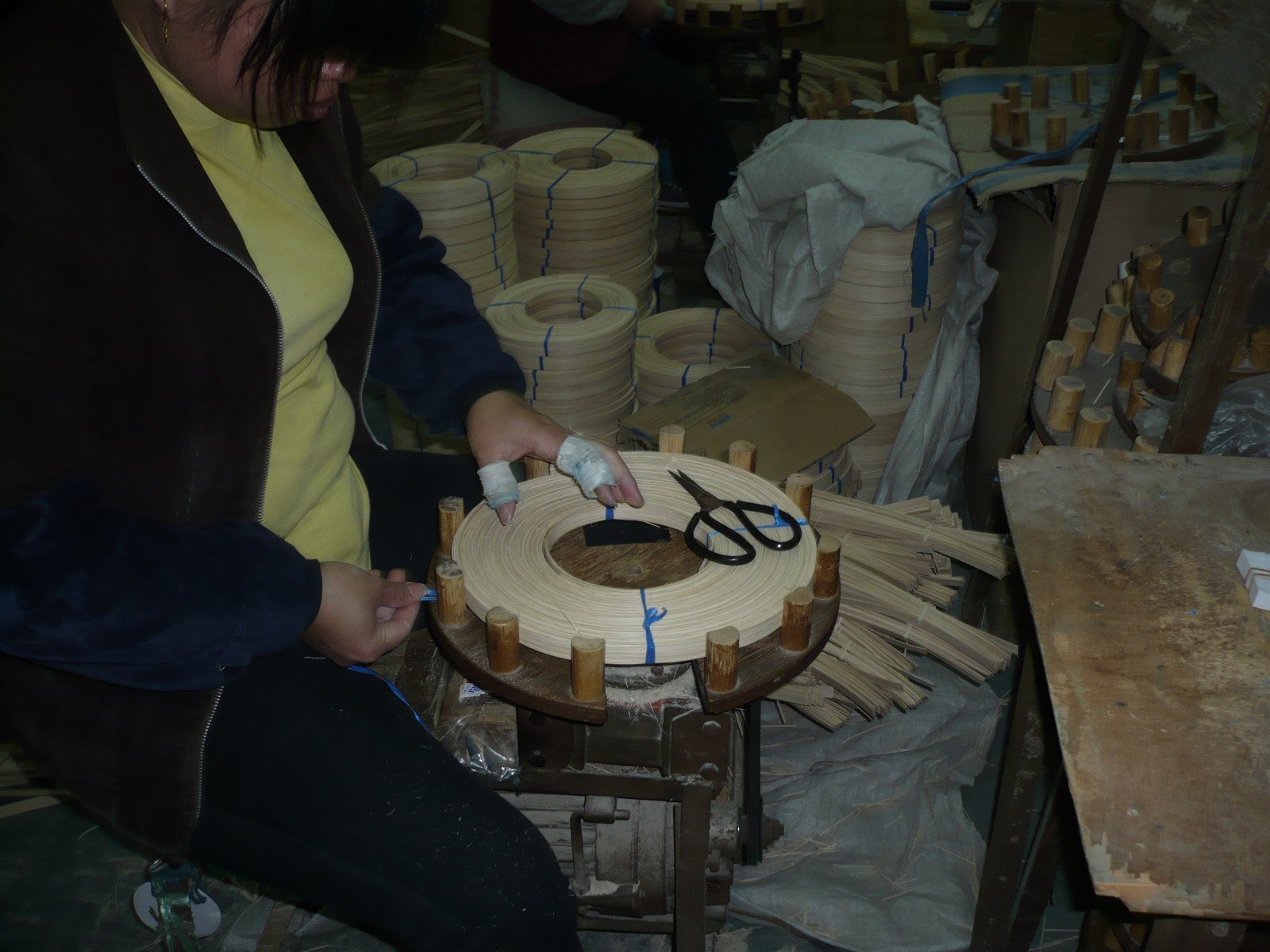
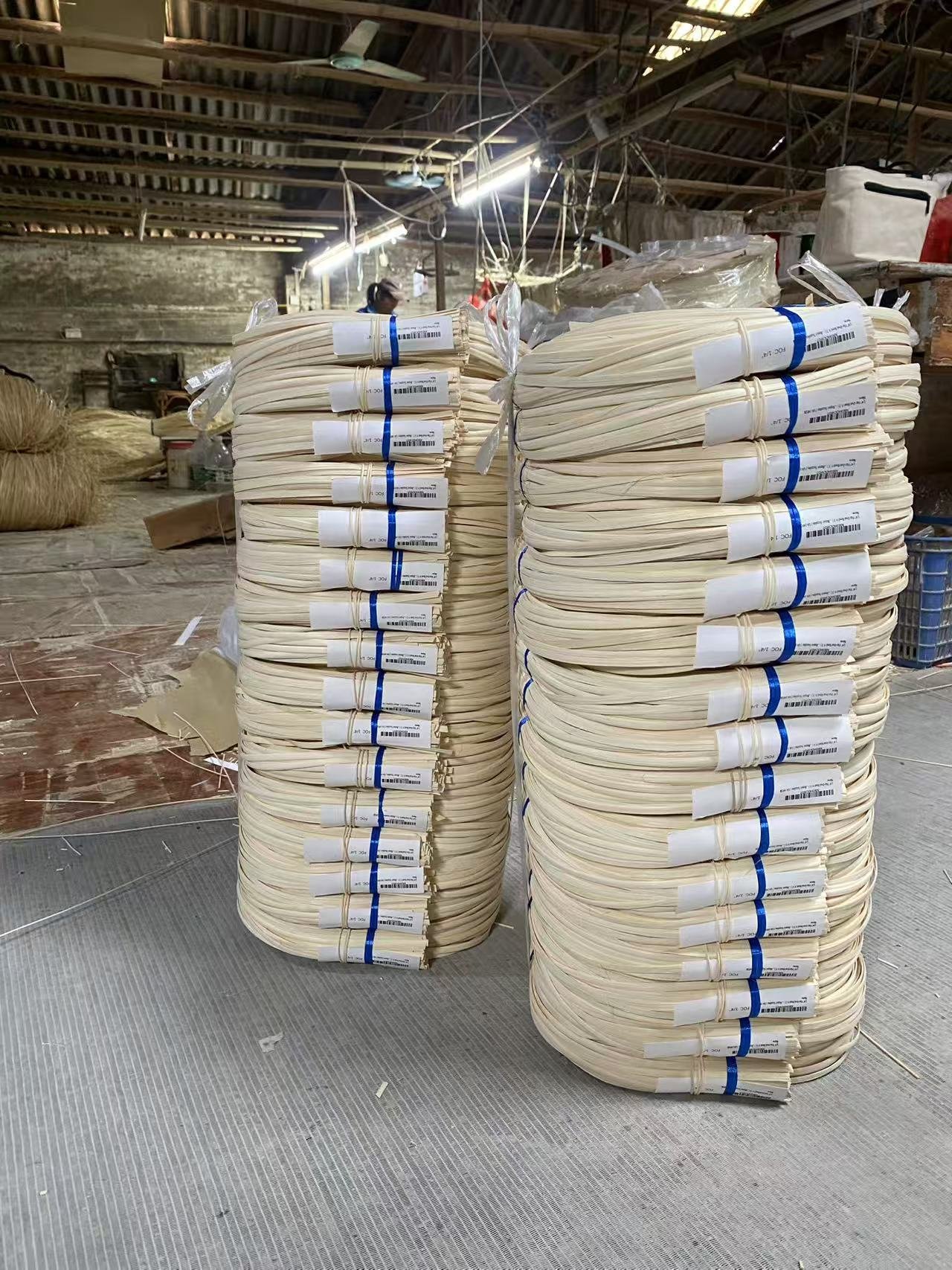
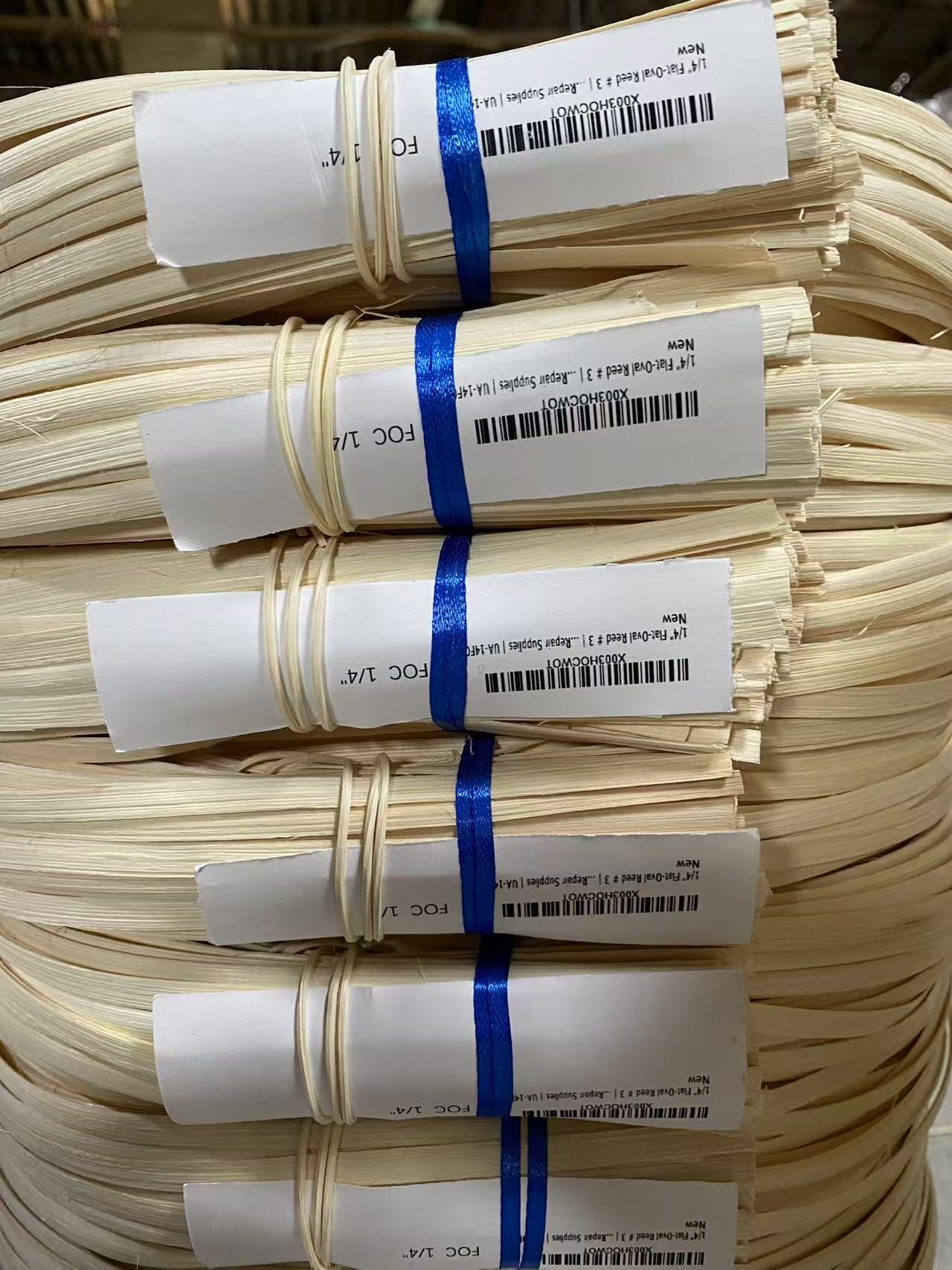
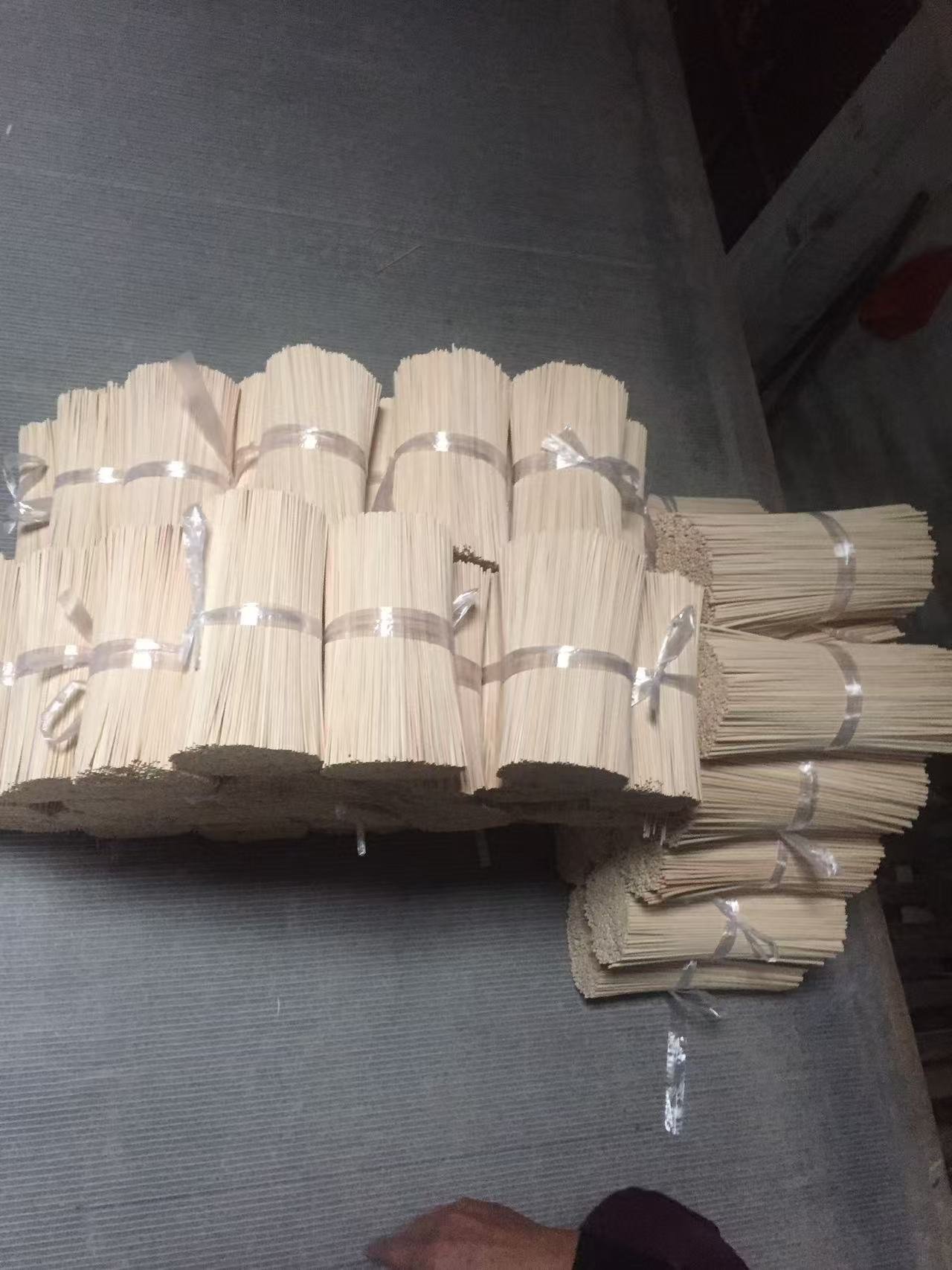
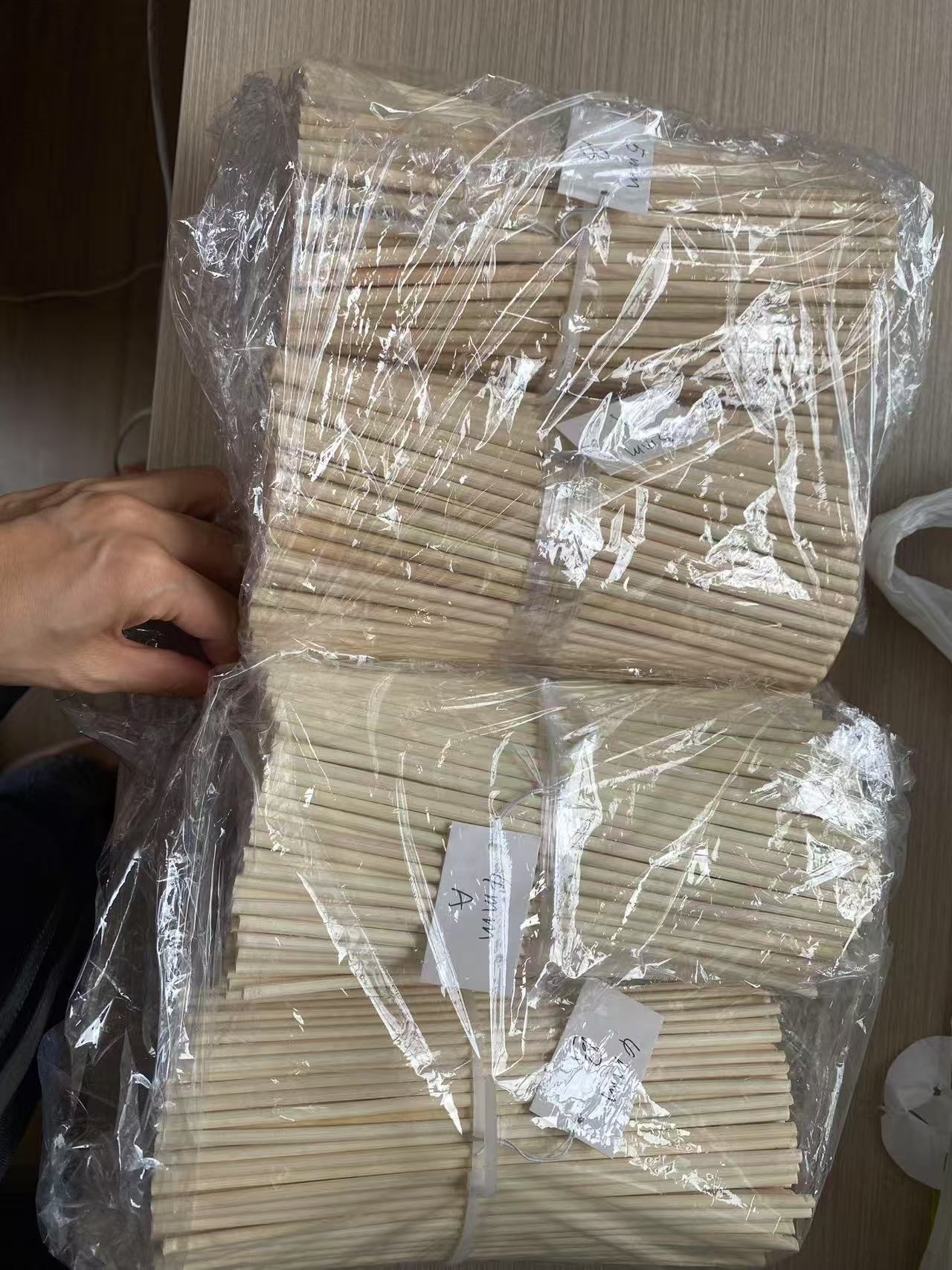
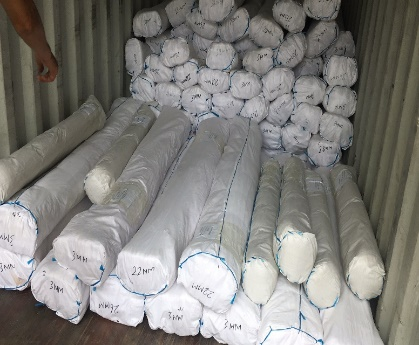
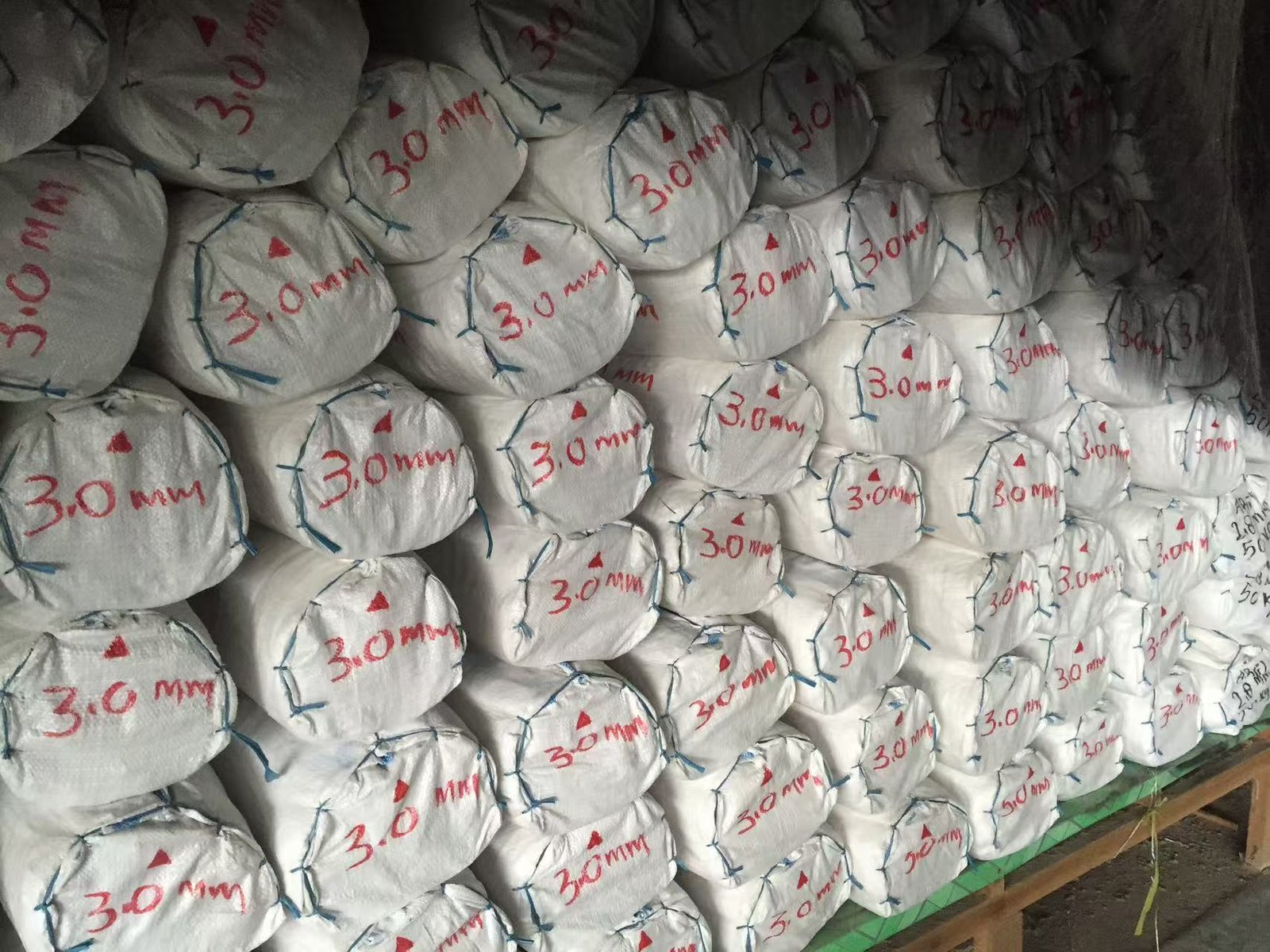
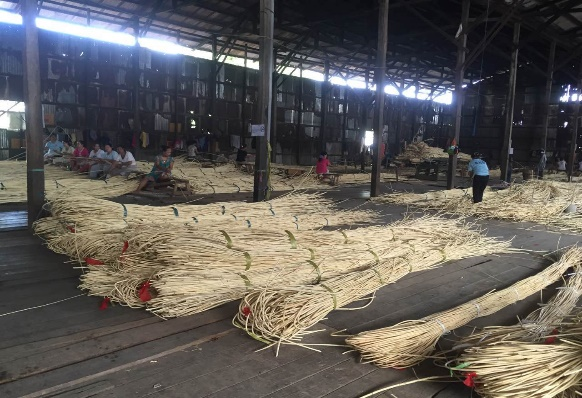
التعبئة باللفائف هي الأكثر شعبية في السوق، حيث يمكنها توفير مساحة أكبر وتوفير المزيد من تكاليف الشحن.
شاركنا المقطع العرضي، والحجم، والكمية، والطول، وتفاصيل الحماية والتغليف المطلوبة لمشروعك. يمكن لفريقنا مراجعة الخيارات المناسبة قبل تقديم عرض السعر.
إرشادات واضحة للمصنعين وورش الأثاث والمشترين الذين يستخدمون لب الروتان الطبيعي في تطبيقات النسيج والربط والحرف الديكورية.
إجابة مباشرة
إجابة مباشرة
لب الروتان الطبيعي هو المادة الداخلية الصلبة للروتان. ومقطعه الدائري ومرونته الطبيعية يجعلانه مناسباً للنسيج والربط وأعمال السلال وتفاصيل الأثاث والديكور المصنوع يدوياً.
إجابات HTML المرئية
مخصص للمشترين · قابل للقراءة بواسطة الذكاء الاصطناعي
01
لب الروتان الطبيعي هو المادة الداخلية الصلبة والدائرية للروتان بعد إزالة القشرة الخارجية. ويتم توريده عادةً لتطبيقات النسيج والربط وأعمال السلال والحرف المتعلقة بالأثاث.
02
مظهره الطبيعي وشكله الدائري أملس السطح ومرونته القابلة للتشكيل تجعل لب الروتان مفيداً للنسيج اليدوي واللف والتفاصيل الديكورية والعديد من مشاريع الحرف صغيرة الحجم.
03
مظهره الطبيعي وشكله الدائري أملس السطح ومرونته القابلة للتشكيل تجعل لب الروتان مفيداً للنسيج اليدوي واللف والتفاصيل الديكورية والعديد من مشاريع الحرف صغيرة الحجم.
04
نعم. يمكن استخدام لب الروتان لربط الأثاث والتقليم والتفاصيل المنسوجة وأعمال الإصلاح. ويجب اختيار القطر والتركيب المناسبين وفقاً للتصميم والقوة المطلوبة.
05
يُعتبر الروتان على نطاق واسع مادة نباتية متجددة لأنه ينمو بسرعة في البيئات الاستوائية المناسبة. وتؤثر عمليات التوريد والمعالجة والنقل المسؤولة على الأثر البيئي الإجمالي.
06
نعم. يمكن استخدامه للمعلقات الجدارية وإطارات المرايا والسلال وتفاصيل أغطية المصابيح وحوامل النباتات والمشاريع الديكورية اليدوية الأخرى. ويتماشى لونه الطبيعي بشكل جيد مع الخشب والكتان والقطن والخيش.
07
للثني أو النسيج، قد تحتاج المادة إلى الترطيب والتكييف وفقاً لمتطلبات المشروع. ويُفضل استخدام منتجات الروتان النهائية داخل المباني أو في أماكن محمية، بعيداً عن الرطوبة طويلة الأمد وأشعة الشمس القوية.
08
اختر بناءً على القطر المطلوب والمرونة والتشطيب السطحي واتساق اللون والاستخدام المقصود. لإصلاح الأثاث أو أعمال المطابقة، يُرجى تقديم القياسات وصور واضحة قبل الطلب.
خبرة عائلية في شبك الروتان منذ عام 1995 · تأسست Seafan Rattan في عام 2016
تمت المراجعة في 2026
Each step in our process requires specialized skills, premium materials, and meticulous attention to detail. This comprehensive approach ensures exceptional quality while explaining the premium investment required.
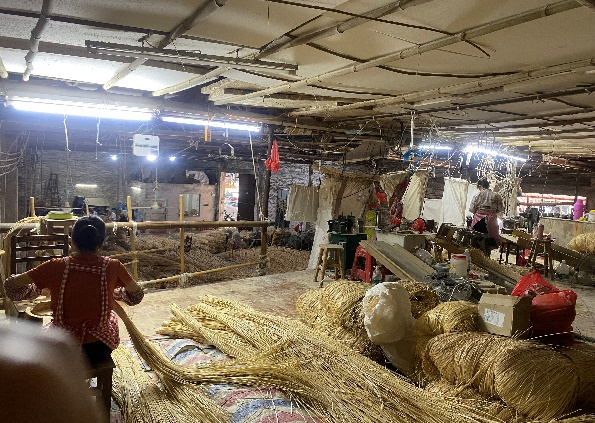
We exclusively import raw rattan material (rattan sticks) from Indonesia, the world’s premier source for high-quality rattan. Only Indonesian rattan possesses the ideal fiber density, flexibility, and natural oils necessary for superior webbing production.
Through our partner raw material factories in Indonesia, we ensure direct access to the finest rattan forests. However, supply stability remains challenging due to seasonal variations and environmental factors, contributing to year-over-year price increases.
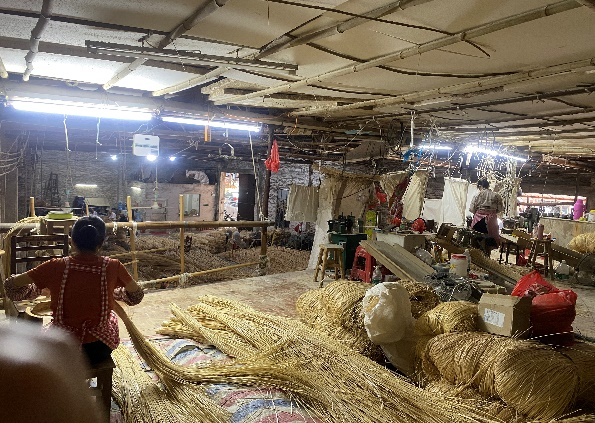
Every rattan stick undergoes intensive washing to remove natural oils, dirt, and surface impurities. Simultaneously, we perform initial size separation to categorize materials by diameter and quality grade, ensuring optimal processing efficiency in subsequent steps.
Our washing system includes soaking baths, rotating brush stations, and controlled drying chambers. This process takes 4–6 hours per batch and requires skilled operators to monitor water quality and cleaning effectiveness.
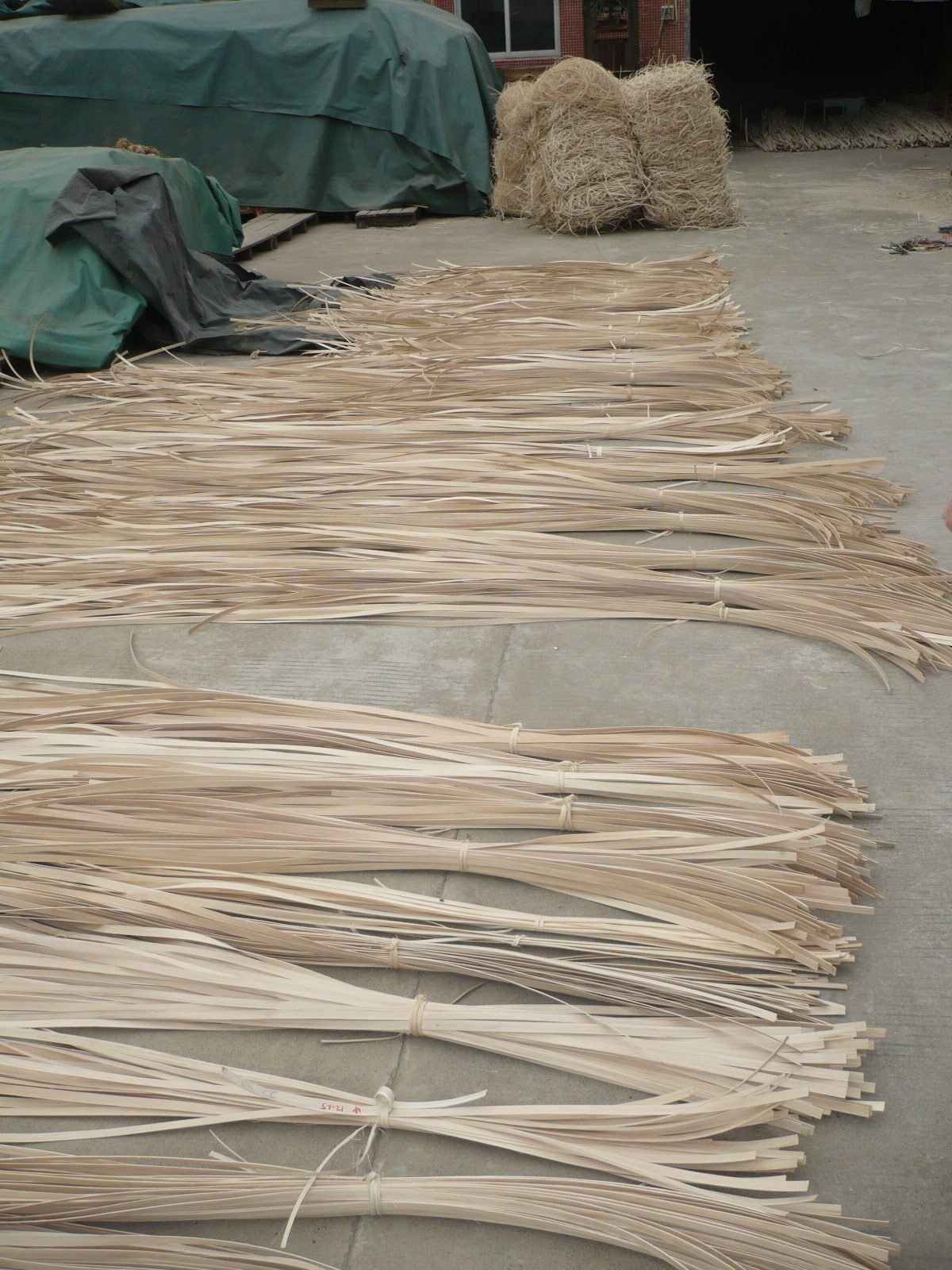
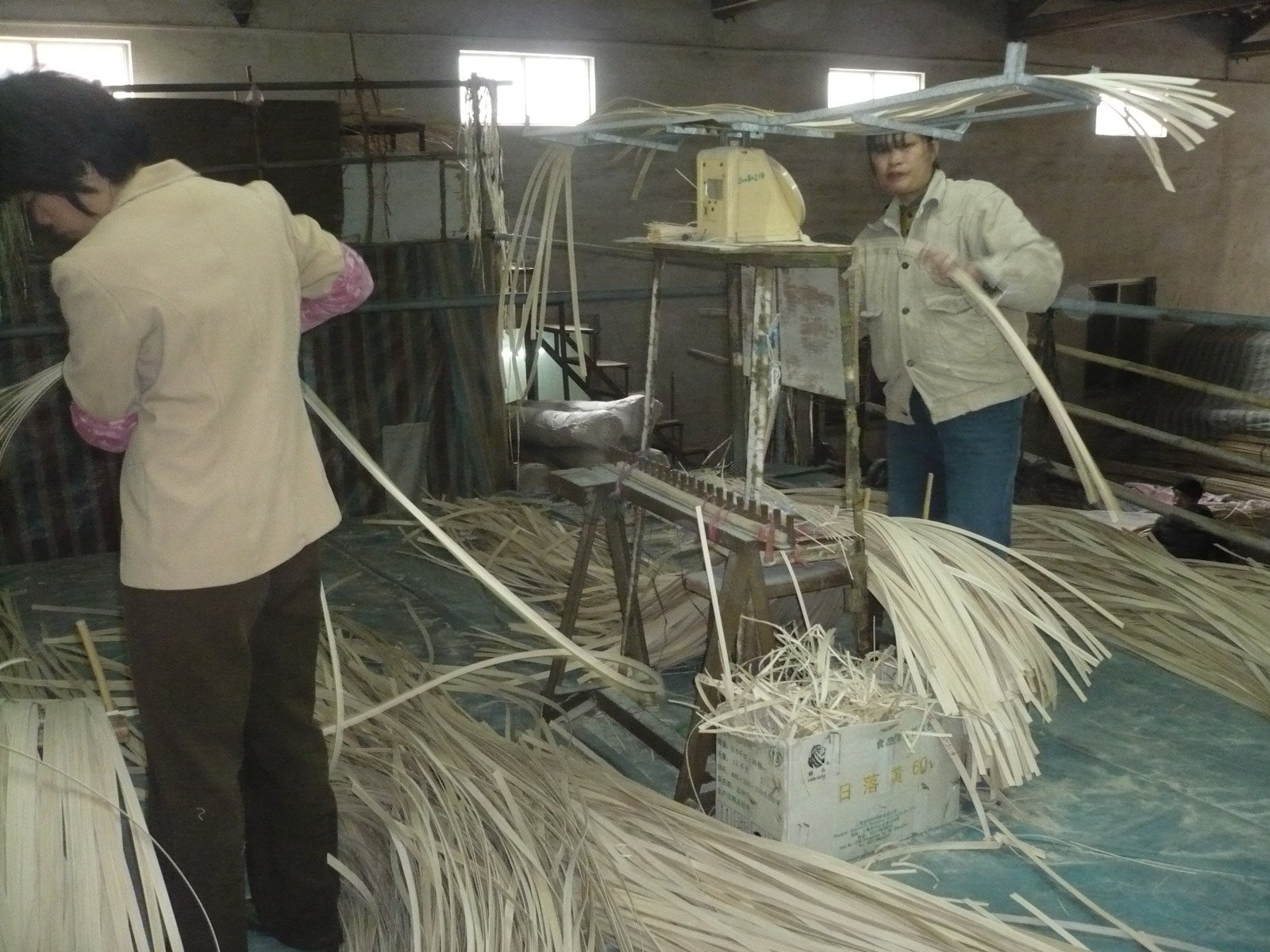
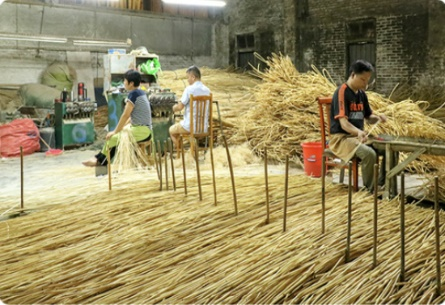
Specialized machinery separates each rattan stick into its core and peel components. The rattan peel, which becomes our weaving material, is then processed into precise 2.2–2.5mm strips. This mechanical process requires constant calibration and skilled operation to maintain consistency.
Our German-engineered separation machines use adjustable blade systems to achieve precise strip widths. Each machine requires a dedicated operator and produces approximately 500 strips per hour with minimal waste.
The rattan peel strips undergo final sizing through specialized machinery to achieve our exact 2.2–2.4mm specification. This critical step ensures uniform weaving tension and consistent final product quality. Any deviation in strip width affects the entire webbing structure.
Our calibration machines use laser measurement systems to verify each strip meets our exacting standards. Strips outside tolerance are automatically rejected, maintaining our 99.5% consistency rate but adding to material costs.
Our skilled quality control specialists manually inspect every rattan strip, removing any pieces with imperfections, inconsistent color, or structural weaknesses. This entirely manual process ensures only premium-grade materials proceed to weaving, directly impacting our labor costs.
Each quality control specialist undergoes 6 months of training to identify subtle defects. They can process approximately 2,000 strips per day, rejecting 10–15% of materials to maintain our quality standards.
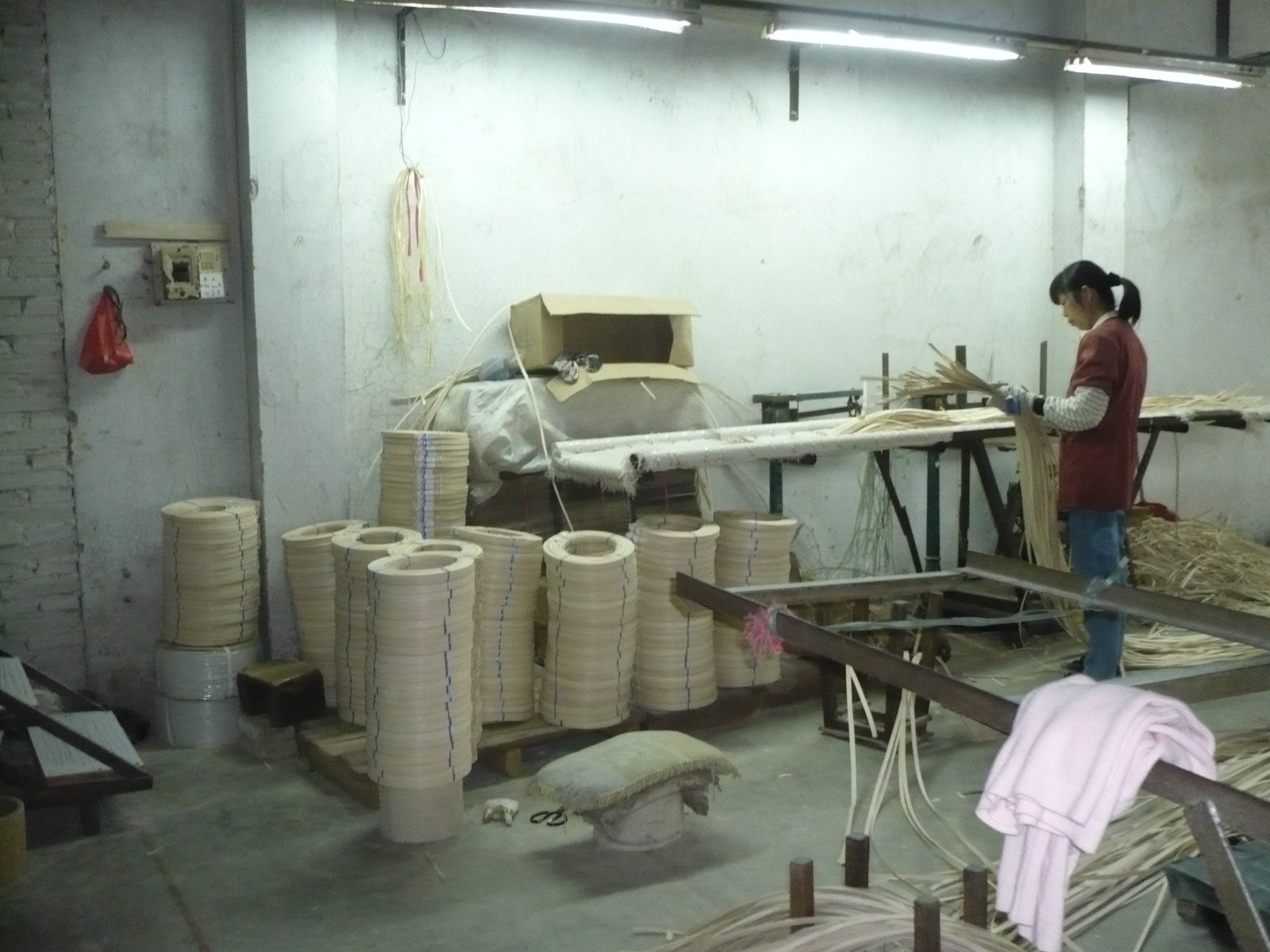
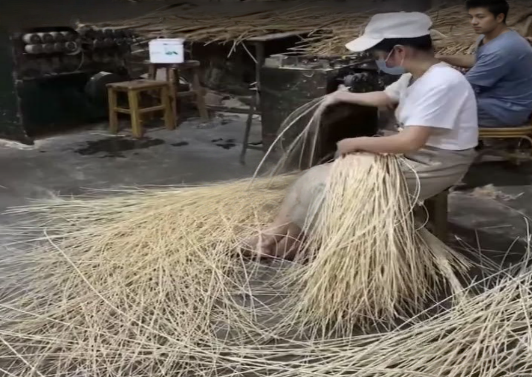
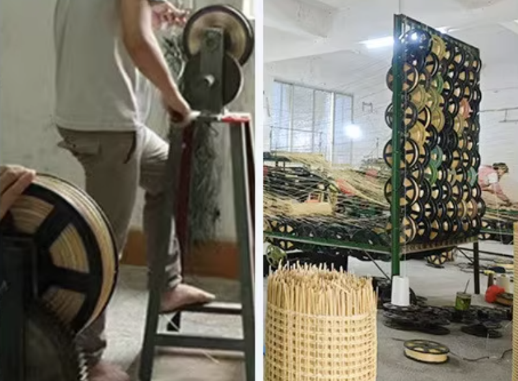
Workers must hand-roll the approved rattan strips into individual coils. Each weaving machine requires approximately 300 prepared rolls before operation can begin. This preparatory work is entirely manual and represents a significant portion of our labor investment.
Each worker can prepare 60–80 rolls per day, meaning a full machine setup requires 4–5 worker-days of preparation time. The rolls must be perfectly uniform to ensure smooth machine operation and consistent tension.
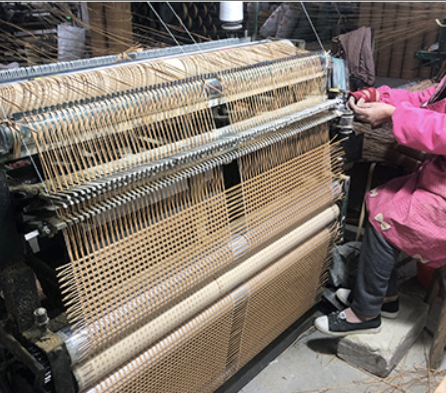
Our specialized weaving machines create the foundational structure of the rattan webbing. Each machine can produce approximately 20 rolls per day, requiring constant operator supervision and frequent adjustments. The limited daily output directly contributes to our pricing structure.
Each weaving machine requires a skilled operator who monitors tension, adjusts weave patterns, and performs real-time quality control. Machine maintenance and setup changes add significant overhead to production costs.
We exclusively import raw rattan material (rattan sticks) from Indonesia, the world’s premier source for high-quality rattan. Only Indonesian rattan possesses the ideal fiber density, flexibility, and natural oils necessary for superior webbing production.
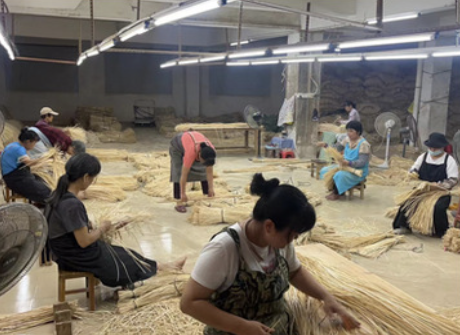
Our master weavers train for 2–3 years to achieve the precision and speed required for this work. Each artisan produces only 1 standard roll per day, making skilled labor our most significant cost factor.
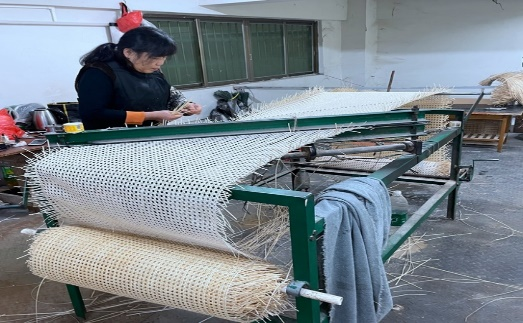
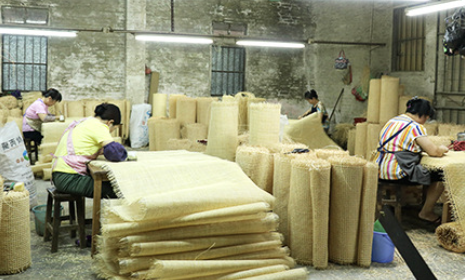
Every completed webbing undergoes thorough inspection for structural integrity, pattern consistency, and material flaws. Because rattan is a natural material, minor imperfections are inevitable and must be skillfully repaired before shipment, adding additional labor costs.
Our quality control team inspects every square inch of webbing, checking for loose weaves, broken strips, and pattern irregularities. Repairs require the same skill level as original weaving.
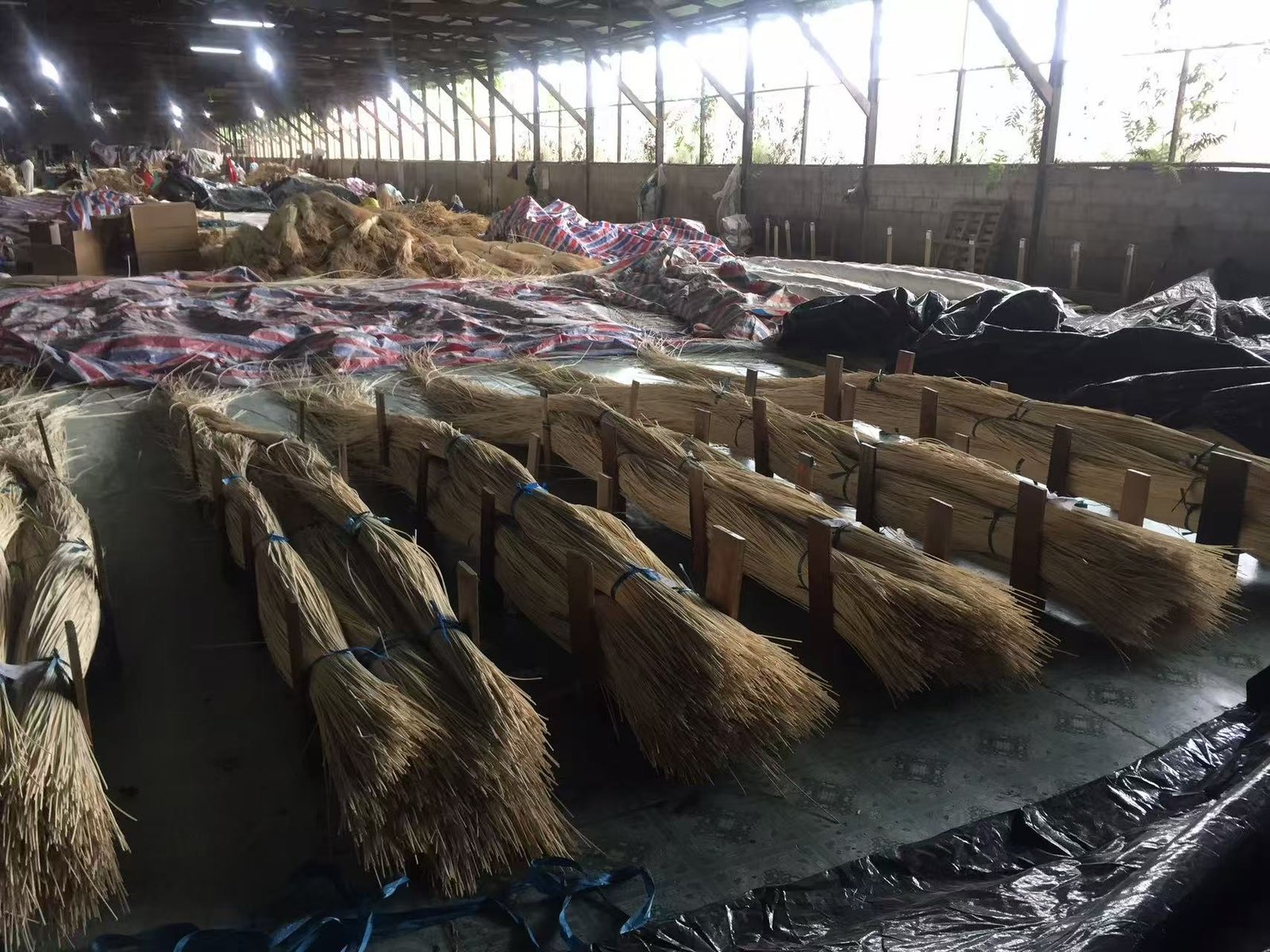
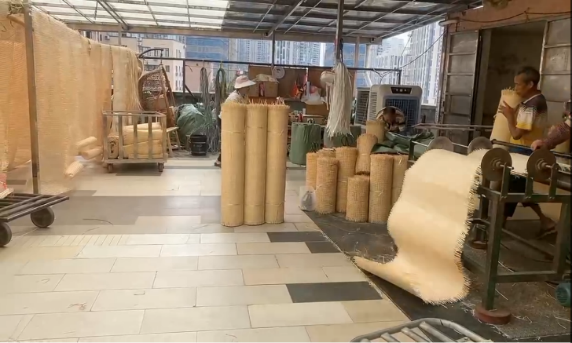
All completed webbing undergoes natural solar drying to achieve optimal moisture content for long-term stability. The drying process takes 2–3 days depending on weather conditions, after which we carefully package each roll for safe international shipment.
Our solar drying facility covers 2,000㎡ with adjustable ventilation and weather protection. Each roll is positioned and monitored to ensure uniform drying without warping or cracking.
تواصل معنا عبر واتساب