
لطالما كان أثاث الروطان خيارًا خالدًا للمنازل والمساحات الخارجية، حيث يقدم مزيجًا من الأناقة والمتانة. ولكن بمرور الوقت، يمكن أن يتآكل القصب الطبيعي المنسوج في الكراسي، أو يترهل، أو حتى ينكسر. هذا هو المكان الذي يأتي فيه كرسي خيزران قصب الاستبدال. فهو لا يستعيد وظيفة الكرسي فحسب، بل يعيد إليه أيضًا سحره الجمالي. إذا تساءلت يومًا عن كيفية بث حياة جديدة في كرسي الروطان المفضل لديك، فأنت في المكان الصحيح.
فهم قصب كرسي الروطان
ما هو قصب الروطان؟
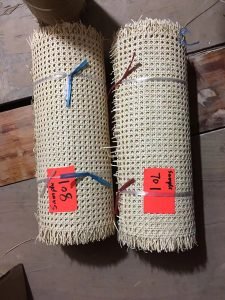
قصب الروطان هو اللحاء الداخلي لنبات الروطان، والذي يتم حصاده وتقشيره وتجفيفه لإنشاء شرائط مرنة. تُنسج هذه الشرائط لتشكيل مقعد الكرسي أو ظهره. يُقدر القصب لقوته ومرونته ومظهره الكلاسيكي.
أنواع قصب الروطان
قصب طبيعي
القصب الطبيعي مصنوع مباشرة من كروم الروطان. إنه يسمح بمرور الهواء، وصديق للبيئة، ويعطي مظهرًا دافئًا وعضويًا.
قصب اصطناعي
يحاكي القصب الصناعي مظهر القصب الطبيعي ولكنه يوفر متانة ومقاومة أعلى للعوامل الجوية، مما يجعله مثاليًا للأثاث الخارجي.
استخدامات شائعة في الأثاث
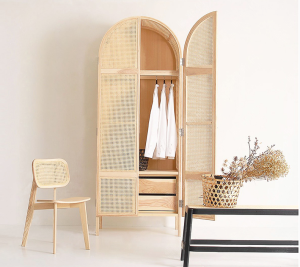
يستخدم قصب الروطان بشكل شائع في الكراسي، والكراسي الهزازة، والمقاعد، وحتى الألواح الزخرفية. طبيعته خفيفة الوزن ومرنة تجعله مثاليًا لأنماط النسج المعقدة.
علامات تدل على أن كرسي الروطان الخاص بك يحتاج إلى استبدال القصب
- تآكل وتهالك واضح: اهتراء أو ثقوب في القصب المنسوج.
- هبوط أو ارتخاء المقعد: يبدو المقعد أقل دعمًا.
- تشققات وانقسامات: خاصة في الكراسي القديمة، يمكن أن يجف القصب ويتشقق.
الأدوات والمواد اللازمة لاستبدال القصب
- صفائح أو لفات القصب: متوفرة بعروض مختلفة.
- أوتاد وغراء: لتثبيت القصب في أخدود إطار الكرسي.
- أدوات أساسية: مقص، إزميل، مطرقة، وماء لنقع القصب.
تجهيز كرسي الروطان الخاص بك لاستبدال القصب
تنظيف الكرسي
قبل البدء، امسح الكرسي لإزالة الغبار والأوساخ. السطح النظيف يضمن التصاقًا أفضل.
إزالة القصب القديم
استخدم إزميلًا أو مفك براغي لرفع القصب القديم بعناية. قم بإزالة أي غراء متبقٍ أو شرائح لمنع ظهور نتوءات.
قياس المقعد
قم بقياس مقعد الكرسي بدقة. إضافة بوصة أو اثنتين إضافيتين تضمن ملاءمة محكمة بعد النقع.
دليل خطوة بخطوة لاستبدال قصب كرسي الروطان
الخطوة 1: قص القصب الجديد
قم بقص ورقة القصب أكبر قليلاً من أبعاد مقعدك المقاسة. هذا يسمح بالتشذيب بعد التركيب.
الخطوة 2: نقع القصب
انقع القصب في ماء دافئ لمدة 30-60 دقيقة. هذا يجعله مرنًا وأسهل في النسج أو الضغط في الأخدود.
الخطوة 3: تركيب القصب على الكرسي
ضع القصب المنقوع فوق المقعد واضغط عليه في الأخدود باستخدام أداة لف الشرائح أو أداة مسطحة.
الخطوة 4: التثبيت بالشرائح
ضع الغراء في الأخدود واضغط على الشريحة بقوة لتثبيت القصب في مكانه. تأكد من أن الشد متساوٍ.
الخطوة 5: التشذيب والإنهاء
قم بقص القصب الزائد على طول الحواف. اترك الغراء يجف تمامًا، ثم نظف السطح بلطف.
نصائح لتحقيق لمسة نهائية احترافية
- حافظ على شد متساوٍ لتجنب الترهل.
- تجنب التجاعيد عن طريق الضغط على القصب تدريجيًا.
- استخدم الحد الأدنى من الغراء لمنع التسرب.
أخطاء شائعة يجب تجنبها
- قد يتسبب قص القصب قصيرًا جدًا في حدوث فجوات.
- النقع الزائد يضعف القصب.
- تجاهل تلف إطار الكرسي قد يؤدي إلى مشاكل مستقبلية.
صيانة كرسي الروطان الخاص بك بعد استبدال القصب
- الغبار المنتظم والتنظيف اللطيف.
- تجنب الرطوبة الزائدة لمنع الانتفاخ.
- قم بشد المفاصل السائبة بشكل دوري للحفاظ على الاستقرار.
استبدال القصب بنفسك مقابل الاستبدال الاحترافي
متى تقوم بها بنفسك
إذا كنت تستمتع بالمشاريع العملية، ولديك الأدوات الأساسية، وإطار الكرسي الخاص بك سليم، فإن القيام بها بنفسك هو خيار رائع.
متى تستأجر محترفًا
بالنسبة للأنماط المعقدة، أو الكراسي العتيقة، أو تلف الإطار الشديد، يضمن الترميم الاحترافي أفضل النتائج.
تكلفة استبدال قصب كرسي الروطان
- تكاليف المواد: 10-50 دولارًا اعتمادًا على نوع القصب.
- تكاليف العمالة: 50 دولارًا - 150 دولارًا للاستبدال الاحترافي.
- وفورات الإصلاح الذاتي: يمكنك توفير ما يصل إلى 70% عن طريق القيام بذلك بنفسك.
تعزيز طول عمر كرسي الروطان الخاص بك
- ضع طبقات واقية مثل الورنيش أو الزيت.
- تجنب وضع الكراسي في ضوء الشمس المباشر أو المناطق الرطبة.
- قم بتدوير استخدام الكراسي لتوزيع التآكل بالتساوي.
خيارات صديقة للبيئة ومستدامة
- قصب الروطان المعاد تدويره يقلل من التأثير البيئي.
- البدائل الاصطناعية يمكن أن تدوم لفترة أطول وتقاوم الظروف الخارجية.
خاتمة
استبدال قصب كرسي الروطان الخاص بك ليس مجرد إصلاح - بل هو طريقة لإحياء قطعة أثاث تحمل سحرًا وتاريخًا. سواء قمت بذلك بنفسك أو استعنت بمحترف، فإن اتباع الخطوات الصحيحة يضمن المتانة والراحة والجمال لسنوات قادمة. مع القليل من العناية، يمكن أن يظل كرسي الروطان الخاص بك قطعة مركزية في منزلك لعقود.
الأسئلة الشائعة
- كم مرة يجب أن أستبدل قصب الروطان على الكرسي؟
عادة كل 5-10 سنوات، حسب الاستخدام والتعرض. - هل يمكنني استبدال جزء فقط من القصب؟
الإصلاحات الجزئية ممكنة، لكن الاستبدال الكامل يضمن التوتر والمظهر المتساويين. - هل القصب الاصطناعي أفضل من القصب الطبيعي؟
القصب الاصطناعي أكثر متانة ومقاومة للعوامل الجوية، وهو مثالي للاستخدام الخارجي. - كم من الوقت يستغرق استبدال قصب الكرسي بنفسك؟
لكرسي متوسط، 2-4 ساعات بما في ذلك النقع والتركيب. - هل يمكنني طلاء أو صبغ قصب الروطان بعد الاستبدال؟
نعم، ولكن تأكد من أن القصب جاف تمامًا واستخدم تشطيبات متوافقة.
 English
  Español de México
  العربية
  Deutsch
  Français
  Русский